Love & Loss
True literary romance is rarely about a happy ending. It is a battlefield where the self collides with the other. The greatest love stories are often stories of transformation, where characters must overcome pride, prejudice, or social barriers to find connection—or lose themselves entirely.
From the quiet longing of Jane Austen to the destructive passion of Anna Karenina, these books map the treacherous terrain of the human heart. They remind us that love is not just a polite emotion, but a primal force that has the power to build worlds or burn them to the ground.
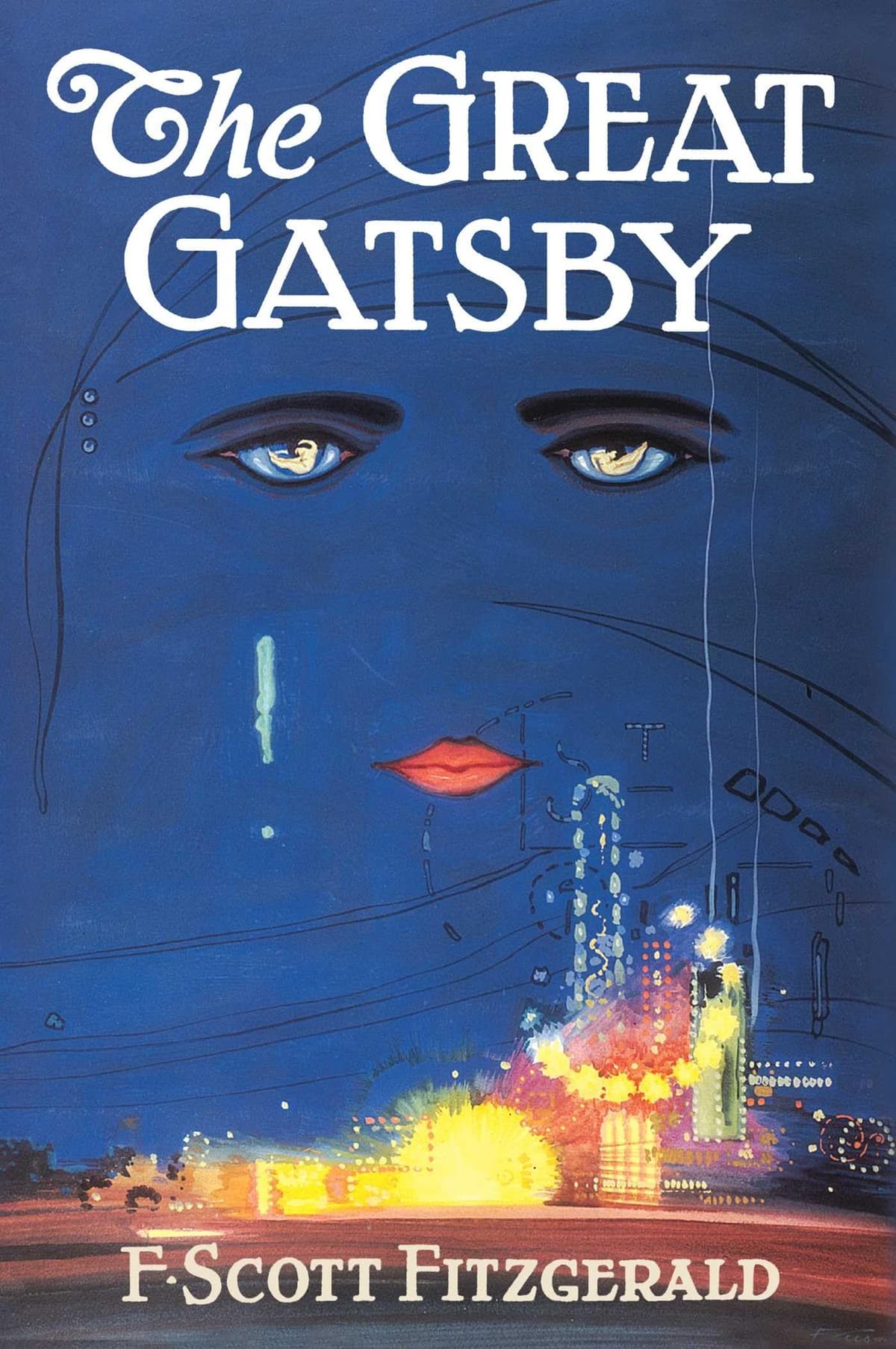
F. Scott Fitzgerald's The Great Gatsby: Jay Gatsby, Nick Carraway, and Daisy Buchanan in Jazz Age New York. Summary, themes, and where to buy.
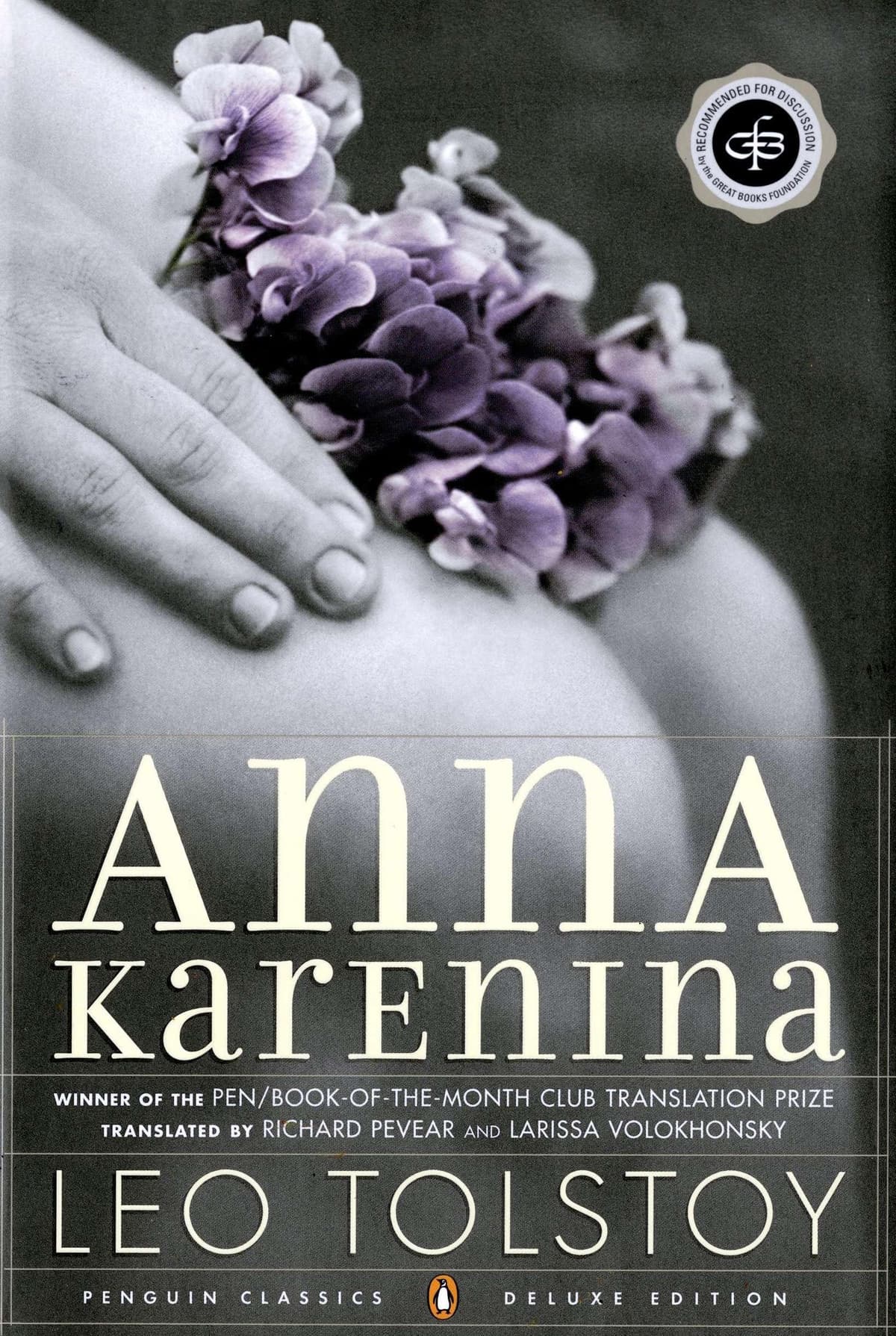
Tolstoy's Anna Karenina: Anna's tragic affair with Count Vronsky and Levin's search for meaning. Russian literature masterpiece - summary and where to buy.
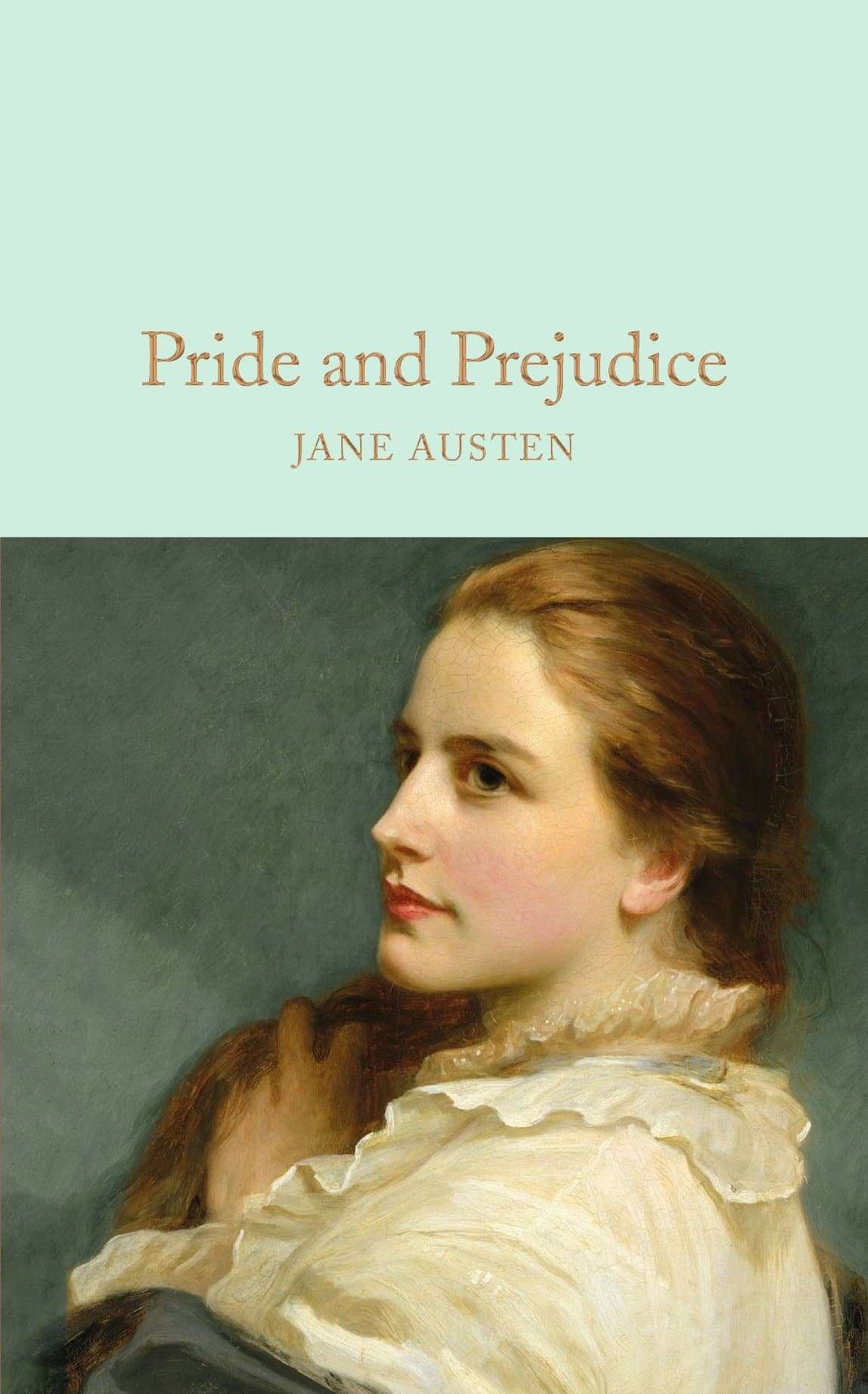
Jane Austen's Pride and Prejudice: Elizabeth Bennet and Mr. Darcy's legendary romance. Regency-era wit and social satire - summary, analysis, and where to buy.
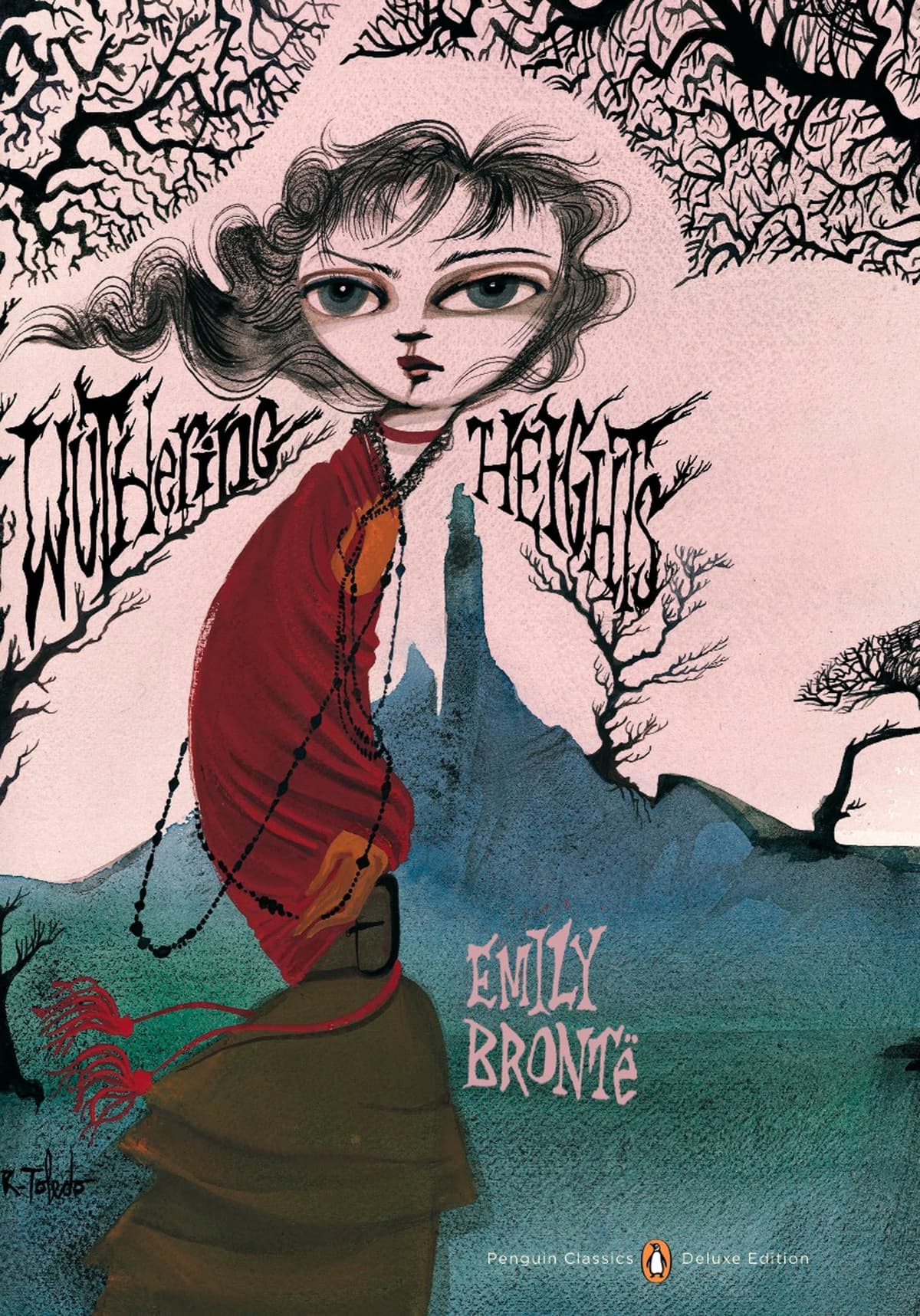
Emily Brontë's Wuthering Heights: Heathcliff and Catherine's destructive love on the Yorkshire moors. Gothic romance classic - summary and where to buy.
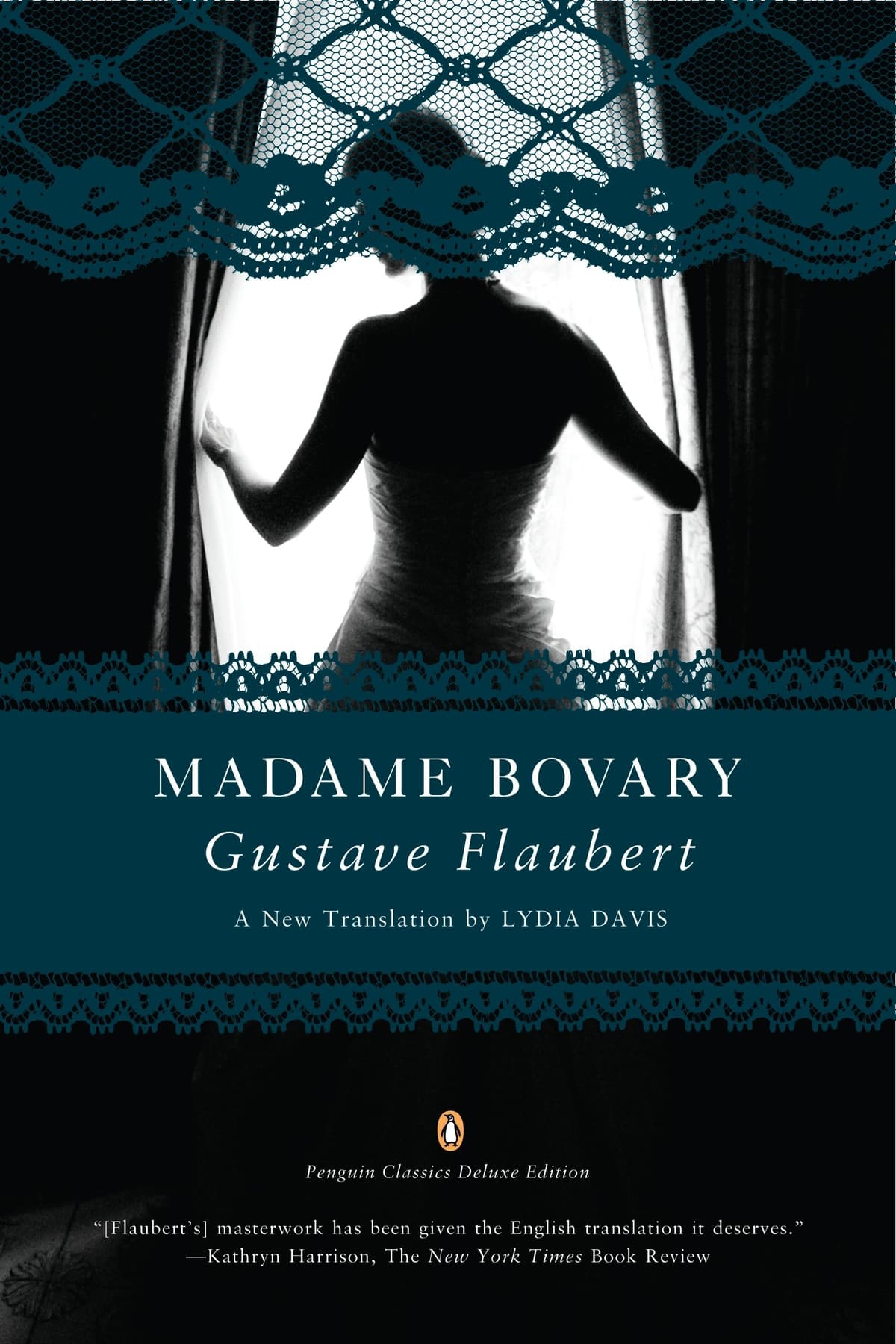
Flaubert's Madame Bovary: Emma Bovary's tragic pursuit of passion in provincial France. The novel that defined Realism - summary, analysis, and where to buy.
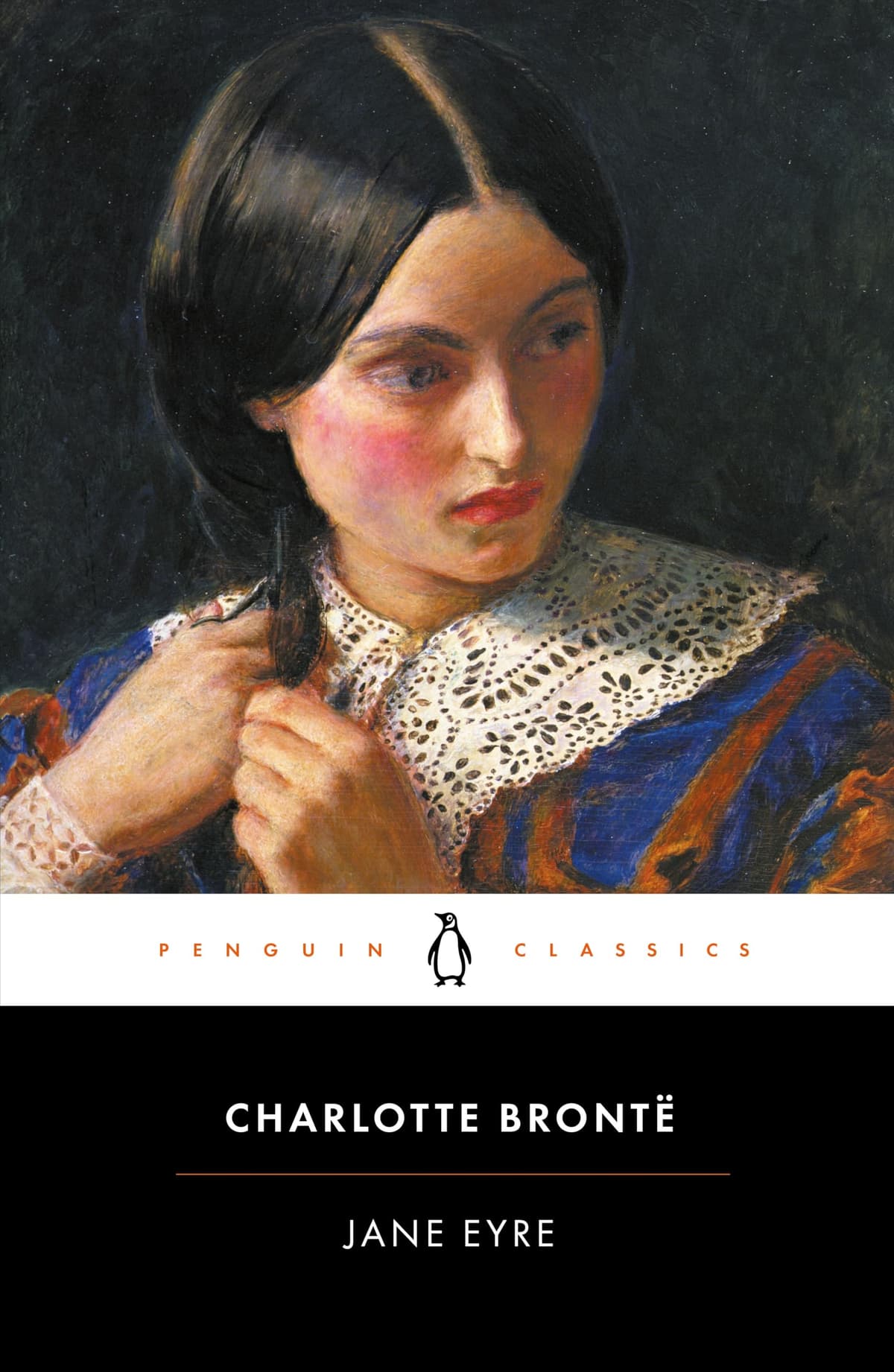
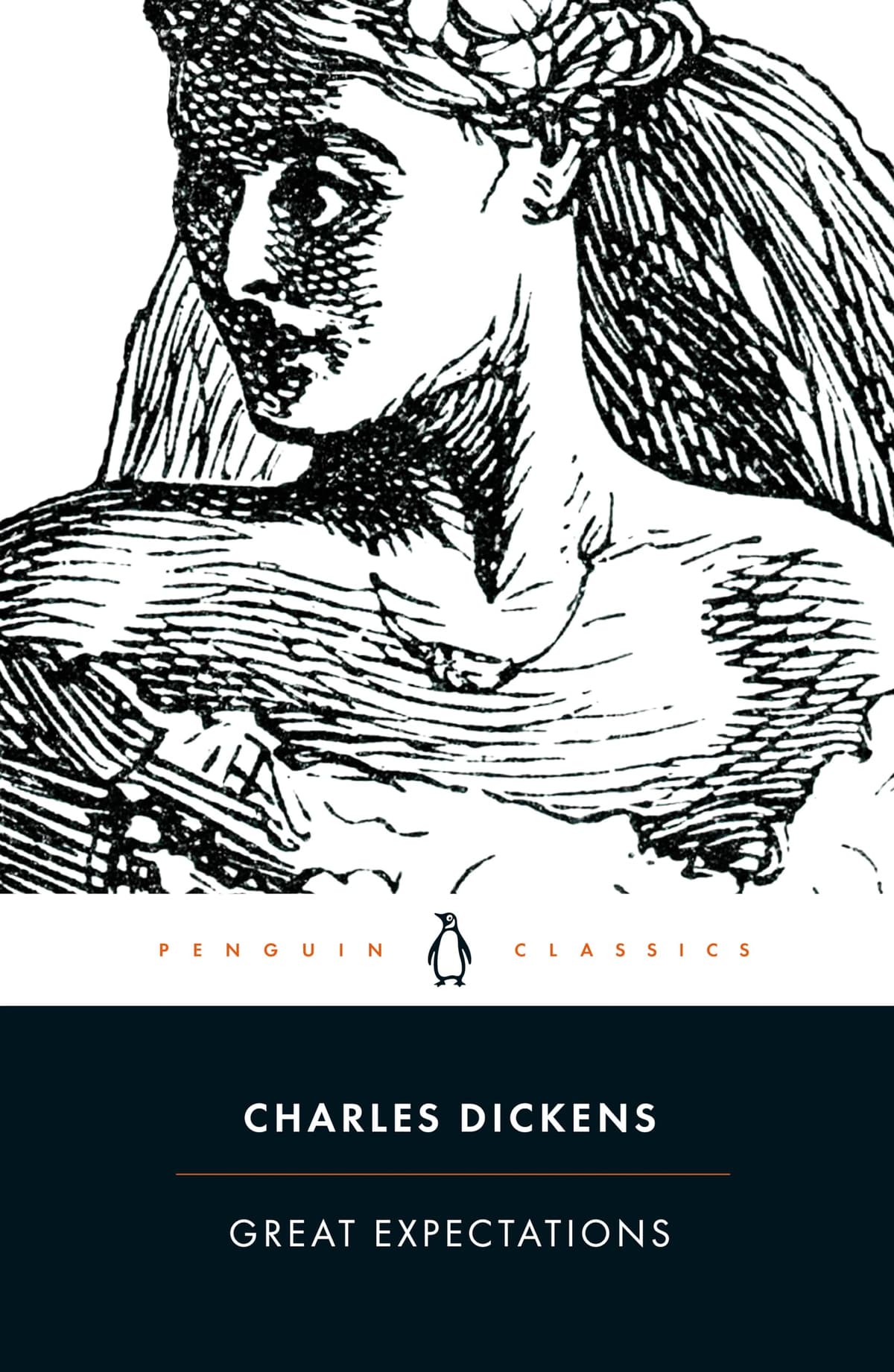
Dickens's Great Expectations: orphan Pip's rise from the marshes to London high society. A timeless novel of ambition, class, and moral growth.
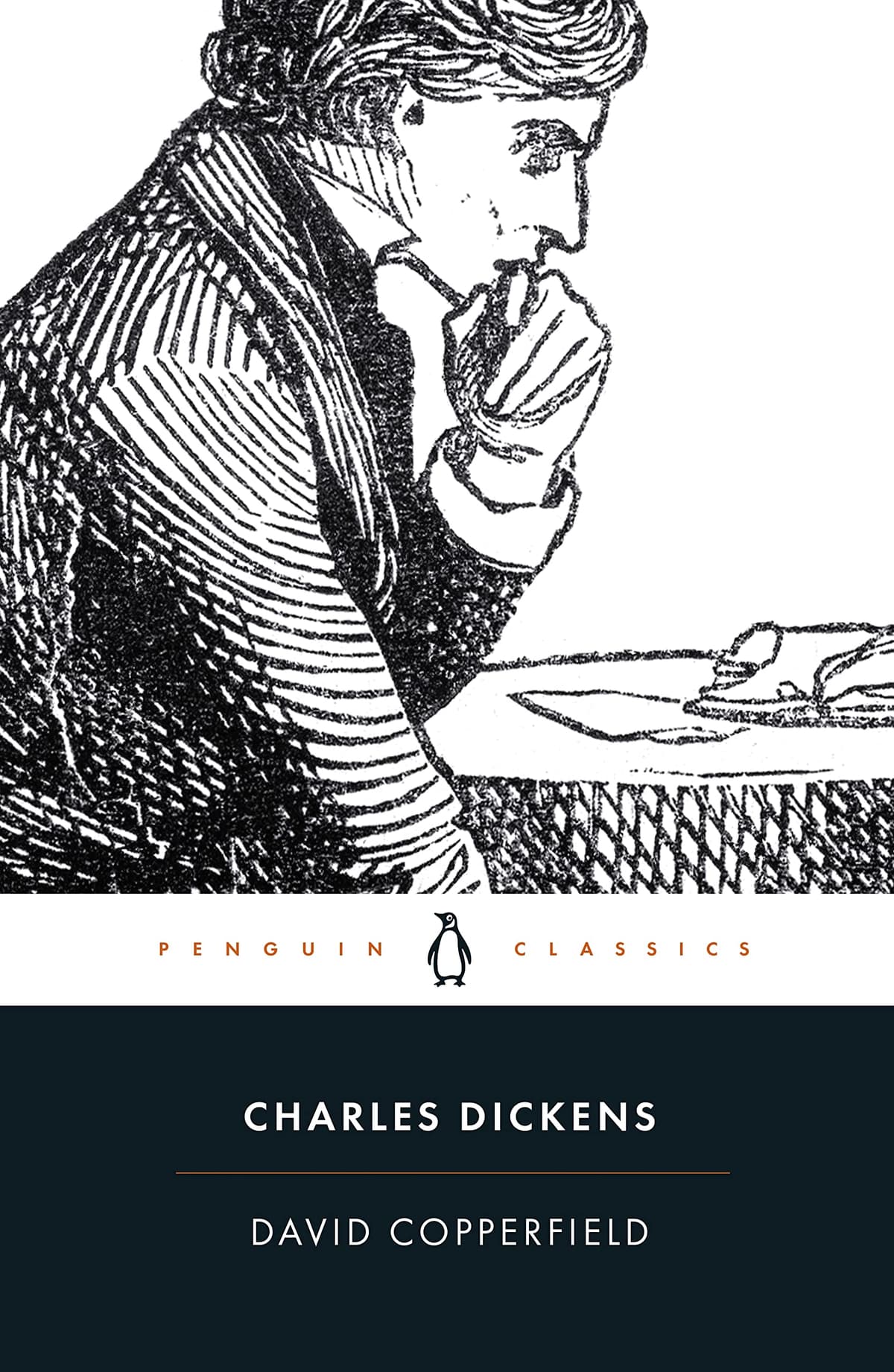
Dickens's David Copperfield: from orphan's hardship to literary triumph. The autobiographical masterpiece Dickens called his 'favourite child.'
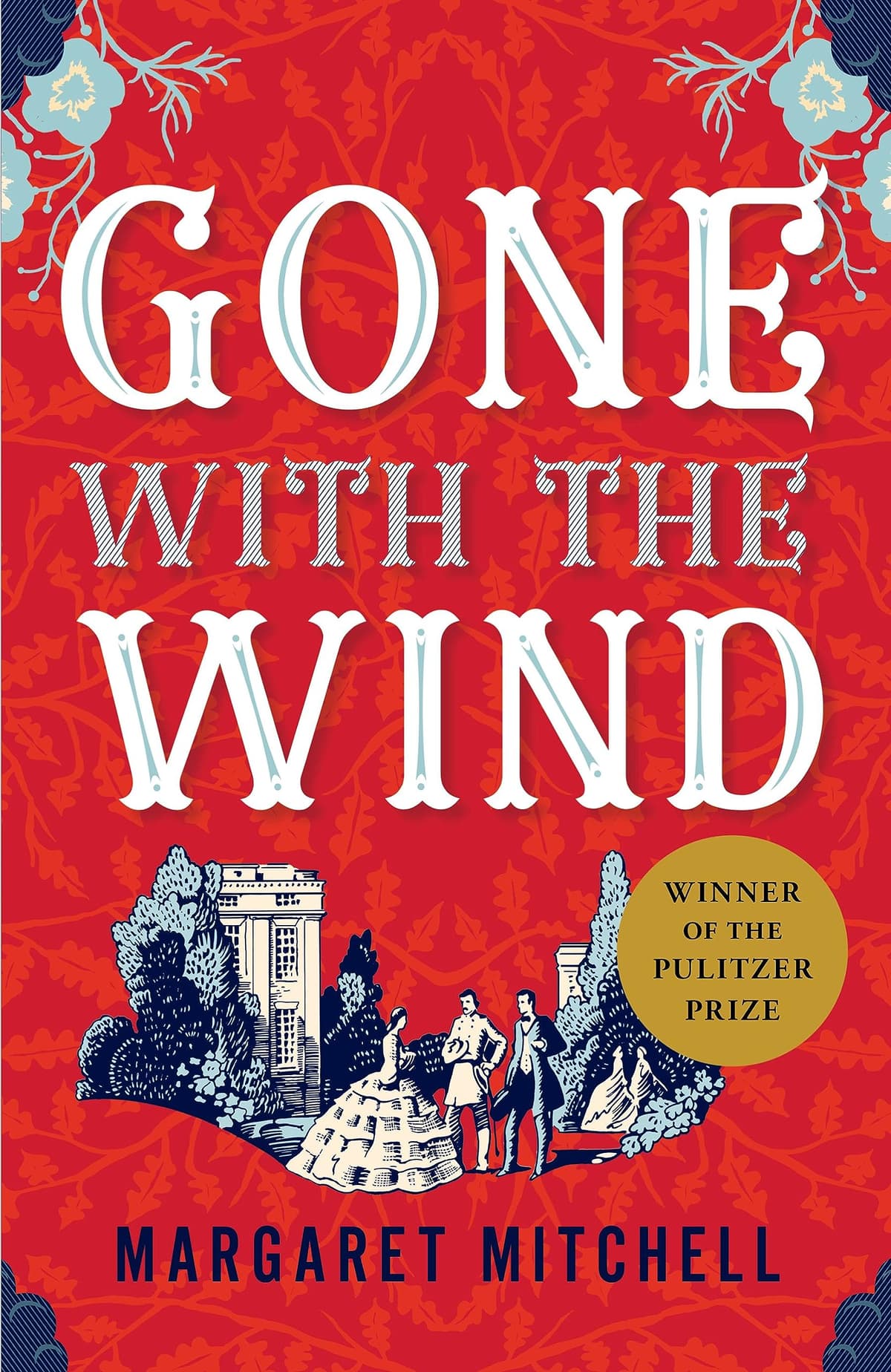
Margaret Mitchell's Gone with the Wind: Scarlett O'Hara's fierce survival through the Civil War. The sweeping epic of love, war, and the Old South.
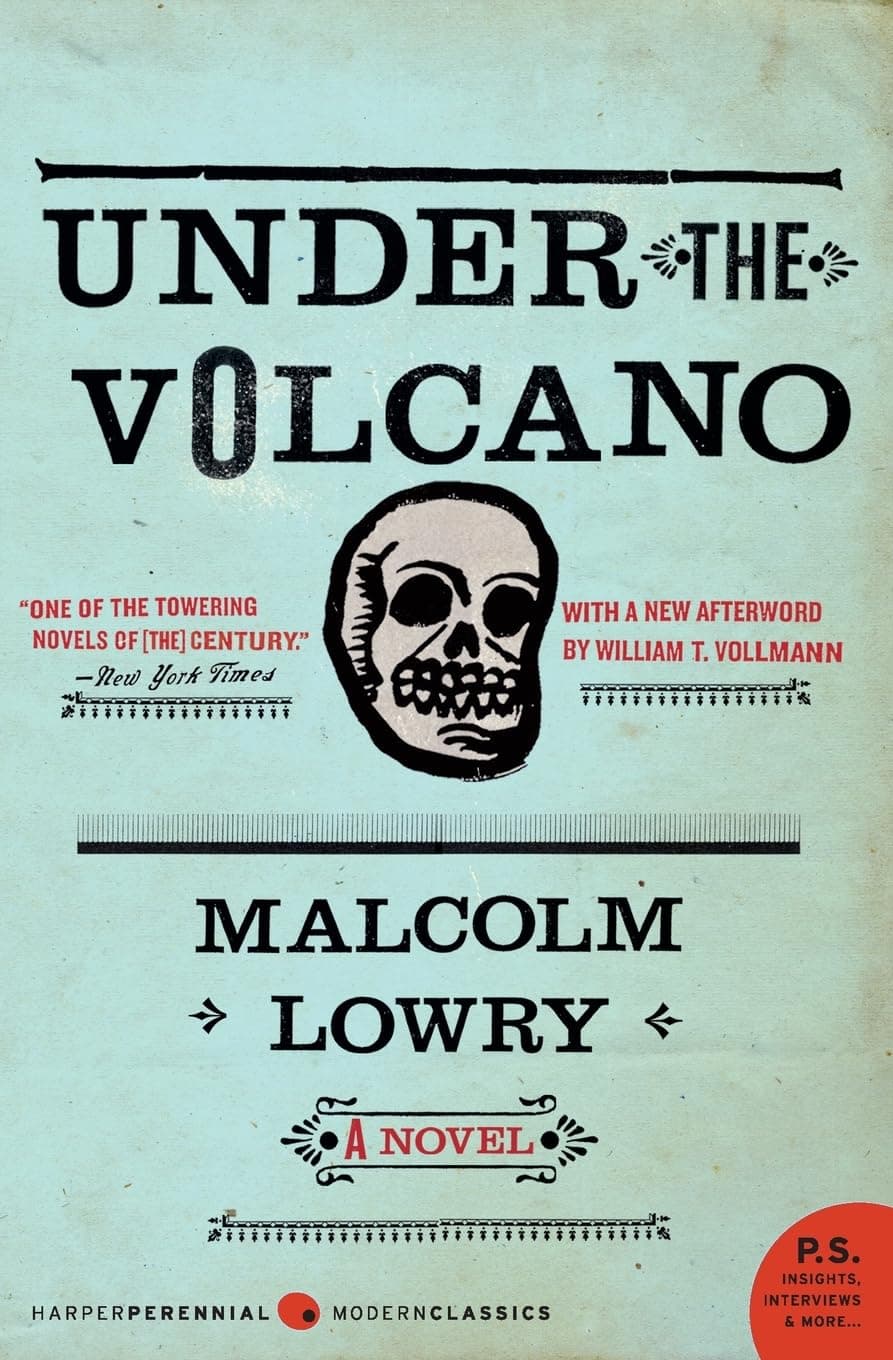
Lowry's Under the Volcano: the British Consul drinks himself to death on Mexico's Day of the Dead. A hallucinatory modernist masterpiece.
Lampedusa's The Leopard: a Sicilian prince watches his world dissolve during Italy's unification. A luminous meditation on change, mortality, and beauty.
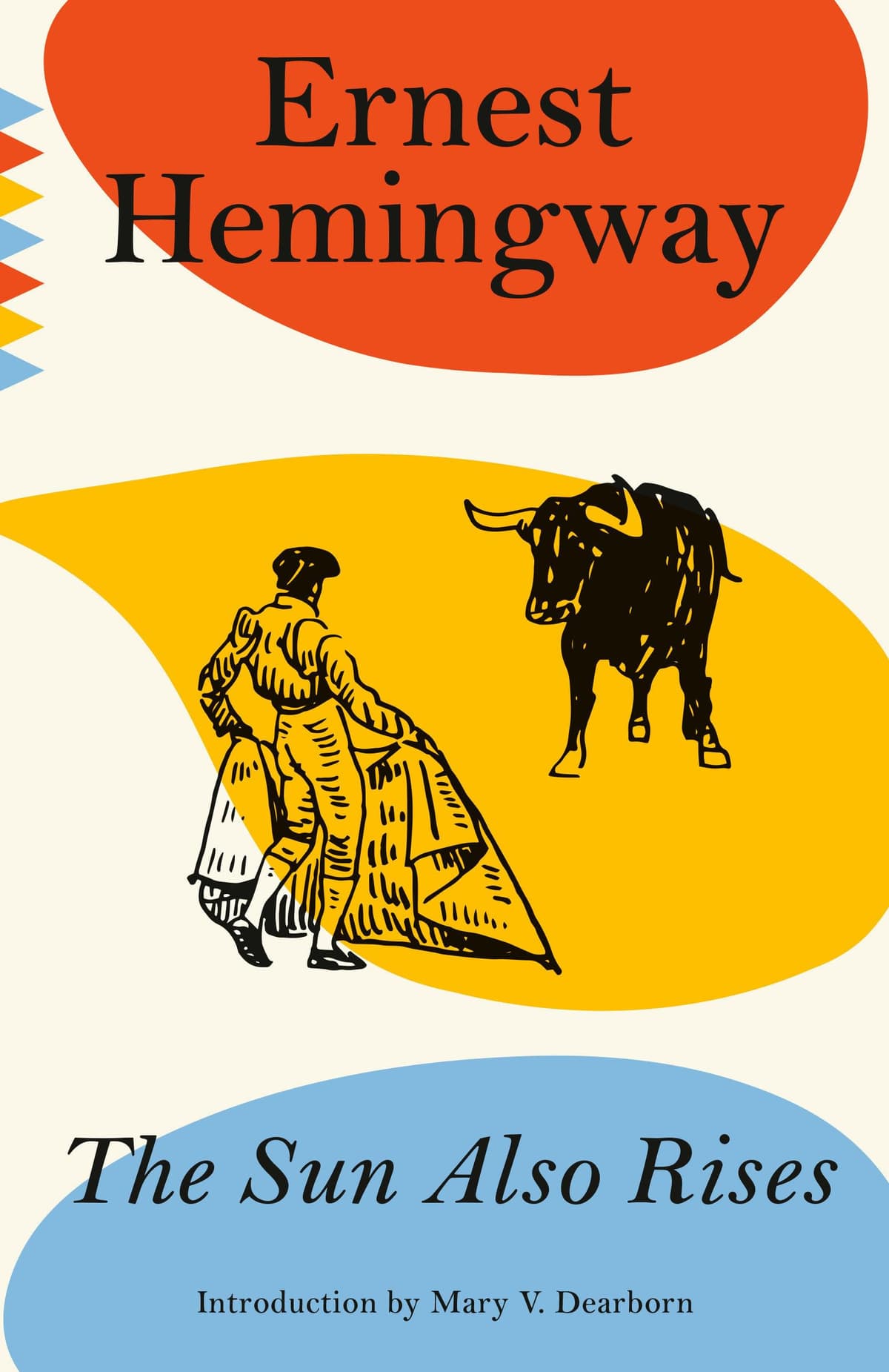
Hemingway's The Sun Also Rises: expatriates drink, love, and watch bullfights in 1920s Paris and Spain. The novel that defined the Lost Generation.
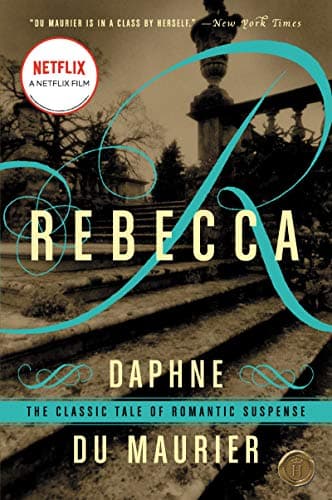
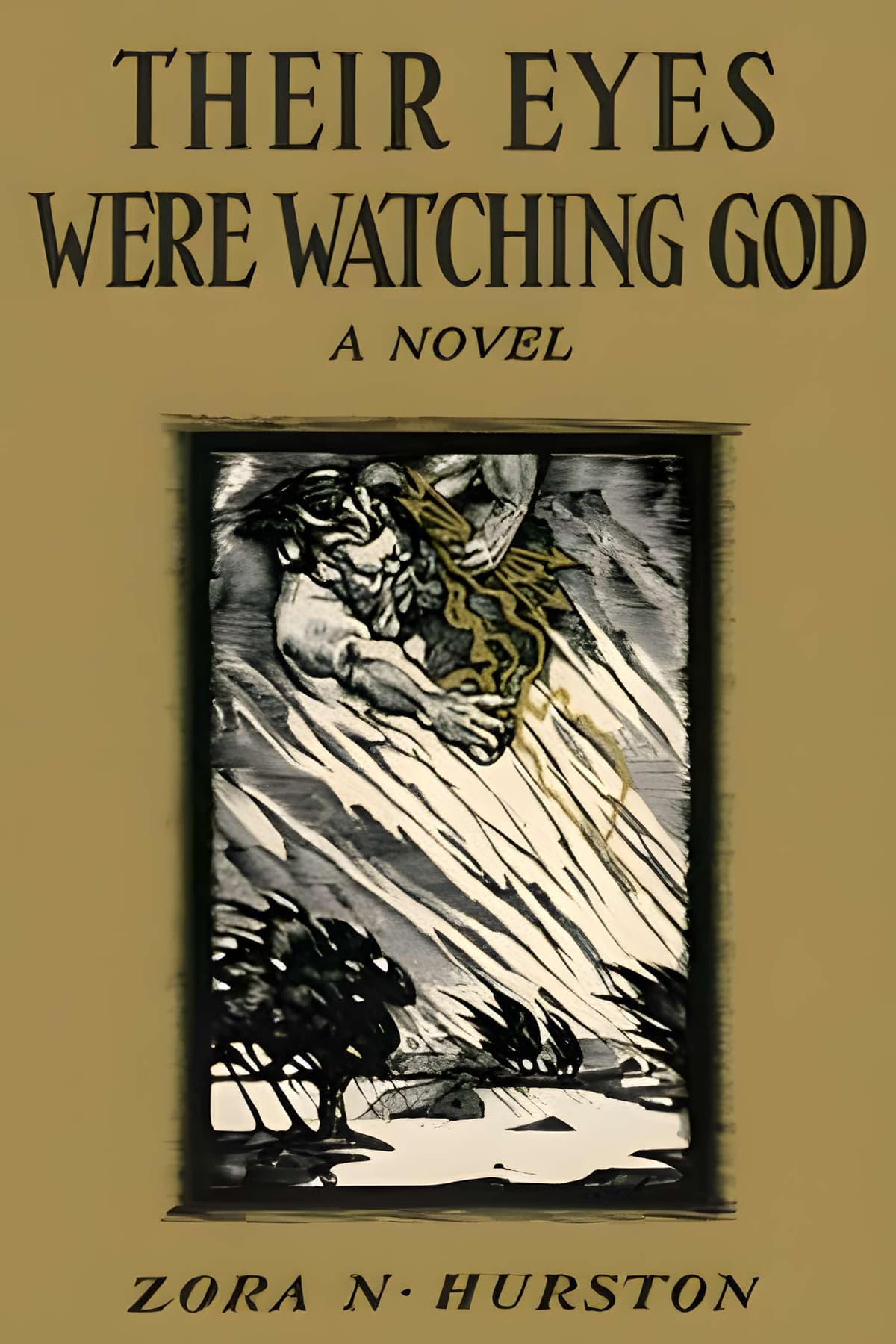
Hurston's Their Eyes Were Watching God: Janie Crawford's journey through love, loss, and self-discovery in the Black South.
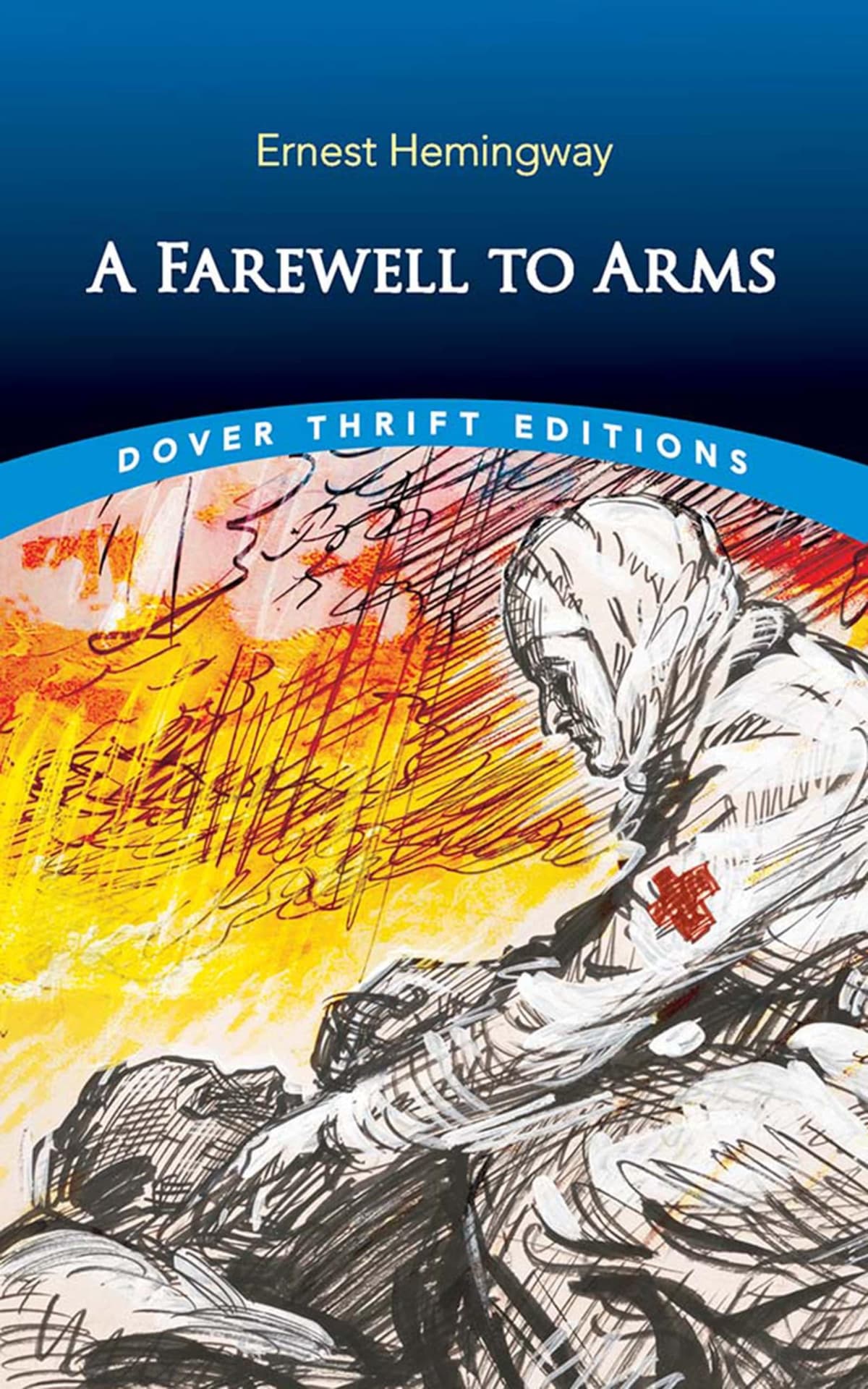
Hemingway's A Farewell to Arms: love and war on the Italian front. A masterpiece of spare prose and devastating emotion.
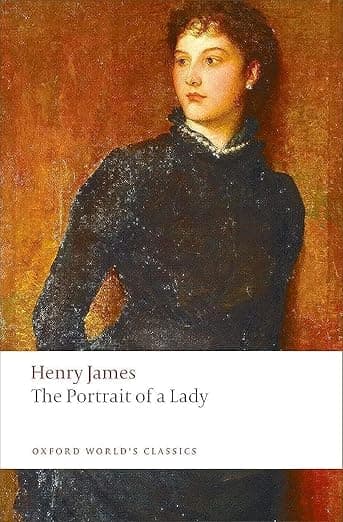
Henry James's The Portrait of a Lady: Isabel Archer's fateful quest for freedom in a world that conspires to contain her. A masterwork of psychological fiction.
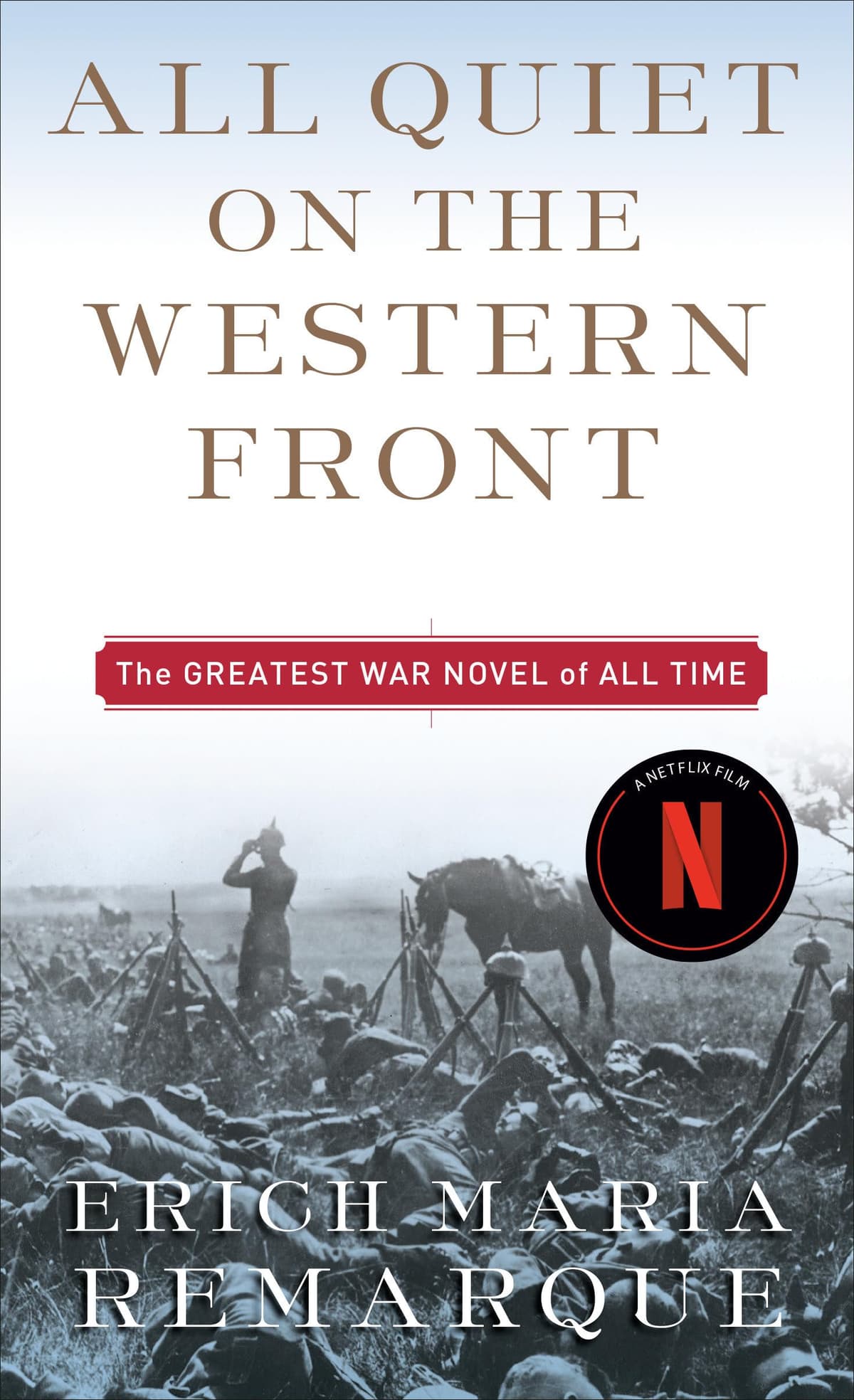
Remarque's All Quiet on the Western Front: young German soldiers face the horror of WWI trenches. The definitive anti-war novel.
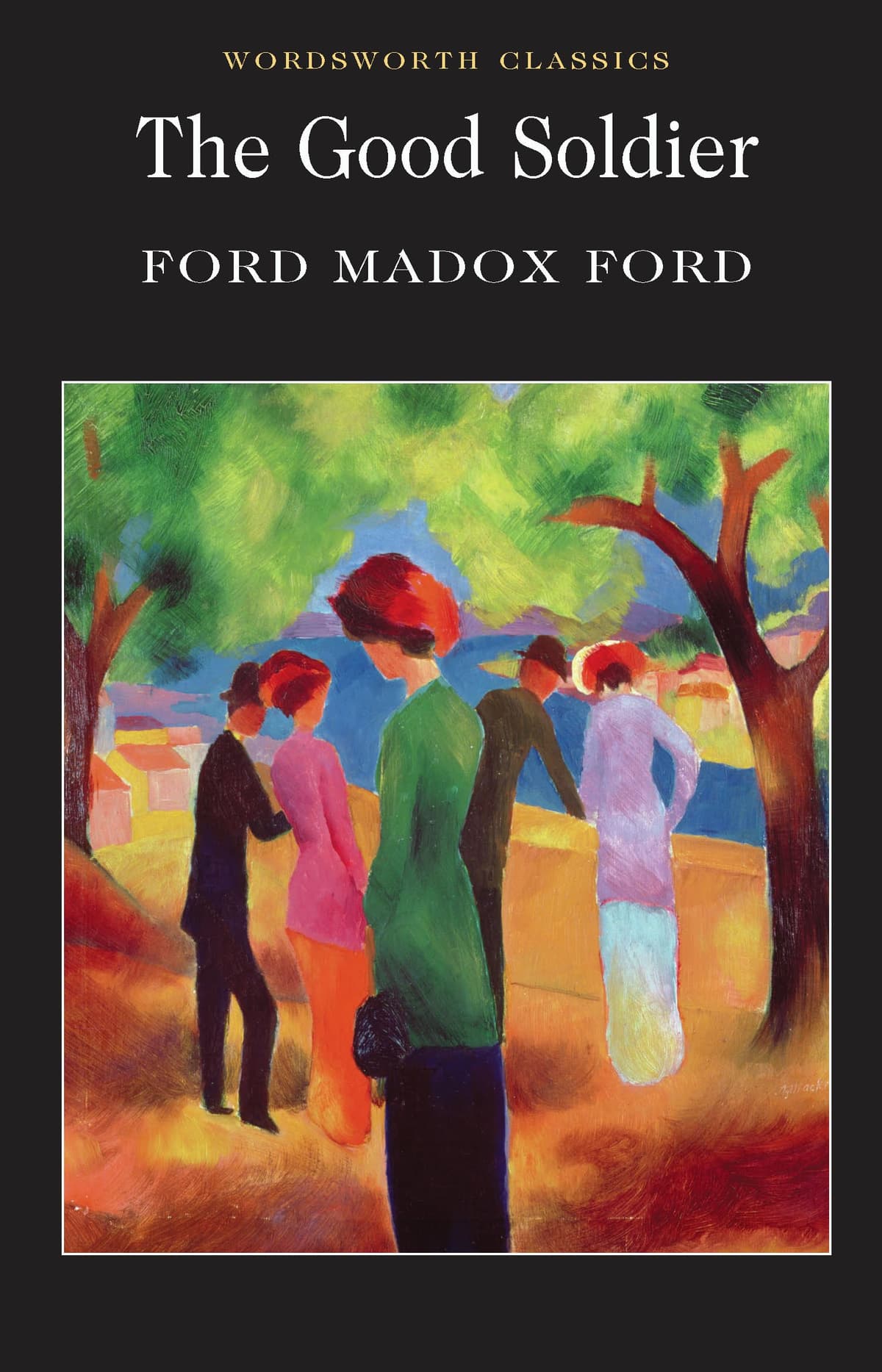
Ford Madox Ford's The Good Soldier: a tale of passion, betrayal, and self-deception among the Edwardian elite. Summary, analysis, and where to buy.
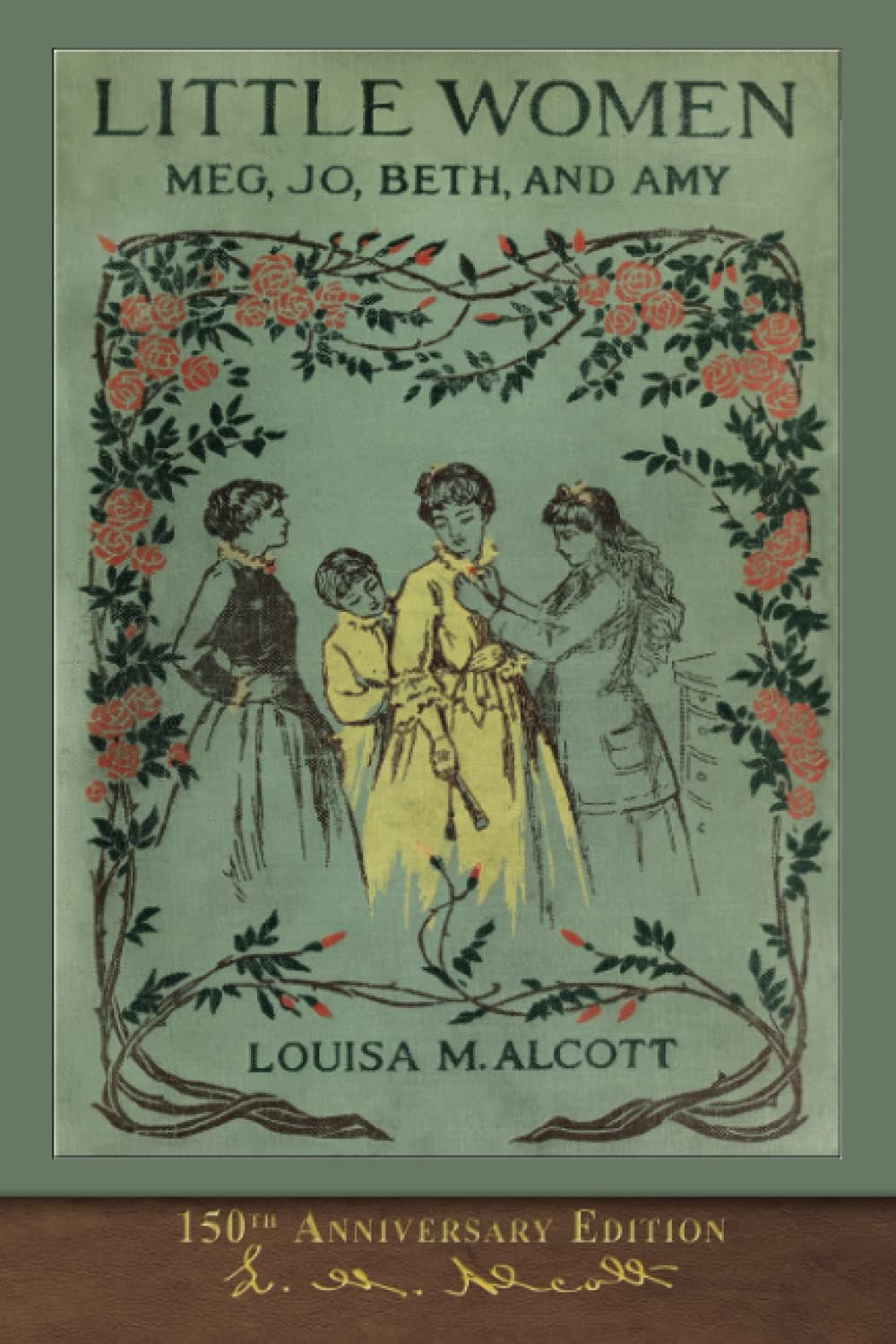
Louisa May Alcott's Little Women: the March sisters navigate love, loss, and ambition in Civil War-era America. A beloved classic of growing up.
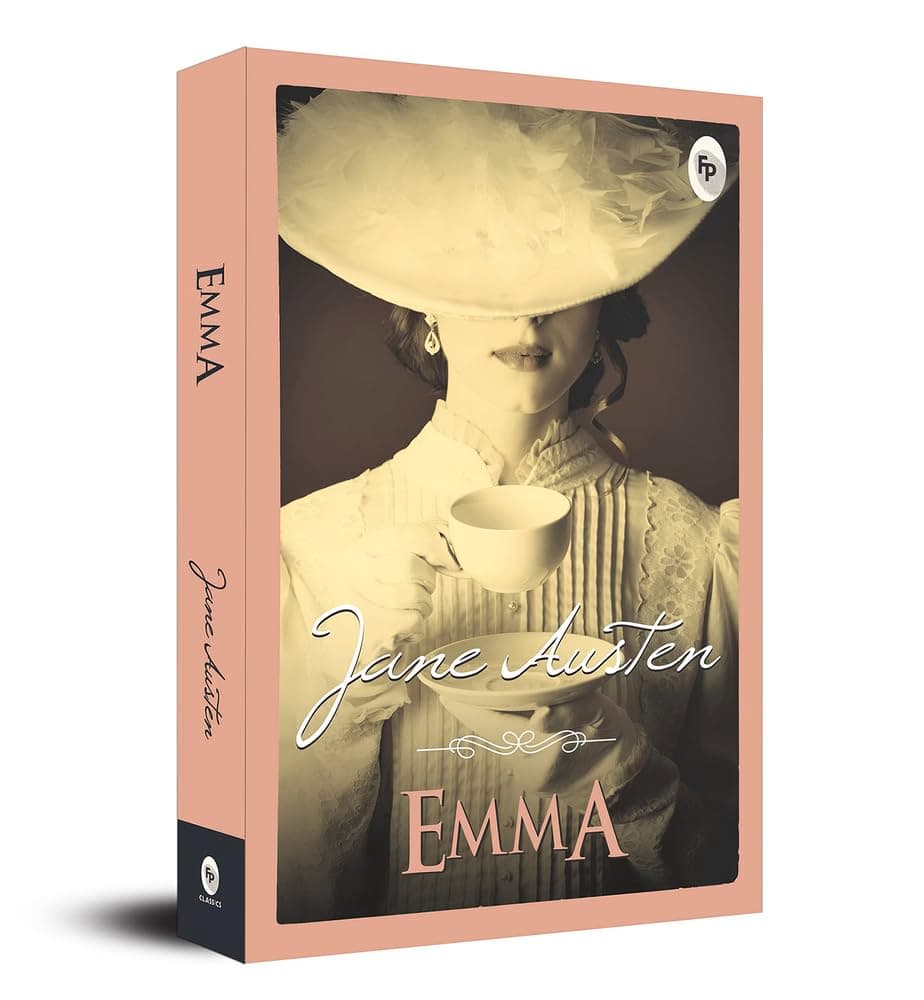
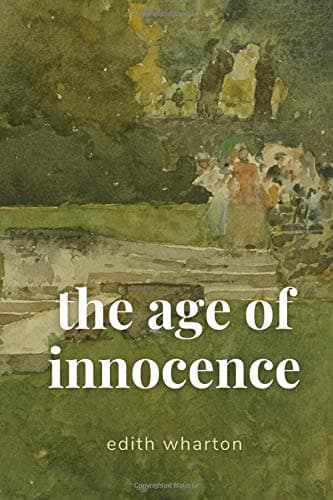
Edith Wharton's The Age of Innocence: forbidden love and suffocating convention in 1870s New York high society. A Pulitzer Prize-winning masterpiece.
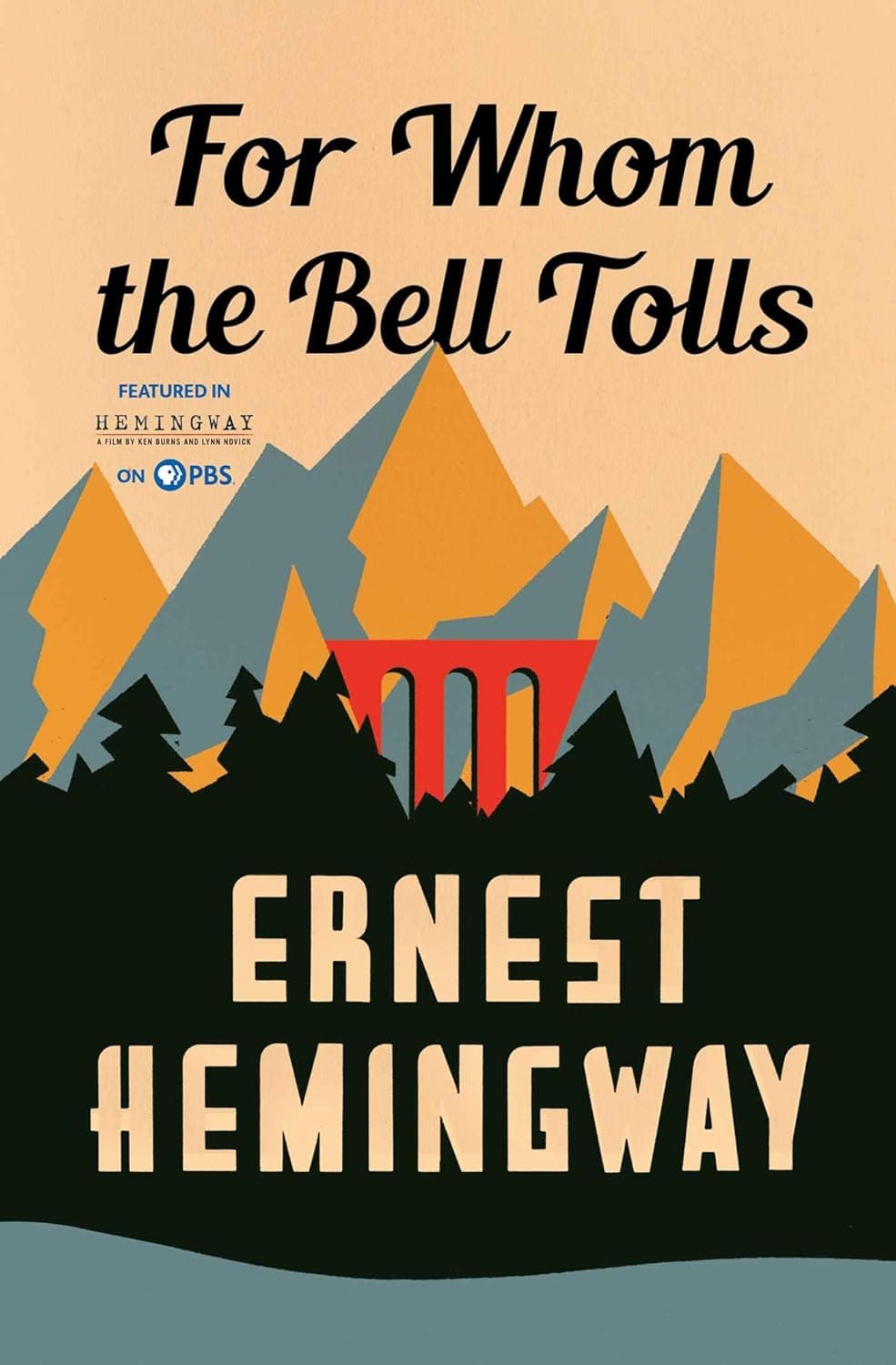
Hemingway's For Whom the Bell Tolls: an American dynamiter's final mission in the Spanish Civil War. Love, duty, and sacrifice in seventy-two hours.
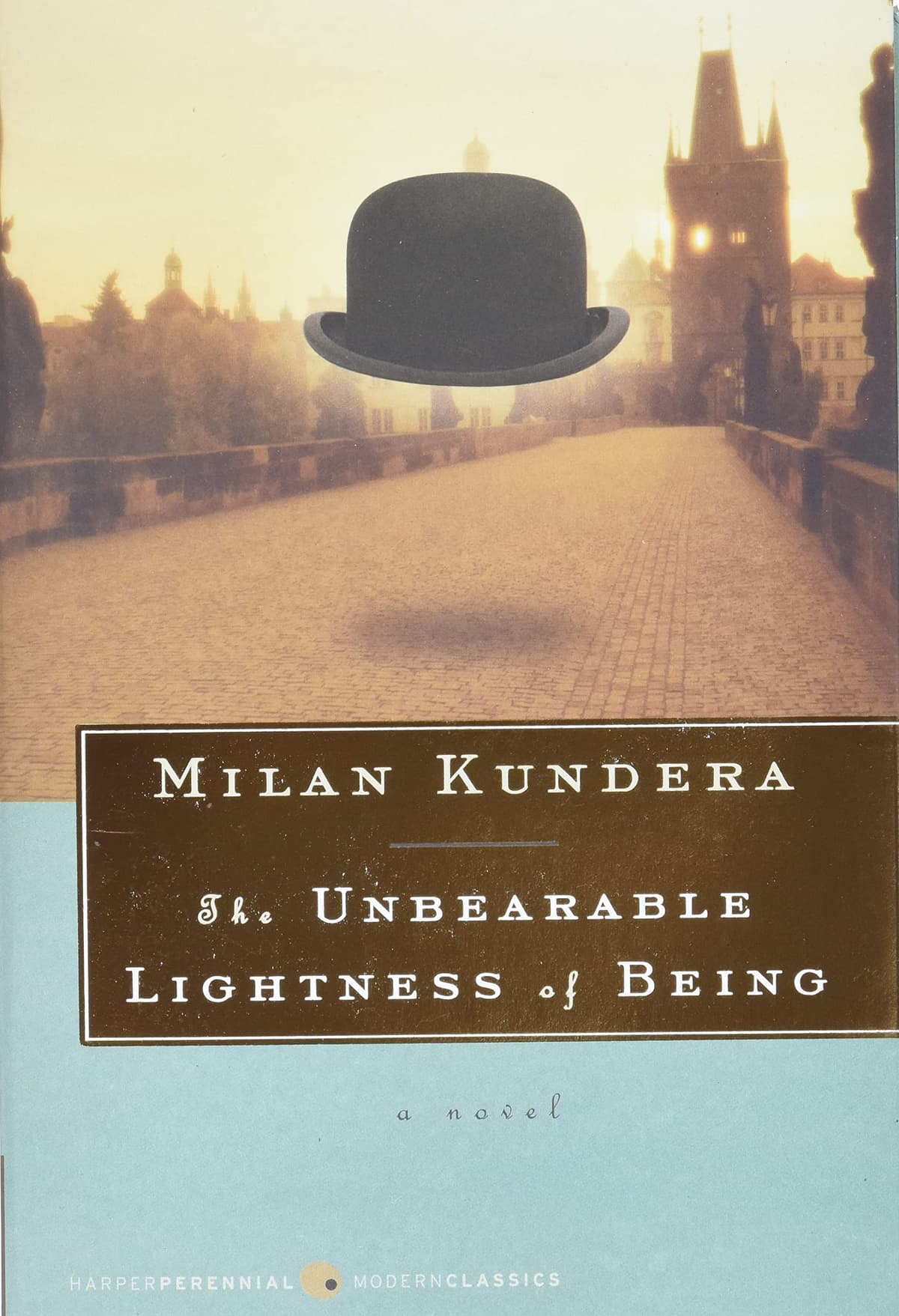
Kundera's The Unbearable Lightness of Being: love, betrayal, and philosophy in Soviet-occupied Prague. A meditation on freedom and the weight of existence.