Black Beauty
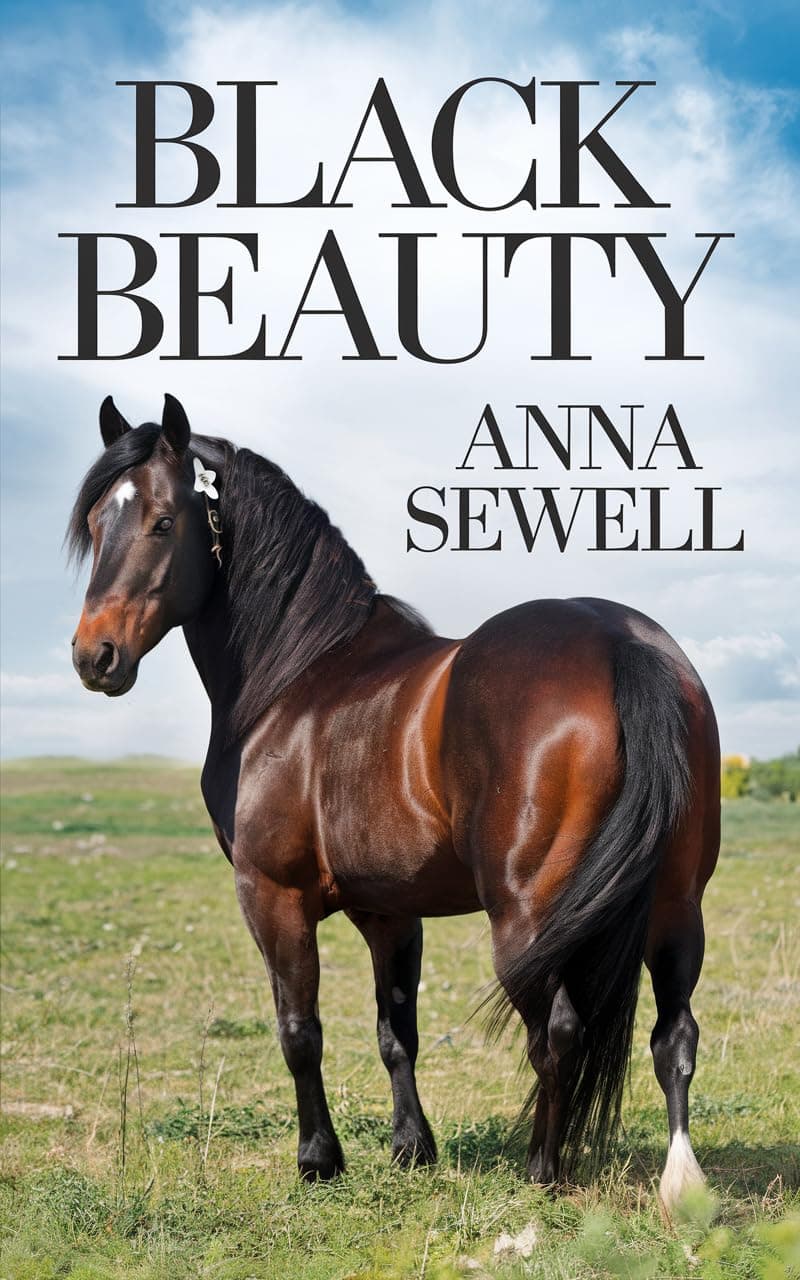
“We call them dumb animals, and so they are, for they cannot tell us how they feel, but they do not suffer less because they have no words.”
Black Beauty Summary
Black Beauty tells the story of a horse's life in Victorian England, narrated in the first person by the horse himself. Born on a pleasant English farm, Beauty enjoys an idyllic early life under the care of a kind master before being sold into a succession of owners whose treatment ranges from gentle to negligent to brutally cruel. At Birtwick Park, under the ownership of Squire Gordon and the expert care of the groom John Manly, Beauty experiences the happiest period of his life, forming close bonds with the spirited mare Ginger, who has suffered far worse treatment, and the steady old horse Merrylegs. But circumstances force his sale, and Beauty passes through the hands of a fashionable aristocrat who insists on the agonizing bearing rein that forces horses' heads into an unnatural position, a careless drunkard whose negligence nearly kills him, a brutal cab driver in London who works him to exhaustion, and various other owners who treat him as mere property rather than a sentient being. Through it all, Beauty observes human nature with quiet dignity, recording acts of kindness and cruelty with equal clarity.
Anna Sewell's only novel, published just months before her death, is one of the most influential works of social protest in English literature. Written explicitly to promote the humane treatment of horses, it achieved its practical aim with remarkable success: the book was instrumental in abolishing the bearing rein and improving conditions for working horses throughout England and America. But its power extends far beyond its immediate cause. By granting a horse the power of speech and self-narration, Sewell created a devastating critique of any system that treats sentient beings as mere instruments of human convenience. The novel's episodic structure, following Beauty through his various owners, becomes a panoramic portrait of Victorian society from stable yard to drawing room, revealing how cruelty flows downward through hierarchies of class and power. Its emotional directness and moral clarity have made it one of the most widely read novels in the English language.
Why Read Black Beauty?
Black Beauty is one of those rare books that has changed the world in measurable, concrete ways, and yet its power as a work of literature is easily underestimated. If you think you know this story from childhood adaptations, you are likely unprepared for the emotional force of the original, which is not merely a children's book but a carefully constructed work of social criticism that uses the perspective of a horse to expose the cruelties and hypocrisies of an entire society. Sewell's genius lies in her narrative strategy: by placing you inside the consciousness of an animal who cannot speak, cannot protest, and cannot escape, she makes you feel the full weight of powerlessness in a hierarchical world.
You should read Black Beauty because its central argument, that the capacity to suffer creates a moral obligation in those who witness it, remains as urgent as ever. The novel's episodic structure gives you a panoramic view of Victorian England from the bottom up, revealing how casual thoughtlessness and systemic indifference cause as much suffering as outright cruelty. It is a book that will make you more attentive to the lives of creatures who cannot advocate for themselves, and its direct, unadorned prose carries an emotional power that no amount of sophistication can improve upon.
About Anna Sewell
Anna Sewell was born in 1820 in Great Yarmouth, Norfolk, England, into a devoutly Quaker family. Her mother, Mary Wright Sewell, was a successful author of children's books and moral tales. At the age of fourteen, Anna suffered a fall that severely injured her ankles, leaving her increasingly dependent on horse-drawn carriages for mobility throughout her life. This intimate daily reliance on horses gave her both a deep knowledge of their care and handling and a profound empathy for their suffering. She spent much of her adult life as an invalid, and it was during the last years of her life, largely confined to her home, that she dictated Black Beauty to her mother over a period of several years.
Black Beauty, published in 1877, was the only book Sewell ever wrote. She sold the manuscript for twenty pounds and died just five months after its publication, at the age of fifty-eight, never knowing the full extent of its impact. The novel became one of the bestselling books of all time, selling over fifty million copies, and was instrumental in changing laws and public attitudes regarding the treatment of horses in England and America. The bearing rein, whose cruelty the novel depicts with particular vividness, was largely abolished as a direct result of the book's influence. Sewell's achievement is extraordinary: a single, quiet novel, written by a dying woman, that altered the relationship between human beings and animals in the English-speaking world.
Reading Guide
Ranked #495 among the greatest books of all time, Black Beauty by Anna Sewell has earned its place in the literary canon. Originally written in English and published in 1877, this accessible read from United Kingdom continues to resonate with readers today.
This book belongs to our Love & Loss collection, where you can discover more books that share its spirit and themes.
If you enjoy accessible reads like this one, you might also like The Great Gatsby, The Catcher in the Rye, or Pride and Prejudice.
From the Love & Loss Collection
If you enjoyed Black Beauty, discover more masterpieces that share its spirit.
 #3View Book
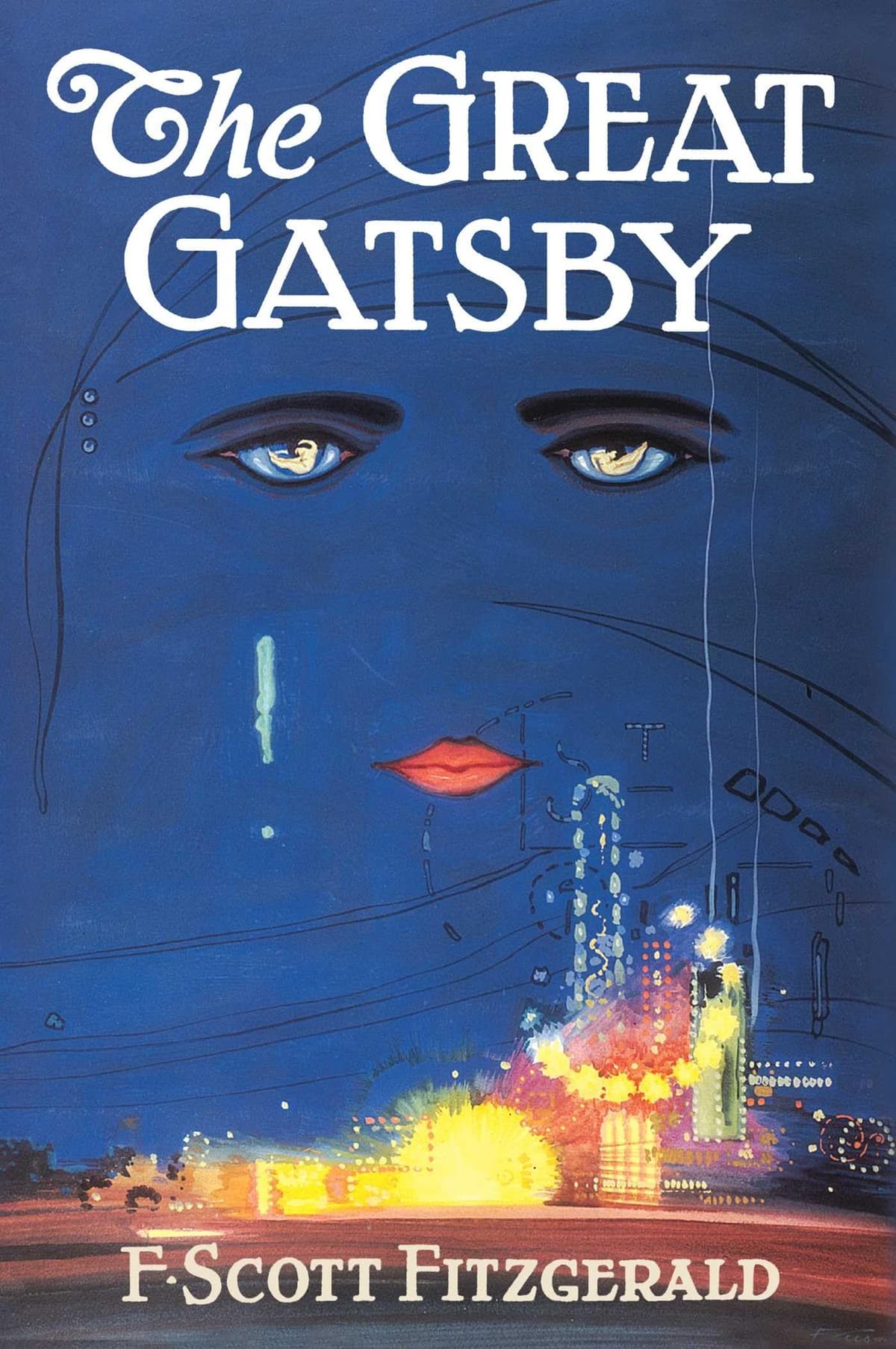
The Great Gatsby
F. Scott Fitzgerald
Accessible•5-6 hours #10View Book
Anna Karenina
Leo Tolstoy
High•30-35 hours #12View Book
Pride and Prejudice
Jane Austen
Accessible•10-12 hours #15View Book
Wuthering Heights
Emily Brontë
Moderate•10-12 hours
Browse more collections