The American Spirit
The American Dream is the defining myth of the New World: the belief that anyone, no matter their origin, can rise to the top. But in literature, this dream is often a mirage. These novels explore the dark side of ambition, the hollowness of materialism, and the high cost of success.
From Gatsby's tragic optimism to the Dust Bowl desperation of the Joads, these stories ask what it truly means to be American. They are tales of self-invention, rebellion, and loss, set against the backdrop of a nation always reaching for something it cannot quite grasp.
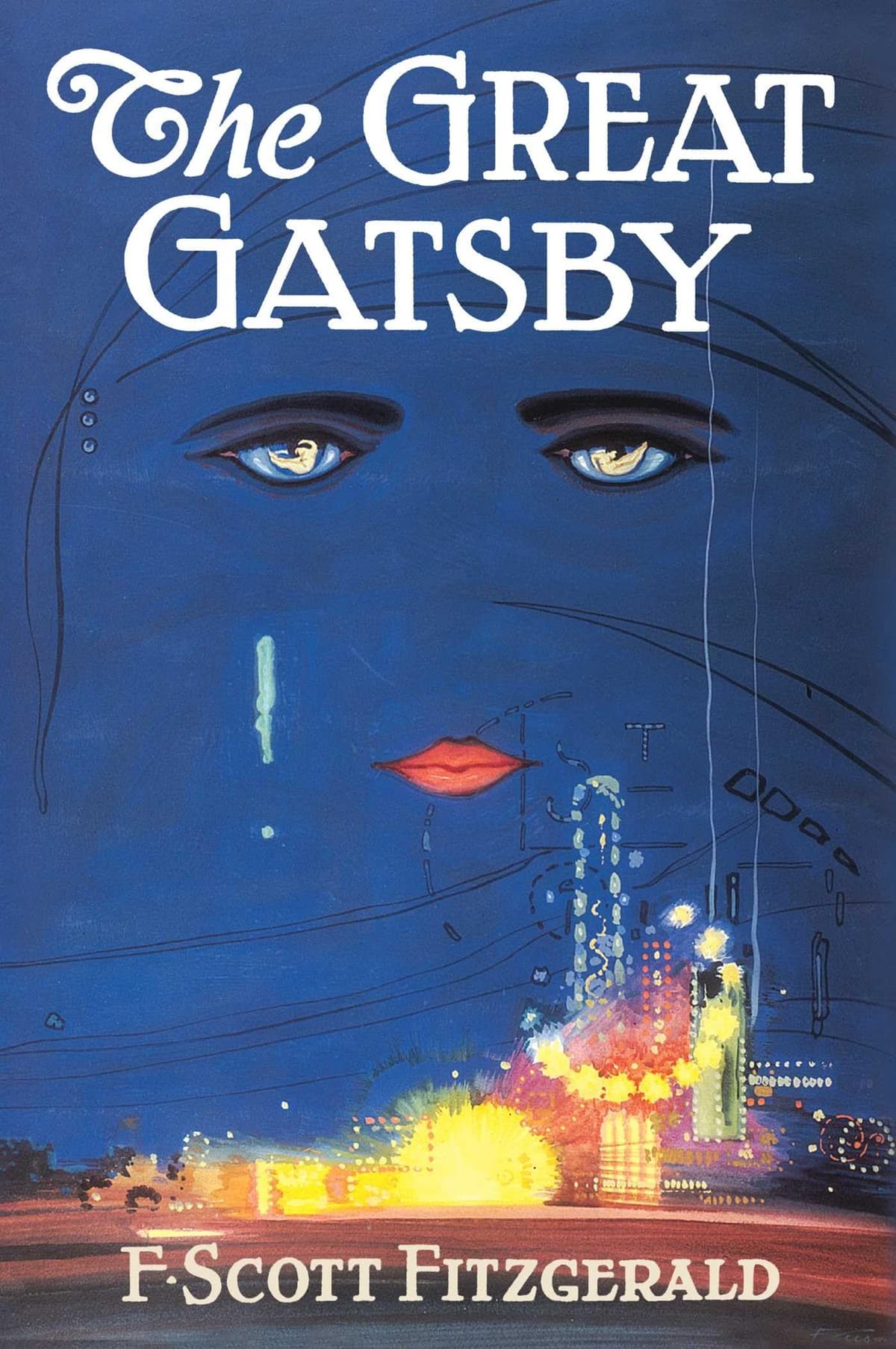
F. Scott Fitzgerald's The Great Gatsby: Jay Gatsby, Nick Carraway, and Daisy Buchanan in Jazz Age New York. Summary, themes, and where to buy.
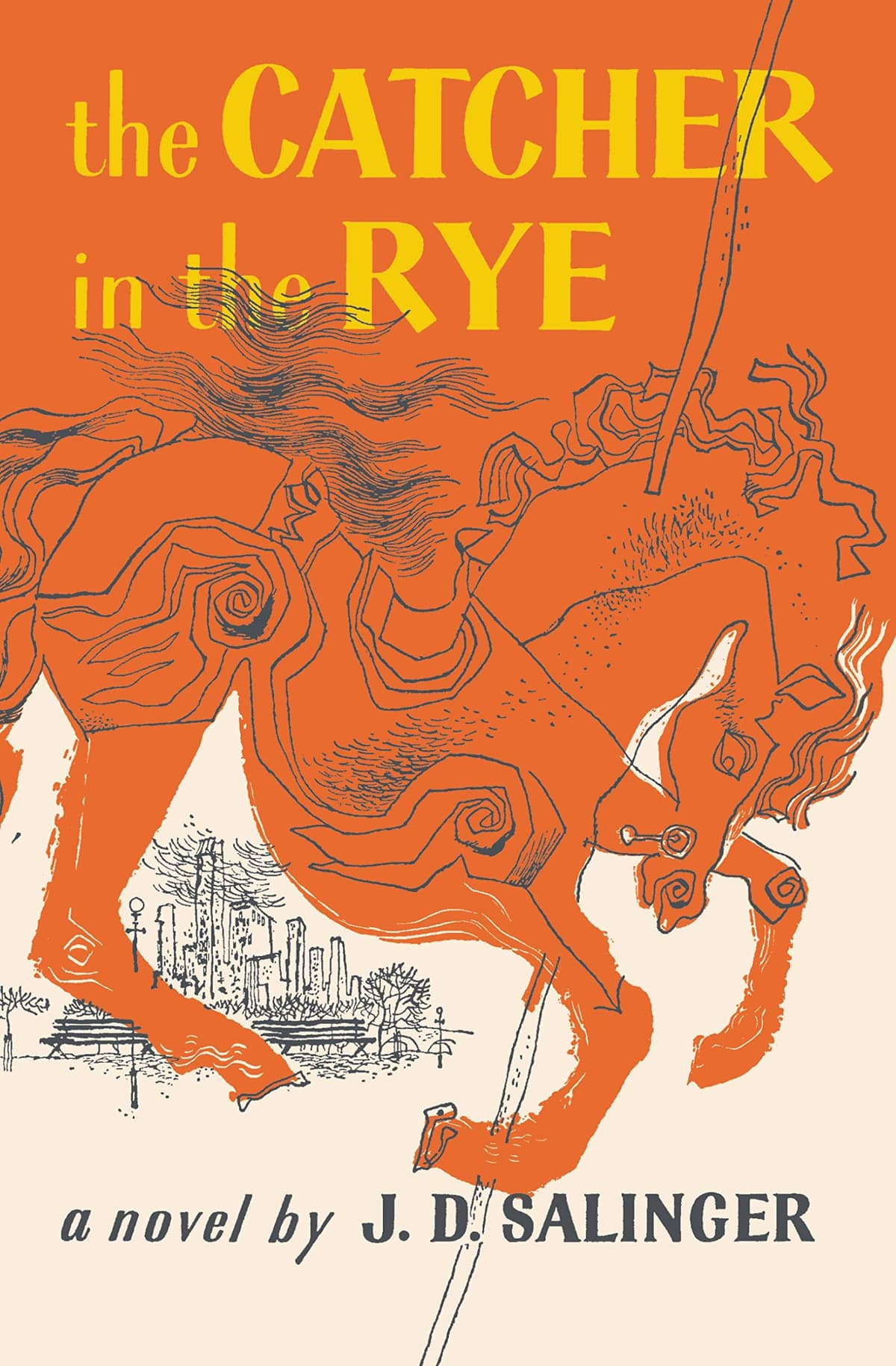
The Catcher in the Rye summary & analysis: Holden Caulfield's journey through NYC. J.D. Salinger's classic on alienation, Phoebe, and phoniness explained.

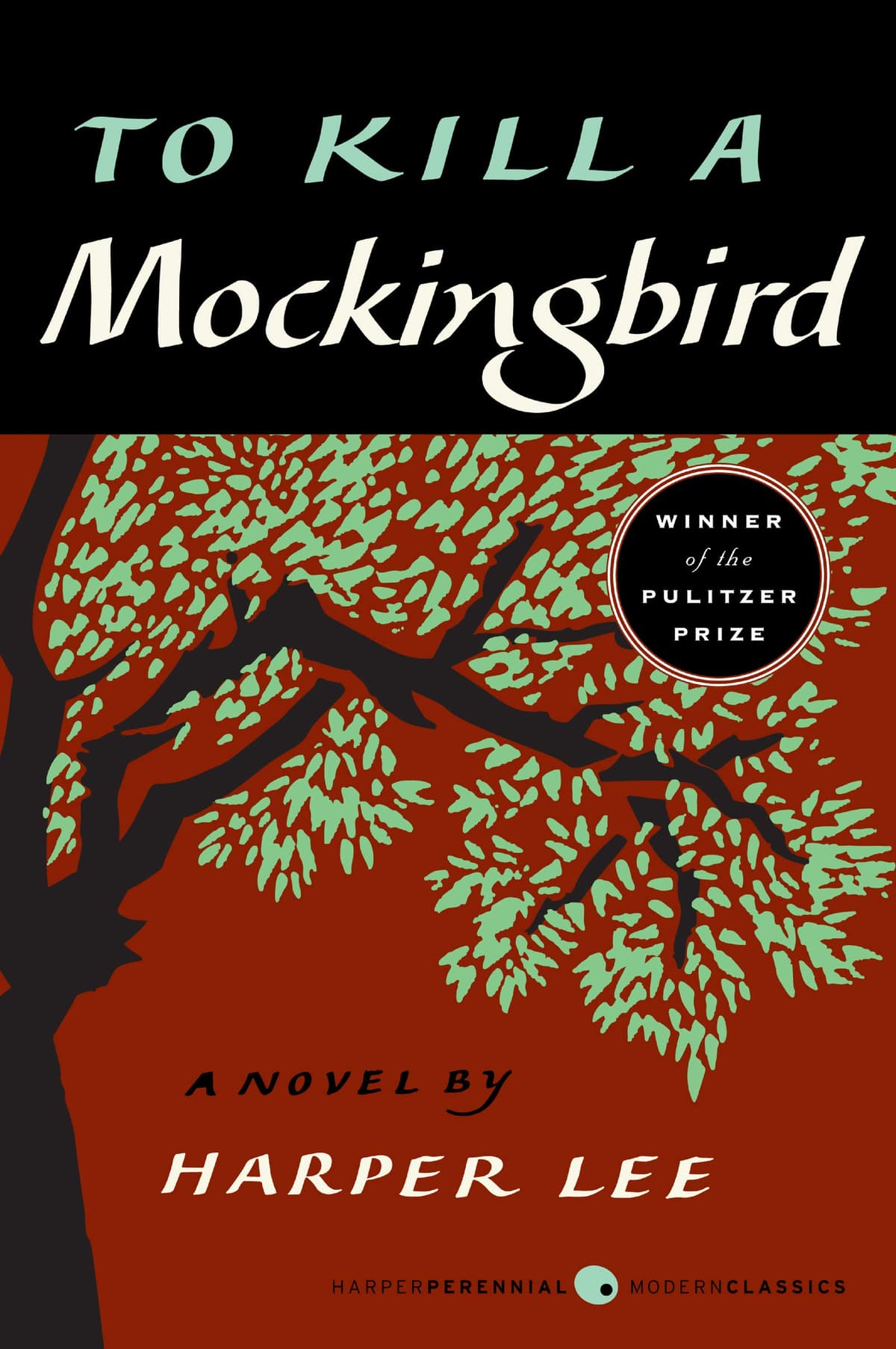
Harper Lee's To Kill a Mockingbird: Scout, Atticus Finch, and Boo Radley in 1930s Alabama. Classic on justice and racism - summary, analysis, and where to buy.
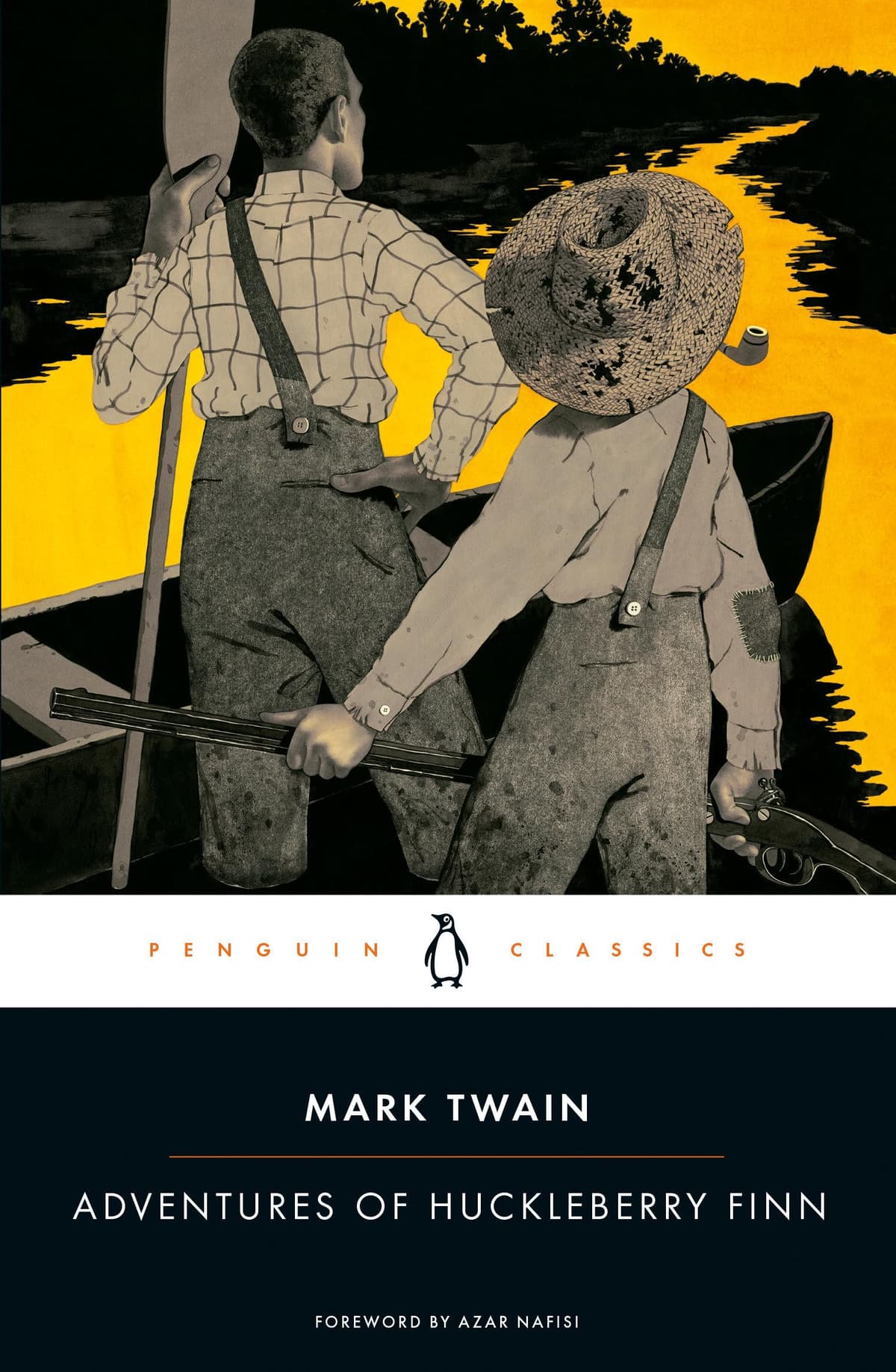
Mark Twain's Huckleberry Finn: Huck and Jim raft down the Mississippi River. American literature classic on freedom and morality - summary and where to buy.
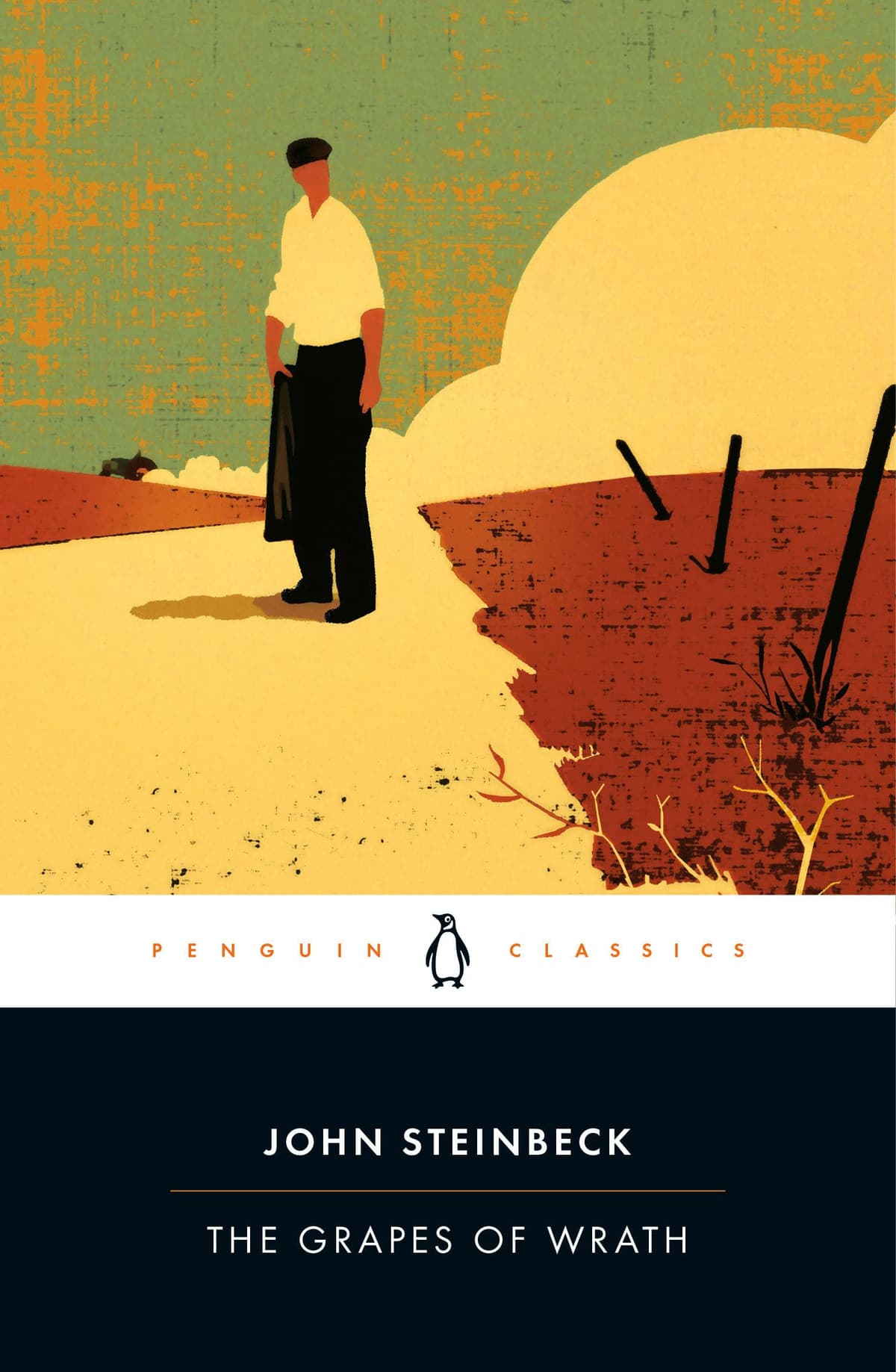
Steinbeck's The Grapes of Wrath: The Joad family's journey from Oklahoma to California during the Dust Bowl. Pulitzer winner - summary and where to buy.
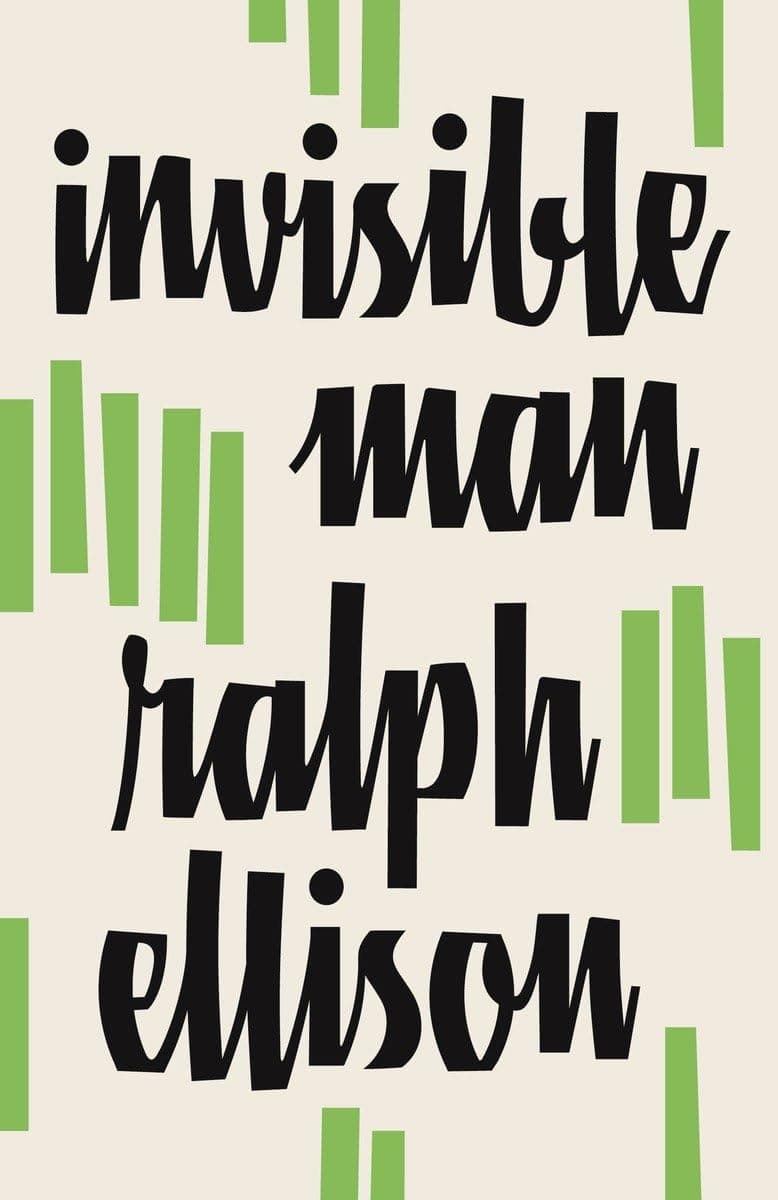
Ralph Ellison's Invisible Man: a Black man's search for identity in a nation that refuses to see him. Summary, analysis, and where to buy.
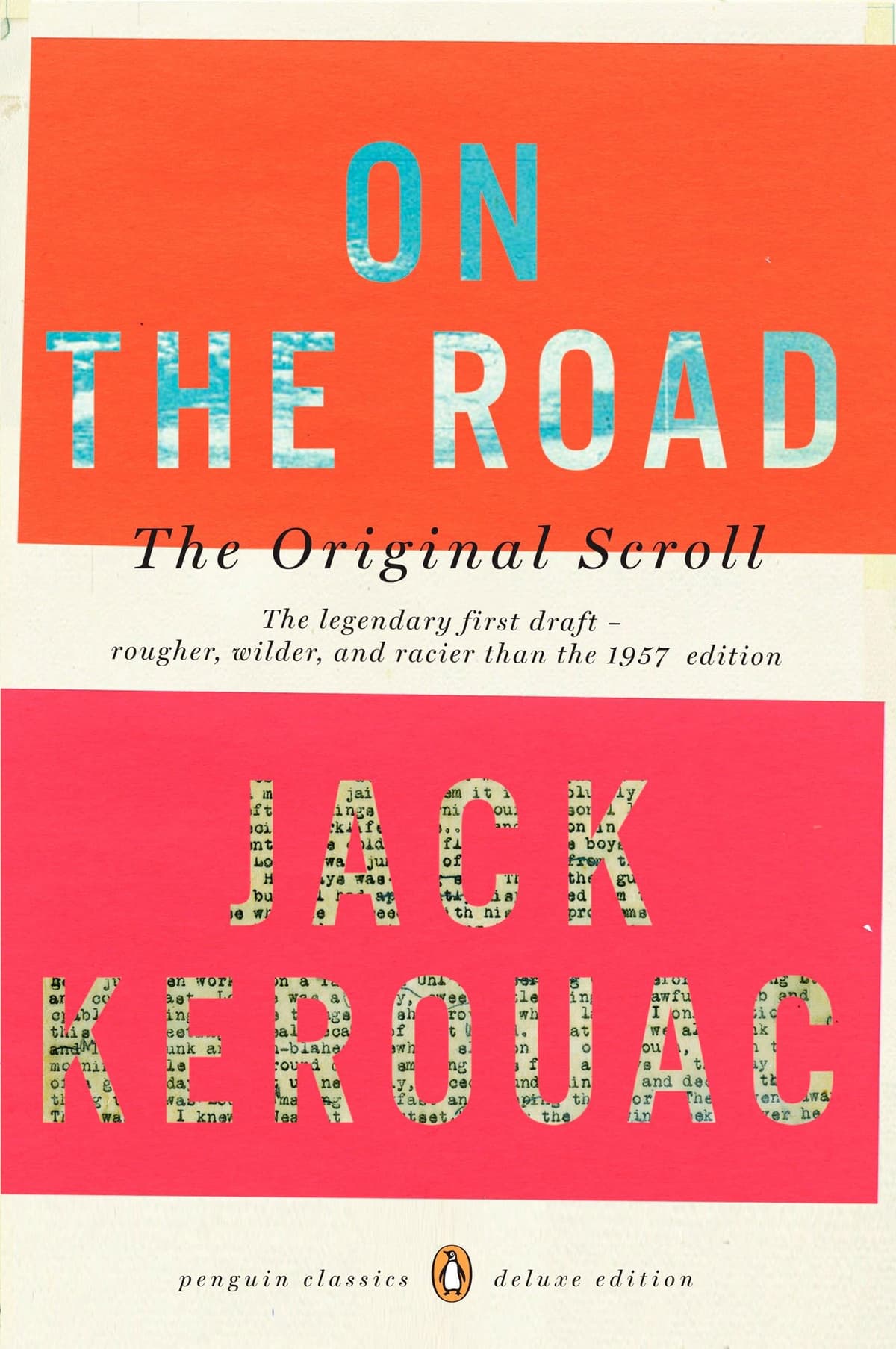
Kerouac's On the Road: Sal and Dean's cross-country journeys that defined the Beat Generation. Freedom, jazz, and the open American highway.
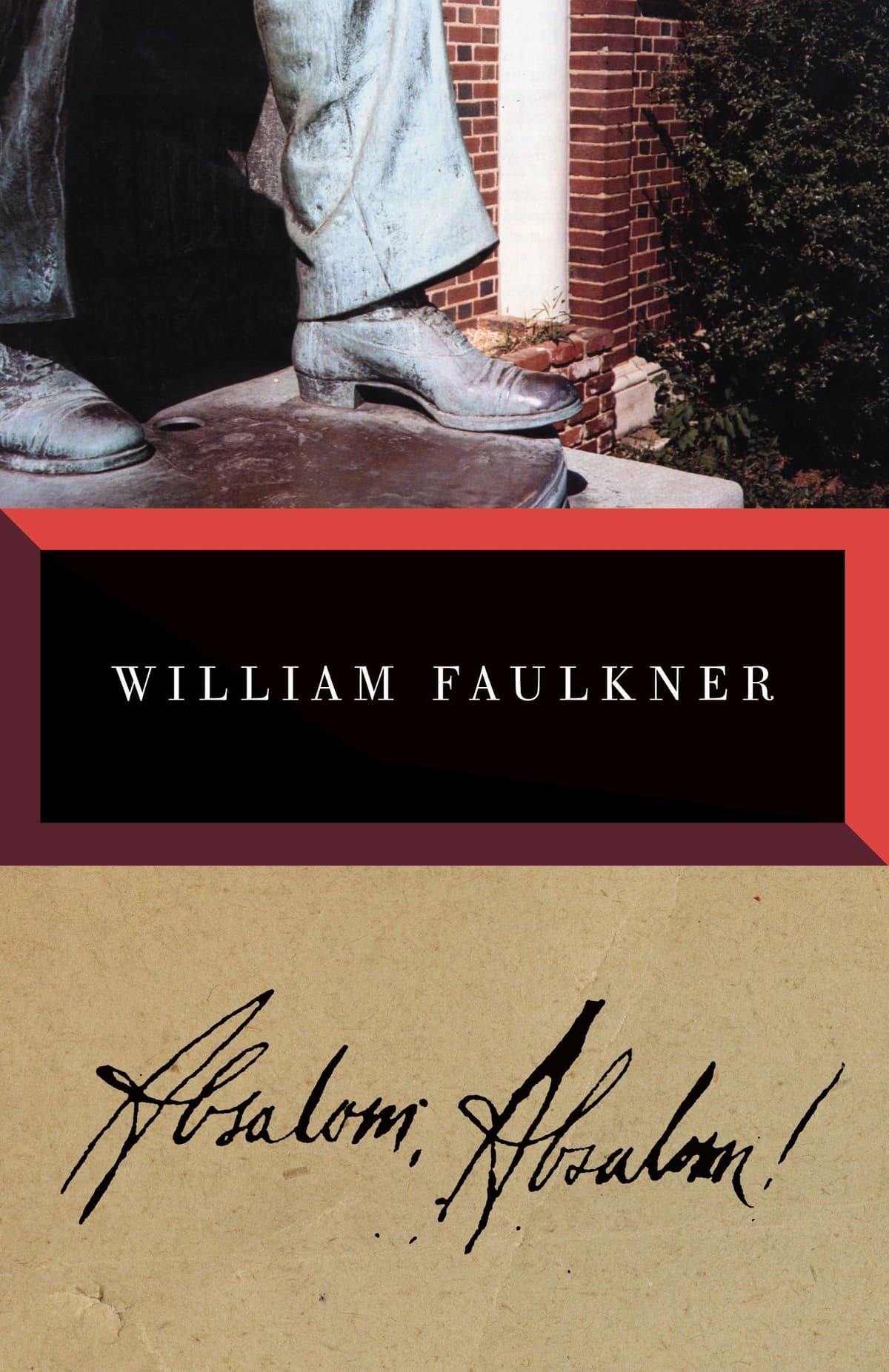
Faulkner's Absalom, Absalom!: Thomas Sutpen's doomed dynasty and the South's original sin. A dense, demanding masterpiece of American Gothic fiction.
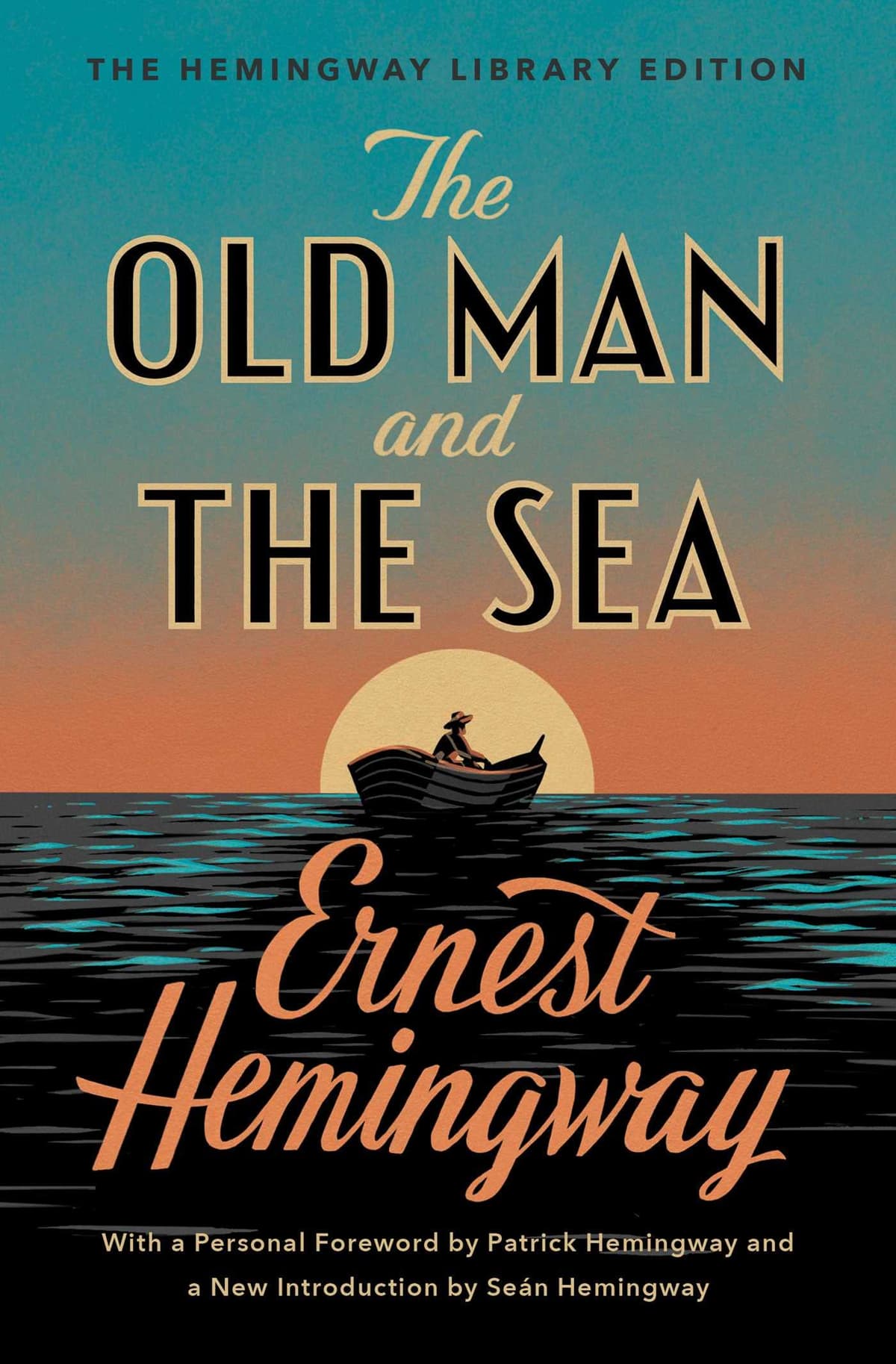
Hemingway's The Old Man and the Sea: Santiago's epic battle with a giant marlin. The Nobel Prize-winning parable of courage and endurance.
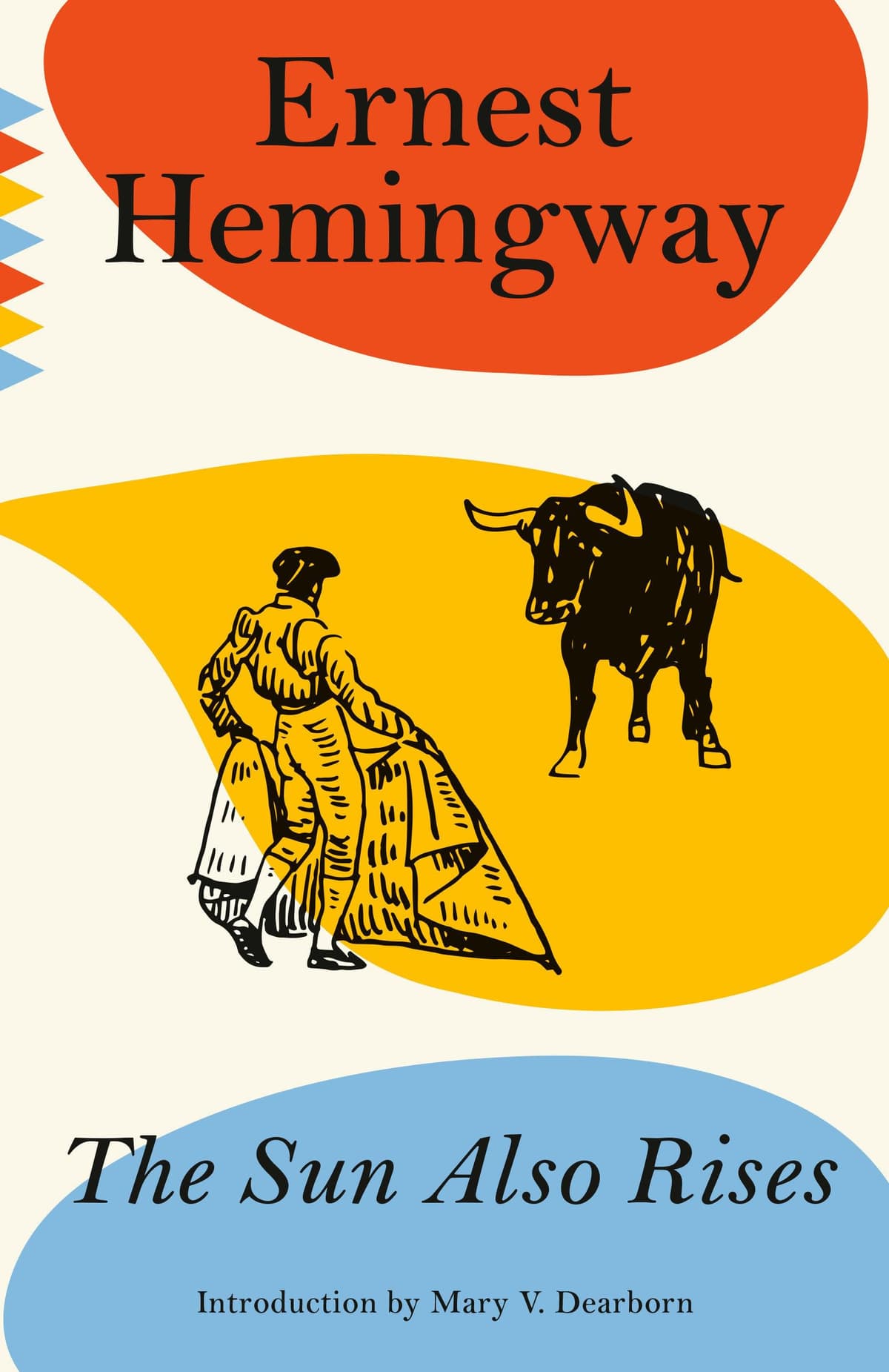
Hemingway's The Sun Also Rises: expatriates drink, love, and watch bullfights in 1920s Paris and Spain. The novel that defined the Lost Generation.
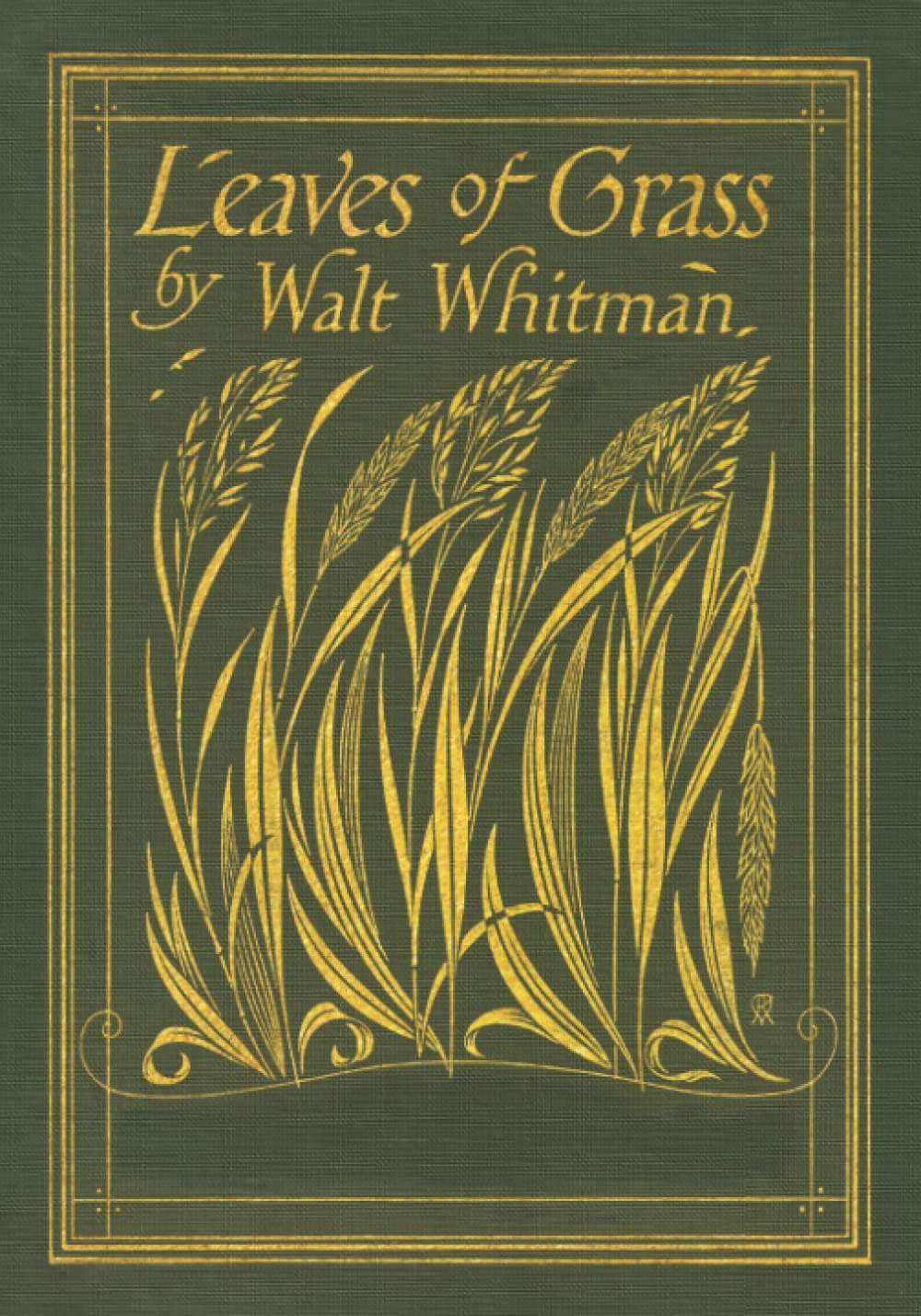
Walt Whitman's Leaves of Grass: the revolutionary poetry collection that invented American verse. Summary, analysis, and where to buy.
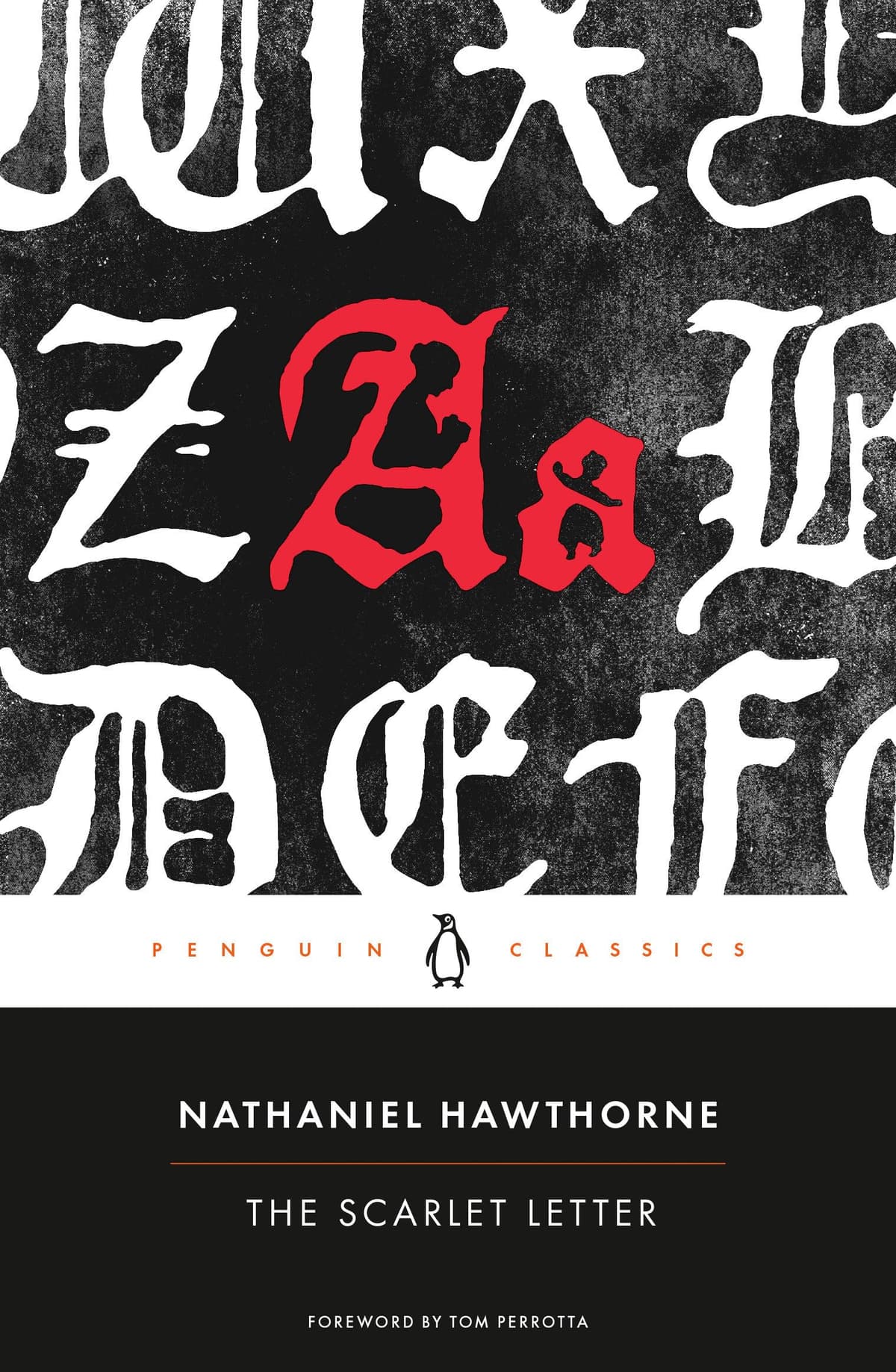
Hawthorne's The Scarlet Letter: Hester Prynne defies Puritan Boston with her scarlet 'A.' A haunting tale of sin, guilt, and defiance.
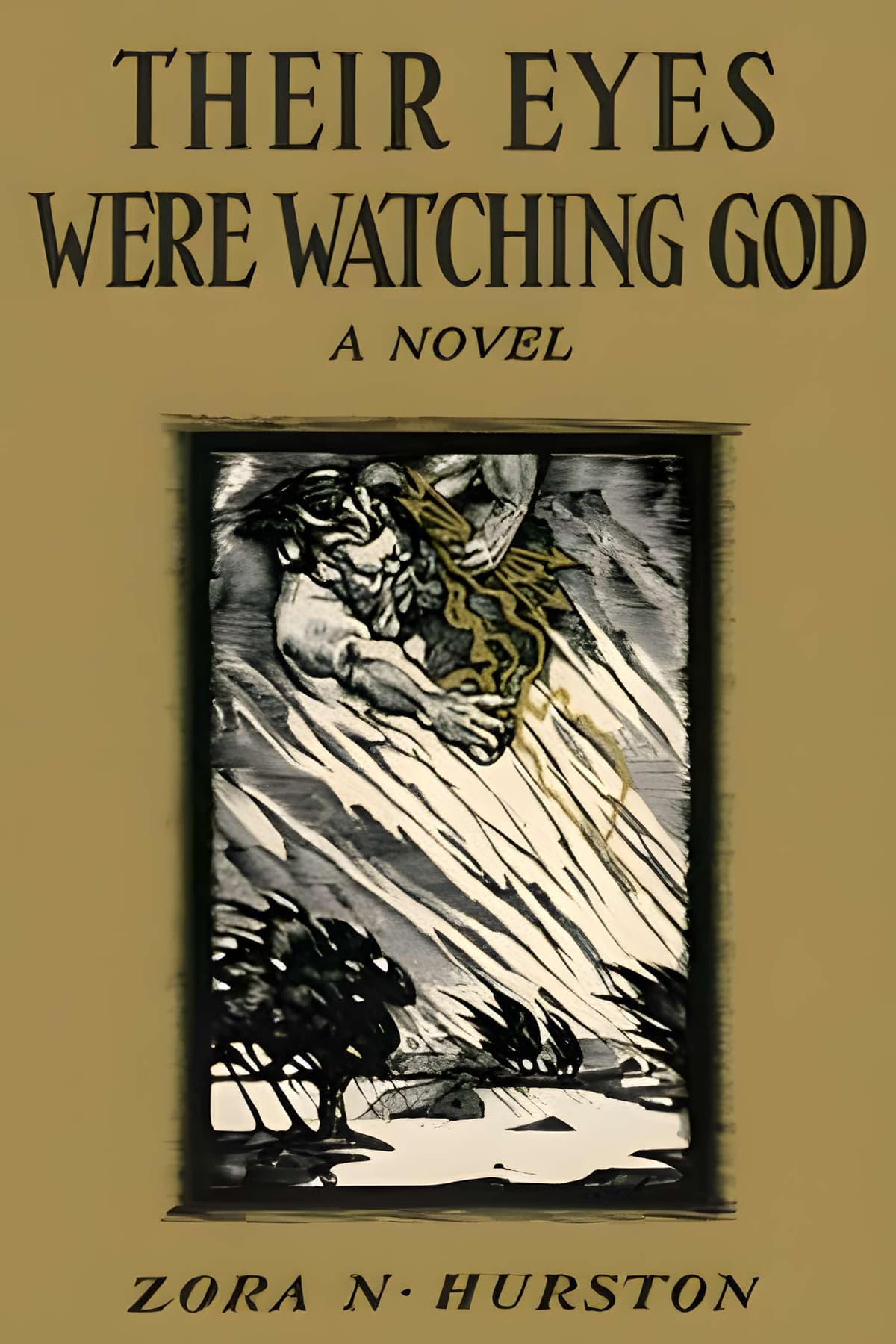
Hurston's Their Eyes Were Watching God: Janie Crawford's journey through love, loss, and self-discovery in the Black South.
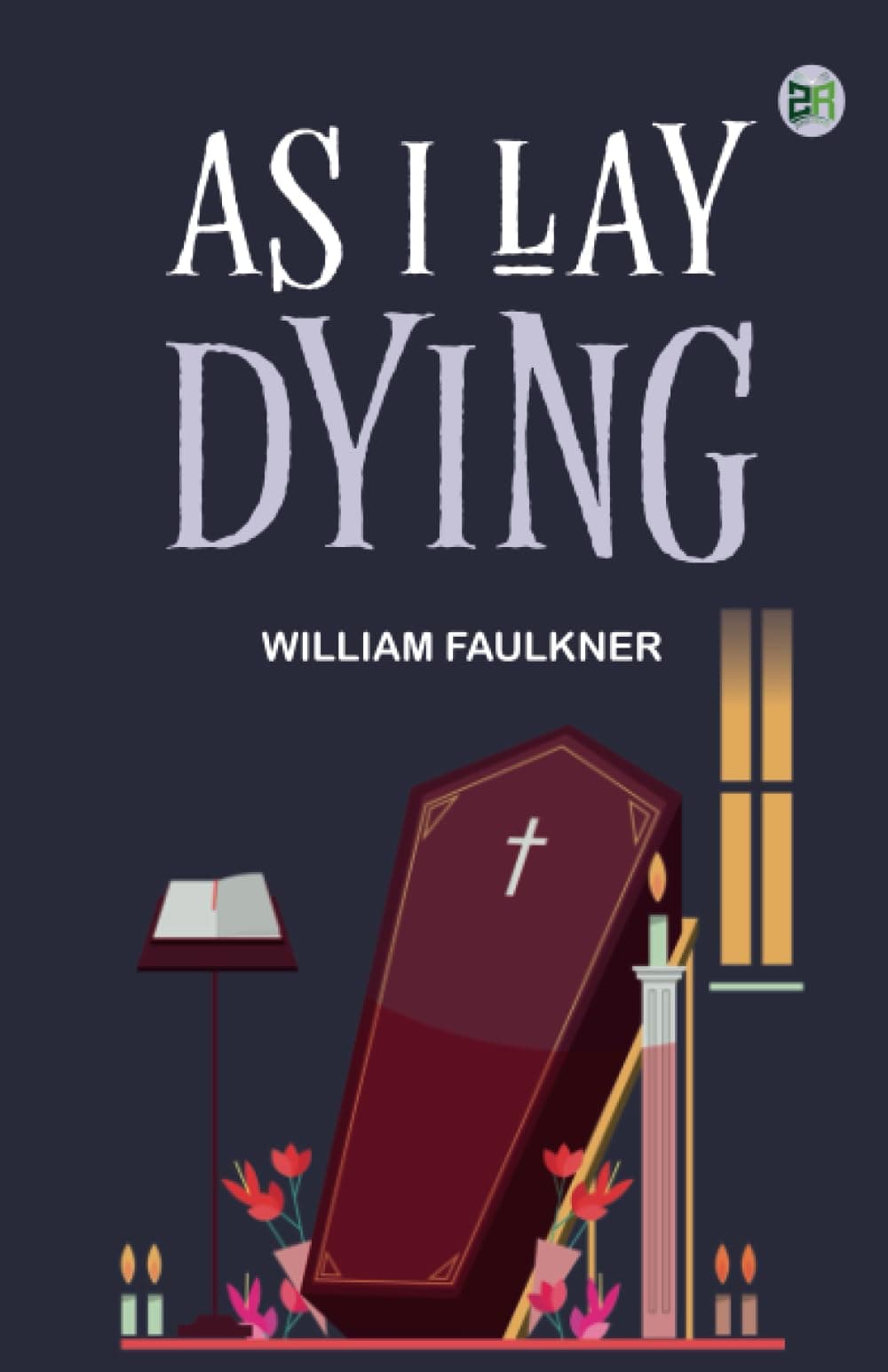
Faulkner's As I Lay Dying: the Bundren family's harrowing journey to bury their mother. A darkly comic Southern masterpiece told in fifteen voices.
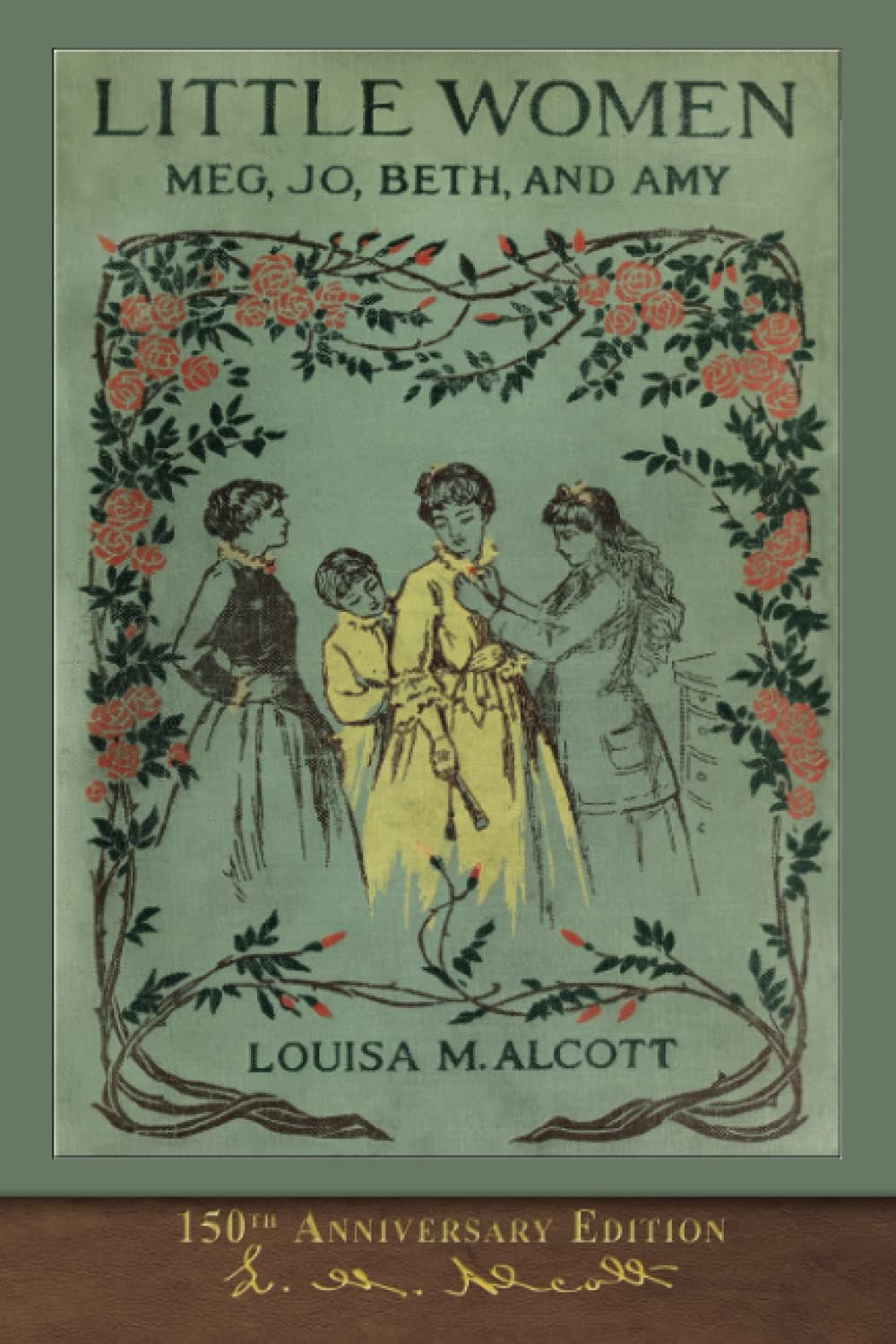
Louisa May Alcott's Little Women: the March sisters navigate love, loss, and ambition in Civil War-era America. A beloved classic of growing up.
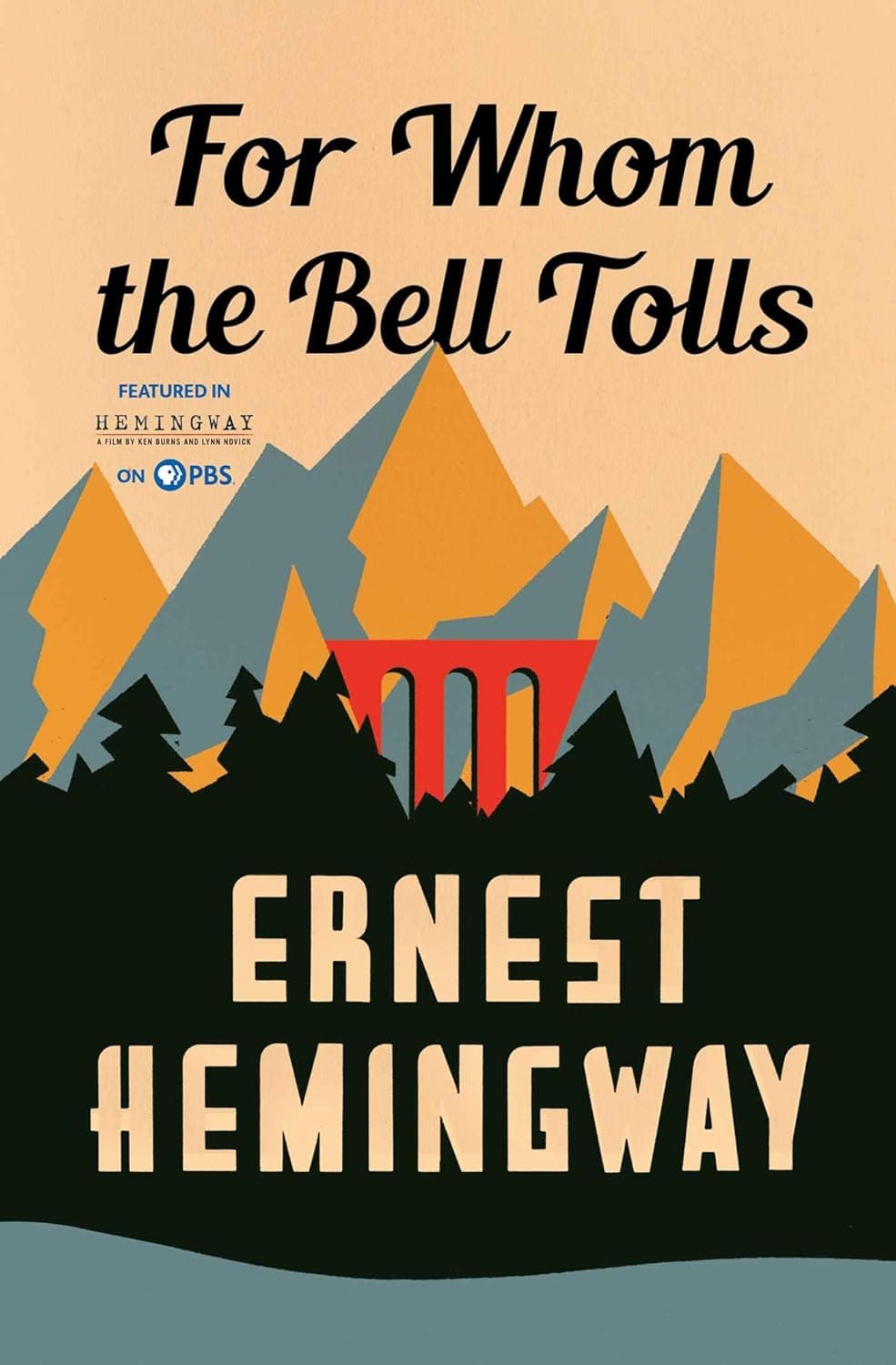
Hemingway's For Whom the Bell Tolls: an American dynamiter's final mission in the Spanish Civil War. Love, duty, and sacrifice in seventy-two hours.
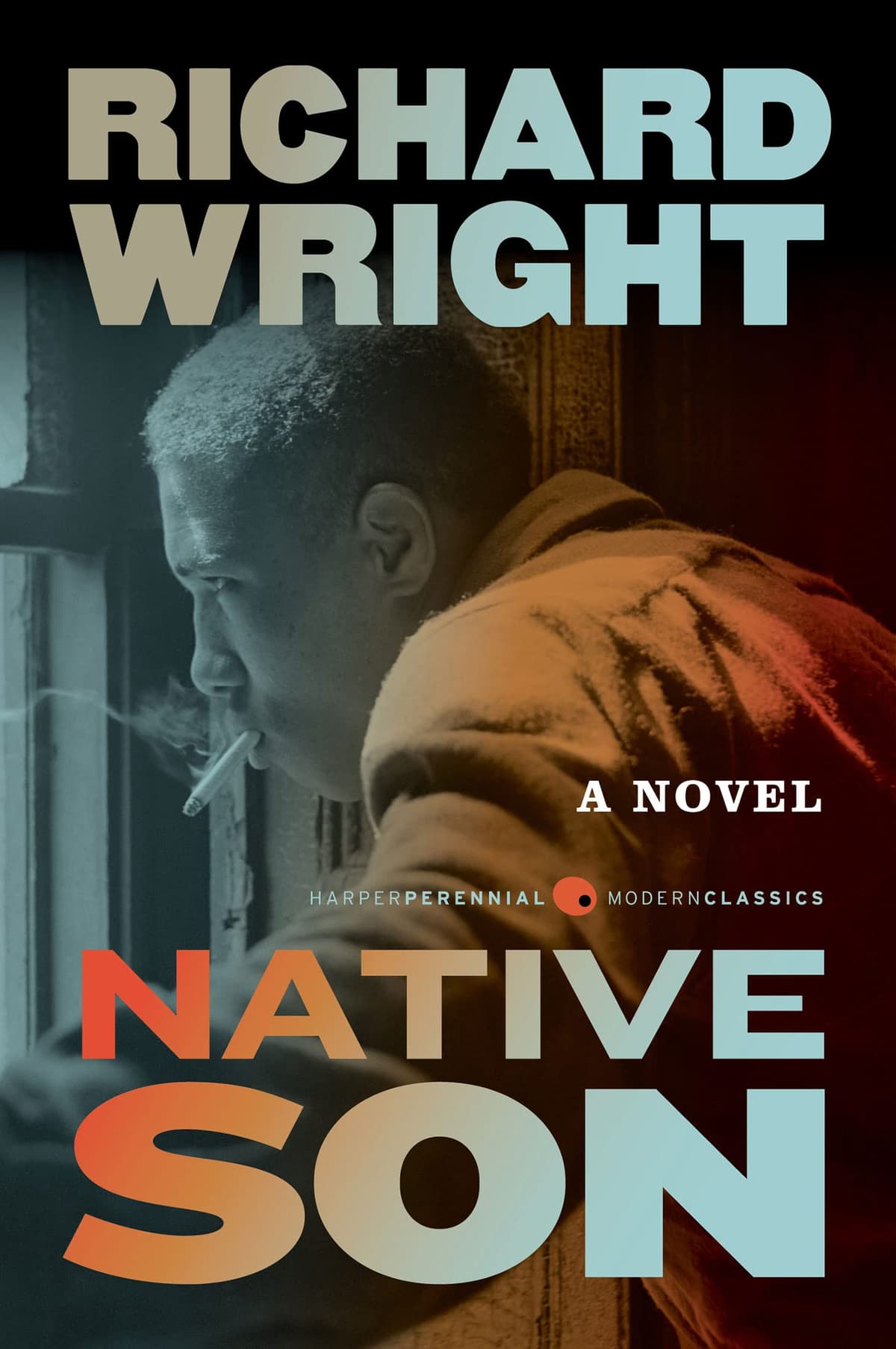
Richard Wright's Native Son: Bigger Thomas and the explosive reality of race in 1930s Chicago. A searing novel of fear, violence, and systemic injustice.

Sylvia Plath's The Bell Jar: Esther Greenwood's descent into depression in 1950s America. A searing, darkly comic masterpiece.
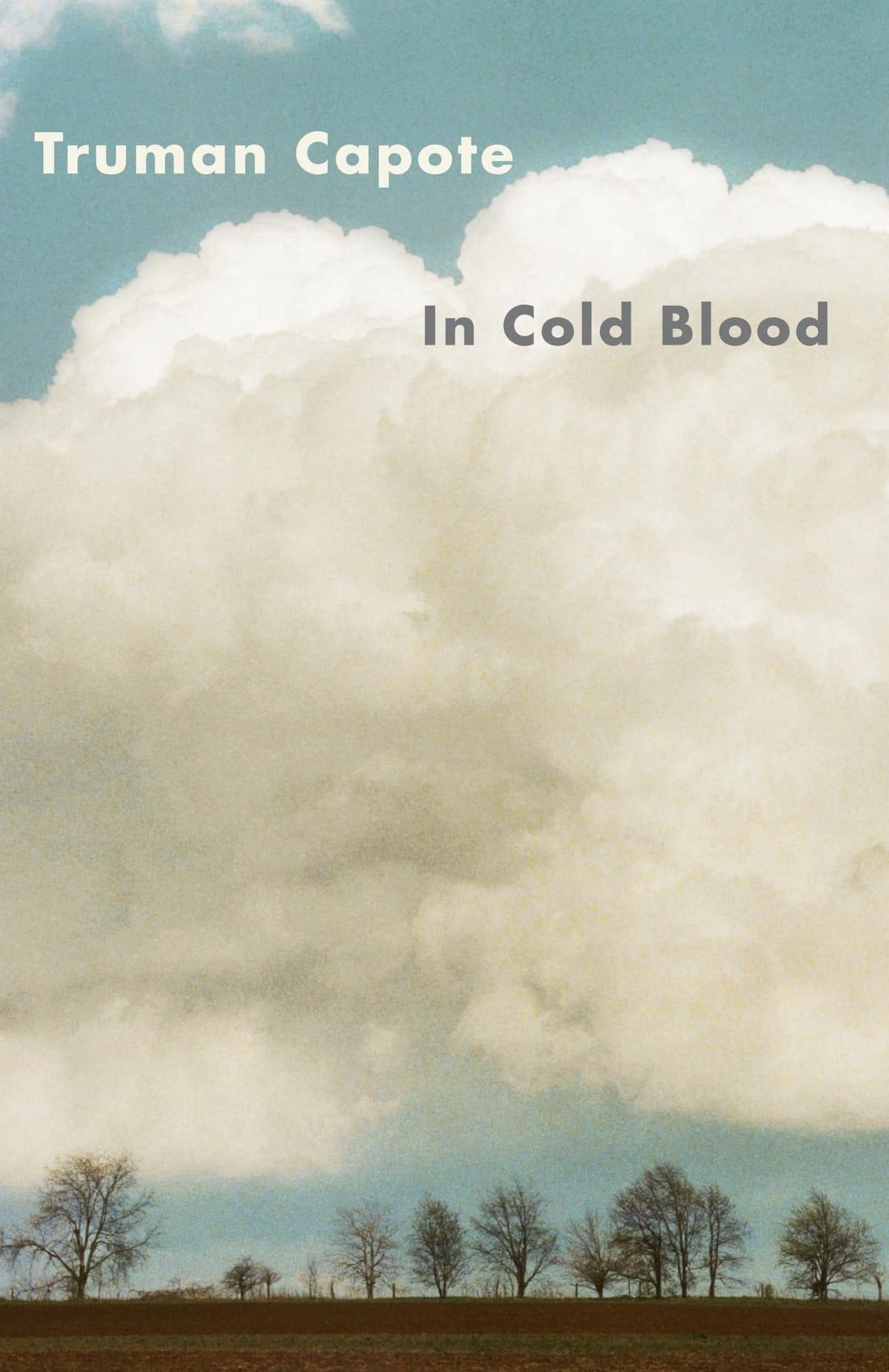
Truman Capote's In Cold Blood: the true crime masterpiece about the Clutter family murders. The book that invented a genre.
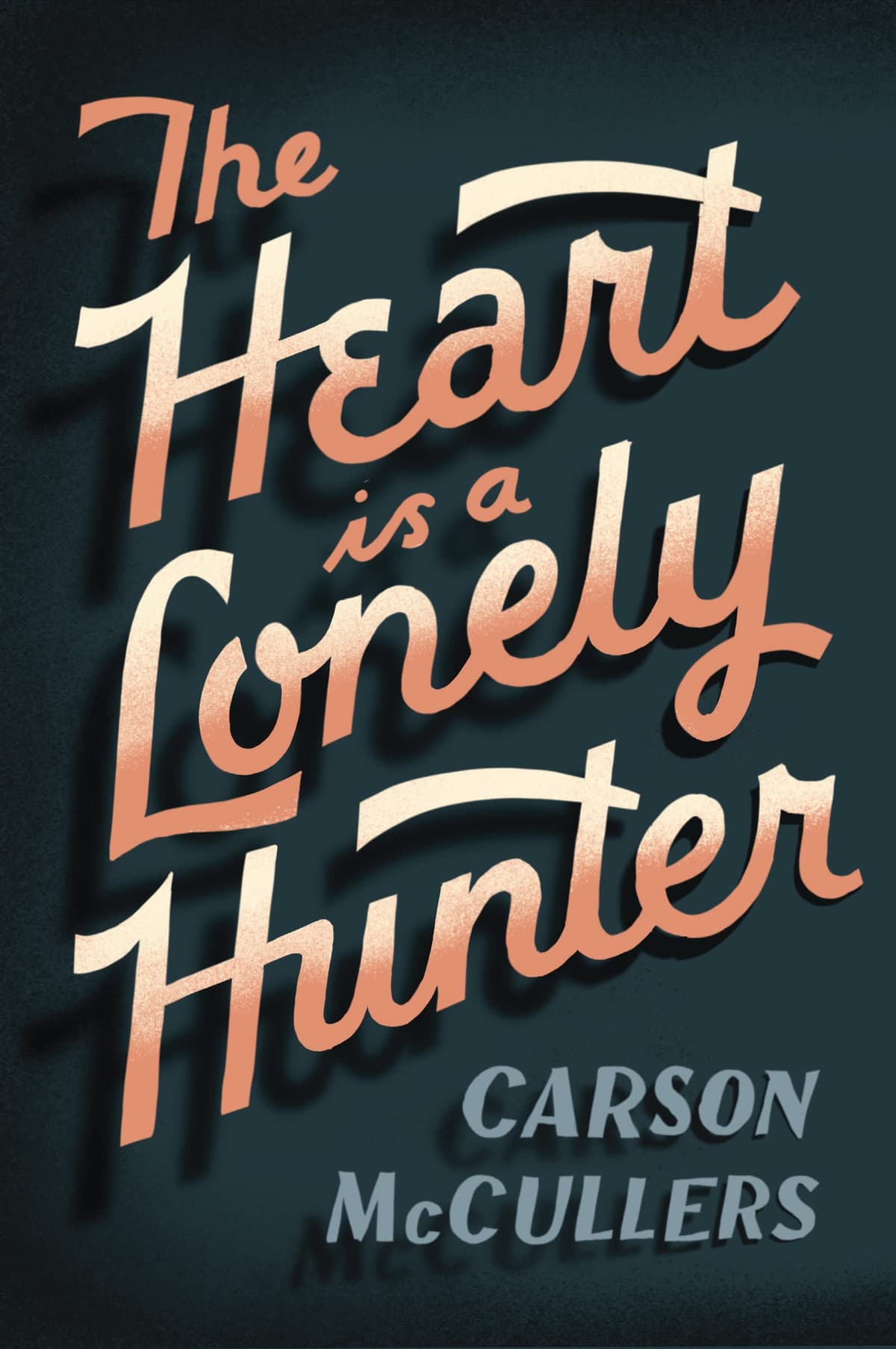
Carson McCullers' The Heart Is a Lonely Hunter: a deaf-mute and four lost souls in Depression-era Georgia. A masterpiece of loneliness and longing.
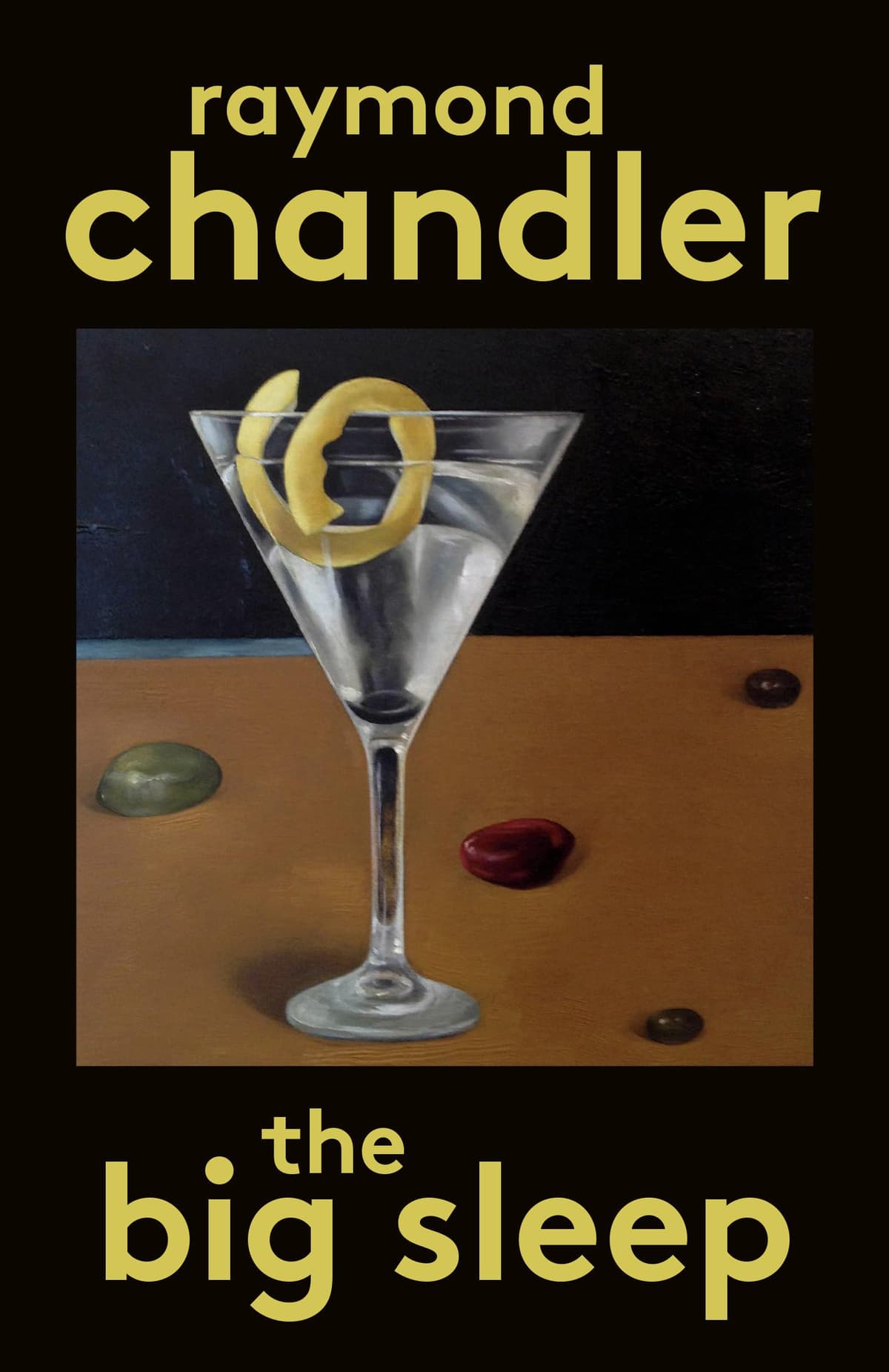
Raymond Chandler's The Big Sleep: Philip Marlowe navigates murder and corruption in 1930s LA. The novel that defined hardboiled detective fiction.