The Russian Soul
Russian literature is a spiritual trial. Born from a history of autocracy, suffering, and vast open spaces, these novels possess an emotional intensity unmatched in the Western canon. They don't just tell stories; they interrogate the reader. They ask the ultimate questions: Is there a God? What is the price of freedom? Can a murderer be redeemed?
To read Tolstoy or Dostoevsky is to enter a moral universe where the stakes are always infinite. Whether it is the panoramic history of War and Peace or the claustrophobic nightmare of Crime and Punishment, these books demand that you confront the deepest, darkest parts of your own consciousness.
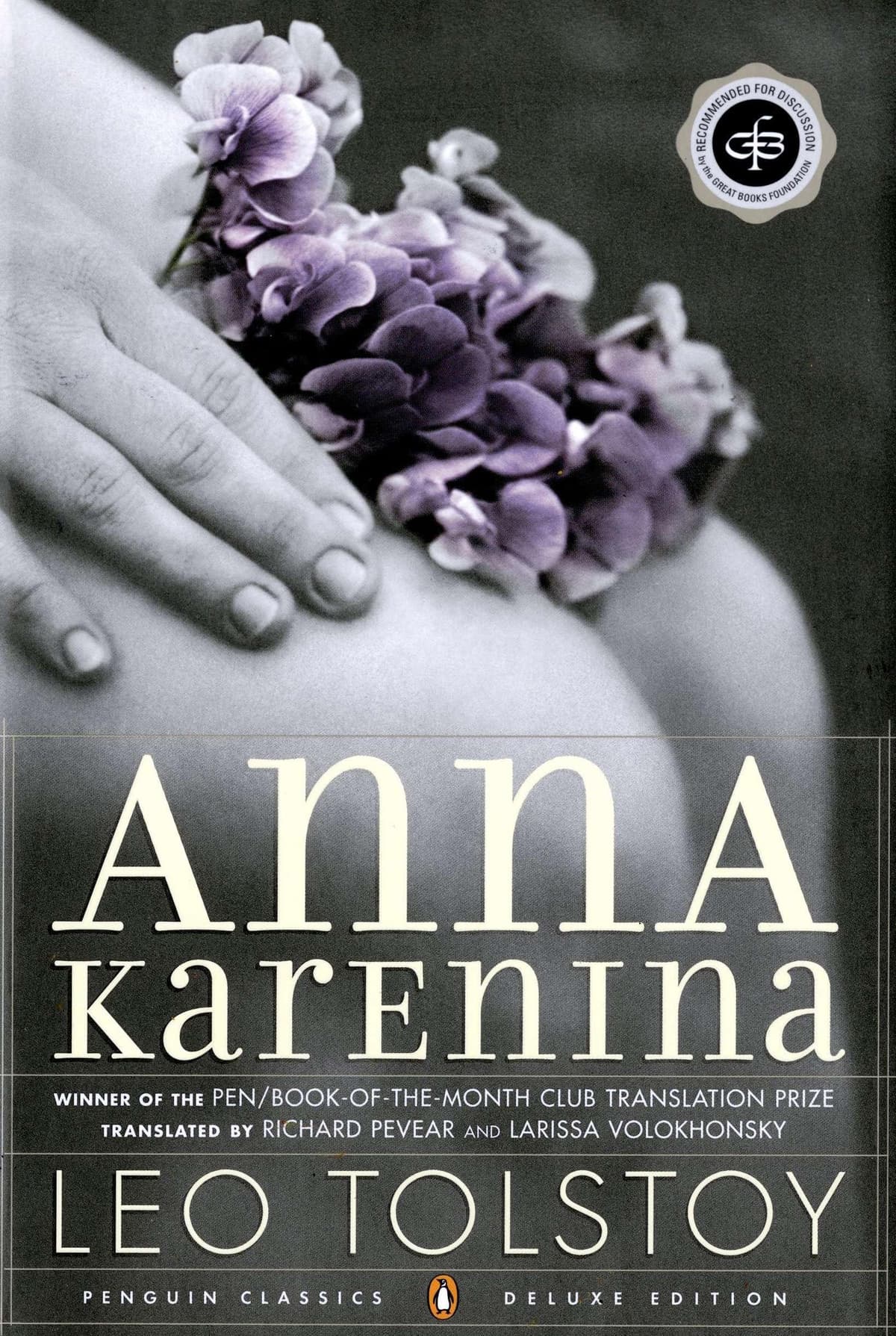
Tolstoy's Anna Karenina: Anna's tragic affair with Count Vronsky and Levin's search for meaning. Russian literature masterpiece - summary and where to buy.
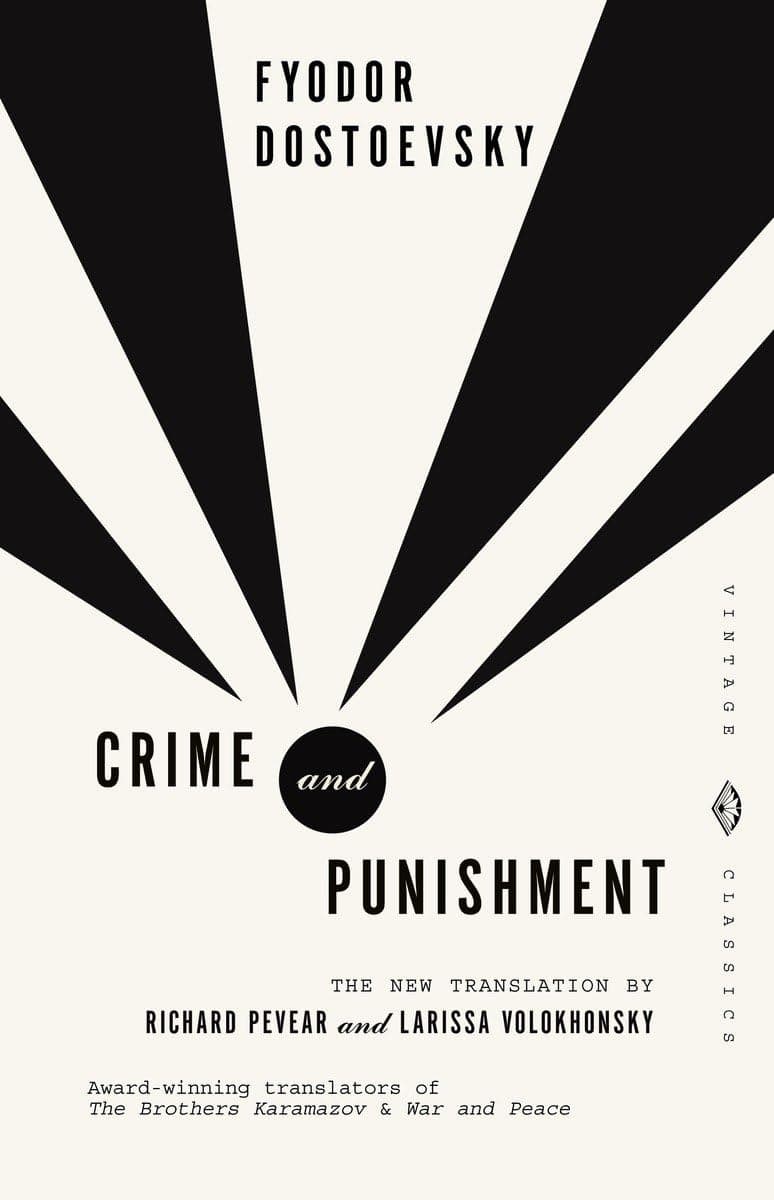
Dostoevsky's Crime and Punishment: Raskolnikov commits murder and faces Porfiry in this psychological thriller. Summary, analysis, and where to buy.
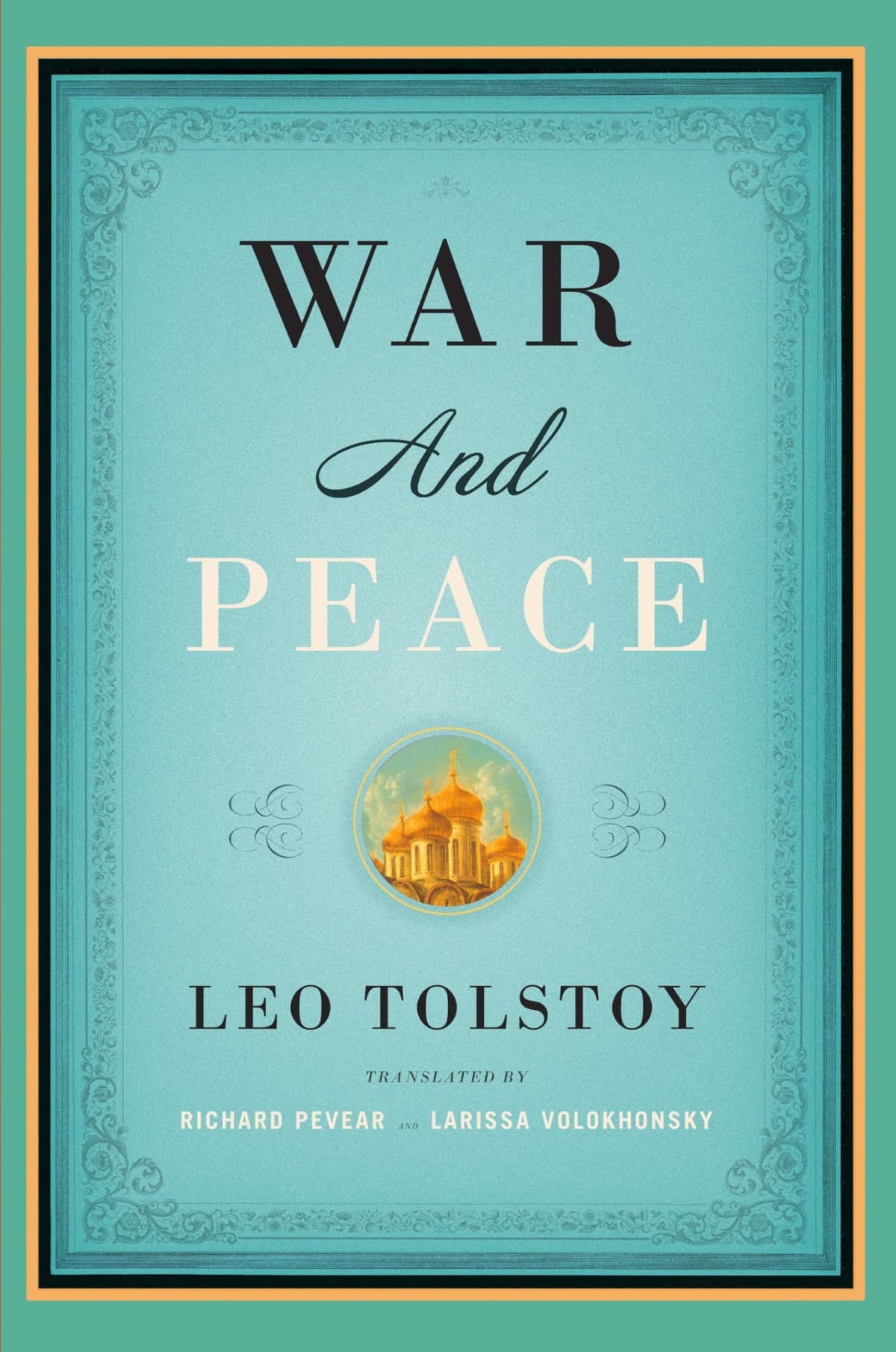
Tolstoy's War and Peace: Pierre, Natasha, and Prince Andrei during Napoleon's invasion of Russia. Epic literature - summary, characters, and where to buy.
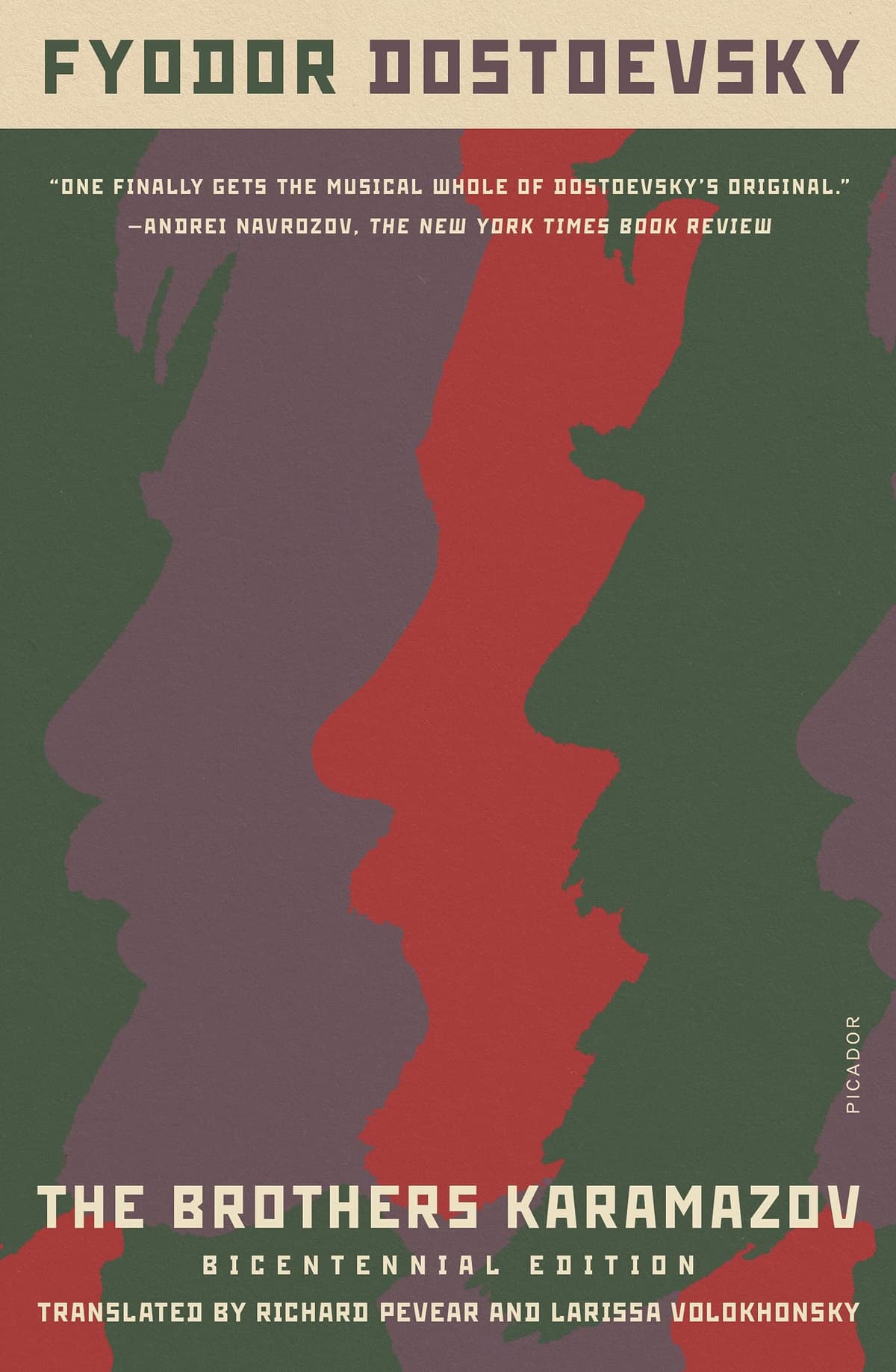
Dostoevsky's The Brothers Karamazov: Dmitri, Ivan, and Alyosha debate God and morality. The Grand Inquisitor chapter - summary, analysis, and where to buy.
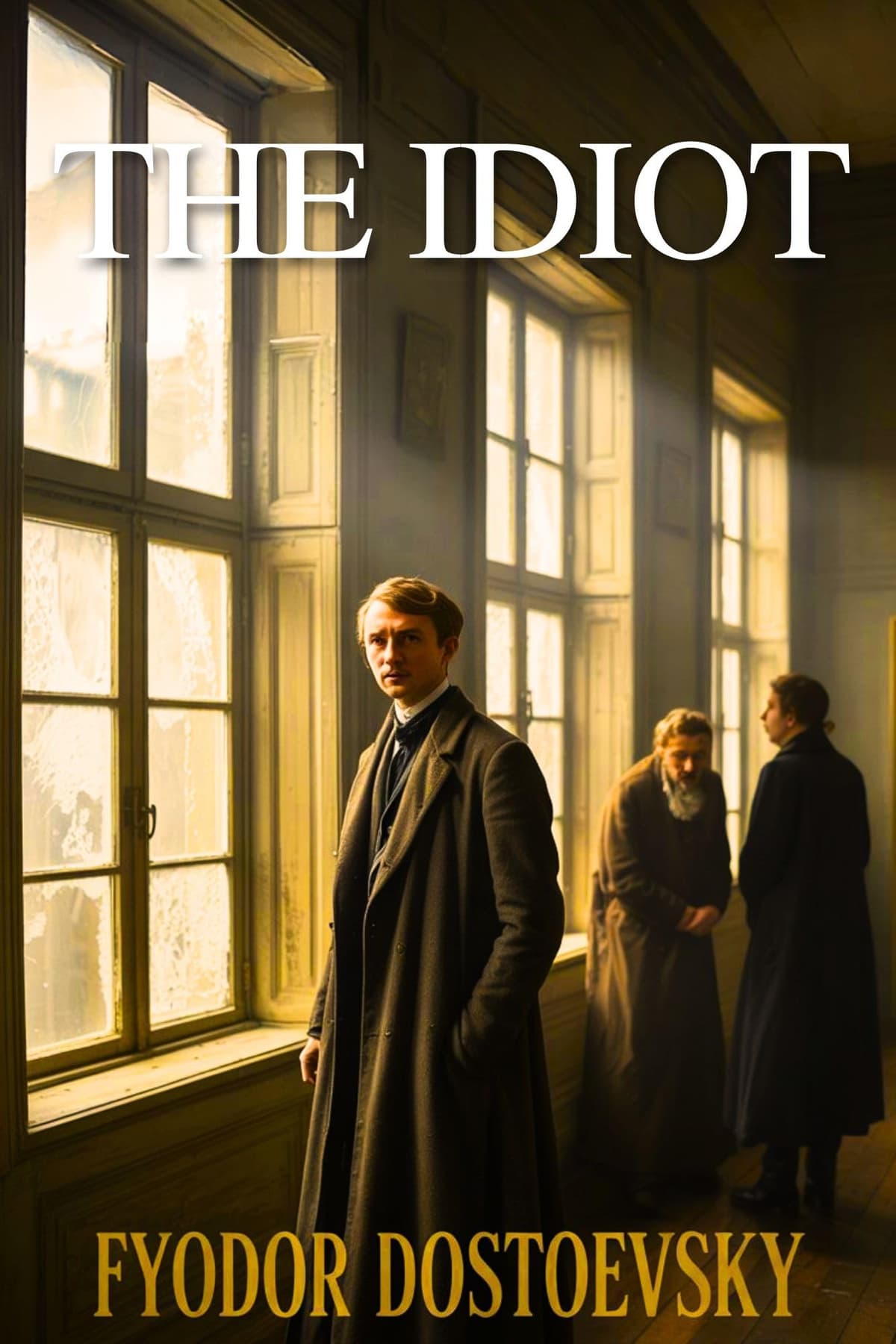
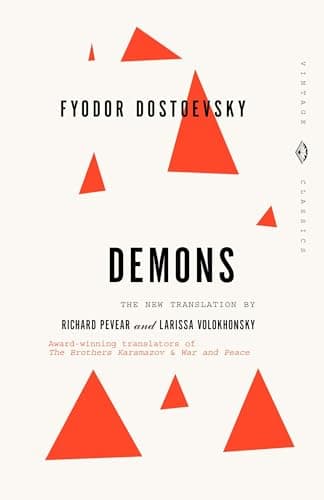
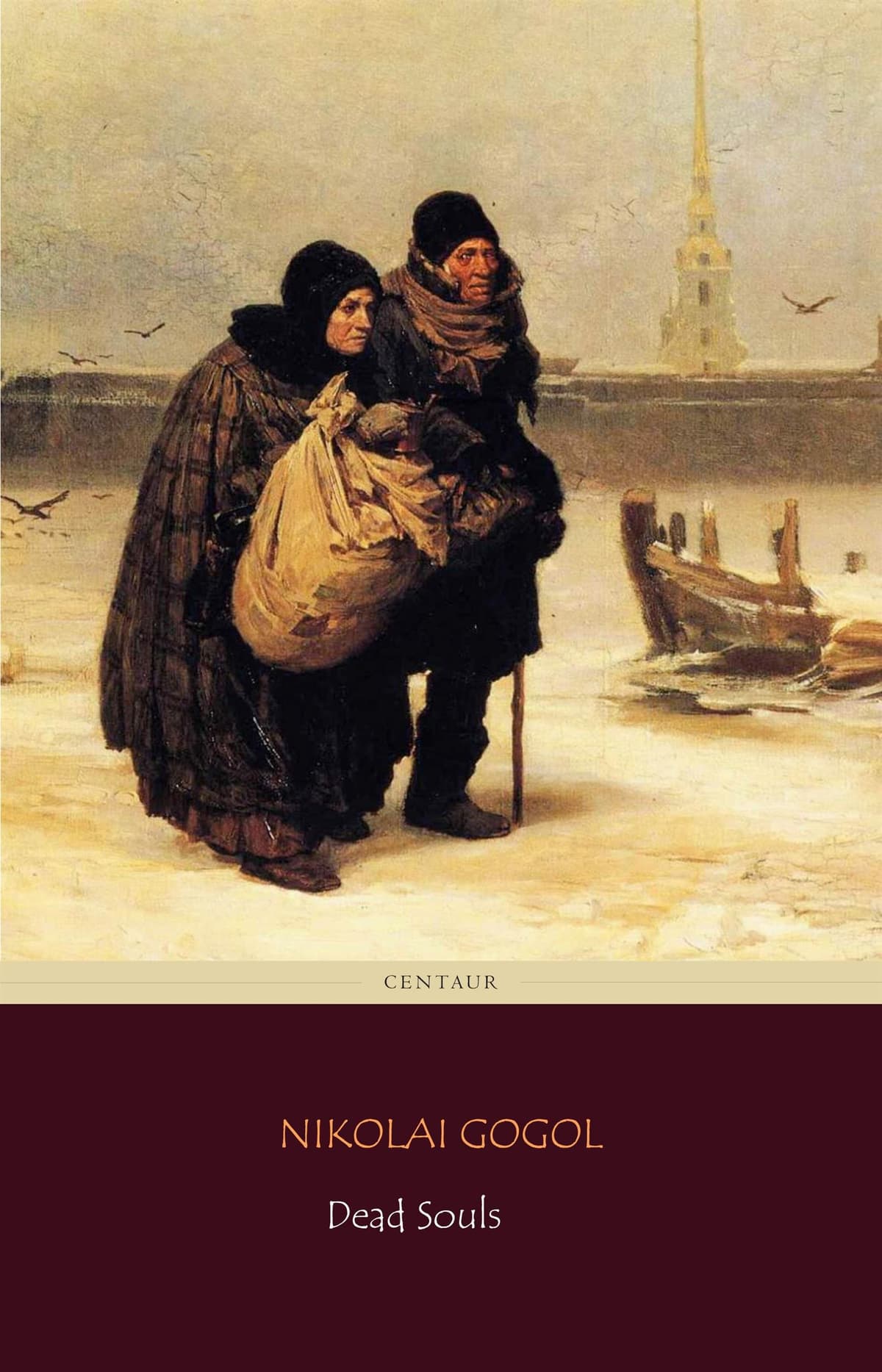
Gogol's Dead Souls: a swindler buys dead serfs across provincial Russia. A darkly comic masterpiece of satire, absurdity, and the Russian soul.
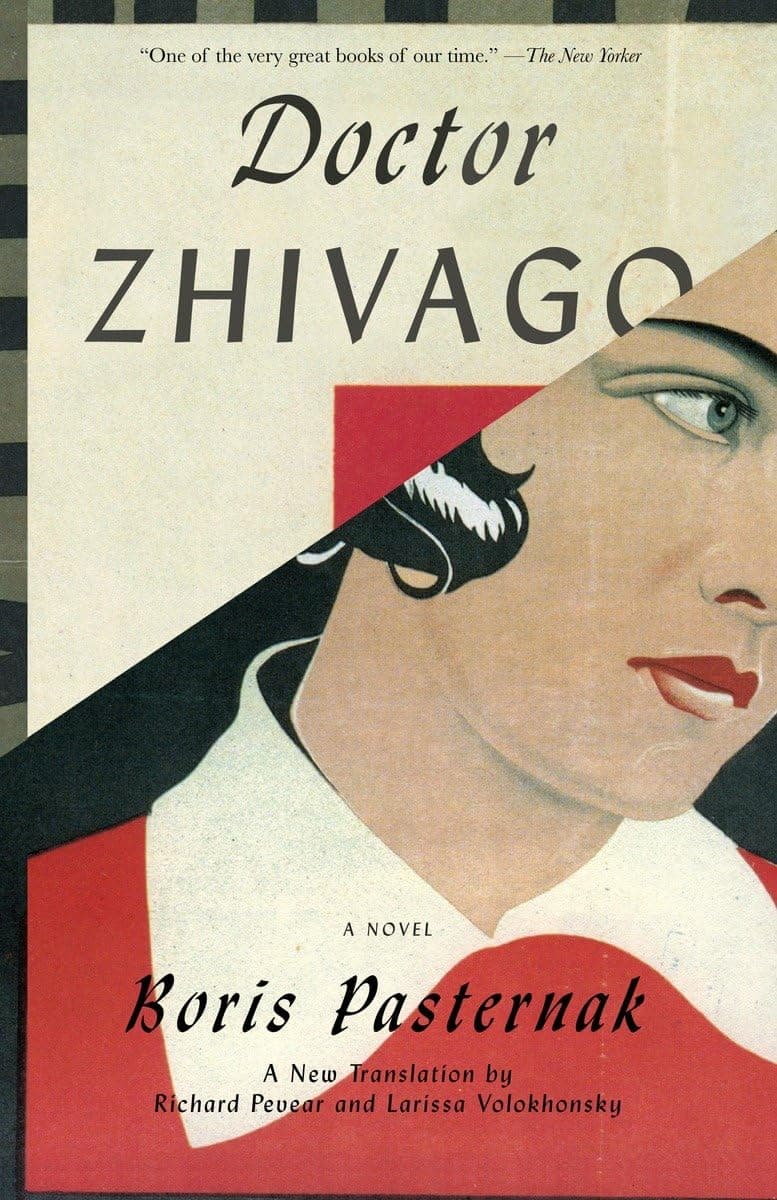
Boris Pasternak's Doctor Zhivago: love and poetry against the storm of the Russian Revolution. Summary, analysis, and where to buy.
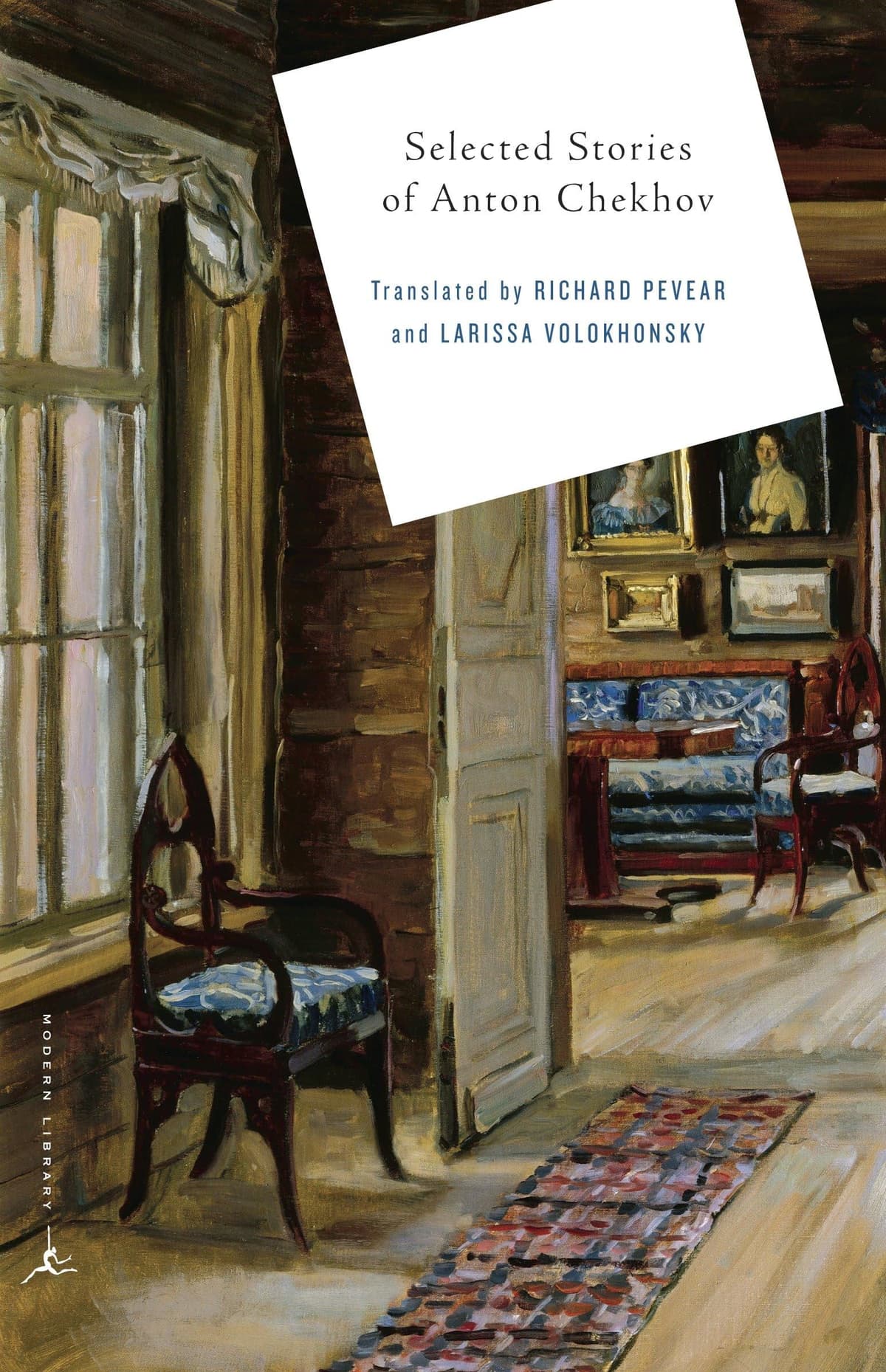
Chekhov's collected stories: the quiet dramas of ordinary Russian lives that revolutionized the short story form. Essential reading for all fiction lovers.
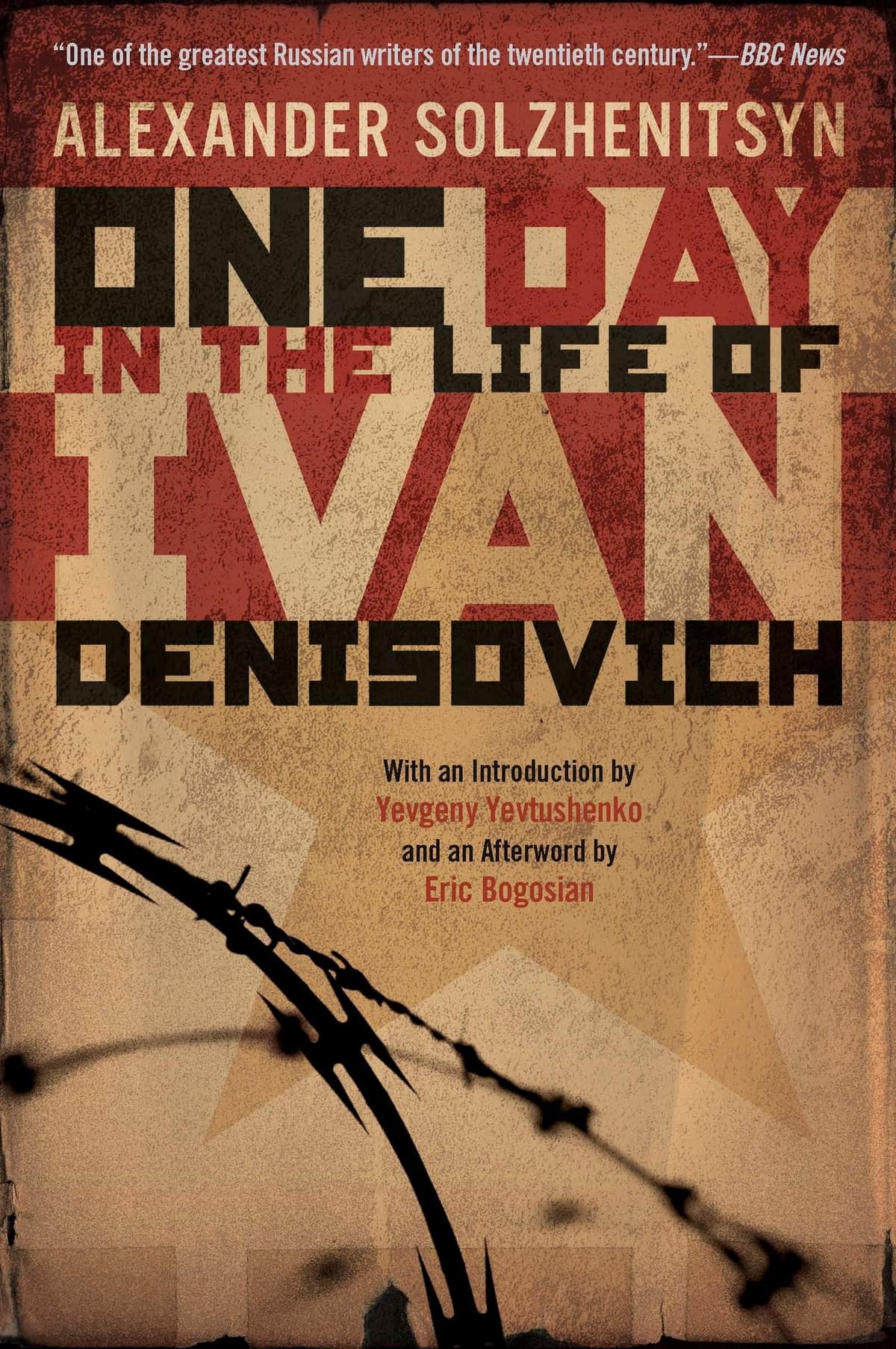
Solzhenitsyn's One Day in the Life of Ivan Denisovich: survival and dignity in a Soviet labor camp. The novel that exposed the Gulag to the world.
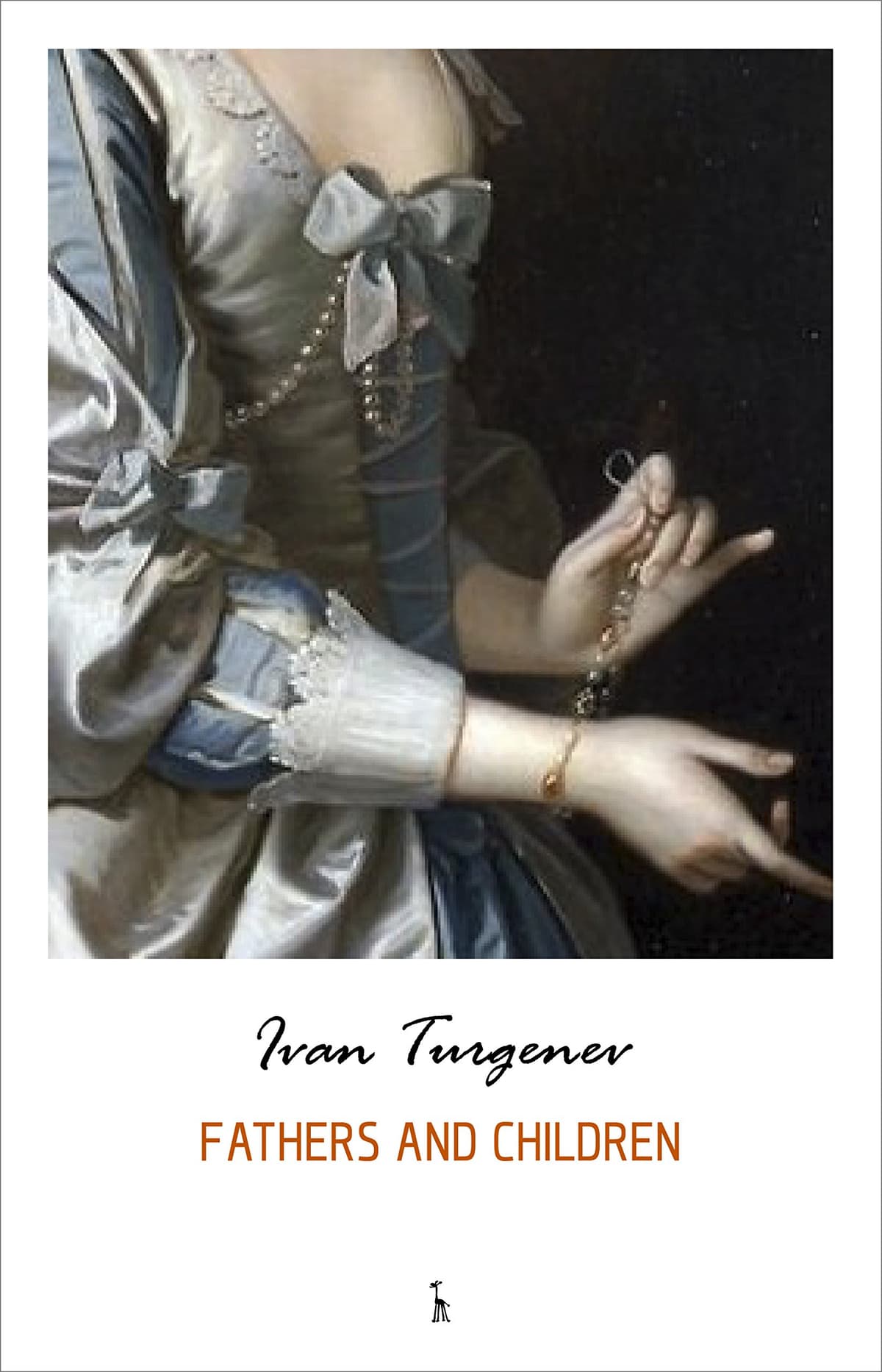
Turgenev's Fathers and Sons: the novel that gave the world nihilism. Generational conflict in nineteenth-century Russia.
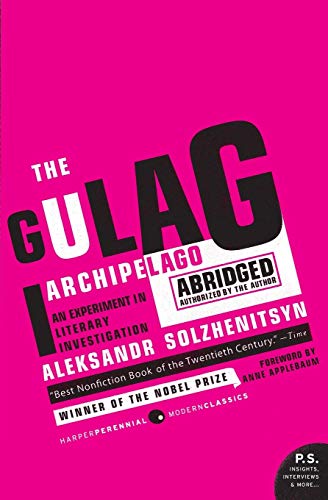
Solzhenitsyn's Gulag Archipelago: a devastating account of Soviet forced labor camps. Memoir, history, and moral testimony from the heart of the system.
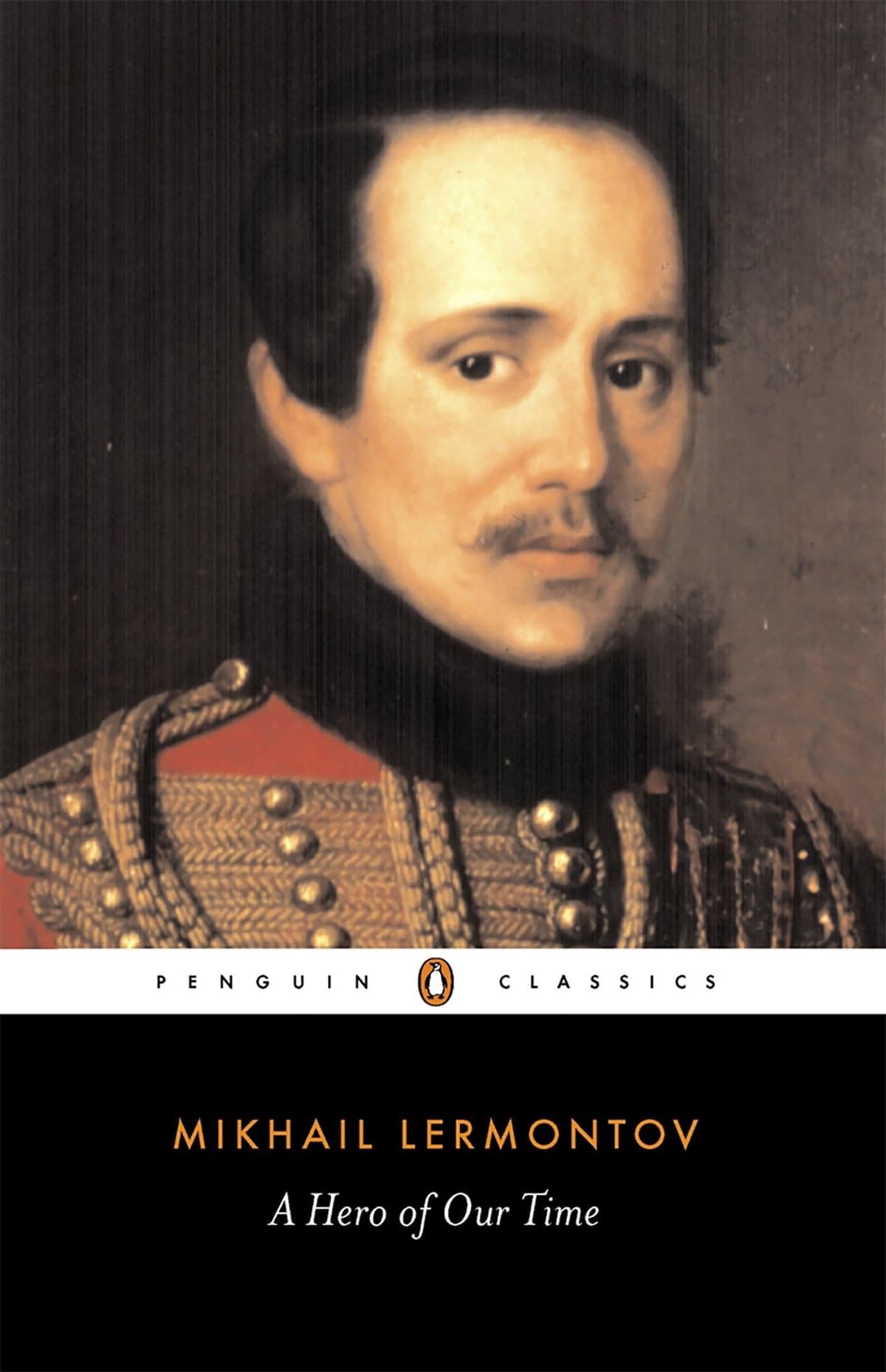
Lermontov's A Hero of Our Time: Pechorin, Russia's first anti-hero, in a fractured portrait of brilliance, boredom, and self-destruction.
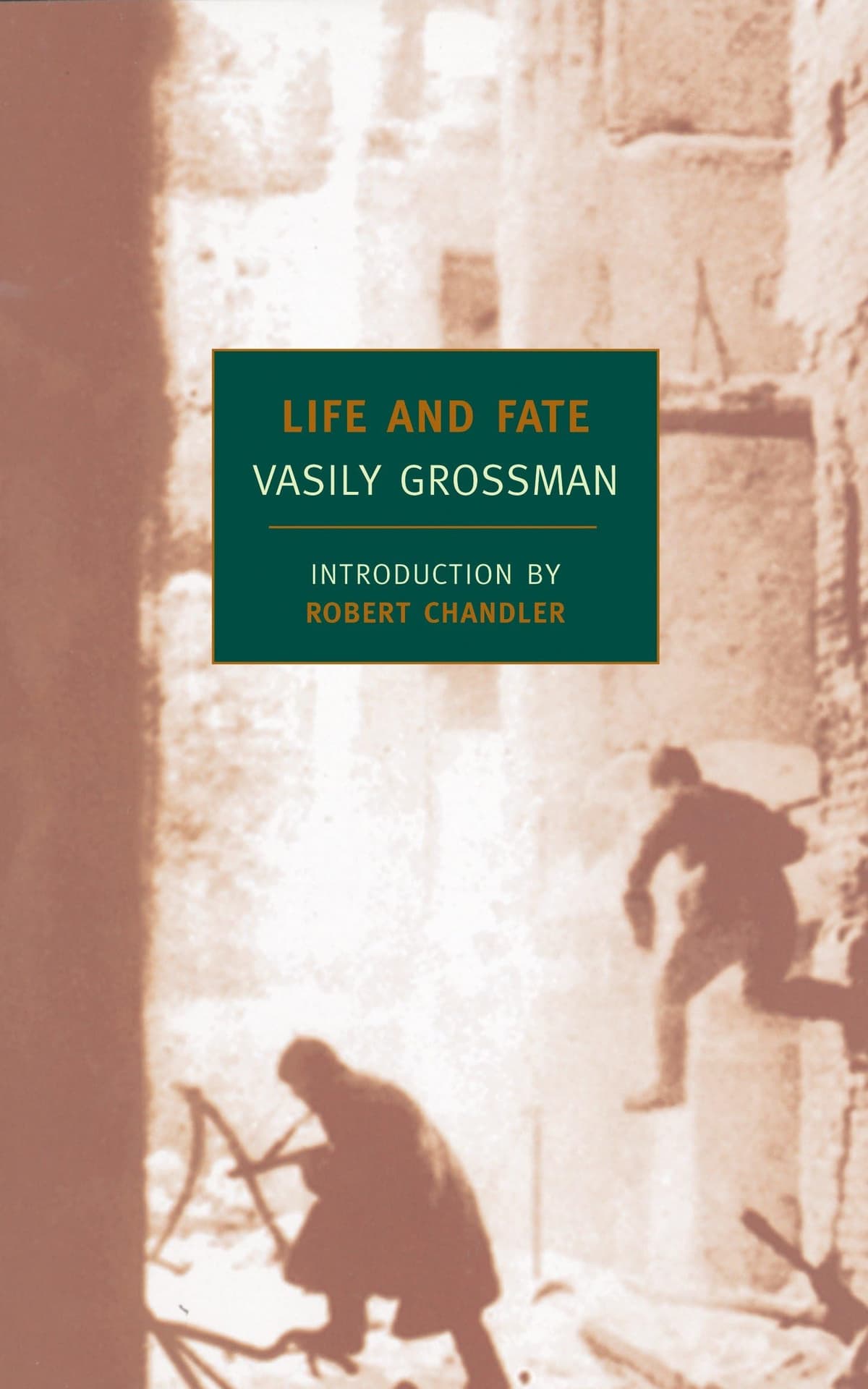
Grossman's Life and Fate: a Stalingrad epic confronting Nazi and Soviet tyranny. The twentieth century's War and Peace.
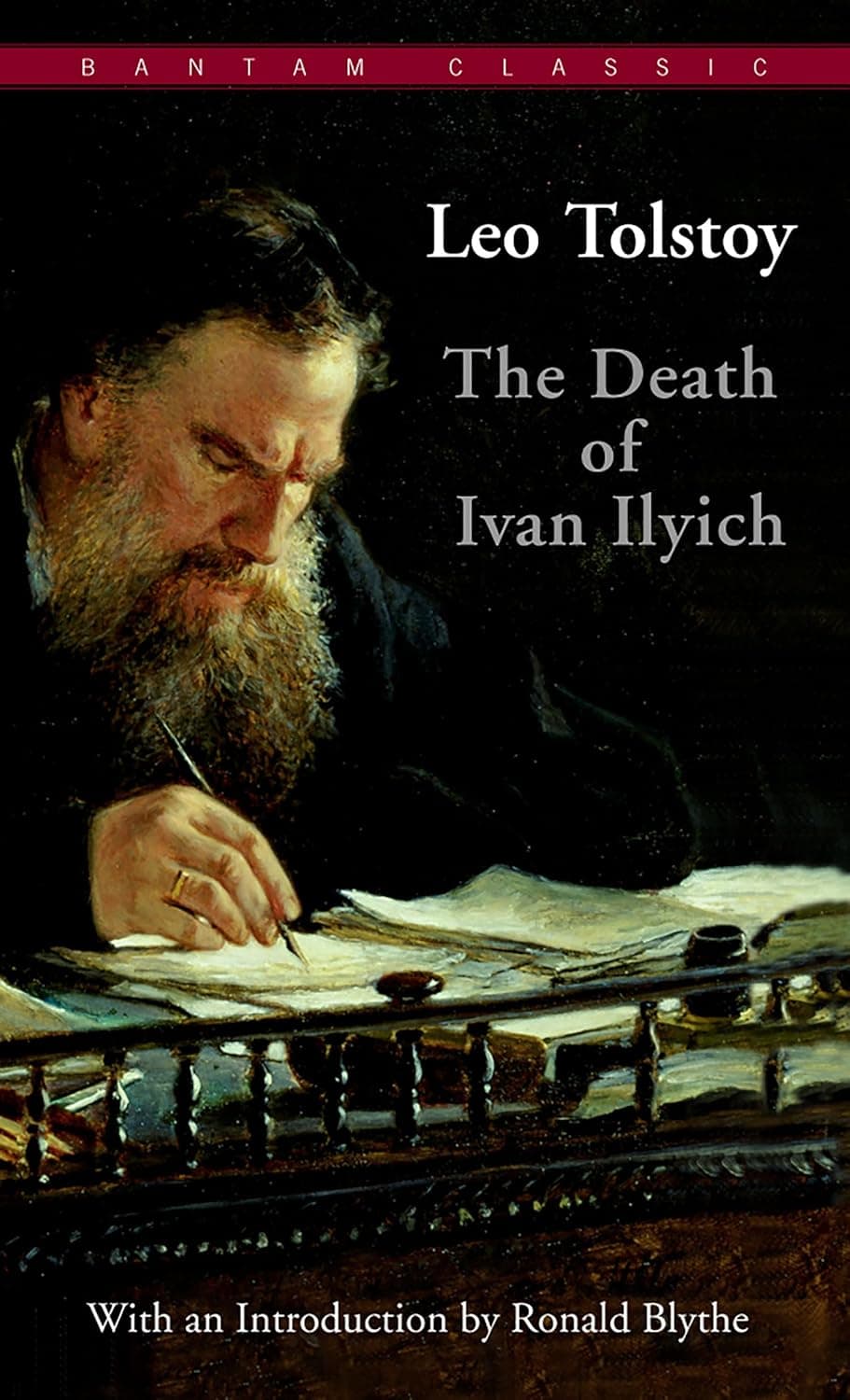
Tolstoy's searing novella follows a conventional man confronting the emptiness of his life as death approaches.
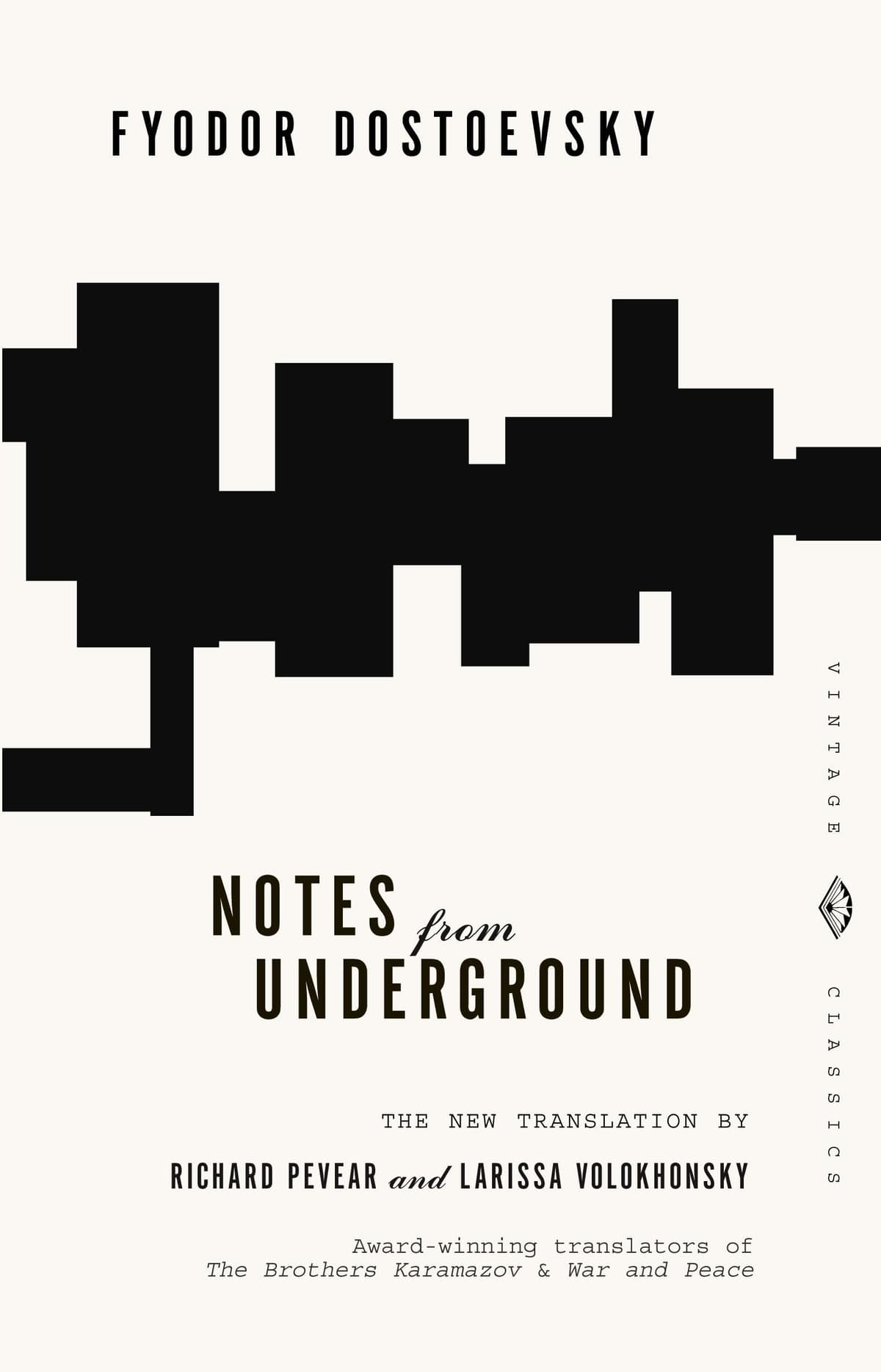
Dostoevsky's Notes from the Underground: the bitter, brilliant monologue that launched existentialist fiction.
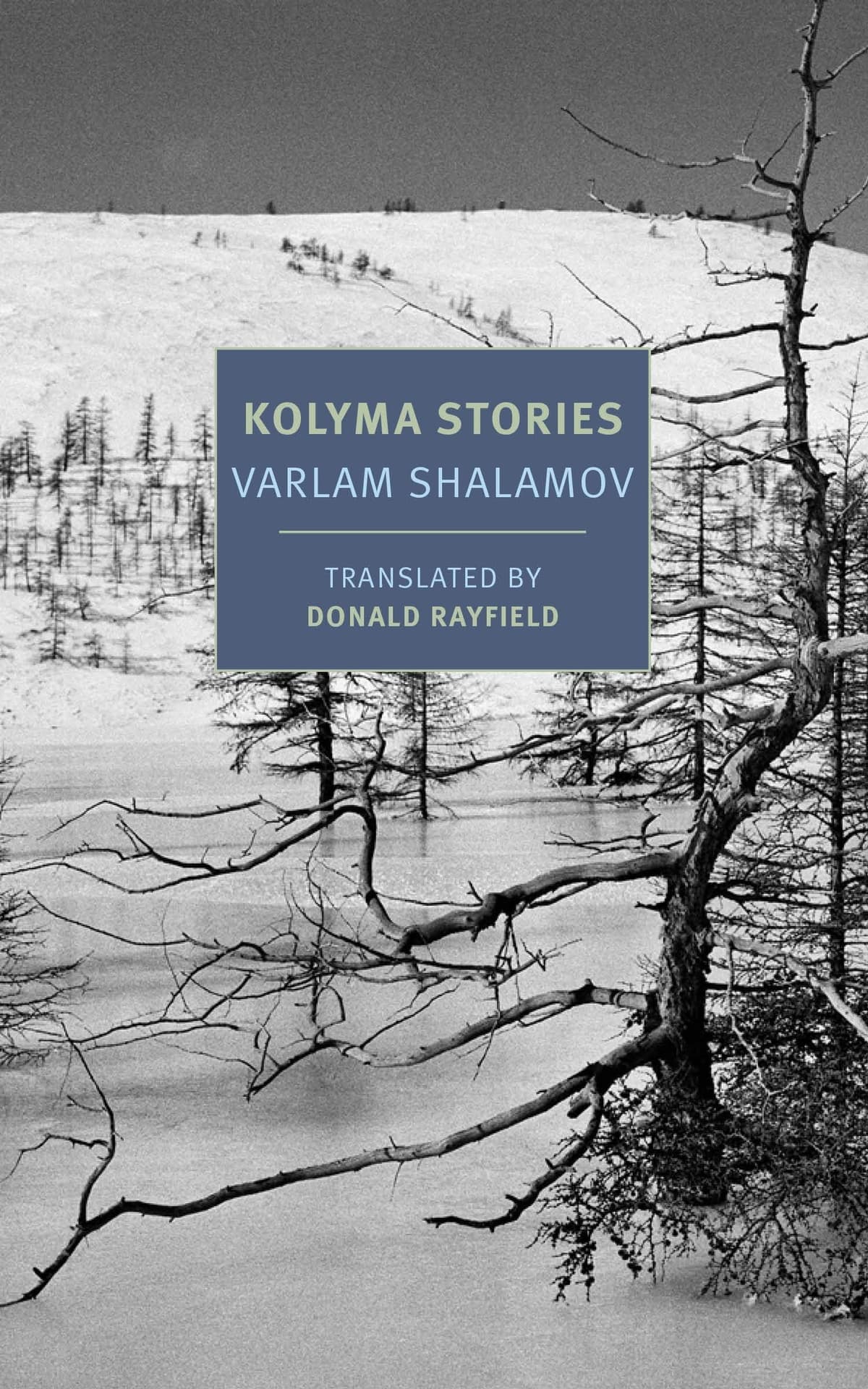
Varlam Shalamov's Kolyma Stories: devastating short fiction from the Soviet Gulag, a masterwork of literary testimony and survival.
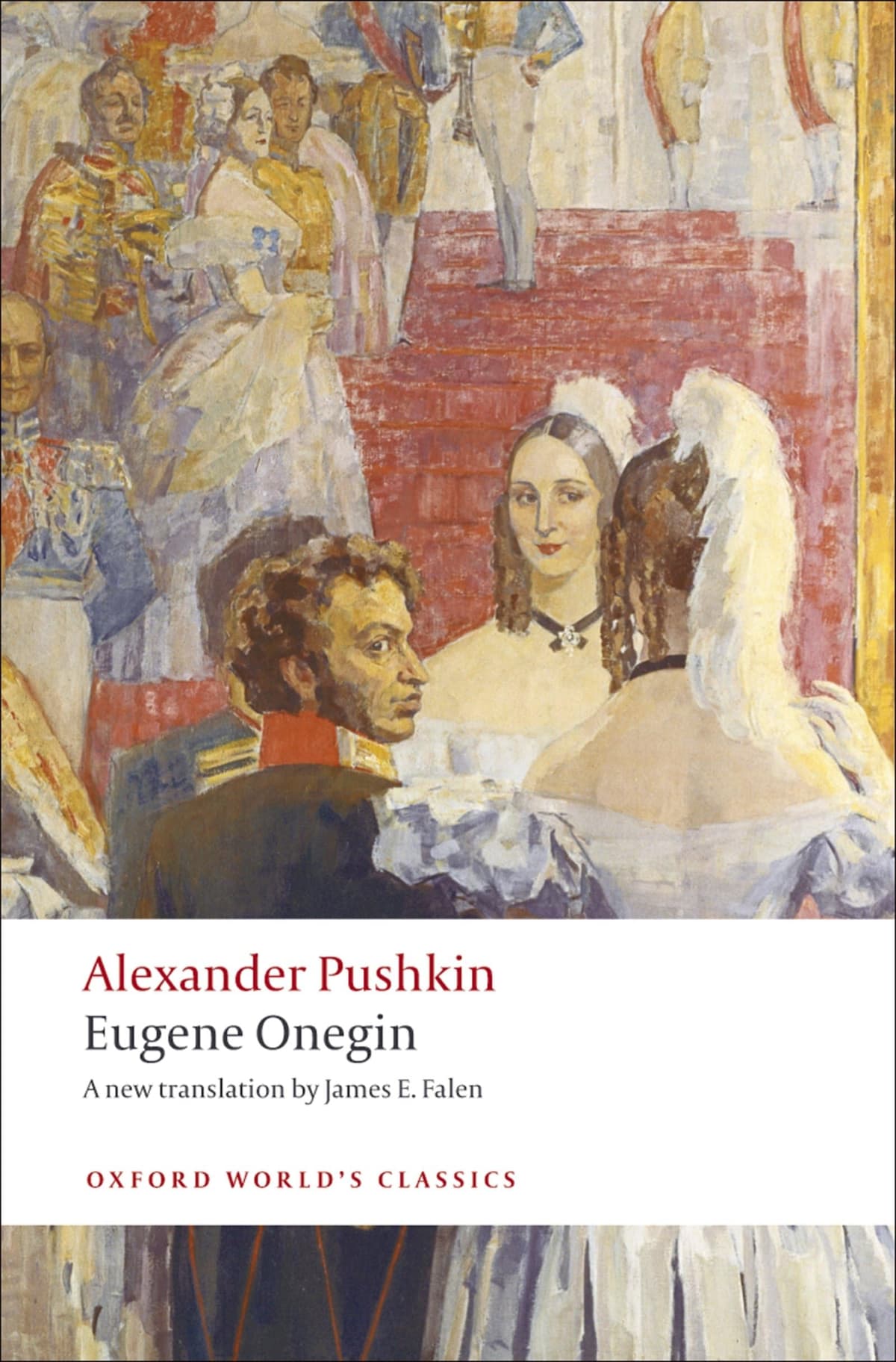
Pushkin's dazzling novel in verse—a tale of love, regret, and Russian society that launched a literary tradition.