The Epics
An epic is more than a long story; it is a total immersion. These are the books that refuse to compromise on scale, spanning continents, underworlds, and centuries. From the wine-dark seas of Homer to the battlefields of Middle-earth, these masterpieces remind us that life is a journey of heroic proportions.
Reading an epic is a commitment, but the reward is a depth of experience that shorter fiction cannot match. When you finish one of these books, you don't just close a cover; you wake up from a dream that felt more real than your waking life. These are the literary cathedrals we enter to feel small.

Ulysses
by James Joyce
Unfolding over a single day—June 16, 1904—in Dublin, Ulysses is a kaleidoscopic journey through the human mind that revolutionized the novel form. The story follows three central characters: Leopold Bloom, a Jewish advertising canvasser; his wife Molly, a singer; and Stephen Dedalus, a young intellectual and aspiring writer. Structurally mirroring Homer's Odyssey, each of the novel's eighteen episodes corresponds to a specific adventure of Odysseus, transforming the banal events of an ordinary day—buying soap, attending a funeral, eating a sandwich—into an epic of mythological proportions. Joyce deploys a dazzling array of literary styles to capture the texture of reality, from newspaper headlines and stage play dialogue to the famous stream-of-consciousness technique. This approach allows us to hear the characters' unfiltered thoughts, revealing the chaotic, bawdy, and beautiful flow of their inner lives. It is not just a story about Dublin; it is a comprehensive encyclopedia of the city and a profound exploration of memory, grief, nationalism, and the human body.

One Hundred Years of Solitude
by Gabriel García Márquez
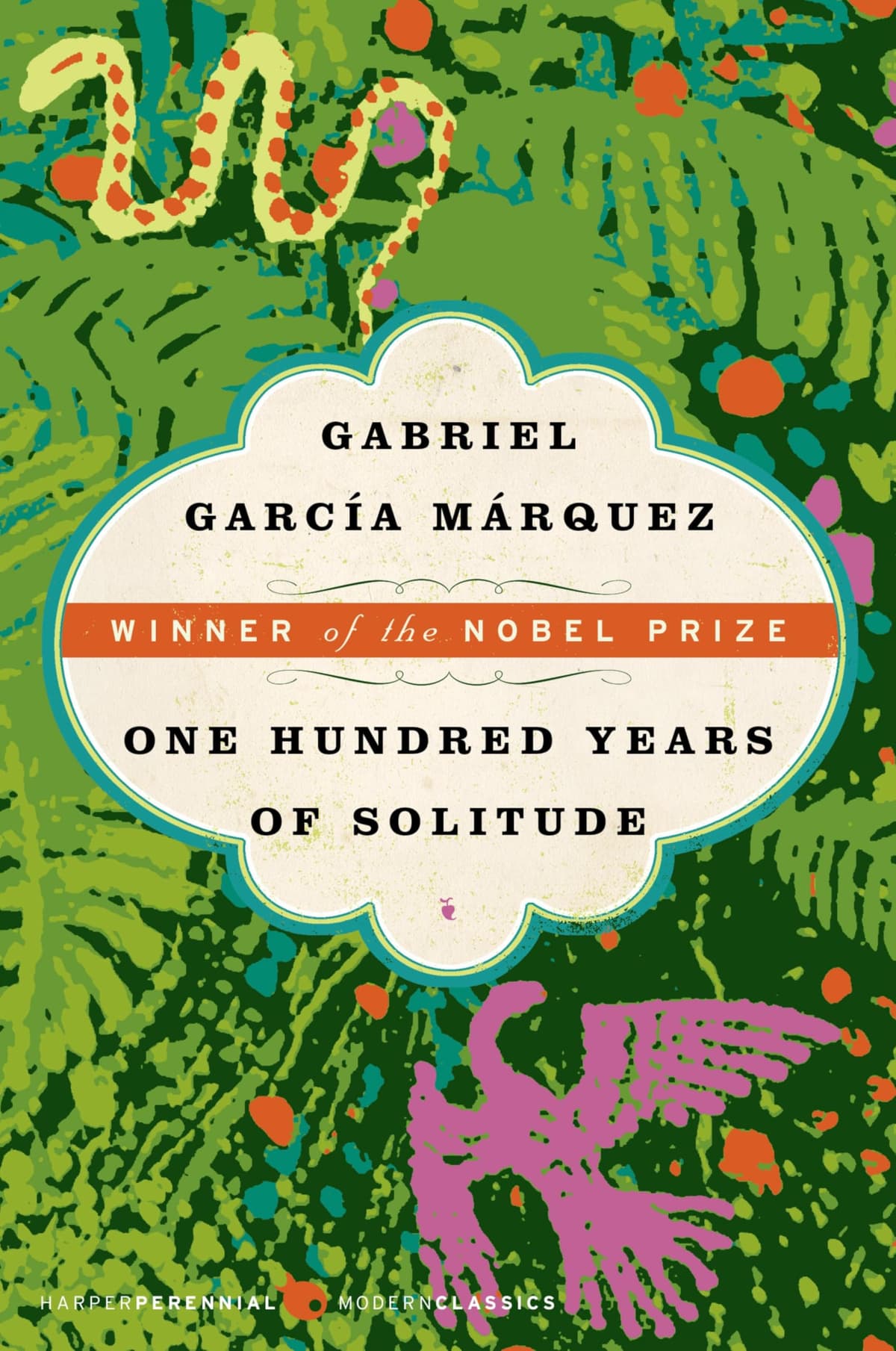
The defining masterpiece of magical realism. This epic saga chronicles the rise and fall of the Buendía family in the mythical town of Macondo, blending political reality with flying carpets and yellow butterflies. The novel spans seven generations, from the town's founding by José Arcadio Buendía to its apocalyptic destruction. García Márquez weaves a tapestry of cyclical time, where history repeats itself and the characters are trapped by their own solitude. The novel explores the history of Colombia, from civil wars to the banana massacre, through a lens where the miraculous and the mundane coexist matter-of-factly. It is a vibrant, tragicomic portrait of a family and a continent.

Moby-Dick
by Herman Melville
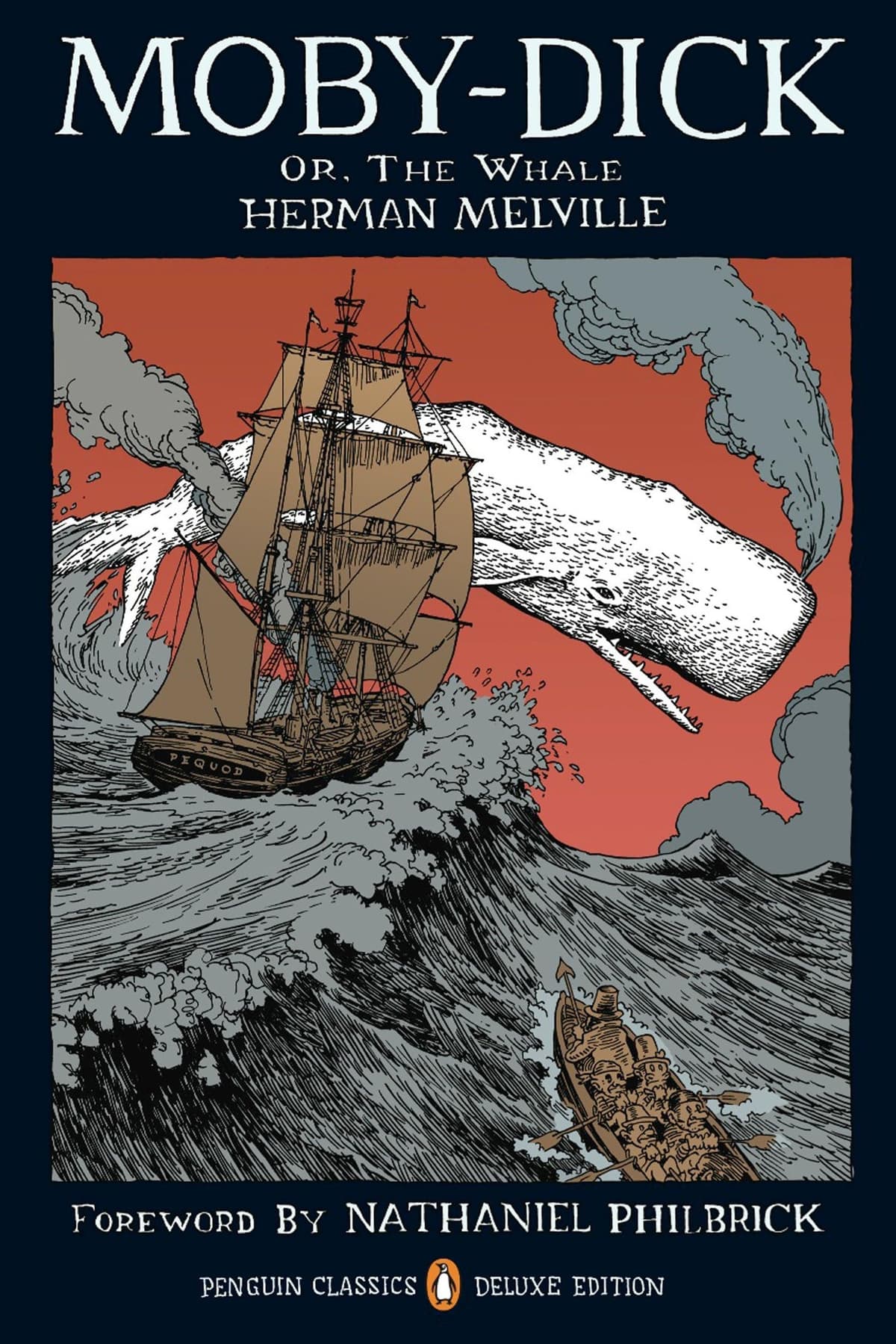
The greatest American epic. Captain Ahab's monomaniacal hunt for the white whale is a ferocious battle against God, fate, and the indifferent cruelty of nature. Narrated by Ishmael, a wandering sailor, the novel takes us aboard the whaling ship Pequod, whose crew is a microcosm of humanity. Melville combines high adventure with deep philosophical meditation. The book is a genre-bending masterpiece that includes encyclopedic chapters on whale anatomy, stage plays, sermons, and soliloquies. At its center is the white whale itself, Moby Dick—a blank canvas onto which the characters project their own fears and obsessions. It is a story about the danger of seeing the world only through the lens of your own ego.

Don Quixote
by Miguel de Cervantes
The book that invented the modern novel. What begins as a slapstick satire of chivalry evolves into a profound meditation on the power of dreams and the nature of reality. Alonso Quixano, an aging gentleman, reads so many books about knights that he loses his mind and decides to become one. Renaming himself Don Quixote, he recruits a simple farmer named Sancho Panza as his squire and sets out to right wrongs. The novel is built on the contrast between Quixote's idealism (he sees windmills as giants) and Sancho's realism (he sees them as windmills). As their journey continues, the two characters influence each other: Quixote becomes more grounded, and Sancho becomes more of a dreamer. It is a story about the friendship that bridges the gap between who we are and who we want to be.

War and Peace
by Leo Tolstoy
A vast, breathing ecosystem of humanity. Against the apocalyptic backdrop of Napoleon's invasion of Russia in 1812, Tolstoy weaves the lives of five aristocratic families into a tapestry of history. The novel moves seamlessly from the ballroom to the battlefield, exploring the lives of hundreds of characters, from emperors to peasants. At its center are Pierre Bezukhov, a bumbling idealist searching for meaning; Prince Andrei Bolkonsky, a cynical soldier seeking glory; and Natasha Rostova, a spirited young woman full of life. Through their journeys, Tolstoy investigates the nature of history, free will, and the search for a good life. It encompasses the trivial and the eternal, showing how the great events of history are made up of millions of individual decisions.
The Lord of the Rings
by J. R. R. Tolkien
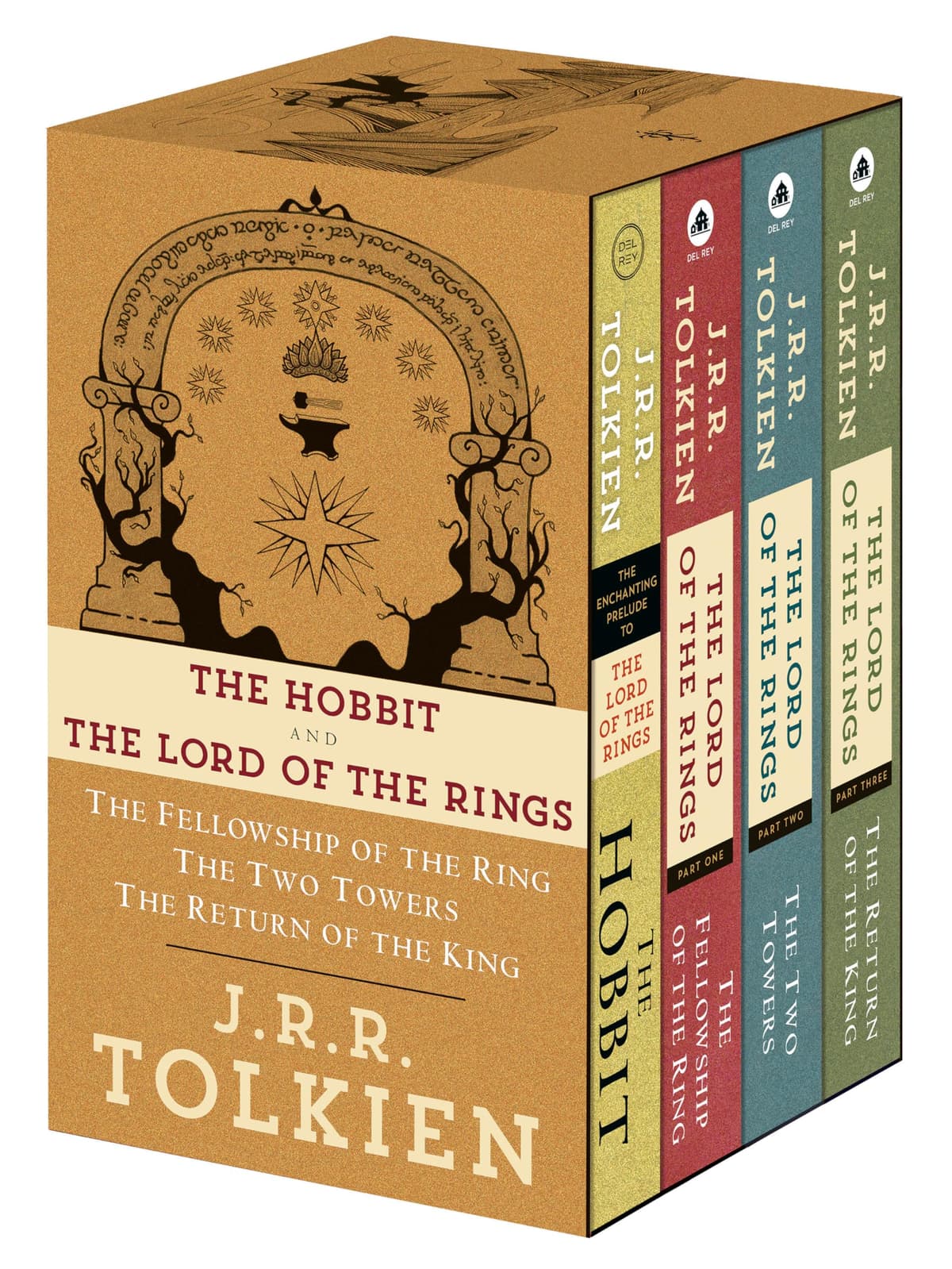
The book that invented modern fantasy. In the quiet, green Shire, a young hobbit named Frodo Baggins inherits a simple gold ring that turns out to be the key to the enslavement of the entire world. To destroy it, he must leave his home and travel into the heart of the enemy's land, Mordor. But this is not just a story about a quest; it is a linguistic masterpiece disguised as a novel. Tolkien, a philologist, created Middle-earth to give his invented languages a home. The result is a world of staggering depth, complete with its own history, geography, and mythology. It is a tale of friendship, courage, and the 'eucatastrophe'—the sudden turn from despair to joy—showing that even the smallest person can change the course of the future.

The Odyssey
by Homer
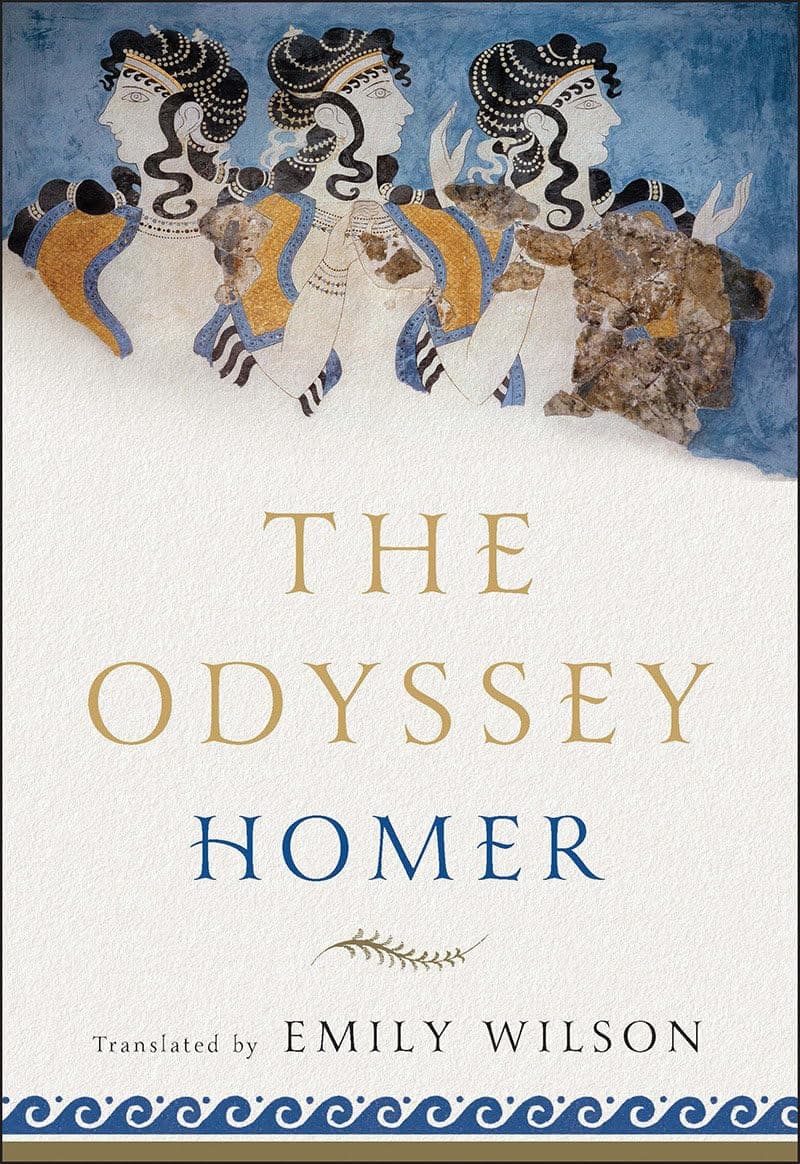
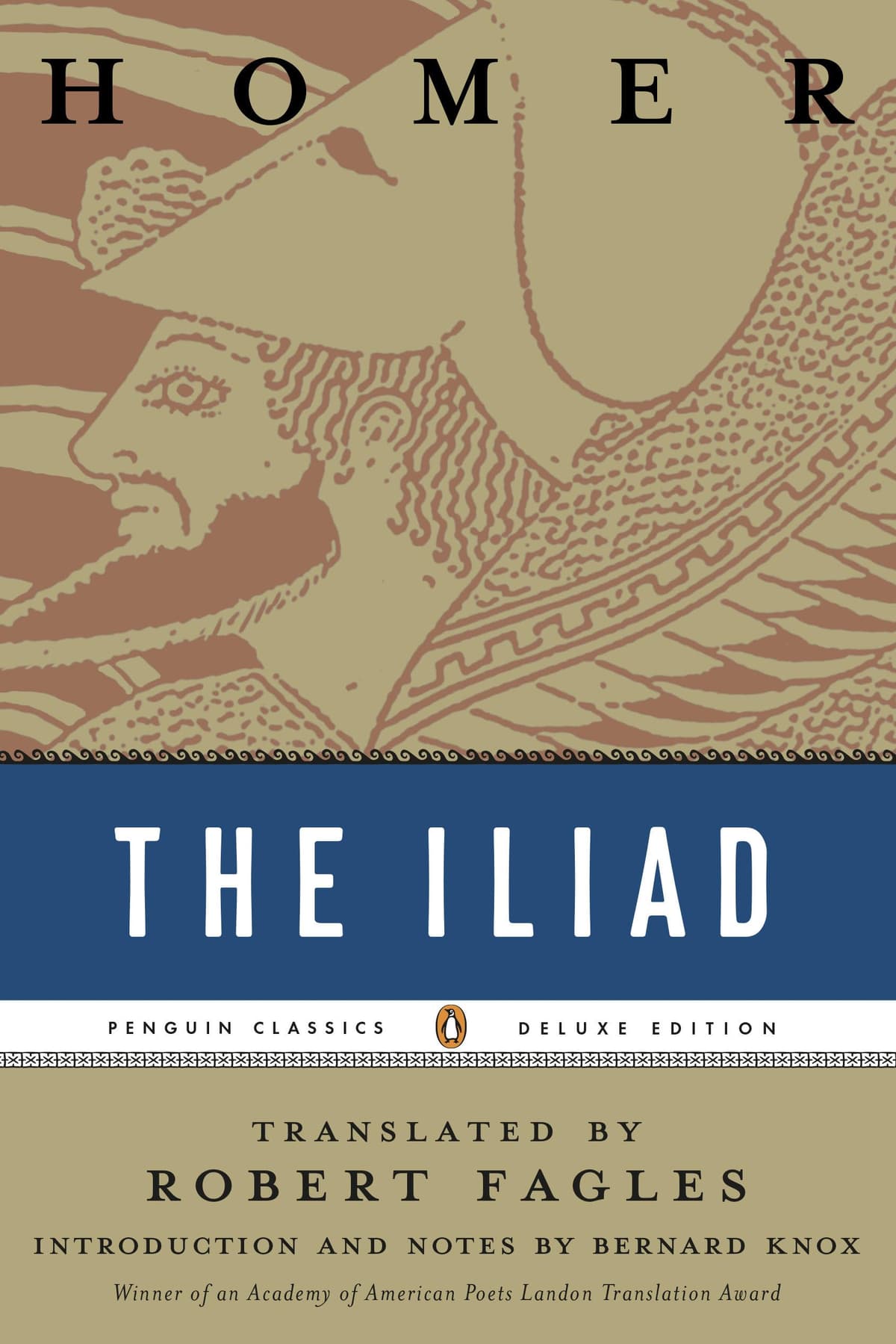
The original adventure story. After ten years of brutal war at Troy, Odysseus just wants to go home. But the gods have other plans. His journey back to Ithaca takes another ten years, a gauntlet of sorrow and supernatural terror: the man-eating Cyclops, the drug-induced stupor of the Lotus Eaters, and the sweet, deadly song of the Sirens. While Odysseus battles monsters, his wife Penelope fights a quiet war at home, unweaving her work every night to delay the suitors who are eating them out of house and home. It is a story about intelligence (Odysseus is the man of 'many turns'), endurance, and the primal, magnetic pull of home.

The Divine Comedy
by Dante Alighieri
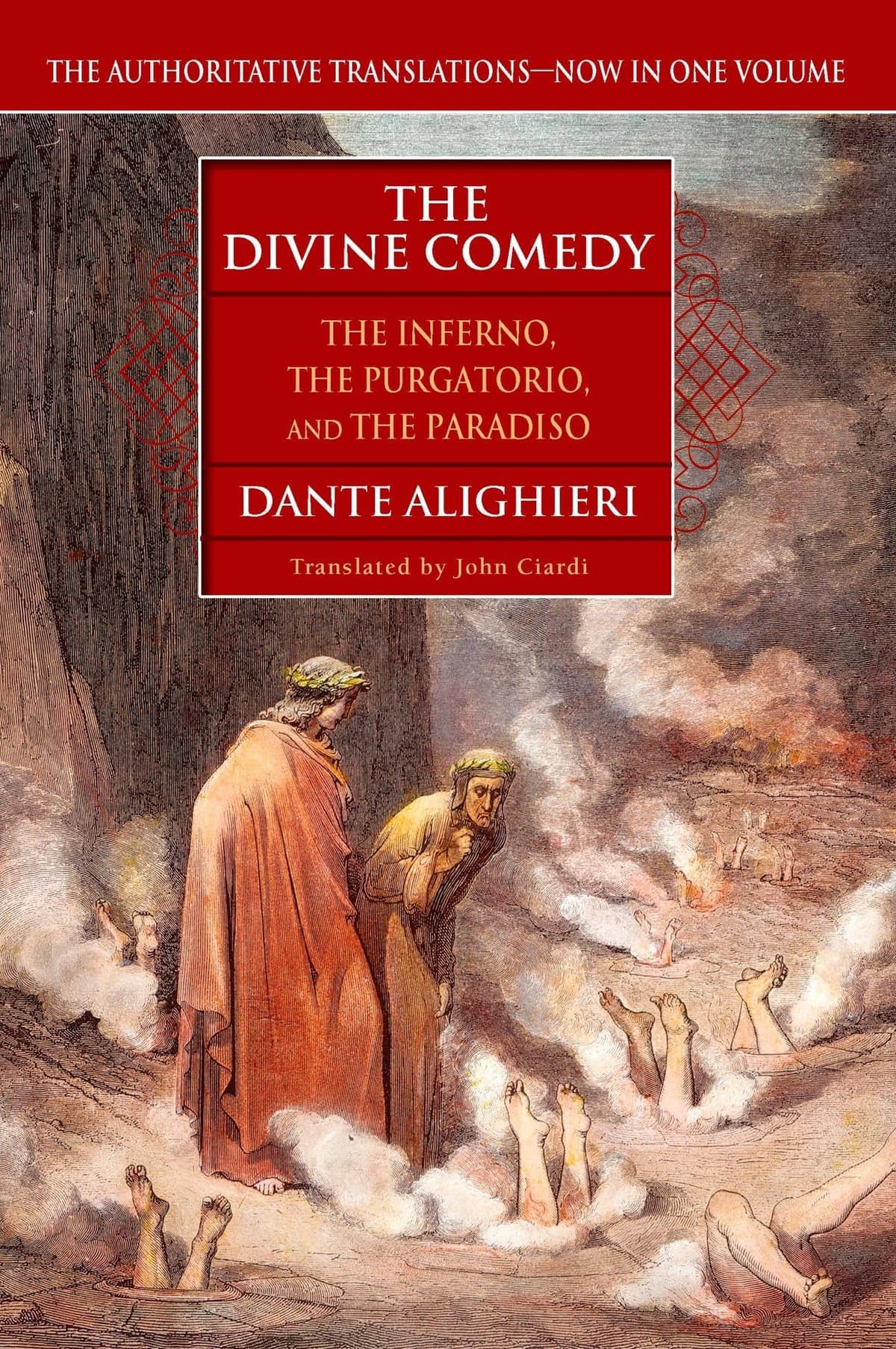
The ultimate journey of the soul. Guided by the Roman poet Virgil and his lost love Beatrice, Dante descends into the nine circles of Hell, climbs the seven terraces of the Mountain of Purgatory, and ascends to the celestial spheres of Paradise. What begins as a terrified struggle through a dark wood becomes an encyclopedic tour of the medieval universe, mapping the geography of sin, repentance, and holiness with mathematical precision. It is an allegory of human redemption that is both deeply personal and universally political. Written in exile, Dante populates the afterlife with his real-world enemies and heroes, turning his own suffering into a cosmic system of justice. It is a poem about the "state of souls after death," but also a desperate plea for justice in a fallen world.