The Divine Comedy
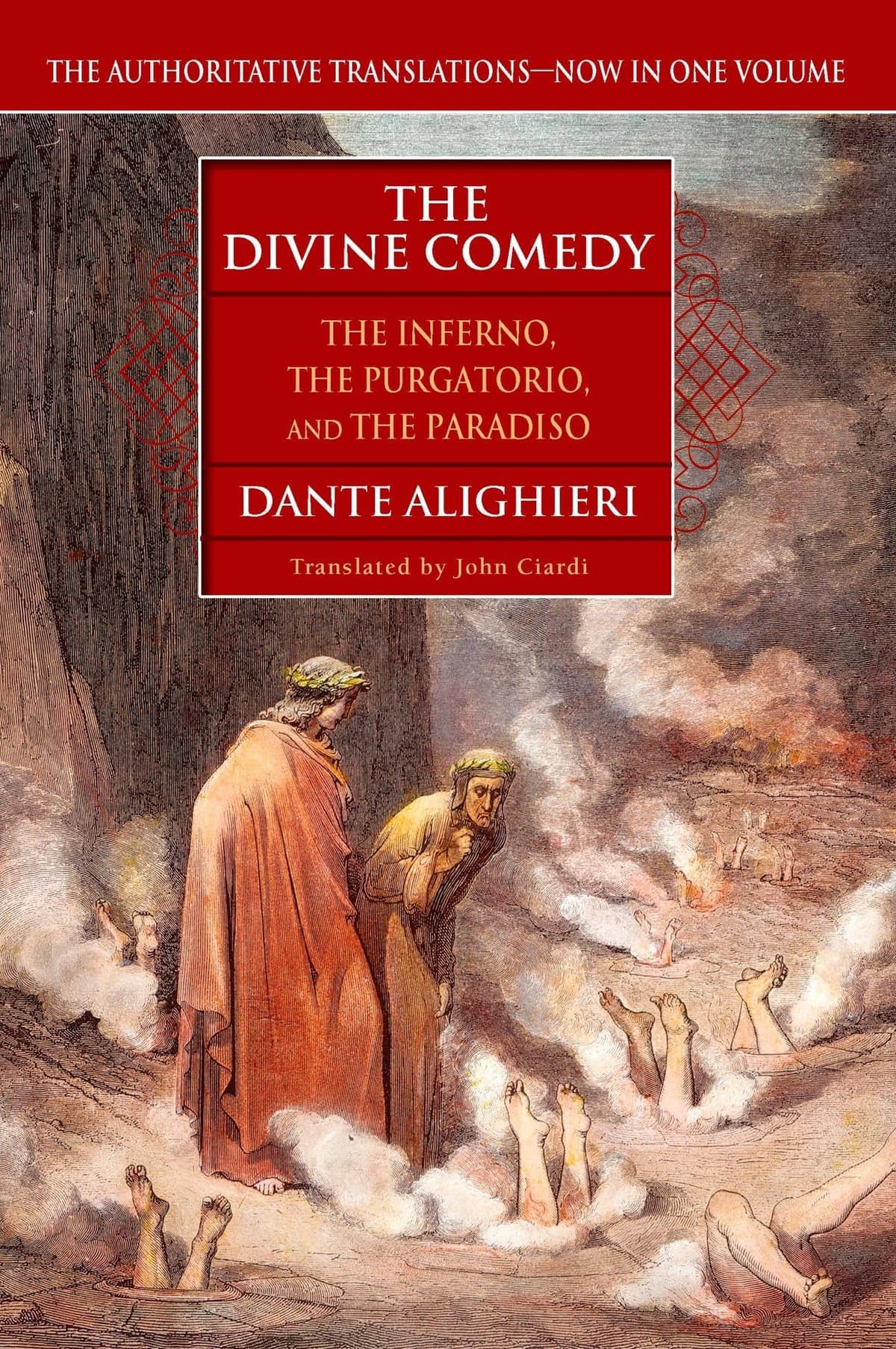
“"Abandon all hope, ye who enter here."”
The Divine Comedy Summary
The ultimate journey of the soul. Guided by the Roman poet Virgil and his lost love Beatrice, Dante descends into the nine circles of Hell, climbs the seven terraces of the Mountain of Purgatory, and ascends to the celestial spheres of Paradise. What begins as a terrified struggle through a dark wood becomes an encyclopedic tour of the medieval universe, mapping the geography of sin, repentance, and holiness with mathematical precision.
It is an allegory of human redemption that is both deeply personal and universally political. Written in exile, Dante populates the afterlife with his real-world enemies and heroes, turning his own suffering into a cosmic system of justice. It is a poem about the "state of souls after death," but also a desperate plea for justice in a fallen world.
Why Read The Divine Comedy?
It shaped the Western imagination of the afterlife. Before Dante, Hell was a vague concept; after him, it was a structured reality of specific punishments for specific sins. Reading it is a cognitive upgrade: the intricate architecture of the poem—with its perfect symmetry and numerology—is one of the greatest feats of human intellect. It is a cathedral of words that surrounds you.
Beyond the fire and brimstone, it is a profoundly hopeful book. It reminds us that even when we are lost in the "darkest wood" of mid-life crisis or depression, there is a path to the light. It is a story about the power of love to lead us toward truth, ending with the famous line describing God: "the Love that moves the sun and the other stars."
About Dante Alighieri
Dante Alighieri (1265–1321) was a Florentine statesman, poet, and philosopher who single-handedly established Italian as a literary language. Exiled from his beloved city for political reasons, he wrote his masterpiece while wandering Italy as a refugee, turning the bitterness of his banishment into universal art.
He created the terza rima rhyme scheme and proved that the vernacular language of the people was capable of the highest theological and philosophical expression. T.S. Eliot famously said, "Dante and Shakespeare divide the world between them. There is no third."
Reading Guide
Ranked #26 among the greatest books of all time, The Divine Comedy by Dante Alighieri has earned its place in the literary canon. Originally written in Italian and published in 1320, this very high read from Italy continues to resonate with readers today.
This book belongs to our Epics and Philosophy & Faith collections, where you can discover more books that share its spirit and themes.
If you enjoy very high reads like this one, you might also like The Sound and the Fury, War and Peace, or The Brothers Karamazov.
From the Epics Collection
If you enjoyed The Divine Comedy, discover more masterpieces that share its spirit.
 #1View Book
Ulysses
James Joyce
Challenging•35-40 hours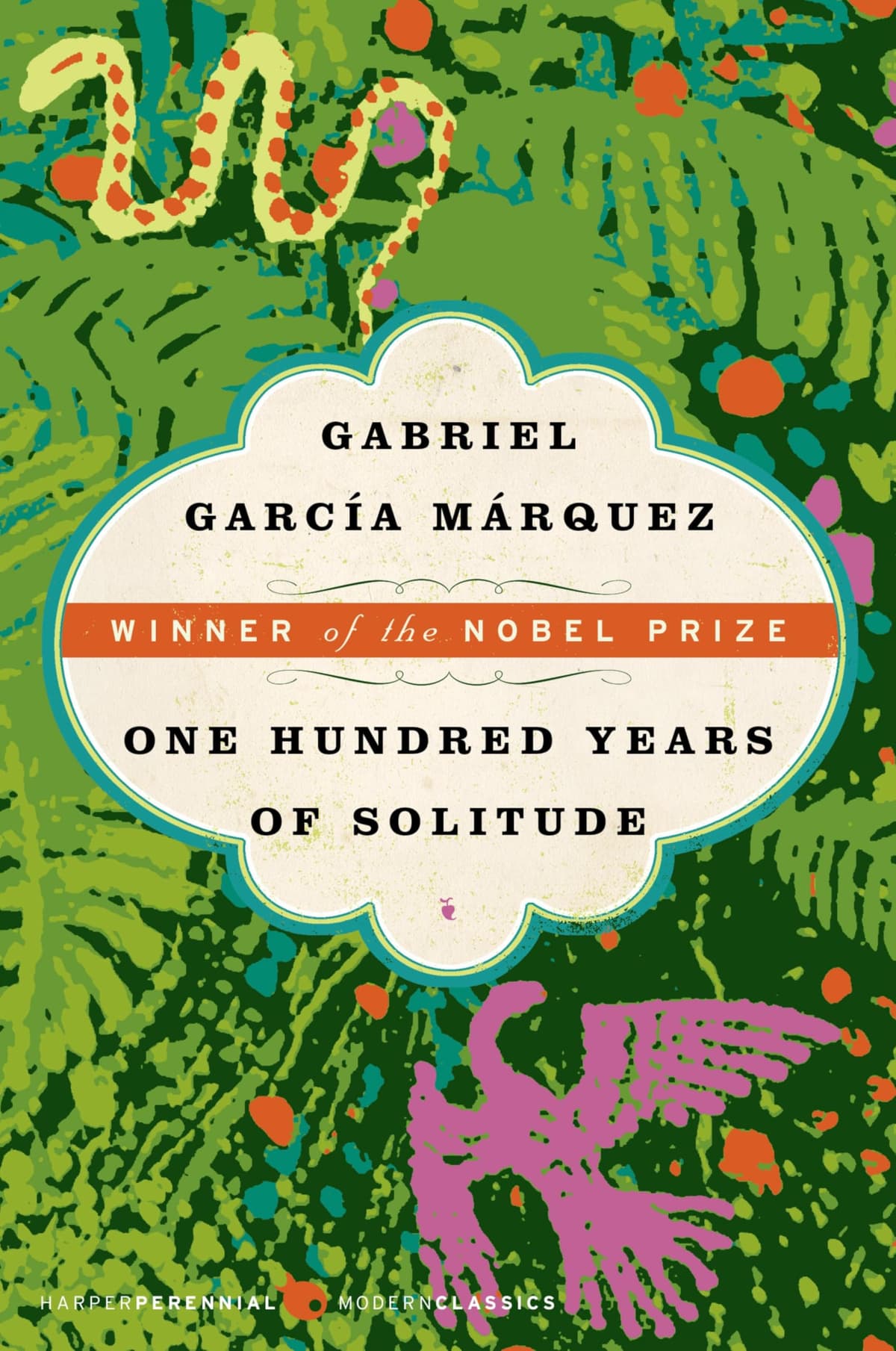 #5View Book
One Hundred Years of Solitude
Gabriel García Márquez
Moderate•15-20 hours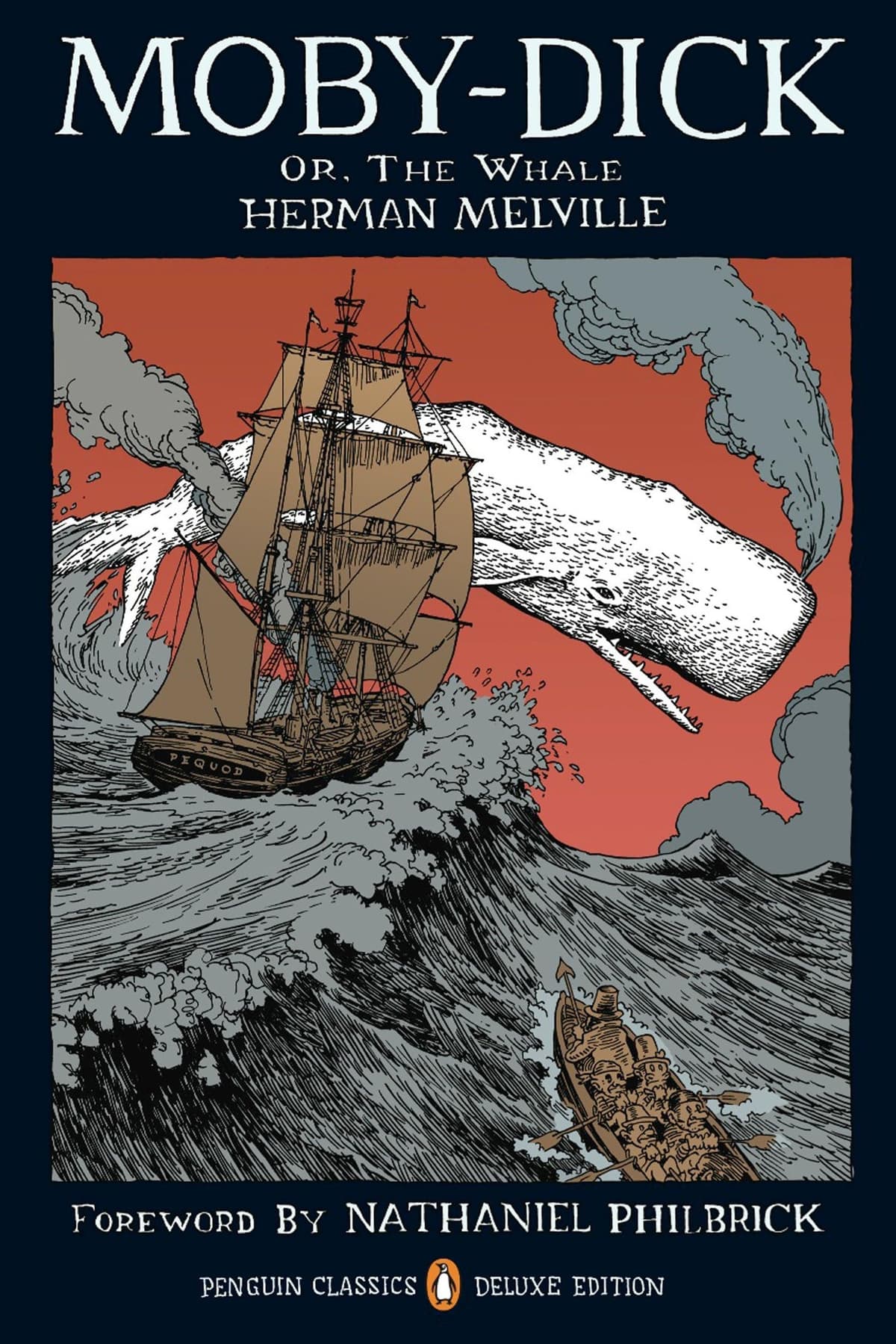 #7View Book
Moby-Dick
Herman Melville
Challenging•20-25 hours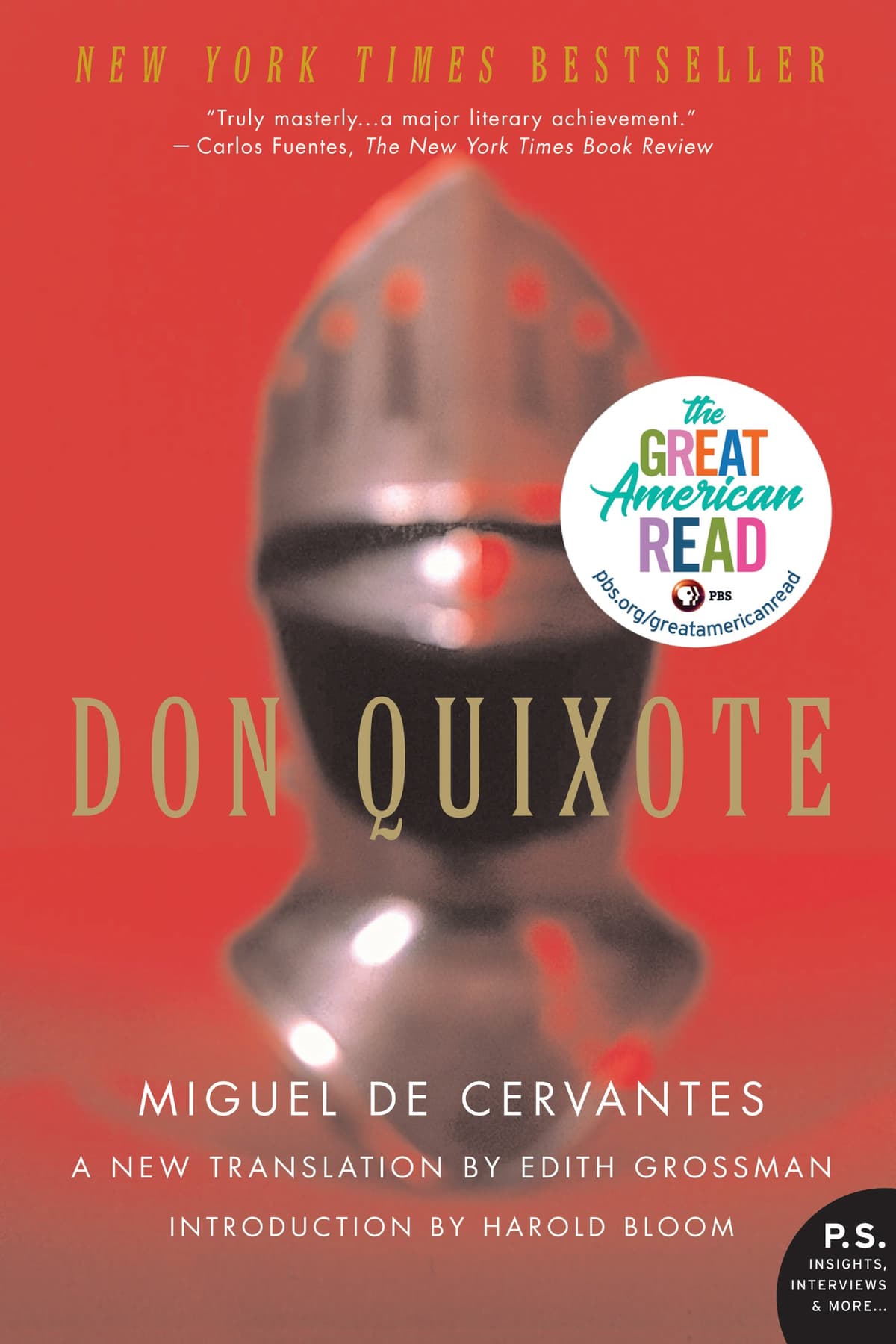 #9View Book
Don Quixote
Miguel de Cervantes
High•35-40 hours
Browse more collections