Philosophy & Faith
Since the beginning of time, humans have looked up at the stars and asked: Why are we here? This collection is the record of that search. It encompasses the sacred texts that have shaped civilizations and the modern novels that question them.
These books are not always about finding answers; often, they are about the beauty and terror of the struggle. Whether it is the existential wrestling of Dostoevsky or the ancient wisdom of the Bible, these works invite us to look beyond the material world and confront the divine, the infinite, and the eternal silence.
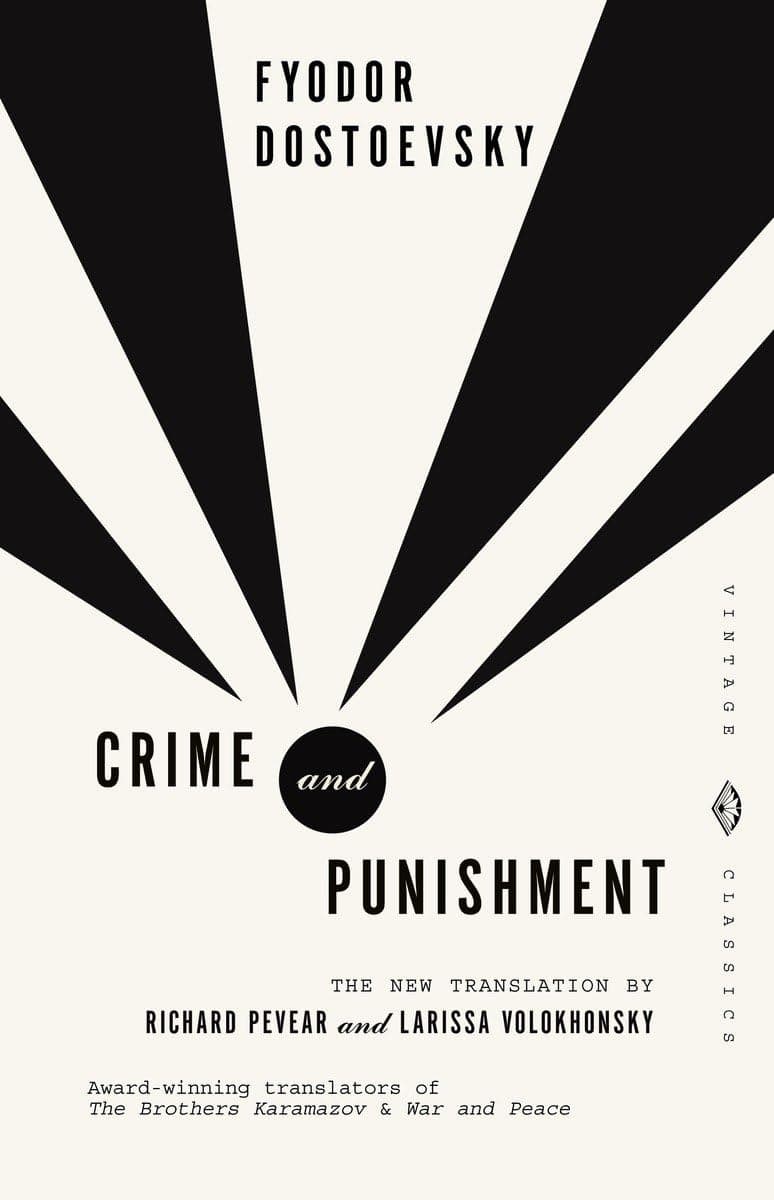
Dostoevsky's Crime and Punishment: Raskolnikov commits murder and faces Porfiry in this psychological thriller. Summary, analysis, and where to buy.
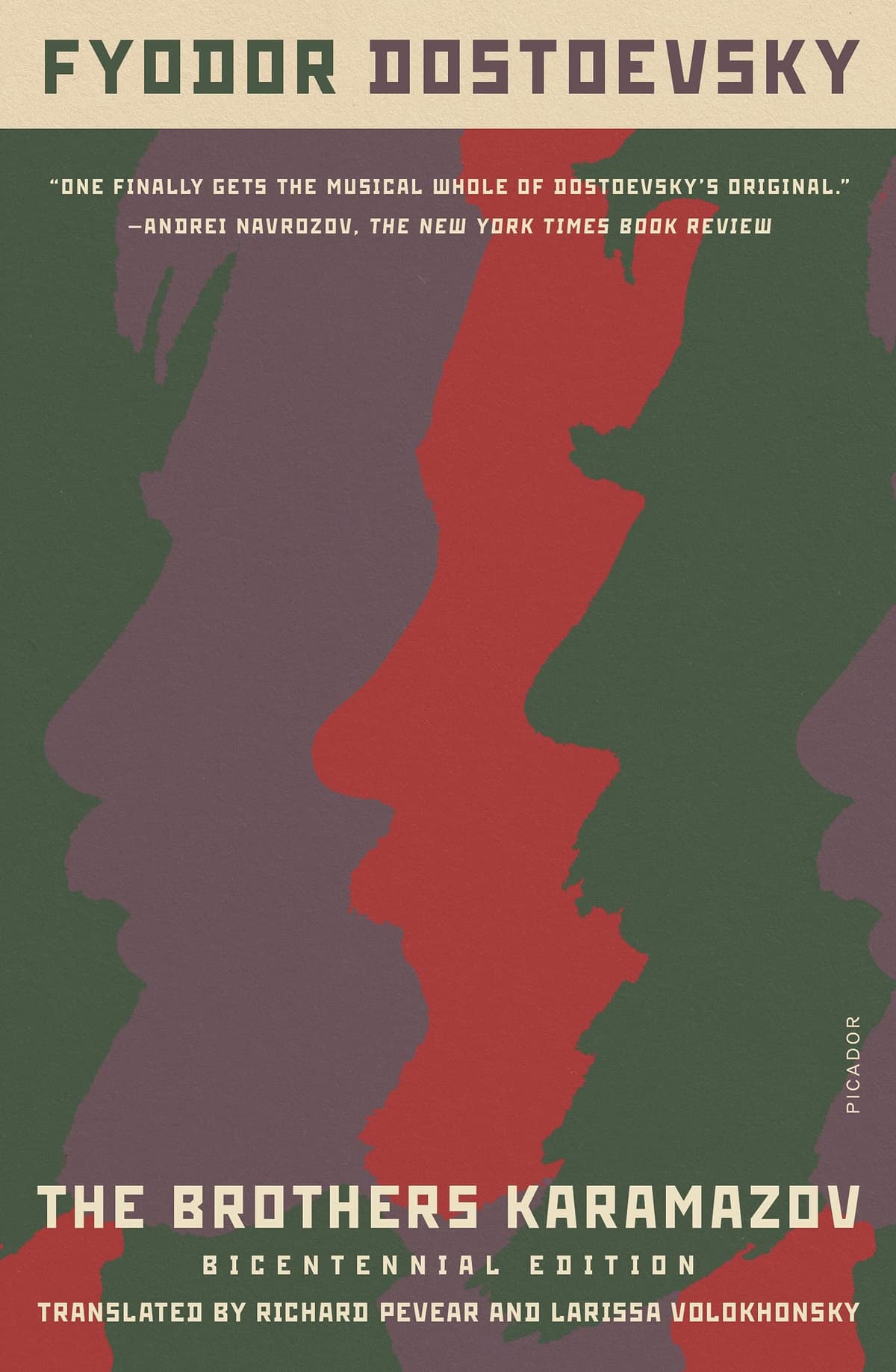
Dostoevsky's The Brothers Karamazov: Dmitri, Ivan, and Alyosha debate God and morality. The Grand Inquisitor chapter - summary, analysis, and where to buy.
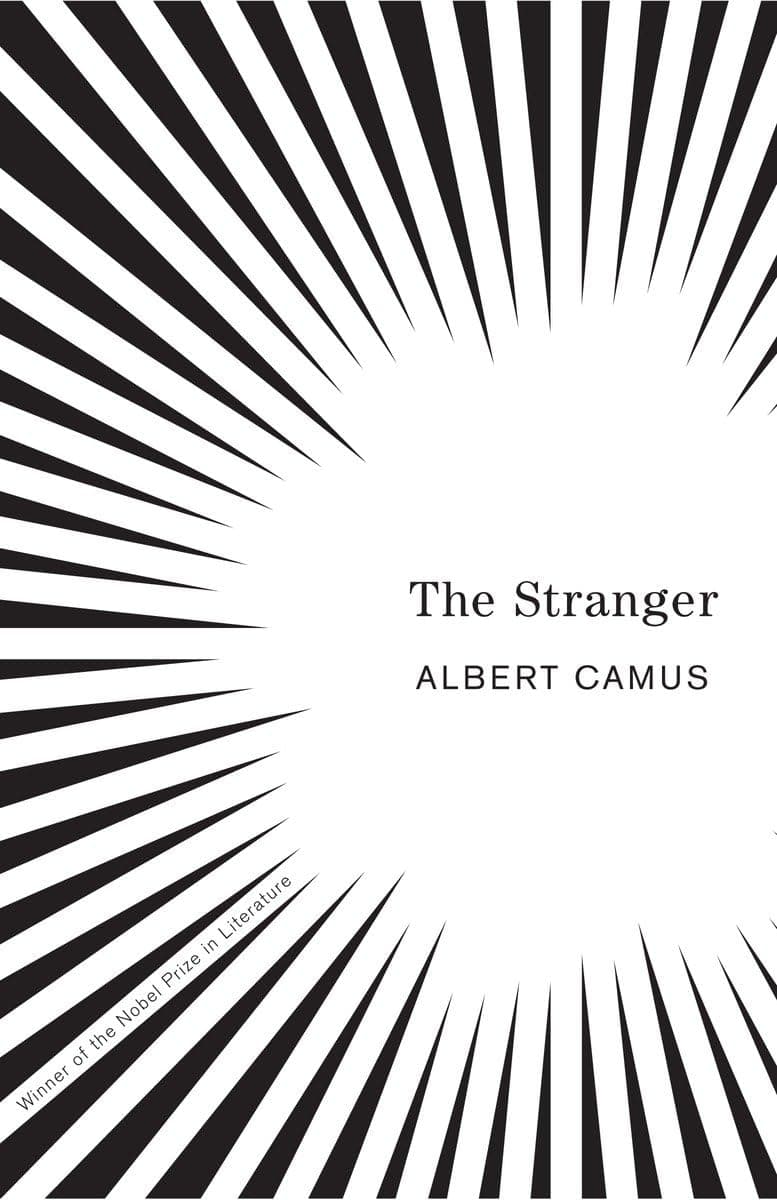
Albert Camus' The Stranger: Meursault confronts the absurd in colonial Algeria. Existentialist classic on meaning and indifference - summary and where to buy.
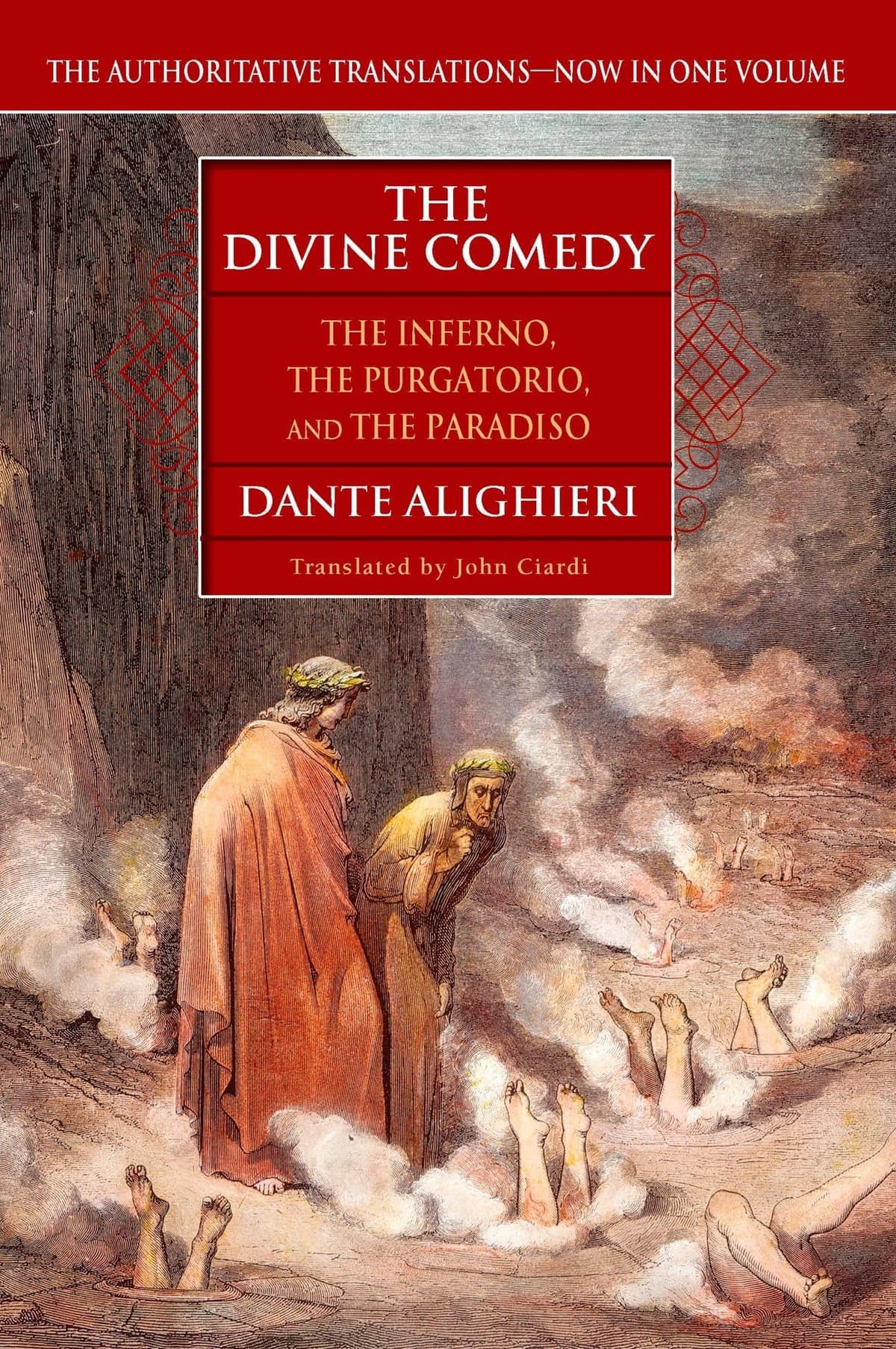
Dante's Divine Comedy: Journey through Inferno, Purgatorio, and Paradiso with Virgil and Beatrice. Medieval epic poem - summary, analysis, and where to buy.
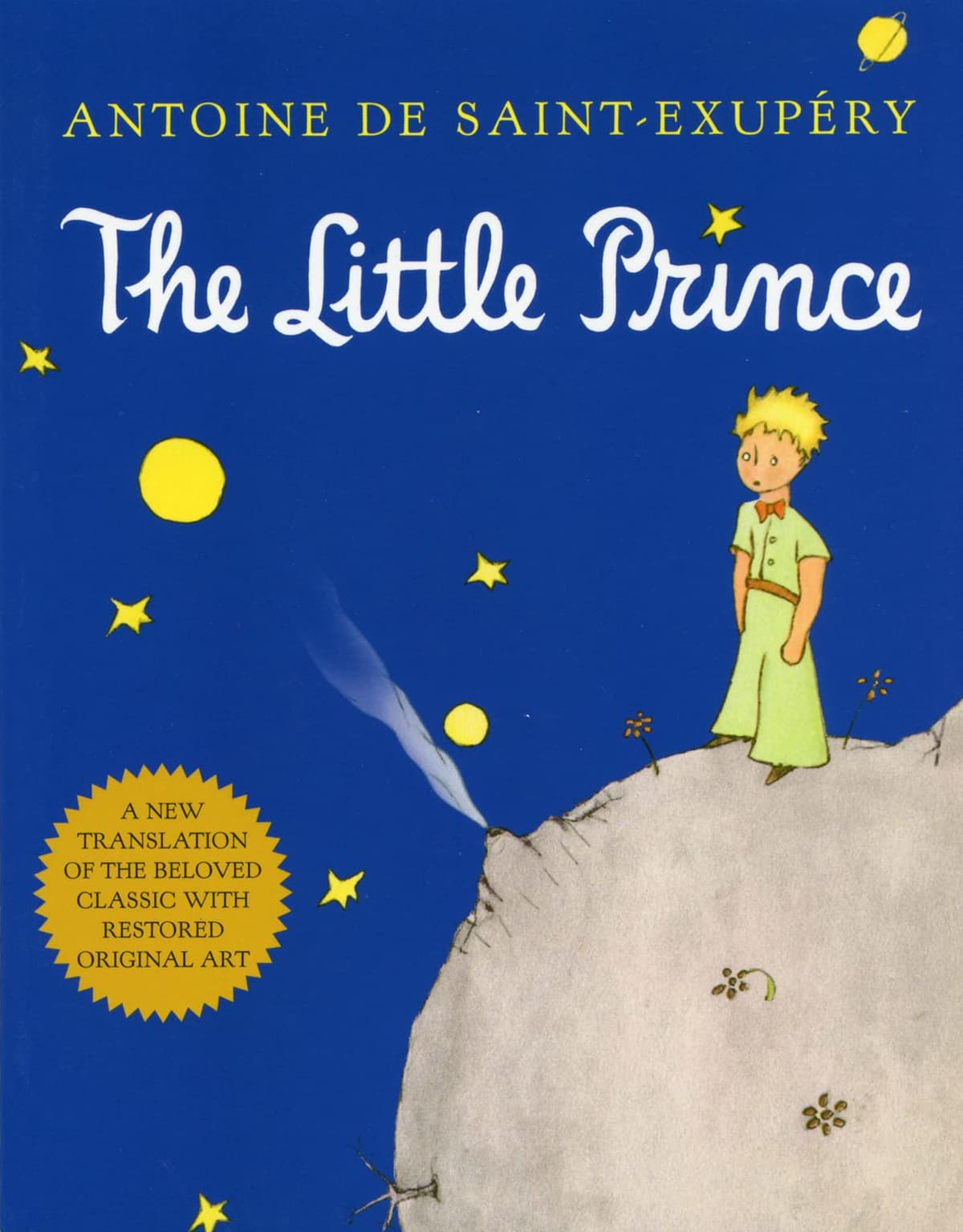
Saint-Exupéry's The Little Prince: a philosophical fable about love, loss, and seeing with the heart. One of the most beloved books ever written.
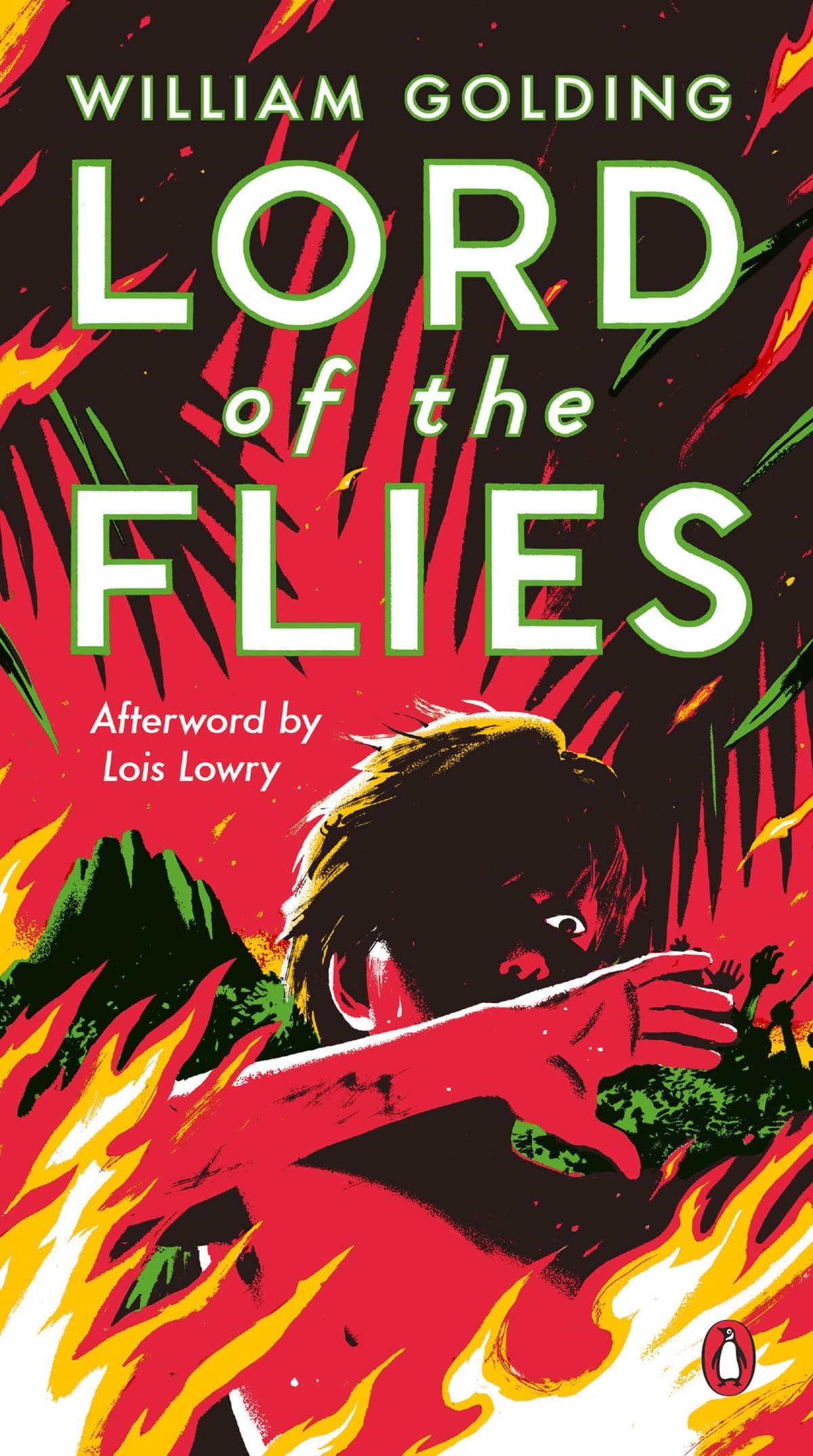
Golding's Lord of the Flies: stranded boys descend from civilization to savagery. A searing fable about the darkness within human nature.
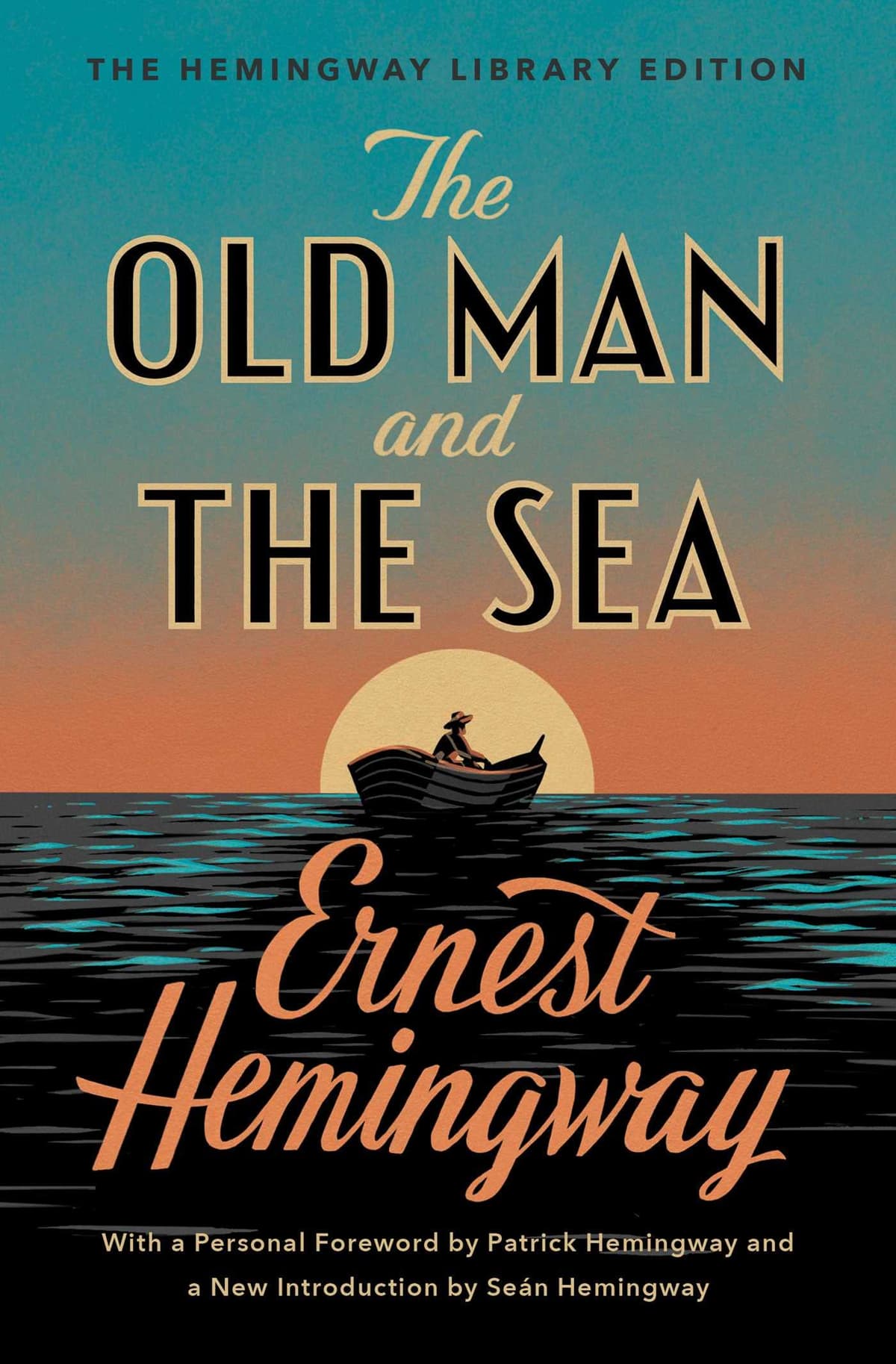
Hemingway's The Old Man and the Sea: Santiago's epic battle with a giant marlin. The Nobel Prize-winning parable of courage and endurance.
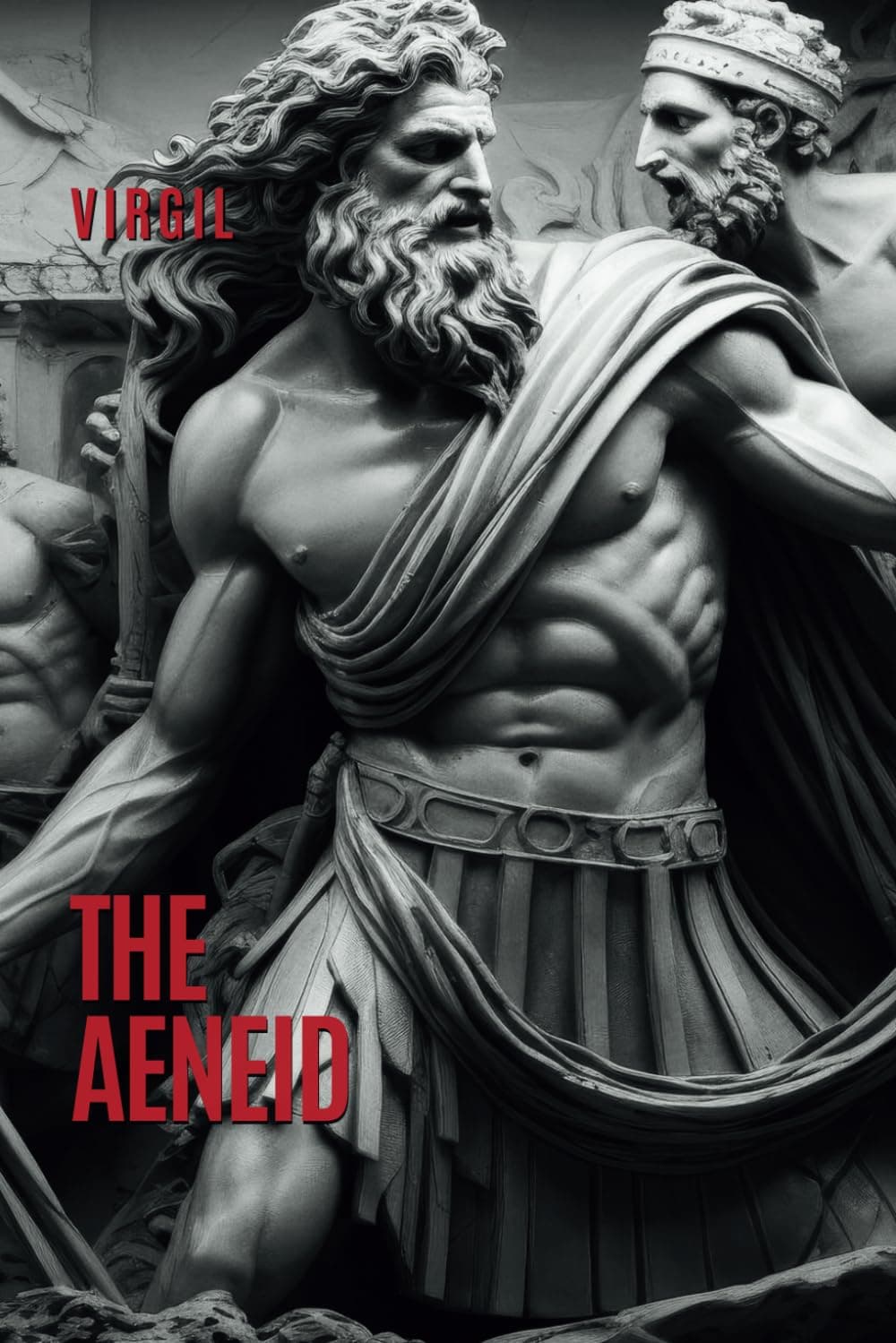
Virgil's Aeneid: Trojan prince Aeneas journeys to found Rome, sacrificing love and peace to duty. The epic poem that defined Western civilization.
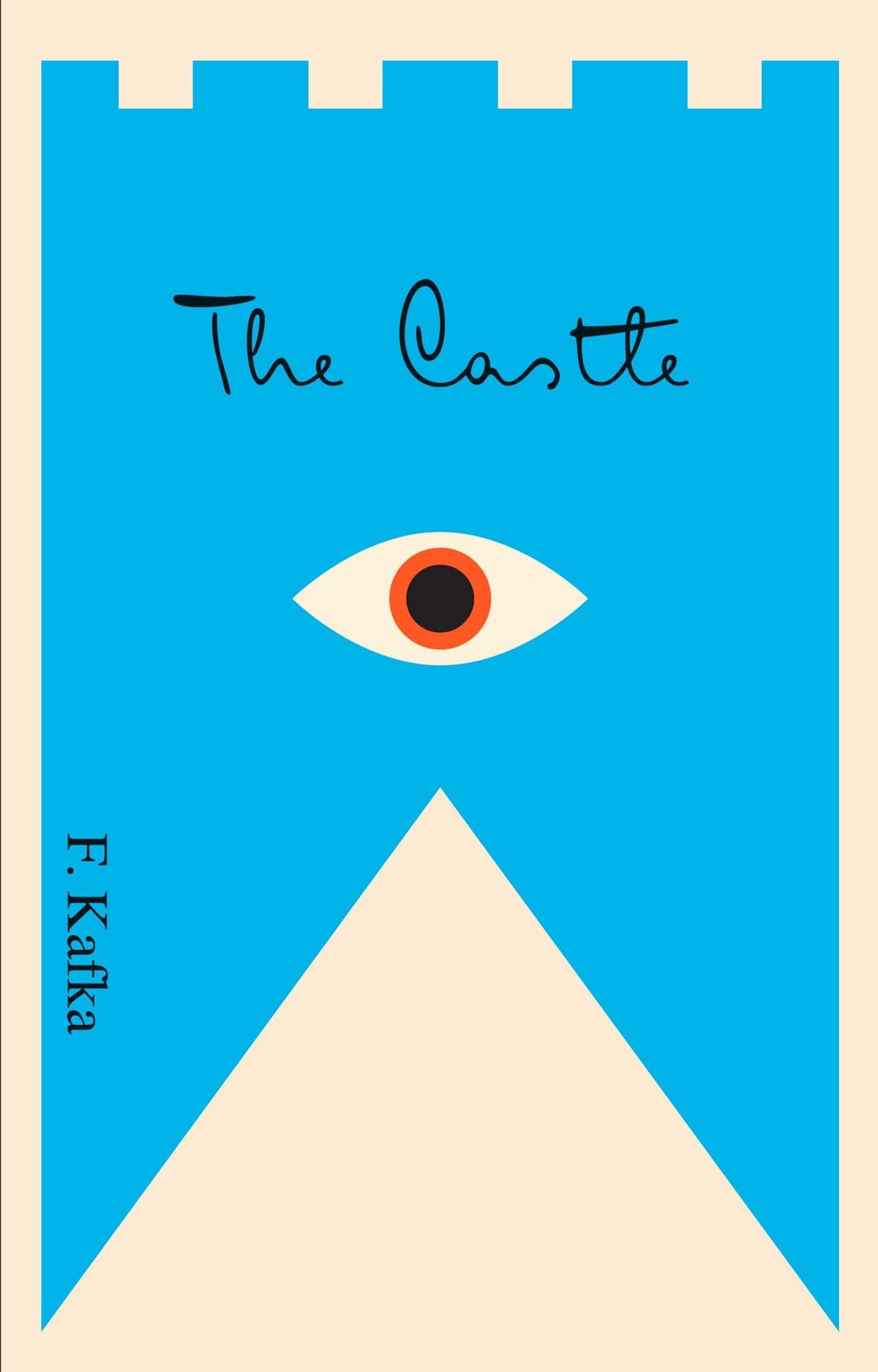
Kafka's The Castle: K. battles an inscrutable bureaucracy for recognition that never comes. A haunting parable of alienation and futile striving.
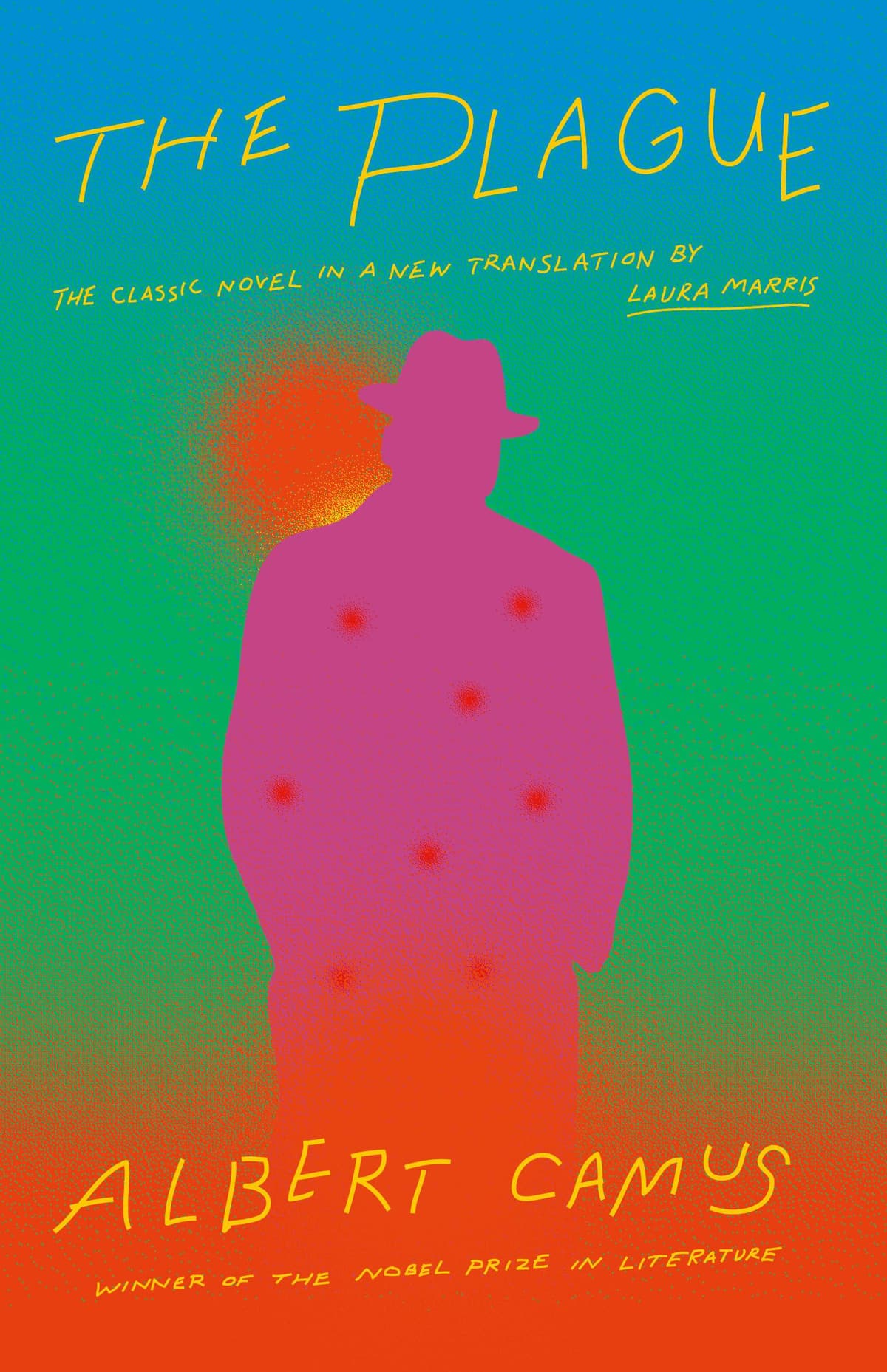
Albert Camus's The Plague: Dr. Rieux fights an epidemic in a sealed city. A parable of resistance, solidarity, and the absurd.
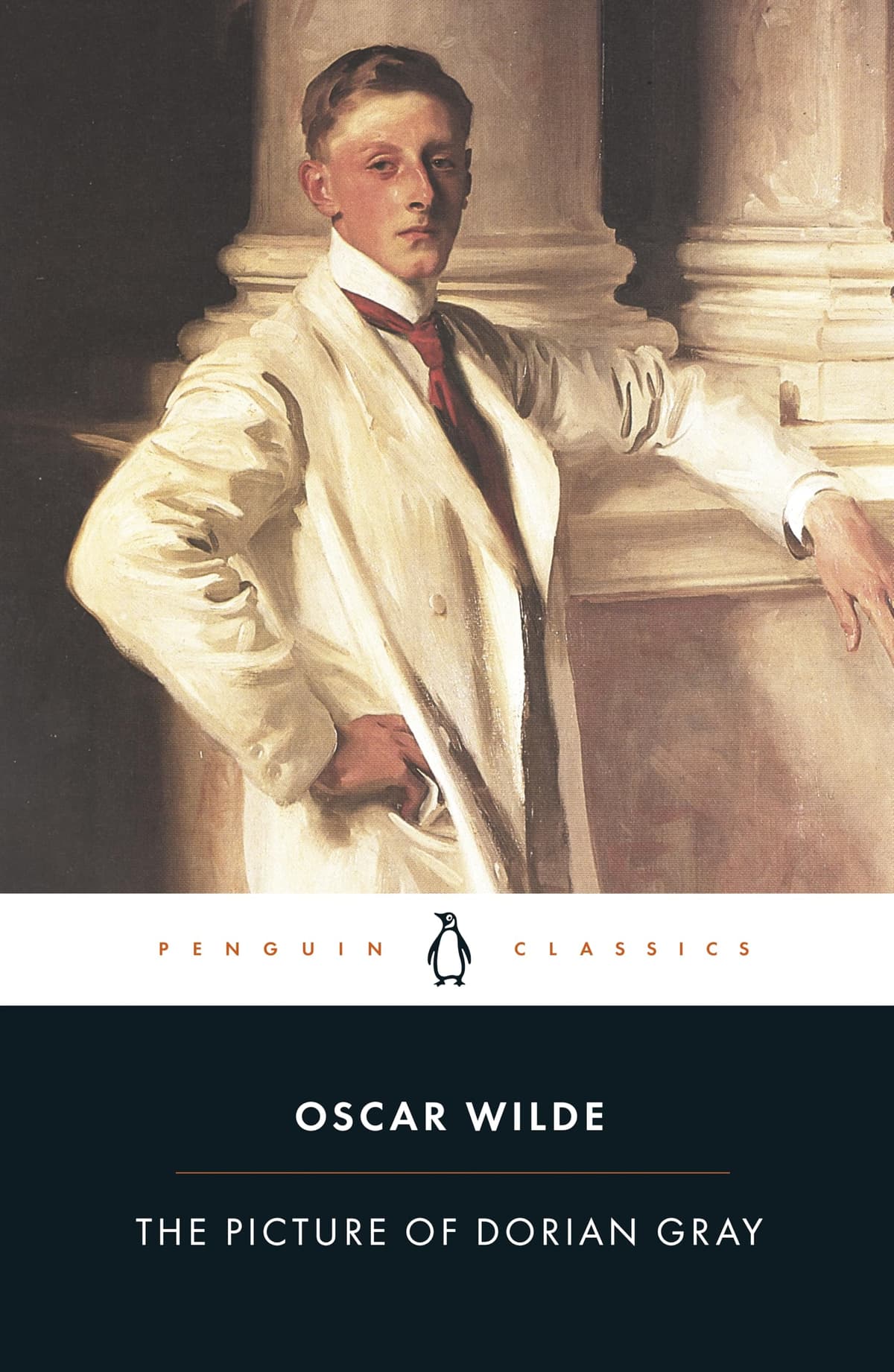
Oscar Wilde's The Picture of Dorian Gray: a young man trades his soul for eternal beauty. A Gothic masterpiece of art, vanity, and corruption.
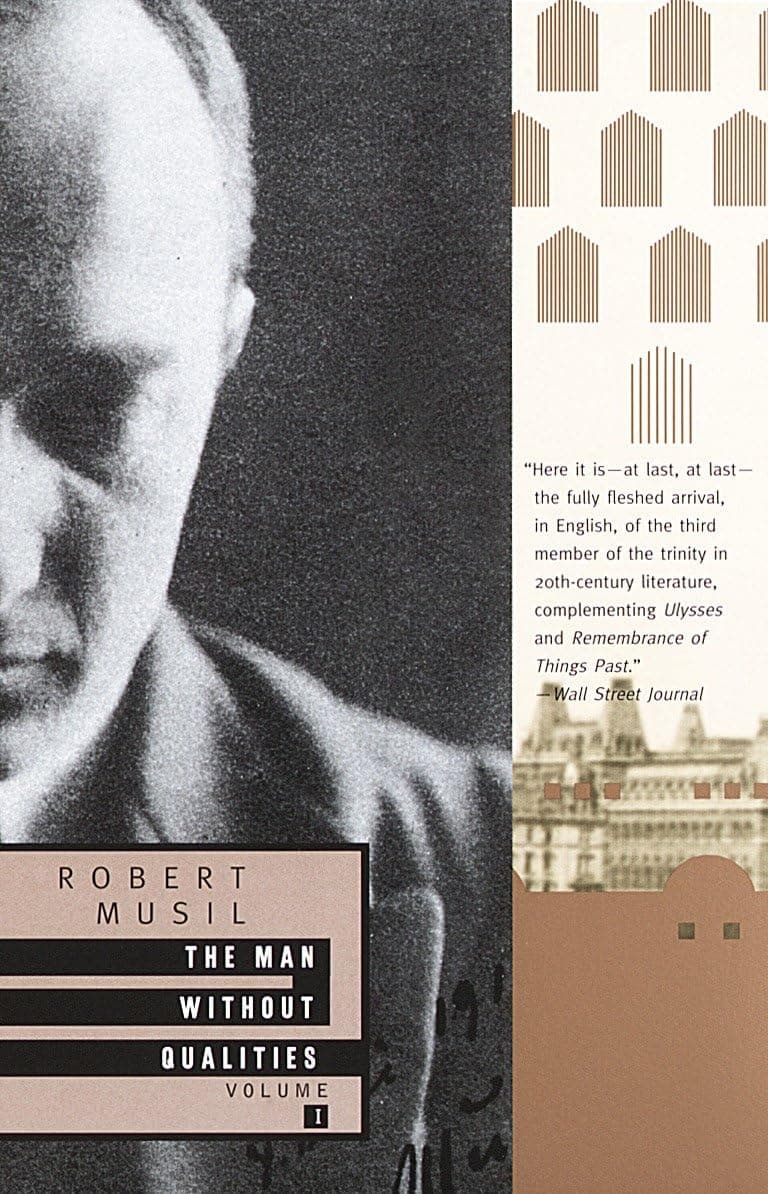
Robert Musil's The Man Without Qualities: a brilliant drifter navigates Vienna on the eve of collapse. A monumental novel of ideas and identity.
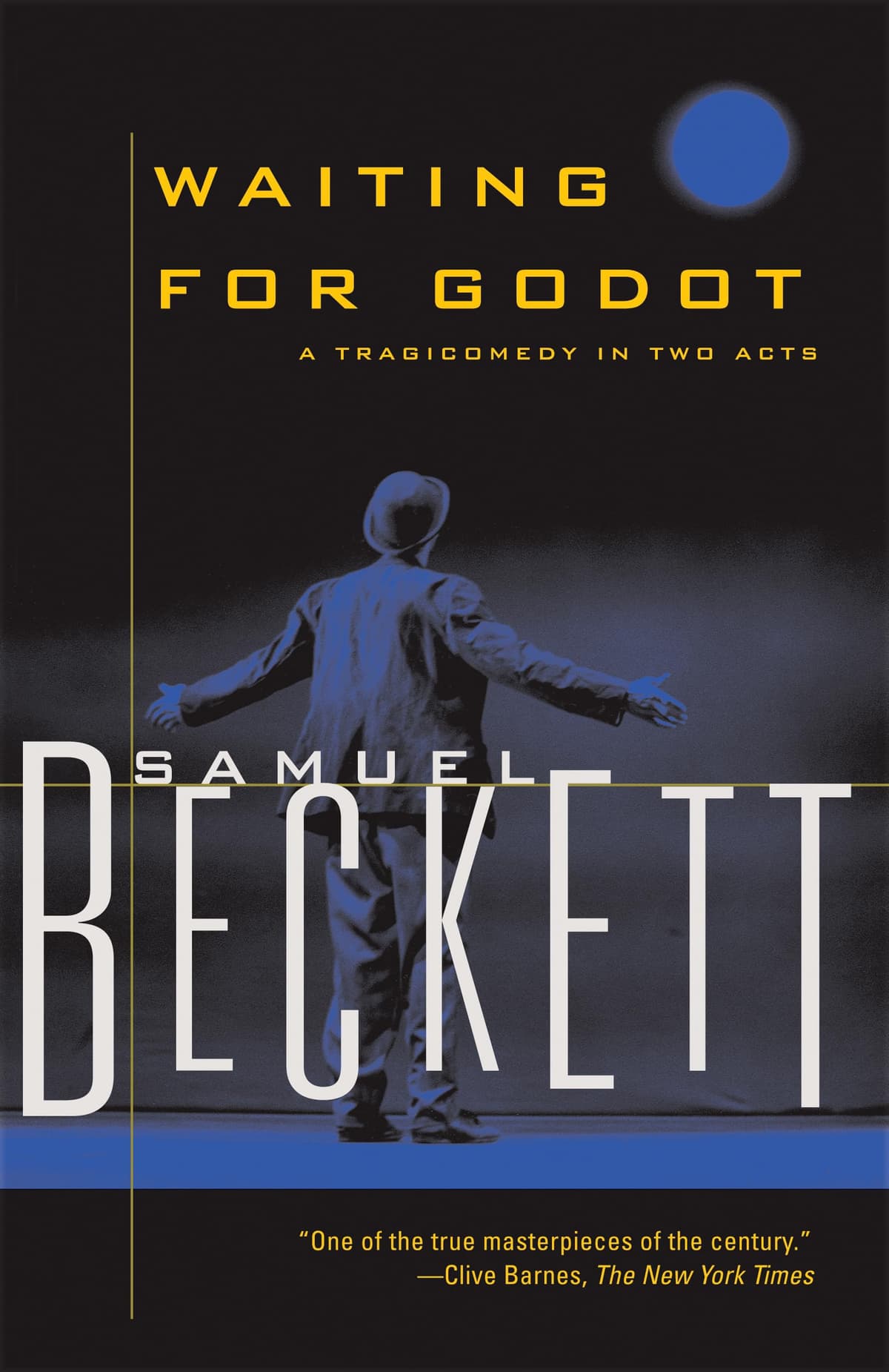
Samuel Beckett's Waiting for Godot: two tramps wait endlessly for someone who never arrives. The play that redefined modern theater.
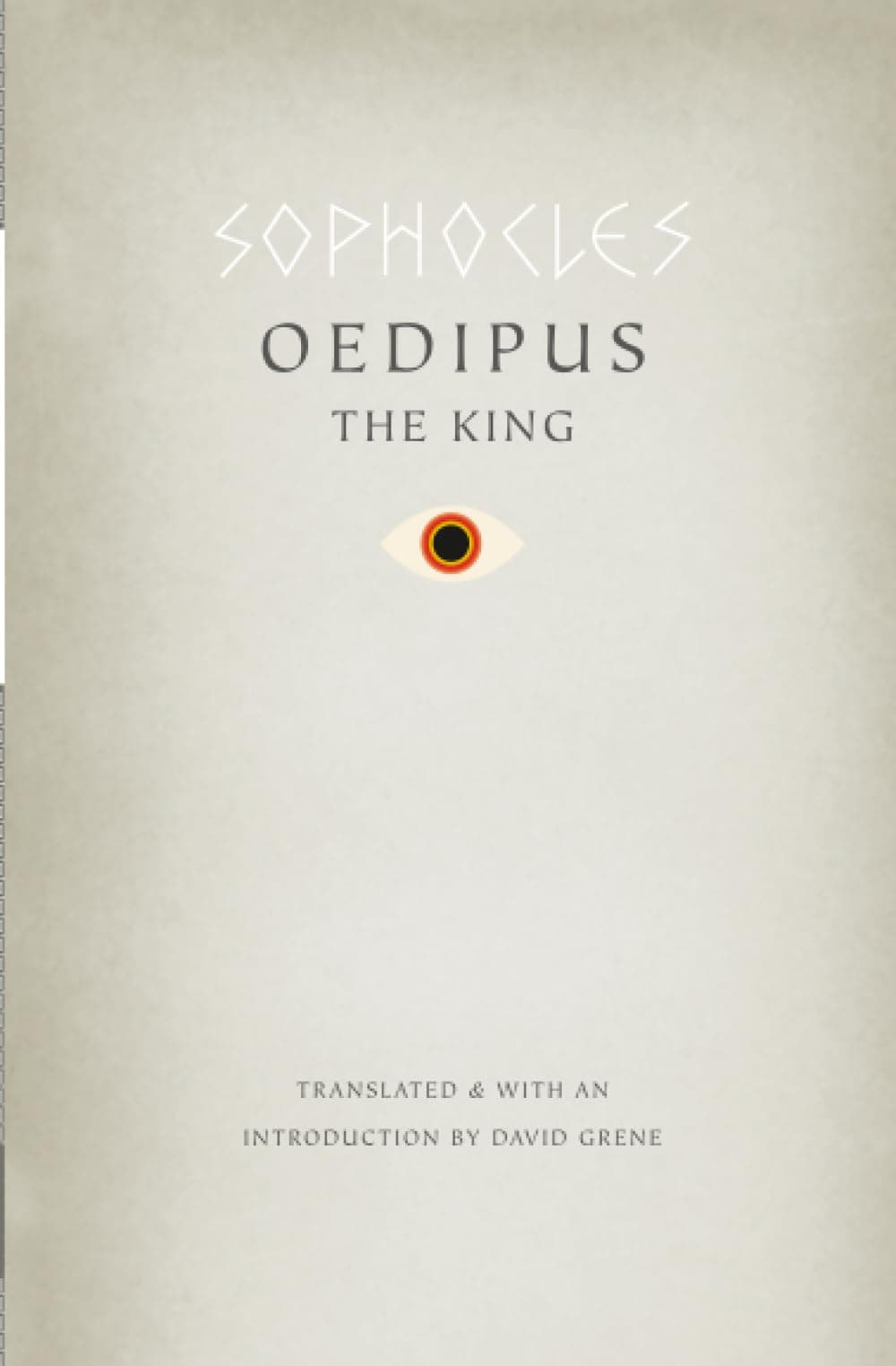
Sophocles' Oedipus the King: a ruler's relentless search for truth destroys him. The original tragedy and the foundation of Western drama.
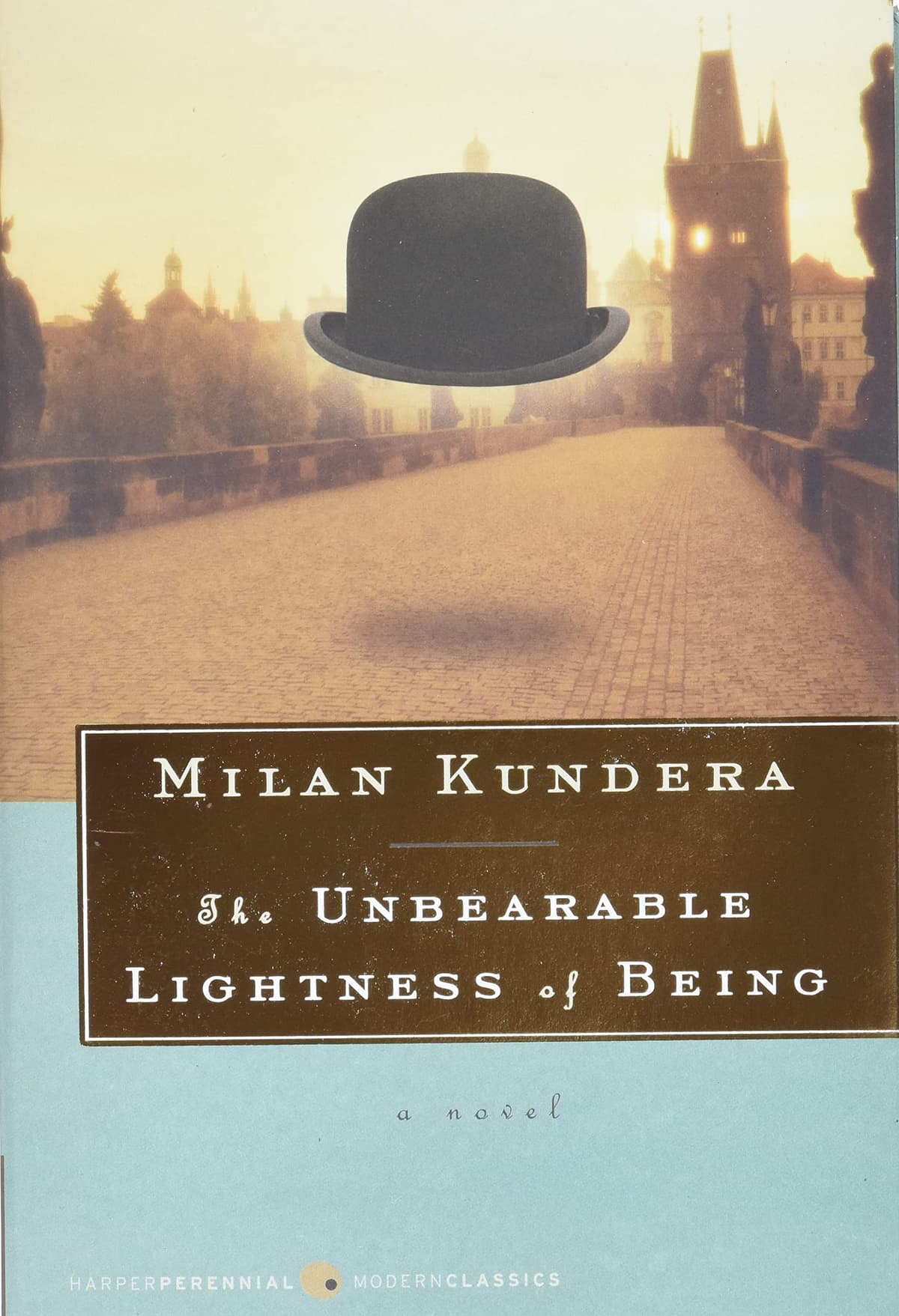
Kundera's The Unbearable Lightness of Being: love, betrayal, and philosophy in Soviet-occupied Prague. A meditation on freedom and the weight of existence.
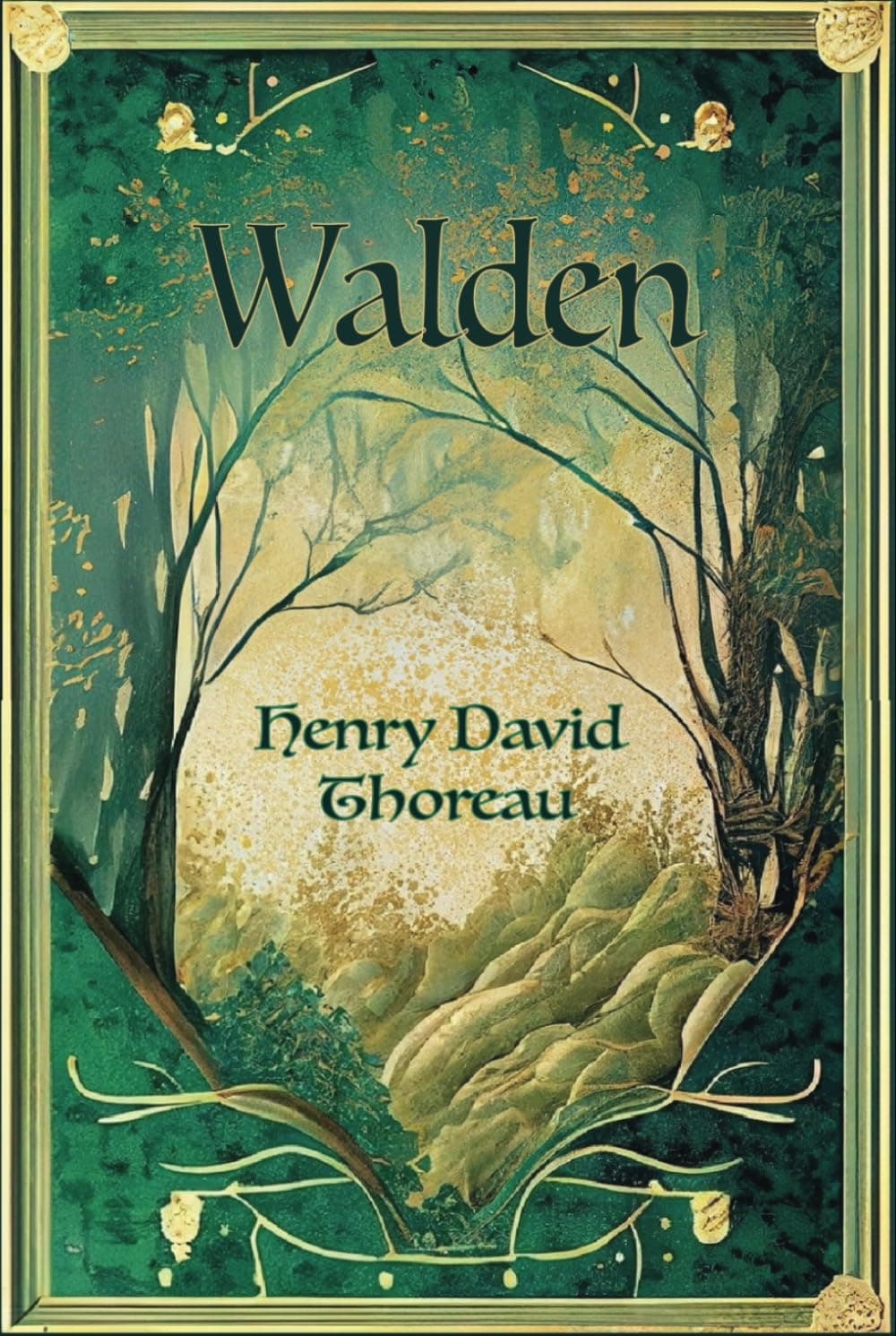
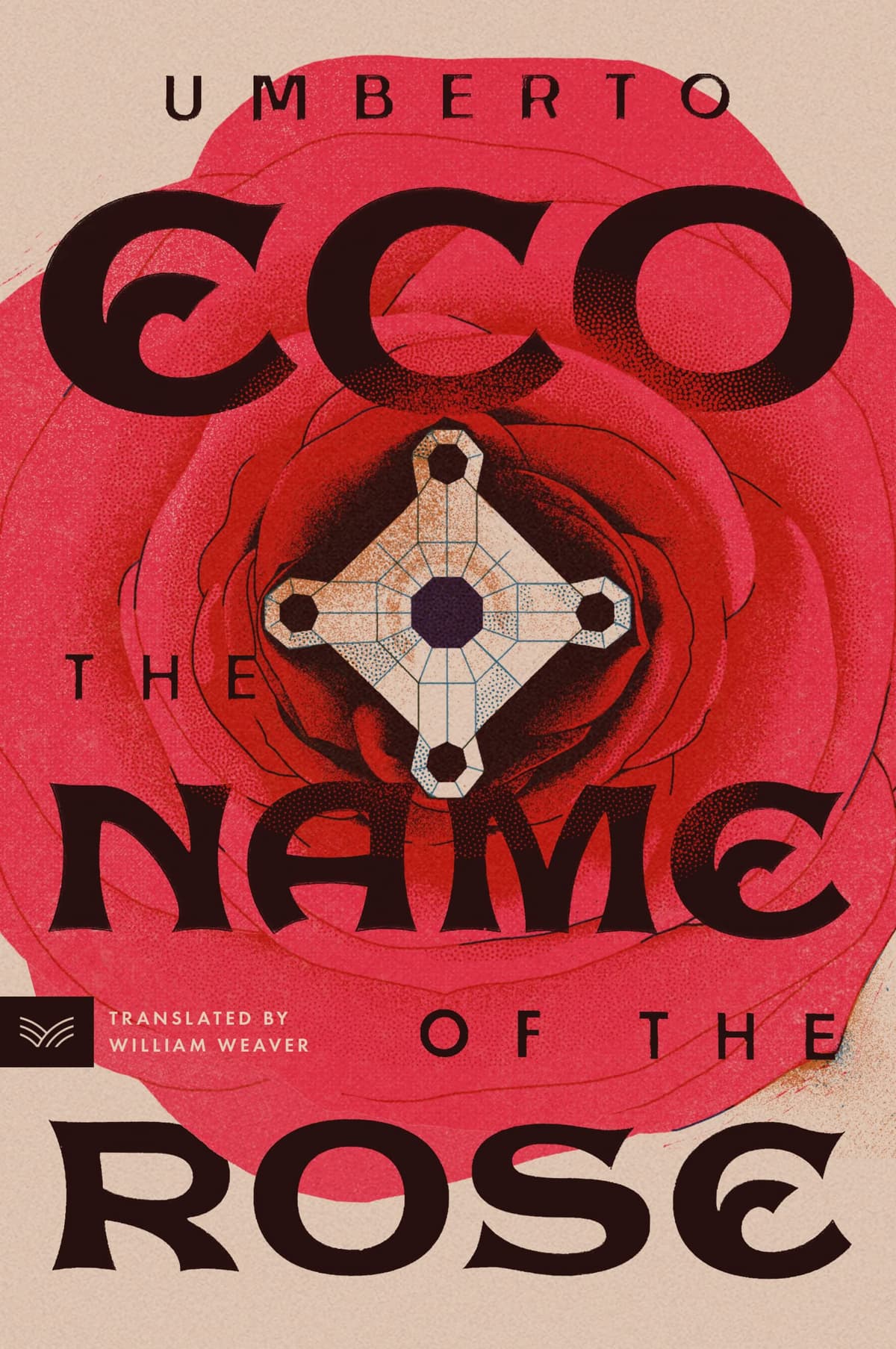
Umberto Eco's The Name of the Rose: murder in a medieval monastery with a labyrinthine library. A brilliant fusion of mystery and philosophy.