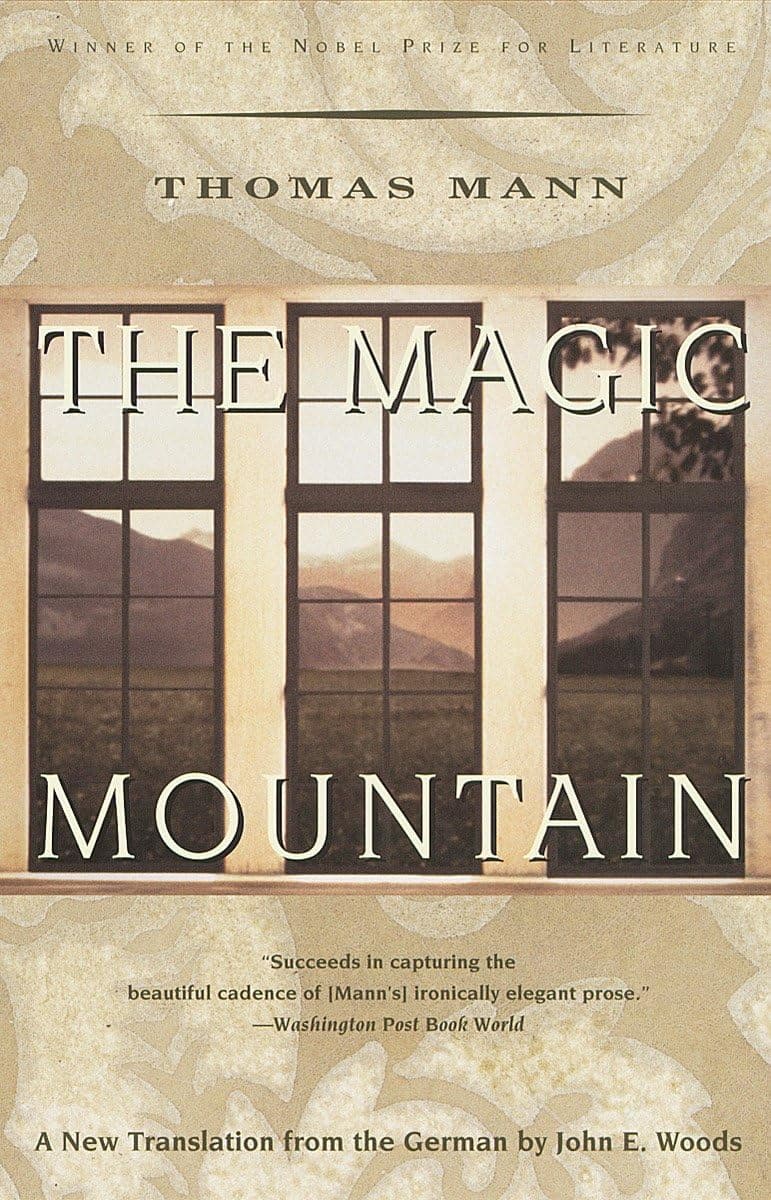
The Magic Mountain
“"Time has no divisions to mark its passage, there is never a thunder-storm or blare of trumpets to announce the beginning of a new month or year."”
The Magic Mountain Summary
A novel of ideas set high in the frozen silence of the Swiss Alps. Hans Castorp, an ordinary young engineer, visits his cousin at a tuberculosis sanatorium for a three-week stay but ends up remaining for seven years. Isolated from the 'flatland' of normal life below, the patients engage in endless, feverish debates about time, illness, philosophy, and politics while Europe marches blindly toward the catastrophe of World War I.
The sanatorium becomes a microcosm of European civilization on the brink of collapse. Castorp is torn between two mentors: the humanist Freemason Settembrini, who believes in reason and progress, and the Jesuit terror-visionary Naphta, who preaches religious totalitarianism. It is a story about the education of a soul, exploring how we find meaning when removed from the flow of time and duty.
Why Read The Magic Mountain?
It is a spa treatment for the mind. Mann dilates time, forcing you to slow down and think deeply about the sickness of modern civilization. It is a challenging, ironic, and monumental work that captures the intellectual ferment of a dying world. To read it is to enter a trance state where days and years blur together.
The novel offers a profound meditation on how we relate to death and disease. In our own era of health anxiety and global shifting, Mann's exploration of illness—not just as a physical state but as a spiritual metaphor—feels startlingly relevant. It asks whether our obsession with health is actually a disguised fear of life.
About Thomas Mann
Thomas Mann (1875–1955) was a Nobel Prize-winning German novelist and the most famous German writer of the 20th century. A master of irony and complex narrative structures, he was a vocal critic of Nazism and spent his later years in exile in the United States, becoming a symbol of the "other Germany" that had not succumbed to Hitler.
His work bridges the gap between the 19th-century realist novel and modernism. He was deeply influenced by Schopenhauer, Nietzsche, and Freud, using fiction to explore the dark, irrational undercurrents of the European psyche.
Reading Guide
Ranked #27 among the greatest books of all time, The Magic Mountain by Thomas Mann has earned its place in the literary canon. Originally written in German and published in 1924, this high read from Germany continues to resonate with readers today.
This book belongs to our Modern Mind and Speculative Futures collections, where you can discover more books that share its spirit and themes.
If you enjoy high reads like this one, you might also like In Search of Lost Time, Don Quixote, or Anna Karenina.
From the Modern Mind Collection
If you enjoyed The Magic Mountain, discover more masterpieces that share its spirit.
 #1View Book
Ulysses
James Joyce
Challenging•35-40 hours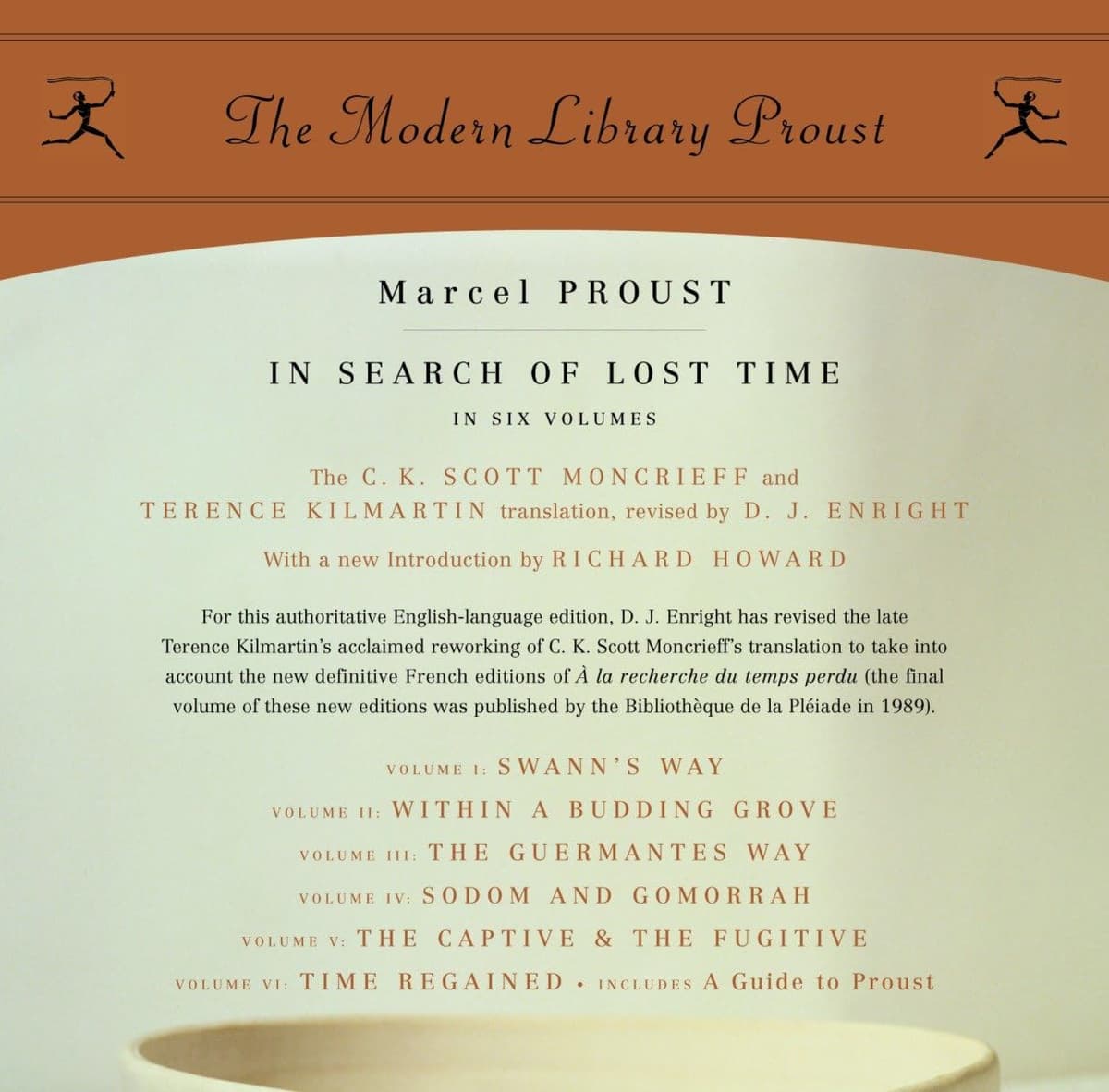 #2View Book
In Search of Lost Time
Marcel Proust
High•100+ hours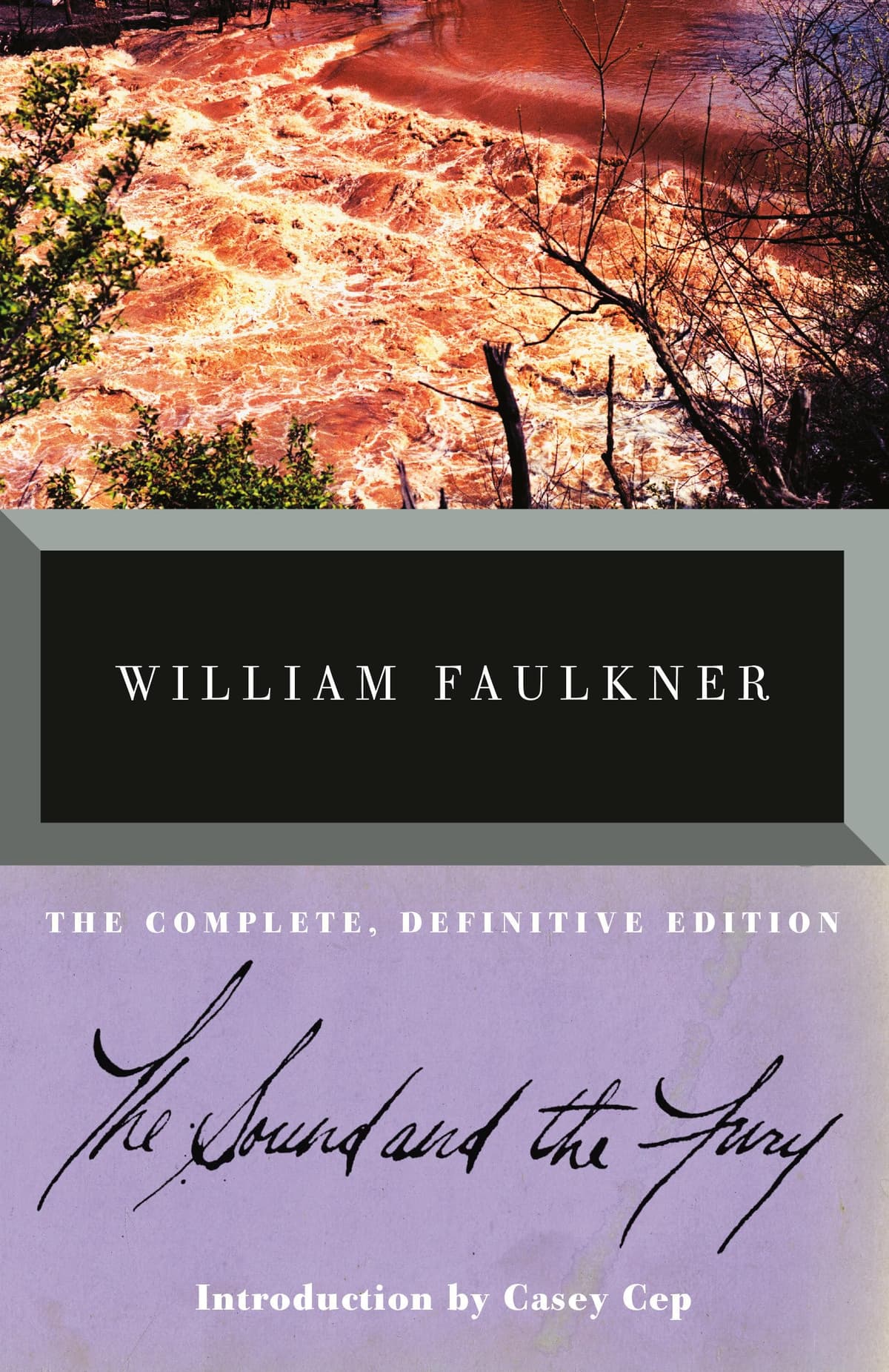 #8View Book
The Sound and the Fury
William Faulkner
Very High•12-15 hours #13View Book
Lolita
Vladimir Nabokov
Challenging•12-15 hours
Browse more collections