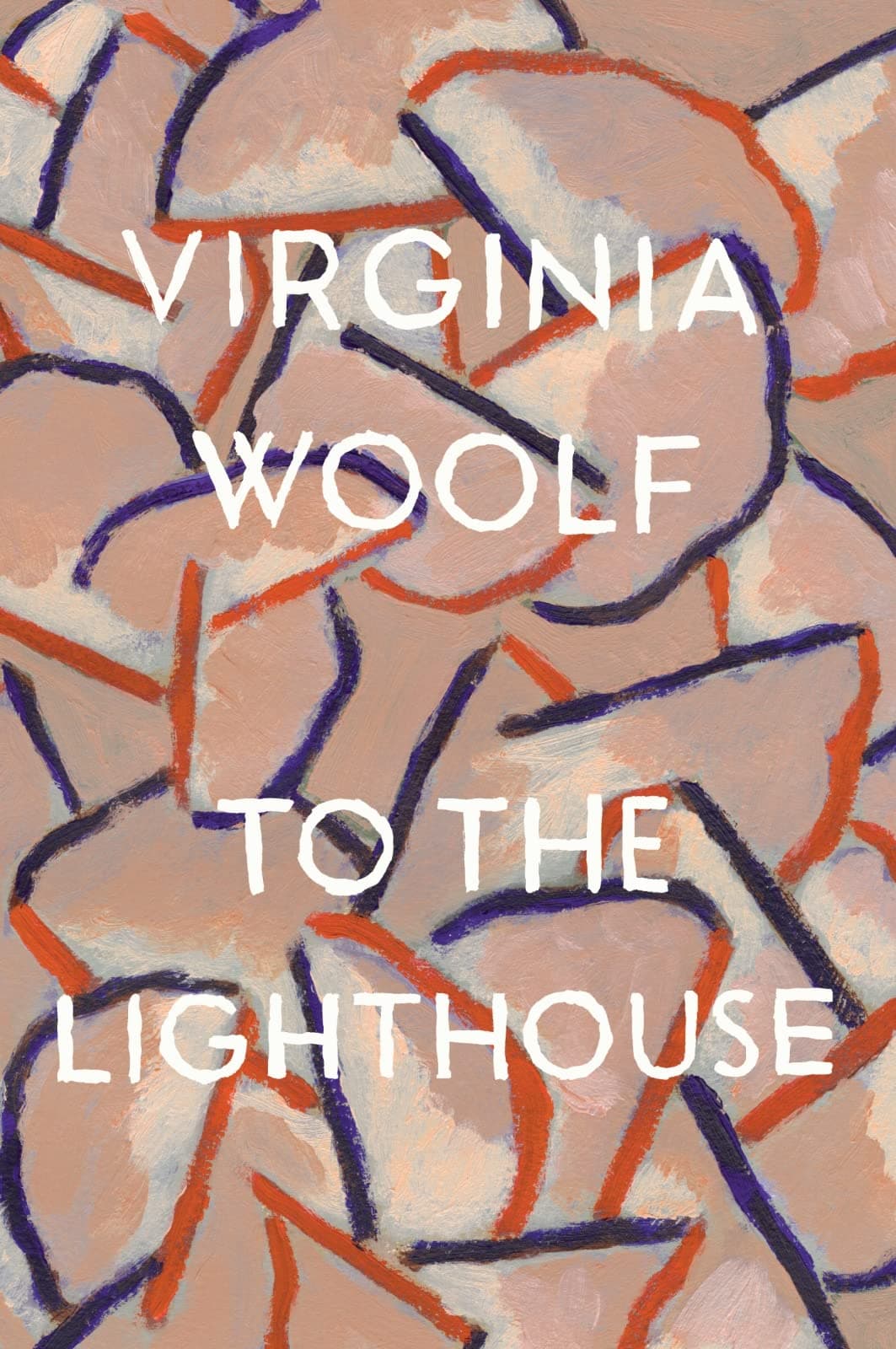
To the Lighthouse
“"She had known happiness, exquisite happiness, intense happiness, and it silvered the rough waves a little more brightly, as daylight faded, and the blue went out of the sea and it rolled in waves of pure lemon which curved and swelled and broke upon the beach and the ecstasy burst in her eyes and waves of pure delight raced over the floor of her mind and she felt, It is enough! It is enough!"”
To the Lighthouse Summary
A luminous meditation on marriage, childhood, and the passage of time. The novel follows the Ramsay family's visits to the Isle of Skye in Scotland. There is little plot in the traditional sense; instead, Woolf captures the shifting tides of consciousness—the unspoken thoughts, the fleeting moments of connection, and the devastating impact of time and war on a family.
The book is divided into three sections: 'The Window,' detailing a single day of domestic life; 'Time Passes,' a radical experiment where ten years fly by in a few pages of empty hallways and decaying furniture; and 'The Lighthouse,' where the remaining family members return to complete a journey postponed years earlier. It is a ghost story without ghosts, haunted by the memory of the matriarch Mrs. Ramsay.
Why Read To the Lighthouse?
For the sheer beauty of the prose. Woolf captures the texture of life like no other writer—the way a summer afternoon feels, or how a dinner party shifts from awkwardness to harmony. It is a heartbreakingly beautiful elegy for the moments that make up a life, reminding us that "the great revelation perhaps never did come. The great revelation had never come. The great revelation perhaps never did come. Instead, there were little daily miracles, illuminations, matches struck unexpectedly in the dark."
It is also a profound look at the struggle of the female artist. Through the character of Lily Briscoe, a painter struggling to capture her vision, Woolf explores the difficulty of creating art in a domestic world that demands women be nurturers first. The novel’s ending—"I have had my vision"—is one of the most triumphant moments in literature.
About Virginia Woolf
Virginia Woolf (1882–1941) was a central figure of the Bloomsbury Group and a pioneer of the stream-of-consciousness technique. Her essays and novels revolutionized modern fiction, arguing that "life is not a series of gig lamps symmetrically arranged" but a "luminous halo" surrounding us from the beginning of consciousness to the end.
She struggled with severe mental illness throughout her life, eventually taking her own life at age 59. Her work—including Mrs. Dalloway and A Room of One's Own—laid the groundwork for feminist literary criticism and remains a touchstone for writers exploring the interior lives of women.
Reading Guide
Ranked #28 among the greatest books of all time, To the Lighthouse by Virginia Woolf has earned its place in the literary canon. Originally written in English and published in 1927, this moderate read from United Kingdom continues to resonate with readers today.
This book belongs to our Modern Mind collection, where you can discover more books that share its spirit and themes.
If you enjoy moderate reads like this one, you might also like One Hundred Years of Solitude, Nineteen Eighty-Four, or Wuthering Heights.
From the Modern Mind Collection
If you enjoyed To the Lighthouse, discover more masterpieces that share its spirit.
 #1View Book
Ulysses
James Joyce
Challenging•35-40 hours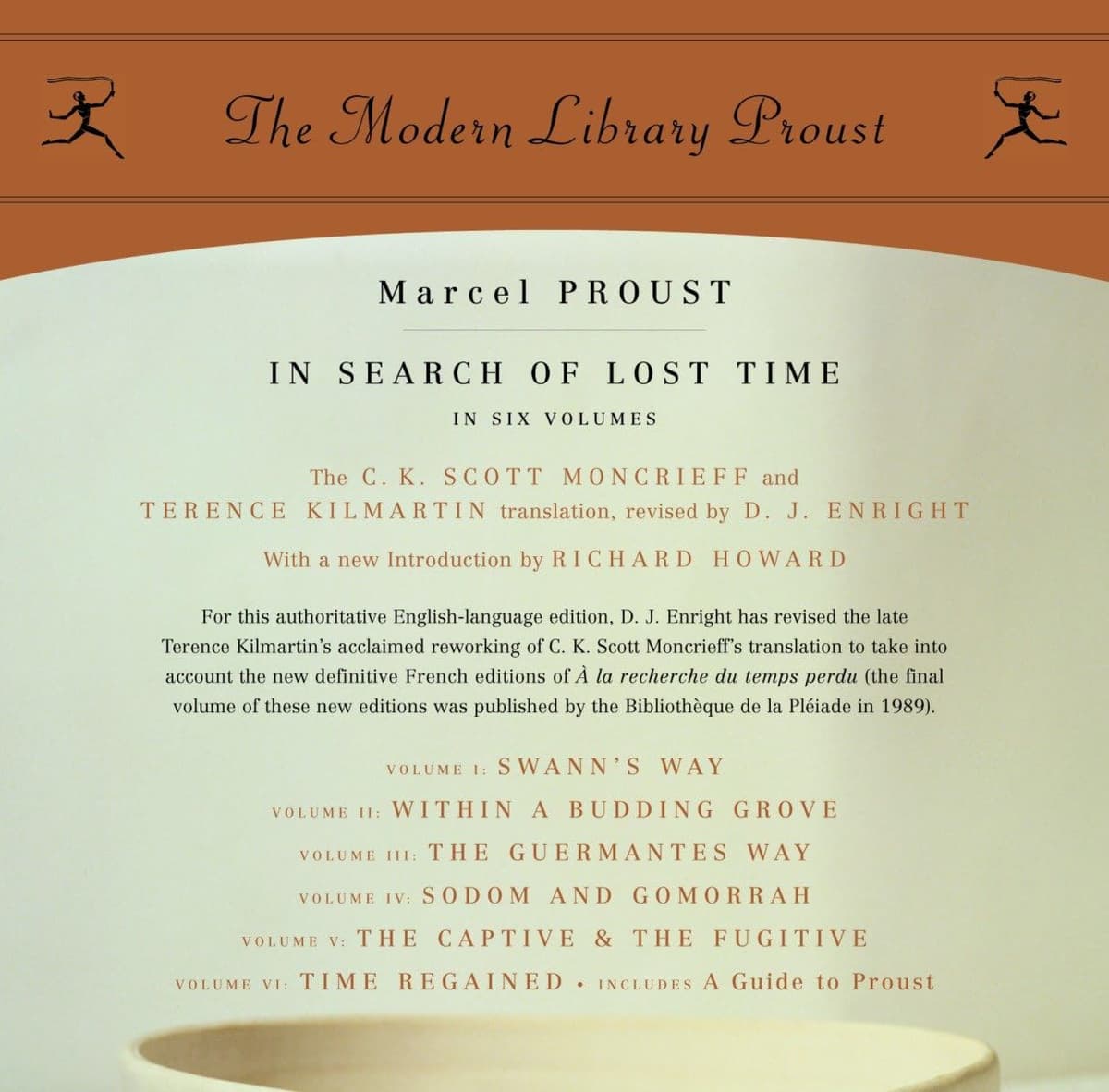 #2View Book
In Search of Lost Time
Marcel Proust
High•100+ hours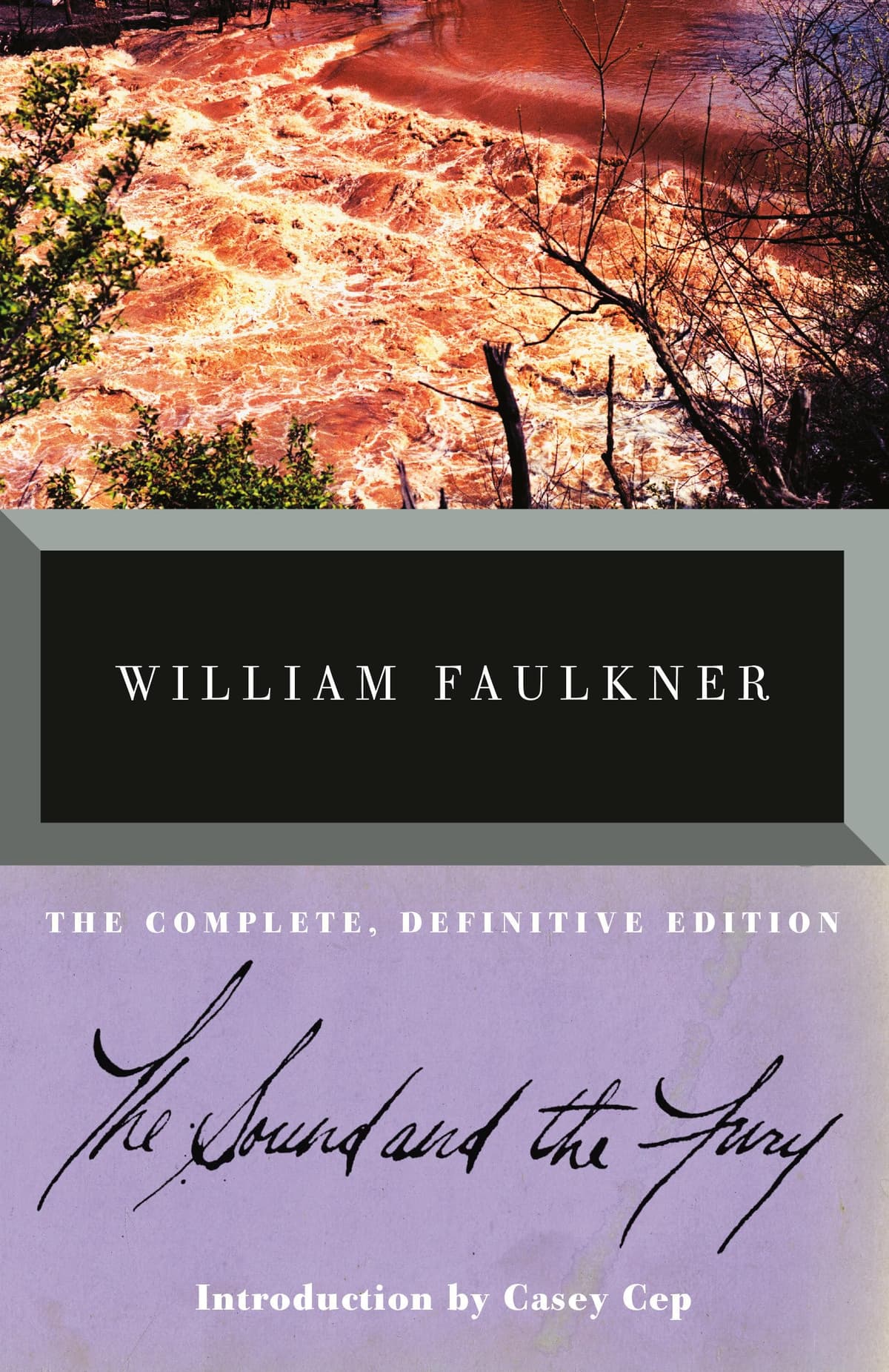 #8View Book
The Sound and the Fury
William Faulkner
Very High•12-15 hours #13View Book
Lolita
Vladimir Nabokov
Challenging•12-15 hours
Browse more collections