The Wind-Up Bird Chronicle
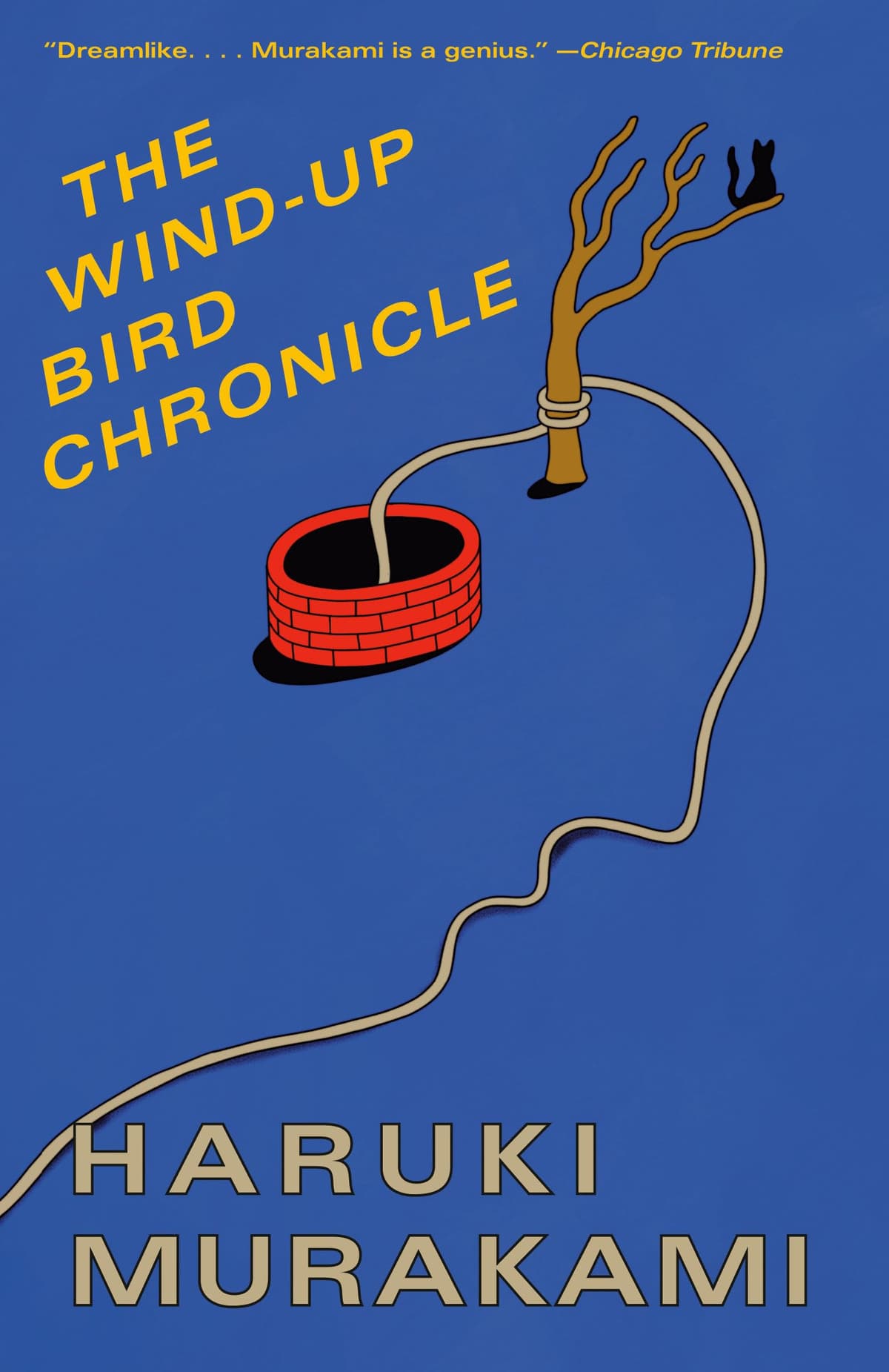
“When you come out of the storm, you won't be the same person who walked in.”
The Wind-Up Bird Chronicle Summary
Toru Okada is a quietly unemployed young man living in a Tokyo suburb when his cat disappears, an event that sets in motion a spiraling descent into increasingly surreal and disturbing territory. His wife, Kumiko, grows distant and eventually vanishes, and Toru discovers she has fallen under the influence of her sinister brother, Noboru Wataya, a rising political figure and media personality who seems to embody a peculiar modern evil. As Toru searches for his wife, he encounters a succession of strange and compelling characters: the enigmatic sisters Malta and Creta Kano, the teenage neighbor May Kasahara who works at a wig factory, and the aging veteran Lieutenant Mamiya, who recounts a harrowing wartime experience in the wastes of Manchuria during World War II. Toru descends into a dry well in his backyard, using the darkness and isolation as a passageway to other planes of reality, and the narrative moves between his present-day quest, Japan's brutal wartime past in Manchuria, and dreamlike encounters in a mysterious hotel corridor where violence and identity blur.
The Wind-Up Bird Chronicle is widely regarded as Haruki Murakami's masterpiece, a novel that synthesizes his characteristic blend of the mundane and the metaphysical into a work of extraordinary ambition and emotional depth. The novel explores the hidden violence beneath the surfaces of modern Japanese life, drawing explicit connections between the atrocities of Japan's imperial past and the spiritual emptiness of its consumer present. Murakami's prose, deceptively simple and hypnotically readable, creates a world where the boundaries between reality and dream, history and myth, dissolve without warning. The novel's treatment of evil as something banal yet absolute, institutional yet intimate, gives it a moral gravity that elevates it far beyond genre. It is a profound meditation on memory, complicity, the nature of consciousness, and the quiet heroism of an ordinary man confronting forces he cannot name.
Why Read The Wind-Up Bird Chronicle?
The Wind-Up Bird Chronicle will take you on a journey unlike anything you have experienced in fiction, a novel that begins with a man looking for his cat and ends with a reckoning involving wartime atrocities, metaphysical evil, and the depths of human consciousness. Murakami's prose is deceptively accessible, pulling you forward with the ease of a thriller while depositing you in places of genuine strangeness and beauty. You will find yourself in a dry well at the bottom of which reality dissolves, in the frozen wastes of Manchuria where soldiers face unspeakable cruelty, and in the quiet Tokyo suburbs where something ancient and terrible lurks beneath the routine of daily life. Few novels manage to be simultaneously so readable and so profound.
You should read this book because it demonstrates what the novel as a form can do when freed from the constraints of conventional realism. Murakami weaves together the personal and the historical, the dreamlike and the brutally real, into a tapestry that illuminates how the unexamined past continues to shape the present. If you have ever sensed that the ordinary surface of life conceals something stranger and more significant, this novel will speak directly to that intuition. It is a work that rewards rereading, its symbols and connections deepening with each encounter, and it stands as one of the essential novels of the late twentieth century.
About Haruki Murakami
Haruki Murakami was born in Kyoto in 1949 and grew up in Kobe, the son of two teachers of Japanese literature. He studied drama at Waseda University in Tokyo and ran a jazz bar called Peter Cat with his wife throughout the 1970s, an experience that suffused his fiction with its characteristic atmosphere of music, solitude, and late-night contemplation. He began writing his first novel at a baseball game in 1978 and published Hear the Wind Sing the following year. His early novels established his distinctive voice, but it was Norwegian Wood in 1987 that made him a literary superstar in Japan, a status that drove him to seek solitude abroad in Europe and the United States.
Murakami is the most internationally celebrated Japanese novelist of his generation and among the most widely read literary authors in the world. His works, including A Wild Sheep Chase, Kafka on the Shore, 1Q84, and The Wind-Up Bird Chronicle, have been translated into over fifty languages. His fiction occupies a unique space between Western and Japanese literary traditions, blending the surrealism of Kafka and the hard-boiled cool of Raymond Chandler with elements drawn from Japanese culture, history, and spirituality. He is also a noted translator who has rendered works by Raymond Carver, F. Scott Fitzgerald, and J.D. Salinger into Japanese. An avid marathon runner and triathlete, Murakami has written about running as a metaphor for the discipline of writing. He remains one of the perennial favorites for the Nobel Prize in Literature.
Reading Guide
Ranked #494 among the greatest books of all time, The Wind-Up Bird Chronicle by Haruki Murakami has earned its place in the literary canon. Originally written in Japanese and published in 1994, this moderate read from Japan continues to resonate with readers today.
This book belongs to our Magical Realism and Modern Mind collections, where you can discover more books that share its spirit and themes.
If you enjoy moderate reads like this one, you might also like One Hundred Years of Solitude, Nineteen Eighty-Four, or Wuthering Heights.
From the Magical Realism Collection
If you enjoyed The Wind-Up Bird Chronicle, discover more masterpieces that share its spirit.
 #5View Book
One Hundred Years of Solitude
Gabriel García Márquez
Moderate•15-20 hours #34View Book
The Master and Margarita
Mikhail Bulgakov
Moderate•12-15 hours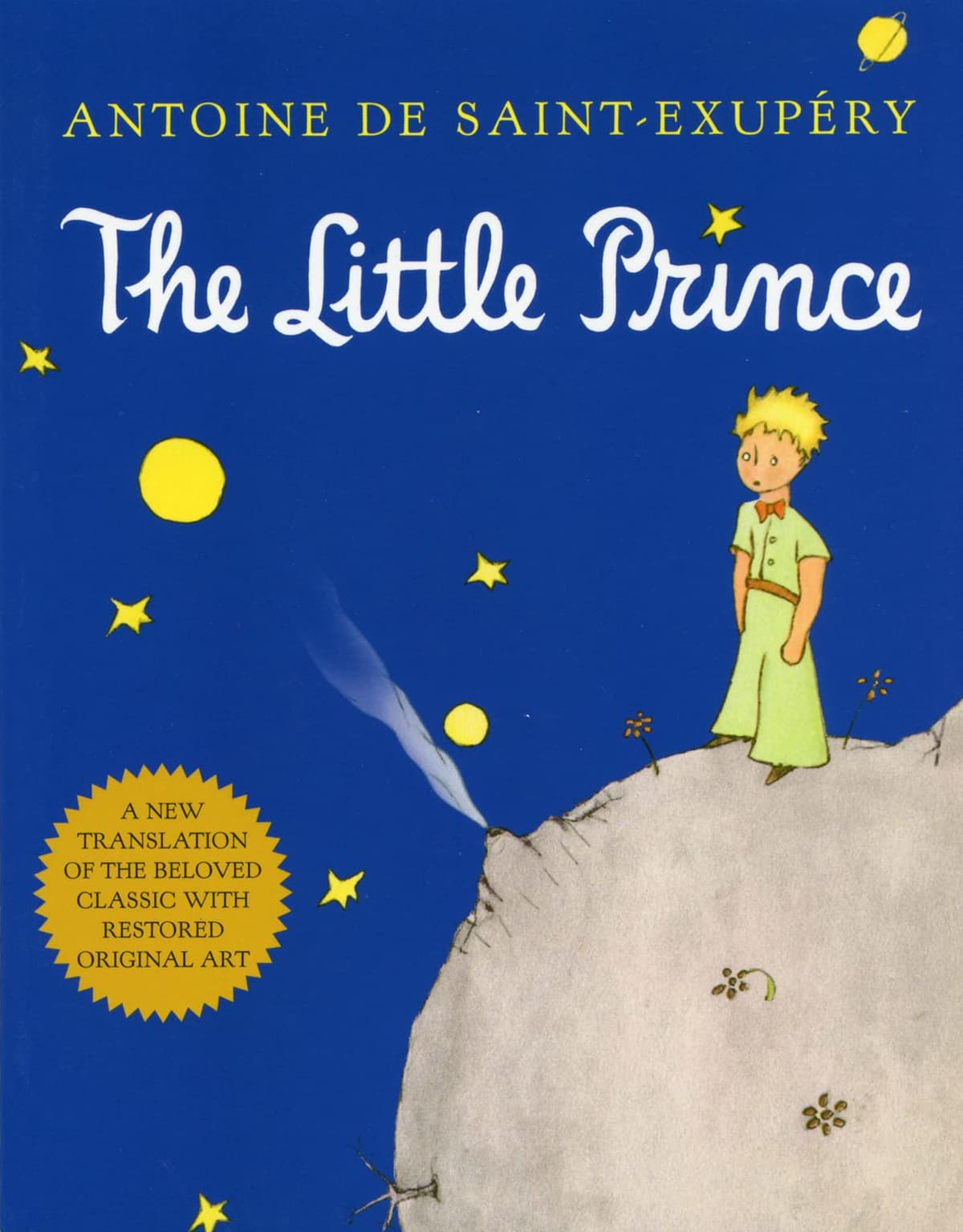 #43View Book
The Little Prince
Antoine de Saint-Exupéry
Accessible•1-2 hours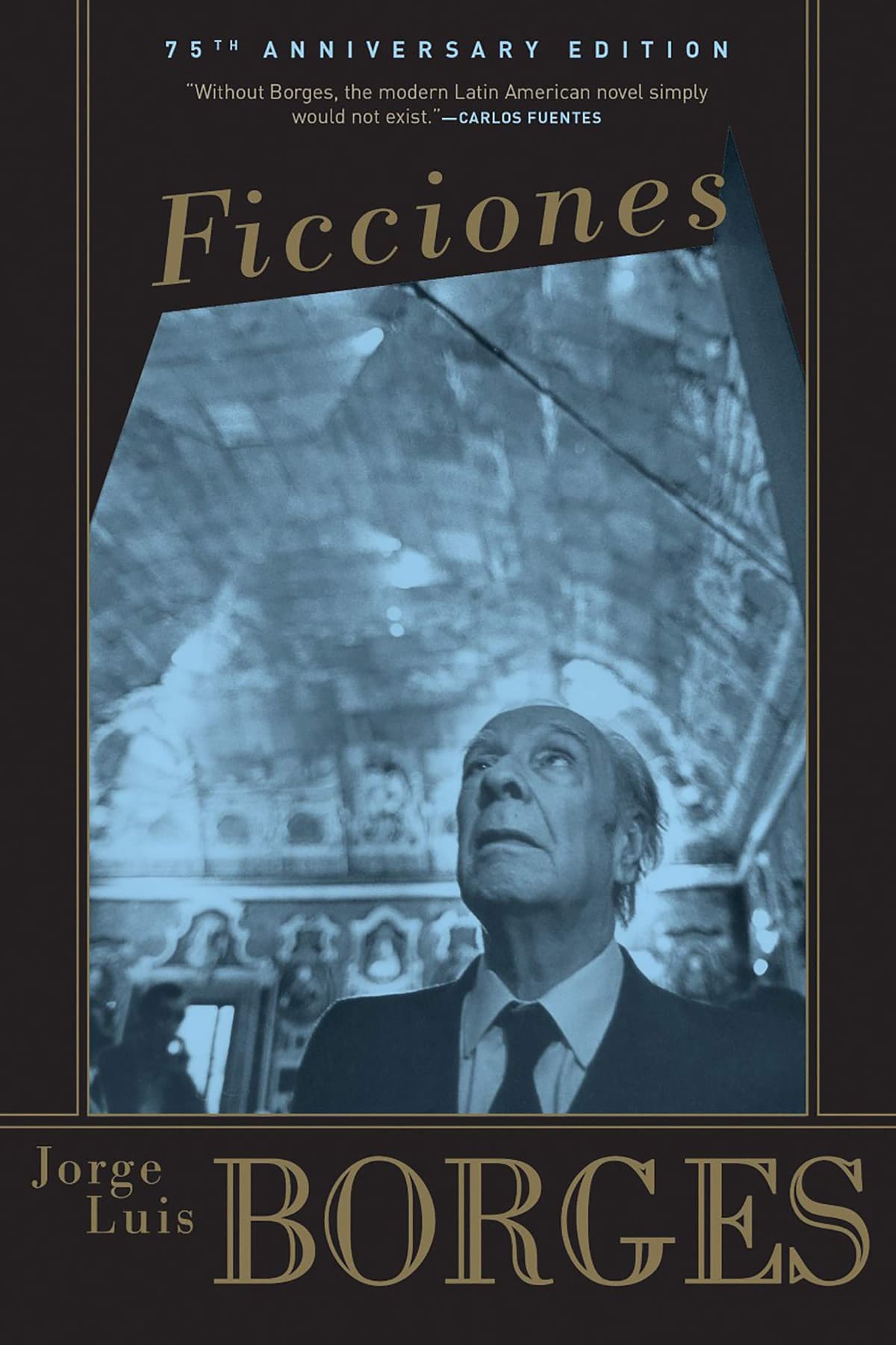 #45View Book
Fictions
Jorge Luis Borges
Challenging•6-8 hours
Browse more collections