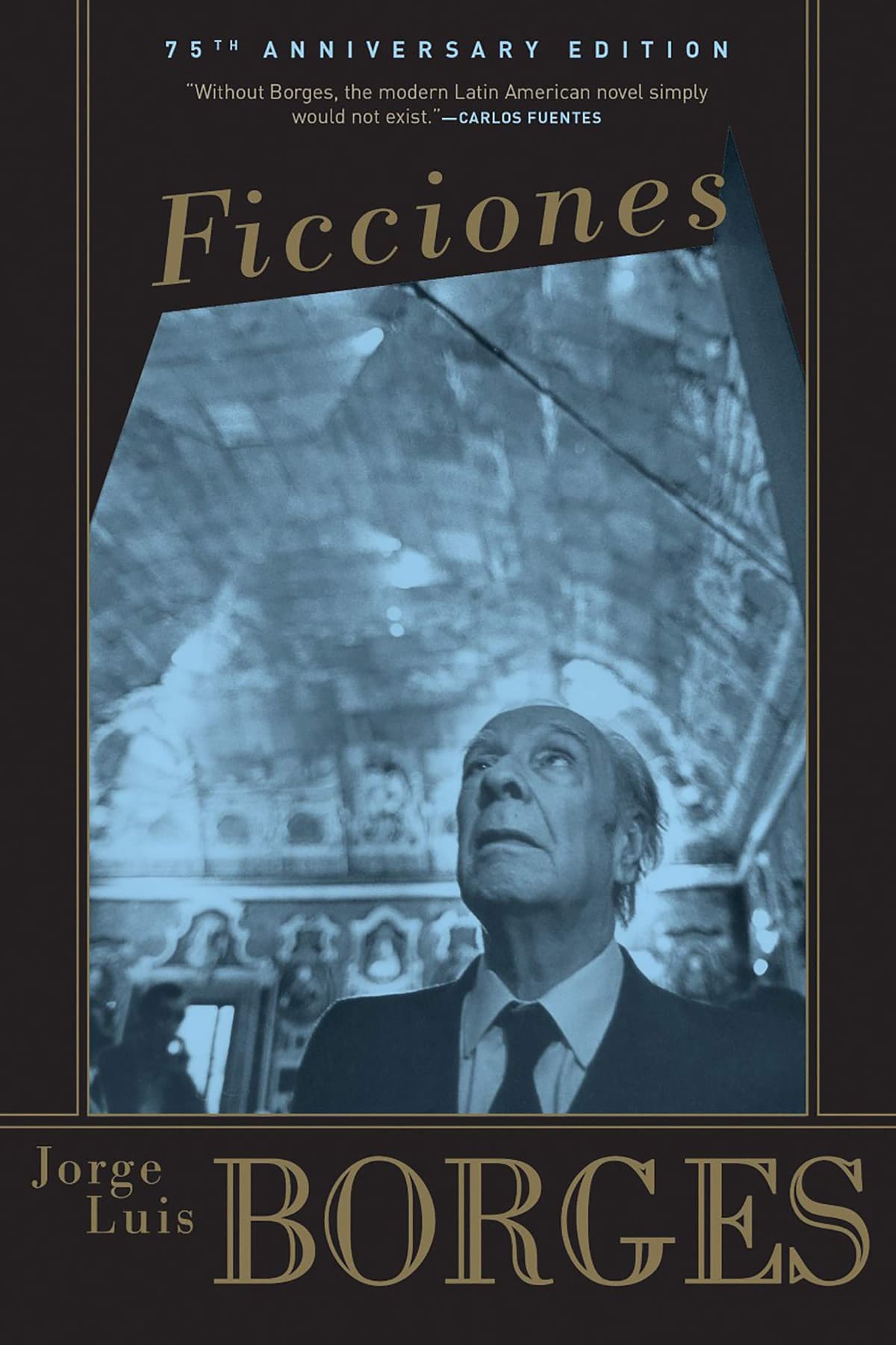
Fictions
“I have always imagined that Paradise will be a kind of library.”
Fictions Summary
In seventeen astonishing stories, Jorge Luis Borges constructs a series of philosophical labyrinths that have redefined what fiction can do. A library contains every possible book that could ever be written. A man composes a new Don Quixote, word for word identical to Cervantes's, yet entirely original. A lottery in Babylon expands until it governs every aspect of life. A detective story reveals that the universe itself is a detective story.
These are not stories in the conventional sense—they are thought experiments wearing the mask of fiction. Borges treats the infinite, the paradoxical, and the metaphysical not as abstractions but as the raw material of narrative. Each story is a trap door in the floor of reality, and once you fall through, you discover that the world is stranger, more beautiful, and more terrifying than you ever imagined.
Why Read Fictions?
Borges is the writer's writer—the man who proved that a ten-page story could contain more ideas than a thousand-page novel. Fictions is his masterpiece, a collection so original that it essentially invented a new form of literature. Before Borges, short fiction was about character and plot. After Borges, it could be about anything: infinity, time, identity, the nature of authorship itself.
What makes these stories irresistible is their combination of intellectual rigor and narrative suspense. Borges structures his metaphysical puzzles as detective stories, adventure tales, and scholarly hoaxes, so that you are pulled forward by the sheer pleasure of storytelling even as your mind reels from the implications. If you have ever wondered whether reality is just a story someone is telling, Borges is the author who will confirm your suspicion.
About Jorge Luis Borges
Jorge Luis Borges (1899–1986) was an Argentine writer, poet, and librarian who became one of the most influential literary figures of the twentieth century—despite never writing a novel. Born in Buenos Aires to a family of intellectuals, he was raised bilingual in English and Spanish and spent his formative years in Europe, absorbing the languages and literatures of the continent.
Progressively blind from his forties onward, Borges became the director of Argentina's National Library—a cruel irony he transformed into myth. His short stories, essays, and poems have influenced writers from Umberto Eco to Thomas Pynchon. He was perennially mentioned for the Nobel Prize but never received it, a fact widely regarded as the committee's greatest oversight.
Reading Guide
Ranked #45 among the greatest books of all time, Fictions by Jorge Luis Borges has earned its place in the literary canon. Originally written in Spanish and published in 1944, this challenging read from Argentina continues to resonate with readers today.
This book belongs to our Modern Mind and Magical Realism collections, where you can discover more books that share its spirit and themes.
If you enjoy challenging reads like this one, you might also like Ulysses, Moby-Dick, or Lolita.
From the Modern Mind Collection
If you enjoyed Fictions, discover more masterpieces that share its spirit.
 #1View Book
Ulysses
James Joyce
Challenging•35-40 hours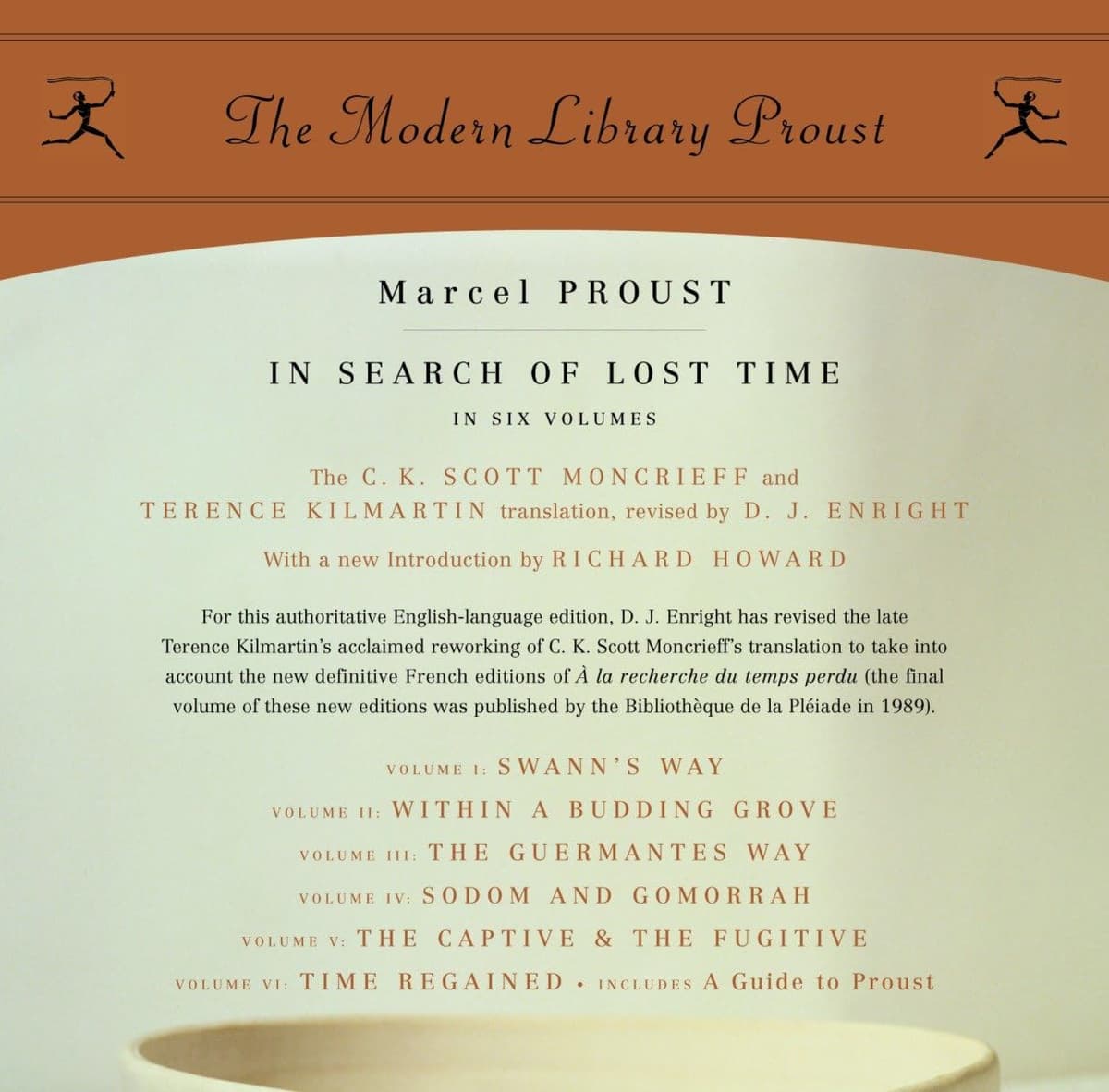 #2View Book
In Search of Lost Time
Marcel Proust
High•100+ hours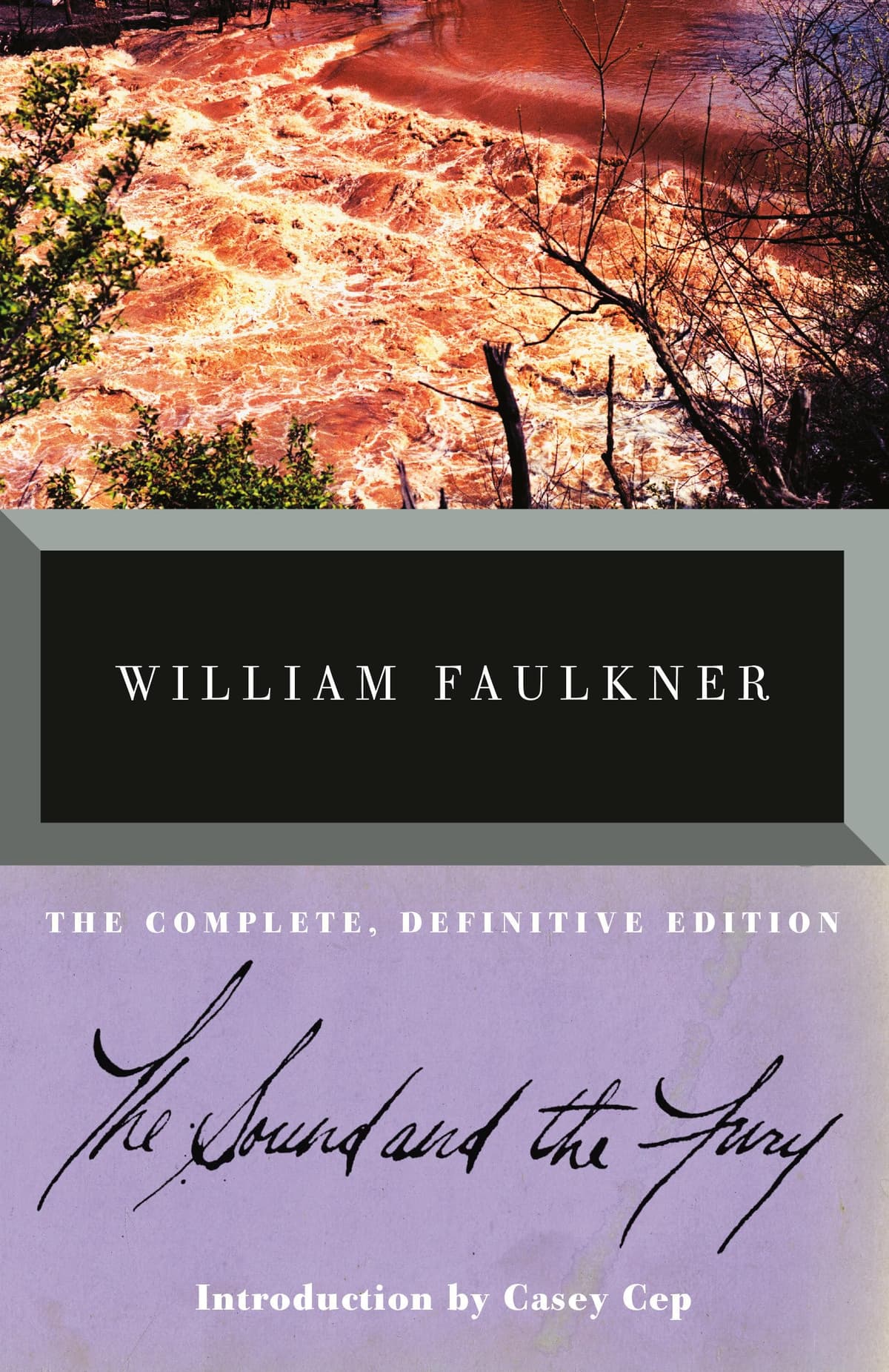 #8View Book
The Sound and the Fury
William Faulkner
Very High•12-15 hours #13View Book
Lolita
Vladimir Nabokov
Challenging•12-15 hours
Browse more collections