One Thousand and One Nights
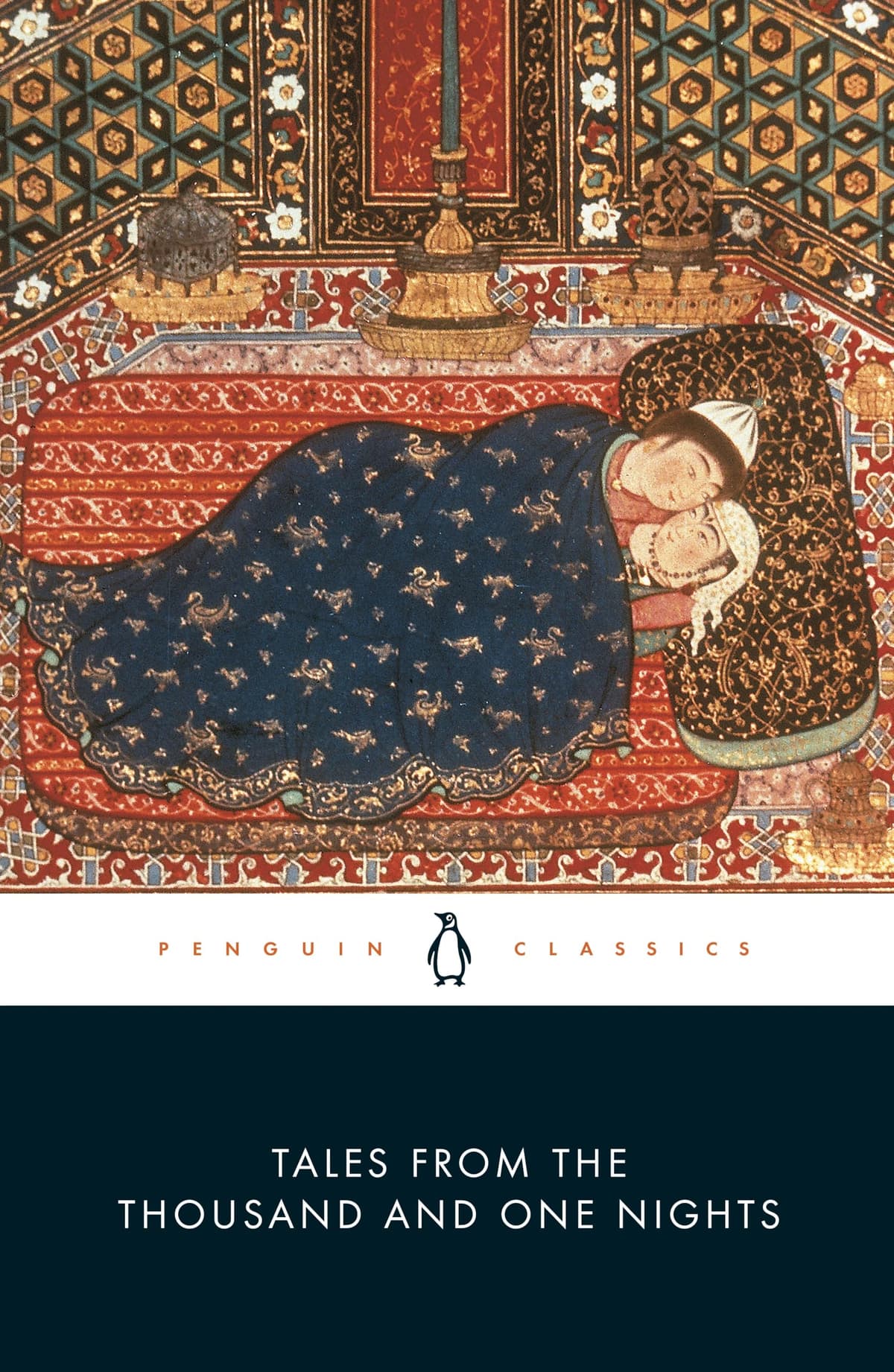
“Where there is ruin, there is hope for a treasure.”
One Thousand and One Nights Summary
On the night King Shahryar discovers his wife's betrayal, he resolves to marry a new bride each evening and execute her at dawn, so that no woman may ever deceive him again. Into this death sentence walks Scheherazade, the vizier's daughter, armed with the only weapon that can save her: a story. She begins a tale so mesmerizing that the king must spare her one more night to hear its end—and within that tale she nests another, and another, and another, spinning a labyrinth of narrative that stretches across a thousand and one nights.
From the streets of Baghdad to the caves of Ali Baba, from Sinbad's impossible voyages to Aladdin's enchanted lamp, this vast treasury of stories contains the DNA of nearly every narrative tradition that followed. Merchants outwit djinn with riddles, lovers are transformed by sorcery, and justice arrives in forms both miraculous and brutal. It is a universe where the boundary between the real and the magical does not exist—and where the act of storytelling itself is the supreme act of survival.
Why Read One Thousand and One Nights?
This is the mother of all story collections—the book that taught the world that narrative is not entertainment but survival. Scheherazade does not tell stories to pass the time; she tells them to stay alive. Every tale is a reprieve from death, and that existential urgency pulses through the entire collection. The Nights gave us the frame narrative, the cliffhanger, and the idea that stories can nest inside stories like Russian dolls, and its influence stretches from Boccaccio and Chaucer to Borges and Barth.
But beyond its structural innovations, the Nights is simply one of the most intoxicating reading experiences in existence. It is a carnival of human desire—greed, lust, curiosity, devotion, revenge—played out in a world where genies emerge from lamps, carpets fly, and a single word can open a mountain of treasure. To read it is to remember why we tell stories at all: because the alternative is silence, and silence is death.
About Unknown
One Thousand and One Nights has no single author. It is a vast, anonymous compendium that accumulated over centuries, drawing from Persian, Indian, Arabic, and Egyptian oral traditions. The earliest known fragment dates to the ninth century, and the collection continued to grow and transform through the medieval period, with major stories like Aladdin and Ali Baba added as late as the eighteenth century by the French translator Antoine Galland.
The Nights entered European consciousness through Galland's translation in 1704 and ignited a fascination with the East that shaped Romanticism, opera, and the popular imagination. Scholars still debate which stories belong to the original corpus and which are later additions, but the collection's power is beyond dispute: it is one of the most influential works of literature ever assembled, a testament to the collective genius of centuries of unnamed storytellers.
Reading Guide
Ranked #46 among the greatest books of all time, One Thousand and One Nights by Unknown has earned its place in the literary canon. Originally written in Arabic and published in c. 800, this variable read from Multiple continues to resonate with readers today.
This book belongs to our Epics and Magical Realism collections, where you can discover more books that share its spirit and themes.
If you enjoy variable reads like this one, you might also like The Bible, The Complete Tales and Poems of Edgar Allan Poe, or First Folio.
From the Epics Collection
If you enjoyed One Thousand and One Nights, discover more masterpieces that share its spirit.
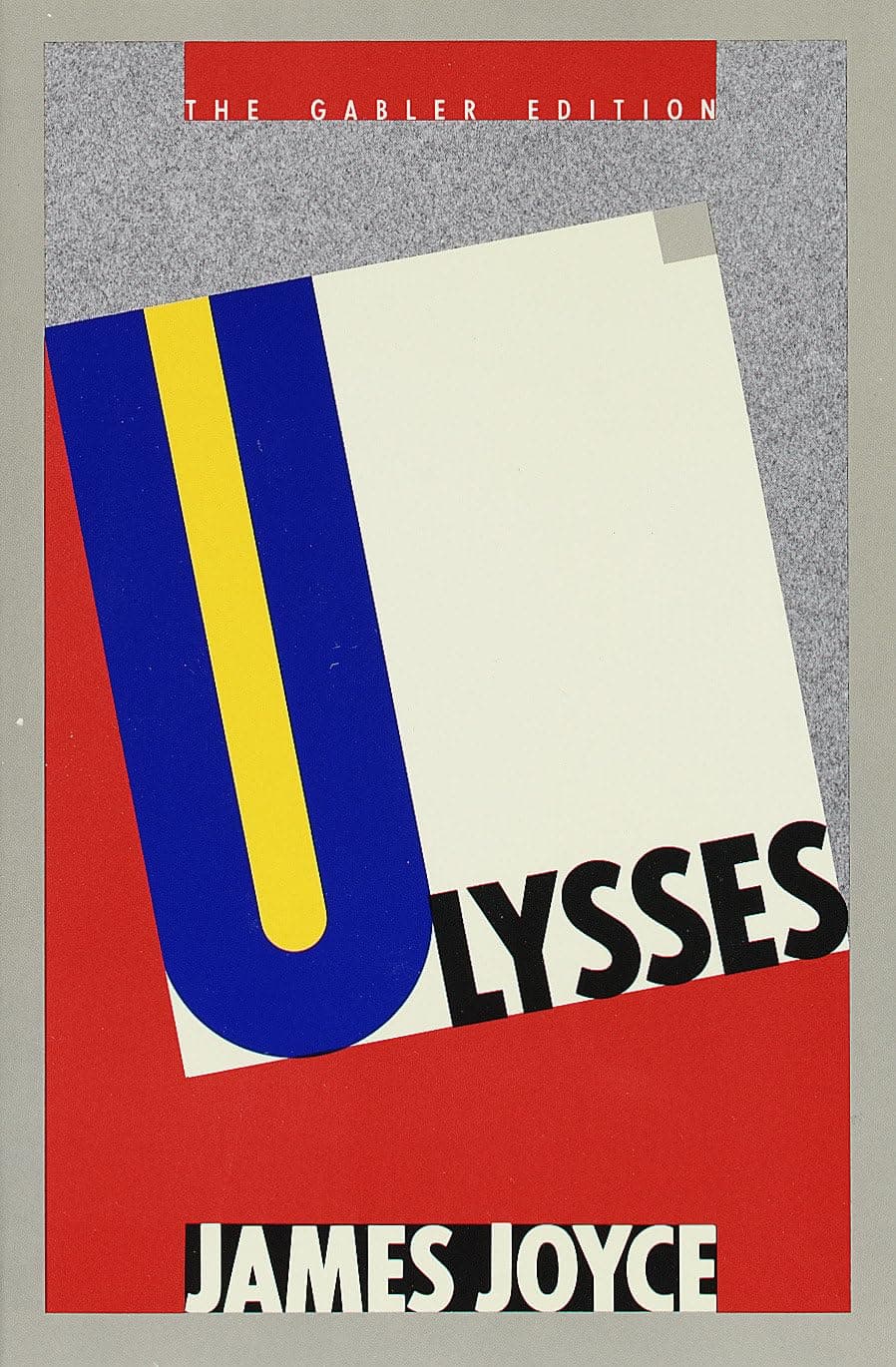 #1View Book
Ulysses
James Joyce
Challenging•35-40 hours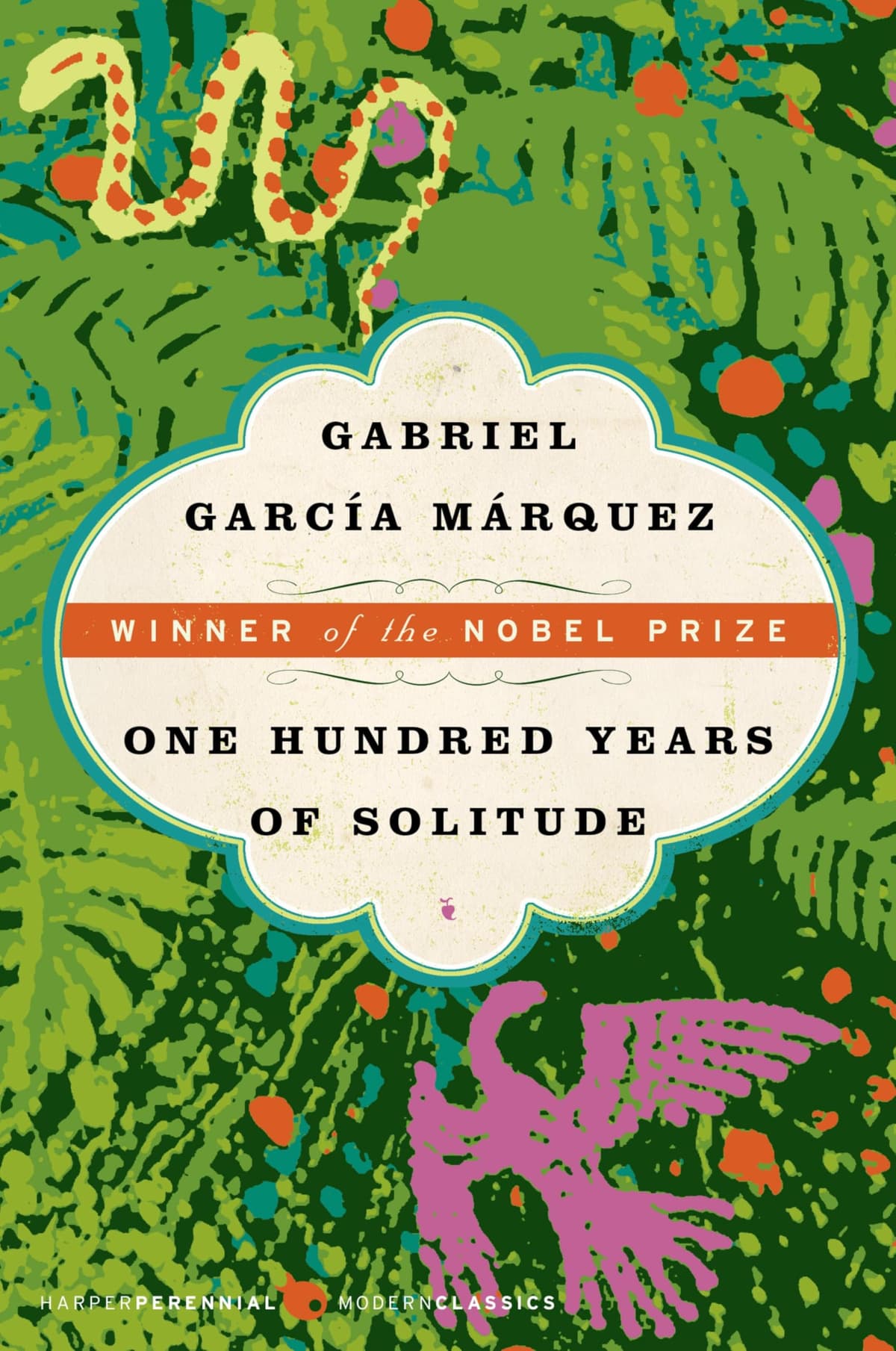 #5View Book
One Hundred Years of Solitude
Gabriel García Márquez
Moderate•15-20 hours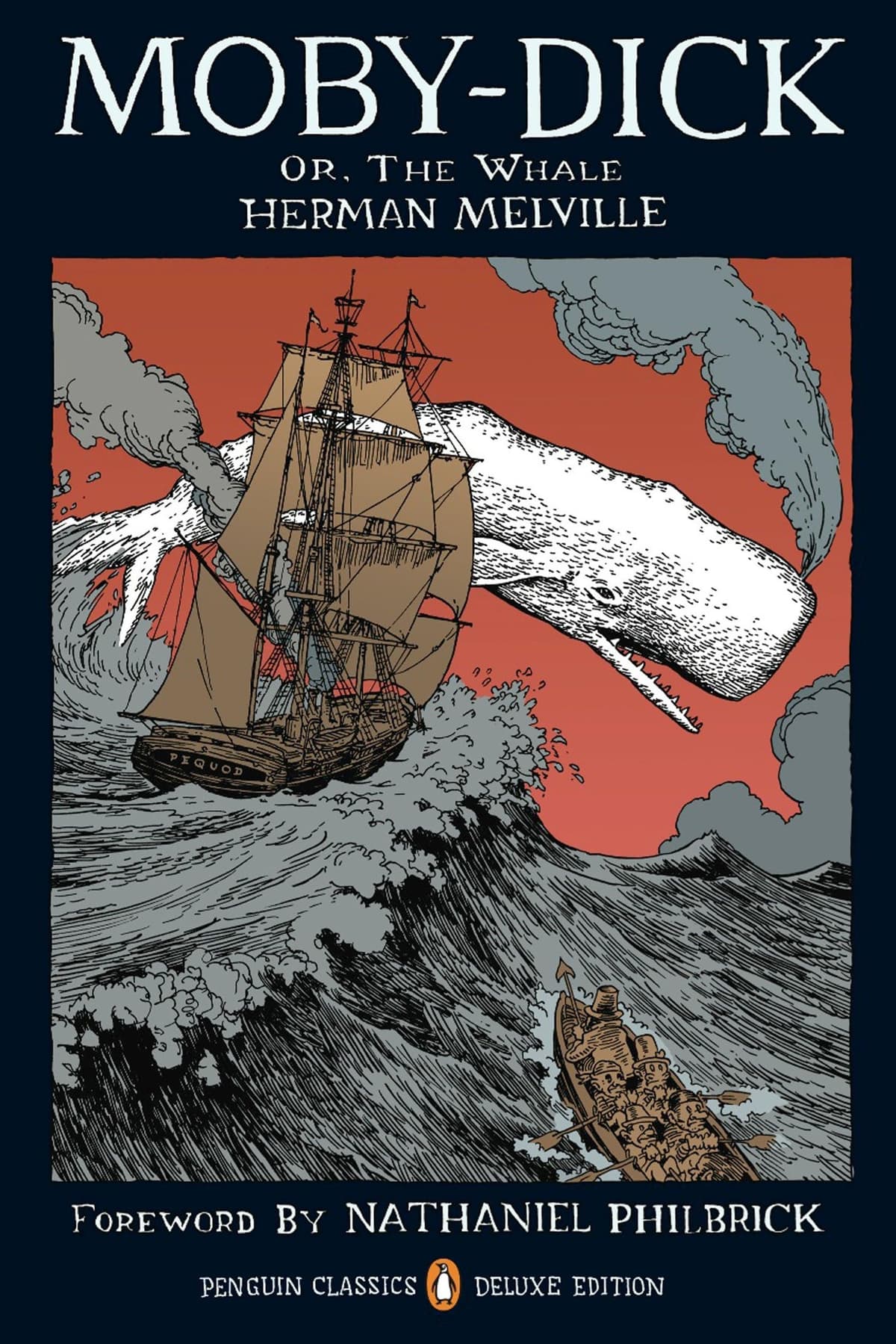 #7View Book
Moby-Dick
Herman Melville
Challenging•20-25 hours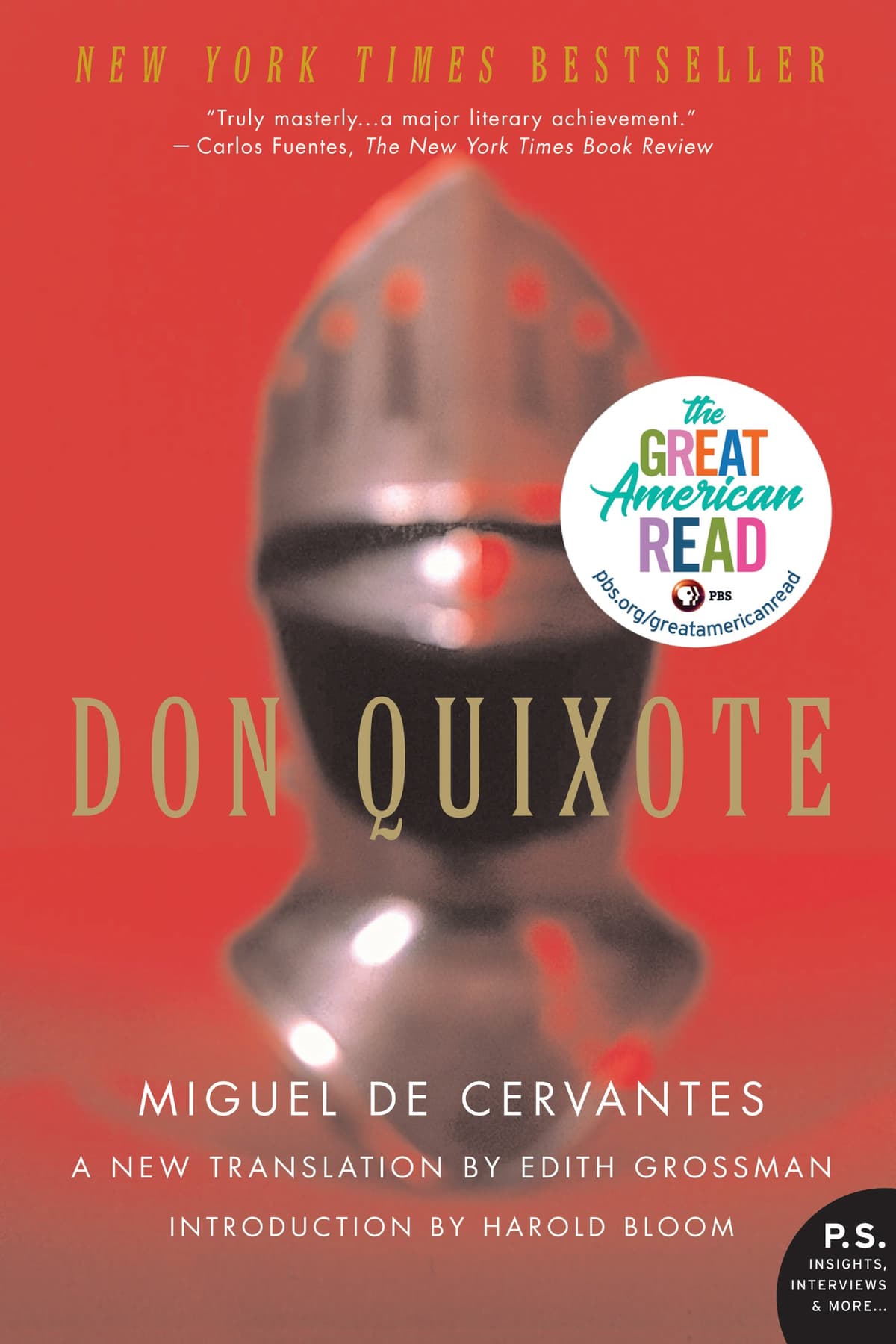 #9View Book
Don Quixote
Miguel de Cervantes
High•35-40 hours
Browse more collections