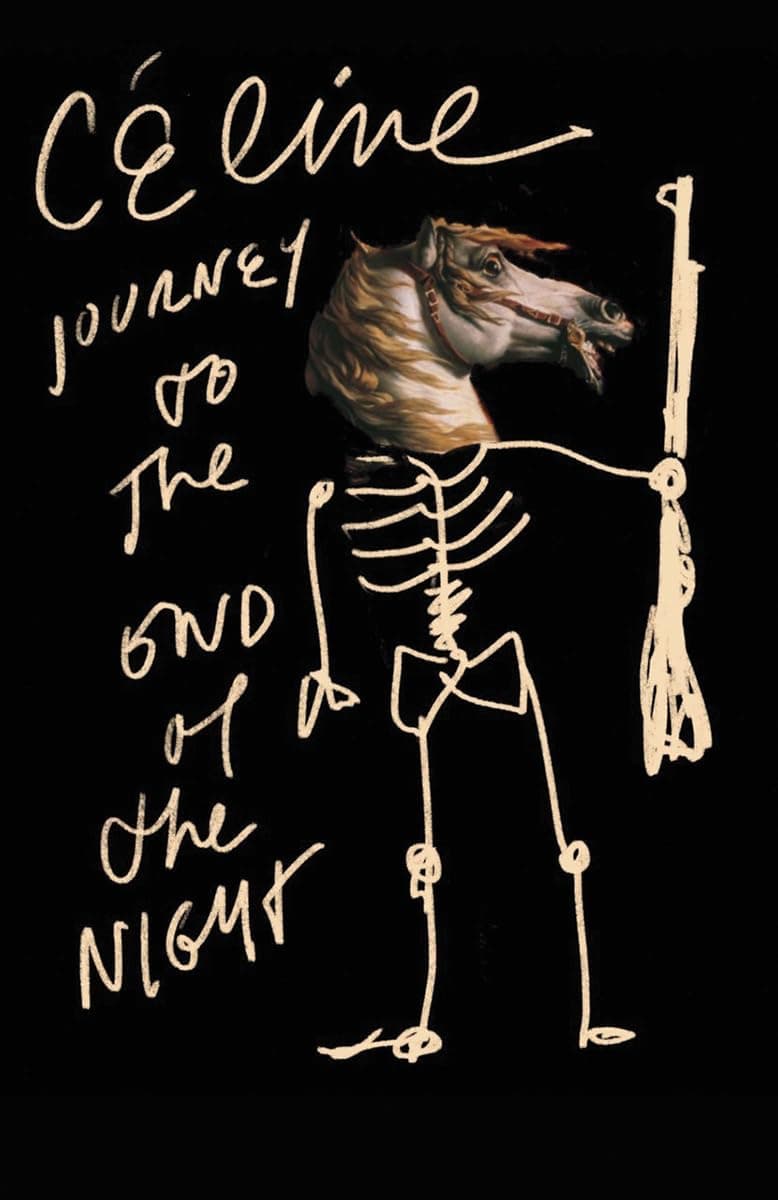
Journey to the End of the Night
“The truth is an endless death agony. The truth is death. You have to choose: death or lies.”
Journey to the End of the Night Summary
Ferdinand Bardamu is a young medical student in Paris when, on a whim, he enlists in the French army at the outbreak of World War I. What follows is a picaresque odyssey through every circle of the twentieth century's particular hell: the mud and slaughter of the Western Front, the fevered jungles of colonial Africa, the assembly lines of Ford's Detroit, and finally the slums of suburban Paris, where Bardamu practices medicine among the poor and the dying.
Céline's prose is a controlled explosion—a torrent of slang, ellipses, and furious colloquial energy that shattered the conventions of literary French. Bardamu is a coward, a cynic, and a misanthrope, yet his voice is so raw and so alive that it pulls you through the darkness like a hand gripping your collar. This is not a novel that describes despair; it is despair given a voice, a rhythm, and a savage, bitter humor that makes you laugh even as you recoil.
Why Read Journey to the End of the Night?
Céline did something that had never been done before: he brought the sound of the spoken street into the literary novel and made it sing. Before Journey to the End of the Night, French prose was a formal affair—elegant, measured, classical. Céline detonated that tradition with a voice so raw, so rhythmic, so furiously alive that it changed the possibilities of fiction in every language. Without Céline, there is no Bukowski, no Henry Miller, no Irvine Welsh.
The novel is also one of the most unflinching portraits of the twentieth century ever written. Céline drags you through war, imperialism, capitalism, and poverty with a nihilist's eye and a poet's ear. It is not a comfortable read—Bardamu's worldview is bleak to the point of suffocation—but its honesty is devastating. If you want to understand the dark side of modernity, the side that the optimists prefer to ignore, this is the book that will not let you look away.
About Louis-Ferdinand Céline
Louis-Ferdinand Céline (1894–1961) was the pen name of Louis-Ferdinand Destouches, a French doctor and novelist whose literary genius is inseparable from his moral catastrophe. A decorated veteran of World War I, he practiced medicine in the slums of Paris while writing the novels that would revolutionize French prose.
Journey to the End of the Night made him famous overnight, but his legacy was shattered by the virulently antisemitic pamphlets he published in the late 1930s and his collaboration with the Vichy regime. After the war, he was imprisoned and exiled to Denmark before eventually returning to France. Céline remains one of literature's most troubling figures—a writer of transcendent talent and despicable convictions, whose influence on modern prose is undeniable even by those who abhor the man.
Reading Guide
Ranked #47 among the greatest books of all time, Journey to the End of the Night by Louis-Ferdinand Céline has earned its place in the literary canon. Originally written in French and published in 1932, this challenging read from France continues to resonate with readers today.
This book belongs to our Modern Mind collection, where you can discover more books that share its spirit and themes.
If you enjoy challenging reads like this one, you might also like Ulysses, Moby-Dick, or Lolita.
From the Modern Mind Collection
If you enjoyed Journey to the End of the Night, discover more masterpieces that share its spirit.
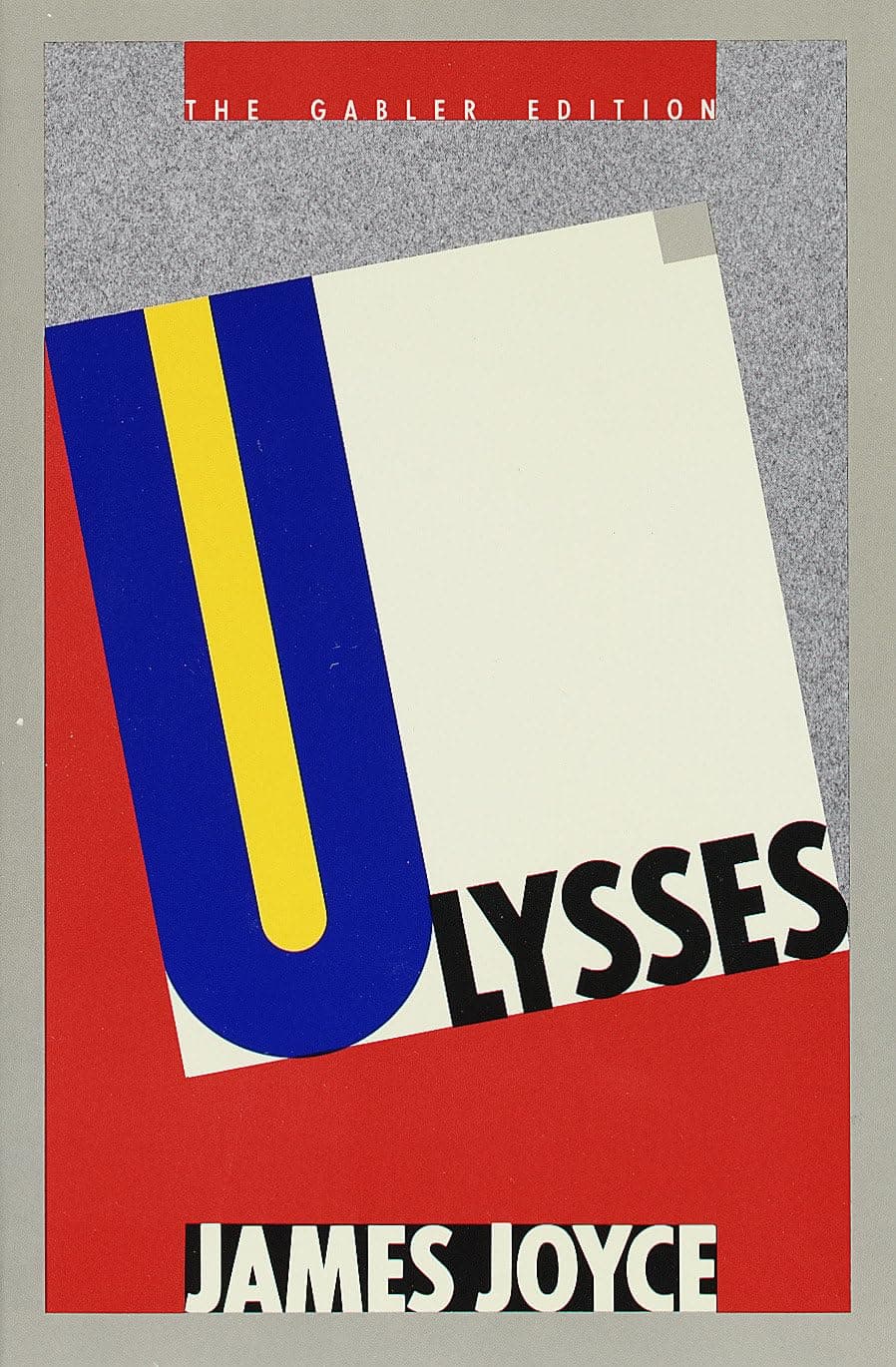 #1View Book
Ulysses
James Joyce
Challenging•35-40 hours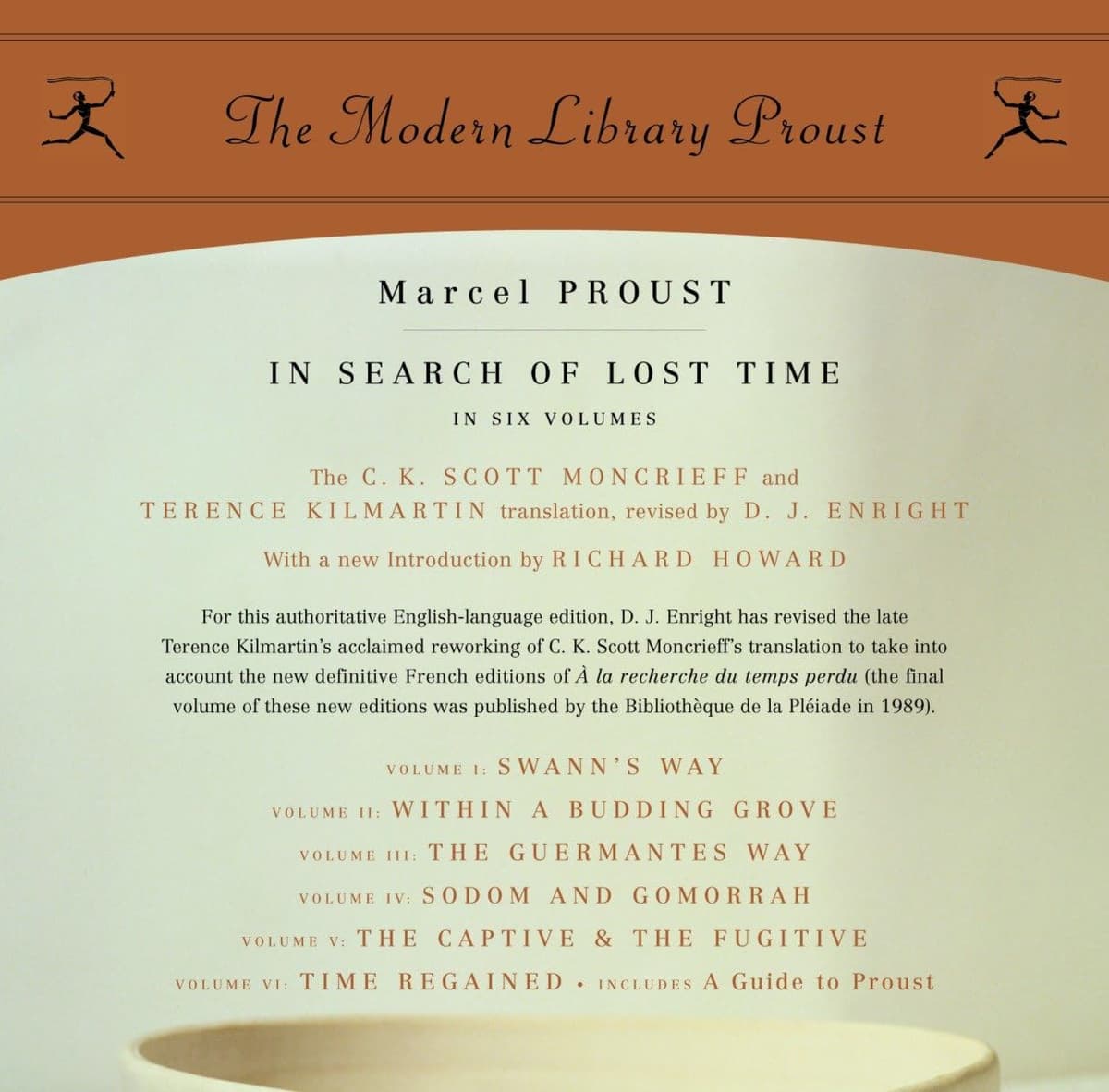 #2View Book
In Search of Lost Time
Marcel Proust
High•100+ hours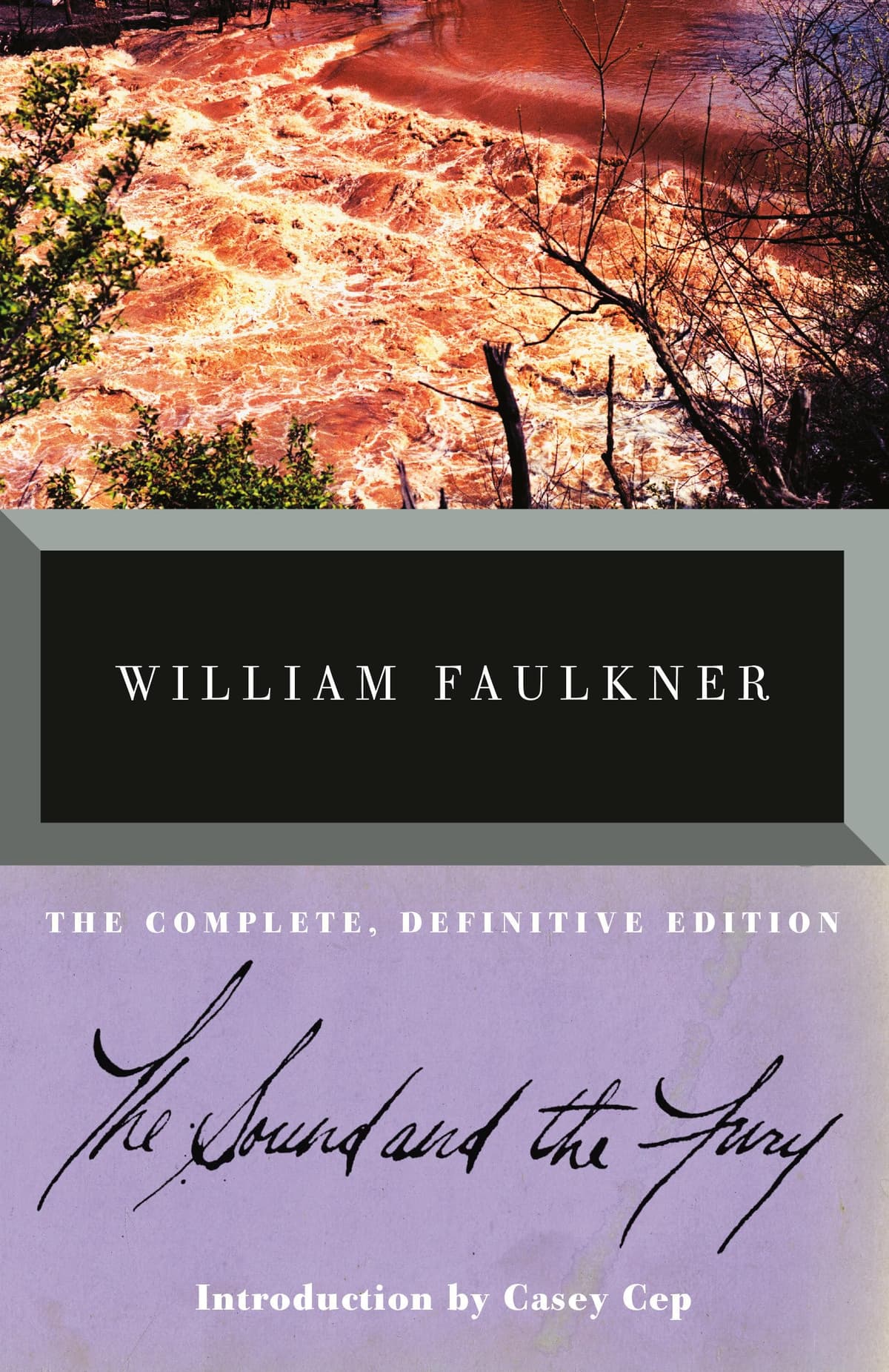 #8View Book
The Sound and the Fury
William Faulkner
Very High•12-15 hours #13View Book
Lolita
Vladimir Nabokov
Challenging•12-15 hours
Browse more collections