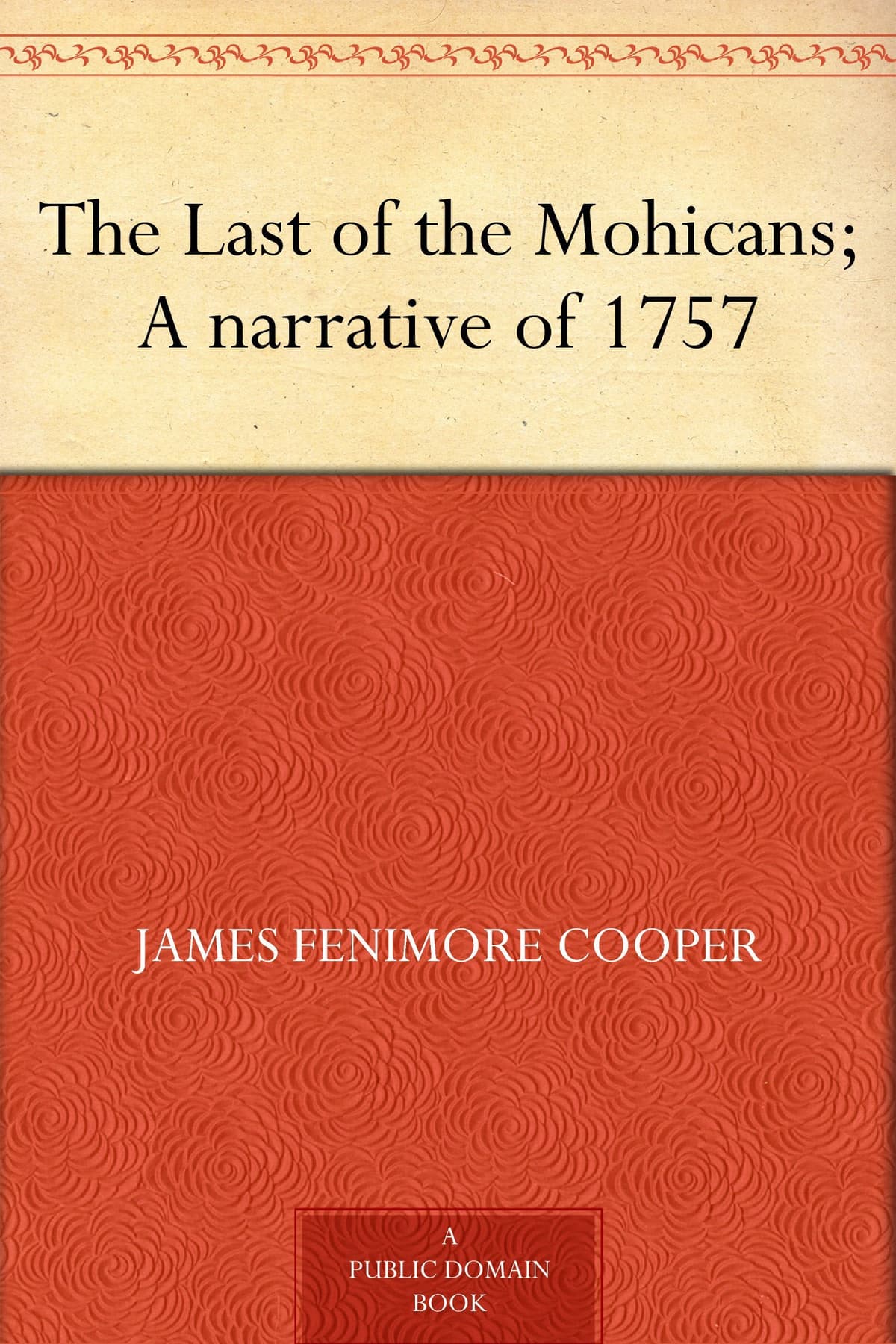
The Last of the Mohicans
“The pale-faces are masters of the earth, and the time of the red-men has not yet come again.”
The Last of the Mohicans Summary
Set during the French and Indian War of 1757, The Last of the Mohicans follows the perilous journey of Cora and Alice Munro, daughters of a British colonel, as they attempt to reach their father at Fort William Henry through the treacherous wilderness of upstate New York. Their escort, the pompous British officer Major Duncan Heyward and the hapless psalmist David Gamut, proves woefully inadequate to the dangers of the forest. The party is guided by the Huron renegade Magua, who harbors a secret vendetta against Colonel Munro and leads them into an ambush. They are rescued by Hawkeye, the frontier scout also known as Natty Bumppo, and his two Mohican companions, the aging chief Chingachgook and his son Uncas, the last of the Mohican line. What follows is a relentless sequence of captures, escapes, sieges, pursuits, and battles through forests, caves, and across lakes, culminating in a devastating final confrontation that claims the lives of several central characters and seals the doom of the Mohican people.
James Fenimore Cooper's novel is one of the foundational texts of American literature, a work that established the frontier romance as a genre and created in Hawkeye one of the earliest and most enduring figures of American mythology: the solitary woodsman caught between civilization and wilderness, European and Native American worlds. The novel's portrayal of Native Americans is deeply ambivalent, trafficking in the stereotypes of noble and ignoble savages even as it mourns the destruction of indigenous peoples with genuine grief. Cooper's prose, famously criticized by Mark Twain, can be ornate and stilted, yet his gift for suspenseful action and his evocation of the vast, dangerous American wilderness retain their power. The novel's elegiac vision of a vanishing world and its meditation on race, honor, and cultural extinction make it a complex and essential document of the American imagination.
Why Read The Last of the Mohicans?
The Last of the Mohicans is one of those books that has shaped the American imagination so profoundly that its images and archetypes are everywhere, even if you have never read it. The lone frontiersman, the vast and dangerous wilderness, the clash of civilizations, the doomed nobility of a vanishing people: these are the building blocks of American mythology, and Cooper assembled them here first. Reading the novel itself, rather than absorbing its influence secondhand, gives you access to the complexity and contradictions that popular adaptations smooth away. You will encounter a story of genuine suspense and emotional power, driven by one harrowing episode after another through a landscape rendered with vivid, almost cinematic force.
You should also read this novel because it forces you to grapple with the uncomfortable truths at the heart of American expansion. Cooper simultaneously romanticizes and mourns the Native Americans his culture was displacing, creating portraits that are by turns stereotypical and deeply sympathetic. The novel's tragic conclusion, its vision of an entire people passing into extinction, carries an emotional weight that transcends its era's limitations. If you wish to understand how America told itself stories about its own origins, about race, wilderness, violence, and destiny, this is an indispensable starting point.
About James Fenimore Cooper
James Fenimore Cooper was born in 1789 in Burlington, New Jersey, and grew up on the vast frontier estate his father had established in Cooperstown, New York, at the edge of the wilderness that would furnish the settings of his most famous novels. He attended Yale but was expelled for misconduct, served briefly in the Navy, and married into a wealthy family before turning to writing almost by accident, reportedly telling his wife he could produce a better novel than the one she was reading aloud. His second novel, The Spy, became the first American bestseller, and the Leatherstocking Tales, the five novels featuring Natty Bumppo, established him as the first major American novelist.
Cooper's literary legacy is complex. He was the most popular and internationally celebrated American writer of his generation, read avidly across Europe and credited by Balzac and others with creating a genuinely American literature. His influence on the adventure novel, the Western, and the mythology of the American frontier is immeasurable. Yet his prose style attracted devastating criticism, most famously from Mark Twain, whose essay on Cooper's literary offenses remains one of the great works of comic literary demolition. Cooper was also a contentious public figure who sued newspapers for libel and alienated many contemporaries. He died in 1851, and his reputation has fluctuated widely since, though The Last of the Mohicans and The Deerslayer endure as essential texts of the American canon.
Reading Guide
Ranked #493 among the greatest books of all time, The Last of the Mohicans by James Fenimore Cooper has earned its place in the literary canon. Originally written in English and published in 1826, this moderate read from United States continues to resonate with readers today.
This book belongs to our American Spirit collection, where you can discover more books that share its spirit and themes.
If you enjoy moderate reads like this one, you might also like One Hundred Years of Solitude, Nineteen Eighty-Four, or Wuthering Heights.
From the American Spirit Collection
If you enjoyed The Last of the Mohicans, discover more masterpieces that share its spirit.
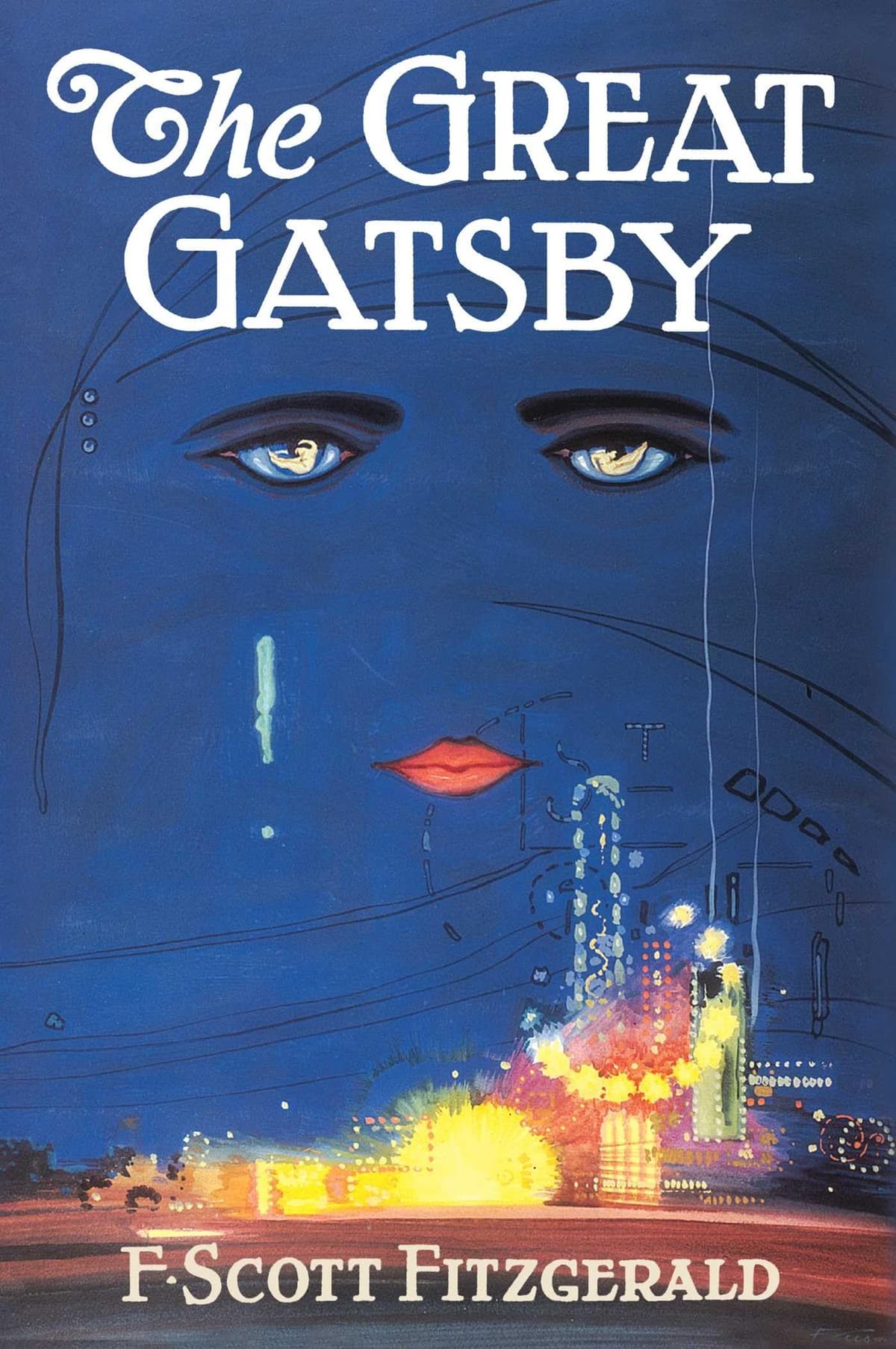 #3View Book
The Great Gatsby
F. Scott Fitzgerald
Accessible•5-6 hours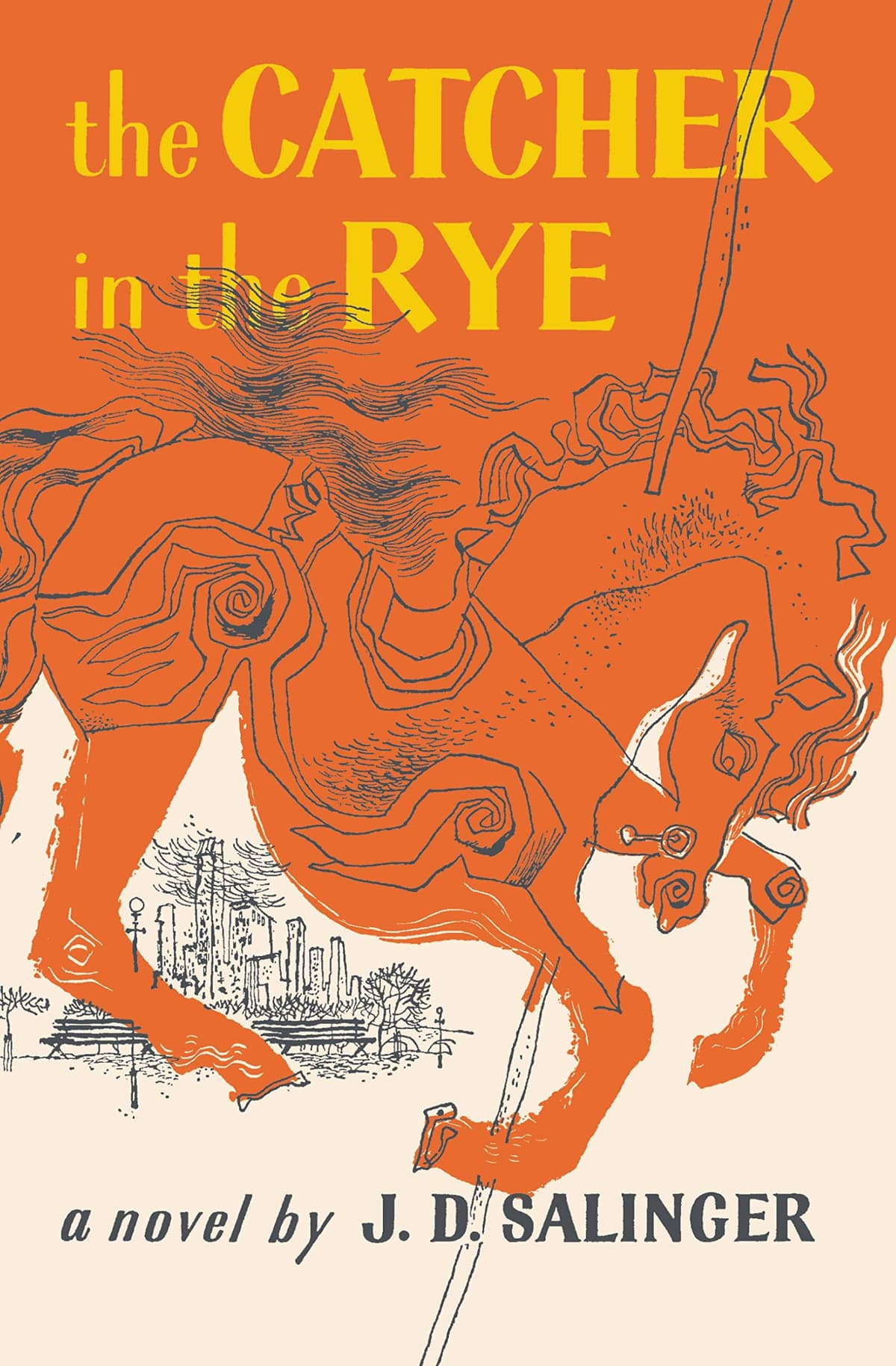 #4View Book
The Catcher in the Rye
J. D. Salinger
Accessible•6-8 hours #13View Book
Lolita
Vladimir Nabokov
Challenging•12-15 hours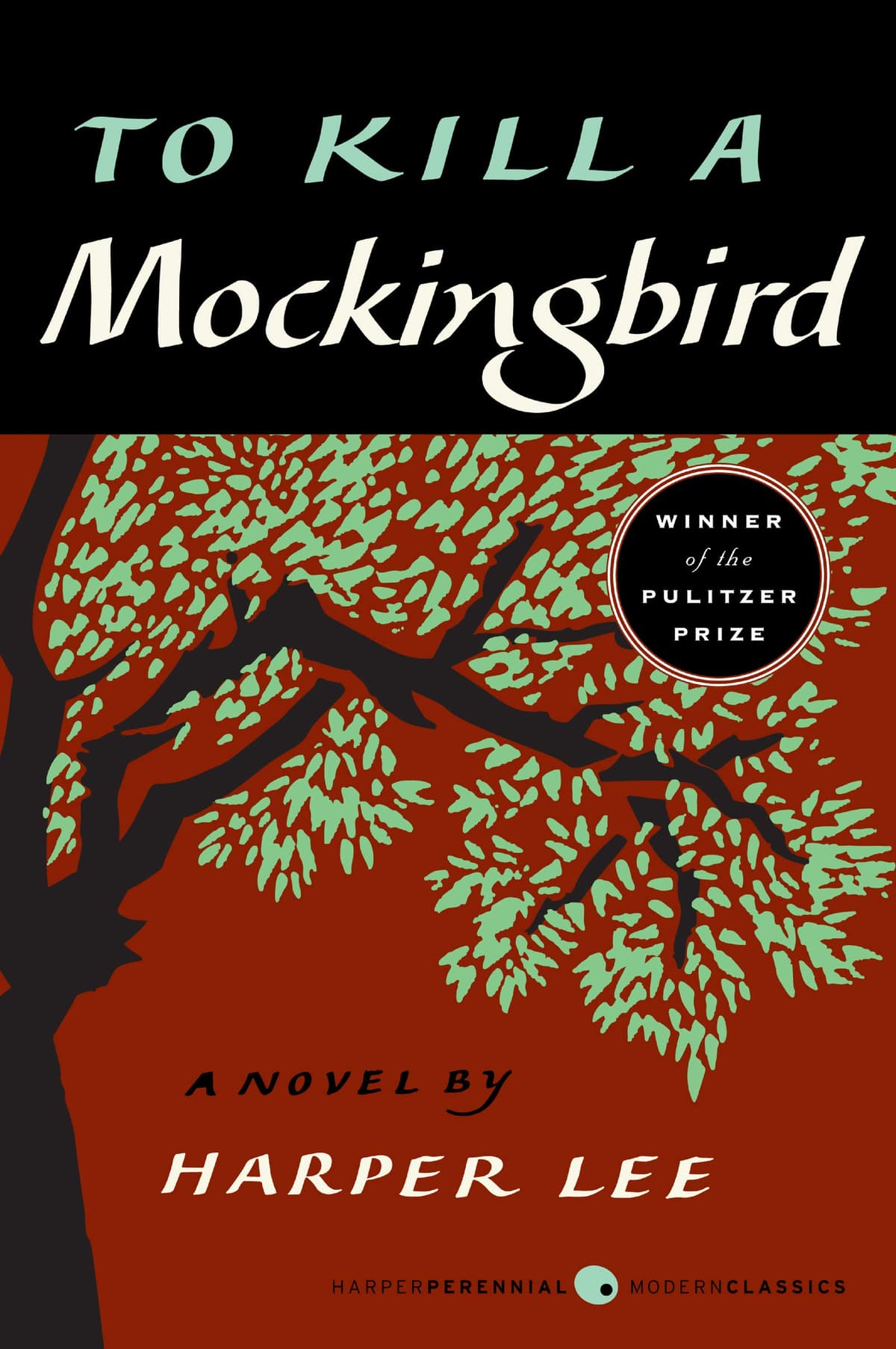 #17View Book
To Kill a Mockingbird
Harper Lee
Accessible•8-10 hours
Browse more collections