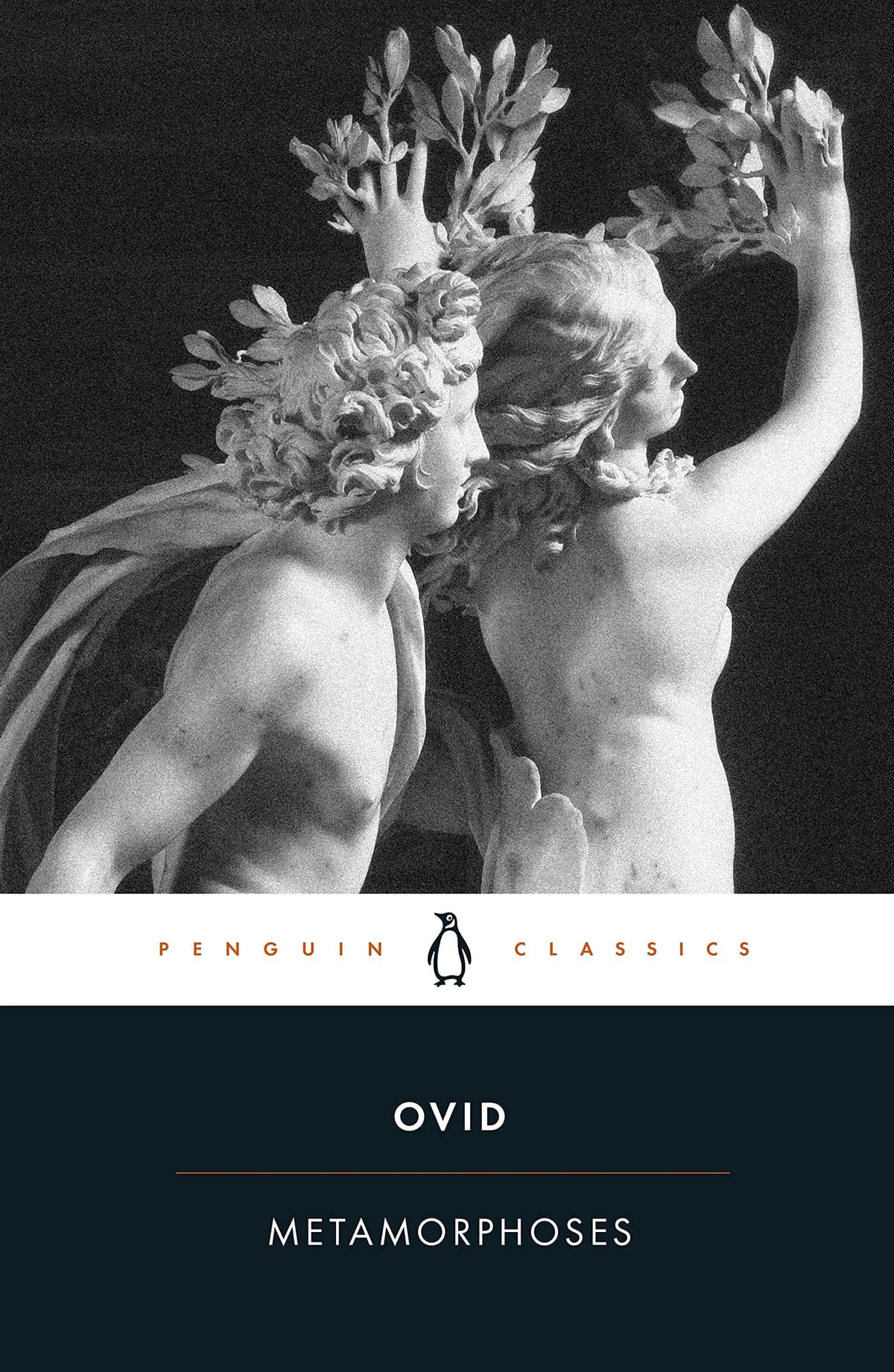
Metamorphoses
“In nova fert animus mutatas dicere formas / corpora—My mind is bent to tell of bodies changed into new forms.”
Metamorphoses Summary
Ovid's Metamorphoses is a dazzling, shape-shifting epic poem that weaves together more than two hundred and fifty myths into a single continuous narrative—from the creation of the cosmos out of primordial chaos to the deification of Julius Caesar. Gods pursue nymphs across forests, mortals are punished and rewarded with transformations into trees, rivers, spiders, and stars. Daphne becomes a laurel to escape Apollo's desire. Narcissus wastes away gazing at his own reflection. Icarus plummets from the sky on wings of wax. Each tale bleeds into the next with breathtaking fluidity, bound together by the great theme announced in the poem's opening line: change.
What makes the Metamorphoses extraordinary is not merely its encyclopedic scope but its tonal range—Ovid moves from cosmic grandeur to dark horror to sly comedy, sometimes within a single episode. His universe is one of radical instability, where identity is never fixed and the boundary between human and animal, mortal and divine, dissolves at the touch of a god's hand. The poem became the single most important source of classical mythology for the Western world, feeding the imaginations of Dante, Shakespeare, Titian, and Bernini. It is a poem about the only constant in the universe: that everything changes, and yet through art—through the act of telling stories—something endures.
Why Read Metamorphoses?
If you have ever encountered a painting of a woman turning into a tree, a sculpture of a man reaching for water that retreats from his lips, or a poem about a boy falling from the sky, you have already been touched by Ovid's Metamorphoses. This is the source code of Western mythology—the single book from which more art, literature, opera, and sculpture has been drawn than perhaps any other. To read it is to suddenly understand the references that permeate our culture.
But the Metamorphoses is far more than a reference library. Ovid writes with a wit, sensuality, and psychological acuity that feel startlingly modern. His gods are petty and passionate, his mortals dignified and doomed, and his narrative technique—stories nested within stories, perspectives shifting like light through water—anticipates the most sophisticated experiments of the modern novel. You will find yourself moved, horrified, and delighted, often on the same page.
About Ovid
Publius Ovidius Naso (43 BCE–17/18 CE) was born in Sulmo, east of Rome, to a prosperous equestrian family. Educated in rhetoric and law, he abandoned a legal career to pursue poetry, quickly becoming the most popular and fashionable poet in Augustan Rome. His early works—the Amores, Ars Amatoria, and Heroides—established him as the supreme poet of love and desire. In 8 CE, Augustus exiled him to Tomis on the Black Sea for reasons that remain mysterious, possibly related to the emperor's moral legislation or a political scandal.
Ovid never returned to Rome, dying in exile after a decade of writing elegiac pleas for forgiveness. Yet his literary legacy proved indestructible. The Metamorphoses became the most widely read classical poem of the Middle Ages and Renaissance, shaping the work of Chaucer, Shakespeare, Milton, and countless painters and sculptors. His influence on Western art is arguably greater than that of any other ancient writer—he gave the world its myths in their most vivid, enduring form.
Reading Guide
Ranked #176 among the greatest books of all time, Metamorphoses by Ovid has earned its place in the literary canon. Originally written in Latin and published in 8 CE, this moderate read from Rome (Ancient) continues to resonate with readers today.
This book belongs to our Epics and Love & Loss collections, where you can discover more books that share its spirit and themes.
If you enjoy moderate reads like this one, you might also like One Hundred Years of Solitude, Nineteen Eighty-Four, or Wuthering Heights.
From the Epics Collection
If you enjoyed Metamorphoses, discover more masterpieces that share its spirit.
 #1View Book
Ulysses
James Joyce
Challenging•35-40 hours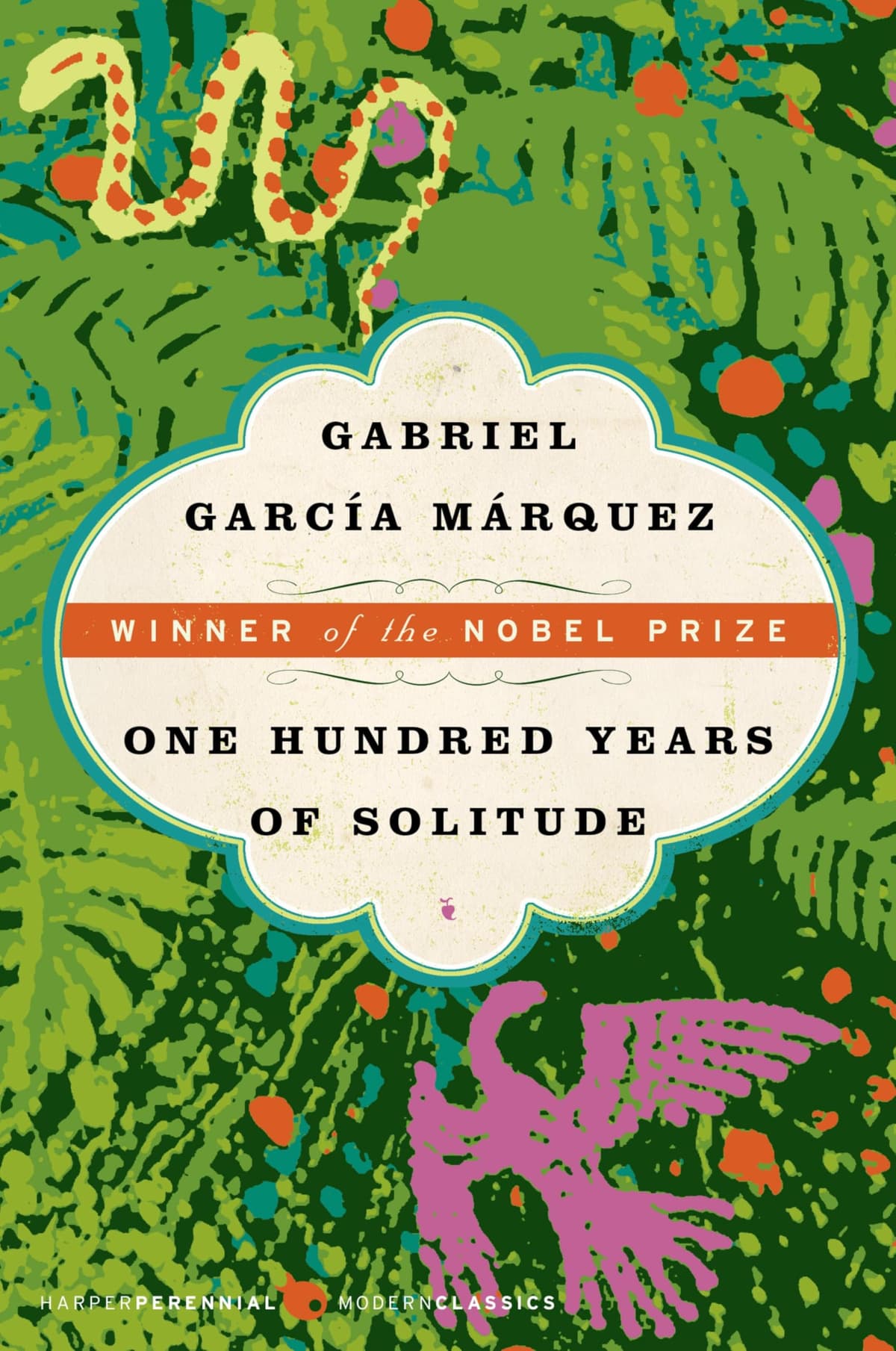 #5View Book
One Hundred Years of Solitude
Gabriel García Márquez
Moderate•15-20 hours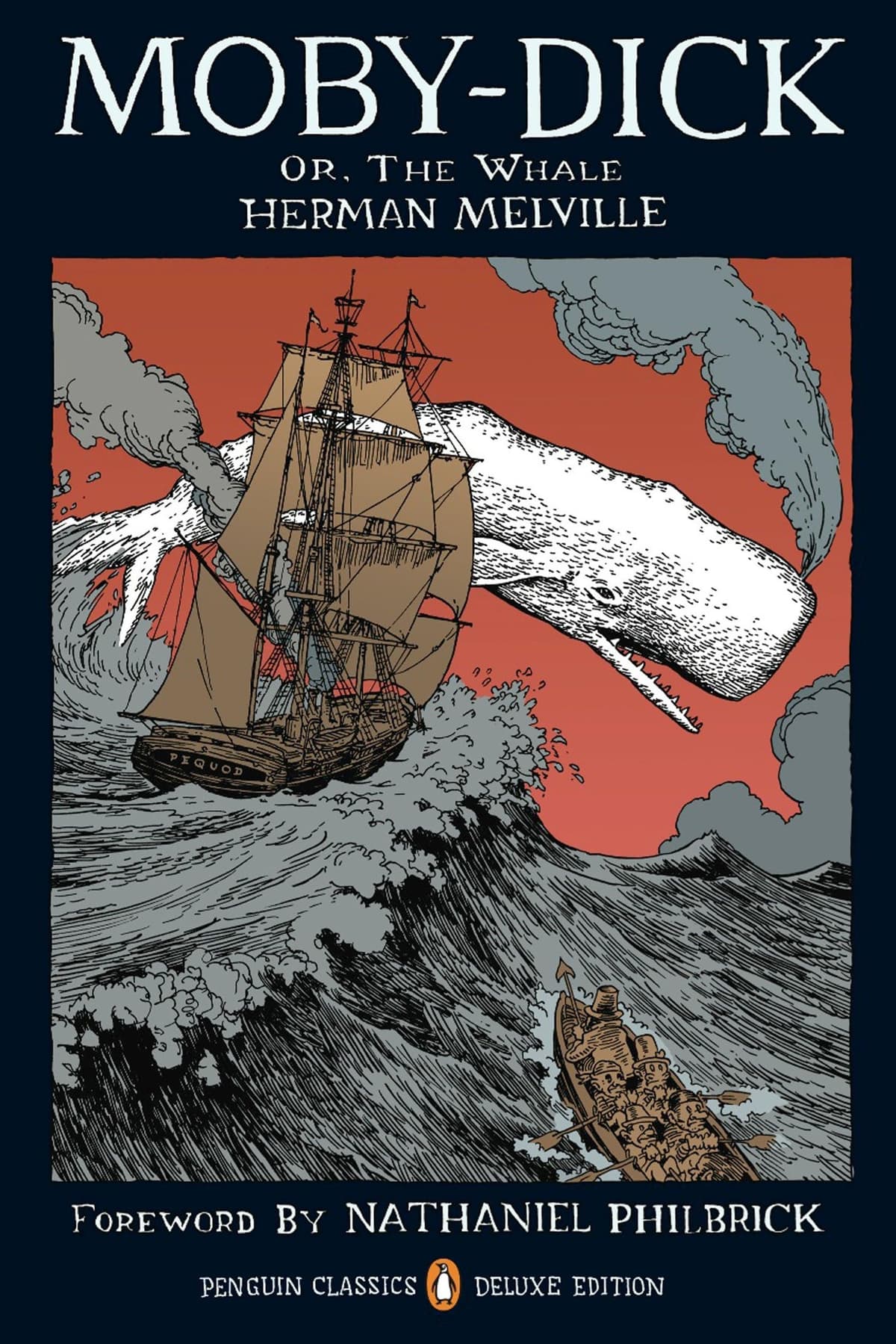 #7View Book
Moby-Dick
Herman Melville
Challenging•20-25 hours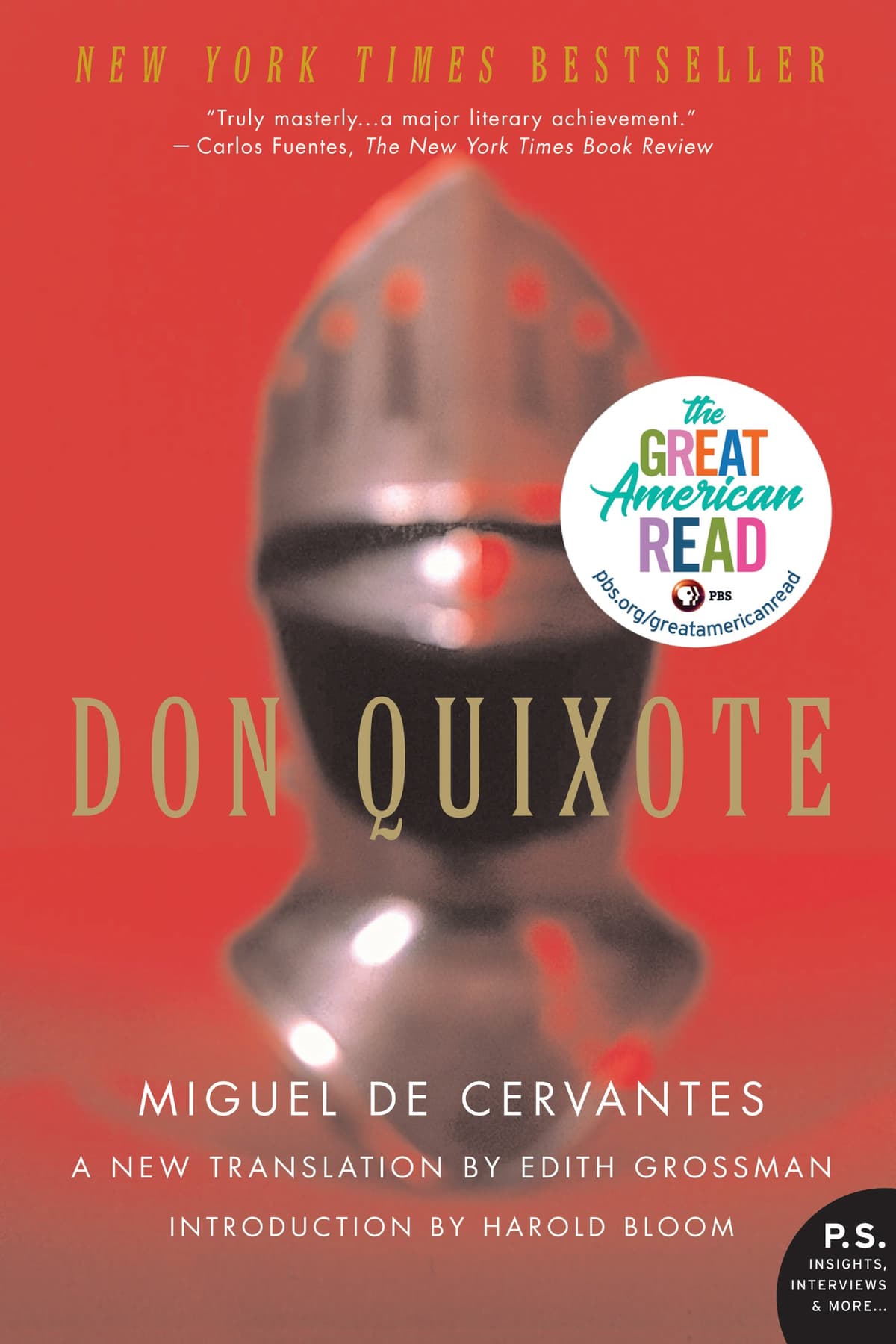 #9View Book
Don Quixote
Miguel de Cervantes
High•35-40 hours
Browse more collections