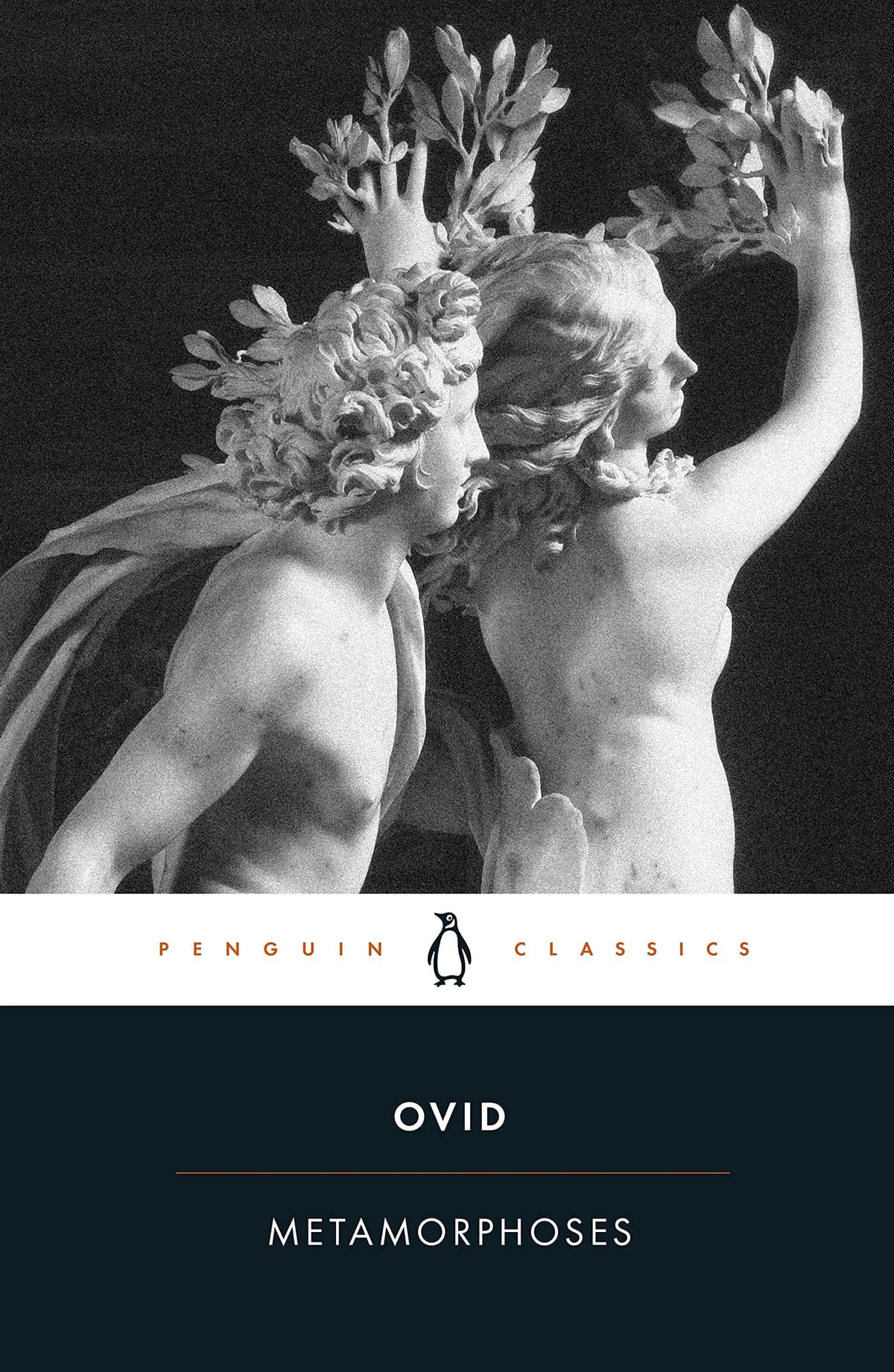
A Room of One's Own
“A woman must have money and a room of her own if she is to write fiction.”
A Room of One's Own Summary
Virginia Woolf's A Room of One's Own began as two lectures delivered at Cambridge in 1928 and became one of the most important feminist texts of the twentieth century. Woolf's argument is deceptively simple: a woman must have money and a room of her own if she is to write fiction. From this premise, she spins a luminous, discursive essay that moves between literary history, social critique, and pure invention—imagining, most memorably, the fate of Shakespeare's equally gifted sister Judith, who, born with the same genius but denied education, independence, and opportunity, would have ended in madness or death.
The essay is a masterclass in the art of persuasion through indirection. Woolf does not lecture or hector; she meanders, speculates, and dramatizes, inviting the reader to walk beside her as she visits the British Museum, dines at a women's college on inferior food, and traces the history of women's writing from the anonymous ballads of the Middle Ages to the novels of Jane Austen and the Brontës. Her prose is at once playful and devastating—she dismantles centuries of patriarchal assumptions with the lightest of touches. The result is not merely a polemic but a work of art, a demonstration that the freedom she advocates is already bearing fruit in the very sentences she writes.
Why Read A Room of One's Own?
This is the essay that changed the conversation about women and creativity forever. In fewer than forty thousand words, Woolf demolishes the myth that women's absence from literary history reflects a lack of talent rather than a lack of opportunity. Her invention of Judith Shakespeare—William's imaginary sister, born with equal genius but crushed by circumstance—is one of the most devastating thought experiments in all of literature. Her argument is as urgent now as it was in 1929—wherever creative voices are silenced by poverty, prejudice, or the simple lack of a locked door, Woolf's words apply.
But A Room of One's Own is far more than a political document. It is one of the most beautiful pieces of prose Woolf ever wrote—witty, imaginative, and structurally daring. She thinks on the page, following the movement of her own mind with a freedom that enacts the very independence she champions. The essay refuses to separate form from argument; its elegance is itself a proof of what women can achieve when given the space to work. You will finish it in an afternoon and carry its ideas for a lifetime.
About Virginia Woolf
Virginia Woolf (1882–1941) was born Adeline Virginia Stephen into a prominent London literary family. Her father, Sir Leslie Stephen, was a distinguished man of letters; her home was filled with books and visited by the leading intellectuals of the age. Educated at home rather than at university—a fact she resented and explored throughout her work—she became a central figure in the Bloomsbury Group, the circle of writers, artists, and intellectuals that defined English modernism. With her husband Leonard, she founded the Hogarth Press, which published works by T. S. Eliot, Katherine Mansfield, and Freud in English translation.
Woolf's novels—Mrs Dalloway, To the Lighthouse, Orlando, The Waves—pioneered stream-of-consciousness technique and explored the inner lives of her characters with unprecedented subtlety. Her essays and criticism, including A Room of One's Own and Three Guineas, established her as one of the century's most incisive cultural commentators. She struggled throughout her life with severe bouts of mental illness, and in 1941, fearing the onset of another breakdown, she drowned herself in the River Ouse. Her reputation, eclipsed for decades after her death, has grown steadily; she is now recognized as one of the greatest novelists in the English language and a foundational voice in feminist thought.
Reading Guide
Ranked #177 among the greatest books of all time, A Room of One's Own by Virginia Woolf has earned its place in the literary canon. Originally written in English and published in 1929, this moderate read from United Kingdom continues to resonate with readers today.
This book belongs to our Society & Satire and Modern Mind collections, where you can discover more books that share its spirit and themes.
If you enjoy moderate reads like this one, you might also like One Hundred Years of Solitude, Nineteen Eighty-Four, or Wuthering Heights.
From the Society & Satire Collection
If you enjoyed A Room of One's Own, discover more masterpieces that share its spirit.
 #9View Book
Don Quixote
Miguel de Cervantes
High•35-40 hours #12View Book
Pride and Prejudice
Jane Austen
Accessible•10-12 hours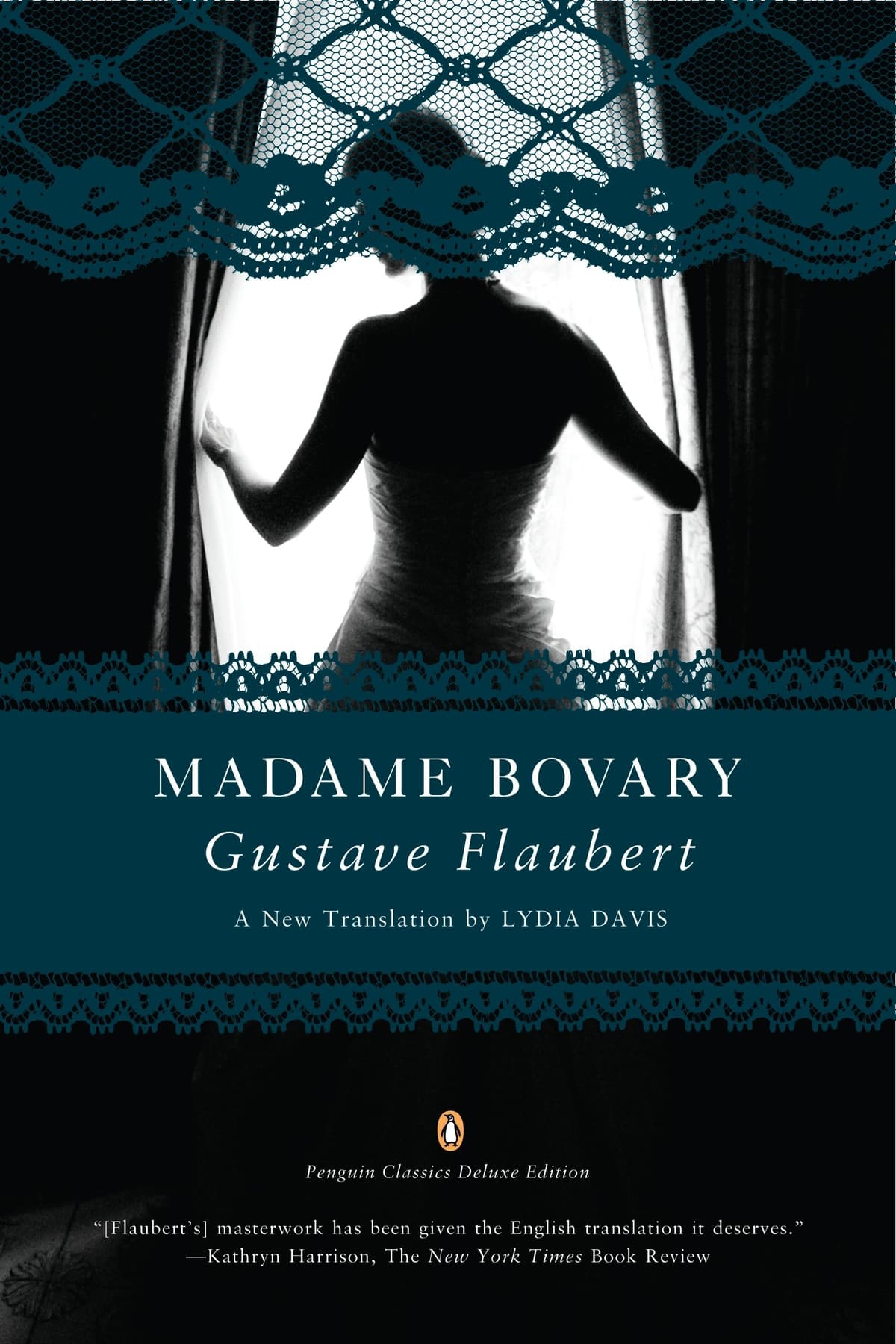 #22View Book
Madame Bovary
Gustave Flaubert
Moderate•12-15 hours #30View Book
Middlemarch
George Eliot
High•30-35 hours
Browse more collections