Society & Satire
Satire is the weapon of the intelligent. It takes the absurdity of the world and magnifies it until we are forced to laugh—and then to think. Combined with the sharp observation of Social Realism, these books hold a mirror up to society, showing us our own flaws in a way that is both entertaining and devastating.
Whether it is Jane Austen skewering the marriage market or George Eliot dissecting the politics of a provincial town, these authors teach us to see through the lies we tell ourselves. They prove that a well-turned phrase can be more dangerous than a bullet.
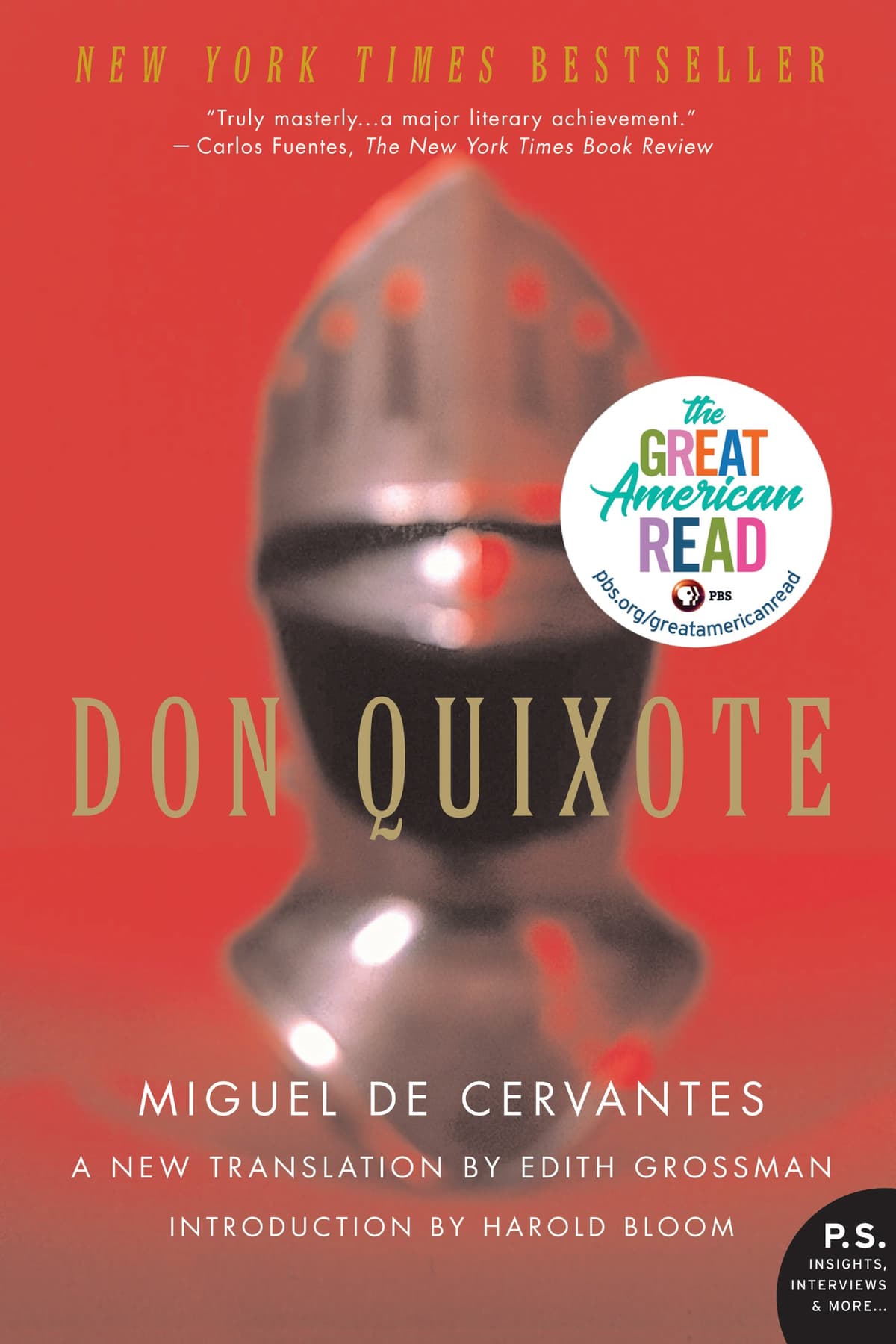
Cervantes' Don Quixote: The knight-errant and Sancho Panza tilt at windmills in the first modern novel. Summary, themes, and where to buy this Spanish classic.
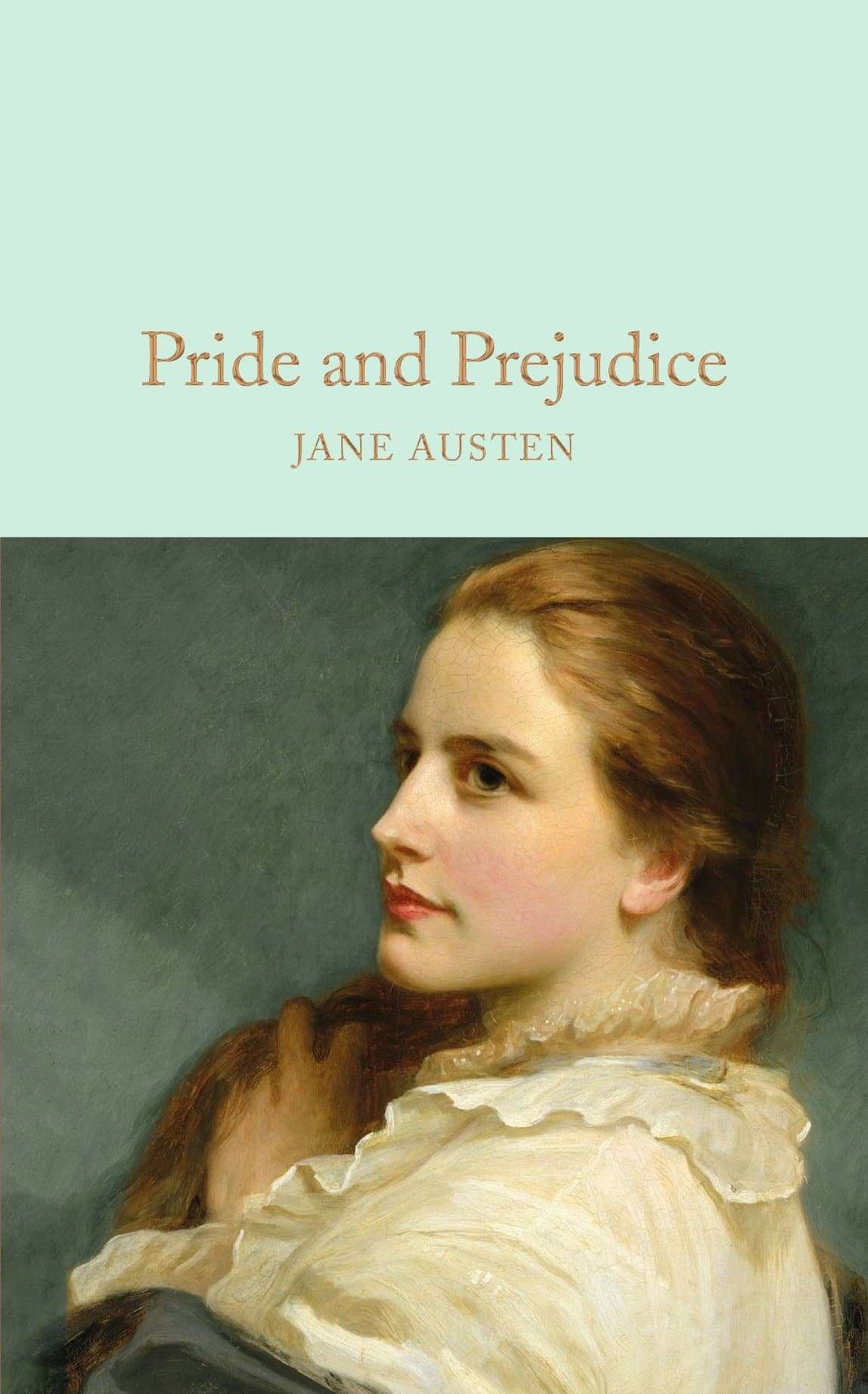
Jane Austen's Pride and Prejudice: Elizabeth Bennet and Mr. Darcy's legendary romance. Regency-era wit and social satire - summary, analysis, and where to buy.
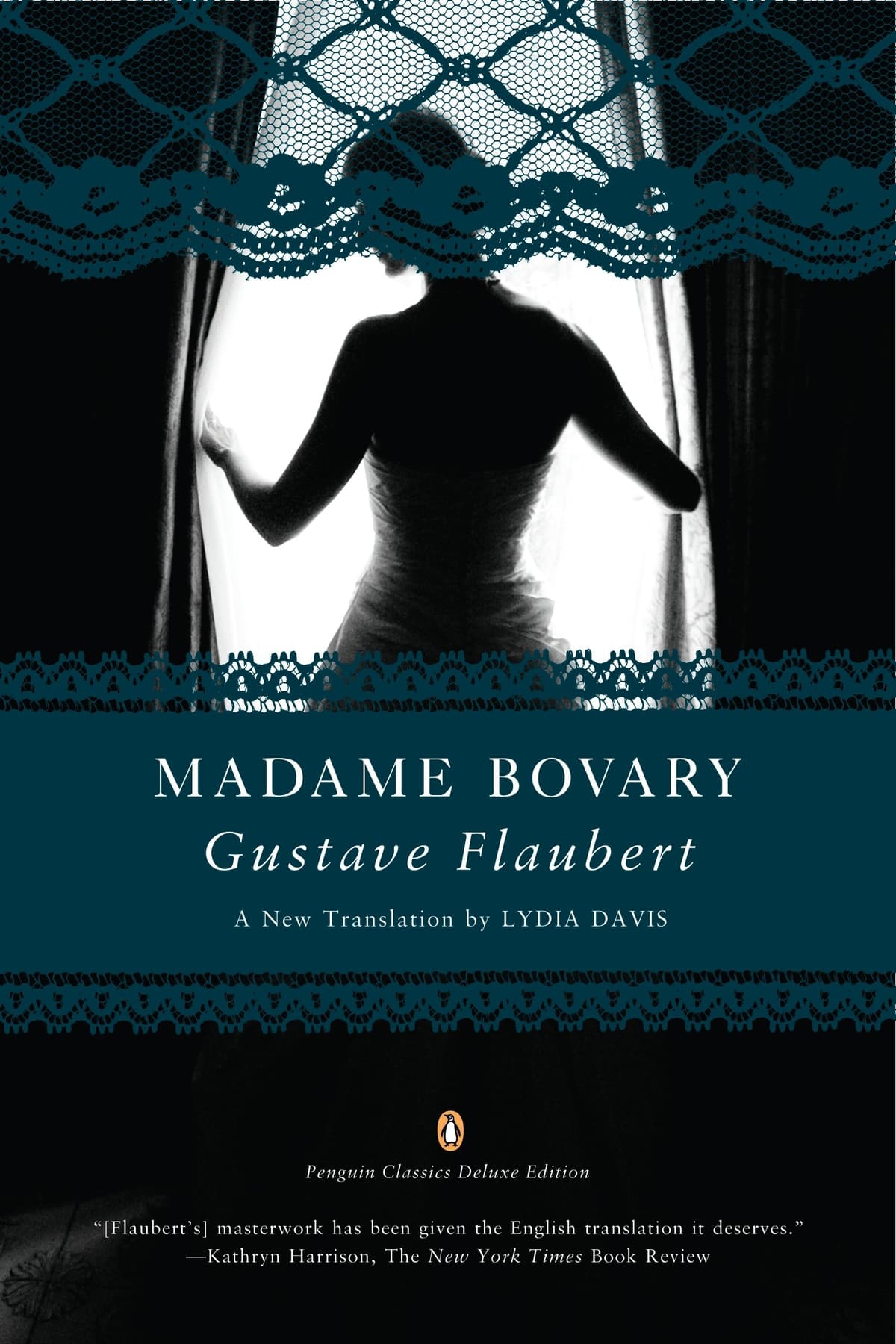
Flaubert's Madame Bovary: Emma Bovary's tragic pursuit of passion in provincial France. The novel that defined Realism - summary, analysis, and where to buy.
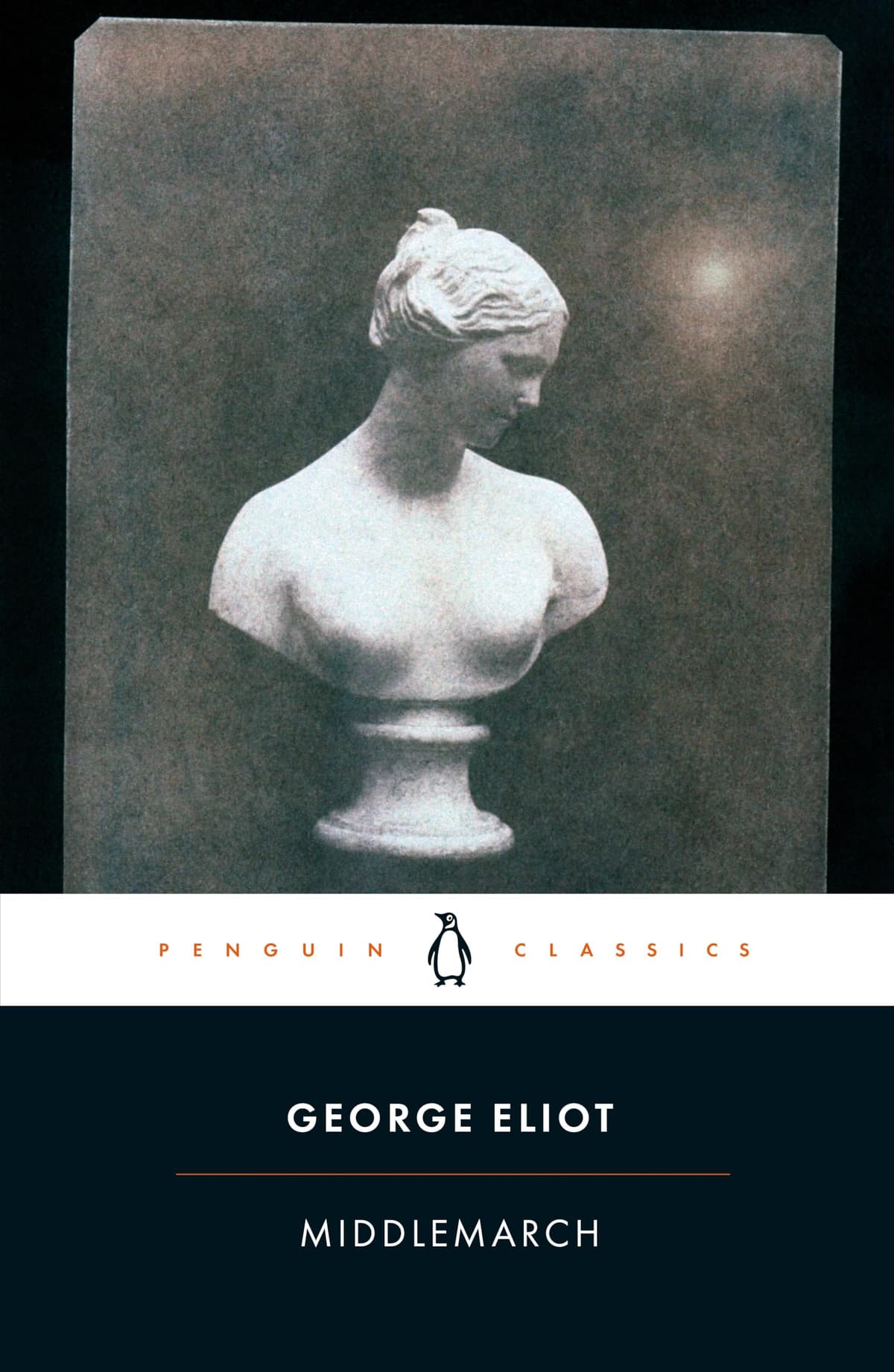
George Eliot's Middlemarch: Dorothea Brooke and Dr. Lydgate in Victorian England. Study of provincial life - summary, characters, and where to buy.
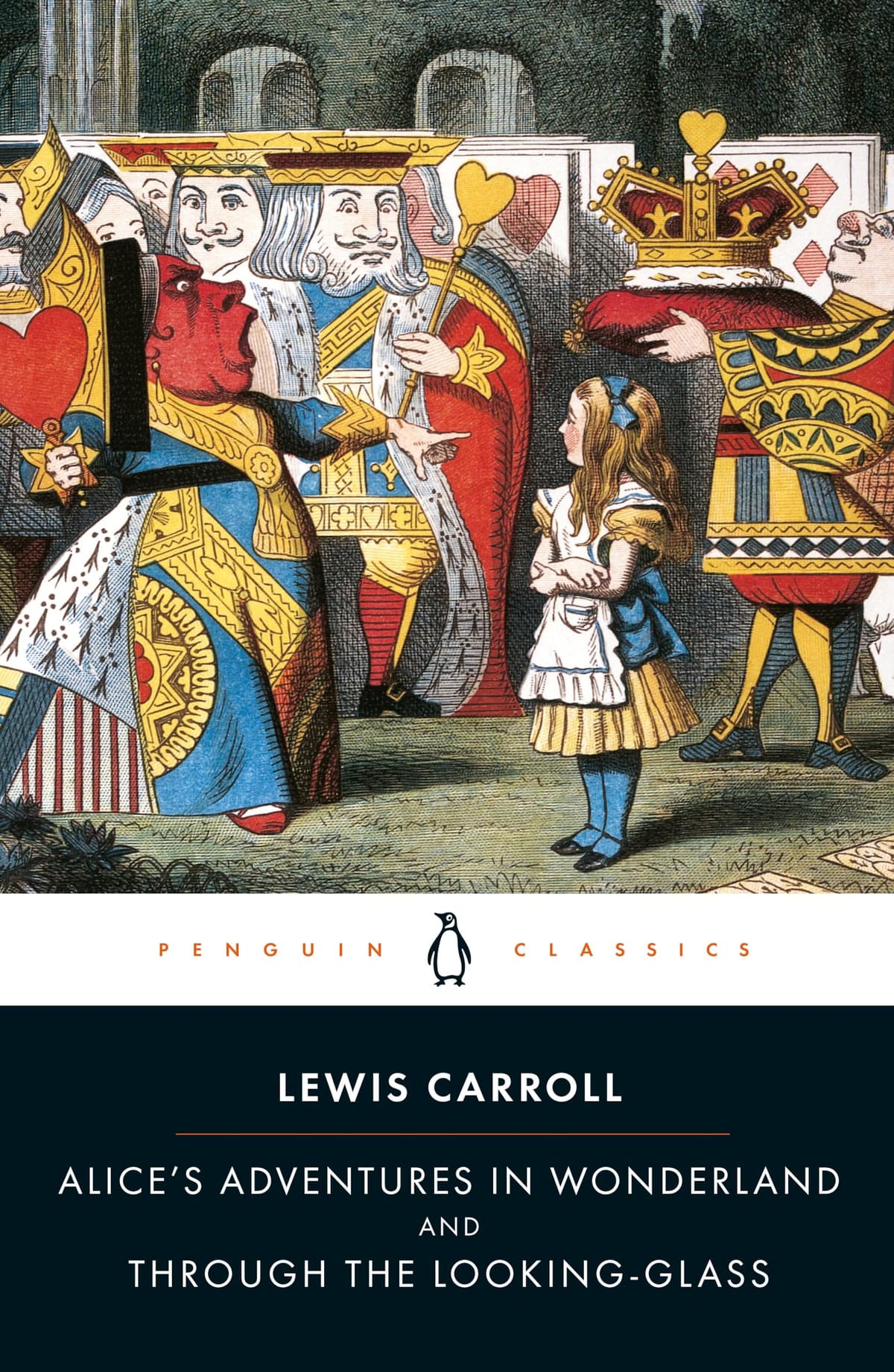
Lewis Carroll's Alice in Wonderland: Alice meets the Mad Hatter, Cheshire Cat, and Queen of Hearts. Classic fantasy - summary, characters, and where to buy.
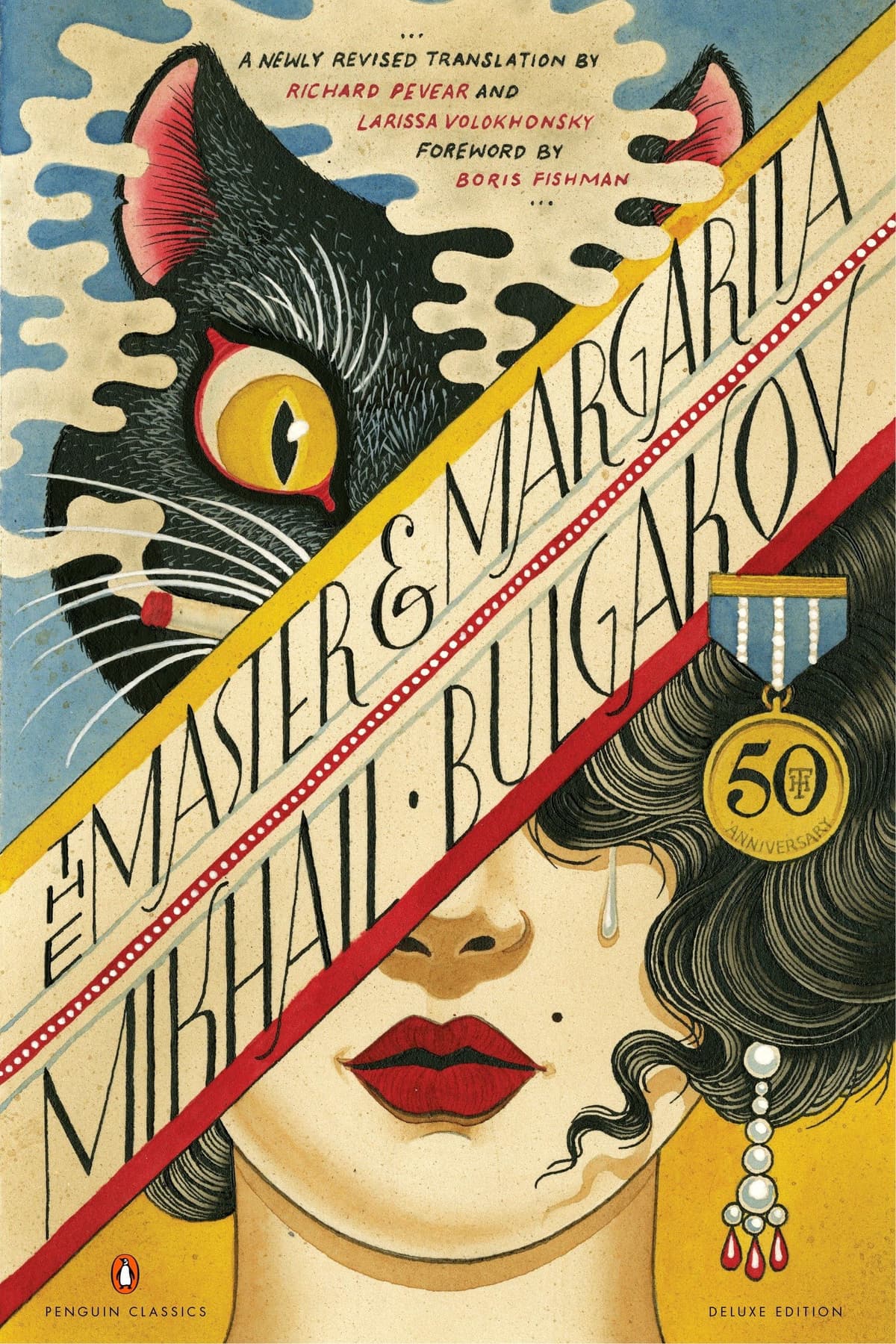
Bulgakov's The Master and Margarita: Satan visits Soviet Moscow. Pontius Pilate, Woland, and love in this classic - summary and where to buy.
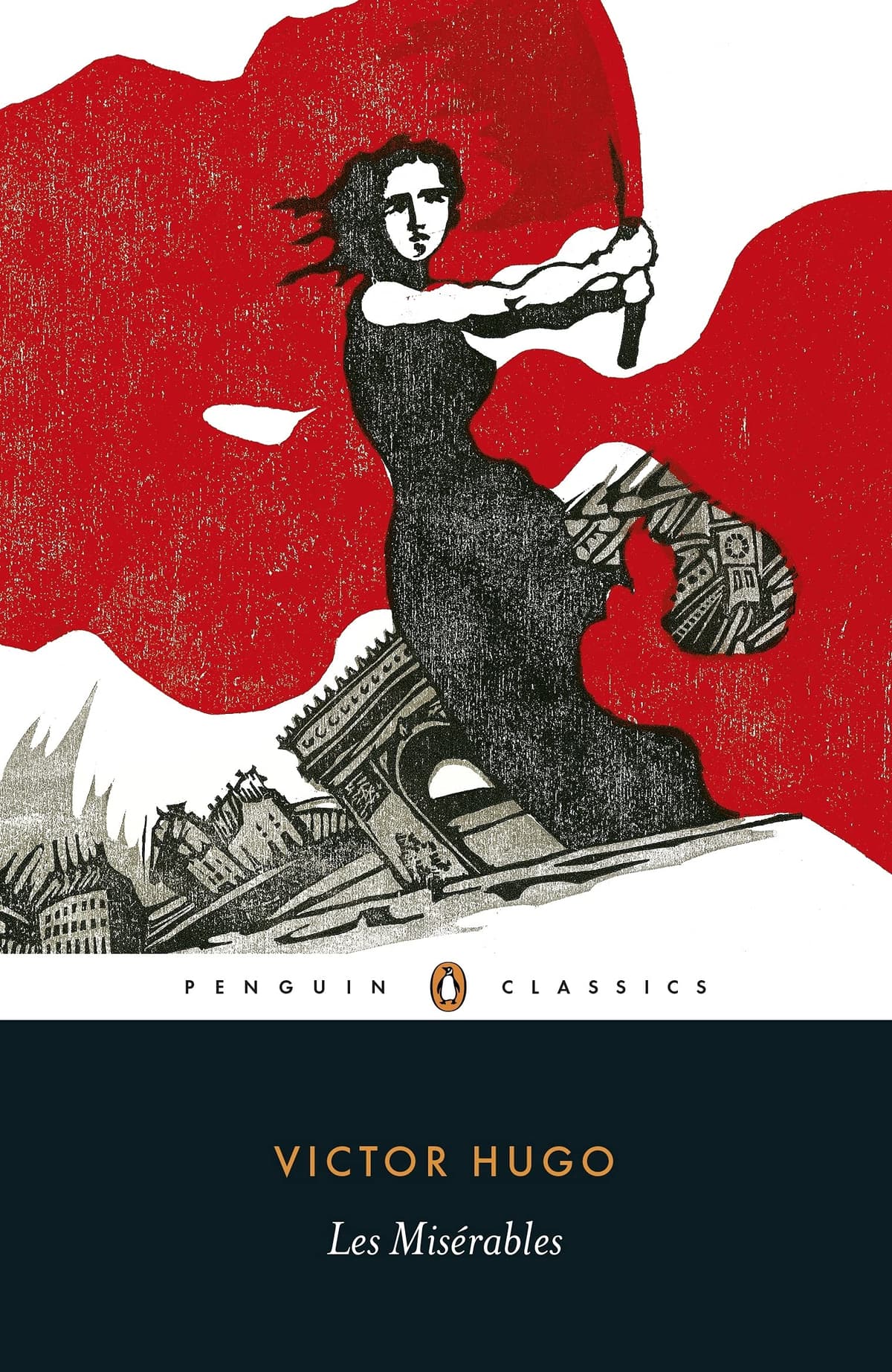
Victor Hugo's Les Misérables: Jean Valjean's journey from convict to saint in revolutionary France. An epic of redemption, justice, and the human spirit.
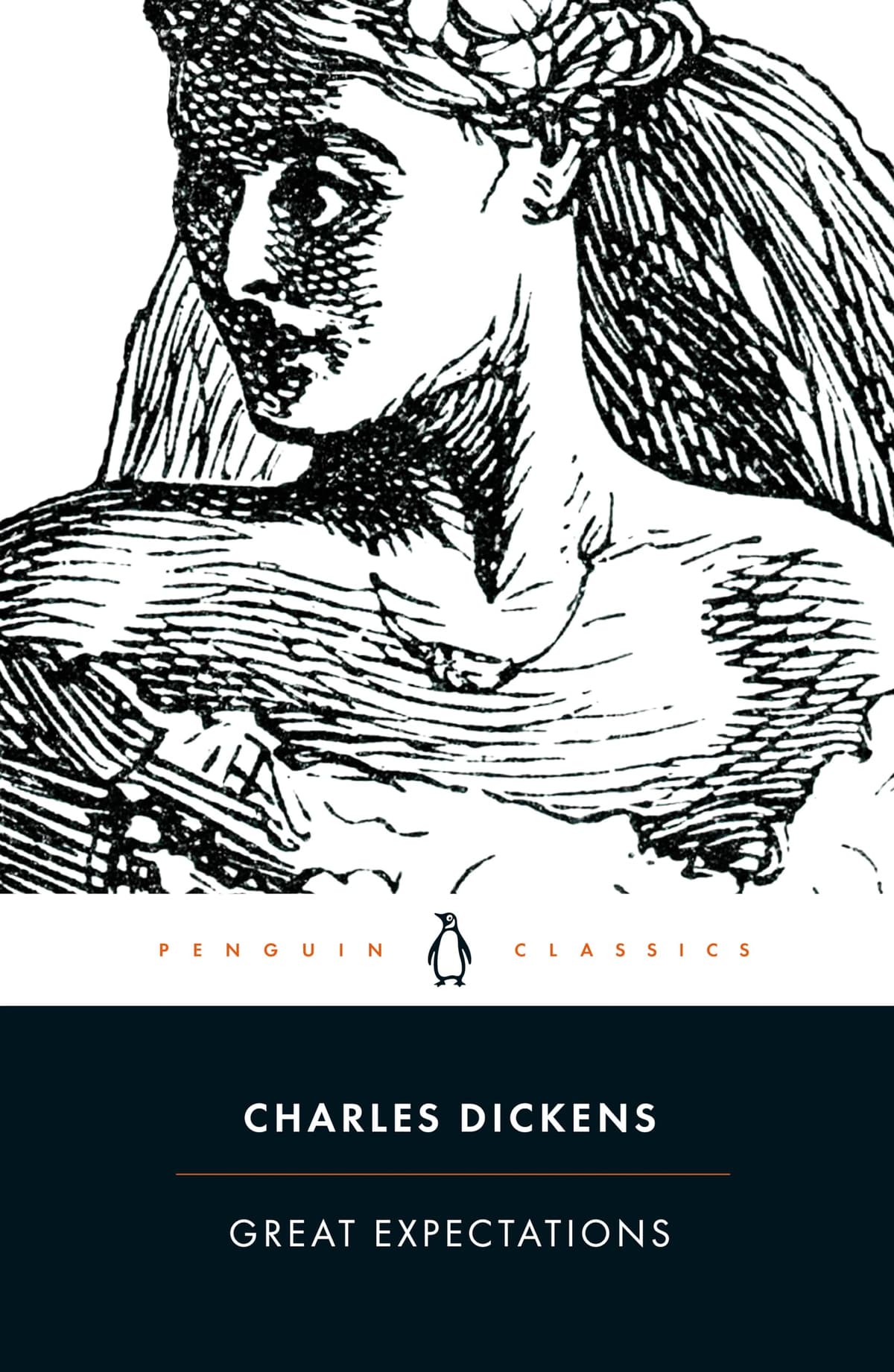
Dickens's Great Expectations: orphan Pip's rise from the marshes to London high society. A timeless novel of ambition, class, and moral growth.
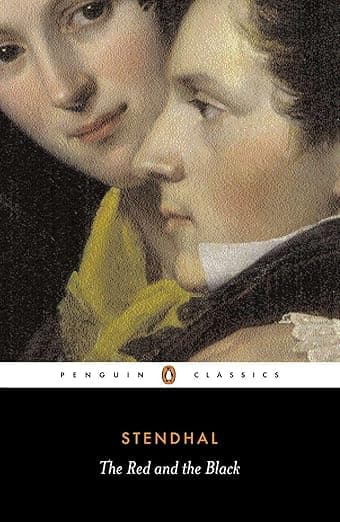
Stendhal's The Red and the Black: Julien Sorel's ruthless ascent through Restoration France. The pioneering psychological novel of ambition and desire.
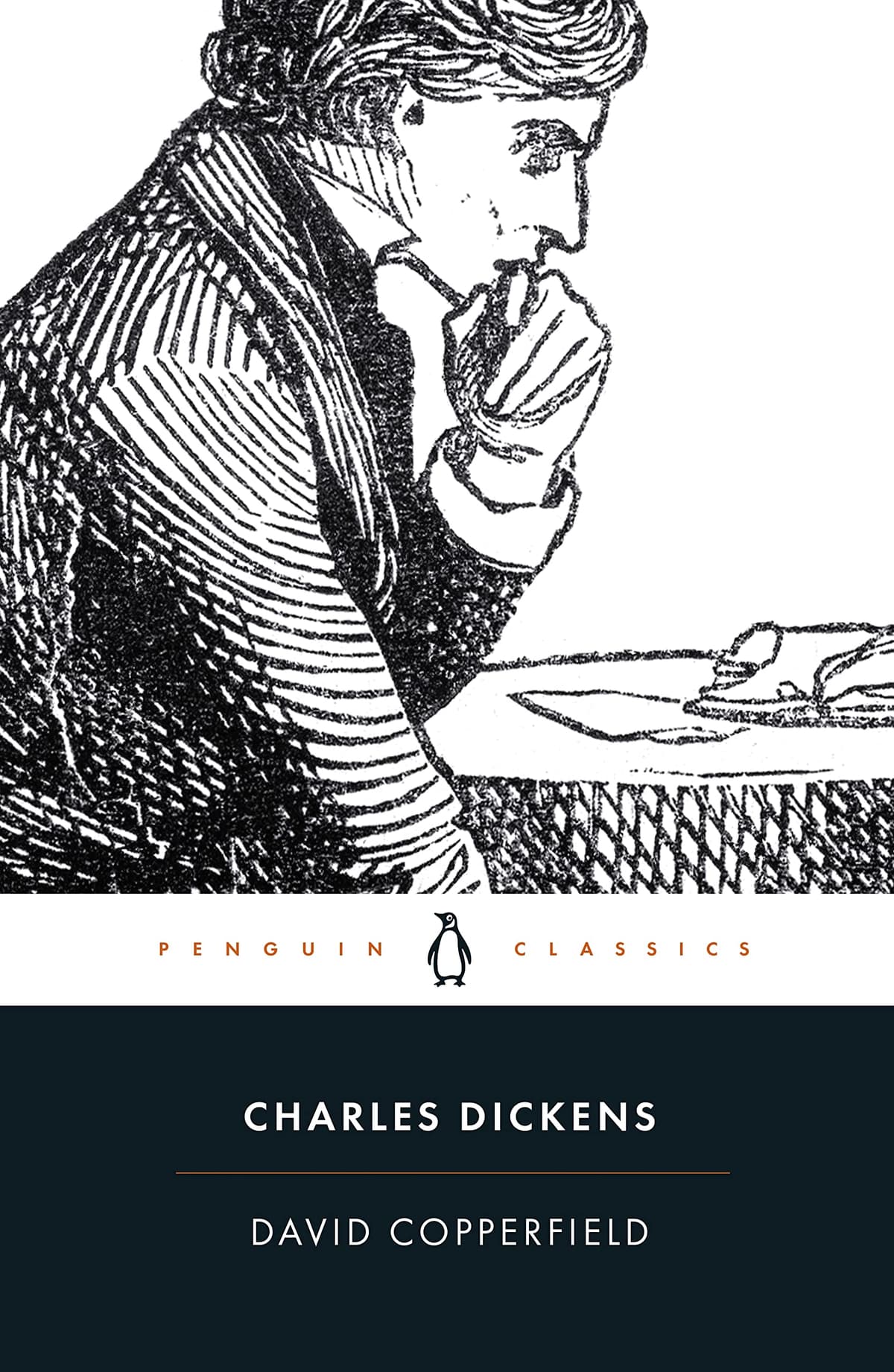
Dickens's David Copperfield: from orphan's hardship to literary triumph. The autobiographical masterpiece Dickens called his 'favourite child.'
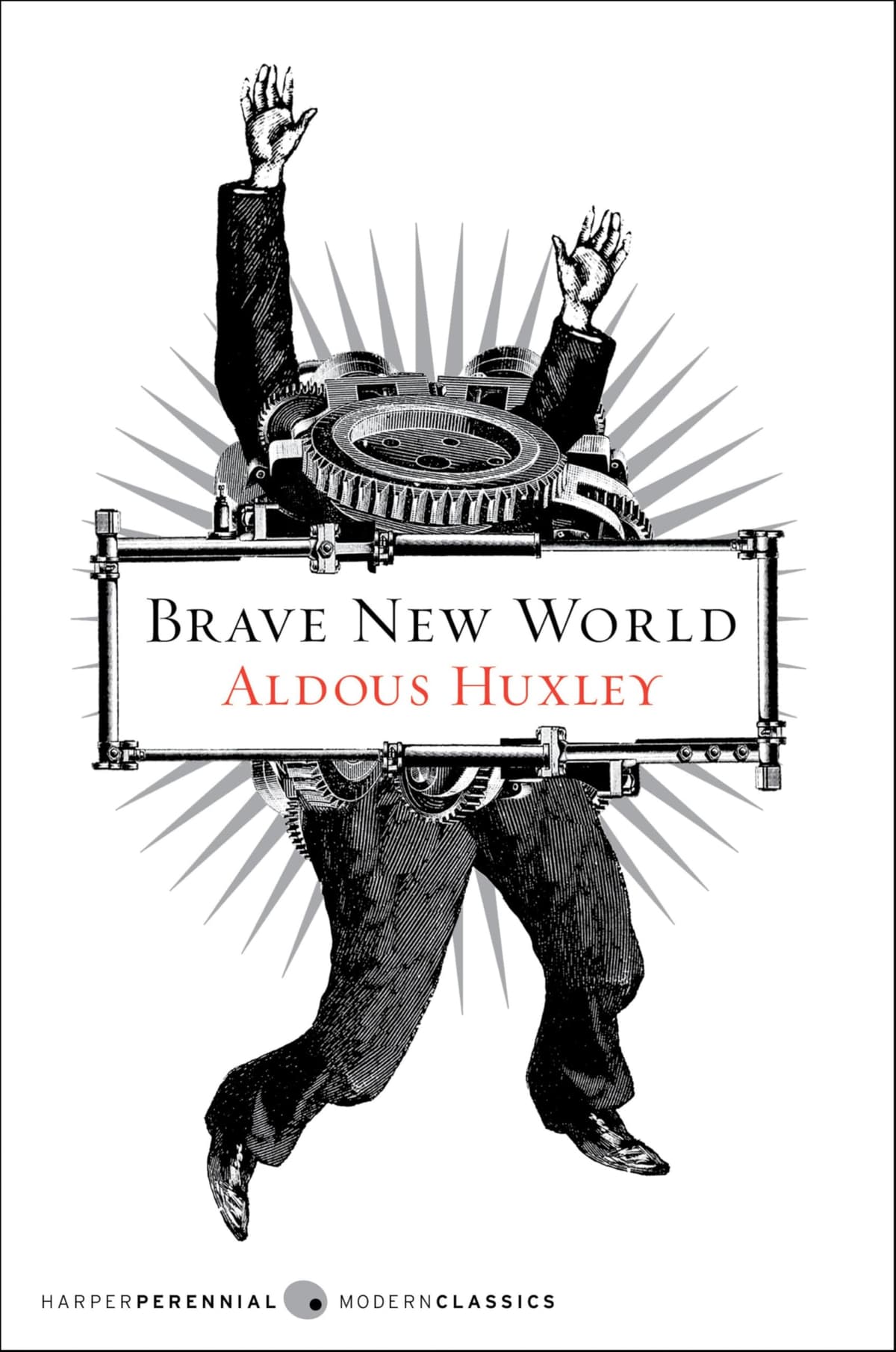
Huxley's Brave New World: a chilling vision of engineered happiness and lost humanity. The dystopia that predicted our addiction to comfort and pleasure.
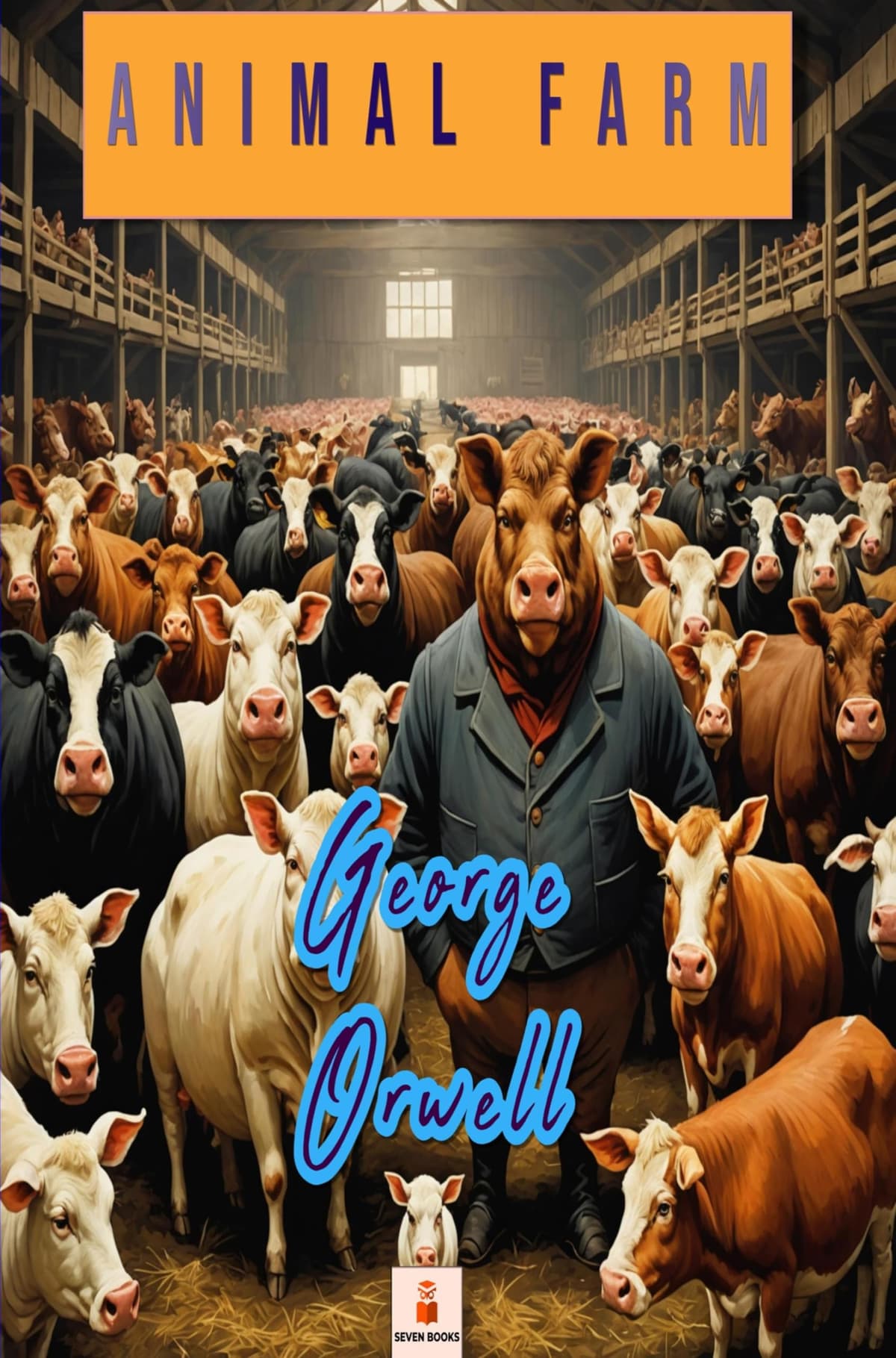
Orwell's Animal Farm: a barnyard revolution turns to tyranny. The devastating political fable about power, corruption, and betrayed ideals.
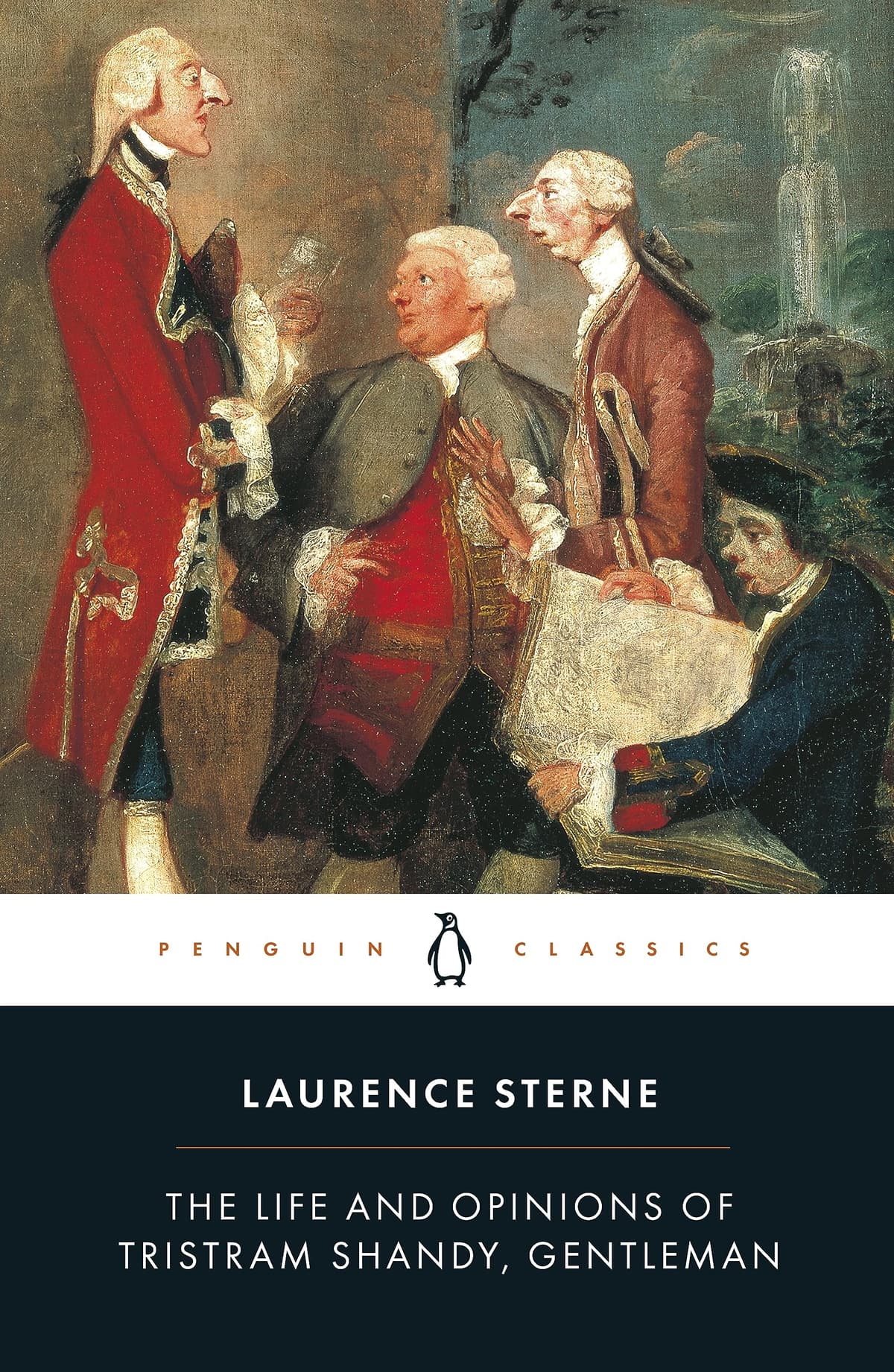
Sterne's Tristram Shandy: the wildly digressive novel that broke every rule of storytelling. The 18th-century masterpiece that invented postmodernism.
Lampedusa's The Leopard: a Sicilian prince watches his world dissolve during Italy's unification. A luminous meditation on change, mortality, and beauty.
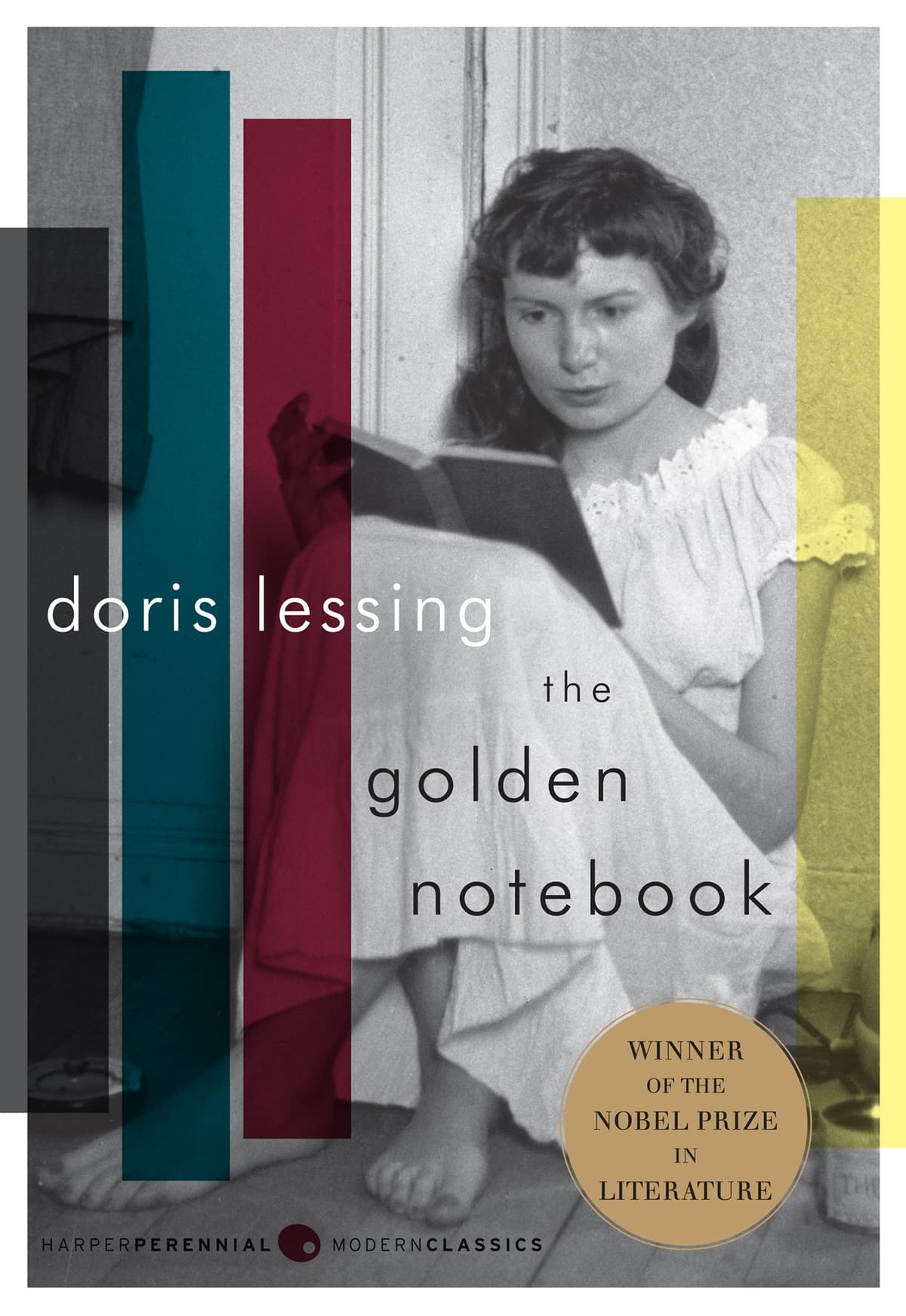
Doris Lessing's The Golden Notebook: Anna Wulf splits her life across four notebooks. A landmark feminist novel of fragmentation, freedom, and creative crisis.
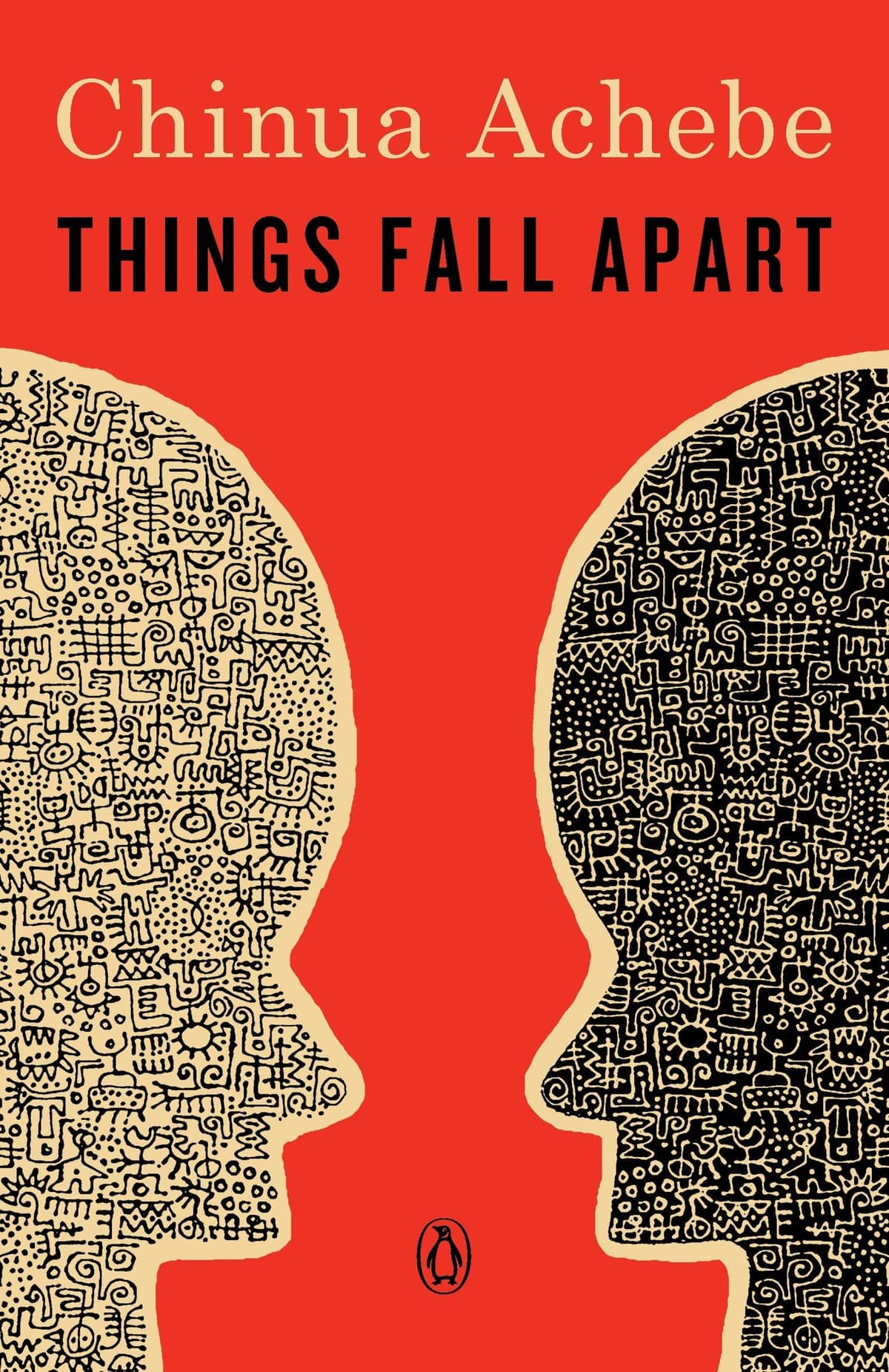
Achebe's Things Fall Apart: Okonkwo's world shatters as colonialism arrives in an Igbo village. The foundational novel of modern African literature.
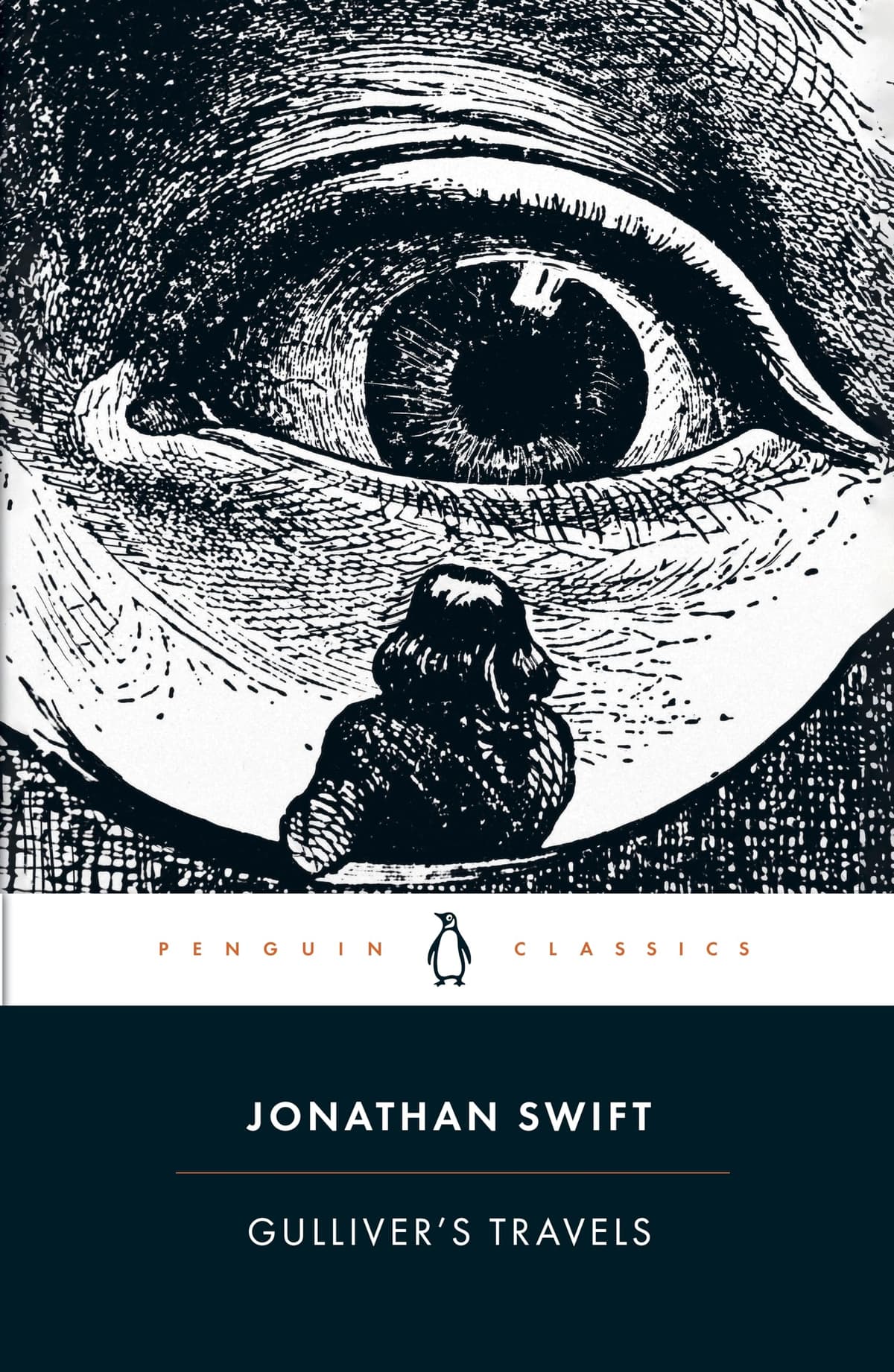
Swift's Gulliver's Travels: a surgeon voyages to Lilliput, Brobdingnag, and beyond. The fiercest satire in the English language, disguised as adventure.
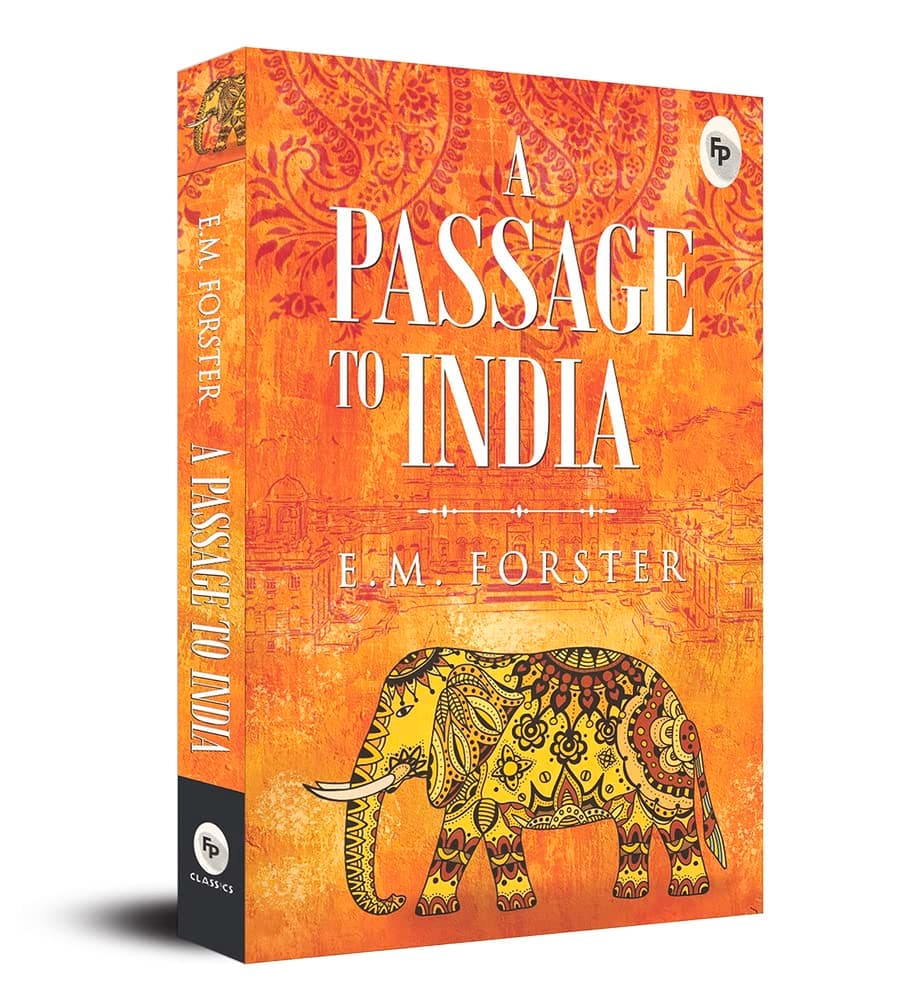
E. M. Forster's A Passage to India: a searing novel of friendship, empire, and the Marabar Caves. Summary, analysis, and where to buy.
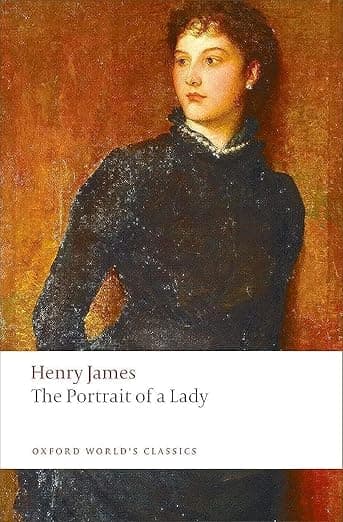
Henry James's The Portrait of a Lady: Isabel Archer's fateful quest for freedom in a world that conspires to contain her. A masterwork of psychological fiction.
Thomas Mann's Buddenbrooks: four generations of a merchant family's decline in Lübeck. The novel that won Mann the Nobel Prize - summary and analysis.
Edith Wharton's The Age of Innocence: forbidden love and suffocating convention in 1870s New York high society. A Pulitzer Prize-winning masterpiece.