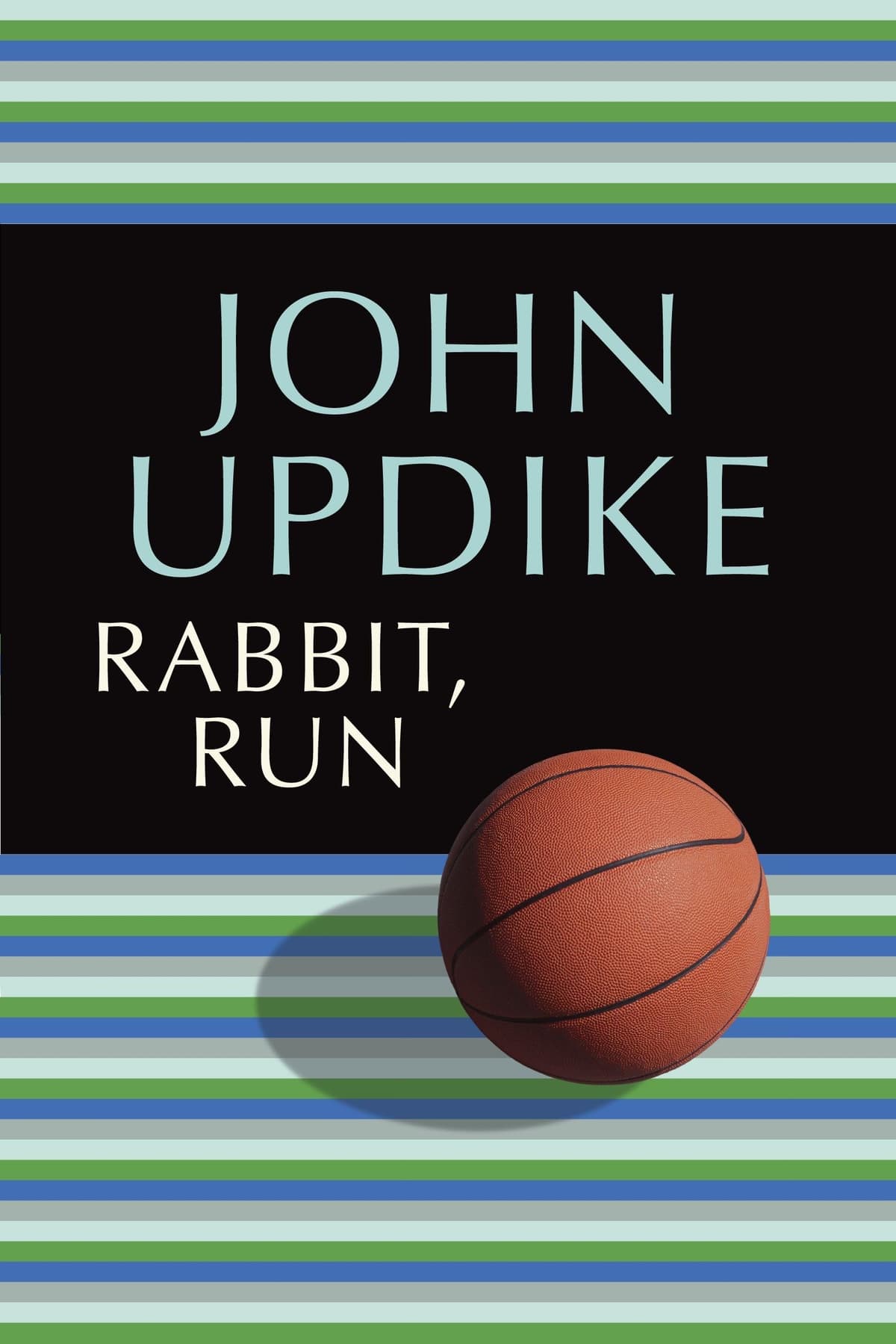
Rabbit, Run
“If you have the guts to be yourself, other people'll pay your price.”
Rabbit, Run Summary
Harry "Rabbit" Angstrom is twenty-six years old, a former high school basketball star now selling kitchen gadgets in a small Pennsylvania town, married to a woman who drinks too much, father of a toddler he barely knows. One evening, on his way home from picking up his son, he simply keeps driving—south, into the dark, away from everything. This act of flight sets in motion a chain of consequences that will devastate everyone around him. Rabbit, Run is written almost entirely in the present tense, a technique that was radical in 1960 and that gives the novel a breathless, claustrophobic immediacy—we are trapped inside Rabbit's restless consciousness, feeling his every impulse as it seizes him.
Updike's prose is astonishingly rich, lavishing on the drab surfaces of suburban life a descriptive intensity usually reserved for nature or war. The novel is unflinching in its portrayal of Rabbit's selfishness and the real damage it inflicts—on his wife Janice, on his mistress Ruth, on everyone who makes the mistake of needing him. Yet Updike refuses to condemn his protagonist entirely. There is something in Rabbit's desperate need for grace, for the feeling of effortless excellence he once knew on the basketball court, that transcends his failures. The novel asks whether the hunger for transcendence is itself a moral quality or merely the most dangerous form of selfishness.
Why Read Rabbit, Run?
Rabbit, Run is the opening salvo of one of the great projects in American fiction—the four-novel Rabbit saga that tracks a single ordinary man across four decades of American life. But it stands magnificently on its own as a portrait of postwar restlessness, a novel that captures the suffocating weight of domesticity and the terrible allure of running away. Updike writes about the body—sex, sports, the physical world—with an almost intoxicating precision that no American novelist has equaled.
What makes this novel endure is its refusal to simplify. Rabbit is selfish, careless, and sometimes cruel—but he is also alive in a way that the world around him is not, and Updike makes you feel the tragedy of that mismatch. You will recognize Rabbit: in yourself, in people you know, in the gap between what we want from life and what we are willing to give for it. This is American realism at its most visceral and compassionate.
About John Updike
John Updike (1932–2009) was born in Shillington, Pennsylvania, a small town that would furnish the landscape of his greatest fiction. A precocious talent, he studied English at Harvard, spent a year at the Ruskin School of Drawing in Oxford, and joined the staff of The New Yorker at twenty-two. He left New York for Ipswich, Massachusetts, in 1957, where he would spend decades producing novels, stories, poems, and criticism at a prodigious rate.
Updike published more than sixty books in his lifetime, but the four Rabbit novels—Rabbit, Run; Rabbit Redux; Rabbit Is Rich; and Rabbit at Rest—stand as his crowning achievement, winning two Pulitzer Prizes. He was a prose stylist of extraordinary gifts, capable of finding beauty in the most mundane American surfaces. His other major works include the Bech trilogy, The Witches of Eastwick, and Couples. He remains one of the most decorated and discussed American writers of the twentieth century.
Reading Guide
Ranked #178 among the greatest books of all time, Rabbit, Run by John Updike has earned its place in the literary canon. Originally written in English and published in 1960, this moderate read from United States continues to resonate with readers today.
This book belongs to our American Spirit and Love & Loss collections, where you can discover more books that share its spirit and themes.
If you enjoy moderate reads like this one, you might also like One Hundred Years of Solitude, Nineteen Eighty-Four, or Wuthering Heights.
From the American Spirit Collection
If you enjoyed Rabbit, Run, discover more masterpieces that share its spirit.
 #3View Book
The Great Gatsby
F. Scott Fitzgerald
Accessible•5-6 hours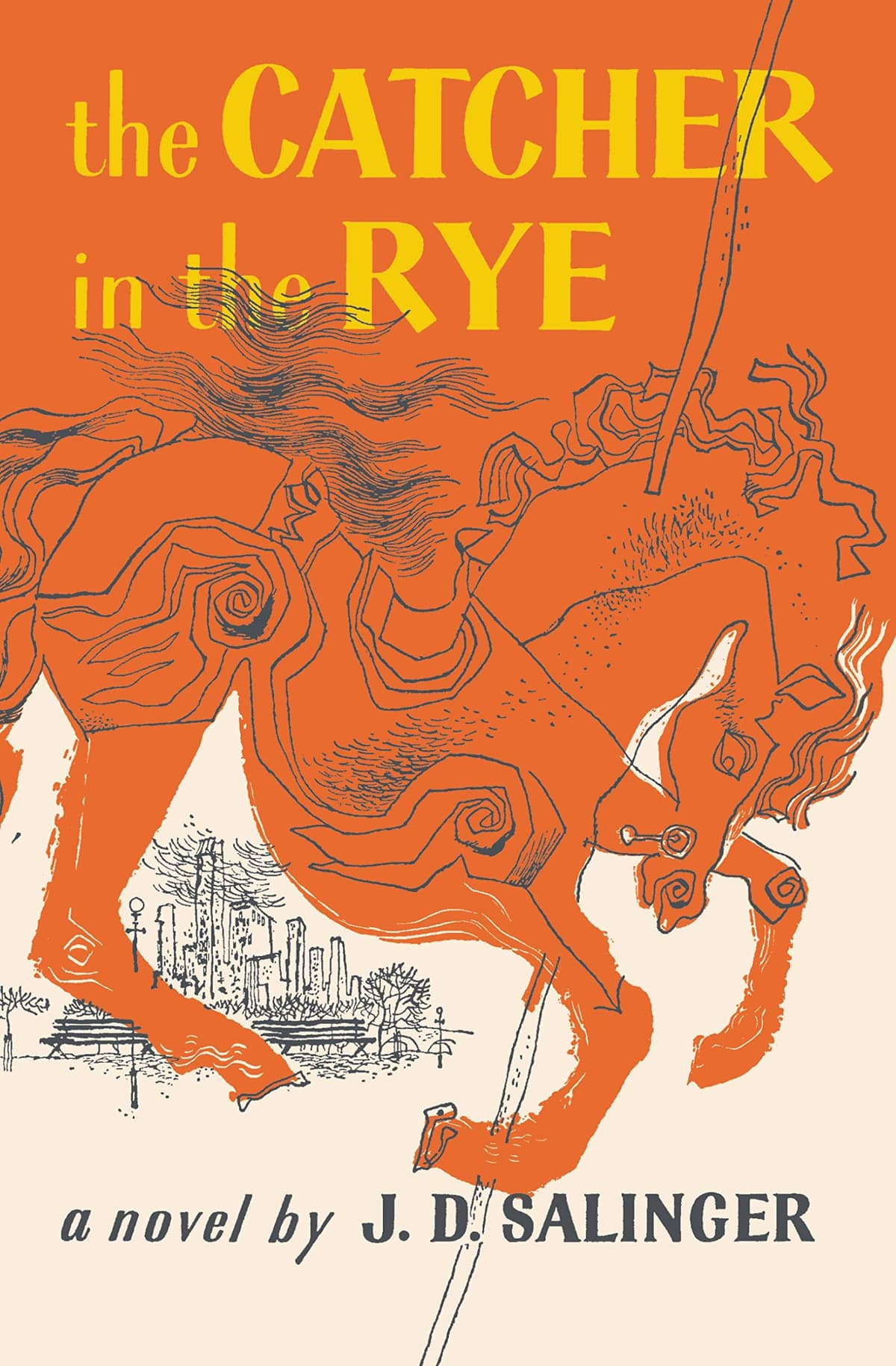 #4View Book
The Catcher in the Rye
J. D. Salinger
Accessible•6-8 hours #13View Book
Lolita
Vladimir Nabokov
Challenging•12-15 hours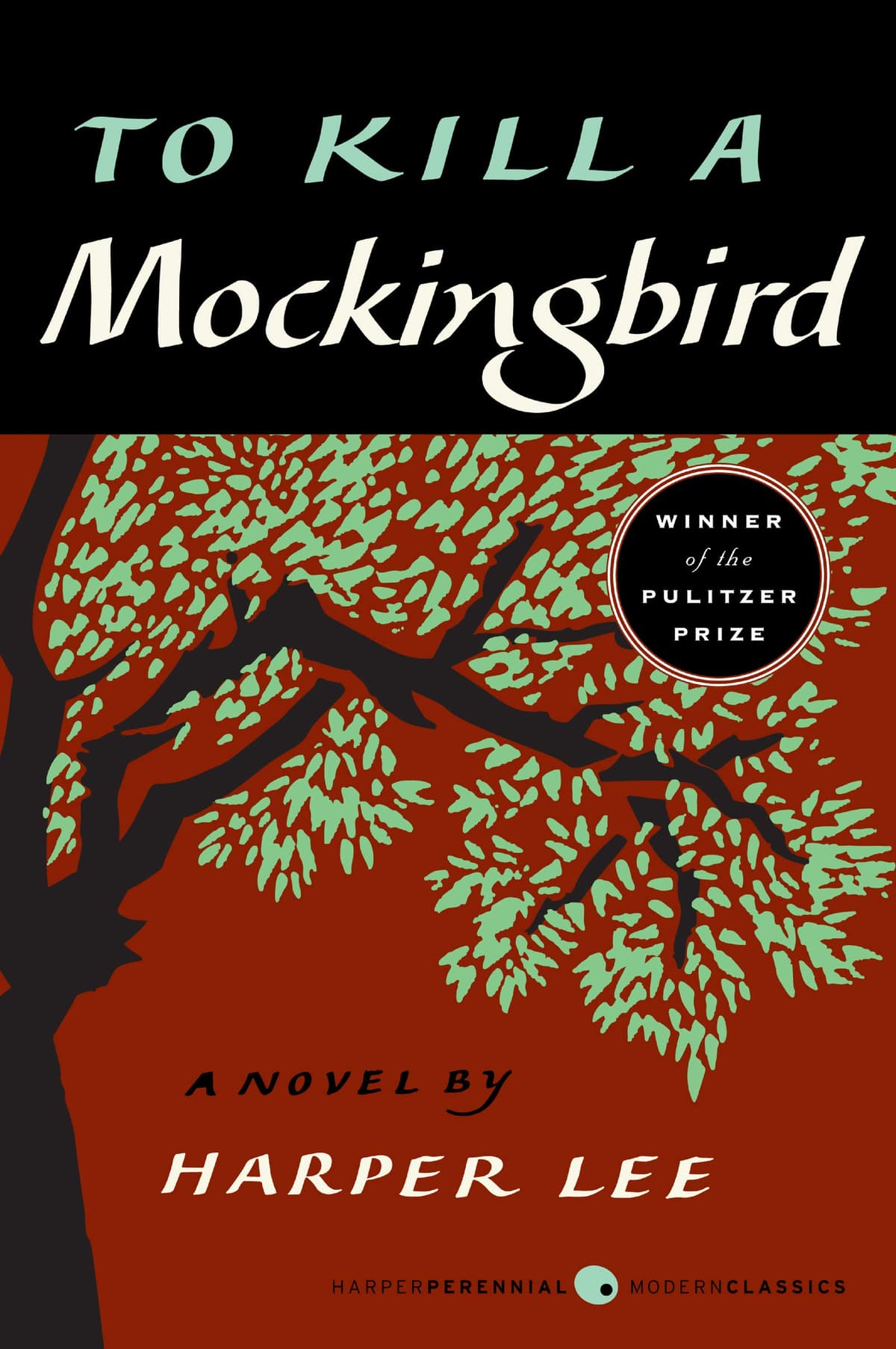 #17View Book
To Kill a Mockingbird
Harper Lee
Accessible•8-10 hours
Browse more collections