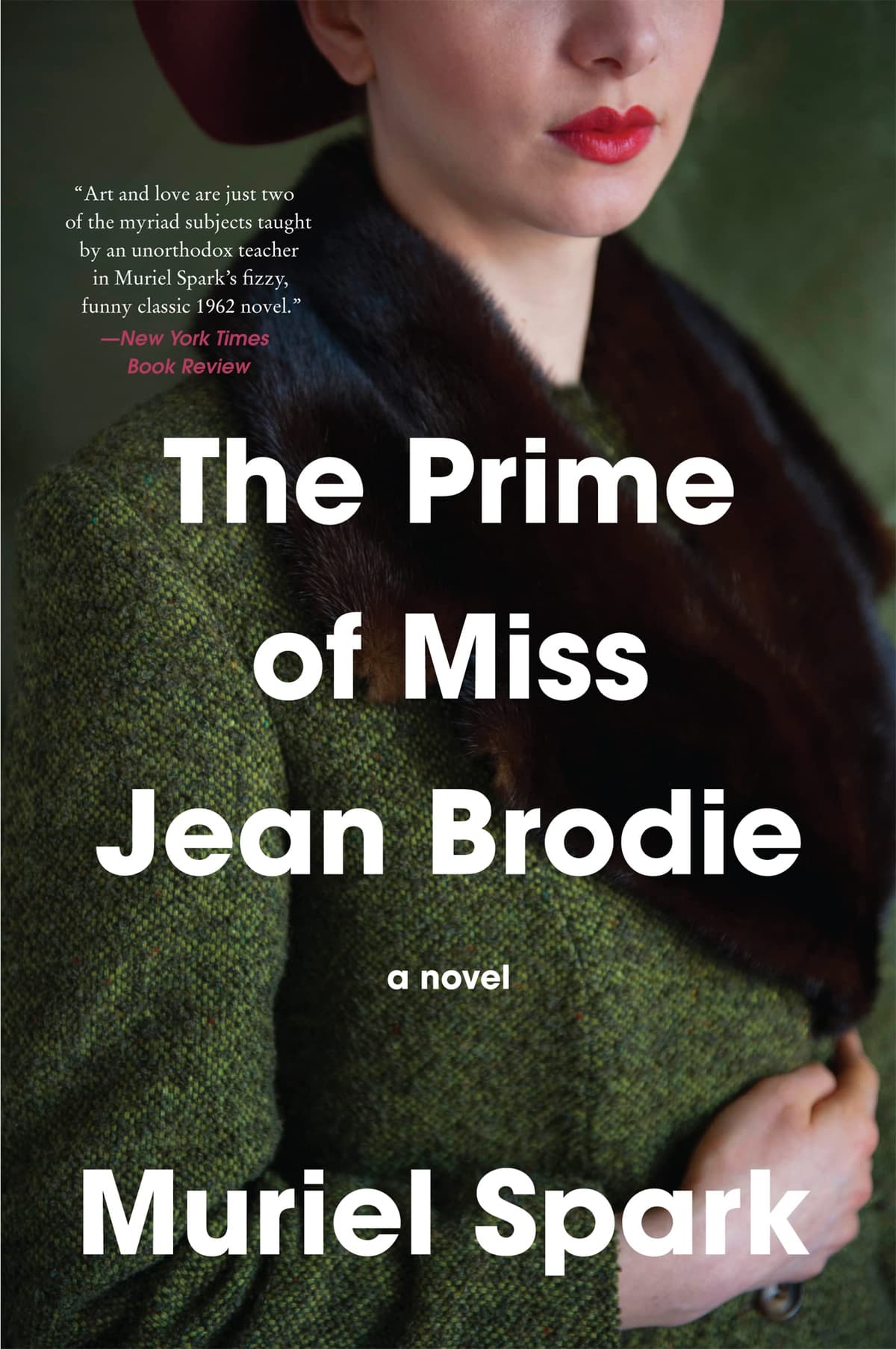
Bonjour Tristesse
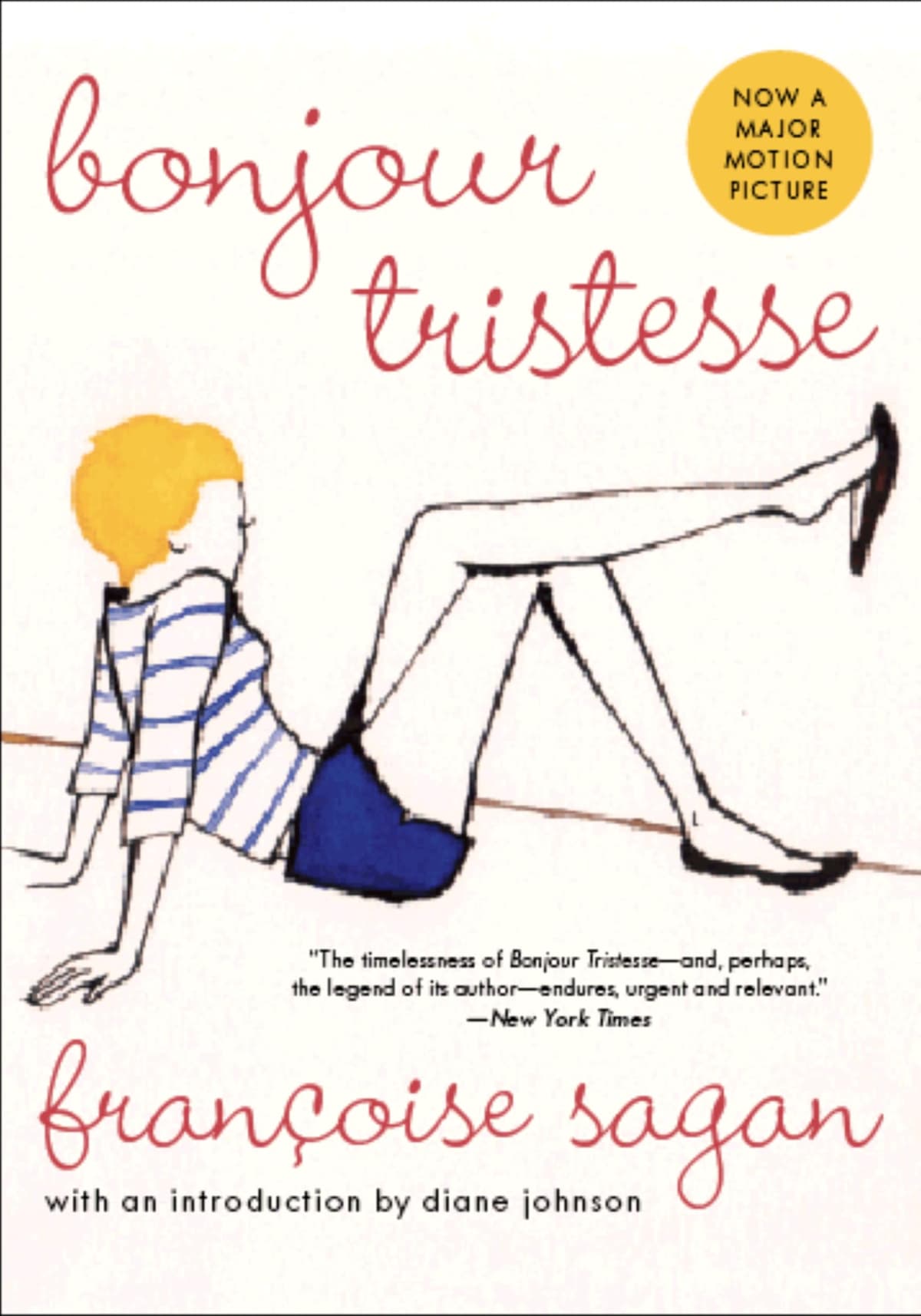
“A strange melancholy pervaded me to which I hesitated to give the grave and beautiful name of sadness.”
Bonjour Tristesse Summary
Cécile is seventeen, hedonistic, and perfectly content spending the summer on the French Riviera with her charming, widowed father Raymond and his latest mistress, the voluptuous Elsa. Their days are filled with swimming, sunbathing, and a breezy, amoral intimacy that suits them all perfectly. Then Anne Larsen arrives—beautiful, intelligent, and coolly self-possessed—and Raymond falls in love with a woman who threatens to impose order on their delicious chaos. Cécile, sensing that Anne's presence will end the lazy paradise she shares with her father, devises a cruel and elegant scheme to destroy the relationship, manipulating Elsa and a young suitor named Cyril as pawns. The consequences are catastrophic—far beyond anything Cécile imagined or intended.
Bonjour Tristesse is a novel of astonishing economy and psychological precision, written by Françoise Sagan when she was just eighteen years old. The prose is as clear and warm as Mediterranean sunlight, yet beneath its polished surface lies something cold and pitiless—Cécile narrates her own cruelty with a self-awareness that makes it more disturbing, not less. The novel scandalized France upon publication, not for its frank treatment of sexuality but for its portrait of a young woman who refuses guilt, who greets sadness not with repentance but with a shrug of recognition. The title—"Hello, Sadness"—is drawn from a poem by Paul Éluard, and it captures the novel's central paradox: Cécile does not resist her melancholy but welcomes it, almost tenderly, as the inevitable companion of her freedom. It is a slim, devastating study of jealousy, manipulation, and the moment when adolescent selfishness crosses the line into something irreversible.
Why Read Bonjour Tristesse?
Few debuts in literary history have landed with such force. Sagan was eighteen when she wrote Bonjour Tristesse, and the novel carries the intoxicating confidence of youth—it is brief, ruthless, and flawlessly constructed. You will read it in a single sitting, drawn forward by prose that is deceptively simple, each sentence placed with the precision of a chess move building toward an inevitable checkmate. The Riviera setting is rendered with sensory vividness—you can feel the sun on your skin, taste the salt air, sense the danger coiling beneath the pleasure.
What lingers is not the plot but the voice—Cécile's unapologetic narration, her refusal to perform remorse, her cool acknowledgment that sadness is simply the price of freedom. Sagan captured something about the texture of modern youth—its appetite for pleasure, its horror of boredom, its capacity for casual destruction—that has not aged a day. The novel's influence ripples through decades of fiction about young women who refuse to be good. This is the original cruel summer, and it will leave you shaken.
About Françoise Sagan
Françoise Sagan (1935–2004) was born Françoise Quoirez in Cajarc, France, to a prosperous bourgeois family. She wrote Bonjour Tristesse in a matter of weeks while still a teenager, and its publication in 1954 made her an overnight celebrity and literary sensation. The novel sold nearly a million copies in its first year. She adopted her pen name from a character in Proust and became a fixture of Parisian literary and social life—fast cars, gambling, and a lifestyle that mirrored the hedonism of her fiction.
Sagan published more than twenty novels, several plays, and numerous short stories, including A Certain Smile, Aimez-vous Brahms?, and The Painted Lady. Though critics sometimes dismissed her later work, her early novels remain landmarks of postwar French literature. She wrote with crystalline brevity about love, boredom, and the emotional lives of the privileged, and her influence can be traced in writers from Donna Tartt to Sally Rooney. She died in 2004, leaving behind a body of work that is as sleek and unsparing as a blade.
Reading Guide
Ranked #179 among the greatest books of all time, Bonjour Tristesse by Françoise Sagan has earned its place in the literary canon. Originally written in French and published in 1954, this accessible read from France continues to resonate with readers today.
This book belongs to our Love & Loss and Society & Satire collections, where you can discover more books that share its spirit and themes.
If you enjoy accessible reads like this one, you might also like The Great Gatsby, The Catcher in the Rye, or Pride and Prejudice.
From the Love & Loss Collection
If you enjoyed Bonjour Tristesse, discover more masterpieces that share its spirit.
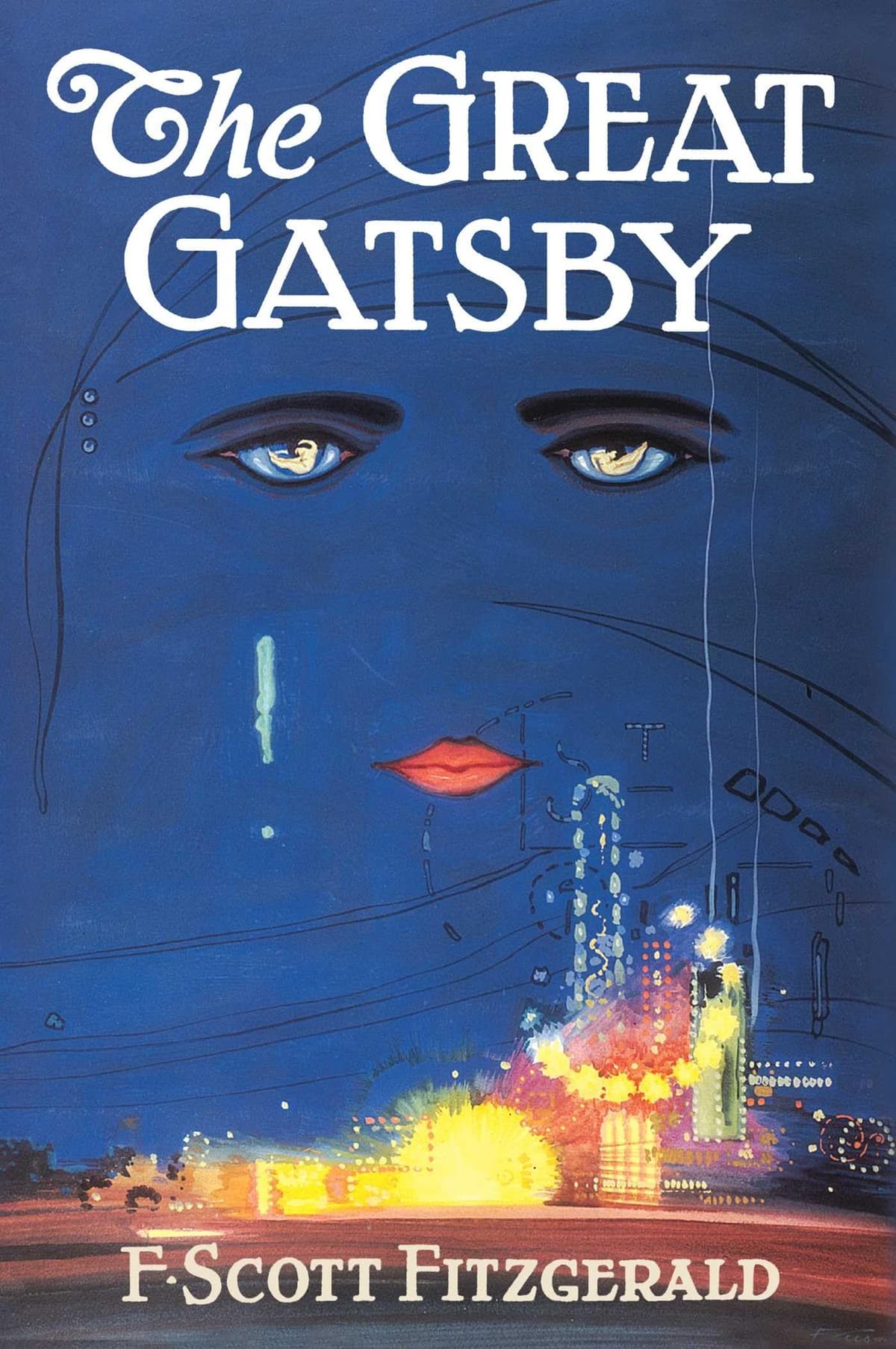 #3View Book
The Great Gatsby
F. Scott Fitzgerald
Accessible•5-6 hours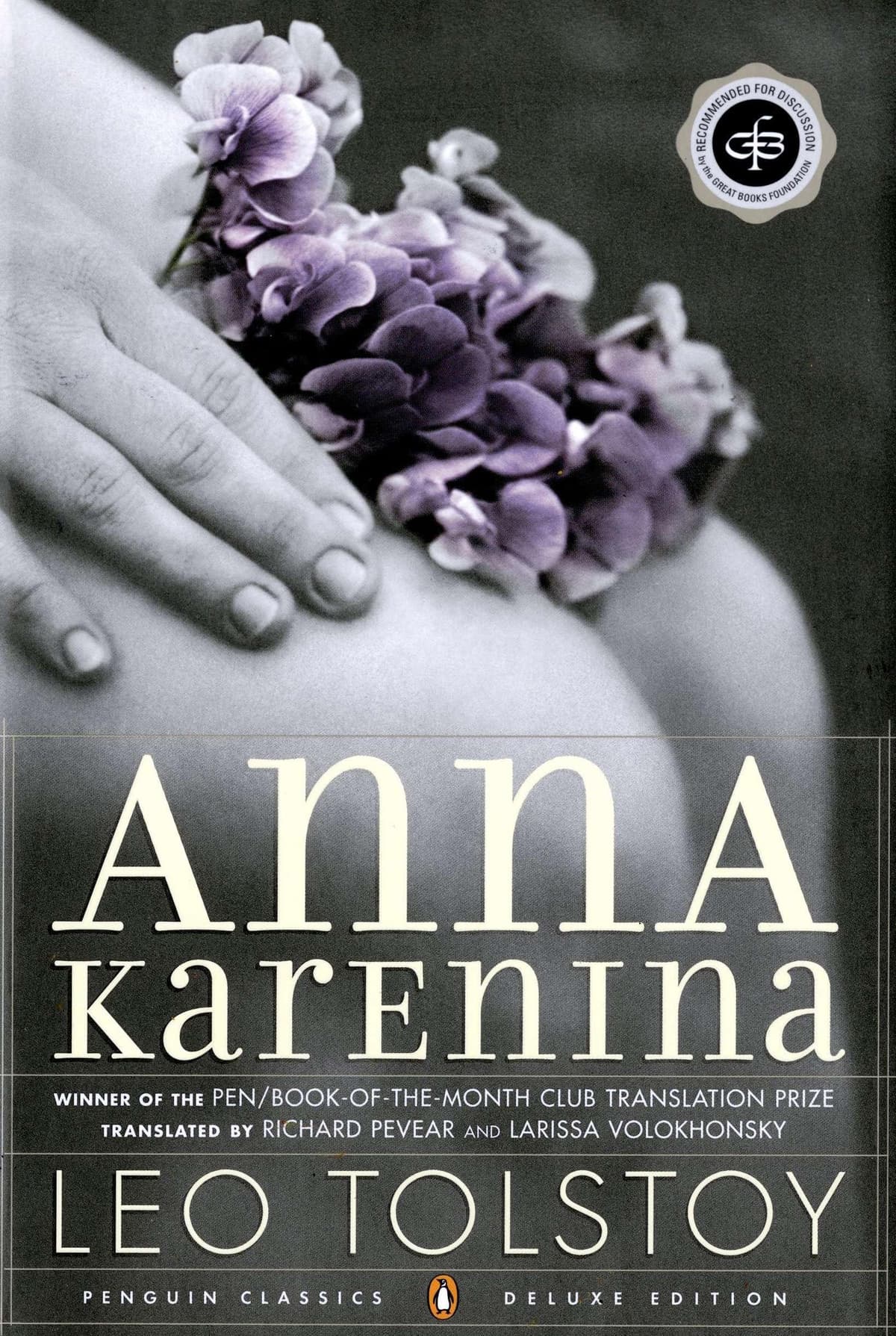 #10View Book
Anna Karenina
Leo Tolstoy
High•30-35 hours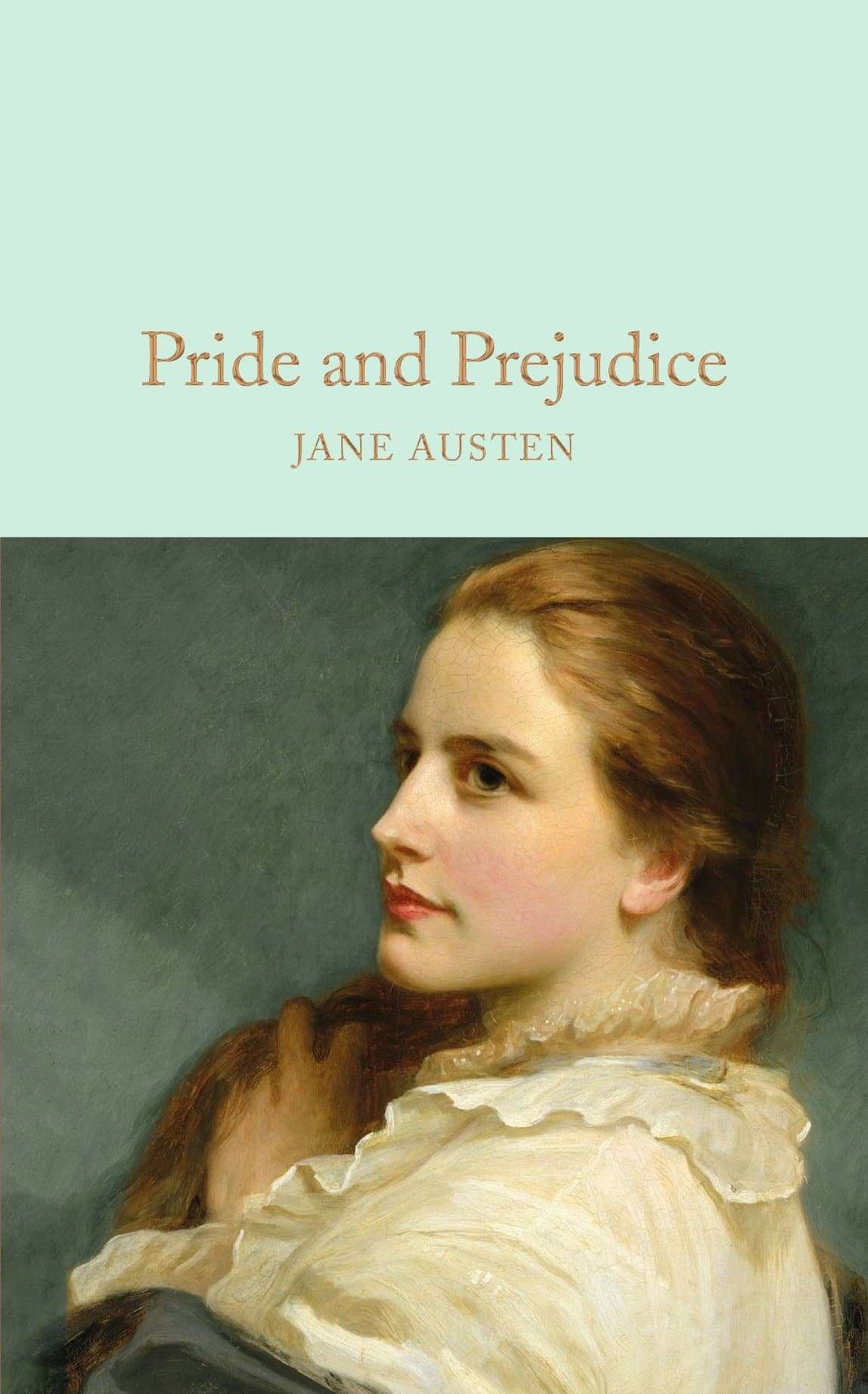 #12View Book
Pride and Prejudice
Jane Austen
Accessible•10-12 hours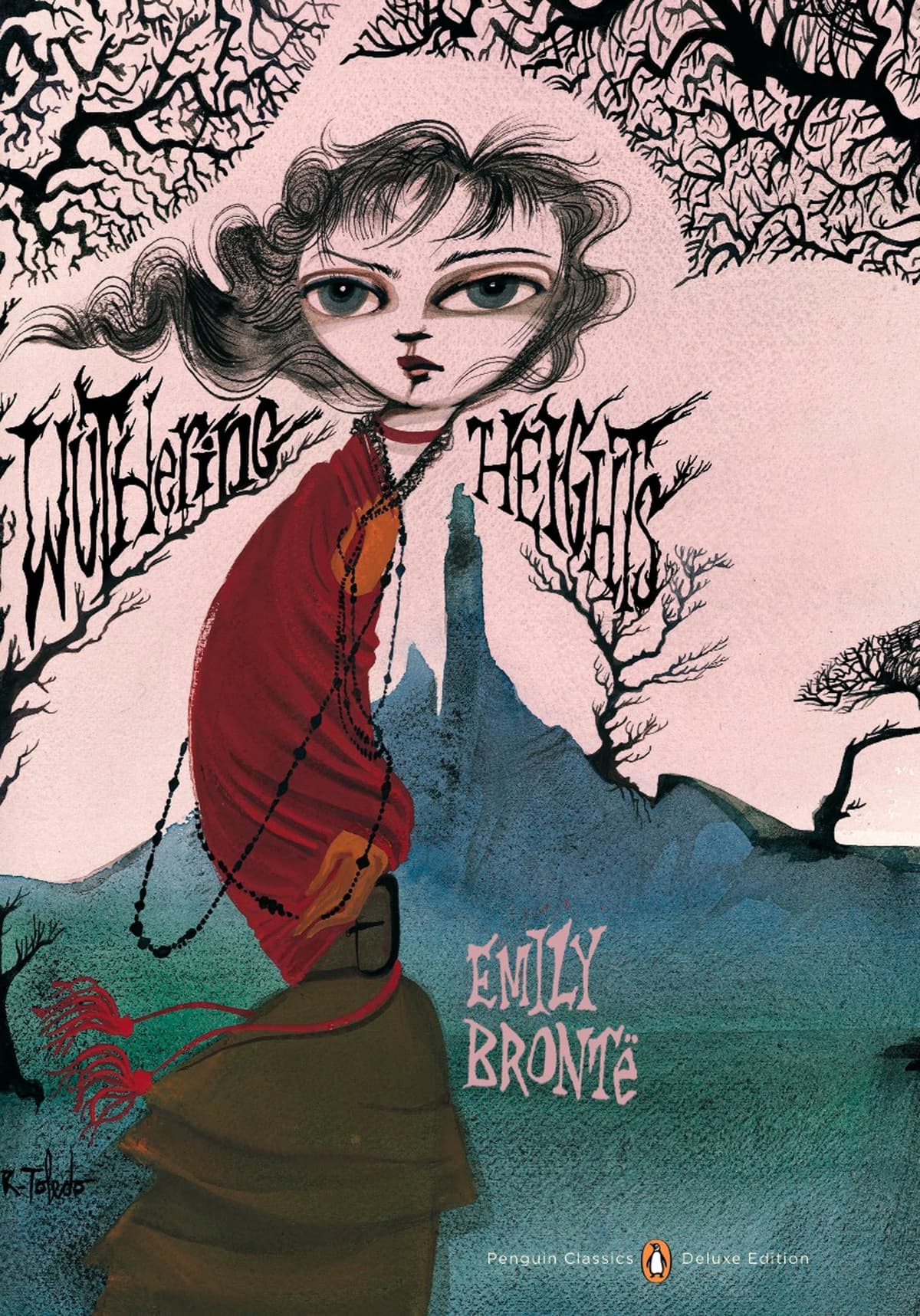 #15View Book
Wuthering Heights
Emily Brontë
Moderate•10-12 hours
Browse more collections