Zorba the Greek
“I felt once more how simple and frugal a thing is happiness: a glass of wine, a roast chestnut, a wretched little brazier, the sound of the sea.”
Zorba the Greek Summary
A bookish, intellectual narrator travels to Crete to reopen a defunct lignite mine and encounters Alexis Zorba—an aging, uneducated, magnificently alive Greek worker who upends everything the younger man thinks he knows about living. Zorba plays the santouri, dances with abandon, devours food and women and experience with a voracious appetite that shames the narrator's timid philosophizing. Together they attempt their doomed mining venture on the Cretan coast, and around them the harsh, beautiful life of the village unfolds: a widow is murdered for refusing to submit, an old courtesan dies alone, and the earth itself seems to pulse with a vitality that no book can capture.
Kazantzakis frames the novel as a collision between mind and body, intellect and instinct, the Buddha's renunciation and Zorba's ecstatic embrace of the physical world. The narrator, paralyzed by thought, watches Zorba hurl himself into every moment—grief, joy, failure—with equal ferocity, and gradually understands that wisdom without passion is a kind of death. The Cretan landscape blazes through the prose, sun-drenched and elemental, and Zorba himself becomes one of literature's great life forces—a character who leaps off the page and dares you to stop reading and start dancing. It is a philosophical novel that distrusts philosophy, a hymn to the flesh written by a man who spent his life wrestling with the spirit.
Why Read Zorba the Greek?
Zorba the Greek is a book that grabs you by the collar and demands that you account for how you are spending your one life. If you have ever felt trapped inside your own head—overthinking, overplanning, deferring joy—Zorba will be the most exhilarating companion you have ever met on the page. He is not a saint or a sage; he is flawed, excessive, sometimes brutal. But his commitment to being fully present in every moment is electrifying, and Kazantzakis renders it with a warmth and humor that make the philosophy feel lived rather than lectured.
This is a novel that bridges East and West, the Apollonian and the Dionysian, and asks the most fundamental question literature can pose: what does it mean to be truly alive? Kazantzakis, who spent decades studying philosophy and religion across the globe, distilled his searching into a character who would rather dance than theorize. Read it when you need to be reminded that the body has its own wisdom, that failure can be glorious, and that sometimes the only proper response to the absurdity of existence is to throw your head back and laugh.
About Nikos Kazantzakis
Nikos Kazantzakis (1883-1957) was born in Heraklion, Crete, then under Ottoman rule, and grew up amid the turbulent struggles for Greek independence. He studied law at the University of Athens and philosophy under Henri Bergson in Paris. A restless traveler and spiritual seeker, he journeyed through Russia, Spain, Egypt, China, and Japan, drawing on every experience to fuel a literary output that spanned novels, poetry, philosophy, travel writing, and translations of Homer and Dante.
Kazantzakis is best known for Zorba the Greek and The Last Temptation of Christ, the latter of which was condemned by the Greek Orthodox Church and placed on the Catholic Index of Forbidden Books. He was nominated for the Nobel Prize in Literature but narrowly lost to Albert Camus in 1957—Camus himself reportedly said the prize should have gone to Kazantzakis. His epitaph in Heraklion, composed by himself, reads: 'I hope for nothing. I fear nothing. I am free.' It remains the perfect distillation of the philosophy that animates his greatest work.
Reading Guide
Ranked #198 among the greatest books of all time, Zorba the Greek by Nikos Kazantzakis has earned its place in the literary canon. Originally written in Greek and published in 1946, this moderate read from Greece continues to resonate with readers today.
This book belongs to our Philosophy & Faith and Love & Loss collections, where you can discover more books that share its spirit and themes.
If you enjoy moderate reads like this one, you might also like One Hundred Years of Solitude, Nineteen Eighty-Four, or Wuthering Heights.
From the Philosophy & Faith Collection
If you enjoyed Zorba the Greek, discover more masterpieces that share its spirit.
 #11View Book
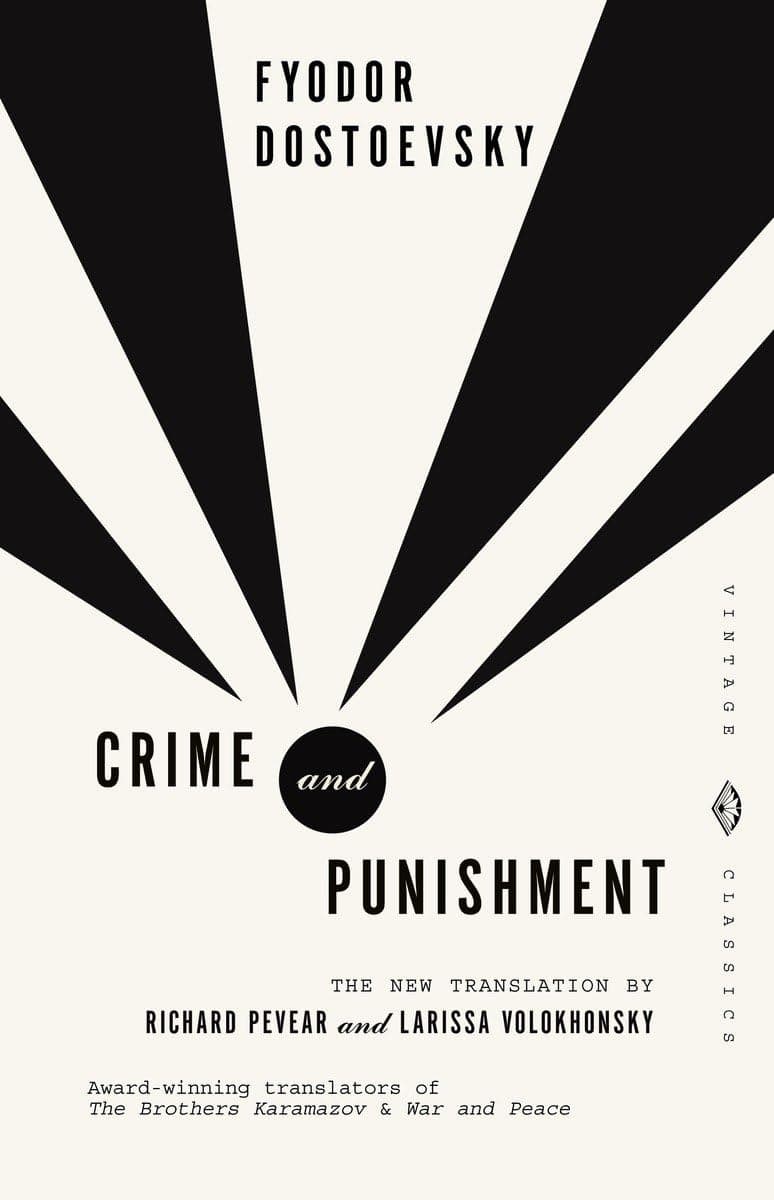
Crime and Punishment
Fyodor Dostoevsky
High•20-25 hours #18View Book
The Bible
Various
Variable•60-80 hours #19View Book
The Brothers Karamazov
Fyodor Dostoevsky
Very High•35-40 hours #21View Book
The Stranger
Albert Camus
Moderate•3-4 hours
Browse more collections