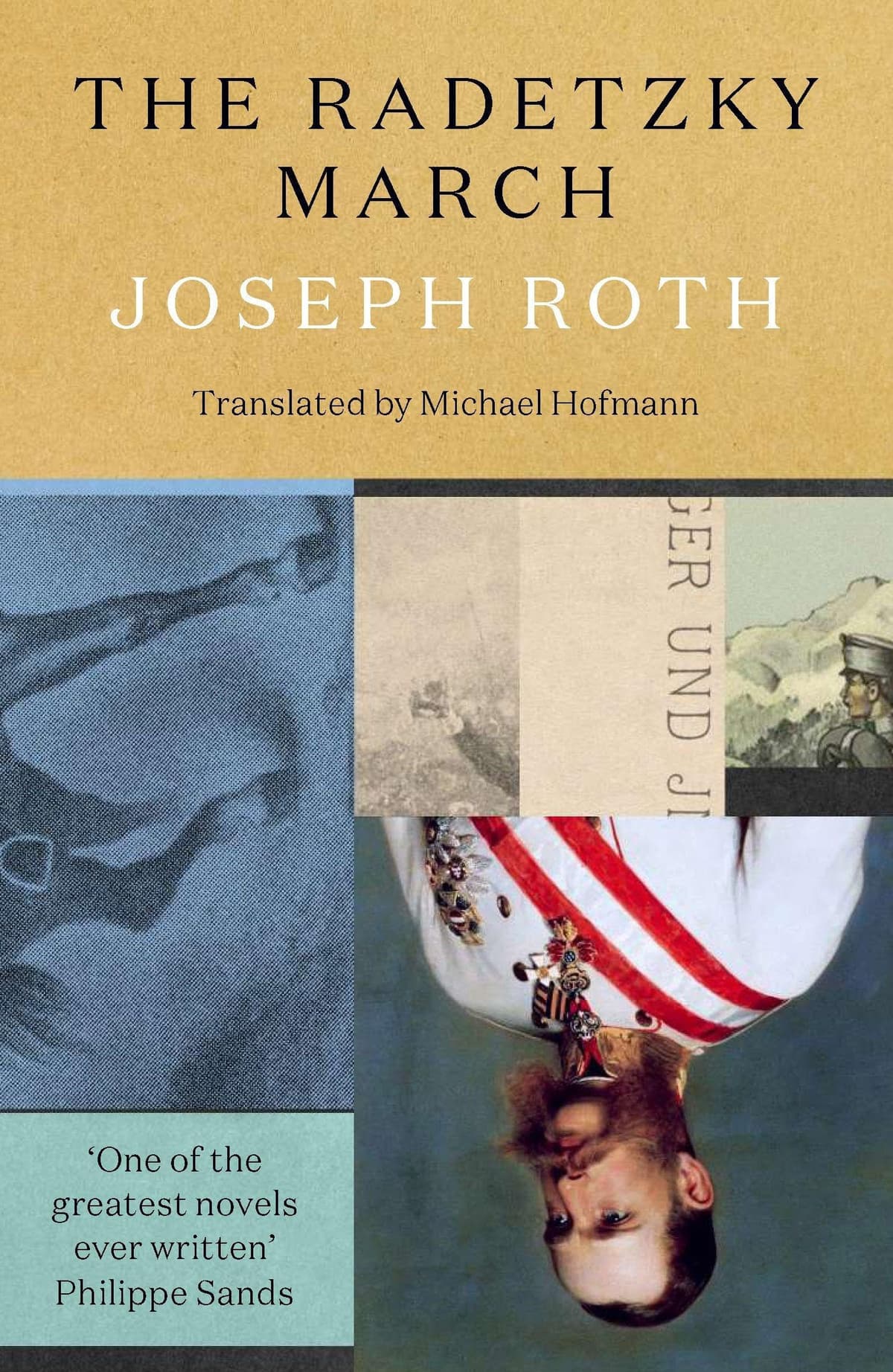
The Radetzky March
“An entire world had come to an end. He survived it like a man who arrives late, after sunset, in a strange city.”
The Radetzky March Summary
Three generations of the Trotta family rise and fall with the Austro-Hungarian Empire in Joseph Roth's majestic elegy for a vanished world. The patriarch, a Slovenian infantry lieutenant, saves the life of Emperor Franz Joseph at the Battle of Solferino and is ennobled for his heroism—an act that simultaneously elevates and curses his descendants. His son becomes a rigidly dutiful district commissioner, a man who embodies the empire's bureaucratic order. His grandson, Carl Joseph, serves as a cavalry officer in the empire's twilight years, drifting through garrison towns, doomed love affairs, and gambling debts, unable to live up to the family myth yet unable to escape it.
Roth writes with the mournful precision of a man cataloguing the contents of a world about to be swept away. The Radetzky March—the military anthem that punctuates the novel like a heartbeat growing fainter—becomes a symbol of imperial grandeur hollowing out from within. Each generation of Trottas grows weaker, more uncertain, further from the heroic deed that defined them, and the empire itself mirrors their decline. The prose is luminous and unhurried, suffused with the golden light of a long autumn afternoon. Roth captures not just the political collapse of Austria-Hungary but the existential vertigo of men who have lost the structures that gave their lives meaning—duty, honor, tradition—and find nothing to replace them. It is one of the great novels of imperial decline, standing alongside Lampedusa and Musil as a monument to a civilization's last breath.
Why Read The Radetzky March?
Few novels capture the melancholy of historical change with such devastating beauty. Roth does not write about the fall of an empire in grand political strokes—he writes about the small, accumulating losses: a father who cannot speak to his son, an officer who no longer believes in the uniform he wears, a national anthem played one last time before the music stops forever. You will feel the weight of tradition pressing down on each generation, and you will recognize the universal human ache of inheriting a world you did not build and watching it slip through your fingers.
The Radetzky March is essential reading for anyone who wants to understand how civilizations end—not with a bang but with a slow, almost imperceptible dimming of the light. Roth, writing in exile as Europe lurched toward another catastrophe, composed a requiem that transcends its historical moment. It speaks to anyone who has felt the ground shift beneath their feet, who has wondered whether the institutions and certainties they were raised to trust will outlast them. It is a novel of extraordinary tenderness and quiet, shattering power.
About Joseph Roth
Joseph Roth (1894-1939) was born Moses Joseph Roth in Brody, a small town in the eastern reaches of the Austro-Hungarian Empire, in what is now Ukraine. He studied at the universities of Lemberg and Vienna, served in the Austrian army during World War I, and became one of the most celebrated journalists in Weimar-era Berlin, writing for the Frankfurter Zeitung. The collapse of the Habsburg Empire haunted his imagination, and nostalgia for that lost, polyglot world became the defining current of his fiction.
When the Nazis rose to power, Roth fled to Paris, where he lived in hotel rooms and drank himself to death at forty-four. His major works include Job, The Radetzky March, and its sequel The Emperor's Tomb. Though largely forgotten in the decades after his death, Roth has been rediscovered as one of the twentieth century's great novelists—a writer of luminous, melancholy prose whose chronicles of displacement, exile, and cultural dissolution speak with uncanny urgency to the modern world.
Reading Guide
Ranked #197 among the greatest books of all time, The Radetzky March by Joseph Roth has earned its place in the literary canon. Originally written in German and published in 1932, this moderate read from Austria continues to resonate with readers today.
This book belongs to our Epics and Society & Satire collections, where you can discover more books that share its spirit and themes.
If you enjoy moderate reads like this one, you might also like One Hundred Years of Solitude, Nineteen Eighty-Four, or Wuthering Heights.
From the Epics Collection
If you enjoyed The Radetzky March, discover more masterpieces that share its spirit.
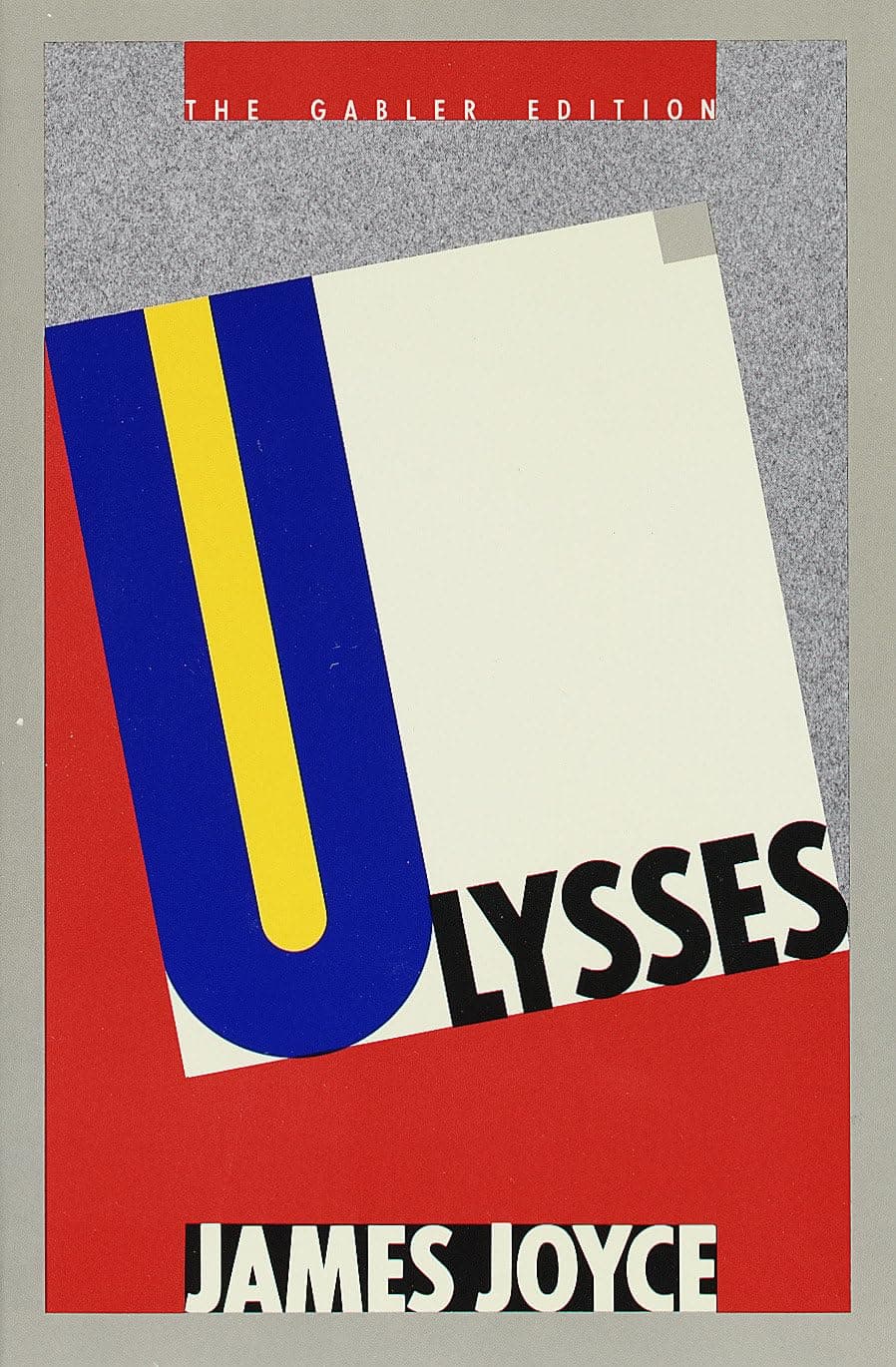 #1View Book
Ulysses
James Joyce
Challenging•35-40 hours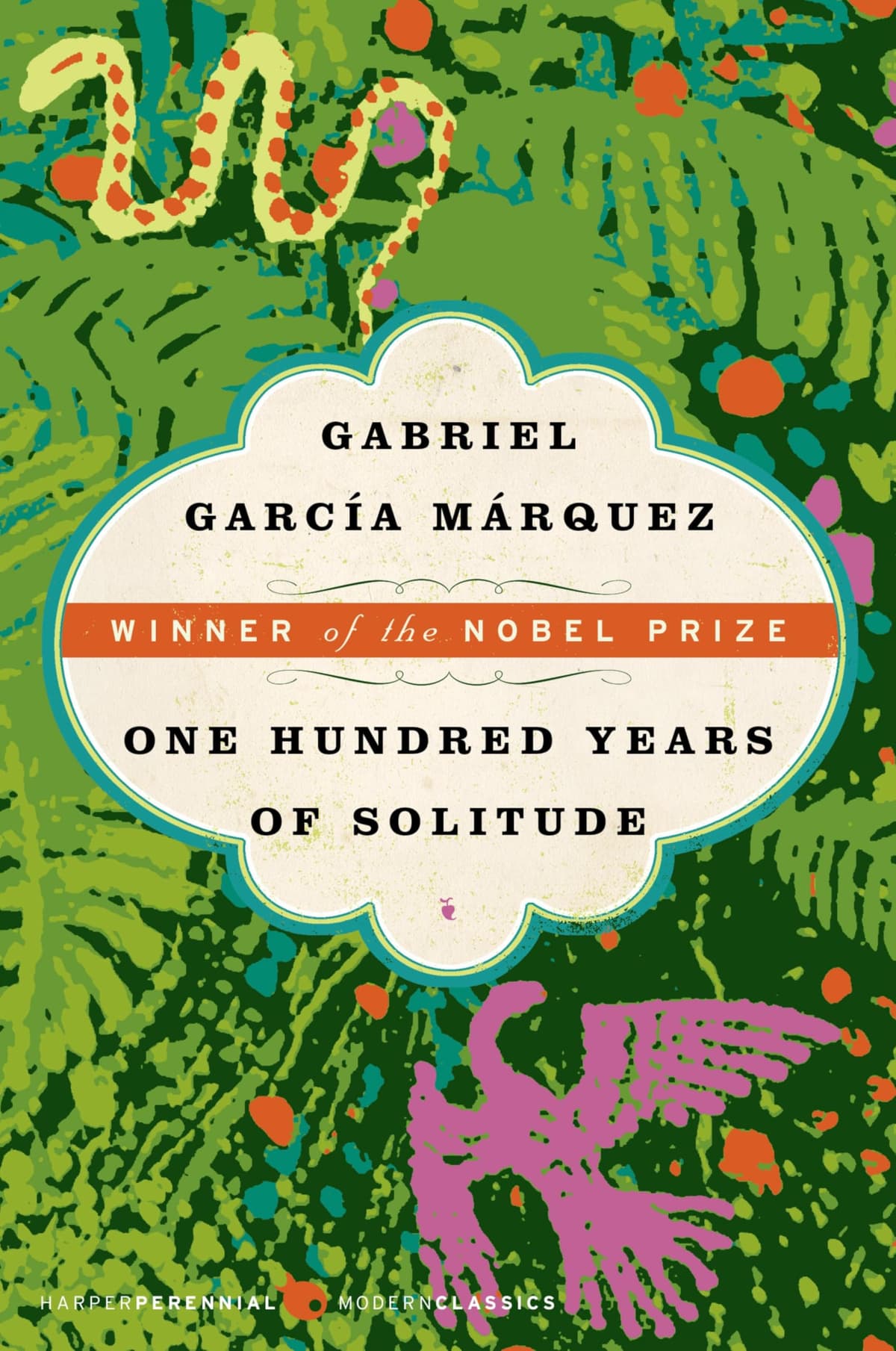 #5View Book
One Hundred Years of Solitude
Gabriel García Márquez
Moderate•15-20 hours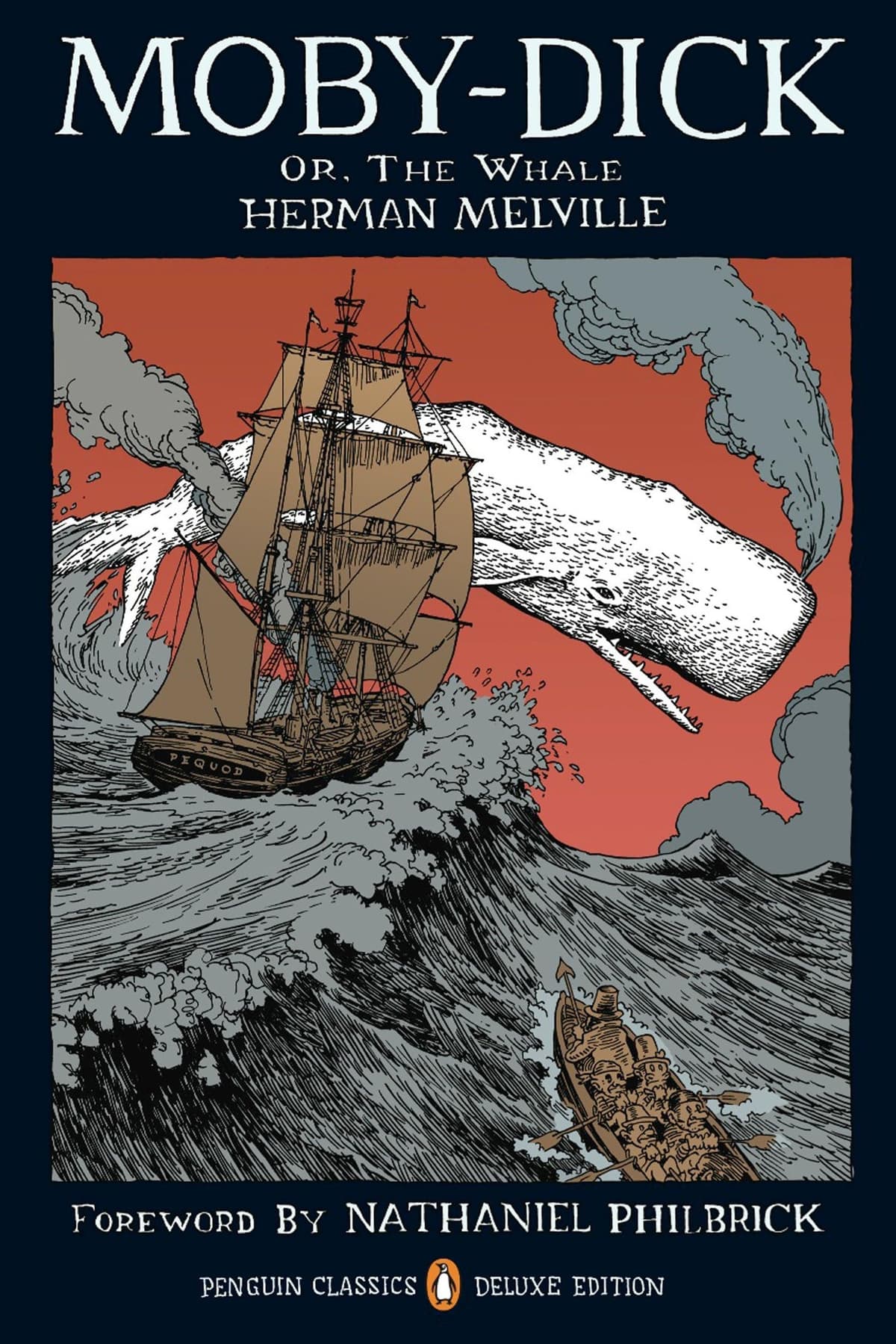 #7View Book
Moby-Dick
Herman Melville
Challenging•20-25 hours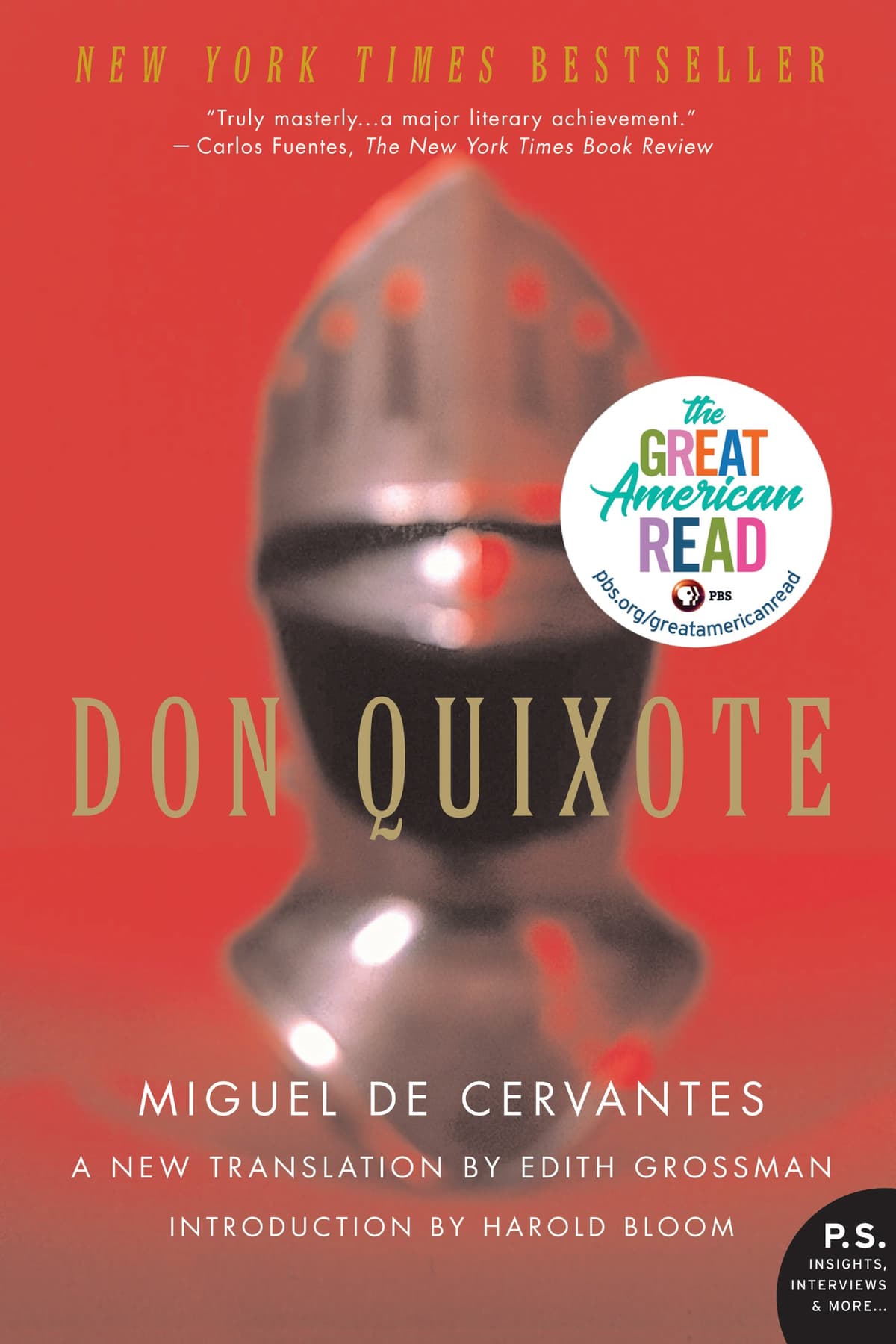 #9View Book
Don Quixote
Miguel de Cervantes
High•35-40 hours
Browse more collections