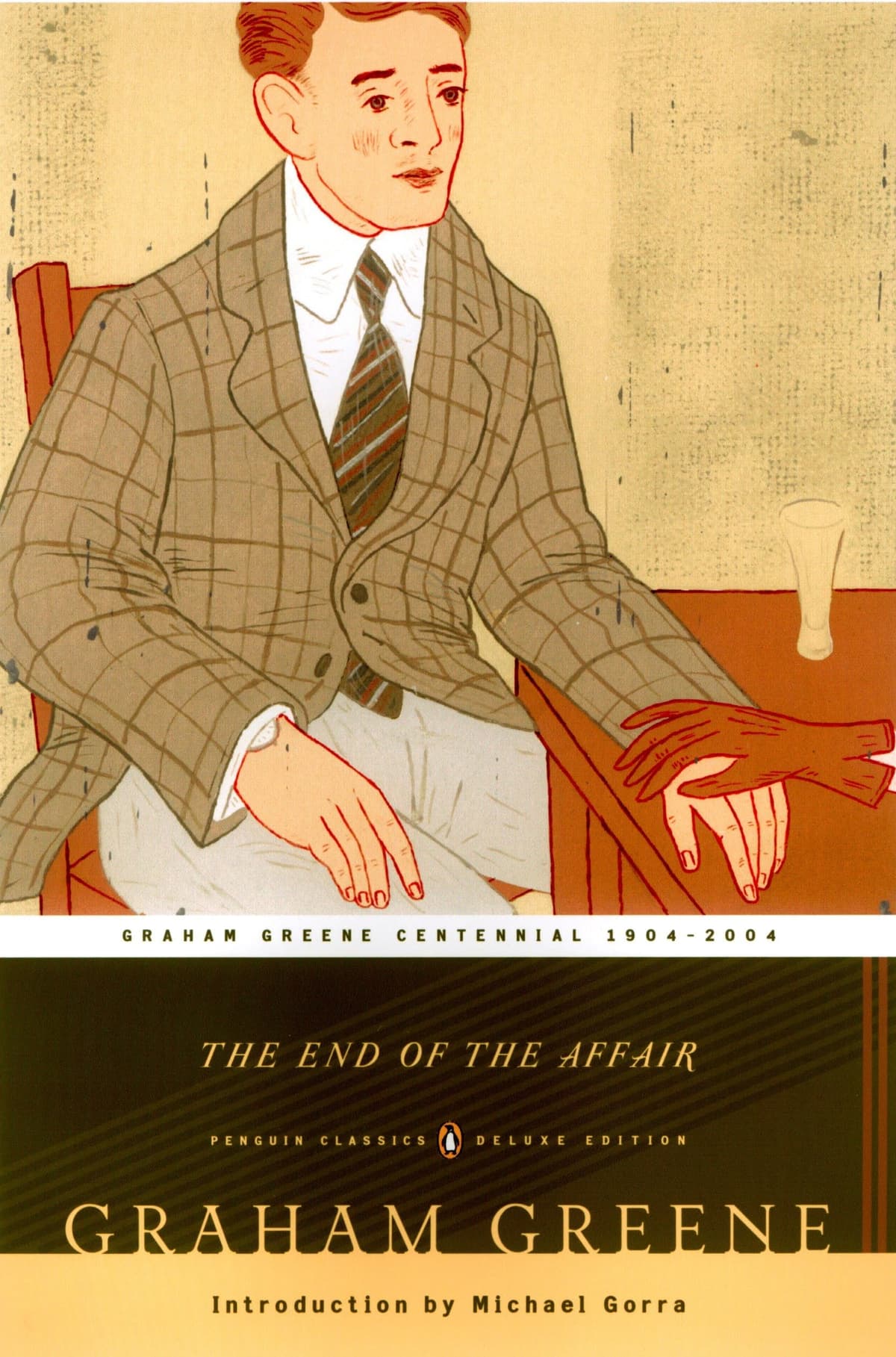
The End of the Affair
“I hate you, God. I hate you as though you actually exist.”
The End of the Affair Summary
Maurice Bendrix, a bitter and jealous novelist, hires a private detective to follow his former lover, Sarah Miles, convinced she has taken a new man. Their affair—passionate, clandestine, conducted in wartime London while bombs fell on the city—ended abruptly and without explanation. As Bendrix digs into Sarah's secret life, reading her stolen diary, he discovers not a rival lover but something far more unsettling: a promise made to God in a moment of desperate bargaining, a vow that has torn her from the only man she has ever truly loved.
Greene's novel is a devastating anatomy of obsessive love and reluctant faith, narrated by a man whose hatred is indistinguishable from desire. The wartime London setting—its blackouts, its rubble, its casual proximity to death—becomes the perfect landscape for a story about the thin membrane between the sacred and the profane. Bendrix rages against God as a jealous rival, and Greene refuses to let the reader settle into comfortable atheism or easy piety. The prose is lean and lacerating, the structure a masterly interweaving of past and present, diary and narration. It is a love story that becomes, almost against its will, a story about grace—about the terrifying possibility that God pursues us with the same relentless passion with which we pursue each other.
Why Read The End of the Affair?
If you have ever loved someone so fiercely that the loss felt like a physical wound, this novel will find you where you live. Greene writes about desire with a rawness that few novelists dare—Bendrix's jealousy is ugly, petty, all-consuming, and utterly recognizable. But the book's genius is in its pivot: what begins as a sordid tale of adultery becomes a meditation on whether divine love and human love are the same force wearing different masks.
Greene—himself a Catholic convert tormented by his own infidelities—poured his contradictions into every page. The result is a novel that refuses to let you off the hook, whether you believe in God or not. It will make you reconsider what devotion means, what sacrifice costs, and whether the boundaries we draw between sacred and profane love are anything more than self-protective fictions. It is among the finest novels of the twentieth century, and it earns that distinction with every devastating sentence.
About Graham Greene
Graham Greene (1904-1991) was one of the most prolific and widely read British novelists of the twentieth century. Born in Berkhamsted, Hertfordshire, he studied at Balliol College, Oxford, and worked as a journalist before turning to fiction. His conversion to Catholicism in 1926—initially undertaken to marry his wife Vivien—became the central tension of his literary life, fueling novels that wrestled with sin, grace, and the possibility of redemption in a fallen world.
Greene divided his own works into 'novels' and 'entertainments,' though the distinction blurred as his career progressed. His major works include The Power and the Glory, The Heart of the Matter, The Quiet American, and Brighton Rock. He was shortlisted for the Nobel Prize in Literature multiple times but never won—an omission widely regarded as one of the prize's great oversights. His influence spans literary fiction, espionage writing, and the modern Catholic novel, and his exploration of moral ambiguity in politically charged settings remains a touchstone for writers worldwide.
Reading Guide
Ranked #196 among the greatest books of all time, The End of the Affair by Graham Greene has earned its place in the literary canon. Originally written in English and published in 1951, this moderate read from United Kingdom continues to resonate with readers today.
This book belongs to our Love & Loss and Philosophy & Faith collections, where you can discover more books that share its spirit and themes.
If you enjoy moderate reads like this one, you might also like One Hundred Years of Solitude, Nineteen Eighty-Four, or Wuthering Heights.
From the Love & Loss Collection
If you enjoyed The End of the Affair, discover more masterpieces that share its spirit.
 #3View Book
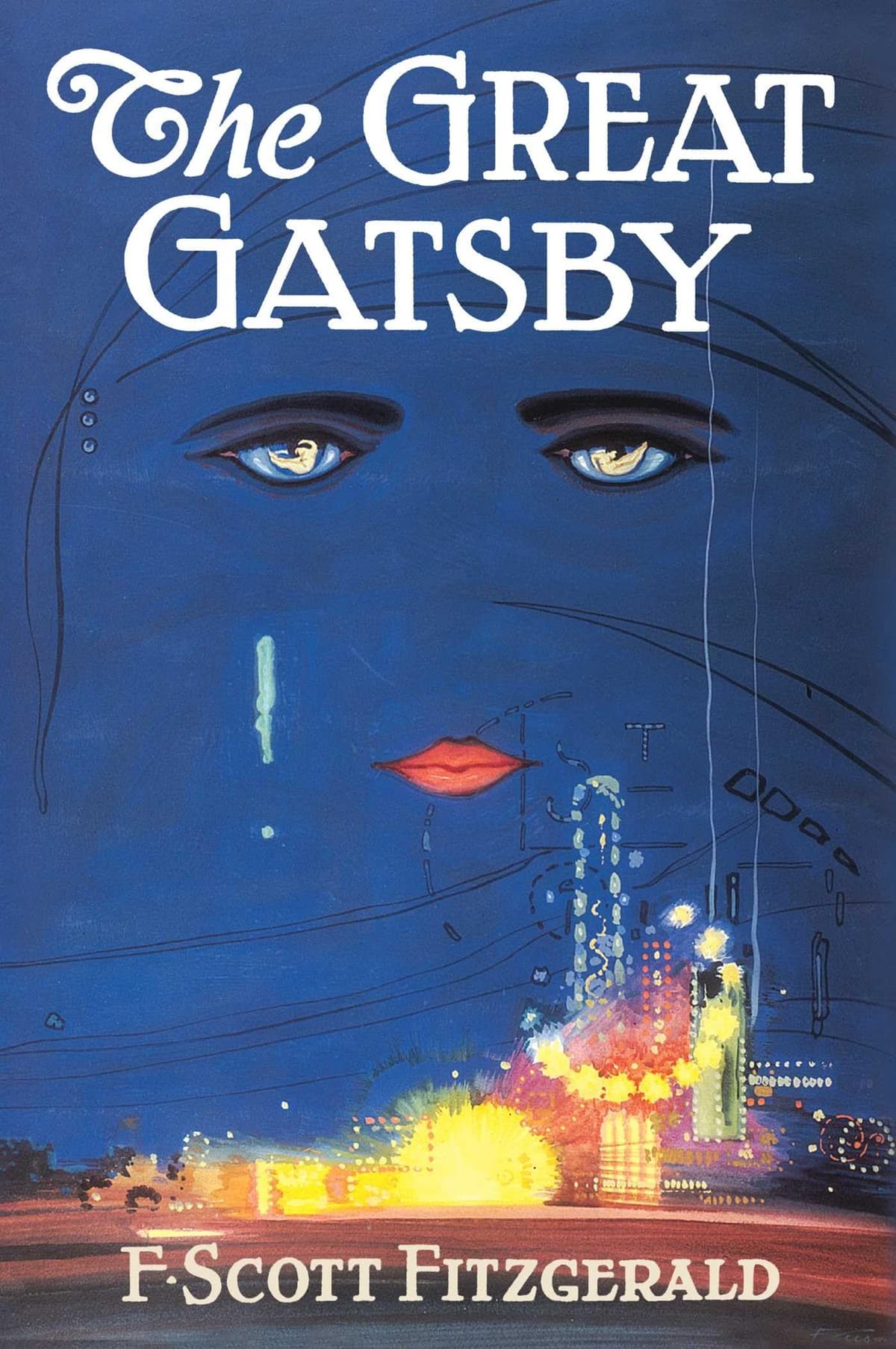
The Great Gatsby
F. Scott Fitzgerald
Accessible•5-6 hours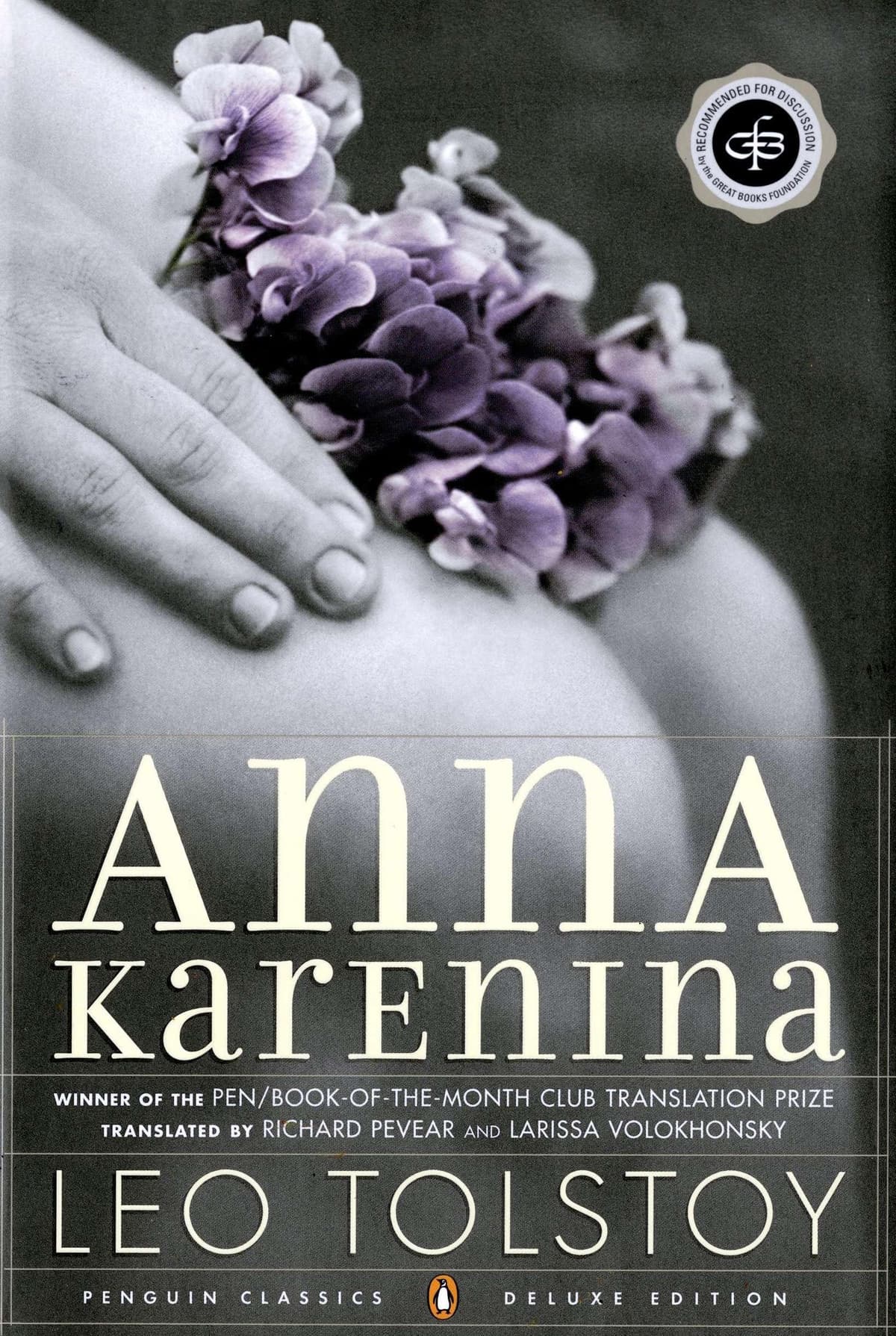 #10View Book
Anna Karenina
Leo Tolstoy
High•30-35 hours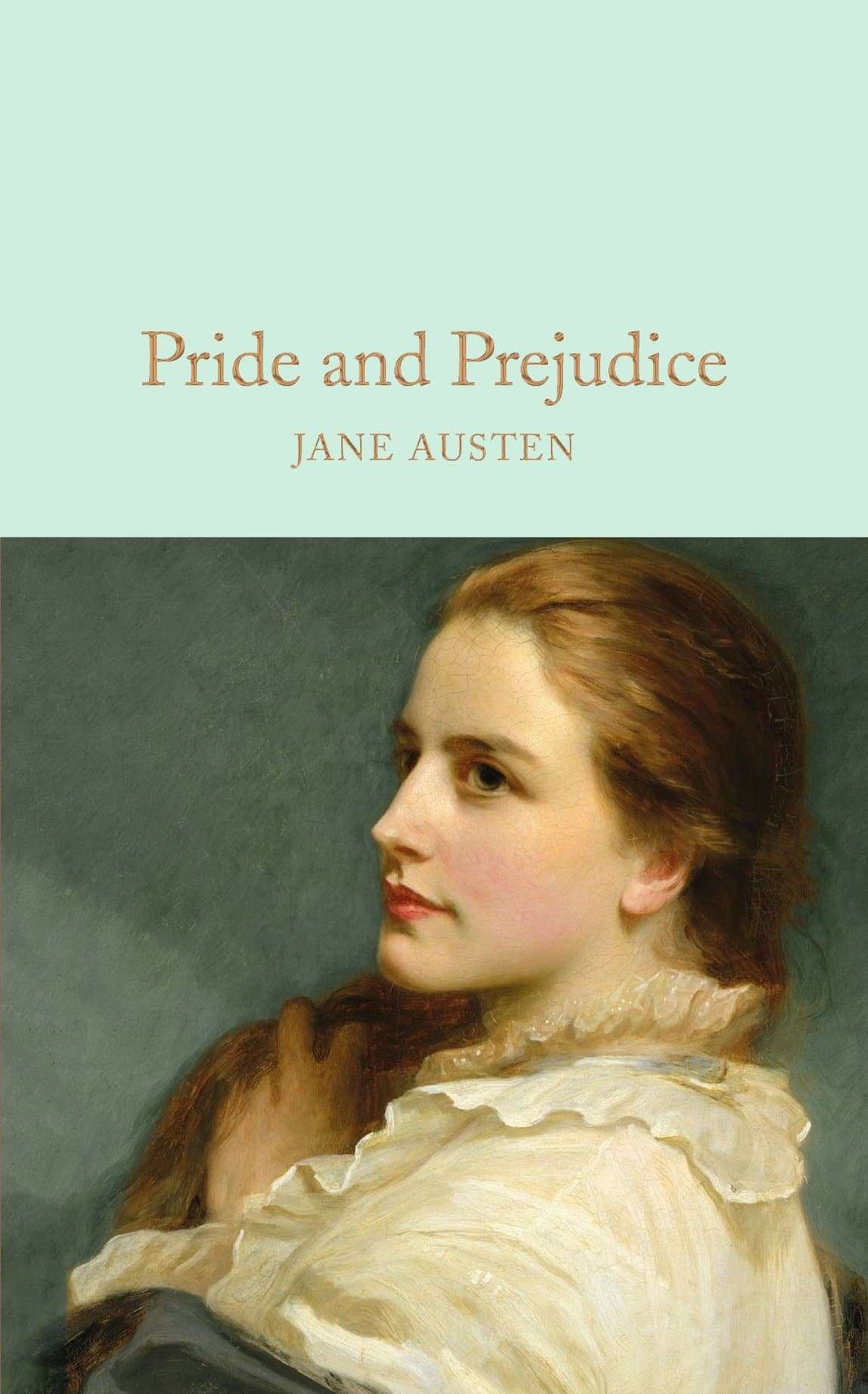 #12View Book
Pride and Prejudice
Jane Austen
Accessible•10-12 hours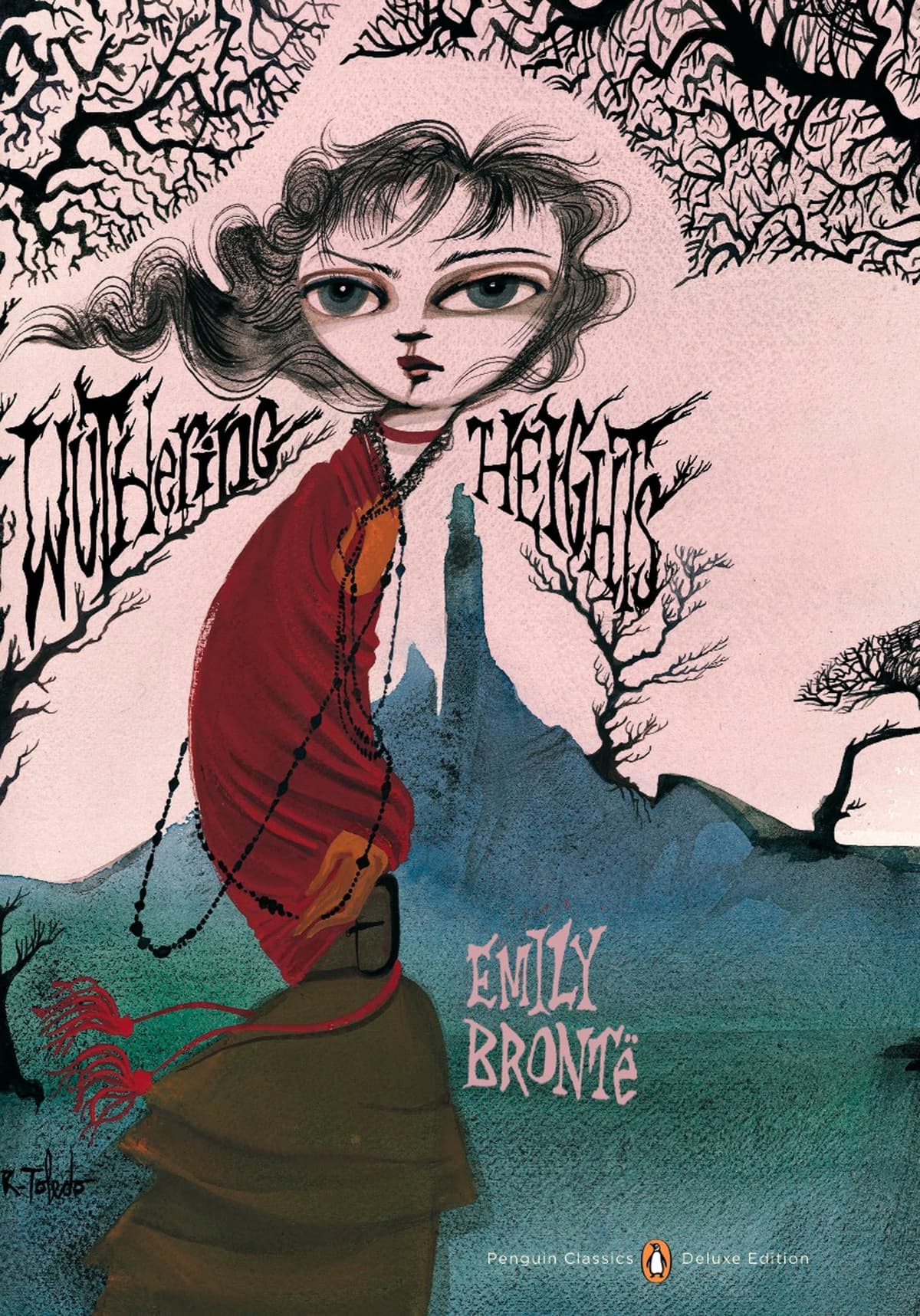 #15View Book
Wuthering Heights
Emily Brontë
Moderate•10-12 hours
Browse more collections