The Gulag Archipelago
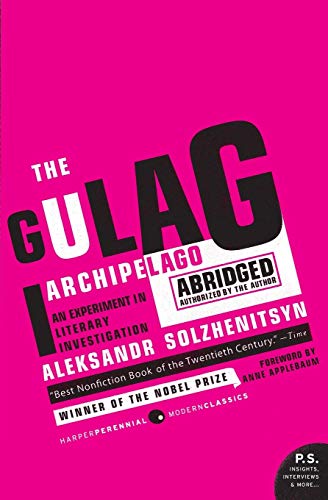
“The line separating good and evil passes not through states, nor between classes, nor between political parties either—but right through every human heart.”
The Gulag Archipelago Summary
Between 1918 and 1956, the Soviet Union maintained a vast archipelago of forced labor camps, transit prisons, and exile settlements that stretched from the Arctic tundra to the Central Asian steppe—a hidden continent of suffering that consumed millions of lives. Aleksandr Solzhenitsyn, himself imprisoned for eight years after criticizing Stalin in a private letter, undertook the monumental task of documenting this system from the inside. Drawing on his own experience, the testimony of over two hundred fellow prisoners, and his prodigious memory (he could not risk keeping written notes), he produced The Gulag Archipelago—part memoir, part history, part prosecutorial brief, part moral philosophy—a work that laid bare the machinery of Soviet repression with devastating precision and scorching moral authority.
Solzhenitsyn traces the system from arrest through interrogation, transport, camp life, and (for the lucky) release, exposing not just the cruelty of individual guards and officials but the ideological logic that made the Gulag possible. His tone ranges from savage irony to anguished compassion, from meticulous documentation to philosophical meditation on the nature of good and evil. The book's publication in the West in 1973 sent shockwaves through the world, shattering the illusions of those who still defended the Soviet experiment. It is one of the most important nonfiction works of the twentieth century—a monument to the dead and a warning to the living.
Why Read The Gulag Archipelago?
This is one of those books that divides history into before and after. When The Gulag Archipelago reached the West, it became impossible for any honest person to deny the nature of the Soviet system. Solzhenitsyn achieved what no statistic or policy paper could: he made the suffering of millions real, individual, and undeniable. His account of the camps is at once a work of literature—vivid, darkly witty, structurally ambitious—and a moral act of the highest order.
Reading it is not easy. The suffering documented in these pages is immense, and Solzhenitsyn does not spare the reader. But he also does not reduce his subjects to mere victims. The prisoners who populate this book think, argue, resist, despair, and sometimes transcend their circumstances with startling dignity. The Gulag Archipelago forces you to confront the darkest capacities of political power and the resilience of the human spirit—and in an age when authoritarianism is resurgent around the world, its lessons have never been more urgent.
About Aleksandr Solzhenitsyn
Aleksandr Solzhenitsyn (1918–2008) was born in Kislovodsk, Russia, and studied mathematics and physics at Rostov State University. He served as an artillery officer in World War II and was decorated for bravery before being arrested in 1945 for criticizing Stalin in a private letter. He spent eight years in labor camps and three more in internal exile—experiences that became the raw material for his life's work.
His first published work, One Day in the Life of Ivan Denisovich, appeared in 1962 during Khrushchev's brief thaw and caused a sensation. The Cancer Ward and The First Circle cemented his reputation, and he was awarded the Nobel Prize in Literature in 1970, though he could not travel to accept it. The publication of The Gulag Archipelago led to his forced exile from the Soviet Union in 1974. He lived in Vermont for nearly two decades before returning to Russia in 1994. Solzhenitsyn remains one of the towering moral figures of the twentieth century—a writer who used literature as a weapon against tyranny.
Reading Guide
Ranked #195 among the greatest books of all time, The Gulag Archipelago by Aleksandr Solzhenitsyn has earned its place in the literary canon. Originally written in Russian and published in 1973, this high read from Russia continues to resonate with readers today.
This book belongs to our Philosophy & Faith and Russian Soul collections, where you can discover more books that share its spirit and themes.
If you enjoy high reads like this one, you might also like In Search of Lost Time, Don Quixote, or Anna Karenina.
From the Philosophy & Faith Collection
If you enjoyed The Gulag Archipelago, discover more masterpieces that share its spirit.
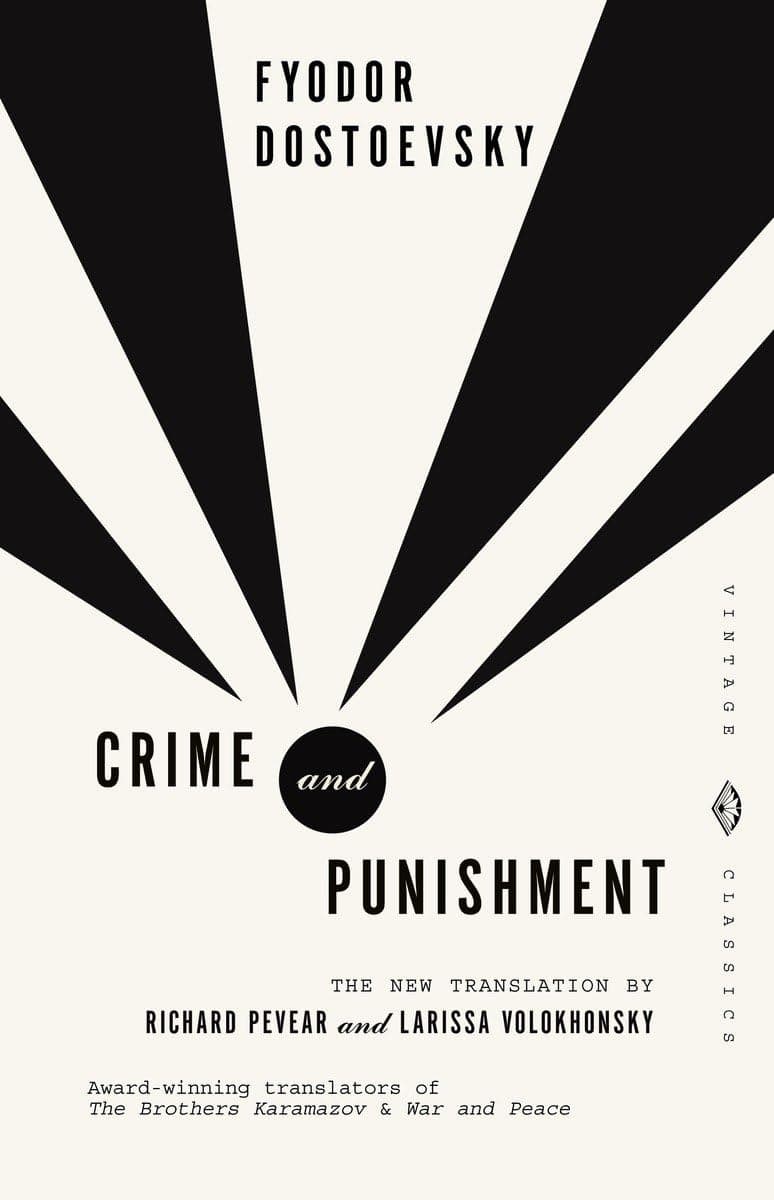 #11View Book
Crime and Punishment
Fyodor Dostoevsky
High•20-25 hours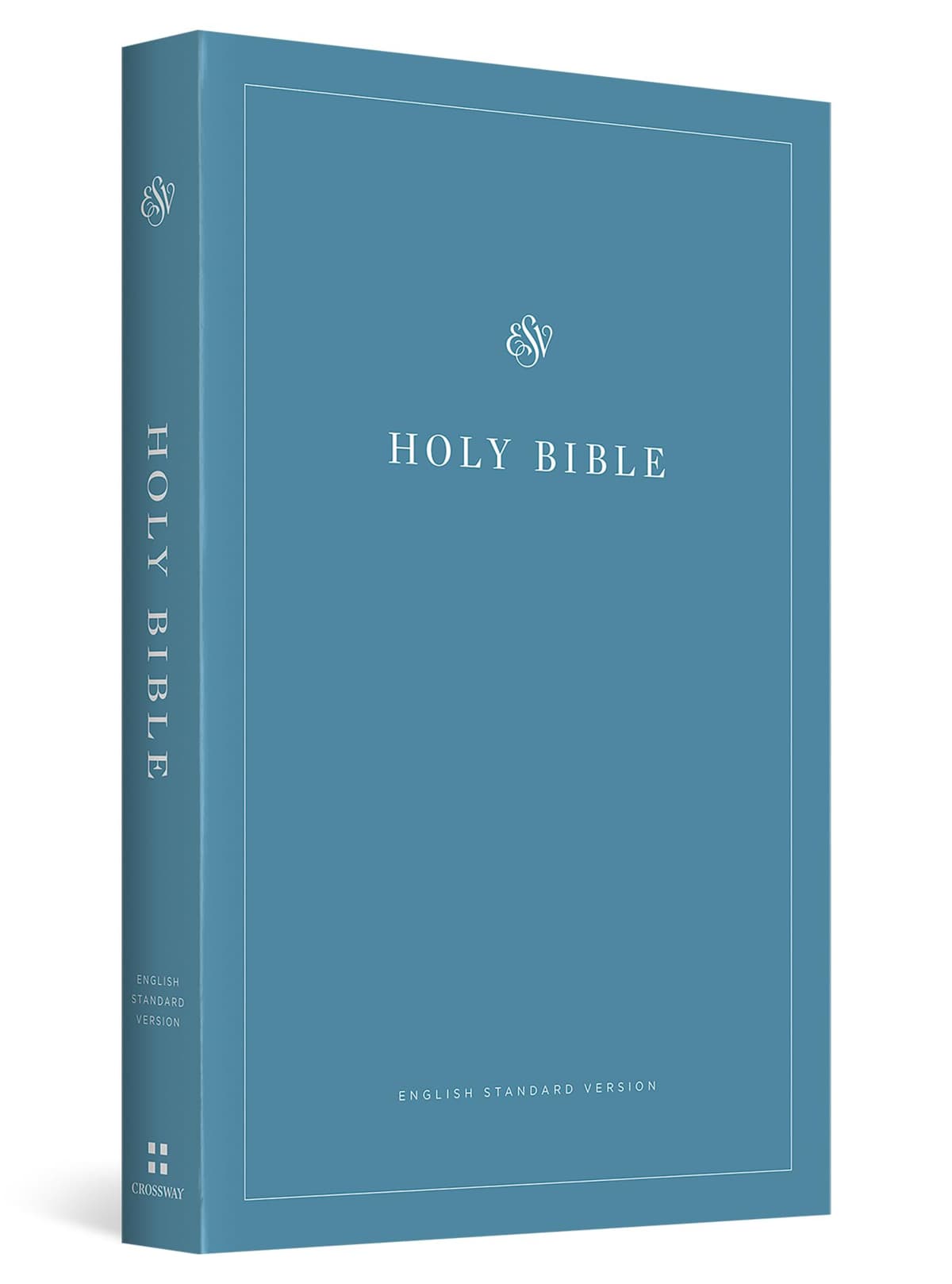 #18View Book
The Bible
Various
Variable•60-80 hours #19View Book
The Brothers Karamazov
Fyodor Dostoevsky
Very High•35-40 hours #21View Book
The Stranger
Albert Camus
Moderate•3-4 hours
Browse more collections