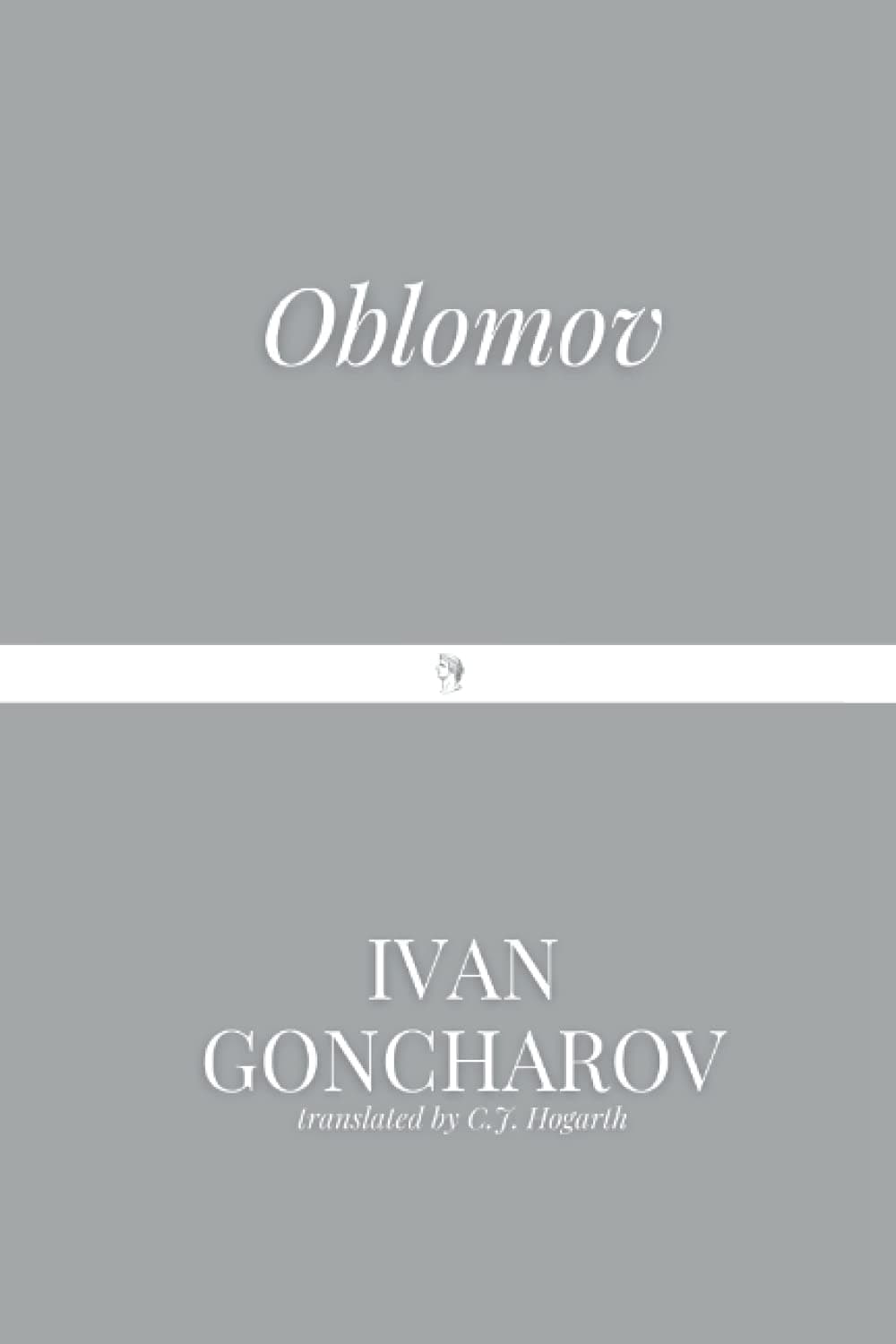
Oblomov
“All his anxiety resolved itself into a sigh and dissolved into apathy and drowsiness.”
Oblomov Summary
Ilya Ilyich Oblomov lies on his couch. He has been lying on his couch for the entire first part of the novel—nearly one hundred and fifty pages—receiving visitors, contemplating getting up, drafting plans he will never execute, and sinking ever deeper into the warm, paralyzing embrace of inertia. He is a Russian landowner of comfortable means and genuine intelligence who simply cannot bring himself to act. His servant Zakhar is equally slothful. His dressing gown is a second skin. The world outside his apartment in St. Petersburg—with its ambitions, obligations, and demands—terrifies him. Only his energetic friend Stolz, a man of German efficiency and relentless purpose, can rouse him temporarily from his torpor, and only Olga Ilyinskaya, a young woman of passionate intelligence, can awaken in him something resembling love and the will to change.
Goncharov transforms this premise—which sounds like the setup for a joke—into a devastating portrait of a life unlived and, by extension, a diagnosis of an entire culture. "Oblomovism" entered the Russian language as a term for the feudal aristocracy's fatal passivity, the spiritual paralysis of a class that lived on the labor of serfs and could not adapt to modernity. Yet Oblomov is no mere symbol. He is rendered with such tenderness and psychological acuity that the reader cannot help but recognize something of themselves in his reluctance to face the world—making this one of the most uncomfortably honest novels ever written.
Why Read Oblomov?
Oblomov is the most seductive cautionary tale in literature. Goncharov makes inertia so palpable, so understandable, so achingly human that you find yourself sympathizing with a man who refuses to get dressed before noon—and then realize with a start that you are looking in a mirror. The novel's first section, "Oblomov's Dream," is one of the most beautiful passages in Russian fiction, a reverie of childhood that explains everything about how a soul can be smothered by comfort and love.
This is a novel that asks the most terrifying question any of us can face: what if I never become the person I could have been? Oblomov's tragedy is not dramatic—there are no duels, no executions, no grand betrayals—but it is profound, because it is the tragedy of possibility squandered. Goncharov's prose is warm, unhurried, and deeply compassionate, and his creation has endured because Oblomovism is not merely a Russian disease. It is a human one, and this novel diagnoses it with heartbreaking precision.
About Ivan Goncharov
Ivan Goncharov (1812–1891) was born in Simbirsk, Russia, to a prosperous merchant family. He studied literature at Moscow University, entered the civil service, and lived a quiet, methodical, outwardly uneventful life that seemed almost designed to contrast with the magnificent indolence of his most famous creation. He served as a censor for the Russian government and traveled around the world aboard a Russian frigate, an experience he recorded in the travel memoir The Frigate Pallada.
Goncharov published only three novels—A Common Story, Oblomov, and The Precipice—but Oblomov alone secured his place in the pantheon of Russian literature. The novel's influence was immediate and far-reaching: the radical critic Dobrolyubov coined the term "Oblomovism" to describe the paralysis of the Russian gentry, and the character became a touchstone for debates about Russia's future. Goncharov spent his later years in increasing isolation, convinced that his friend and rival Turgenev had plagiarized his ideas—a paranoia that overshadowed an otherwise distinguished literary career.
Reading Guide
Ranked #194 among the greatest books of all time, Oblomov by Ivan Goncharov has earned its place in the literary canon. Originally written in Russian and published in 1859, this moderate read from Russia continues to resonate with readers today.
This book belongs to our Russian Soul and Society & Satire collections, where you can discover more books that share its spirit and themes.
If you enjoy moderate reads like this one, you might also like One Hundred Years of Solitude, Nineteen Eighty-Four, or Wuthering Heights.
From the Russian Soul Collection
If you enjoyed Oblomov, discover more masterpieces that share its spirit.
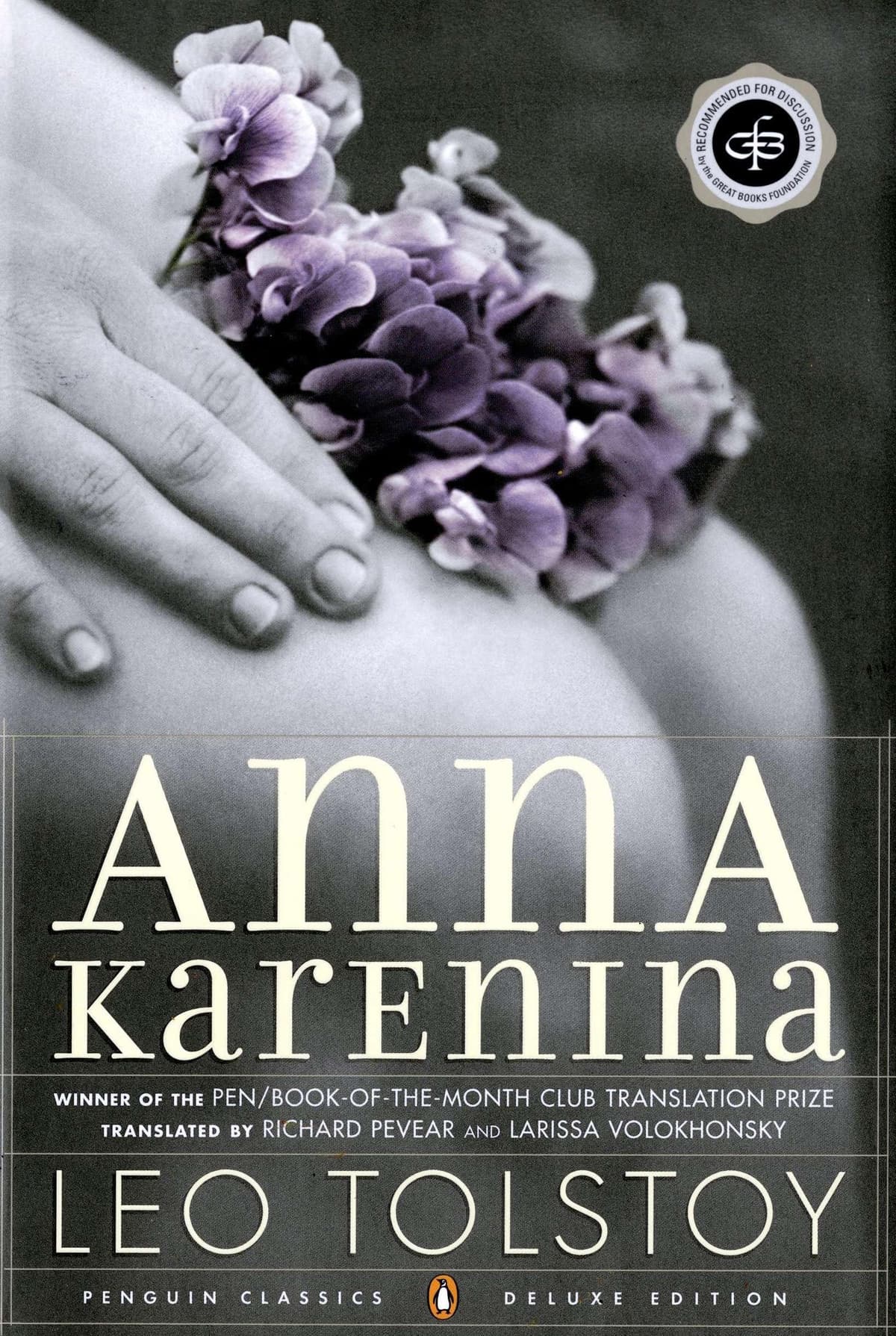 #10View Book
Anna Karenina
Leo Tolstoy
High•30-35 hours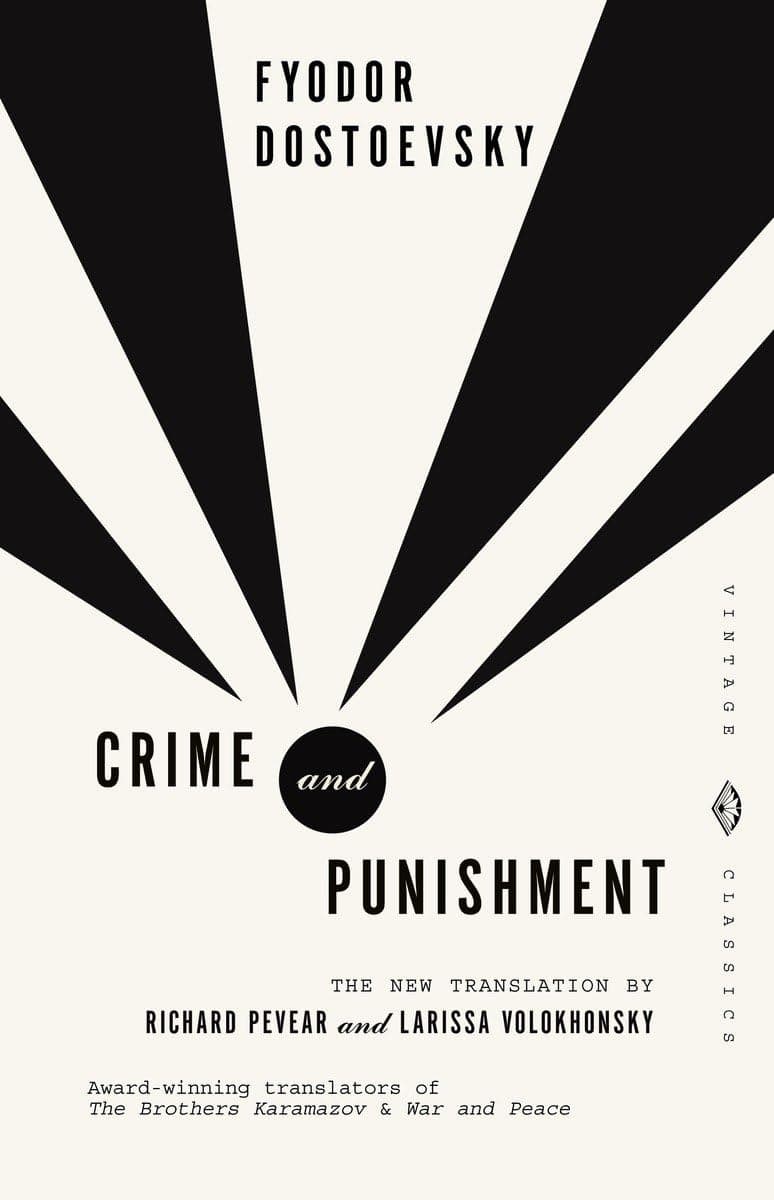 #11View Book
Crime and Punishment
Fyodor Dostoevsky
High•20-25 hours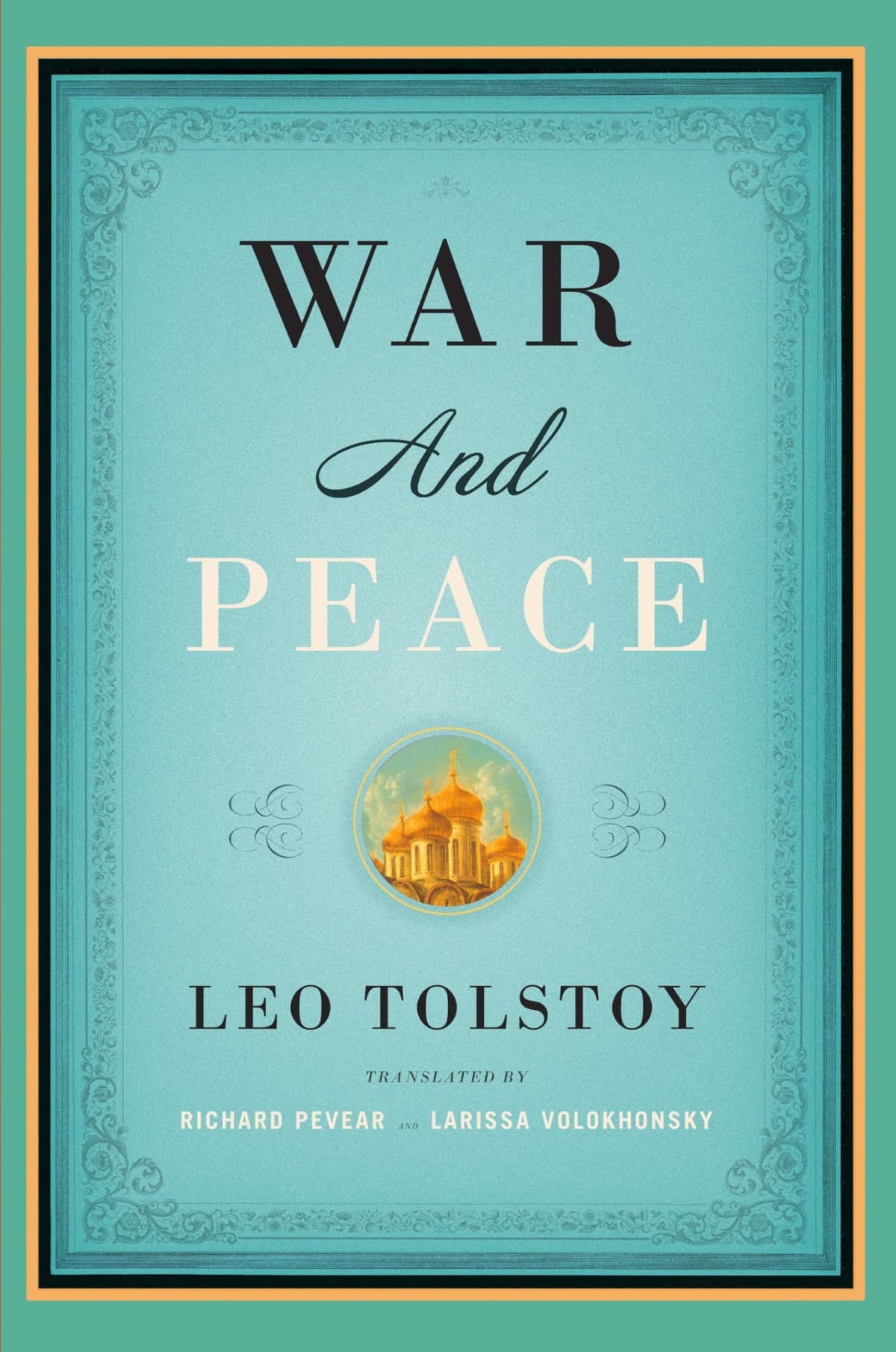 #14View Book
War and Peace
Leo Tolstoy
Very High•40-50 hours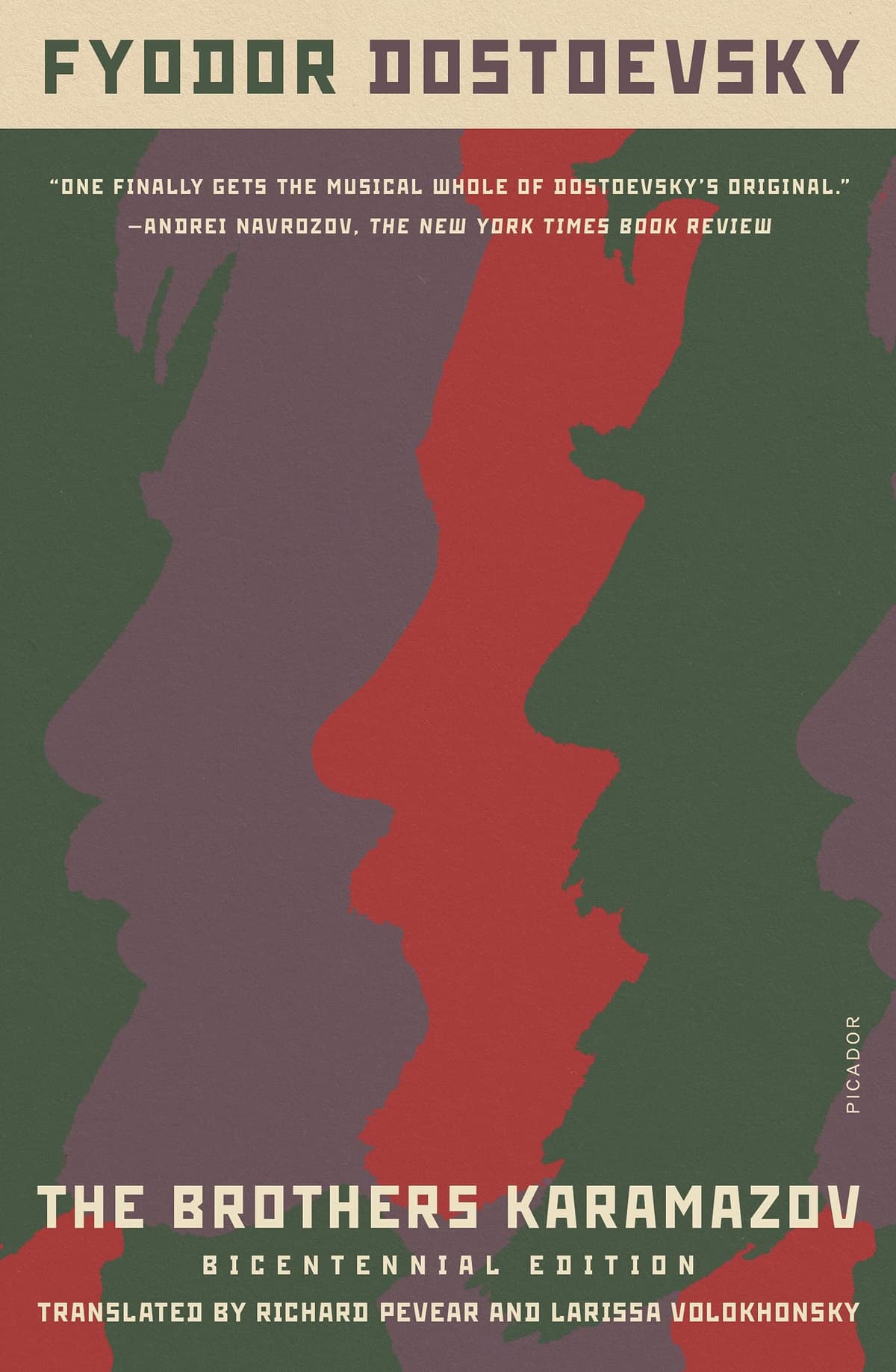 #19View Book
The Brothers Karamazov
Fyodor Dostoevsky
Very High•35-40 hours
Browse more collections