Love in the Time of Cholera
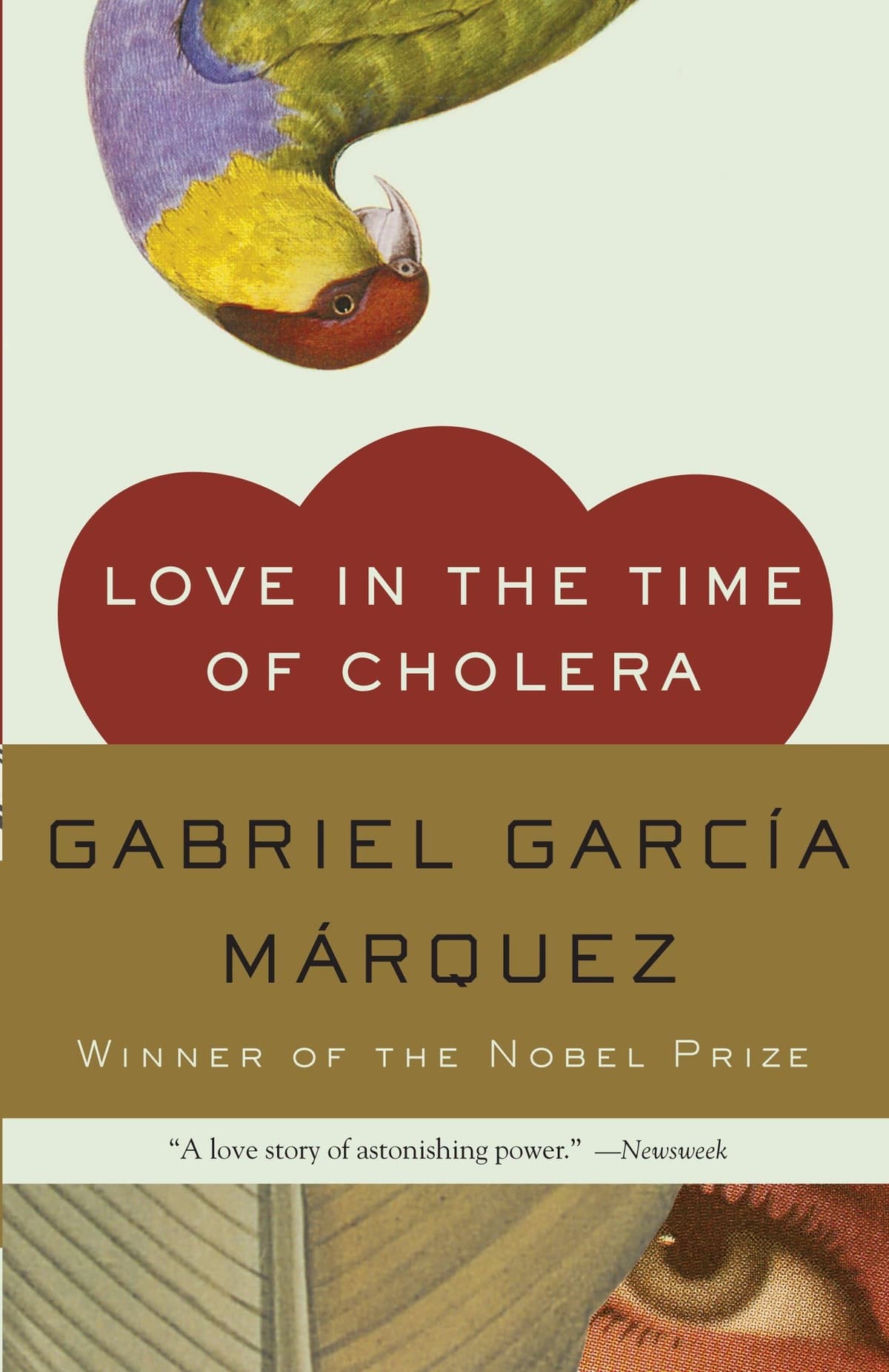
“He allowed himself to be swayed by his conviction that human beings are not born once and for all on the day their mothers give birth to them, but that life obliges them over and over again to give birth to themselves.”
Love in the Time of Cholera Summary
Florentino Ariza falls in love with Fermina Daza when they are teenagers in a sweltering Caribbean port city at the turn of the twentieth century. Their courtship is conducted through feverish love letters and stolen glances—until Fermina's father, horrified by the match, drags her away on a journey through the Colombian interior. When she returns, she takes one look at Florentino and realizes, with devastating clarity, that what she felt was an illusion. She marries instead the urbane, respected Dr. Juvenal Urbino, and Florentino begins a wait that will last fifty-one years, nine months, and four days. During that half-century, he conducts over six hundred love affairs—each one a substitute for the woman he cannot have—while Fermina builds a life of respectability and quiet compromise with a husband she learns to love imperfectly.
Gabriel Garcia Marquez's great love story unfolds across decades with the unhurried grandeur of a river finding the sea. It is a novel about the persistence of desire—how love can survive time, age, cholera epidemics, and the sheer indignity of growing old. The prose shimmers with the heat and color of the Colombian Caribbean, and the narrative weaves between romance and satire, tenderness and absurdity, with the fluid grace of magical realism. When Florentino finally declares his love again at Urbino's funeral—two old people, bodies failing, hearts still burning—the novel achieves a conclusion that is at once ridiculous and sublime, proving that love, like the cholera it resembles, is a disease from which one never fully recovers.
Why Read Love in the Time of Cholera?
This is the greatest love story of the twentieth century—and it is not a young person's love story. Garcia Marquez performs something miraculous here: he writes about passion in old age with the same intensity that most novelists reserve for first love. Florentino's devotion, absurd and magnificent in equal measure, challenges everything you think you know about romance. This is not a book about love conquering all; it is about love enduring all—surviving disappointment, infidelity, decay, and the relentless erosion of time.
The novel's genius lies in its refusal to sentimentalize. Florentino is both a great romantic and a deeply flawed man; Fermina is both practical and passionate; their love is both ridiculous and real. Garcia Marquez writes about the human heart with the same expansive vision he brings to his fictional landscapes—everything is larger, more vivid, more alive than it has any right to be. You will finish this book believing that it is never too late to love, and that the heart's capacity for feeling does not diminish with age—it deepens.
About Gabriel García Márquez
Gabriel Garcia Marquez (1927–2014) was a Colombian novelist, journalist, and Nobel laureate who became the most celebrated writer in the Spanish-speaking world. Born in Aracataca, a small town on Colombia's Caribbean coast, he was raised largely by his maternal grandparents, whose storytelling—blending the mundane and the marvelous without distinction—shaped his literary imagination. He studied law and journalism before becoming a foreign correspondent, an experience that honed the precise, reportorial style that grounds even his most fantastical fiction.
His masterpiece, One Hundred Years of Solitude, published in 1967, redefined Latin American literature and popularized magical realism as a global literary mode. He won the Nobel Prize in Literature in 1982. Garcia Marquez was also a committed political figure—a friend of Fidel Castro and an outspoken critic of U.S. imperialism in Latin America. His body of work, including Love in the Time of Cholera, Chronicle of a Death Foretold, and The Autumn of the Patriarch, constitutes one of the twentieth century's most extraordinary literary achievements.
Reading Guide
Ranked #162 among the greatest books of all time, Love in the Time of Cholera by Gabriel García Márquez has earned its place in the literary canon. Originally written in Spanish and published in 1985, this moderate read from Colombia continues to resonate with readers today.
This book belongs to our Magical Realism and Love & Loss collections, where you can discover more books that share its spirit and themes.
If you enjoy moderate reads like this one, you might also like One Hundred Years of Solitude, Nineteen Eighty-Four, or Wuthering Heights.
From the Magical Realism Collection
If you enjoyed Love in the Time of Cholera, discover more masterpieces that share its spirit.
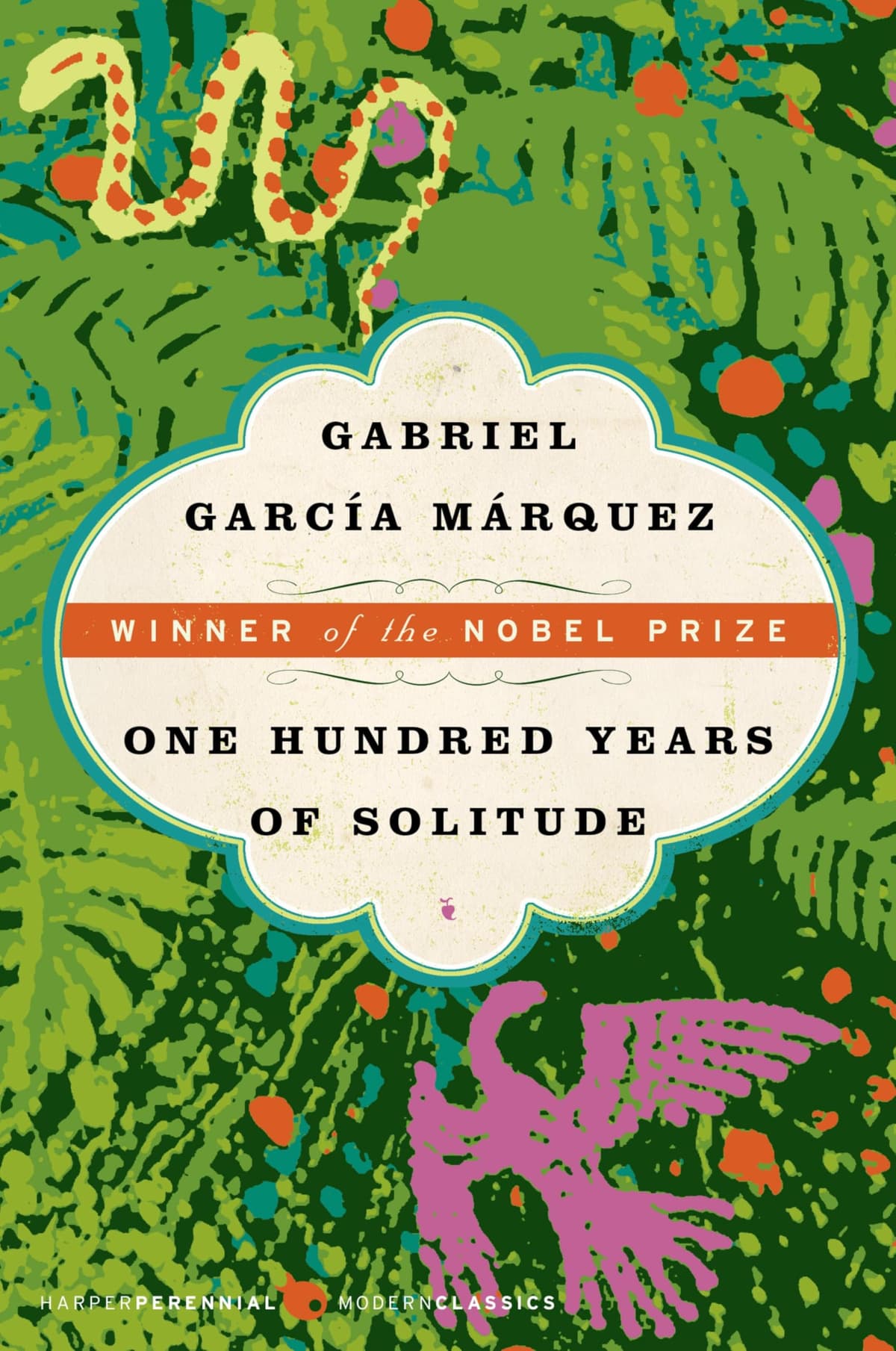 #5View Book
One Hundred Years of Solitude
Gabriel García Márquez
Moderate•15-20 hours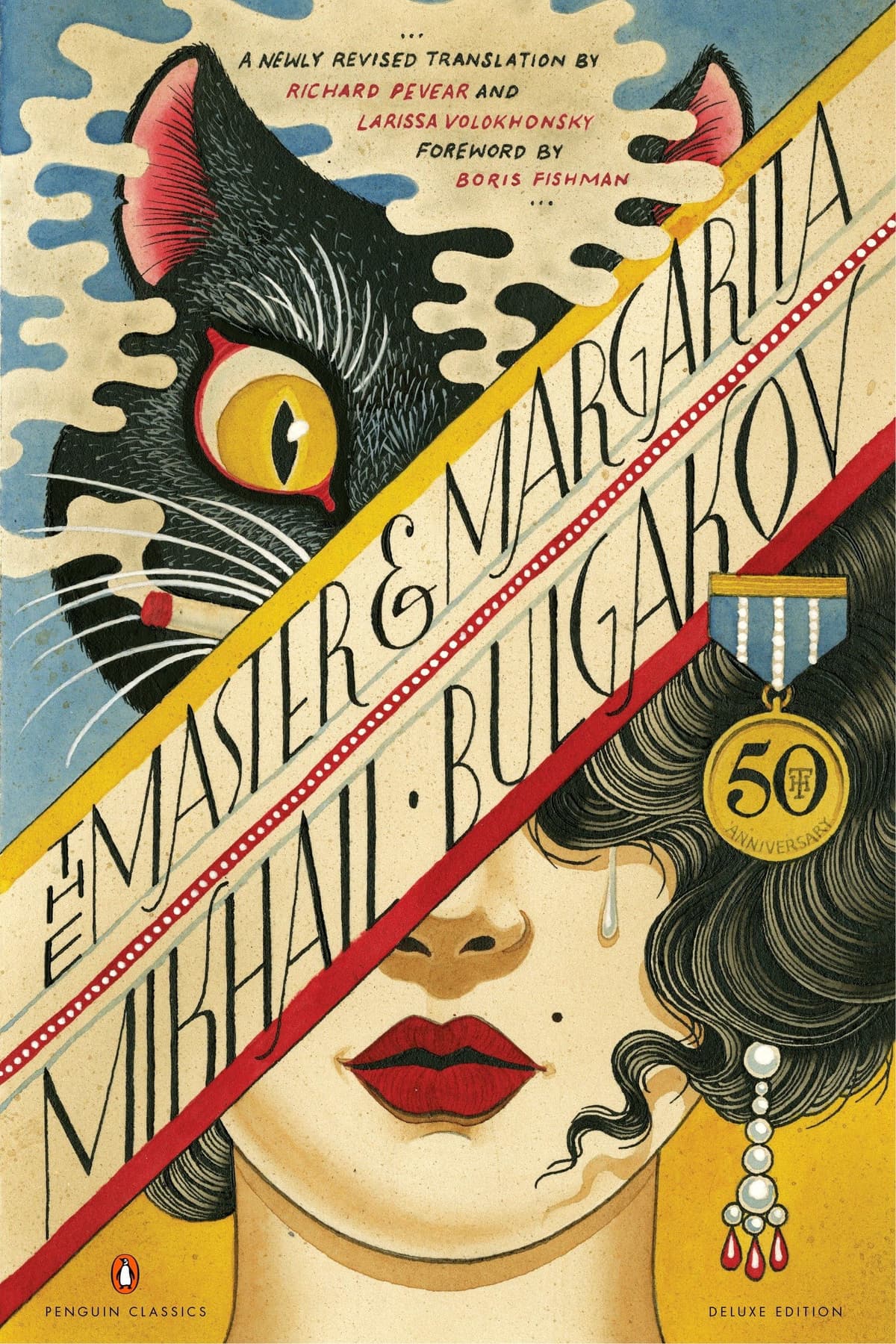 #34View Book
The Master and Margarita
Mikhail Bulgakov
Moderate•12-15 hours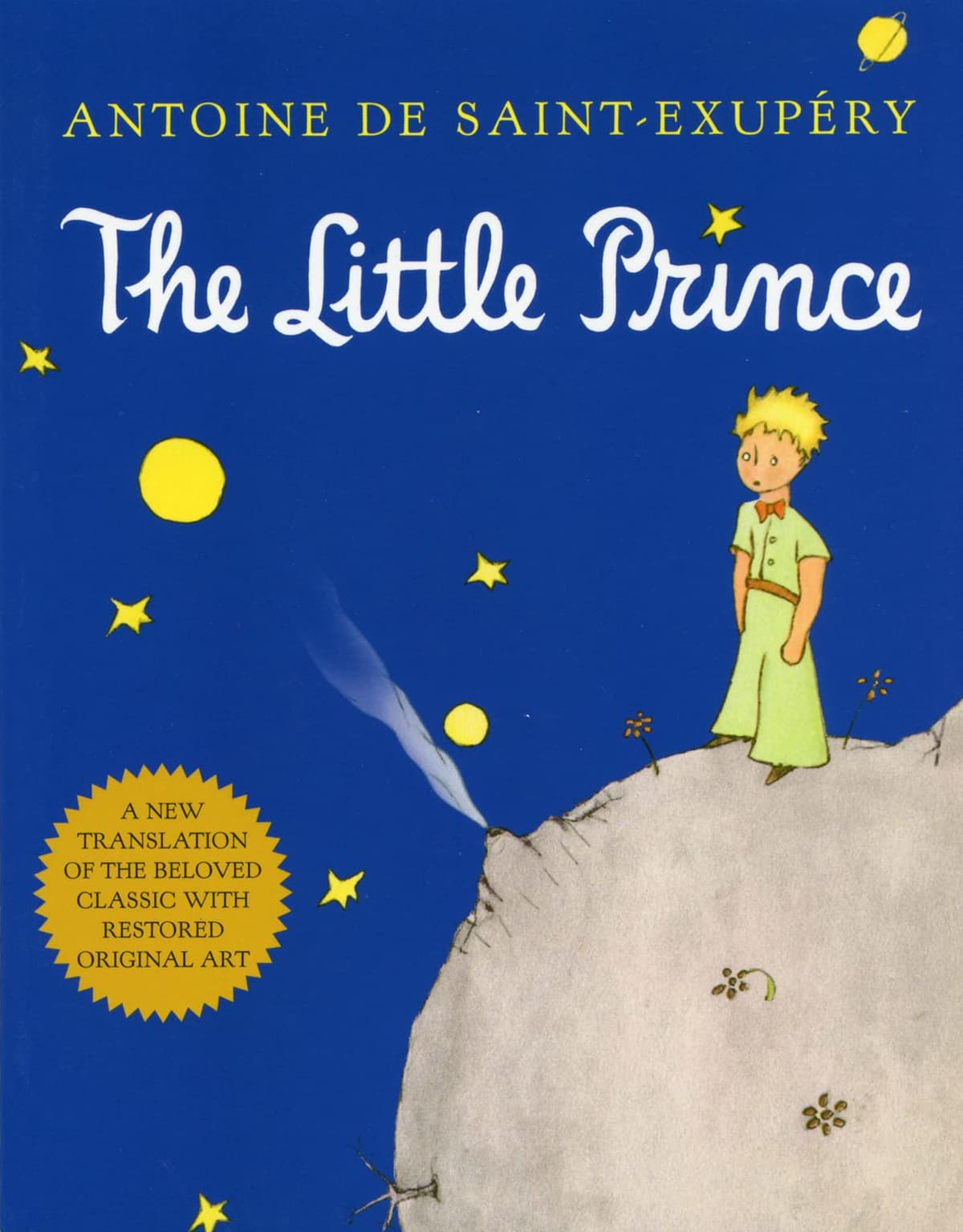 #43View Book
The Little Prince
Antoine de Saint-Exupéry
Accessible•1-2 hours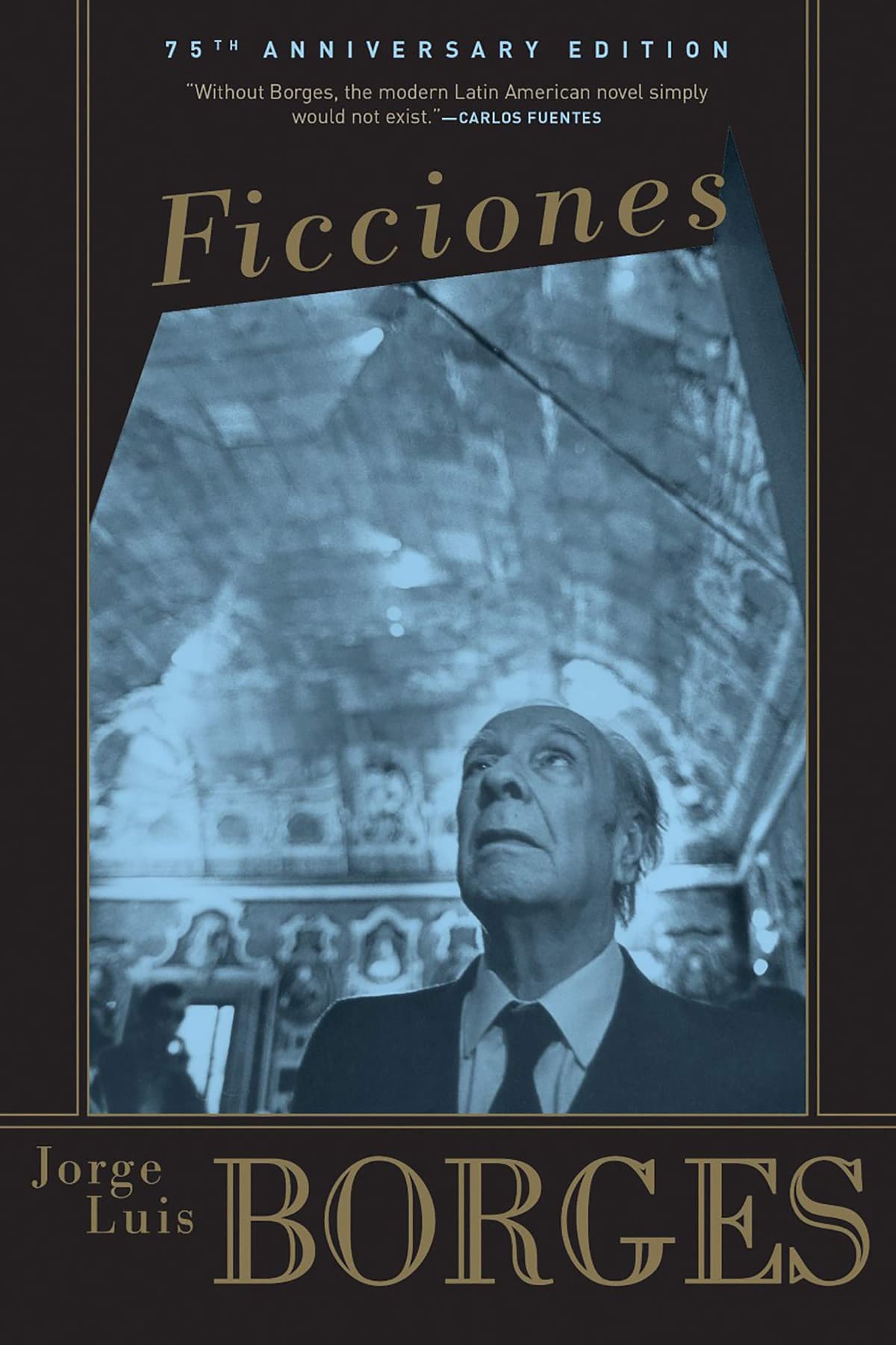 #45View Book
Fictions
Jorge Luis Borges
Challenging•6-8 hours
Browse more collections