Steppenwolf

“I have always believed, and I still believe, that whatever good or bad fortune may come our way we can always give it meaning and transform it into something of value.”
Steppenwolf Summary
Harry Haller is a middle-aged intellectual who despises bourgeois society yet cannot escape it—a man who sees himself as divided between two natures: a refined, cultivated human being and a savage, solitary wolf of the steppes. Living in rented rooms in a nameless Swiss city, he drifts toward suicide, convinced that his life is meaningless and his dual nature irreconcilable. Then he discovers a mysterious pamphlet—the "Treatise on the Steppenwolf"—that diagnoses his condition with uncanny precision, and he meets Hermine, a young woman who draws him into a world of jazz, dancing, drugs, and sensual pleasure he has long denied himself. Through Hermine and her companions—the saxophonist Pablo and the beautiful Maria—Harry begins to glimpse a third possibility beyond the human and the wolf: the possibility of humor, play, and the dissolution of the self into infinite personalities.
Hermann Hesse's novel is a hallucinatory journey through the crisis of modern identity—part confession, part philosophical treatise, part psychedelic fantasia. The climactic Magic Theater sequence, in which Harry confronts infinite versions of himself in a series of surreal rooms, anticipates the counterculture's fascination with expanded consciousness by four decades. Steppenwolf is a book about the agony of being too intelligent for happiness and too honest for compromise—and about the liberating discovery that the self is not a prison but a kaleidoscope.
Why Read Steppenwolf?
If you have ever felt split between who you are and who the world demands you be—between your intellectual convictions and your animal desires, between solitude and connection—Steppenwolf will feel like a book written specifically for you. Hesse captures the particular agony of the thinking person who cannot stop analyzing long enough to simply live, and he does so with a compassion that never condescends. Harry Haller's crisis is not abstract philosophy; it is the visceral, midnight desperation of a man who has run out of reasons to go on.
But the novel is not a dirge. Its second half erupts into wild, intoxicating life—jazz music, laughter, eroticism, the dizzying Magic Theater where reality dissolves into infinite possibility. Hesse's message is radical: that the cure for intellectual despair is not more thinking but more living, more play, more willingness to be absurd. This is the book that the 1960s counterculture adopted as its bible, and its vision of the self as fluid, multiple, and endlessly transformable remains as electrifying now as it was a century ago.
About Hermann Hesse
Hermann Hesse (1877–1962) was a German-born Swiss novelist, poet, and painter whose work explored the tension between the spiritual and the sensual, the individual and society. Born in Calw, in the Black Forest, to a family of missionaries, he rebelled against his strict religious upbringing—running away from seminary, suffering a nervous breakdown as a teenager, and eventually finding refuge in literature. He moved to Switzerland in 1912, became a Swiss citizen, and never returned to live in Germany.
Hesse's novels—including Siddhartha, Demian, Narcissus and Goldmund, and The Glass Bead Game—chart a lifelong quest for self-knowledge that drew on Eastern philosophy, Jungian psychology, and European Romanticism. He won the Nobel Prize in Literature in 1946. Though his reputation waned among critics in the postwar decades, the counterculture of the 1960s rediscovered him with fervor, and Steppenwolf in particular became a totem of youthful rebellion and spiritual searching. His influence extends far beyond literature into music, philosophy, and the ongoing conversation about what it means to live an authentic life.
Reading Guide
Ranked #163 among the greatest books of all time, Steppenwolf by Hermann Hesse has earned its place in the literary canon. Originally written in German and published in 1927, this challenging read from Germany continues to resonate with readers today.
This book belongs to our Philosophy & Faith and Modern Mind collections, where you can discover more books that share its spirit and themes.
If you enjoy challenging reads like this one, you might also like Ulysses, Moby-Dick, or Lolita.
From the Philosophy & Faith Collection
If you enjoyed Steppenwolf, discover more masterpieces that share its spirit.
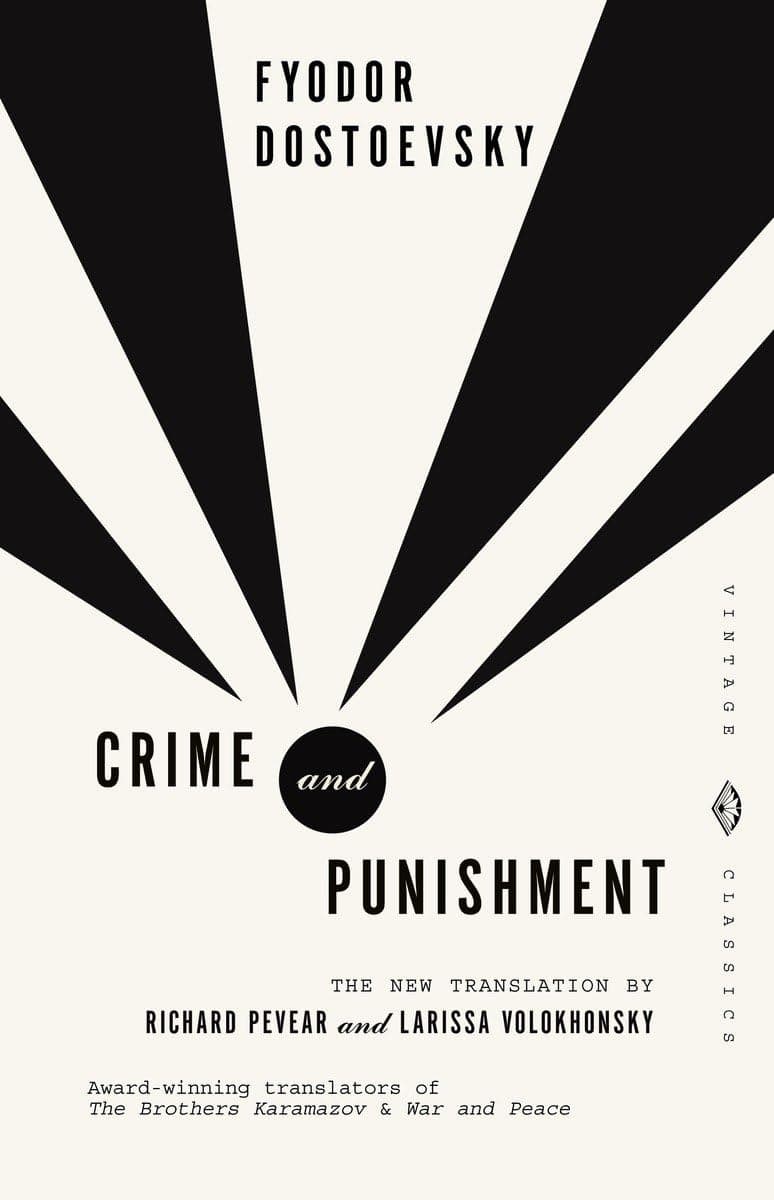 #11View Book
Crime and Punishment
Fyodor Dostoevsky
High•20-25 hours #18View Book
The Bible
Various
Variable•60-80 hours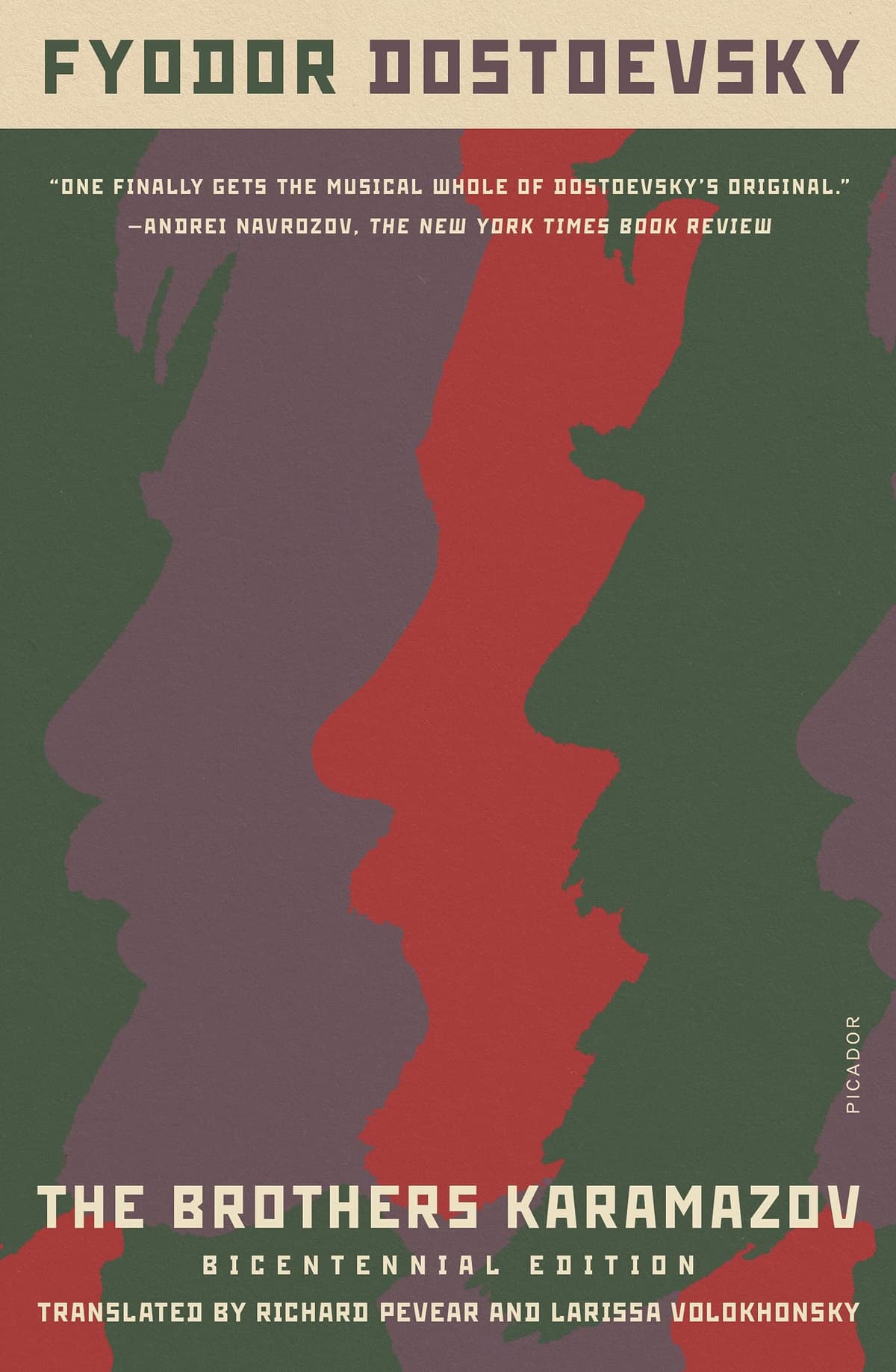 #19View Book
The Brothers Karamazov
Fyodor Dostoevsky
Very High•35-40 hours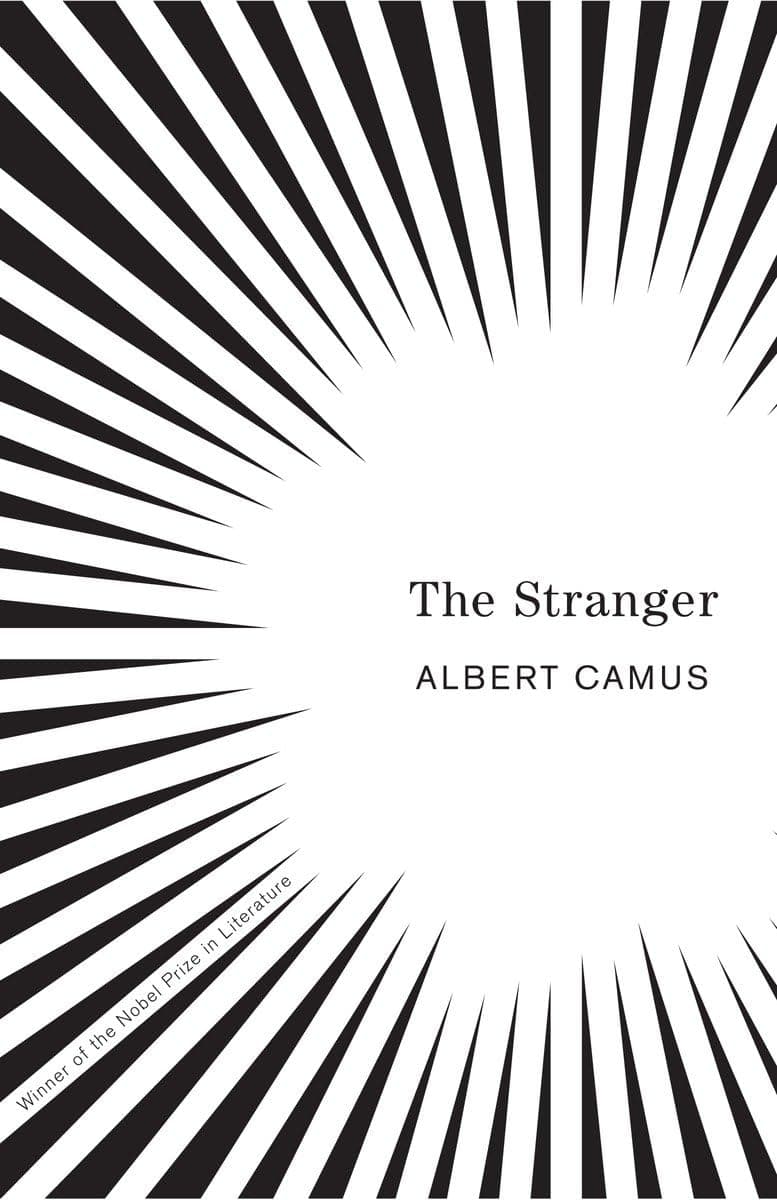 #21View Book
The Stranger
Albert Camus
Moderate•3-4 hours
Browse more collections