The Color Purple
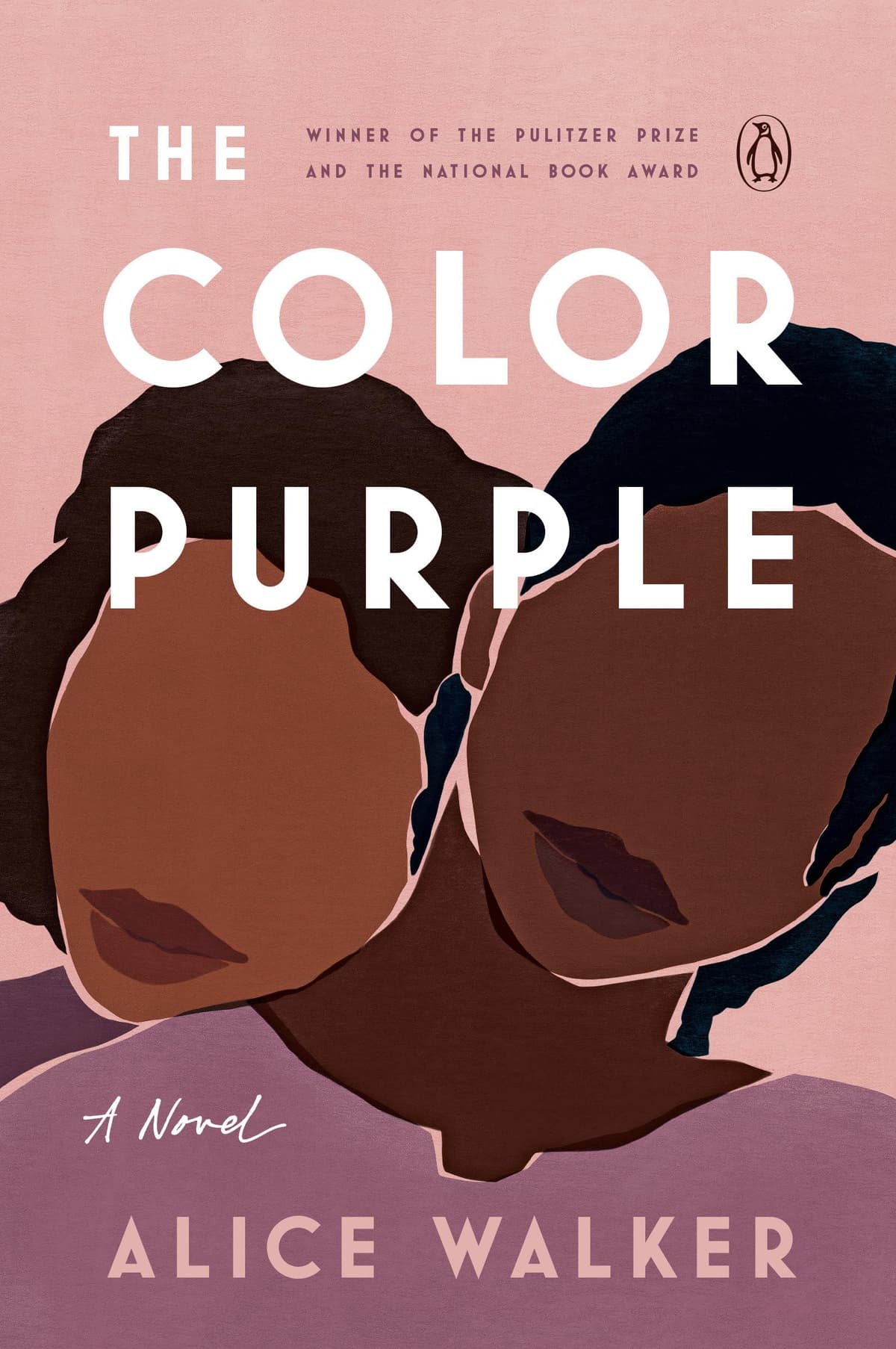
“I think it pisses God off if you walk by the color purple in a field somewhere and don't notice it.”
The Color Purple Summary
Celie is a poor, barely literate Black woman in rural Georgia who begins writing letters to God because there is no one else who will listen. She has been raped by the man she calls "Pa," her children taken from her, and she has been married off to a brutal man she refers to only as "Mister" or "Mr. ____"—a man who beats her, works her like a mule, and treats her as less than human. But into Celie's life come women who transform her: Shug Avery, a glamorous blues singer and Mister's longtime mistress, who teaches Celie about beauty, desire, and self-worth; and Sofia, her stepson's fierce, unbreakable wife, who refuses to submit to anyone. Through these relationships—and through the letters she eventually receives from her long-lost sister Nettie, a missionary in Africa—Celie discovers her own voice, her own power, and her own capacity for joy.
Alice Walker's Pulitzer Prize-winning novel is written entirely in epistolary form—first as letters to God, then as letters between Celie and Nettie—and Celie's voice, with its fractured grammar and luminous directness, is one of the most distinctive in American fiction. The novel traces a journey from silence to speech, from subjugation to liberation, from self-loathing to self-love, with a spiritual generosity that embraces the full spectrum of human experience. It is unflinching about the brutality of racism and sexism in the American South, yet it pulses with an irrepressible faith in the possibility of redemption, connection, and grace.
Why Read The Color Purple?
Celie's voice will lodge itself in your chest and refuse to leave. From the first letter—raw, broken, addressed to a God she is not sure is listening—you are drawn into an intimacy so complete that her pain becomes your pain and her liberation becomes your liberation. Walker achieves something extraordinary: she writes about the most devastating forms of oppression—racial, sexual, economic—without ever reducing her characters to victims. Celie is not defined by what has been done to her; she is defined by what she becomes.
The novel's power lies in its insistence that love—between women, between sisters, between the self and the divine—is the force that breaks every chain. Walker's prose, rooted in the rhythms of Black Southern speech, is both plainspoken and poetic, capable of expressing the most complex emotions with devastating simplicity. This is a book that will make you weep, make you furious, and ultimately make you believe that transformation is possible even in the darkest circumstances. It is one of the essential American novels.
About Alice Walker
Alice Walker (1944–) was born in Eatonton, Georgia, the eighth child of sharecroppers. Blinded in one eye by a BB gun accident at age eight, she found solace in reading and writing, eventually attending Spelman College and Sarah Lawrence College. She became active in the civil rights movement in Mississippi, where she registered voters and worked alongside figures like Medgar Evers and Martin Luther King Jr. Her early poetry and fiction drew on these experiences.
The Color Purple, published in 1982, won both the Pulitzer Prize for Fiction and the National Book Award, making Walker the first Black woman to win the Pulitzer for Fiction. She coined the term "womanism" to describe a feminism rooted in the experiences of Black women—a concept that has profoundly influenced literary and cultural criticism. Her other works include the novels Meridian and The Temple of My Familiar, as well as numerous collections of poetry and essays. She remains one of the most important voices in American letters, celebrated for her unflinching exploration of race, gender, spirituality, and the resilience of the human spirit.
Reading Guide
Ranked #164 among the greatest books of all time, The Color Purple by Alice Walker has earned its place in the literary canon. Originally written in English and published in 1982, this moderate read from United States continues to resonate with readers today.
This book belongs to our American Spirit and Love & Loss collections, where you can discover more books that share its spirit and themes.
If you enjoy moderate reads like this one, you might also like One Hundred Years of Solitude, Nineteen Eighty-Four, or Wuthering Heights.
From the American Spirit Collection
If you enjoyed The Color Purple, discover more masterpieces that share its spirit.
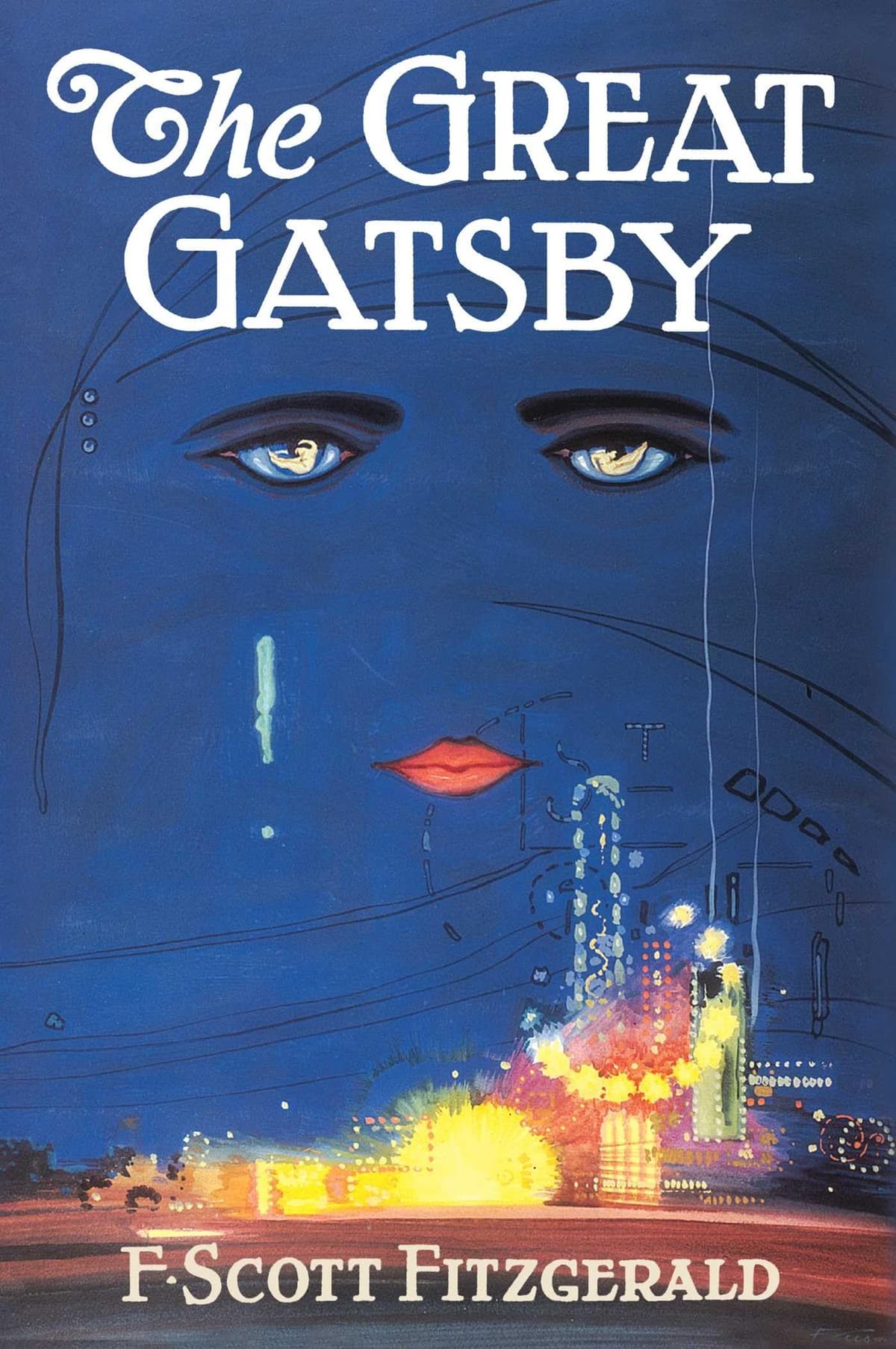 #3View Book
The Great Gatsby
F. Scott Fitzgerald
Accessible•5-6 hours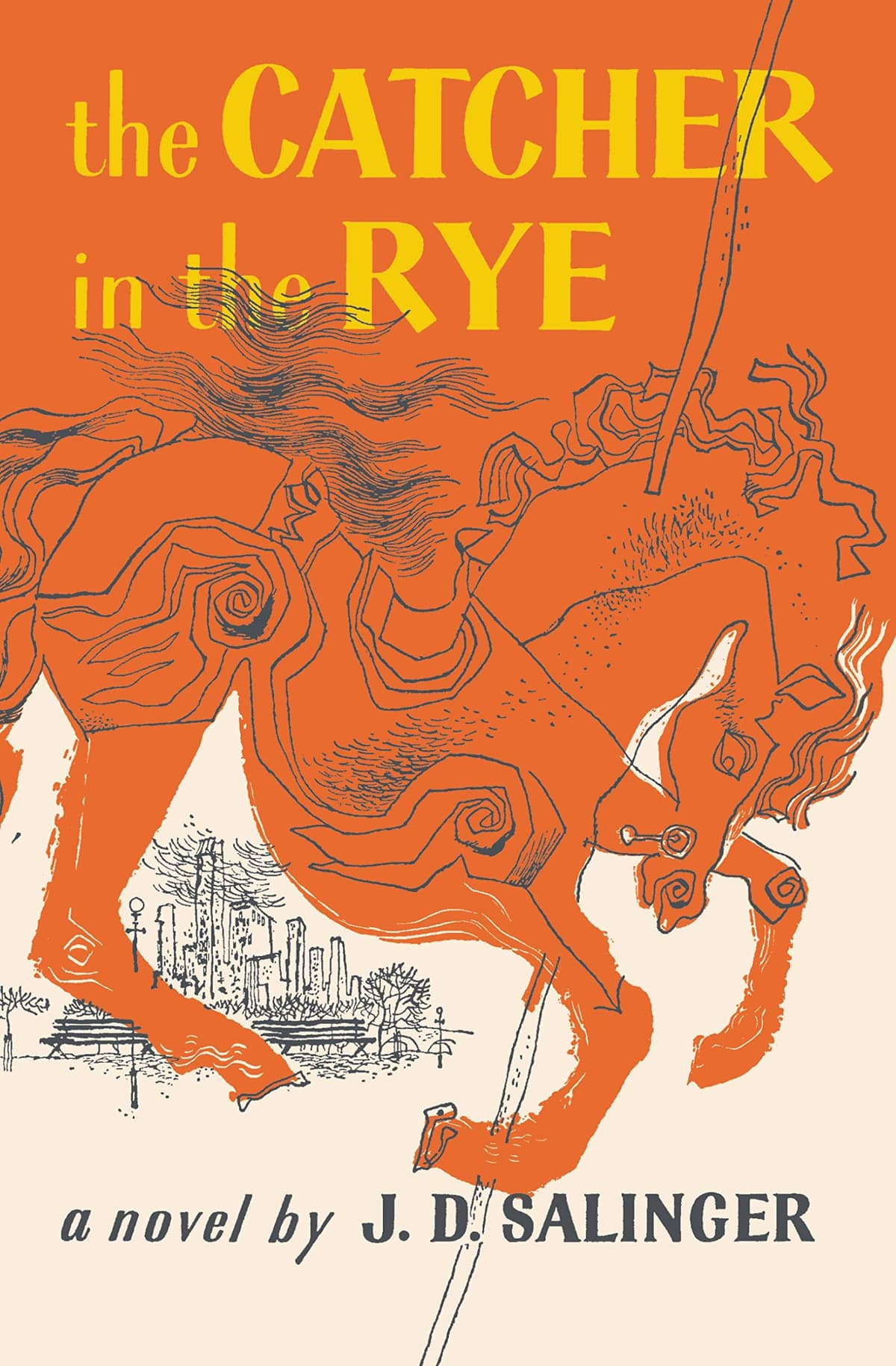 #4View Book
The Catcher in the Rye
J. D. Salinger
Accessible•6-8 hours #13View Book
Lolita
Vladimir Nabokov
Challenging•12-15 hours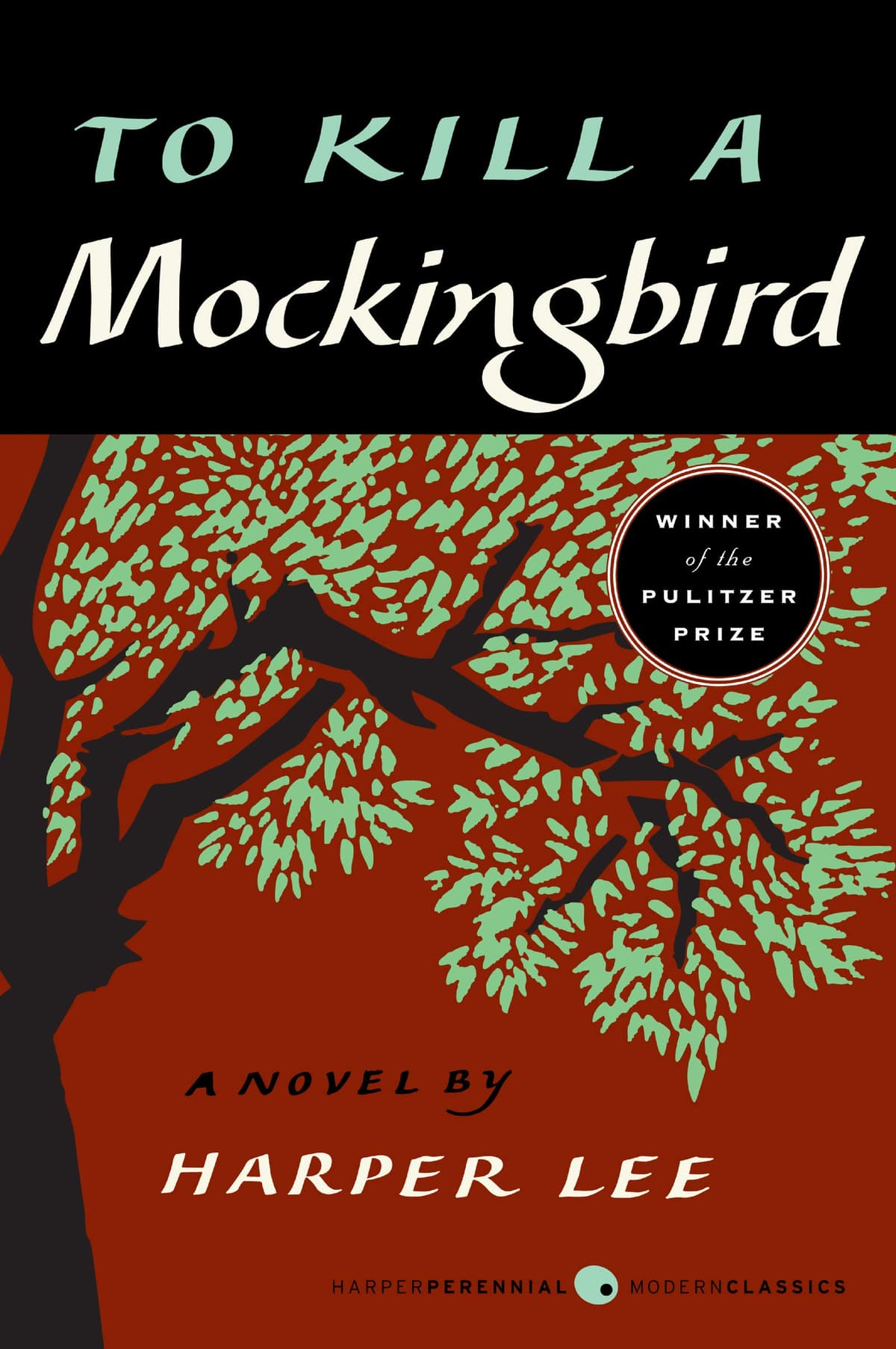 #17View Book
To Kill a Mockingbird
Harper Lee
Accessible•8-10 hours
Browse more collections