A Heart So White
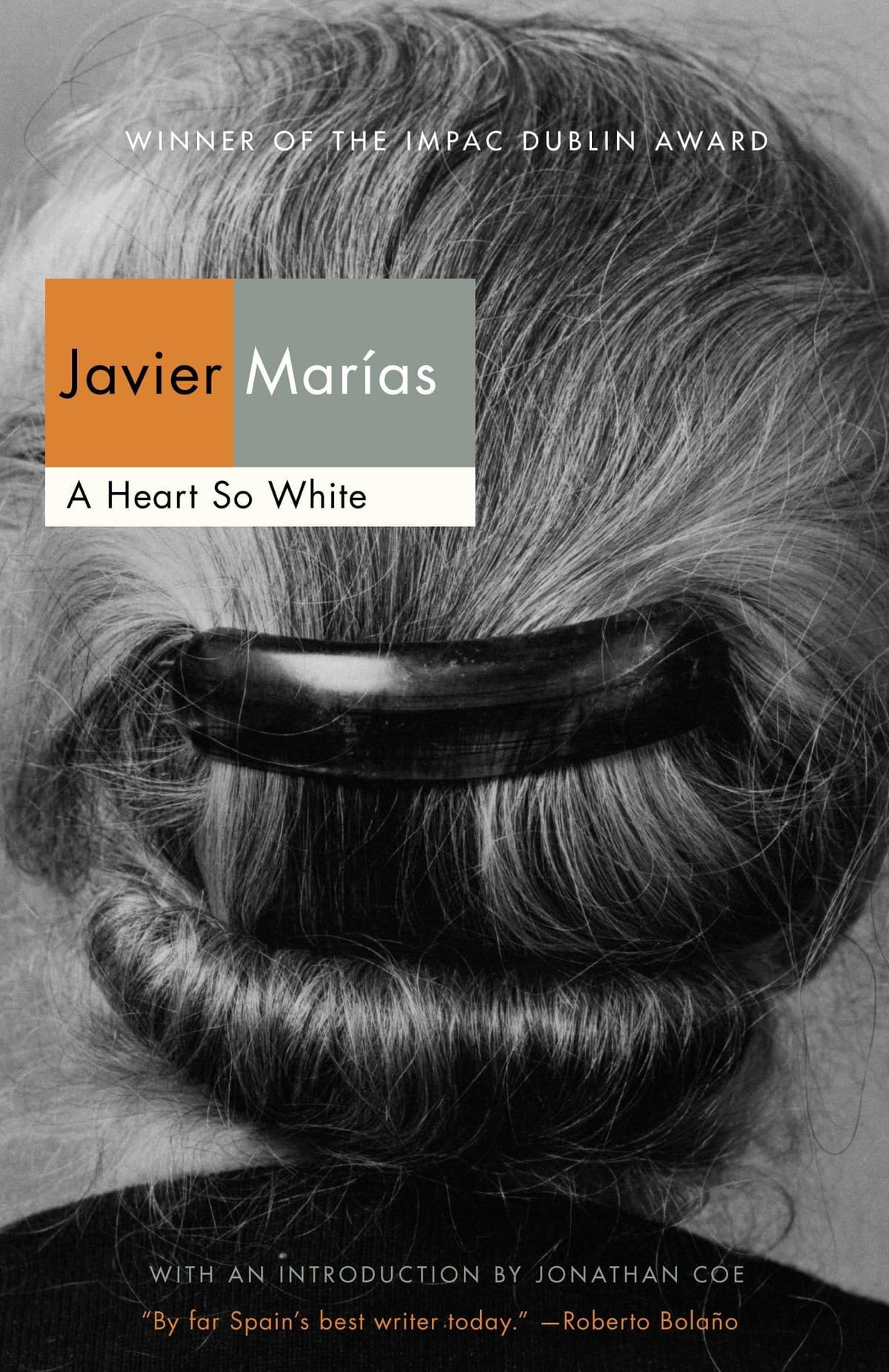
“Not knowing anything is the most comfortable state, but it's not the same as not wanting to know.”
A Heart So White Summary
The novel opens with a shocking act of violence: a woman shoots herself in the bathroom on her wedding day in Havana. Decades later, her son Juan has grown up, married Teresa, and built a career as a translator and interpreter at high-level diplomatic meetings. On his own honeymoon, Juan begins to learn the circumstances surrounding his mother's death through fragments of conversation overheard and gradually revealed. The narrative unfolds in a deliberately circuitous manner, looping between past and present, Havana and Madrid and New York, as Juan discovers that the secrets surrounding his family are entangled with the secrets that inevitably accumulate within any marriage. His work as an interpreter -- someone who conveys the words of others while suppressing his own voice -- becomes a metaphor for the broader human condition of never fully knowing what another person means, even those closest to us.
Marías crafts a hypnotic meditation on the relationship between knowledge and language, between what is said and what is understood, between the stories we tell and the truths we conceal. The novel's long, sinuous sentences, which unfurl across entire pages, enact the very process they describe: the gradual, digressive approach toward a truth that can never be stated directly. Shakespeare's Macbeth haunts the text, particularly Lady Macbeth's line about the heart "so white" that gives the novel its title, suggesting that the desire to remain innocent of knowledge is itself a form of guilt. Marías explores how every marriage contains zones of deliberate ignorance, agreements not to know, and how this willed blindness is both necessary for love's survival and corrosive to its integrity. The novel established Marías as one of Europe's foremost contemporary novelists.
Why Read A Heart So White?
If you have ever sensed that the people closest to you harbor depths you cannot reach, that every relationship rests on a foundation of things left unspoken, this novel will articulate that intuition with breathtaking precision. Marías writes unlike anyone else: his long, winding sentences draw you into a state of heightened attention where every word seems to carry hidden significance. Reading him is an experience closer to listening to music than to following a conventional plot, and you will find yourself surrendering to the rhythm of his prose.
You should read this because it fundamentally alters the way you think about communication, secrecy, and intimacy. Marías demonstrates that the act of translation -- between languages, between people, between past and present -- is always an act of interpretation, and therefore always an act of betrayal. The novel poses profound questions about whether we can ever truly know another person, and whether the attempt to know everything might destroy what it seeks to preserve. It is one of the great European novels of the late twentieth century, and its insights into the necessary opacity of human relationships will stay with you long after you have finished reading.
About Javier Marías
Javier Marías was born in Madrid in 1951, the son of the philosopher Julian Marías, who had been briefly imprisoned by the Franco regime. He grew up in an intellectual household where several languages were spoken, an experience that deeply informed his later fiction's preoccupation with translation and the gaps between what is said and what is meant. He published his first novel at the age of nineteen and spent time teaching at Oxford, where he developed his deep engagement with English literature, particularly Shakespeare. He also taught at Wellesley College in Massachusetts and worked as a translator, rendering works by Thomas Hardy, Robert Louis Stevenson, and others into Spanish.
Marías became one of the most acclaimed European novelists of his generation, with his work translated into over forty languages. A Heart So White, published in 1992, brought him international recognition, and subsequent novels including Tomorrow in the Battle Think on Me and the monumental Your Face Tomorrow trilogy confirmed his stature. His prose style, characterized by long, digressive, philosophically rich sentences, created a distinctive literary voice that has been compared to Proust and Henry James. He was frequently mentioned as a candidate for the Nobel Prize in Literature. A member of the Royal Spanish Academy, he was also known as a prolific essayist and newspaper columnist. He died in Madrid in 2022.
Reading Guide
Ranked #478 among the greatest books of all time, A Heart So White by Javier Marías has earned its place in the literary canon. Originally written in Spanish and published in 1992, this challenging read from Spain continues to resonate with readers today.
This book belongs to our Modern Mind and Love & Loss collections, where you can discover more books that share its spirit and themes.
If you enjoy challenging reads like this one, you might also like Ulysses, Moby-Dick, or Lolita.
From the Modern Mind Collection
If you enjoyed A Heart So White, discover more masterpieces that share its spirit.
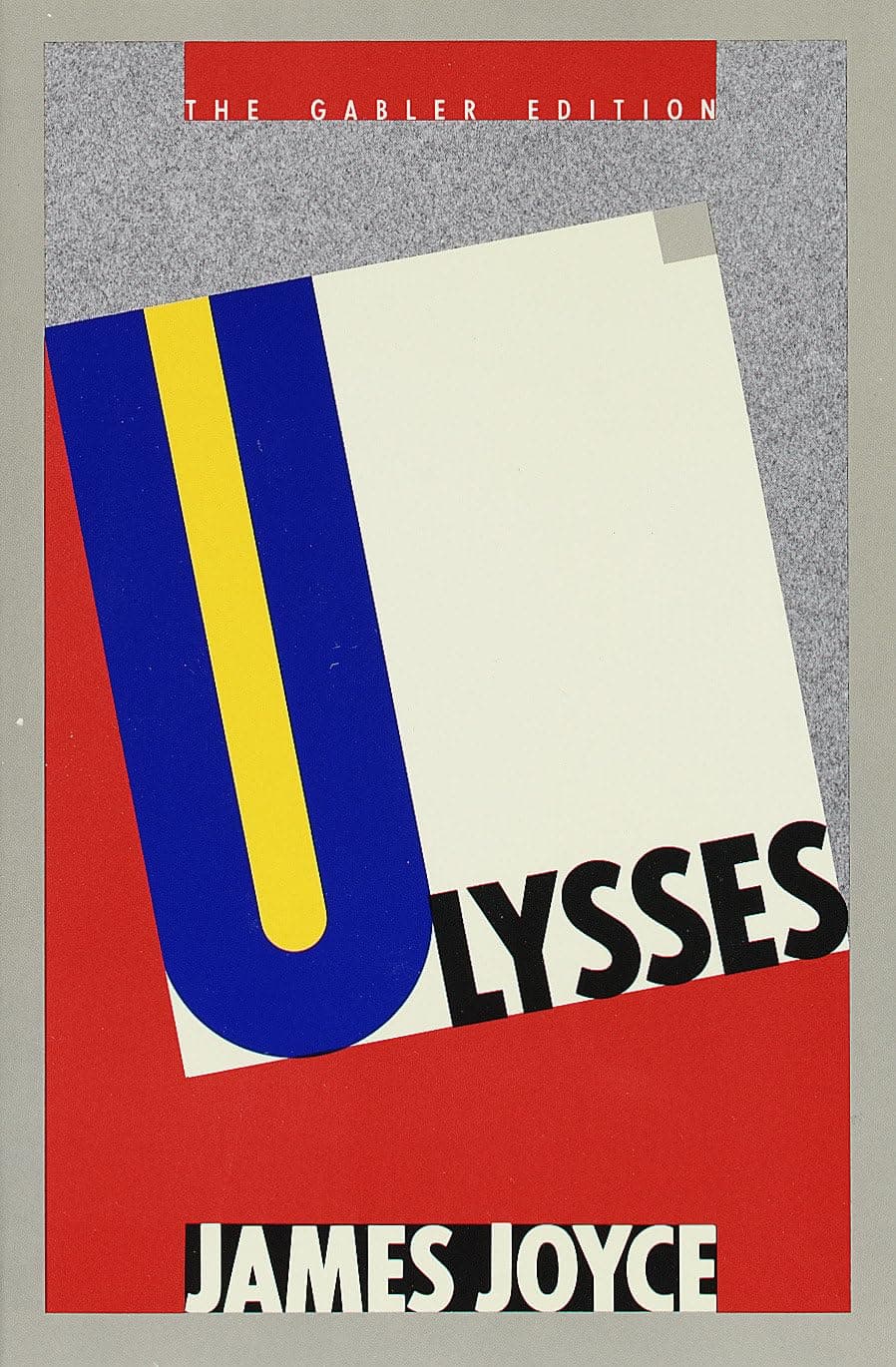 #1View Book
Ulysses
James Joyce
Challenging•35-40 hours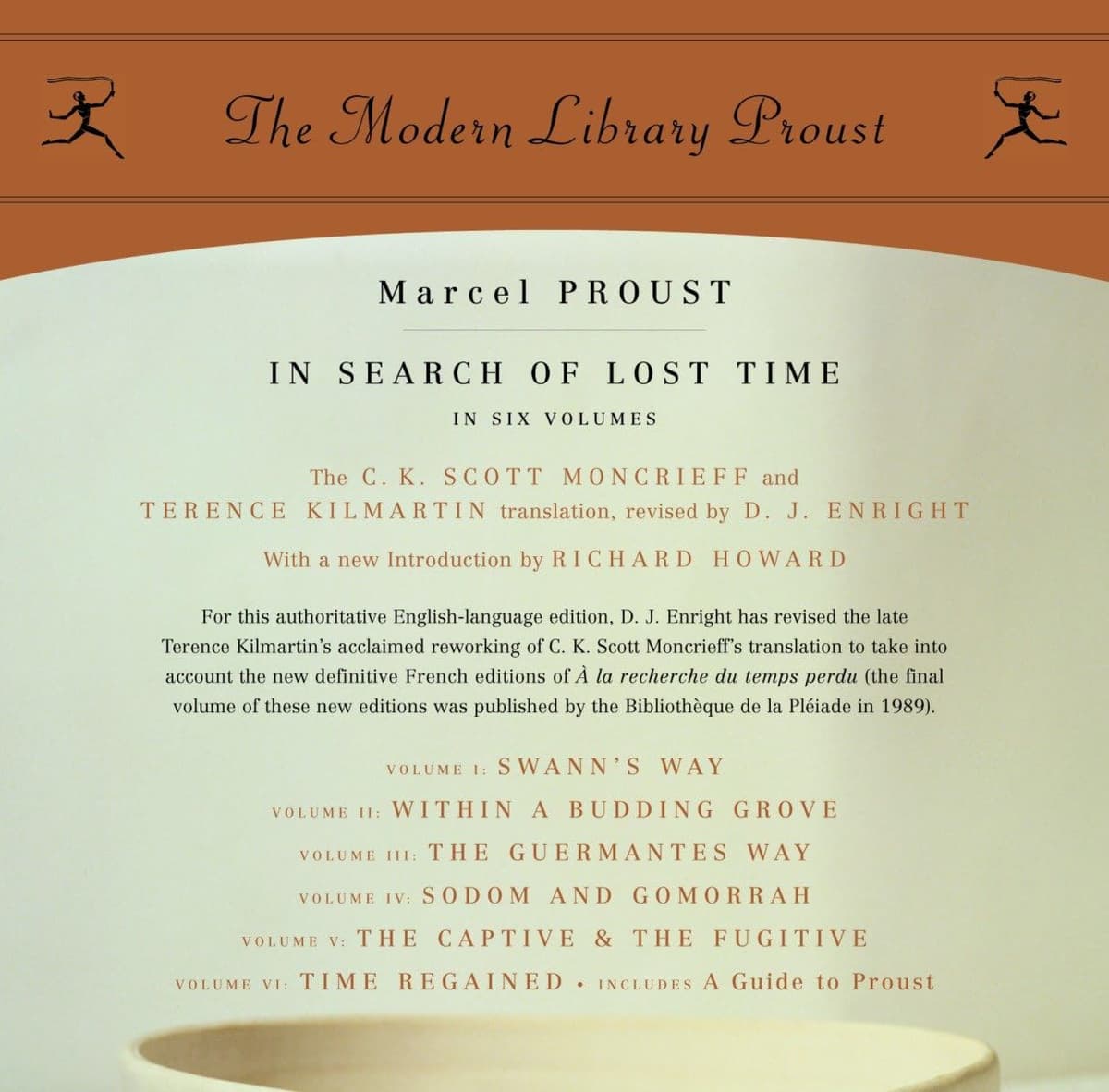 #2View Book
In Search of Lost Time
Marcel Proust
High•100+ hours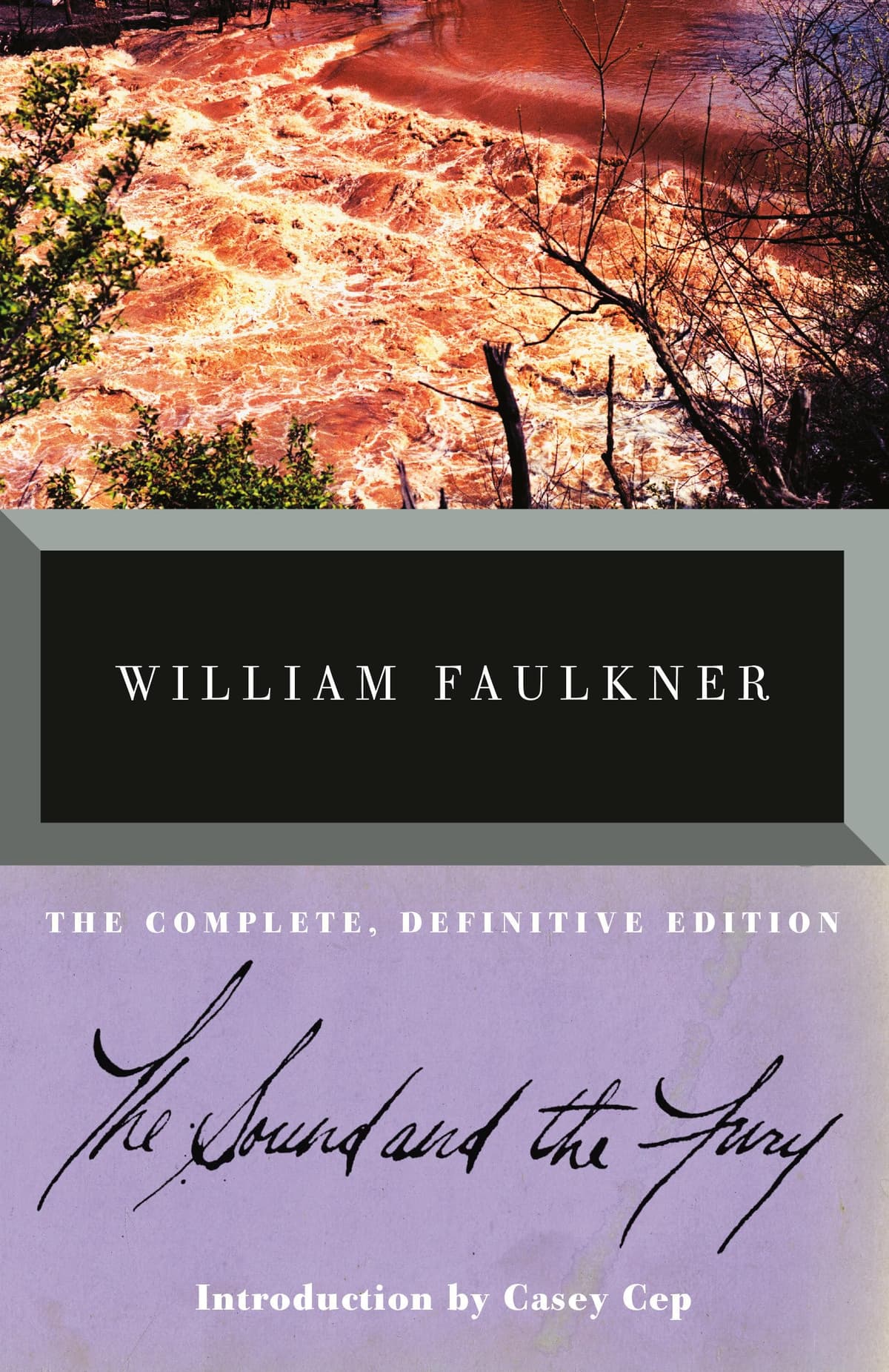 #8View Book
The Sound and the Fury
William Faulkner
Very High•12-15 hours #13View Book
Lolita
Vladimir Nabokov
Challenging•12-15 hours
Browse more collections