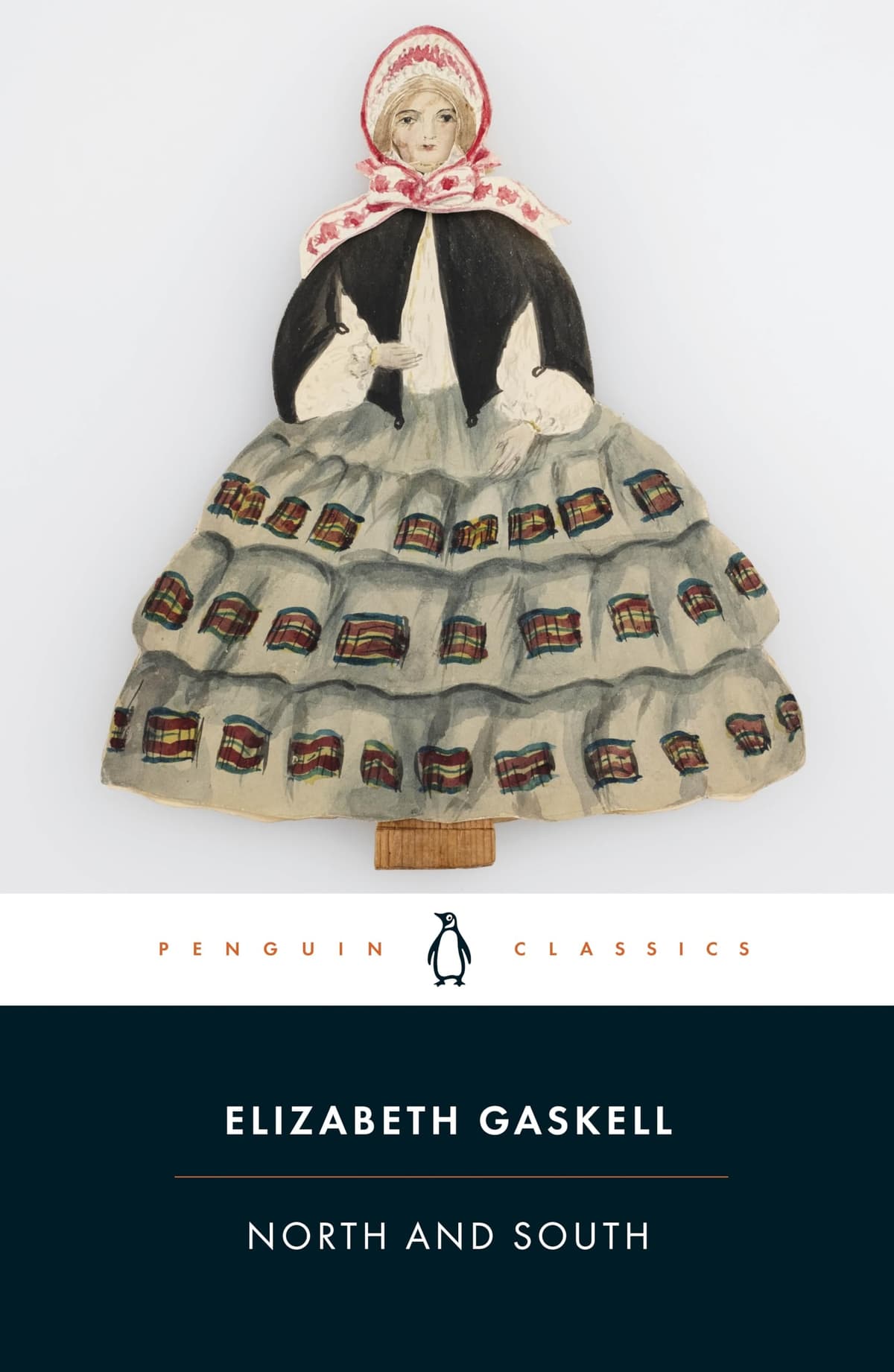
North and South
“I do not look on self-indulgent, sensual people as worthy of my hatred; I simply look upon them with contempt for their poorness of character.”
North and South Summary
Margaret Hale, the genteel daughter of a Church of England clergyman, is uprooted from her idyllic life in the rural south of England when her father suffers a crisis of conscience and resigns his living. The family relocates to the grimy northern industrial city of Milton, a fictionalized Manchester, where Margaret confronts a world entirely alien to her experience: factories belching smoke, workers struggling in poverty, and a new breed of self-made manufacturer whose values clash with everything she has been taught. Chief among these is John Thornton, a cotton mill owner whom Margaret initially finds coarse and unfeeling. Their relationship unfolds through a series of confrontations and misunderstandings as Margaret gradually comes to understand the complexities of industrial life, witnessing a workers' strike, befriending the dying worker Bessy Higgins and her father Nicholas, and grappling with her own shifting assumptions about class, labor, and worth.
Gaskell's novel is one of the great Victorian condition-of-England narratives, remarkable for its refusal to take easy sides in the conflict between capital and labor. Margaret serves as a mediating consciousness between the genteel south and the industrial north, between workers and masters, between tradition and progress, and her evolving understanding mirrors the reader's own. The love story between Margaret and Thornton is among the finest in Victorian fiction, built not on romantic attraction alone but on genuine intellectual and moral engagement. Gaskell, who lived in Manchester and knew its industrial world intimately, brings an authenticity to her depictions of factory life, labor relations, and economic hardship that her contemporaries, including Dickens, could not always match. The novel remains a vital exploration of how societies negotiate the human costs of economic transformation.
Why Read North and South?
If you love novels where a romantic relationship develops through genuine intellectual conflict rather than mere physical attraction, North and South delivers one of the most satisfying slow-burn courtships in English literature. Margaret and Thornton challenge each other's assumptions about class, labor, and morality, and their growing mutual respect feels earned in a way that few fictional romances achieve. You will find yourself invested not only in whether they come together but in the ideas they argue about, ideas that remain relevant today.
You should read this because Gaskell accomplishes something extraordinary: she makes the economics of industrial capitalism dramatically compelling while never losing sight of the human beings caught in its machinery. The novel's depiction of a workers' strike, seen from multiple perspectives, is remarkably balanced and nuanced for any era, let alone the 1850s. Margaret Hale is one of the great Victorian heroines, principled and compassionate but also capable of prejudice and error, and her growth throughout the novel feels psychologically authentic. Whether you come for the romance, the social commentary, or the vivid portrait of a society in transformation, you will find a novel of surprising depth and enduring power.
About Elizabeth Gaskell
Elizabeth Cleghorn Gaskell was born in 1810 in London but raised by her aunt in Knutsford, Cheshire, the village that would later inspire Cranford. In 1832 she married William Gaskell, a Unitarian minister in Manchester, where she lived for the rest of her life and witnessed firsthand the conditions of industrial working-class life that would fuel her fiction. The death of her infant son in 1845 prompted her to begin writing as a form of consolation, and her first novel, Mary Barton, published in 1848, brought immediate attention for its sympathetic portrayal of Manchester's laboring poor. Charles Dickens admired her work and serialized several of her novels, including North and South, in his magazine Household Words.
Gaskell produced an impressive body of work in a relatively short career, including the novels Cranford, Ruth, Wives and Daughters, and her controversial biography of Charlotte Bronte. She was distinctive among Victorian novelists for her commitment to social realism and her willingness to address taboo subjects including illegitimacy, religious doubt, and labor unrest. Her reputation, which declined after her sudden death in 1865, has been substantially restored by modern scholarship, and she is now recognized as one of the major Victorian novelists. North and South in particular has experienced a dramatic revival of popular interest, and her nuanced treatment of class, gender, and economic justice speaks directly to contemporary concerns.
Reading Guide
Ranked #479 among the greatest books of all time, North and South by Elizabeth Gaskell has earned its place in the literary canon. Originally written in English and published in 1855, this moderate read from United Kingdom continues to resonate with readers today.
This book belongs to our Love & Loss and Society & Satire collections, where you can discover more books that share its spirit and themes.
If you enjoy moderate reads like this one, you might also like One Hundred Years of Solitude, Nineteen Eighty-Four, or Wuthering Heights.
From the Love & Loss Collection
If you enjoyed North and South, discover more masterpieces that share its spirit.
 #3View Book
The Great Gatsby
F. Scott Fitzgerald
Accessible•5-6 hours #10View Book
Anna Karenina
Leo Tolstoy
High•30-35 hours #12View Book
Pride and Prejudice
Jane Austen
Accessible•10-12 hours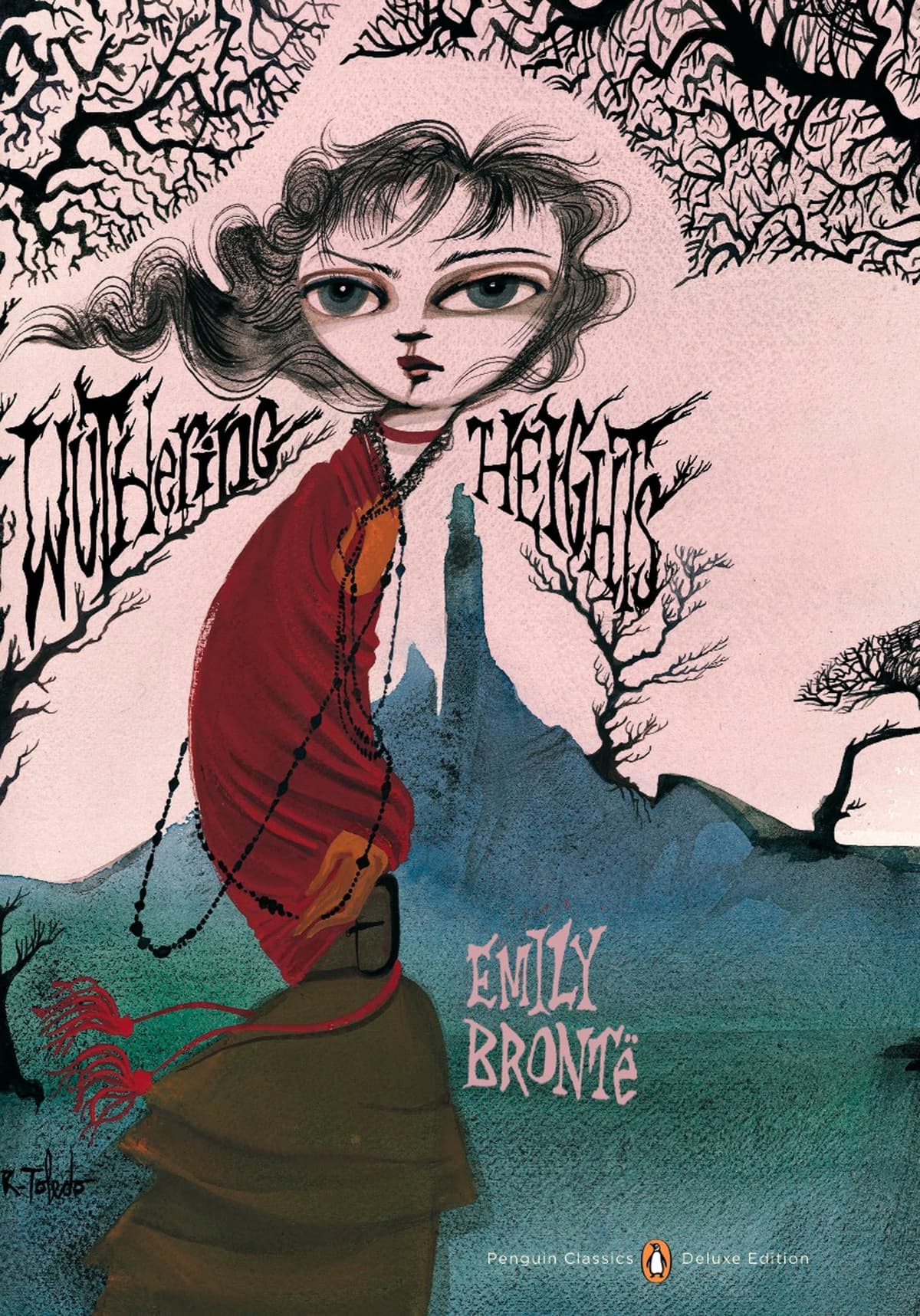 #15View Book
Wuthering Heights
Emily Brontë
Moderate•10-12 hours
Browse more collections