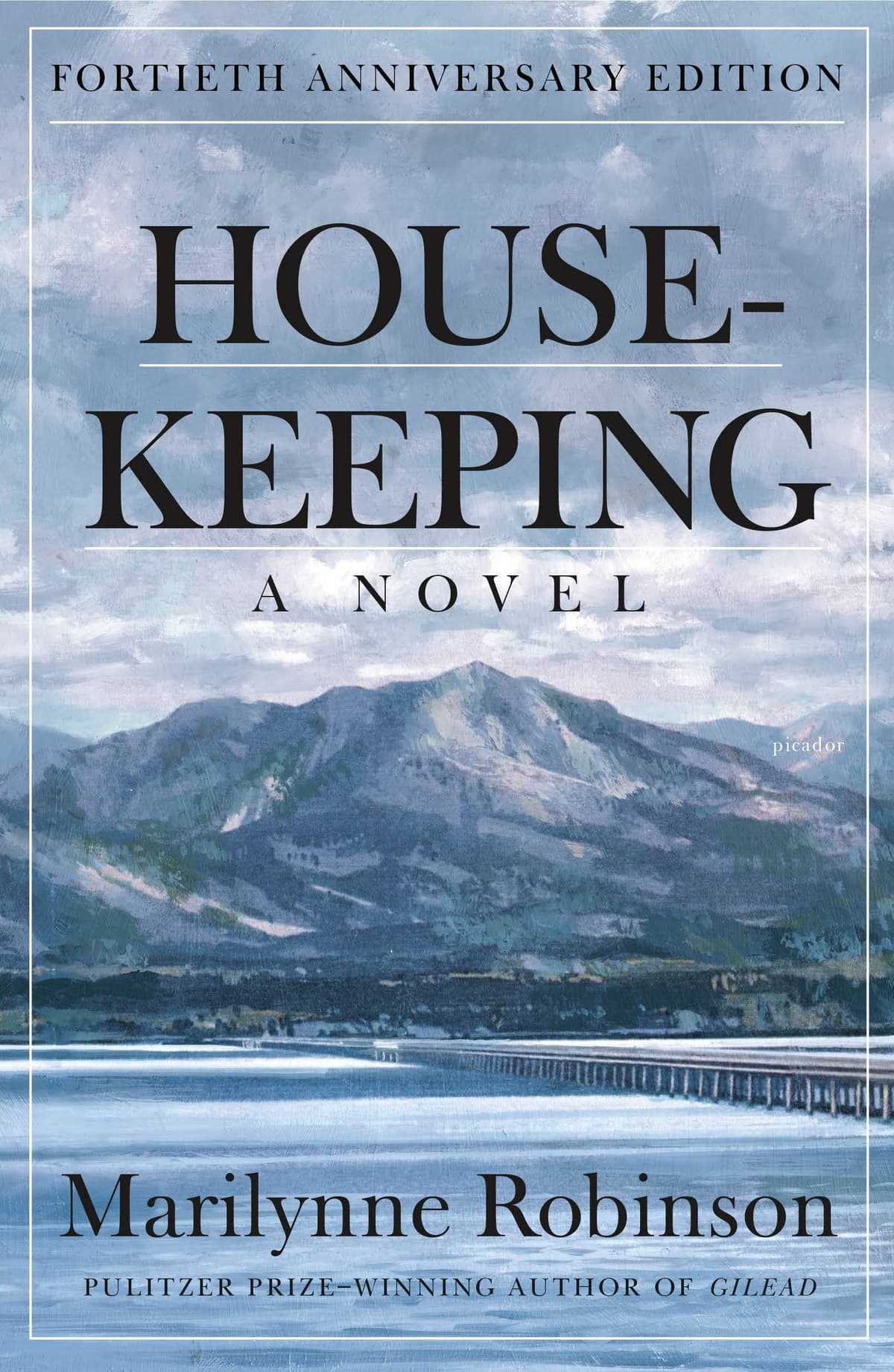
Housekeeping
“Having a sister or a friend is like sitting at night in a lighted house. Those outside can watch you if they want, but you need not see them.”
Housekeeping Summary
In the small town of Fingerbone, Idaho, nestled against a glacial lake that swallowed an entire train decades ago, two young sisters—Ruth and Lucille—are passed from one reluctant guardian to the next after their mother drives her car off a cliff into the same black water. Their grandmother dies, their great-aunts flee, and finally their mother's younger sister Sylvie arrives, a drifter who sleeps on park benches and keeps the curtains open so moonlight floods the rooms, who hoards tin cans and newspapers until the house begins to resemble the wild landscape outside. Ruth, the narrator, is drawn to Sylvie's vagrant tenderness, her way of being in the world without clinging to it, while Lucille pulls away toward the safety of convention and normalcy. The novel drifts toward a reckoning between these two visions of how to live—rooted or wandering, held or released—as the town's suspicions about Sylvie's fitness as a guardian close in around them.
Marilynne Robinson's luminous debut is written in prose of such sustained beauty that it reads like scripture translated into the language of water and light. Every sentence seems to carry the weight of geological time, the slow patience of glaciers and the sudden violence of floods. Housekeeping is a meditation on transience, loss, and the radical possibility of choosing impermanence over the false security of domestic order. Robinson reinvents the American novel of place by showing that home can be something you carry with you or something you leave behind, and that the women who refuse to keep house may be the ones who understand the world most truly. It is one of the great American novels of the twentieth century, a work that changed what fiction could sound like.
Why Read Housekeeping?
Housekeeping will change the way you hear the English language. Robinson writes with a precision and beauty that makes most other prose feel hurried and inattentive, and her sentences have the rare quality of seeming both inevitable and surprising, as though the words arrived in the only possible order. This is a novel about what happens when women refuse the roles assigned to them—when they choose the open road over the closed house, the lake over the parlor—and it treats that refusal not as failure but as a kind of dark, exhilarating freedom. Ruth's narration draws you into a consciousness so attuned to the natural world that you begin to see your own surroundings differently.
Beyond its sheer literary power, Housekeeping matters because it broke open a space in American fiction for a different kind of story about women, landscape, and belonging. It is the rare debut novel that announced a major writer in full command of her gifts, and its influence echoes through decades of fiction that followed. If you have ever felt the pull of departure, the strange comfort of impermanence, or the suspicion that the world outside the window is more real than the world inside the house, this novel will speak to you with uncanny intimacy.
About Marilynne Robinson
Marilynne Robinson was born in 1943 in Sandpoint, Idaho, a small town near the kind of glacial lake that would become central to her fiction. She studied at Brown University and earned a PhD in English from the University of Washington. Housekeeping, published in 1980, was her first novel and received immediate critical acclaim, winning the PEN/Hemingway Award. She then turned to nonfiction for over two decades before returning to fiction with Gilead in 2004.
Robinson is one of the most honored American writers of her generation. Gilead won the Pulitzer Prize for Fiction in 2005, and its companion novels Home and Lila received the Orange Prize and the National Book Critics Circle Award respectively. She taught for many years at the Iowa Writers' Workshop, shaping a generation of young writers. Her essays, collected in volumes such as The Death of Adam and When I Was a Child I Read Books, reveal a fierce intelligence engaged with theology, science, and American history. Robinson's fiction is distinguished by its spiritual depth, its extraordinary prose style, and its insistence that ordinary lives contain immensities worthy of the most serious literary attention.
Reading Guide
Ranked #386 among the greatest books of all time, Housekeeping by Marilynne Robinson has earned its place in the literary canon. Originally written in English and published in 1980, this moderate read from United States continues to resonate with readers today.
This book belongs to our American Spirit and Love & Loss collections, where you can discover more books that share its spirit and themes.
If you enjoy moderate reads like this one, you might also like One Hundred Years of Solitude, Nineteen Eighty-Four, or Wuthering Heights.
From the American Spirit Collection
If you enjoyed Housekeeping, discover more masterpieces that share its spirit.
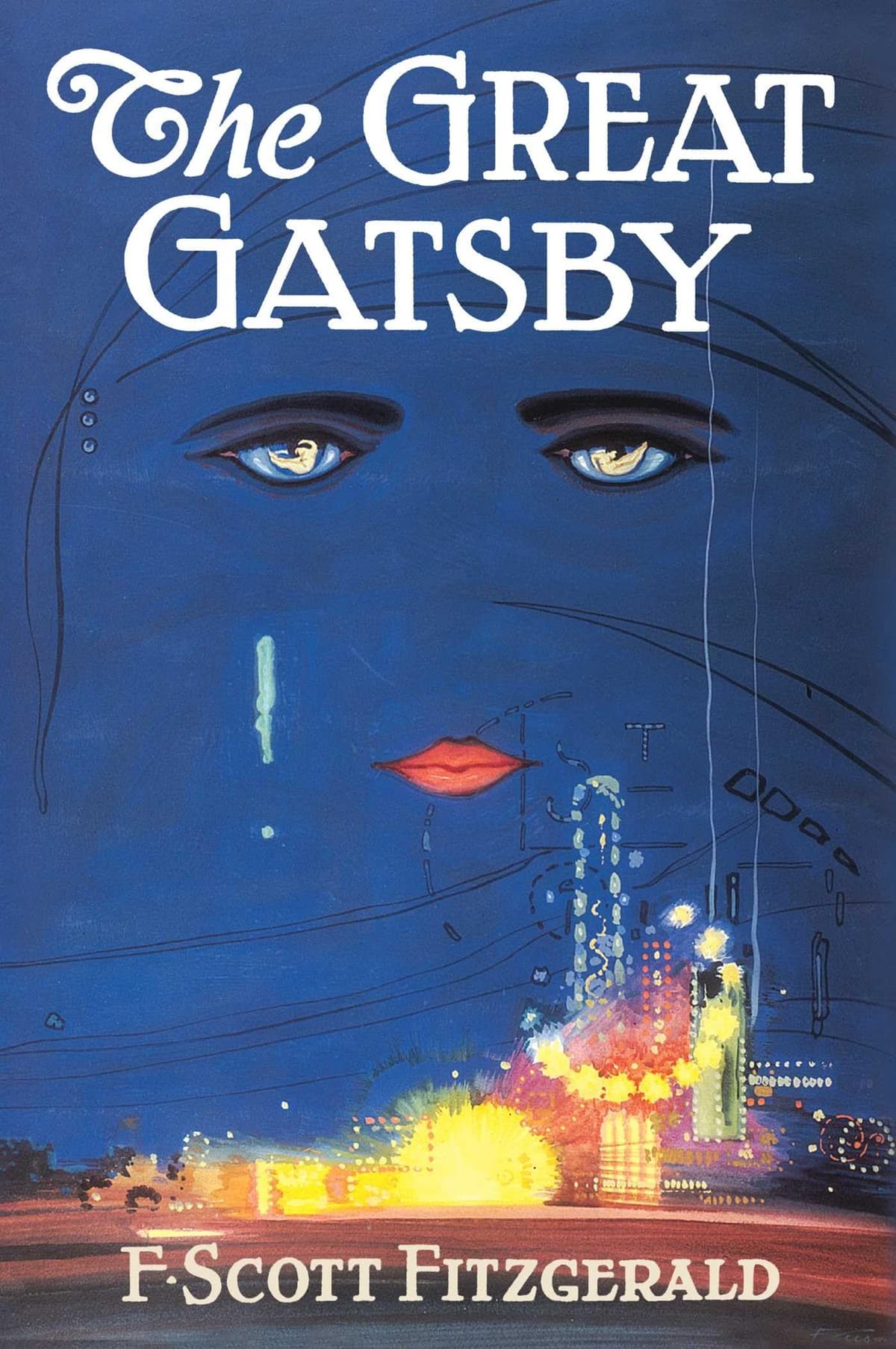 #3View Book
The Great Gatsby
F. Scott Fitzgerald
Accessible•5-6 hours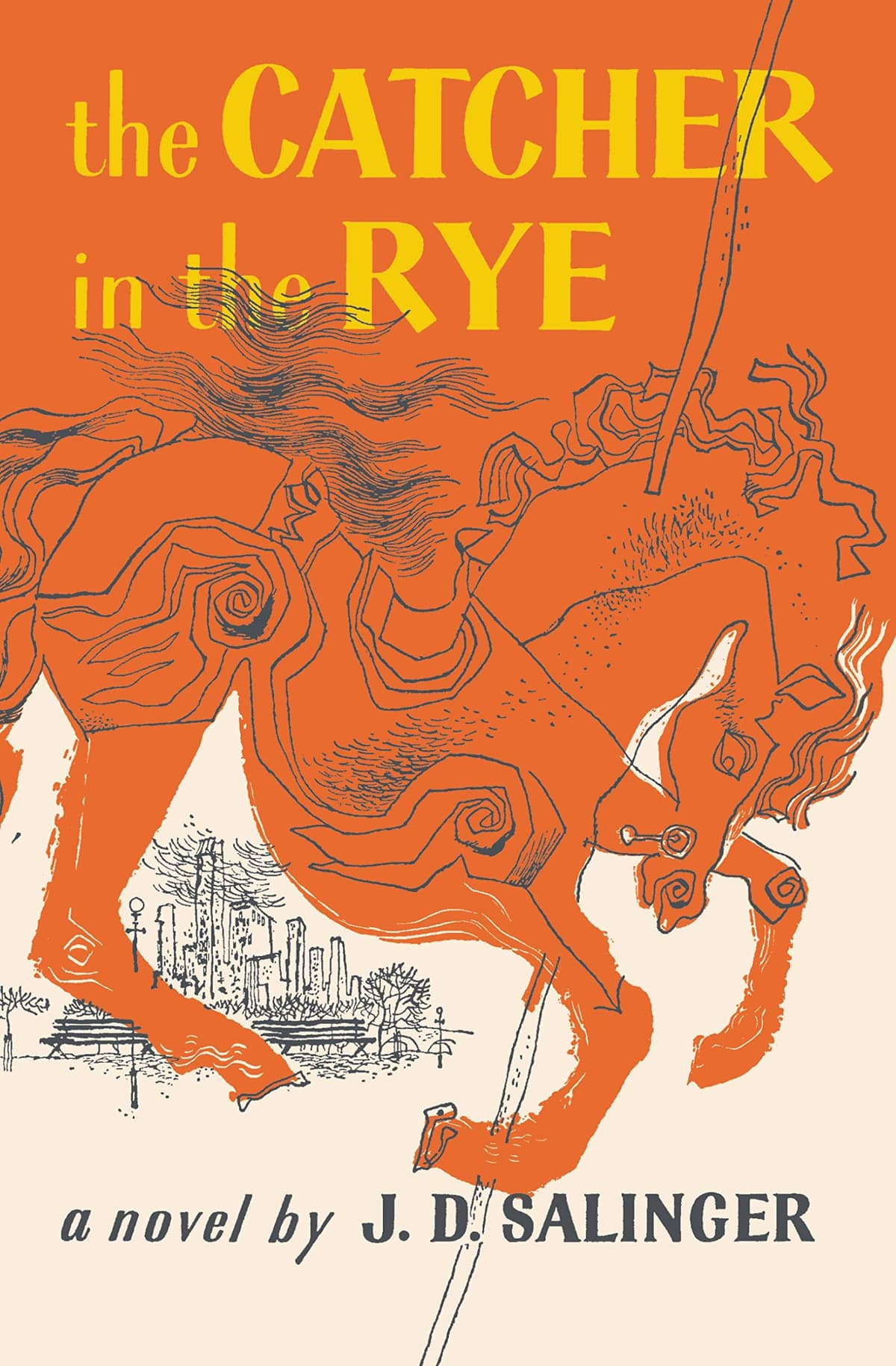 #4View Book
The Catcher in the Rye
J. D. Salinger
Accessible•6-8 hours #13View Book
Lolita
Vladimir Nabokov
Challenging•12-15 hours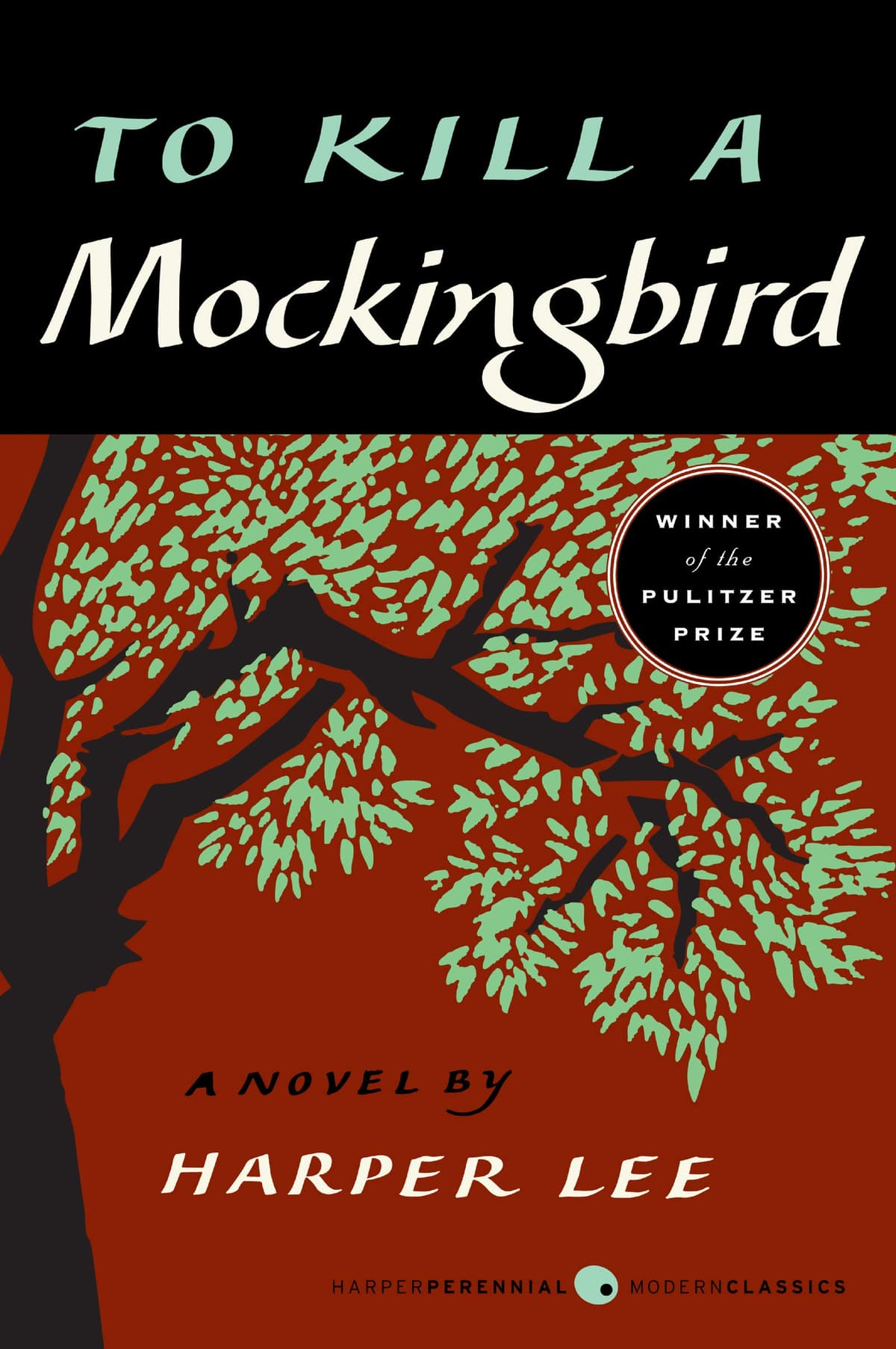 #17View Book
To Kill a Mockingbird
Harper Lee
Accessible•8-10 hours
Browse more collections