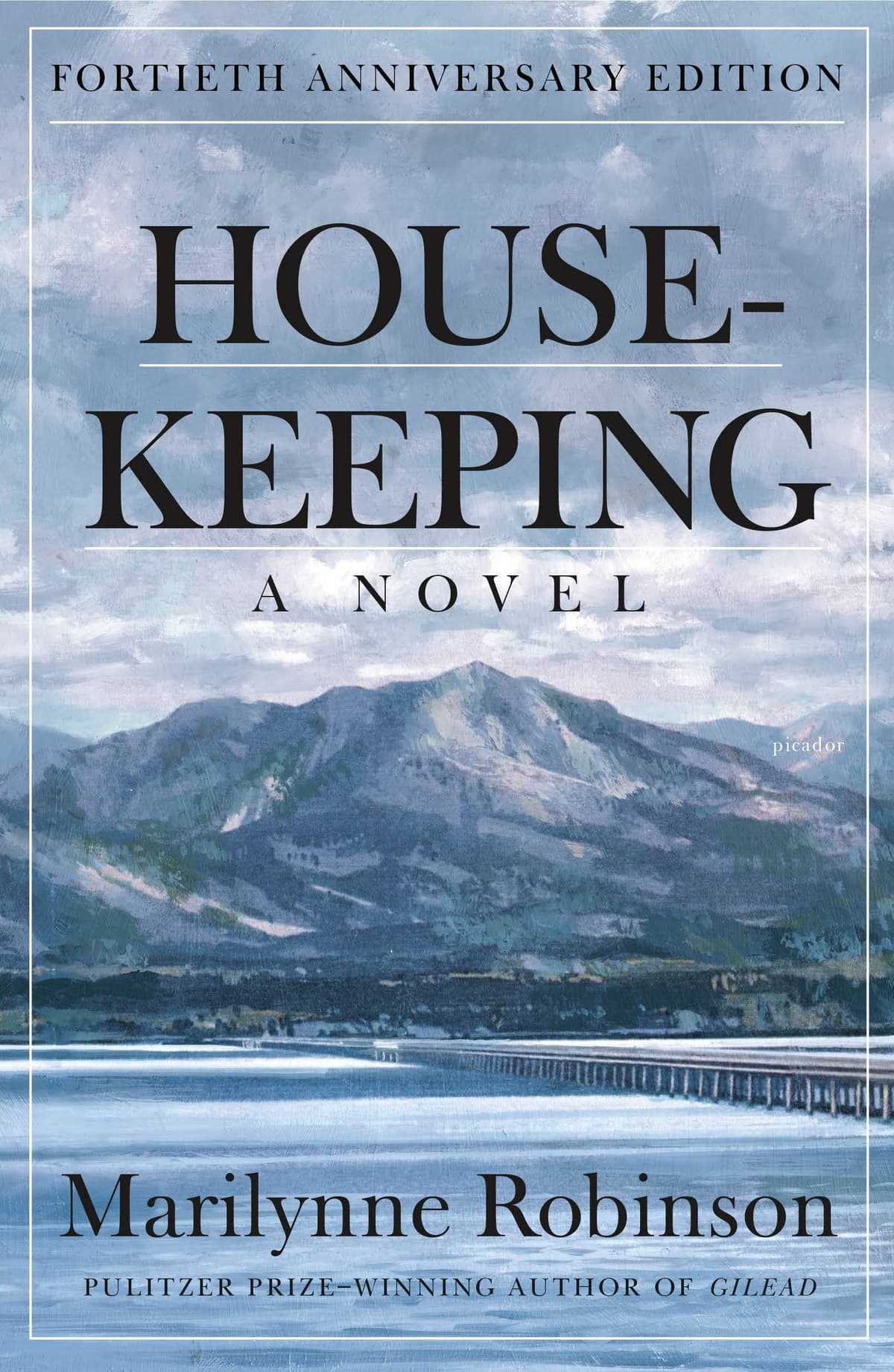
Celestina, or The Tragicomedy of Calisto and Melibea
“The world is a passage, not an abode; a road, not a home.”
Celestina, or The Tragicomedy of Calisto and Melibea Summary
In a medieval Spanish city, the young nobleman Calisto catches a glimpse of Melibea in her garden and is instantly consumed by a desire so absolute it obliterates all reason. Rejected at first, he enlists the aid of Celestina, an old woman of formidable cunning who operates in the shadows of respectable society as a procuress, herbalist, witch, and mender of maidenheads. Celestina is a creation of Shakespearean magnitude—garrulous, manipulative, utterly without illusion, and possessed of a dark wisdom about human appetite that makes her the most vivid character in pre-Cervantine Spanish literature. She works her arts on Melibea, whose resistance crumbles, and on Calisto's servants, whose greed she exploits with practiced ease. But the web she weaves entangles her too: when the servants demand their share of the gold Calisto has paid, Celestina refuses, and they murder her. The lovers' brief happiness unravels with terrifying speed. Calisto falls from a ladder during a clandestine visit and dies, and Melibea, in grief, throws herself from her father's tower.
Fernando de Rojas's Celestina stands at the threshold of modern European literature, a work written entirely in dialogue that blurs the boundaries between drama and novel. Published first in 1499 as the Comedia de Calisto y Melibea and expanded in later editions, it demolishes the courtly love tradition from within, revealing the sordid economic and sexual transactions that lurk beneath its idealized surface. The language moves between the elevated rhetoric of the lovers and the raw, earthy speech of servants and prostitutes with a linguistic range that anticipates Cervantes. Its portrait of Celestina—old, poor, female, and more intelligent than everyone around her—is one of the great character studies in Western literature, and its vision of desire as a force that destroys all social order remains shockingly modern.
Why Read Celestina, or The Tragicomedy of Calisto and Melibea?
Celestina is one of the most electrifying reading experiences in European literature, a work from 1499 that feels as modern as anything written yesterday. The title character is an absolute force of nature—a woman who has survived poverty, aging, and the contempt of respectable society by understanding, with pitiless clarity, that everyone can be bought and every ideal is a mask for appetite. Her monologues crackle with wit, cynicism, and a perverse vitality that makes her impossible to forget. If you have ever wondered what a female Falstaff might look like, here she is, five centuries before anyone thought to ask.
But Celestina is more than a character study. It is a demolition of romantic love as a literary convention, exposing the commerce of desire with a frankness that shocked its first readers and still startles today. The dialogue form gives it the pace and intensity of great theater, and the catastrophic ending—bodies falling from walls, blood pooling on stone—achieves a tragic grandeur that rivals anything in Shakespeare. This is the masterpiece of Spanish literature before Don Quixote, a work that every serious reader should know, and one that proves the greatest literature transcends its century entirely.
About Fernando de Rojas
Fernando de Rojas was born around 1465 in La Puebla de Montalban, near Toledo, Spain, into a family of conversos—Jews who had converted to Christianity under the intense pressure of the Spanish Inquisition. He studied law at the University of Salamanca, where, according to his own account, he discovered the first act of Celestina written by an unknown author and was inspired to complete the work. The extent of his contribution remains debated, but the overwhelming majority of scholars attribute the completed work to Rojas. After its publication, he practiced law in Talavera de la Reina, where he served as alcalde mayor, and lived quietly for the rest of his life.
Celestina became one of the most widely read works in Europe, going through numerous editions and translations in the sixteenth century and exercising a profound influence on the development of both drama and the novel. Its impact on Spanish literature is second only to Don Quixote. Despite his literary fame, Rojas published nothing else, and his converso background meant he lived under the constant shadow of Inquisitorial suspicion. He died around 1541. The mystery of his silence—one masterpiece, then nothing—has fascinated scholars for centuries. Rojas is now recognized as one of the founding figures of modern European literature, a writer who captured the collision between medieval and Renaissance worldviews with a psychological acuity that would not be equaled in Spanish until Cervantes.
Reading Guide
Ranked #385 among the greatest books of all time, Celestina, or The Tragicomedy of Calisto and Melibea by Fernando de Rojas has earned its place in the literary canon. Originally written in Spanish and published in 1499, this moderate read from Spain continues to resonate with readers today.
This book belongs to our Love & Loss and Society & Satire collections, where you can discover more books that share its spirit and themes.
If you enjoy moderate reads like this one, you might also like One Hundred Years of Solitude, Nineteen Eighty-Four, or Wuthering Heights.
From the Love & Loss Collection
If you enjoyed Celestina, or The Tragicomedy of Calisto and Melibea, discover more masterpieces that share its spirit.
 #3View Book
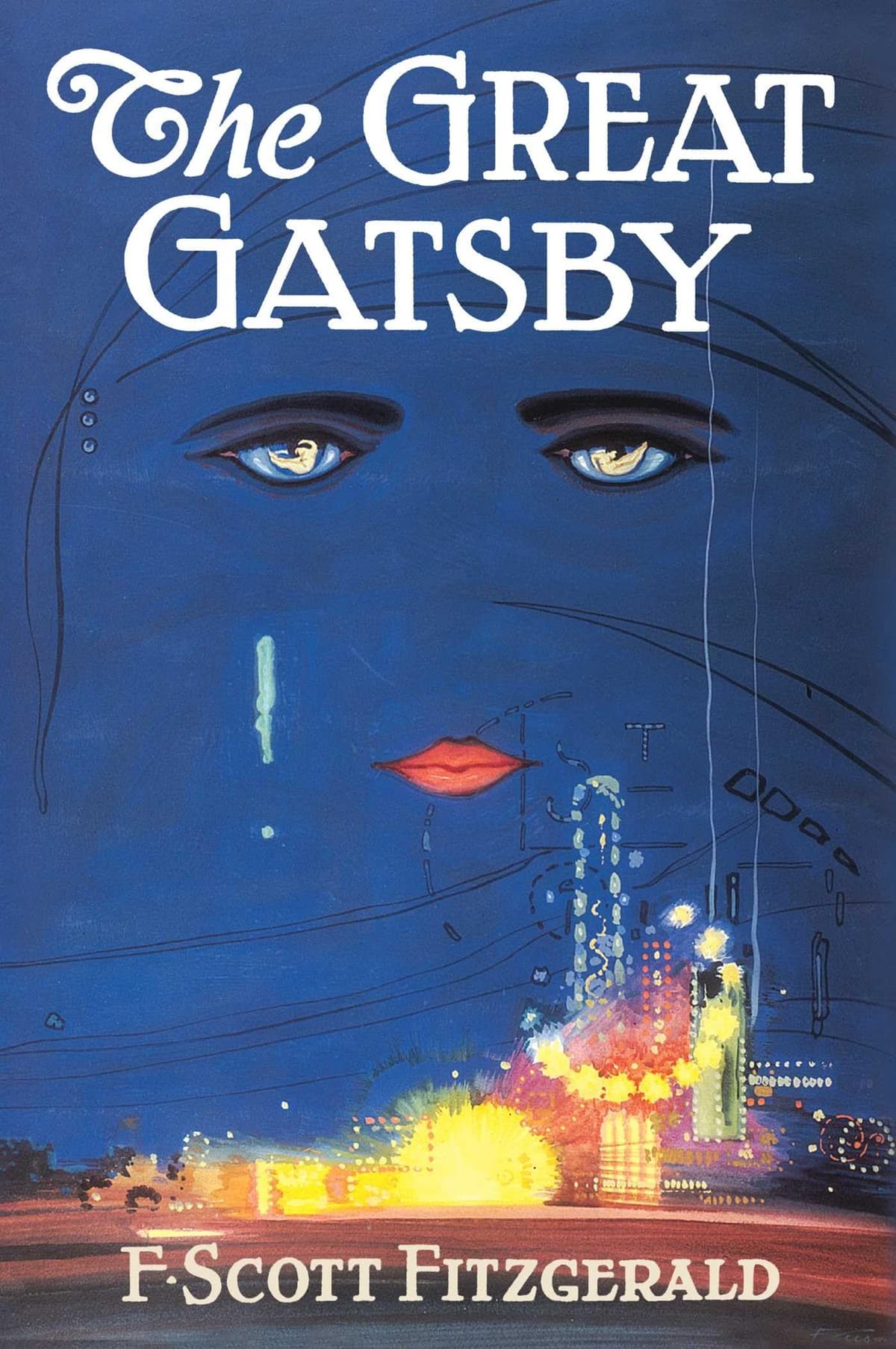
The Great Gatsby
F. Scott Fitzgerald
Accessible•5-6 hours #10View Book
Anna Karenina
Leo Tolstoy
High•30-35 hours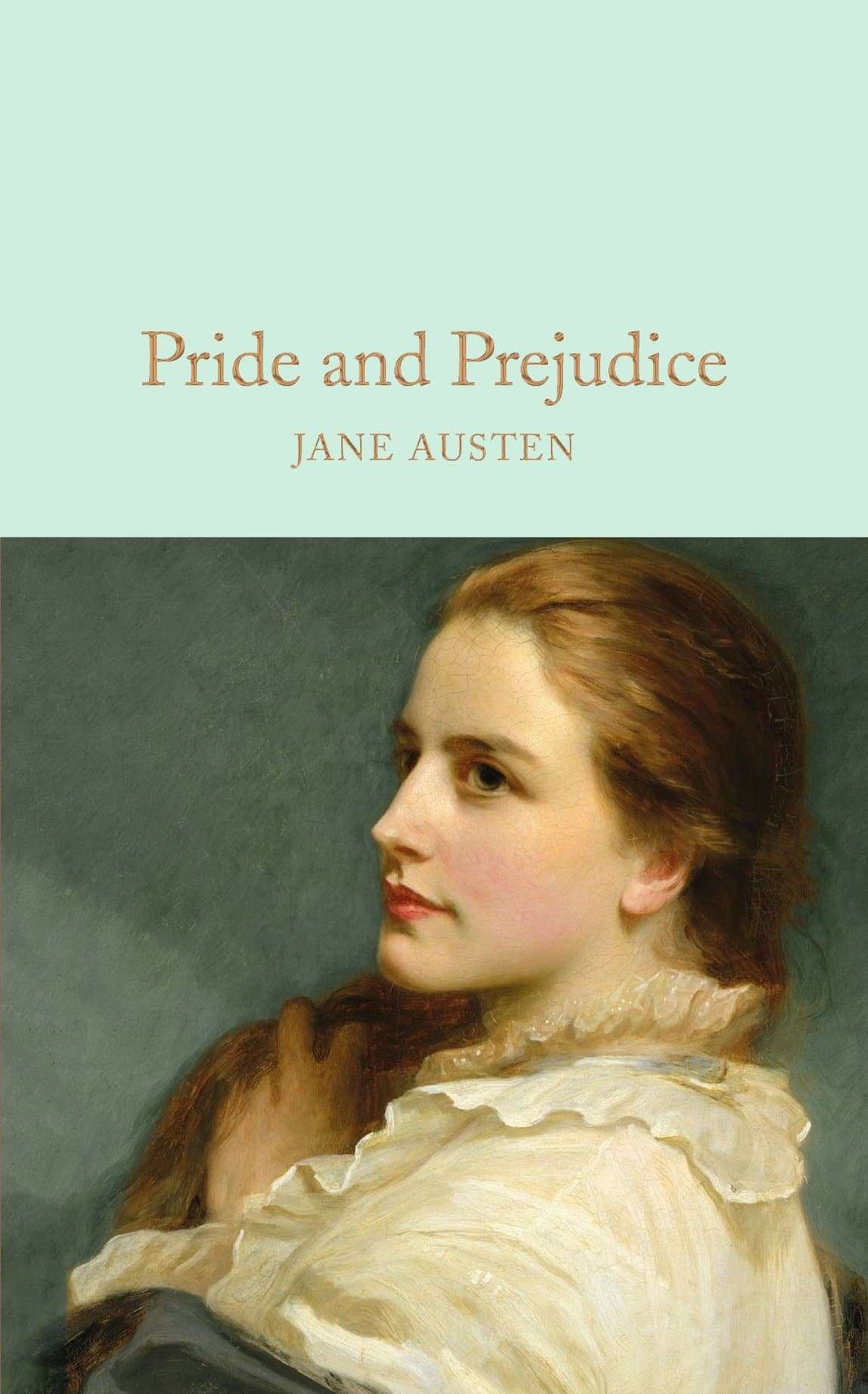 #12View Book
Pride and Prejudice
Jane Austen
Accessible•10-12 hours #15View Book
Wuthering Heights
Emily Brontë
Moderate•10-12 hours
Browse more collections