All Quiet on the Western Front

“This book is to be neither an accusation nor a confession, and least of all an adventure, for death is not an adventure to those who stand face to face with it.”
All Quiet on the Western Front Summary
Paul Bäumer is nineteen years old and already an old man. He and his classmates enlisted in the German army at the urging of their schoolmaster, Kantorek, full of patriotic fervor and romantic illusions about glory. Those illusions lasted about as long as the first artillery barrage. Now, crouching in the trenches of the Western Front, Paul and his dwindling band of comrades exist in a world reduced to its most primitive elements: mud, rats, shrapnel, and the constant, numbing proximity of death.
Remarque's novel does not take sides or assign blame. There is no grand strategy here, no sweeping history—only the intimate, sensory reality of young men being destroyed by a war they do not understand. Paul's narration is stark and unsentimental, moving between moments of animal terror and strange, fragile tenderness—a night spent comforting a dying French soldier, the taste of potato pancakes on leave, the unbridgeable distance between the front and home. It is a book that strips war of every last shred of romance.
Why Read All Quiet on the Western Front?
All Quiet on the Western Front is the book that every generation rediscovers and every generation needs. Published in 1929, it sold over a million copies in its first year and was promptly banned and burned by the Nazis—which tells you everything about its power. Remarque wrote from experience; he was wounded five times on the Western Front, and the novel carries the unmistakable authority of a man who has been there.
What makes it irreplaceable is its universality. Paul Bäumer is German, but he could be any young soldier in any war. His realization that the enemy across no man's land is just as frightened, just as young, and just as doomed as he is remains the most devastating insight in war literature. The novel's final page—a military communiqué reporting "all quiet" on the day Paul is killed—is one of the most quietly annihilating endings ever written. The gap between the official record and the human reality is the entire tragedy of war, compressed into a single sentence.
About Erich Maria Remarque
Erich Maria Remarque (1898–1970) was born in Osnabrück, Germany, and was drafted into the German army at eighteen. He was wounded multiple times on the Western Front, and those experiences became the raw material for All Quiet on the Western Front, published in 1929. The novel made him world-famous and made him a target: the Nazis revoked his citizenship, banned his books, and eventually executed his sister.
Remarque fled to Switzerland and later to the United States, where he became part of the Hollywood émigré community. He wrote several more novels about war and exile, but none matched the impact of his first. He remains the voice of the lost generation—the young men of all nations who were fed into the trenches and never came back whole.
Reading Guide
Ranked #83 among the greatest books of all time, All Quiet on the Western Front by Erich Maria Remarque has earned its place in the literary canon. Originally written in German and published in 1928, this accessible read from Germany continues to resonate with readers today.
This book belongs to our Love & Loss collection, where you can discover more books that share its spirit and themes.
If you enjoy accessible reads like this one, you might also like The Great Gatsby, The Catcher in the Rye, or Pride and Prejudice.
From the Love & Loss Collection
If you enjoyed All Quiet on the Western Front, discover more masterpieces that share its spirit.
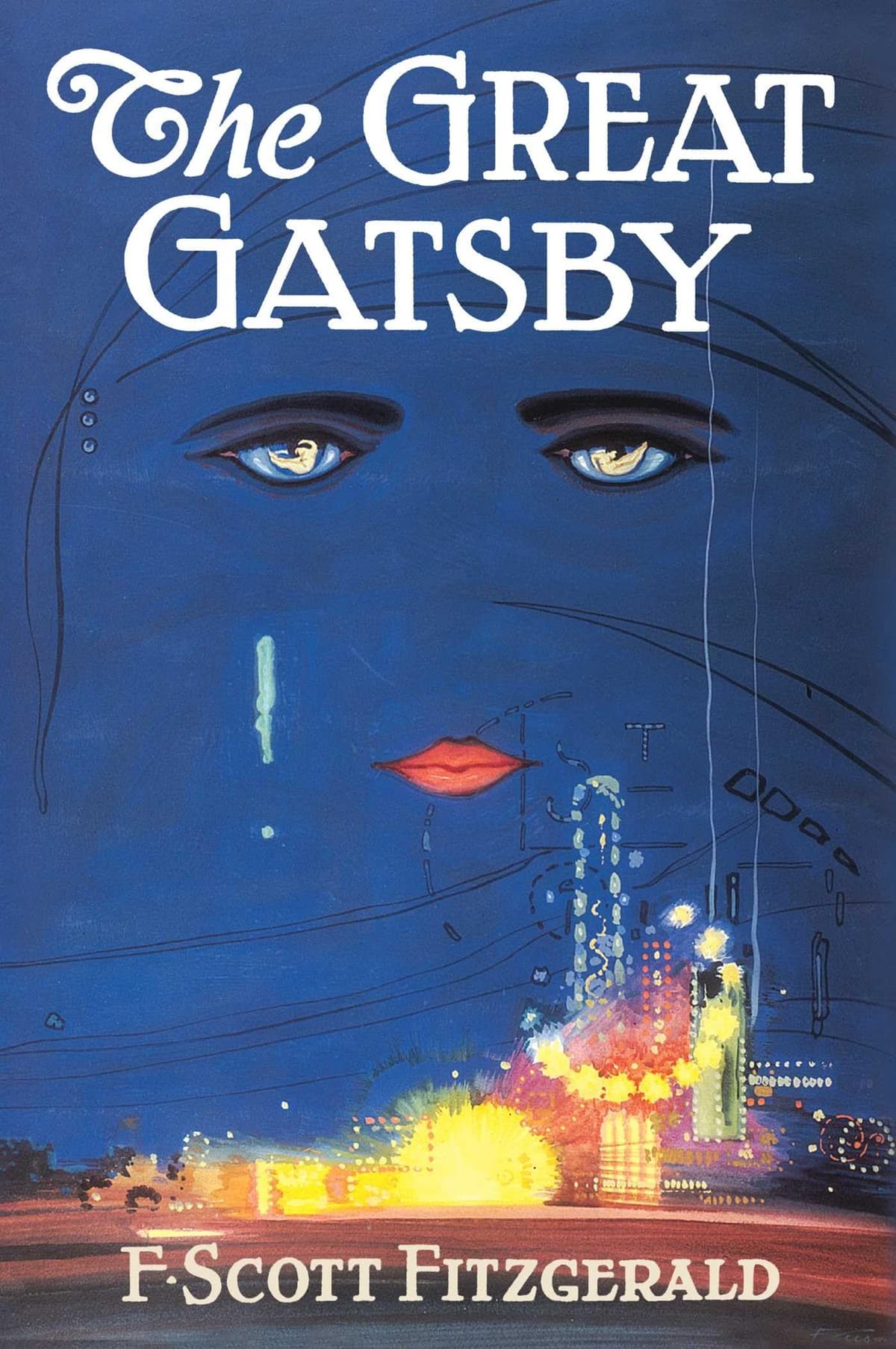 #3View Book
The Great Gatsby
F. Scott Fitzgerald
Accessible•5-6 hours #10View Book
Anna Karenina
Leo Tolstoy
High•30-35 hours #12View Book
Pride and Prejudice
Jane Austen
Accessible•10-12 hours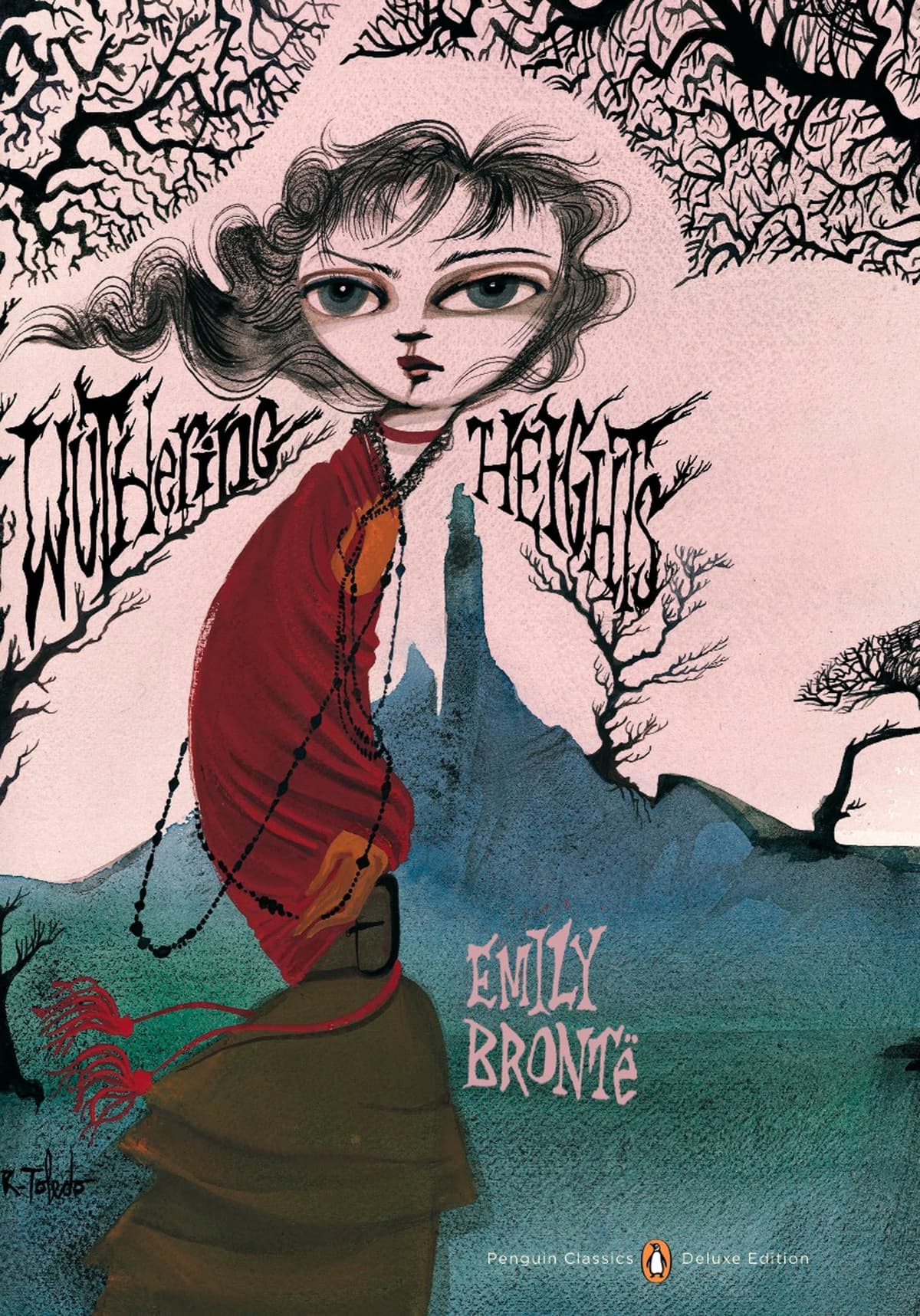 #15View Book
Wuthering Heights
Emily Brontë
Moderate•10-12 hours
Browse more collections