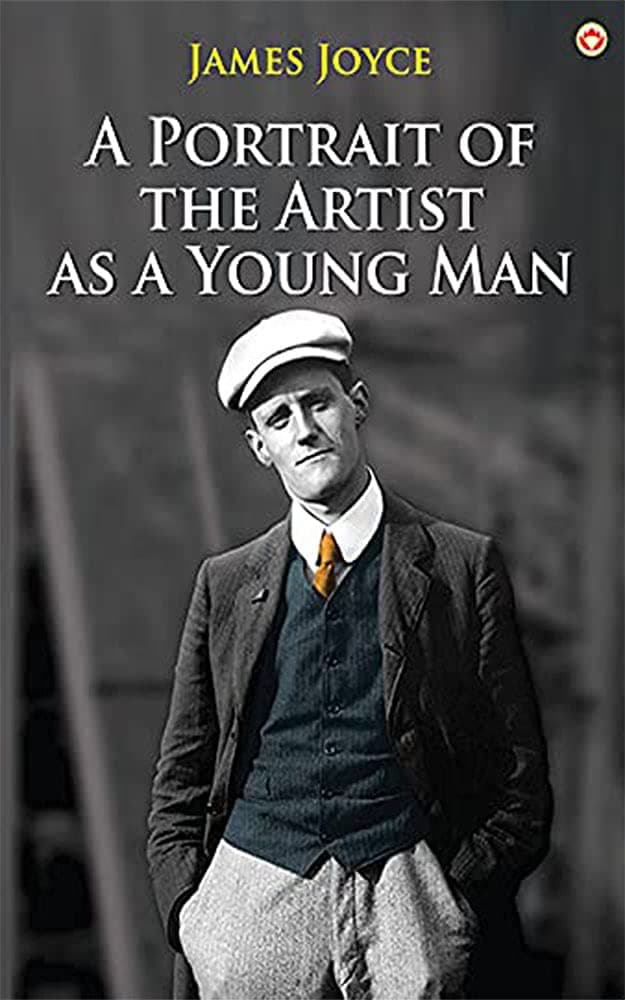
A Portrait of the Artist as a Young Man
“I will not serve that in which I no longer believe, whether it calls itself my home, my fatherland, or my church.”
A Portrait of the Artist as a Young Man Summary
Stephen Dedalus grows up in late-nineteenth-century Ireland, and we grow up with him. The novel begins in the language of infancy—"Once upon a time and a very good time it was there was a moocow coming down along the road"—and gradually matures through childhood, adolescence, and young adulthood, its prose evolving in lockstep with Stephen's expanding consciousness. At Clongowes Wood College and later at Belvedere, he navigates the twin tyrannies of Irish life: the Catholic Church and nationalist politics. A terrifying fire-and-brimstone sermon plunges him into religious mania; the discovery of literature and the sight of a girl wading in the sea pull him back toward art.
Joyce's autobiographical novel is the story of a mind freeing itself from every net that society casts—nationality, language, religion, family. Stephen's declaration of independence, delivered on the novel's final pages, is one of the great moments in modern literature: a young man choosing exile and silence and cunning as the tools of his art, forging in the smithy of his soul the uncreated conscience of his race.
Why Read A Portrait of the Artist as a Young Man?
A Portrait of the Artist as a Young Man is the most revolutionary coming-of-age novel ever written. Before Joyce, the bildungsroman told you about a character's development from the outside. Joyce puts you inside Stephen's skull and makes you experience each stage of growth through the texture of the prose itself—baby talk giving way to schoolboy slang, then to the purple rhetoric of adolescence, and finally to the cool, forged steel of the young artist's manifesto. To read it is to feel a mind coming into being.
The novel is also a fierce reckoning with Ireland. Stephen must escape the suffocating grip of Church, country, and family in order to become an artist—and Joyce's own flight from Dublin was the fulfillment of that vow. But there is love in the rebellion; every sentence is saturated with the sights, sounds, and smells of the city he left behind. A Portrait is the book that made Ulysses possible, and on its own terms, it is one of the most beautifully written novels in the English language.
About James Joyce
James Joyce (1882–1941) was born in Dublin, educated by Jesuits, and left Ireland at twenty-two, spending the rest of his life in self-imposed exile in Trieste, Zurich, and Paris. He is the most influential novelist of the twentieth century. A Portrait of the Artist as a Young Man announced a radical new way of rendering consciousness; Ulysses perfected it; and Finnegans Wake detonated the English language entirely.
Joyce lived in near-poverty for much of his life, sustained by the patronage of Harriet Shaw Weaver and the devotion of his partner, Nora Barnacle. He was nearly blind in his later years, composing Finnegans Wake with a magnifying glass. Despite leaving Ireland, he never wrote about anything else—Dublin is the universe of his imagination, mapped with a precision that allows scholars to trace every footstep of his characters through the city's streets.
Reading Guide
Ranked #84 among the greatest books of all time, A Portrait of the Artist as a Young Man by James Joyce has earned its place in the literary canon. Originally written in English and published in 1916, this challenging read from Ireland continues to resonate with readers today.
This book belongs to our Modern Mind collection, where you can discover more books that share its spirit and themes.
If you enjoy challenging reads like this one, you might also like Ulysses, Moby-Dick, or Lolita.
From the Modern Mind Collection
If you enjoyed A Portrait of the Artist as a Young Man, discover more masterpieces that share its spirit.
 #1View Book
Ulysses
James Joyce
Challenging•35-40 hours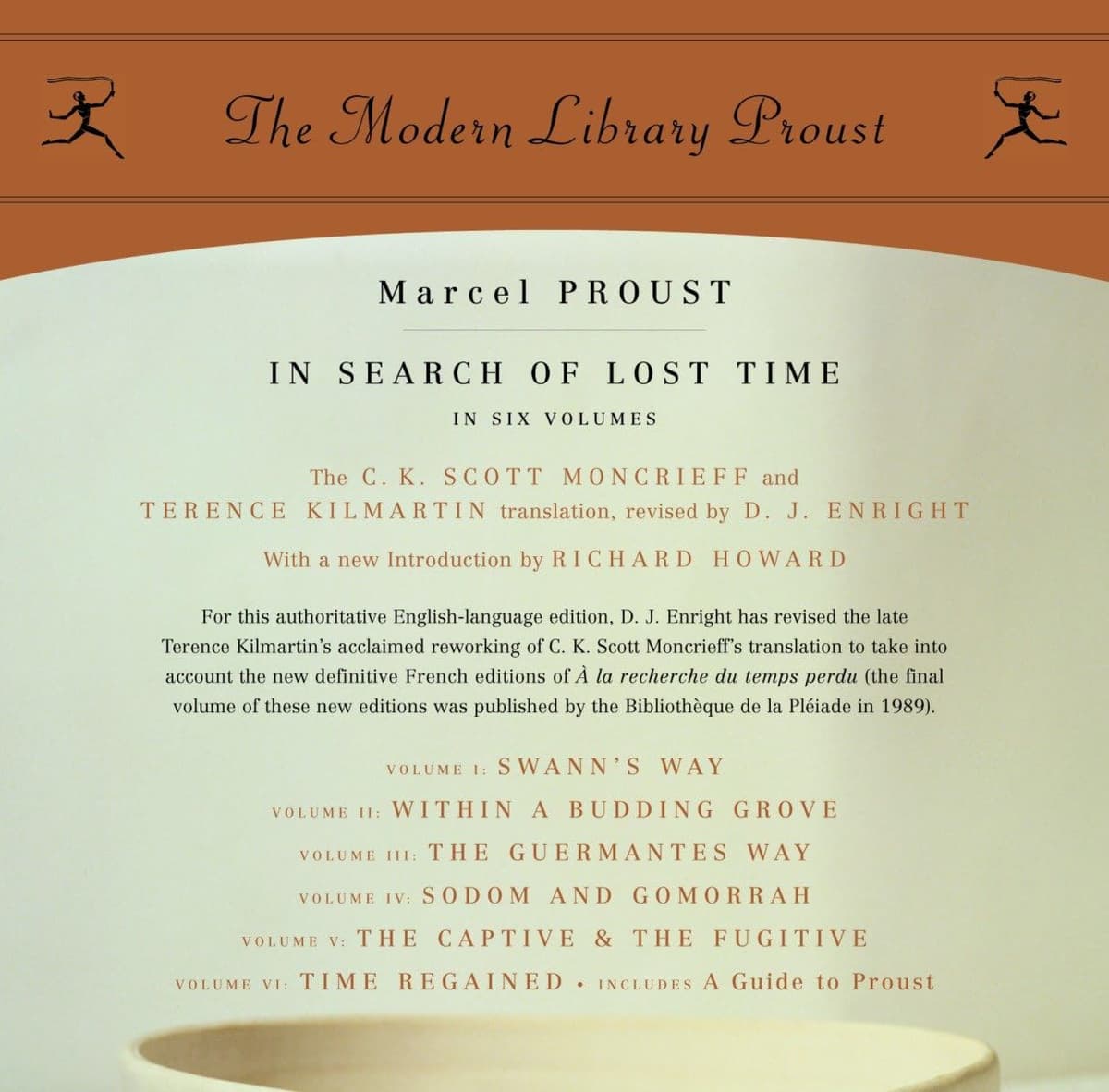 #2View Book
In Search of Lost Time
Marcel Proust
High•100+ hours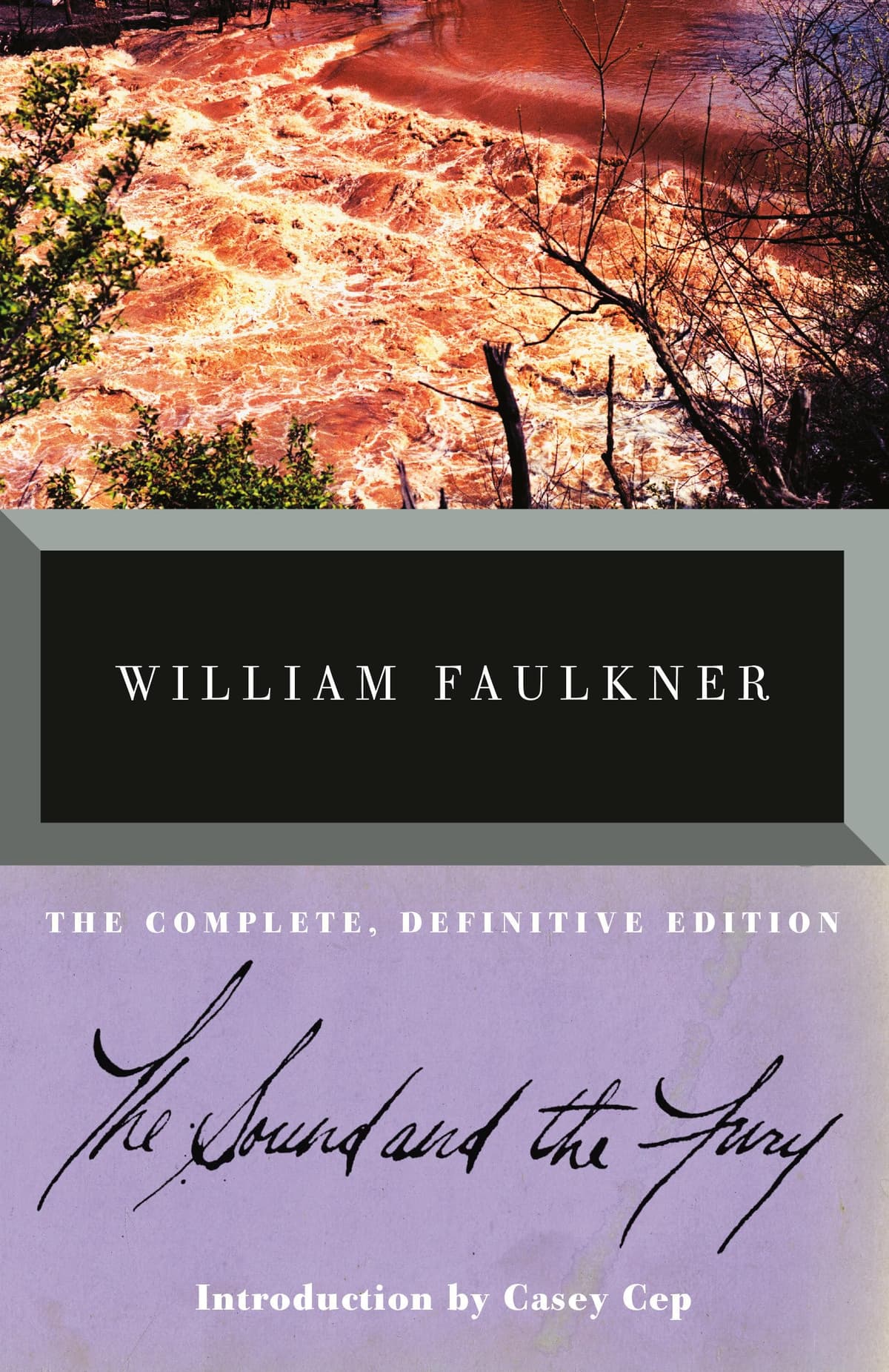 #8View Book
The Sound and the Fury
William Faulkner
Very High•12-15 hours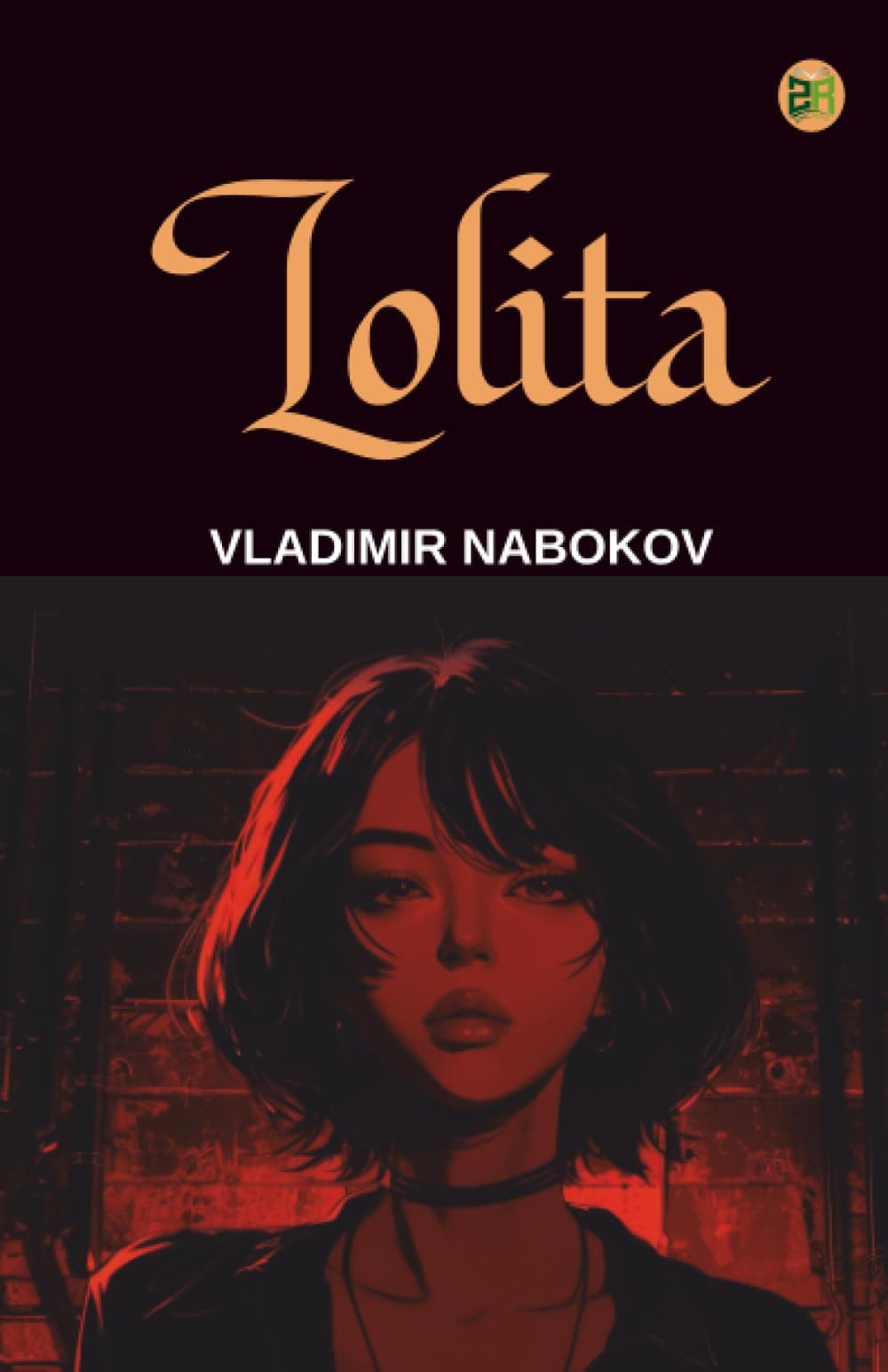 #13View Book
Lolita
Vladimir Nabokov
Challenging•12-15 hours
Browse more collections