The Count of Monte Cristo
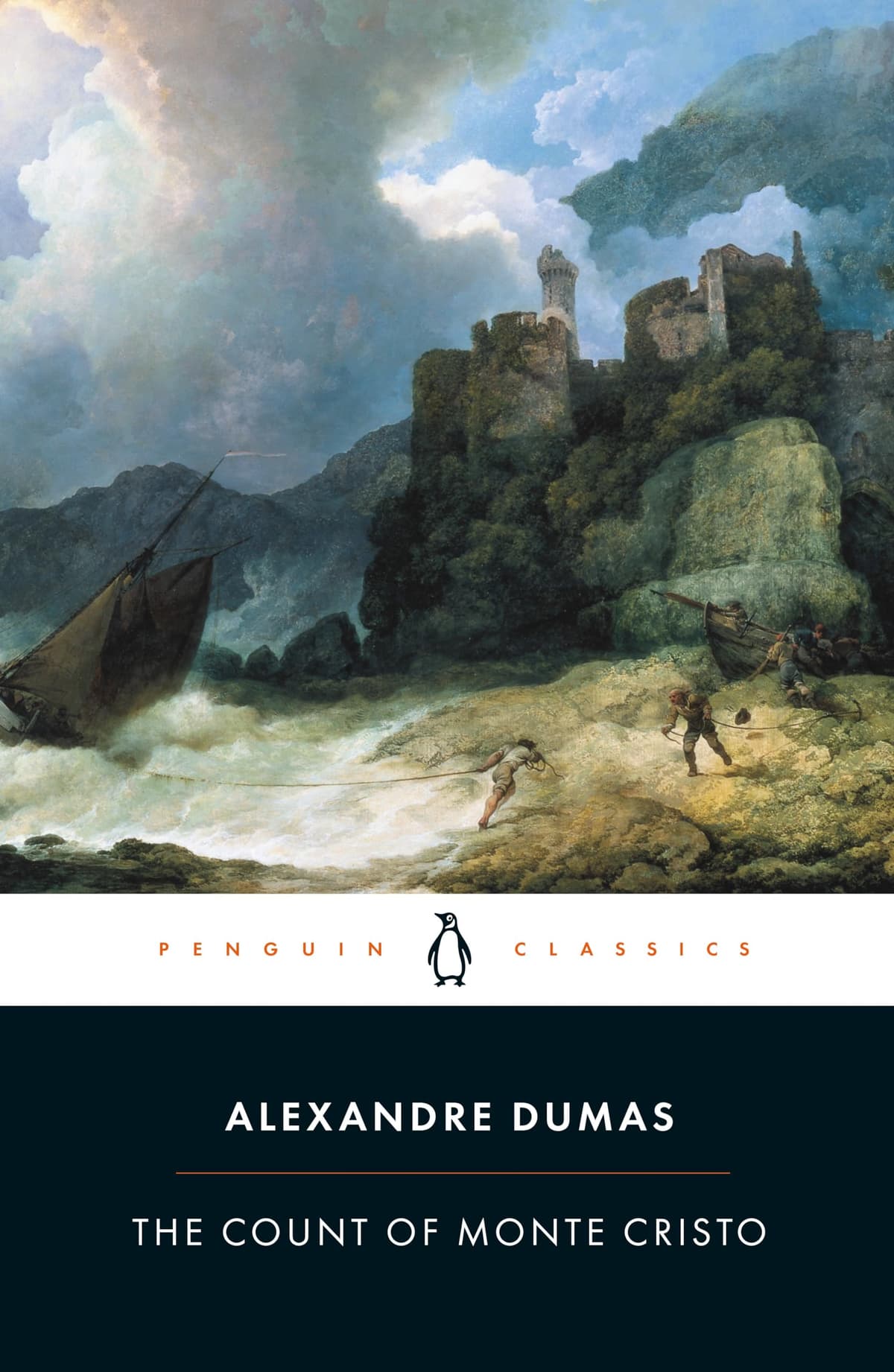
“All human wisdom is contained in these two words: Wait and Hope.”
The Count of Monte Cristo Summary
Edmond Dantès is a young, handsome sailor on the verge of everything—a captaincy, a fortune, a marriage to the woman he loves—when jealousy and conspiracy destroy him. Falsely accused of treason by three men who covet what he has, he is imprisoned without trial in the Château d'If, a fortress-island off the coast of Marseilles. Fourteen years in a lightless cell would break most men, but Dantès finds a fellow prisoner, the Abbé Faria, a brilliant cleric who becomes his teacher, his father figure, and the key to an unimaginable treasure buried on the island of Monte Cristo.
What follows is the most magnificent revenge story ever told. Dantès emerges from prison transformed—no longer a simple sailor but the fabulously wealthy, coldly brilliant Count of Monte Cristo. He returns to Paris, where his three betrayers have prospered, and proceeds to dismantle their lives with the patience and precision of a chess grandmaster. Dumas weaves a labyrinthine plot of disguises, secret identities, poison, duels, and buried treasure into a sweeping panorama of post-Napoleonic France.
Why Read The Count of Monte Cristo?
The Count of Monte Cristo is the ultimate page-turner—a novel so propulsive, so intricately plotted, so rich with incident that it devours entire weekends. Dumas was the supreme entertainer, and this is his masterpiece: a story that grips you from the first page and does not release you for over a thousand. It contains multitudes—romance, adventure, mystery, political intrigue, philosophical meditation on the nature of justice—and it delivers on every one of them.
But what elevates the novel above mere spectacle is its moral complexity. Dantès begins as a righteous avenger, but as his elaborate schemes unfold, innocent people are destroyed alongside the guilty. Dumas forces his hero—and the reader—to confront the darkest question of vengeance: at what point does the instrument of justice become the agent of cruelty? The Count of Monte Cristo is a thriller with a conscience, and its final lesson—that all human wisdom is contained in two words, "wait" and "hope"—earns its place among the most moving conclusions in literature.
About Alexandre Dumas
Alexandre Dumas (1802–1870) was the most prolific and popular French novelist of the nineteenth century, a literary factory who produced over two hundred novels, often with the help of collaborators. The son of a Napoleonic general who was himself the son of a Haitian slave, Dumas rose from poverty to become the toast of Paris. His energy was legendary: he wrote novels, plays, travel books, and cookbooks, founded a newspaper, built a château, and spent money as fast as he made it.
The Three Musketeers and The Count of Monte Cristo, both serialized in the 1840s, made him the most widely read author in the world. Critics dismissed him as a mere entertainer, but Dumas understood something his detractors did not: that the art of storytelling is the most democratic of all arts, and that a novel that keeps a reader up until three in the morning has achieved something no amount of literary prestige can replace.
Reading Guide
Ranked #85 among the greatest books of all time, The Count of Monte Cristo by Alexandre Dumas has earned its place in the literary canon. Originally written in French and published in 1844, this moderate read from France continues to resonate with readers today.
This book belongs to our Epics collection, where you can discover more books that share its spirit and themes.
If you enjoy moderate reads like this one, you might also like One Hundred Years of Solitude, Nineteen Eighty-Four, or Wuthering Heights.
From the Epics Collection
If you enjoyed The Count of Monte Cristo, discover more masterpieces that share its spirit.
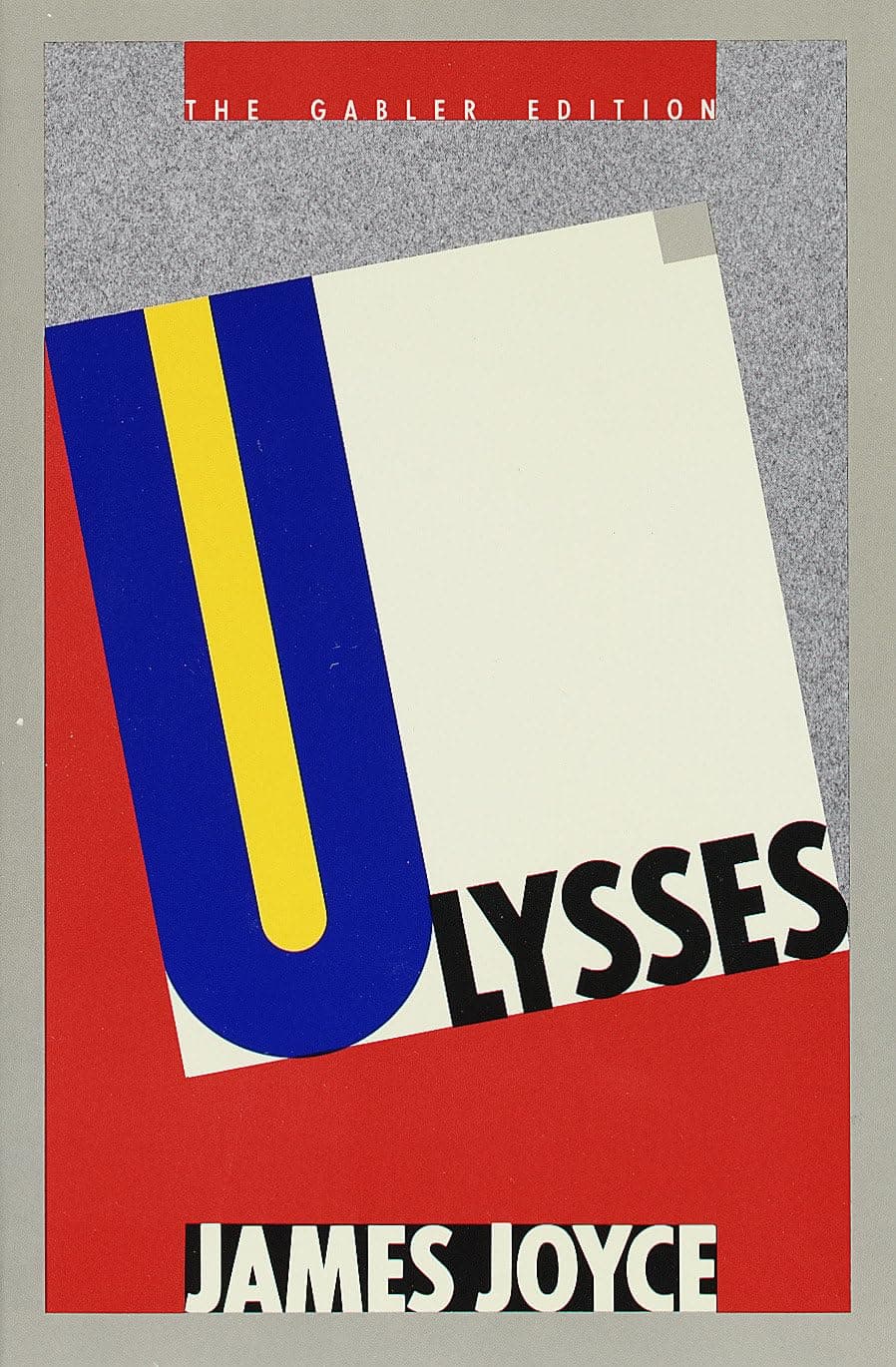 #1View Book
Ulysses
James Joyce
Challenging•35-40 hours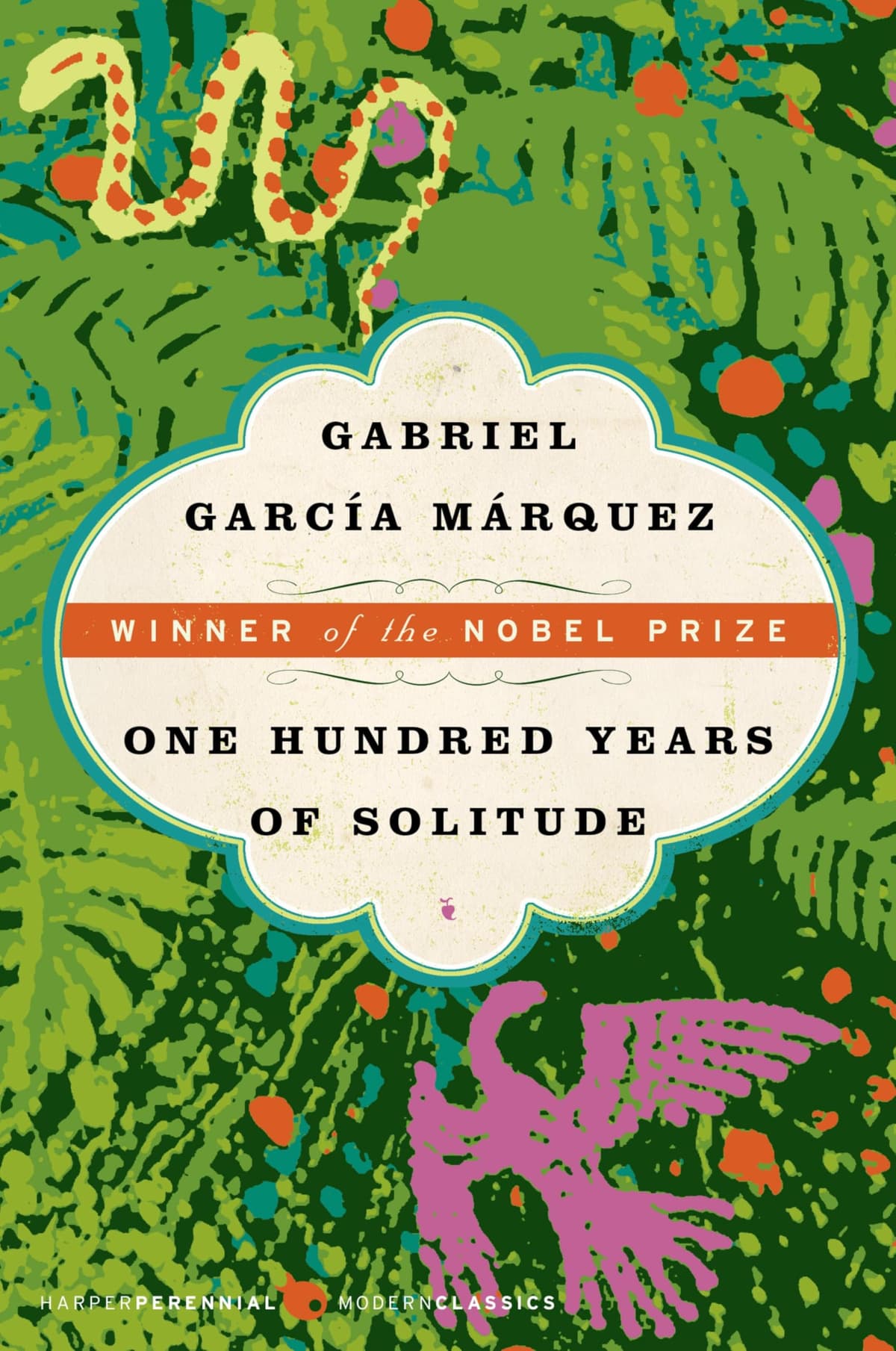 #5View Book
One Hundred Years of Solitude
Gabriel García Márquez
Moderate•15-20 hours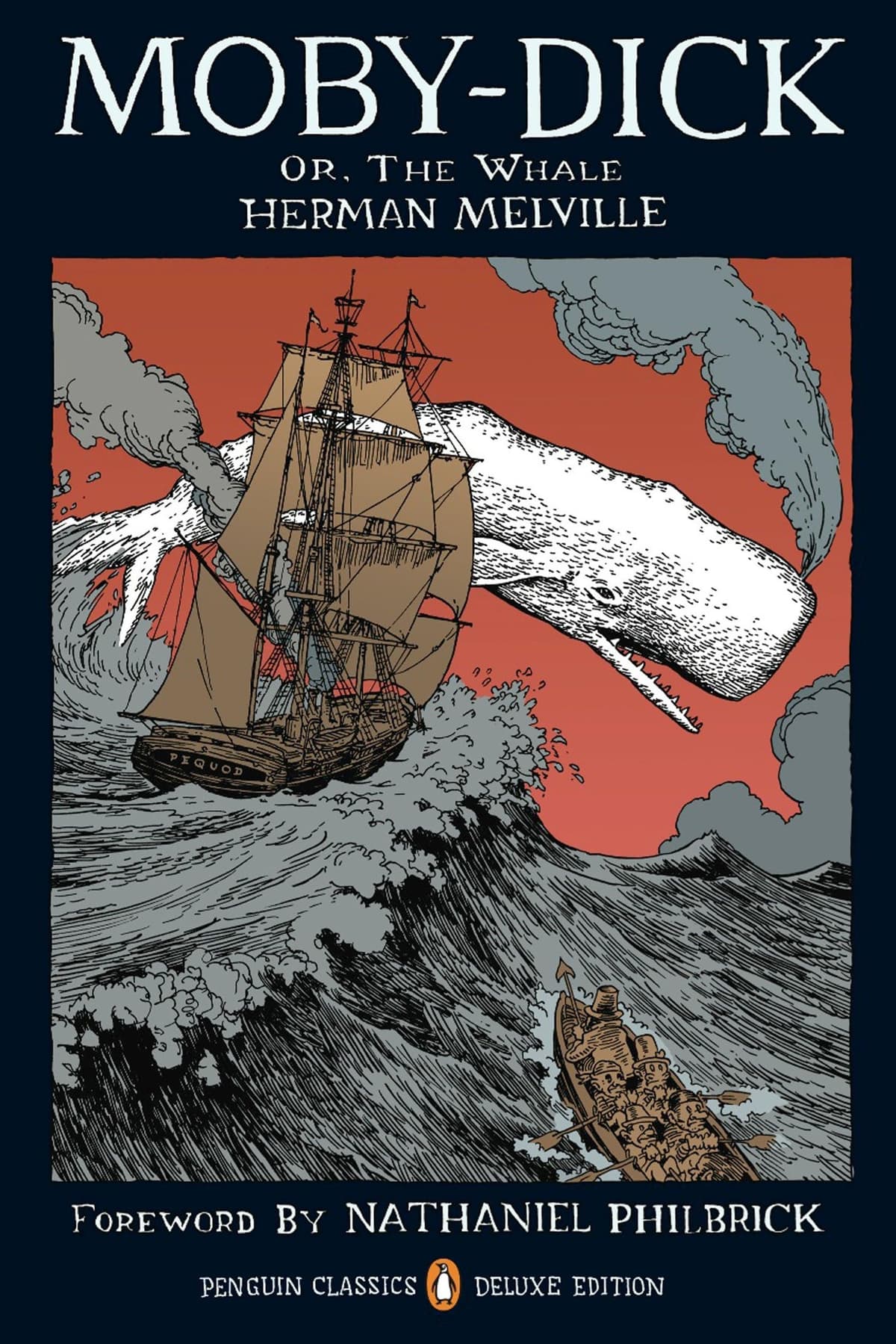 #7View Book
Moby-Dick
Herman Melville
Challenging•20-25 hours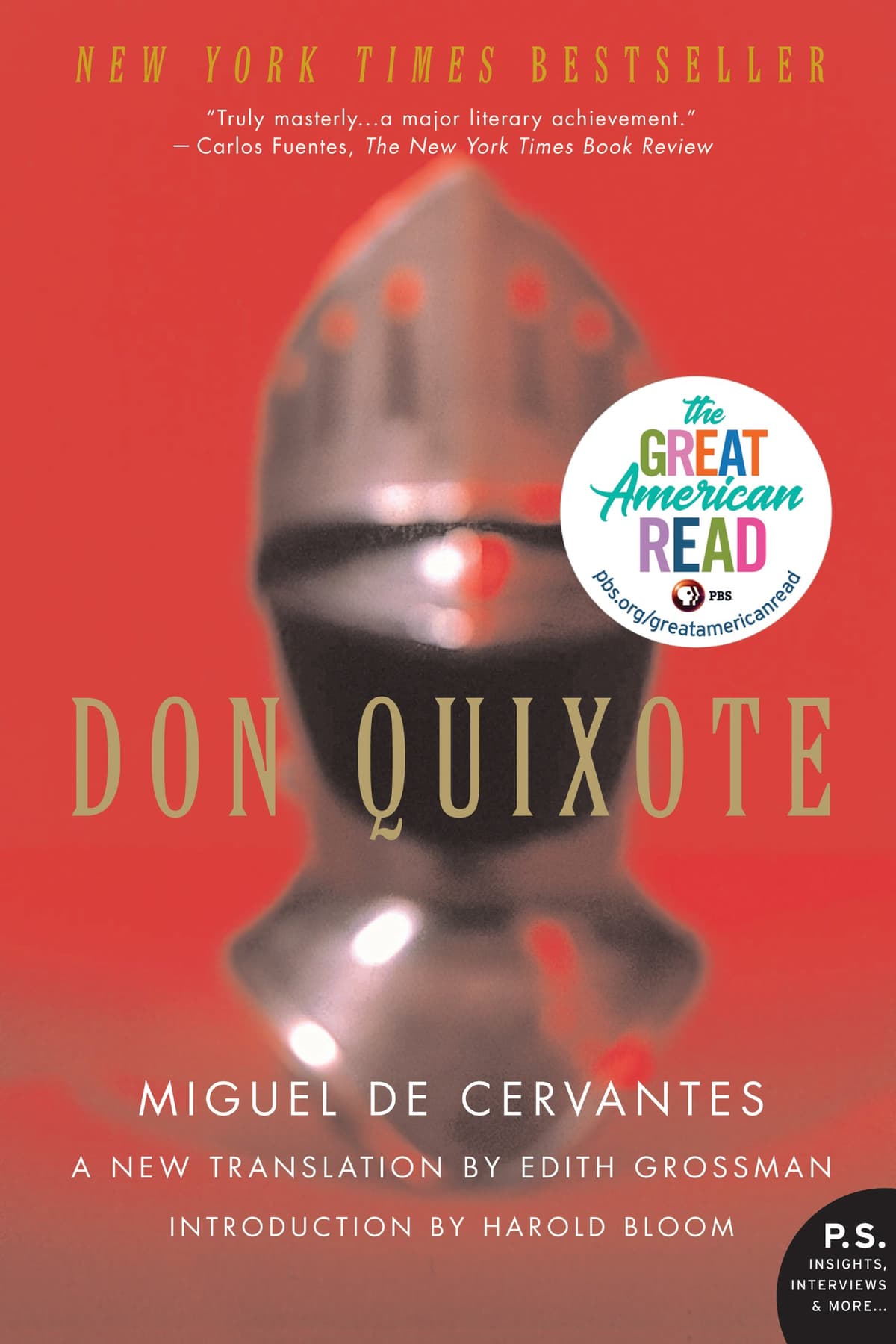 #9View Book
Don Quixote
Miguel de Cervantes
High•35-40 hours
Browse more collections