The Good Soldier
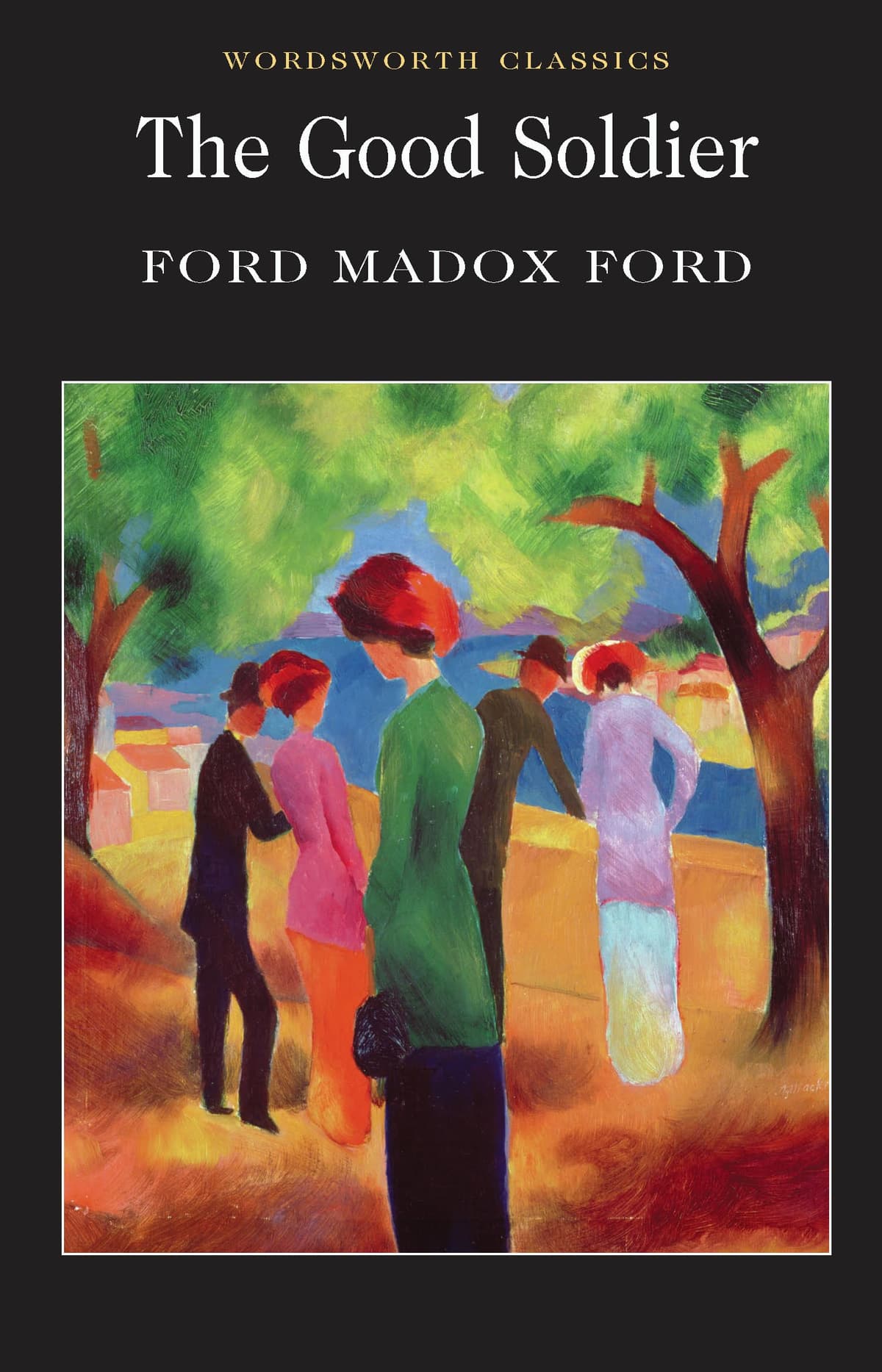
“This is the saddest story I have ever heard.”
The Good Soldier Summary
On the surface, it is a story of two respectable couples who meet at a German spa and become the closest of friends over nine years. Underneath, it is a chronicle of adultery, madness, suicide, and the most devastating betrayals imaginable. The American narrator, John Dowell, recounts how his friend Captain Edward Ashburnham—the 'good soldier' of the title—systematically destroyed everyone who loved him, while Dowell himself remained oblivious to the catastrophe unfolding before his eyes.
Ford's masterstroke is the narration itself. Dowell tells his story out of order, doubling back, revising, contradicting himself, peeling away layers of self-deception until the reader realizes that the true subject of the novel is not Ashburnham's sins but Dowell's staggering capacity for denial. It is a novel about the impossibility of truly knowing another person, told by a man who never knew himself.
Why Read The Good Soldier?
The Good Soldier is widely regarded as the finest example of the unreliable narrator in English literature. Ford's revolutionary technique—a shattered, impressionistic narrative that mimics the way memory actually works—influenced everyone from Graham Greene to Kazuo Ishiguro. Its opening line is one of the most famous in fiction, and the irony it contains deepens with every subsequent page until it becomes almost unbearable.
What makes it indispensable is the way it forces you to become an active reader. You cannot passively receive Dowell's story; you must interrogate it, reading between his pauses and evasions, assembling the truth he cannot bring himself to face. It is a novel about the lies we tell ourselves, and it implicates you in the telling. By the final page, you understand that the saddest story is not one of betrayal—it is one of blindness.
About Ford Madox Ford
Ford Madox Ford (1873–1939) was born Ford Hermann Hueffer in Surrey, the grandson of the Pre-Raphaelite painter Ford Madox Brown. He was a literary impresario of extraordinary range—editor, novelist, memoirist, and champion of modernism who founded The English Review and later The Transatlantic Review, publishing early work by D.H. Lawrence, Ezra Pound, and Ernest Hemingway.
Despite writing over eighty books, Ford's reputation rests primarily on two masterpieces: The Good Soldier and the Parade's End tetralogy. His personal life was as tangled as his fiction—marked by affairs, financial disasters, and a name change to distance himself from his German heritage during World War I. He died in France, underappreciated in his lifetime but now recognized as one of the architects of literary modernism.
Reading Guide
Ranked #86 among the greatest books of all time, The Good Soldier by Ford Madox Ford has earned its place in the literary canon. Originally written in English and published in 1915, this challenging read from United Kingdom continues to resonate with readers today.
This book belongs to our Modern Mind and Love & Loss collections, where you can discover more books that share its spirit and themes.
If you enjoy challenging reads like this one, you might also like Ulysses, Moby-Dick, or Lolita.
From the Modern Mind Collection
If you enjoyed The Good Soldier, discover more masterpieces that share its spirit.
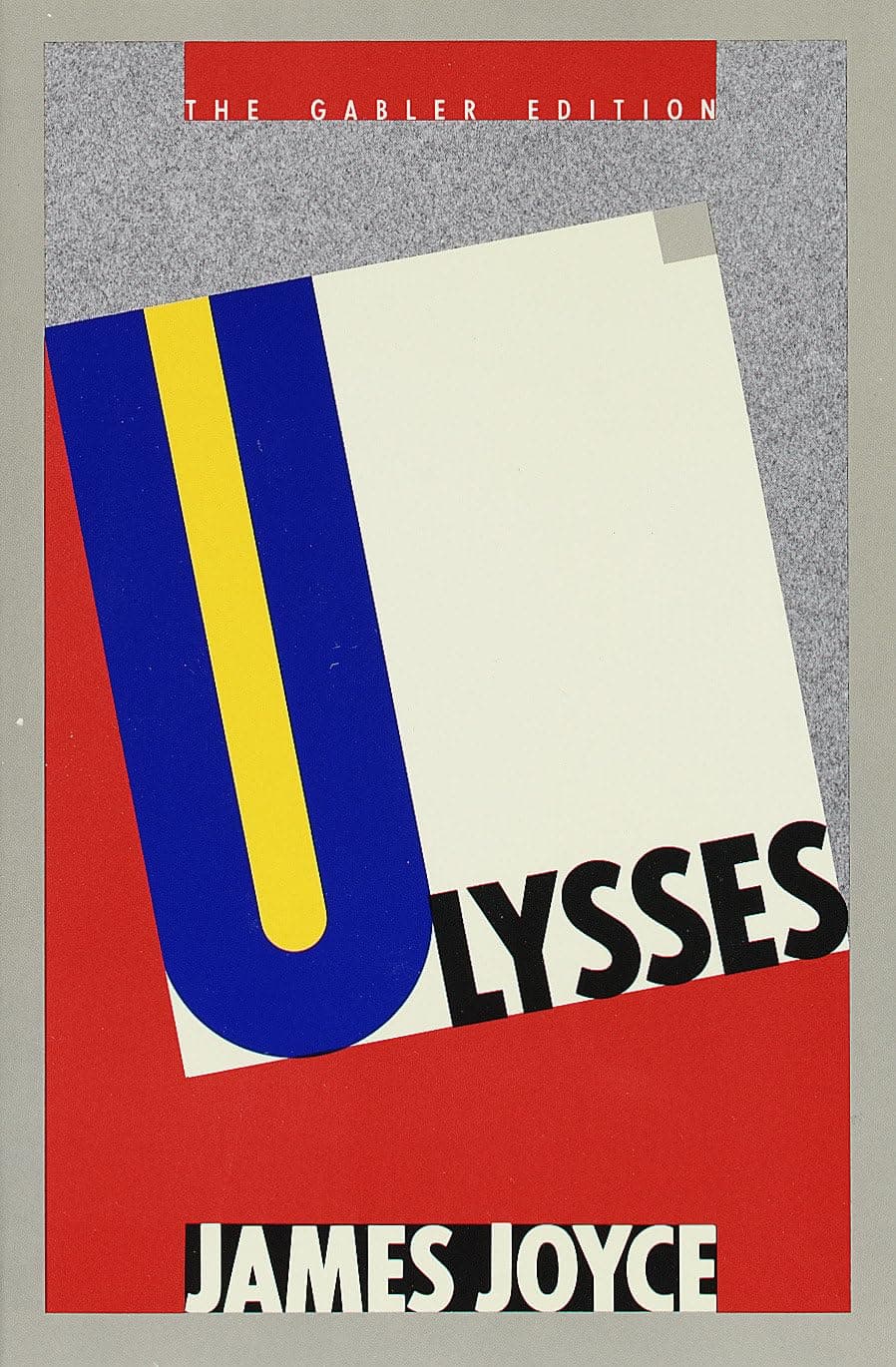 #1View Book
Ulysses
James Joyce
Challenging•35-40 hours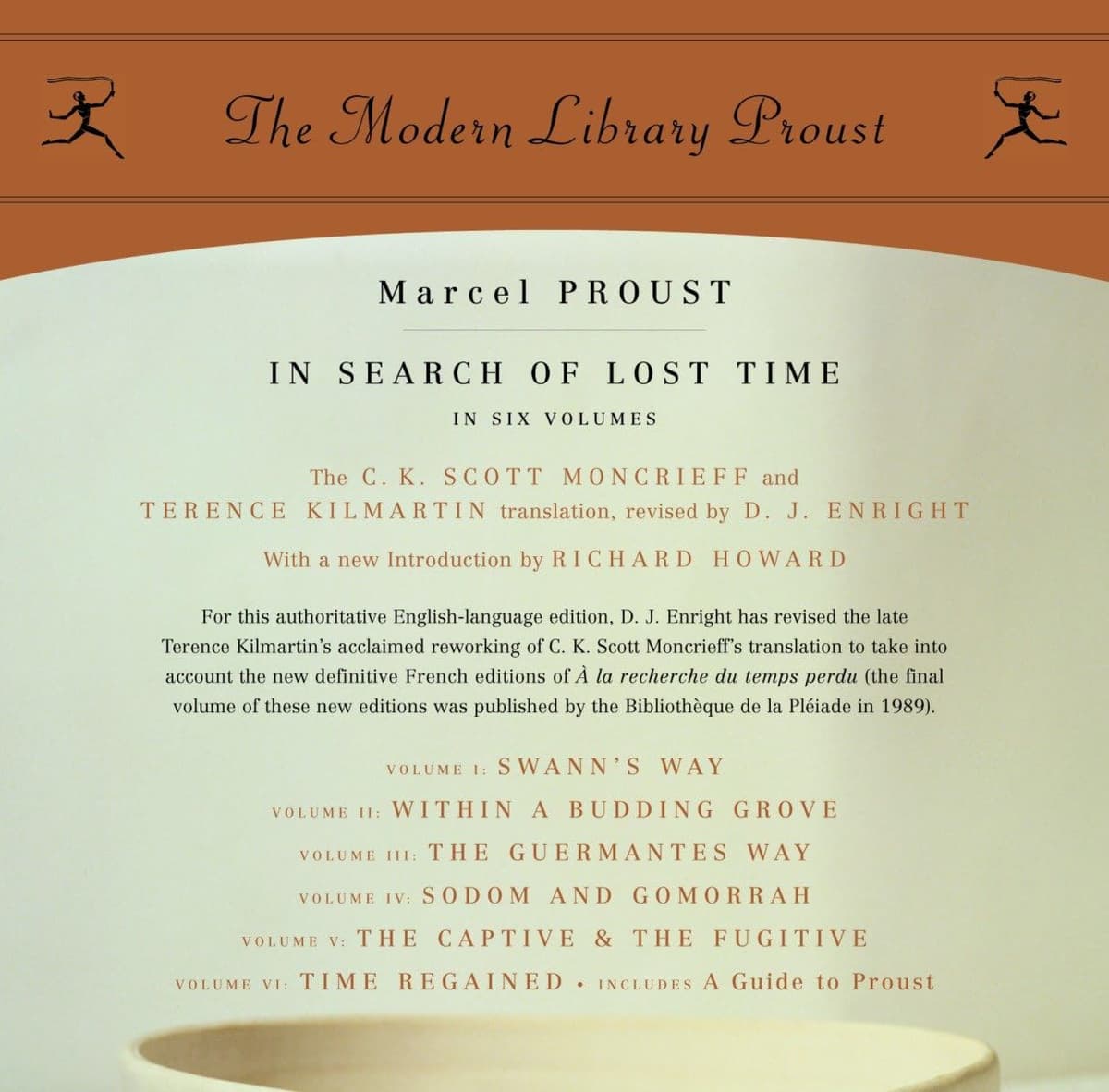 #2View Book
In Search of Lost Time
Marcel Proust
High•100+ hours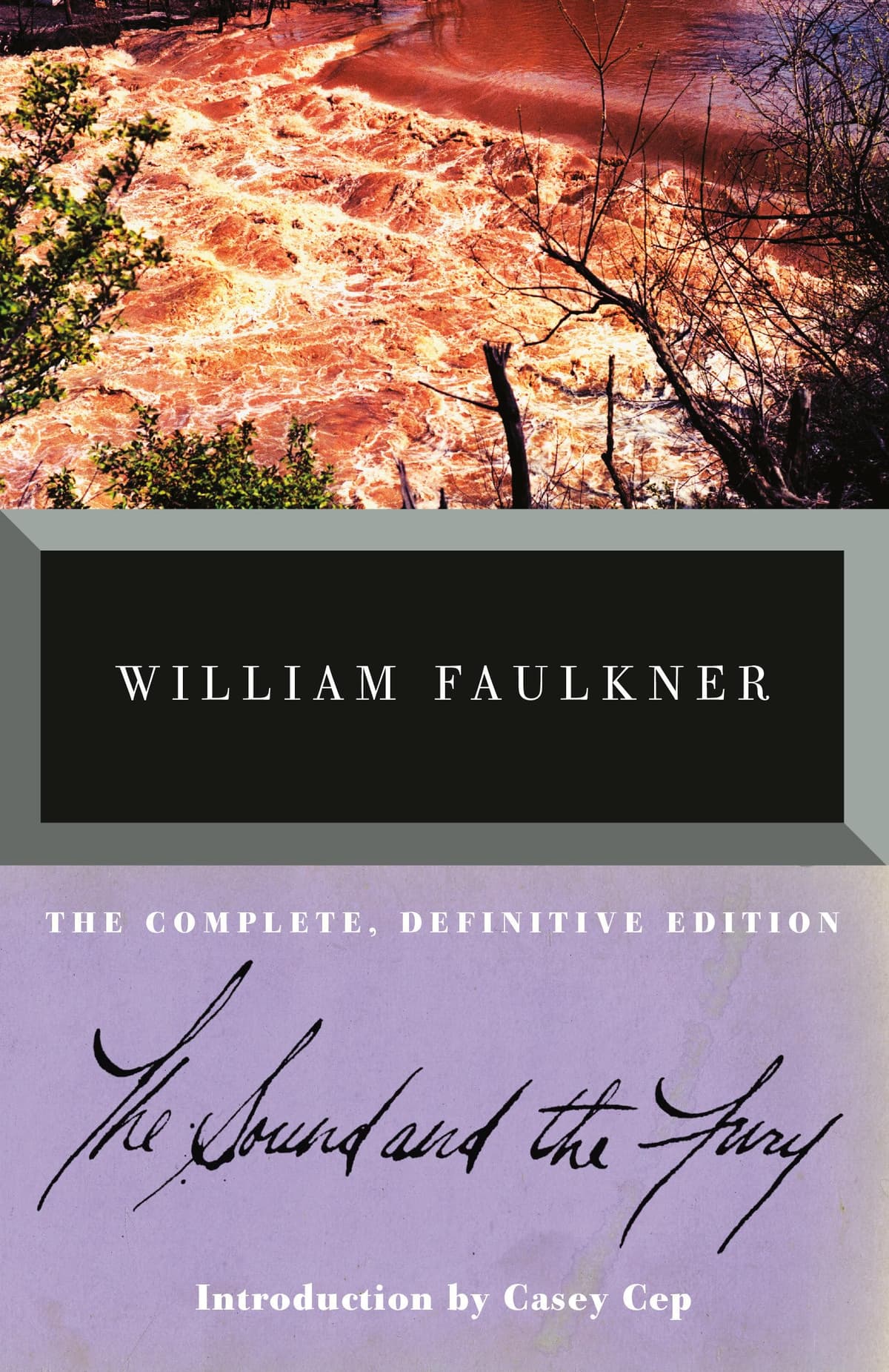 #8View Book
The Sound and the Fury
William Faulkner
Very High•12-15 hours #13View Book
Lolita
Vladimir Nabokov
Challenging•12-15 hours
Browse more collections