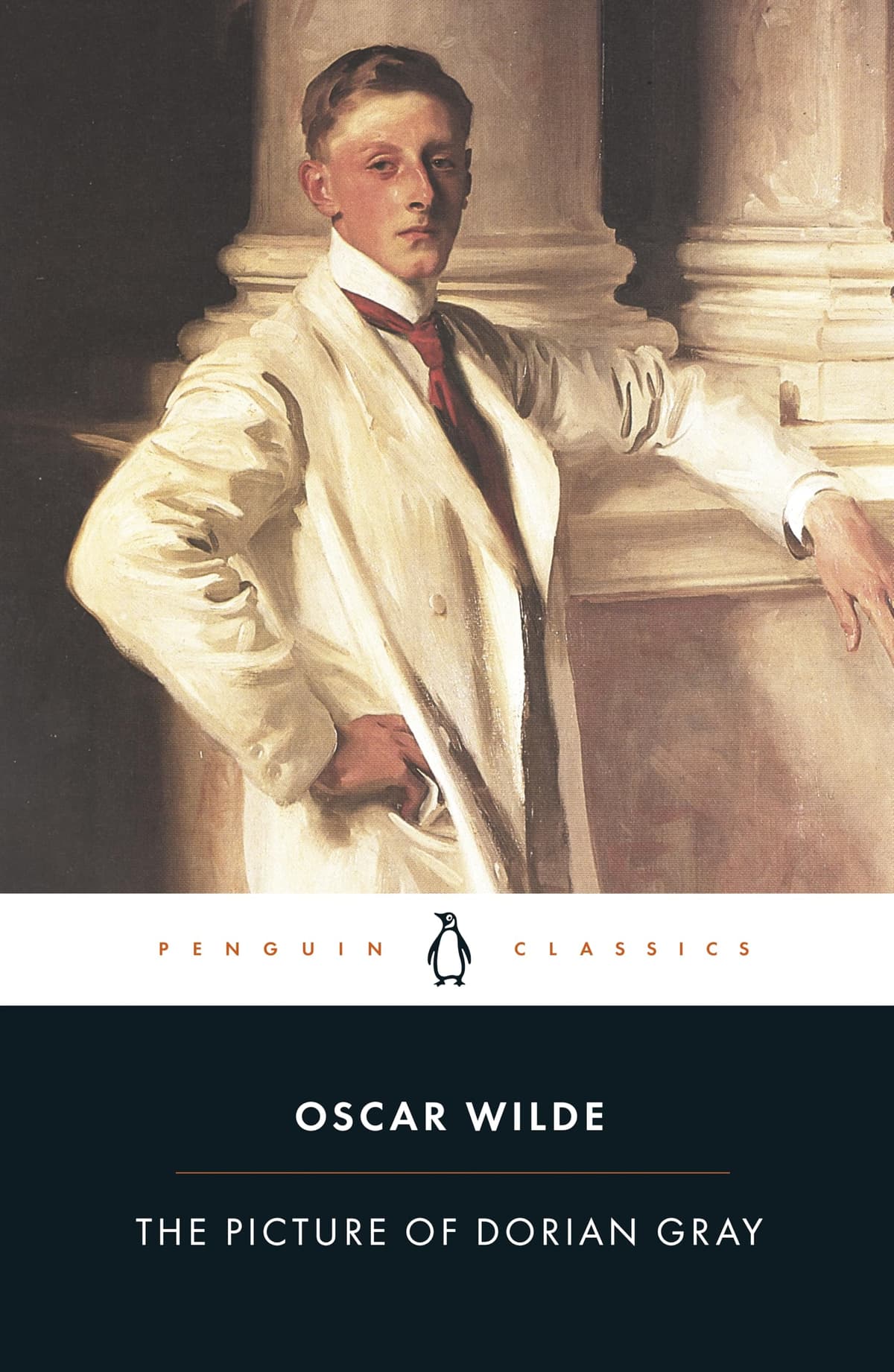
The Tin Drum
“Even bad books are books and therefore sacred.”
The Tin Drum Summary
From a bed in a mental institution, Oskar Matzerath tells the story of his life—and through it, the grotesque history of twentieth-century Germany. Born in the Free City of Danzig in 1924 with fully formed adult consciousness, Oskar decides on his third birthday to stop growing. Armed with a tin drum that he beats incessantly and a glass-shattering scream, he becomes the eternal child-witness to the rise of Nazism, the horrors of World War II, and the moral amnesia of postwar West Germany.
Grass's novel is a carnival of the grotesque, a Rabelaisian torrent of imagery that refuses to let Germany look away from its past. Oskar is at once a trickster, a monster, and an innocent—a figure whose stunted body mirrors a nation's stunted conscience. The tin drum he beats is the drumbeat of memory itself, insistent and relentless, demanding that the dead be counted.
Why Read The Tin Drum?
The Tin Drum shattered the silence of postwar Germany like Oskar's scream shatters glass. When it appeared in 1959, German literature had been largely unable to confront the Nazi era with the ferocity it demanded. Grass answered with a novel so wild, so grotesque, so darkly comic that it became impossible to ignore. It is the founding text of Germany's literary reckoning with its own past.
But it is far more than a historical document. Grass created one of literature's most unforgettable characters in Oskar Matzerath—part holy fool, part unreliable demon, entirely original. The novel's baroque energy, its cascading imagery and refusal to behave, makes it one of the great reading experiences of the twentieth century. It dares you to laugh at the unspeakable, and in that laughter forces you to confront what you would rather forget.
About Günter Grass
Günter Grass (1927–2015) was born in the Free City of Danzig (now Gdańsk, Poland), the setting that would haunt his greatest fiction. He was drafted into the Waffen-SS as a teenager near the end of World War II—a fact he did not publicly reveal until 2006, provoking enormous controversy. After the war, he studied art and sculpture before turning to literature.
The Tin Drum, his debut novel, made him an international sensation and established him as the conscience of postwar Germany. He received the Nobel Prize in Literature in 1999. Grass was a sculptor, printmaker, poet, and political activist who campaigned tirelessly for Social Democratic causes. His Danzig Trilogy remains one of the most ambitious literary projects of the twentieth century.
Reading Guide
Ranked #87 among the greatest books of all time, The Tin Drum by Günter Grass has earned its place in the literary canon. Originally written in German and published in 1959, this challenging read from Germany continues to resonate with readers today.
This book belongs to our Modern Mind and Magical Realism collections, where you can discover more books that share its spirit and themes.
If you enjoy challenging reads like this one, you might also like Ulysses, Moby-Dick, or Lolita.
From the Modern Mind Collection
If you enjoyed The Tin Drum, discover more masterpieces that share its spirit.
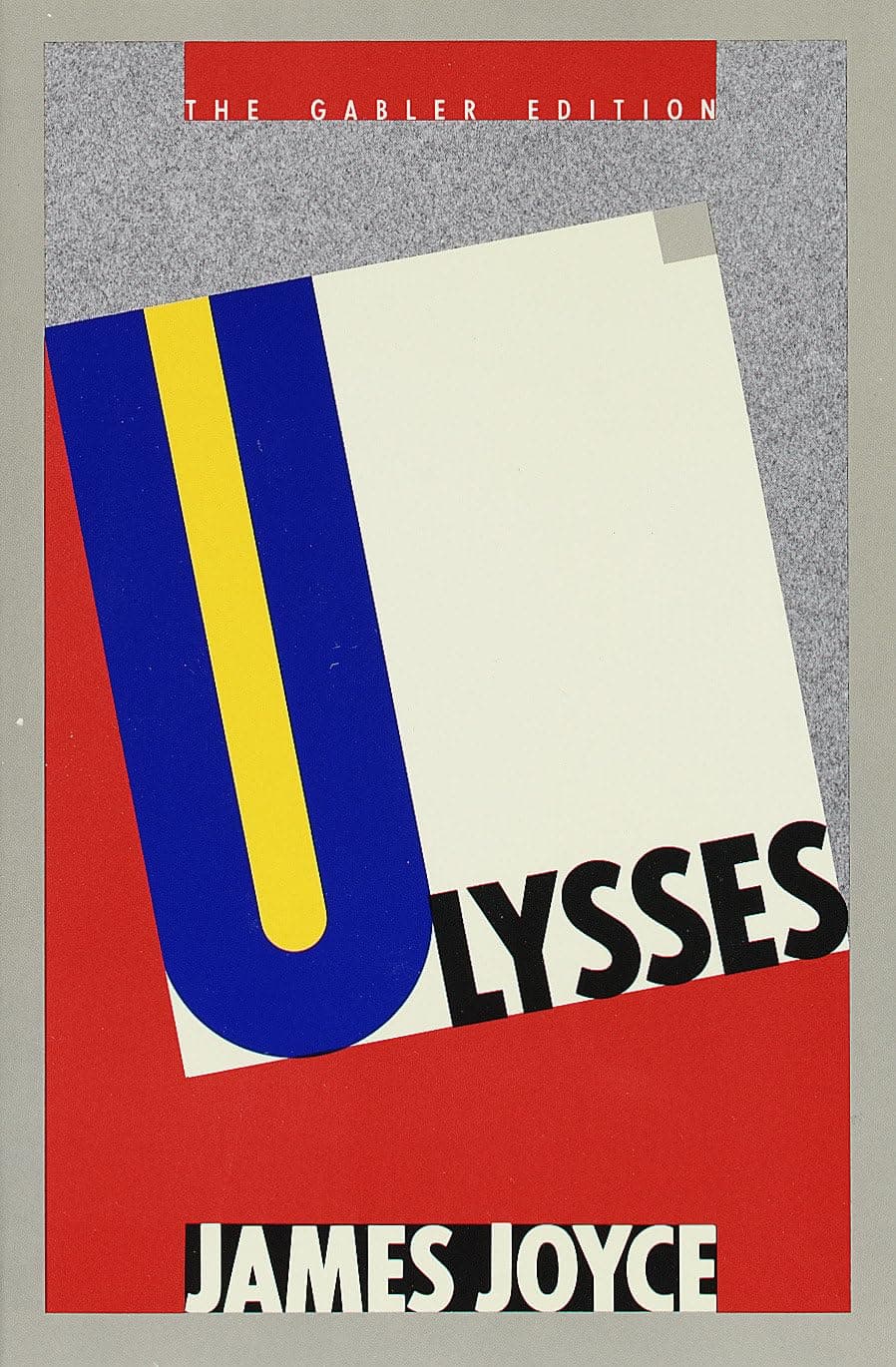 #1View Book
Ulysses
James Joyce
Challenging•35-40 hours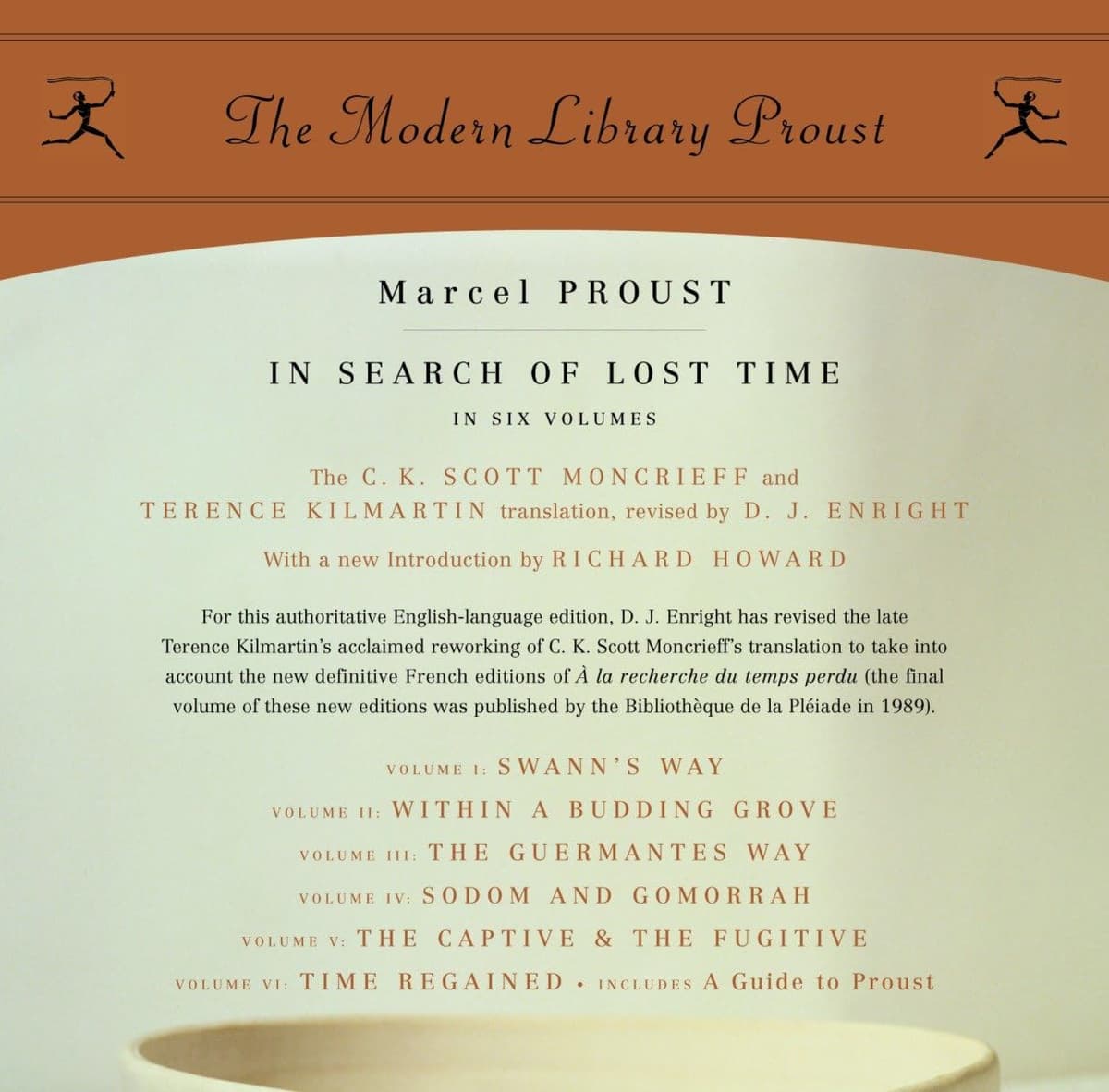 #2View Book
In Search of Lost Time
Marcel Proust
High•100+ hours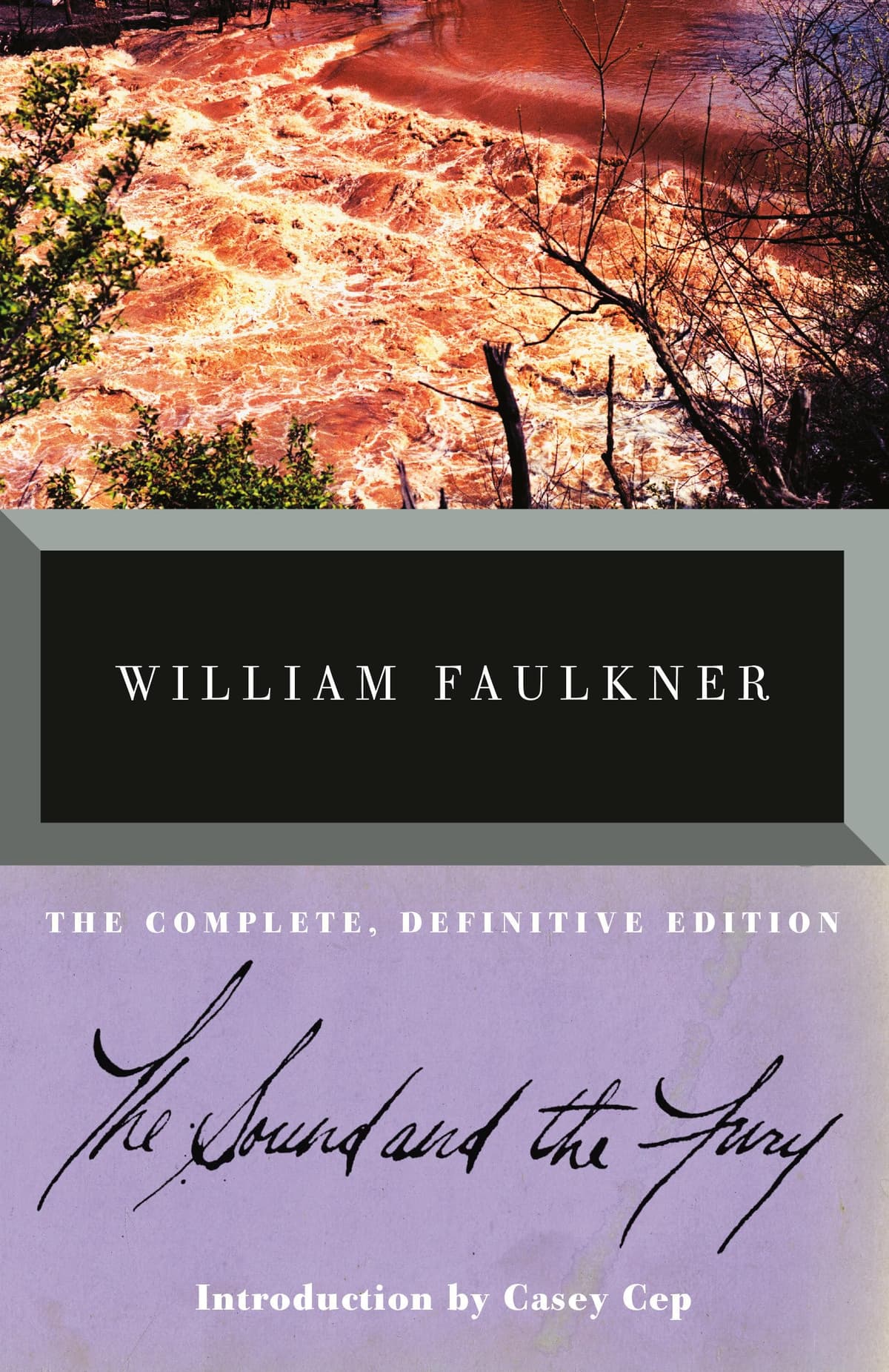 #8View Book
The Sound and the Fury
William Faulkner
Very High•12-15 hours #13View Book
Lolita
Vladimir Nabokov
Challenging•12-15 hours
Browse more collections