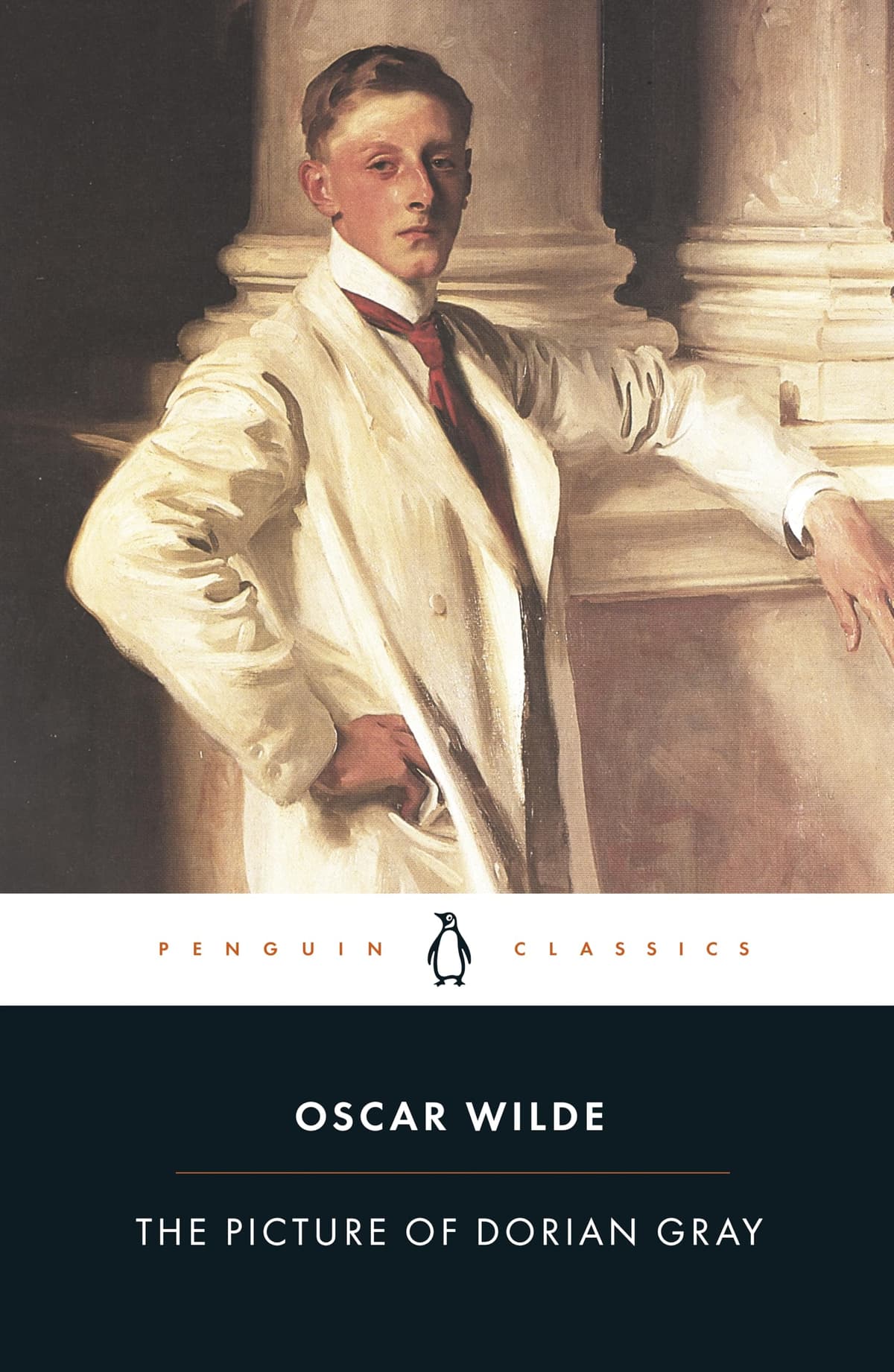
The Picture of Dorian Gray
“The only way to get rid of a temptation is to yield to it.”
The Picture of Dorian Gray Summary
A young man of extraordinary beauty sits for his portrait in a London studio, and in a moment of vanity makes a wish that will damn him: let the painting age instead of me. The wish is granted. As Dorian Gray descends into decades of hedonism, cruelty, and secret vice, his face remains as flawless as the day he was painted—while the portrait locked in his attic twists into a hideous record of every sin. Watching from the sidelines is Lord Henry Wotton, the languid wit whose poisonous philosophy of pleasure set Dorian on his path.
Wilde's only novel is a glittering paradox—a moral fable written by a man who claimed to despise morality, a Gothic horror story dressed in the silk and epigrams of the London drawing room. Beneath the surface sparkle lies a devastating meditation on the cost of beauty, the corruption of innocence, and the impossibility of separating art from the soul that creates it.
Why Read The Picture of Dorian Gray?
The Picture of Dorian Gray is the ultimate novel about the price of living without consequences. Wilde took the Faustian bargain and dressed it in the finest clothes of the aesthetic movement, producing a story that is simultaneously a page-turning Gothic thriller and a profound philosophical inquiry into beauty, art, and moral responsibility. Every epigram crackles; every scene gleams with menace.
What elevates it beyond its plot is its prophetic quality. Wilde wrote Dorian Gray five years before his own spectacular fall—the trials, the imprisonment, the exile—and the novel reads like a premonition. It asks whether the pursuit of pleasure and beauty must inevitably lead to destruction, and Wilde's answer, delivered with characteristic wit and heartbreak, resonates more powerfully today than ever. It is the rare novel that is both a delight and a warning.
About Oscar Wilde
Oscar Wilde (1854–1900) was the supreme wit of the English language—playwright, poet, essayist, and the most quotable writer who ever lived. Born in Dublin to intellectual parents, he studied at Trinity College and Oxford before conquering London society with his brilliance, flamboyance, and devastating conversation.
His career was a supernova: the comedies Lady Windermere's Fan and The Importance of Being Earnest, the fairy tales, the essays, and The Picture of Dorian Gray all arrived within a few dazzling years. Then came the catastrophe—his conviction for gross indecency in 1895, two years of hard labor, and exile to Paris, where he died impoverished at forty-six. Wilde's tragedy only amplified his legend. He remains literature's patron saint of beauty, defiance, and the power of the perfectly turned phrase.
Reading Guide
Ranked #88 among the greatest books of all time, The Picture of Dorian Gray by Oscar Wilde has earned its place in the literary canon. Originally written in English and published in 1890, this moderate read from Ireland continues to resonate with readers today.
This book belongs to our Gothic & Dark and Philosophy & Faith collections, where you can discover more books that share its spirit and themes.
If you enjoy moderate reads like this one, you might also like One Hundred Years of Solitude, Nineteen Eighty-Four, or Wuthering Heights.
From the Gothic & Dark Collection
If you enjoyed The Picture of Dorian Gray, discover more masterpieces that share its spirit.
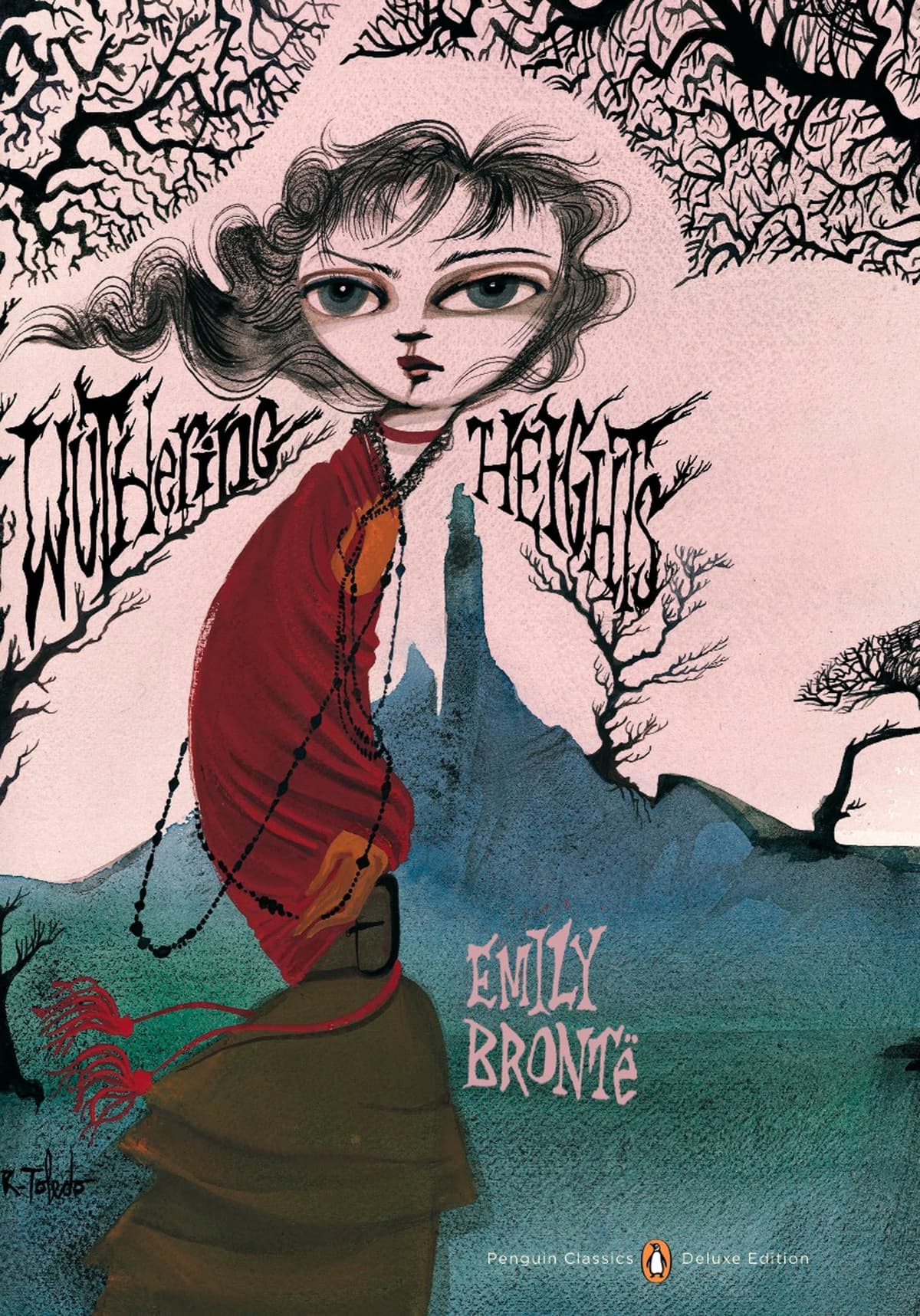 #15View Book
Wuthering Heights
Emily Brontë
Moderate•10-12 hours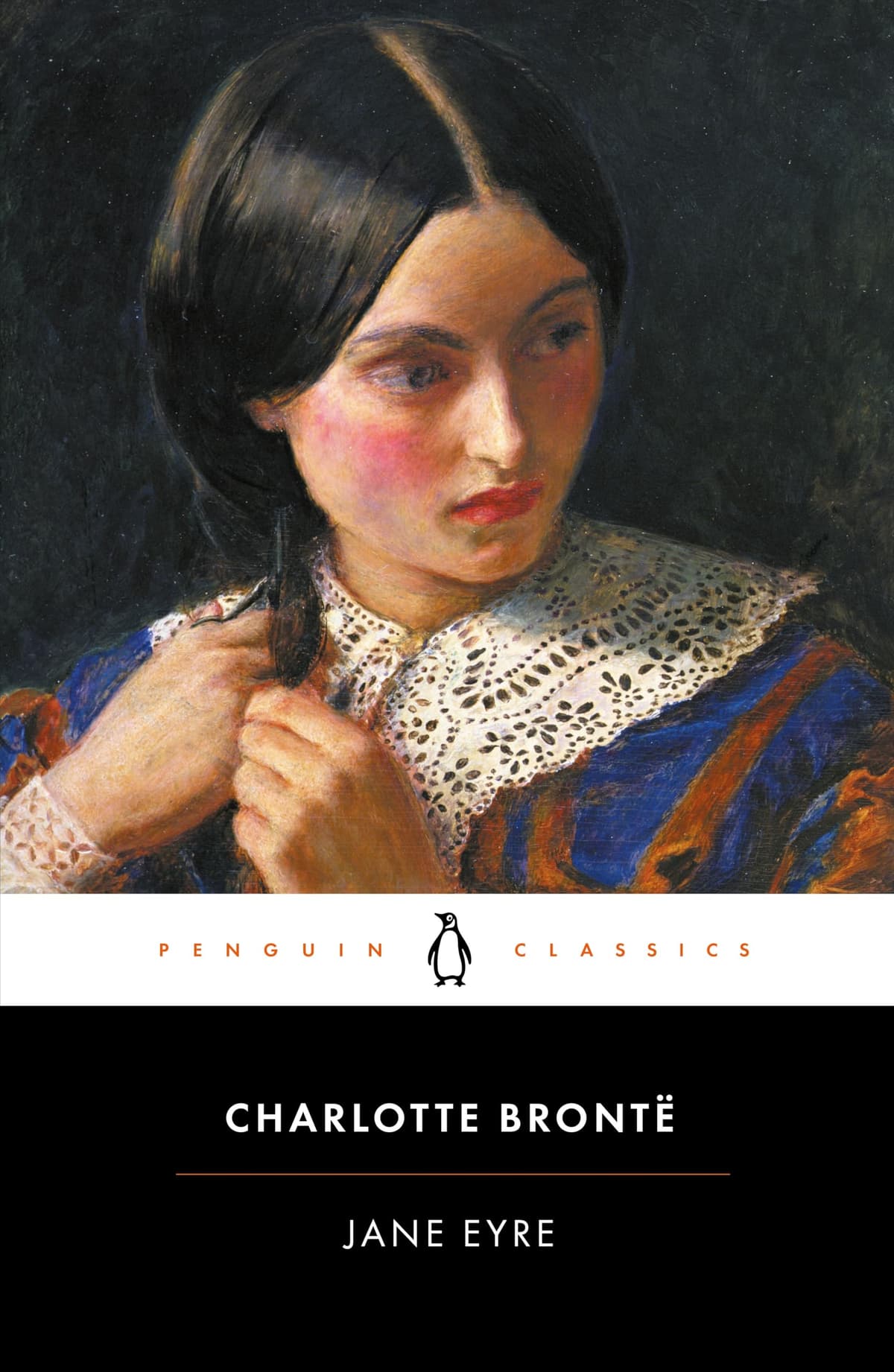 #29View Book
Jane Eyre
Charlotte Brontë
Accessible•15-20 hours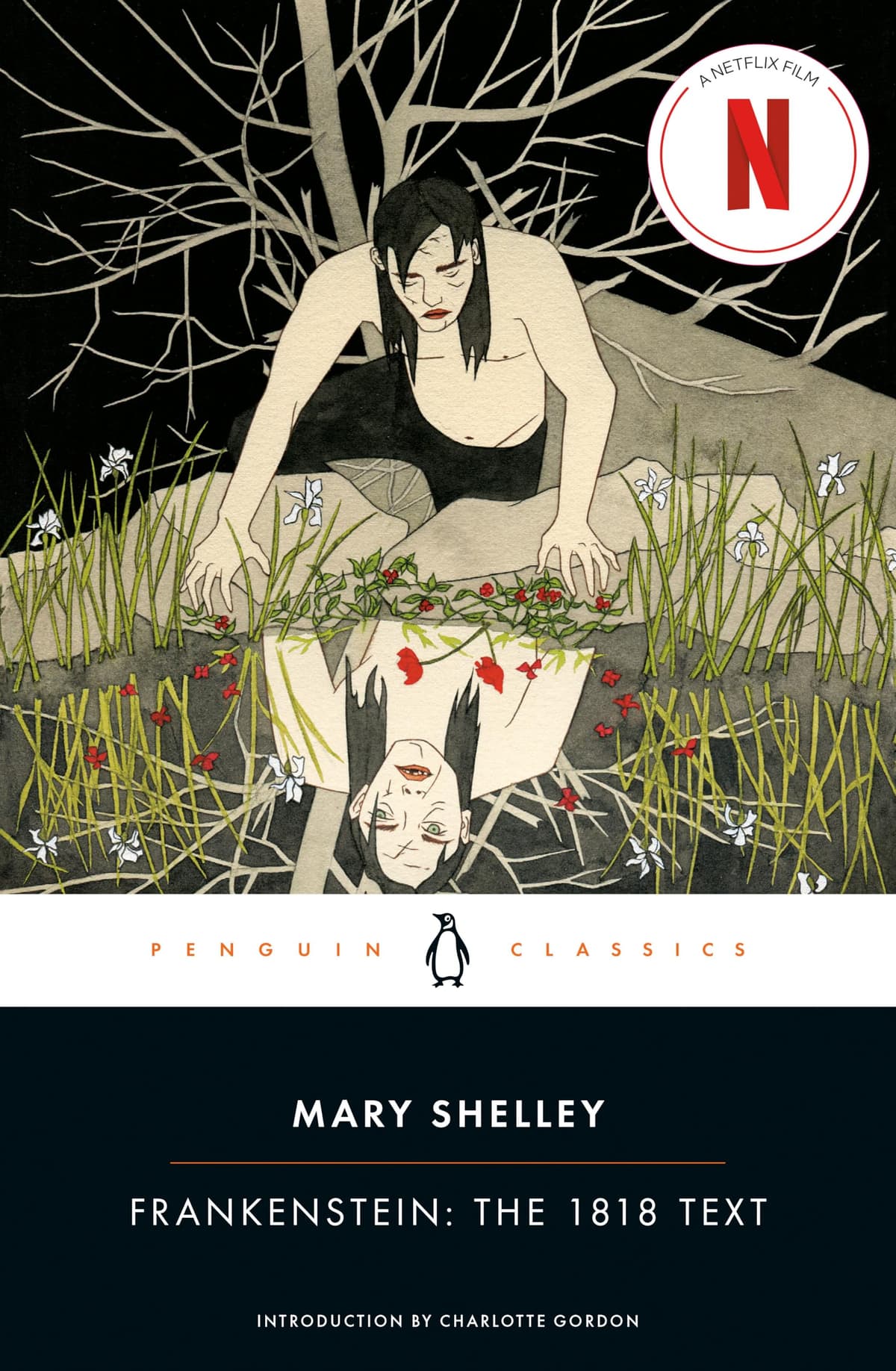 #41View Book
Frankenstein
Mary Shelley
Accessible•6-8 hours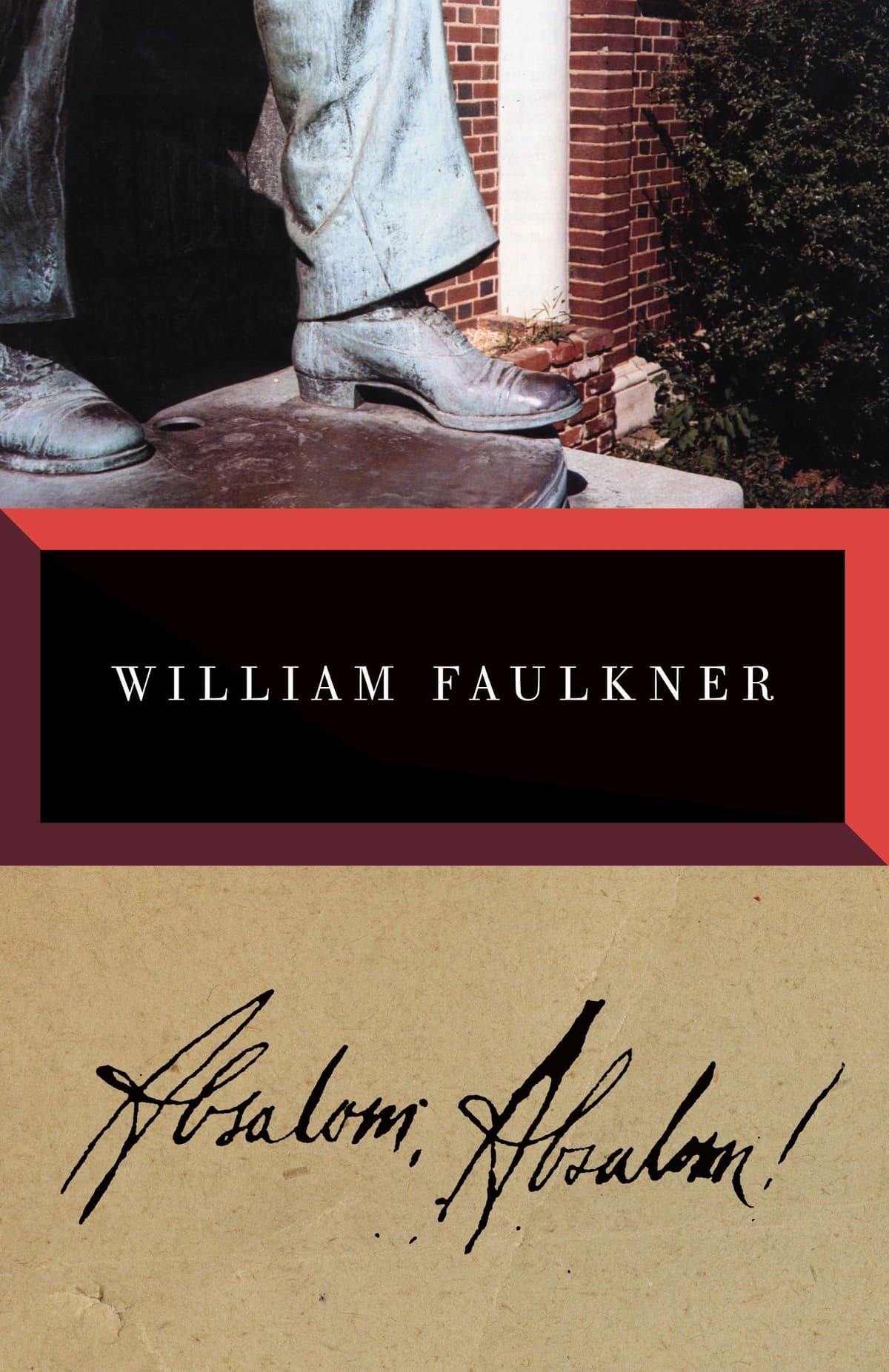 #44View Book
Absalom, Absalom!
William Faulkner
Very High•12-15 hours
Browse more collections