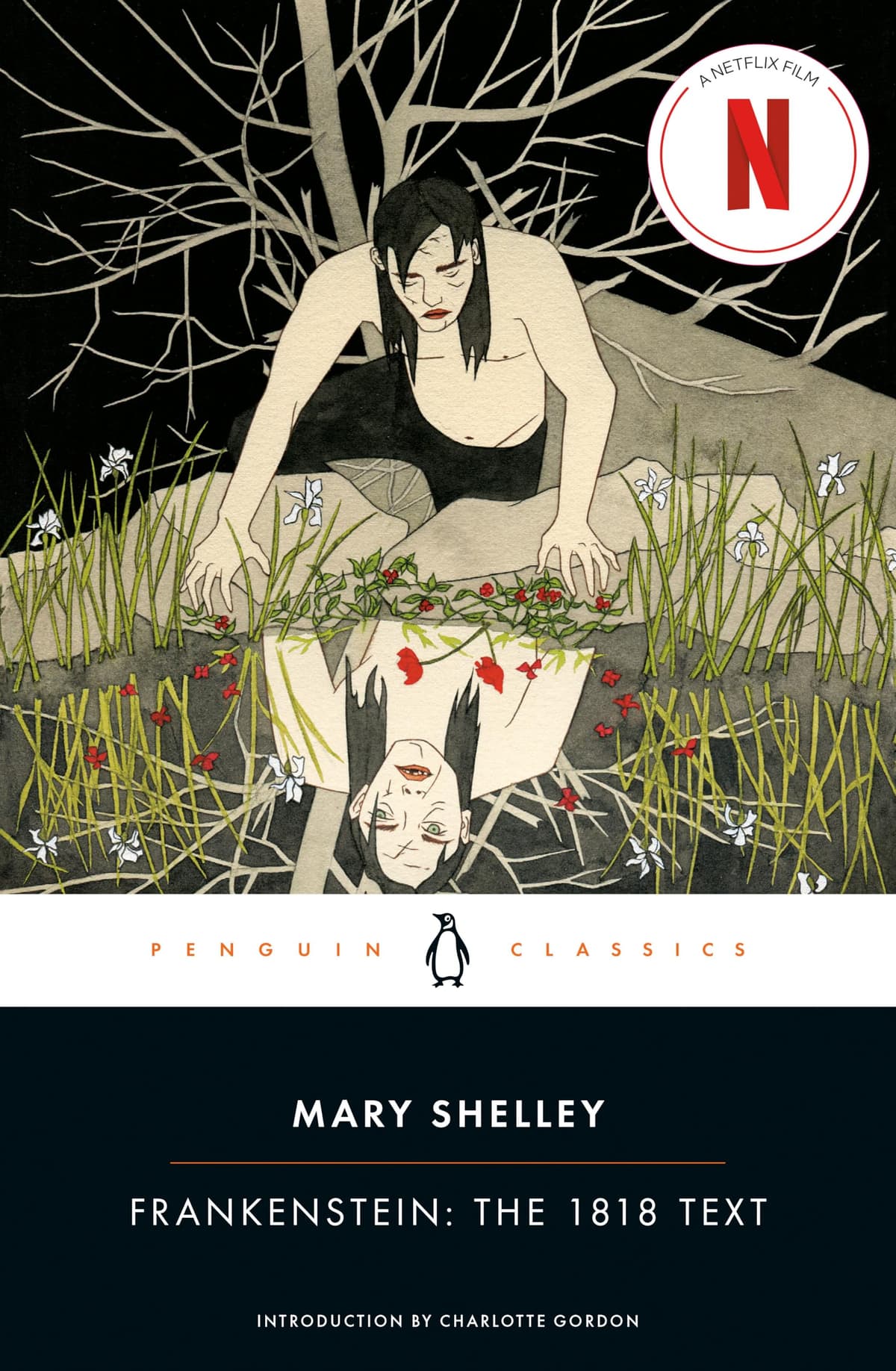
Frankenstein
“Beware; for I am fearless, and therefore powerful.”
Frankenstein Summary
In the ice-locked wastes of the Arctic, a half-frozen explorer rescues a stranger from the brink of death. That stranger is Victor Frankenstein, and the story he tells is one of the most terrifying in literature. As a young science student in Ingolstadt, Victor discovered the secret of animating dead matter and assembled a creature from stolen body parts. The moment it opened its yellow, watery eyes, Victor fled in horror—and set in motion a chain of destruction that would consume everyone he loved.
But this is not simply a horror story. Shelley gives the creature a voice, and it is the voice of the most articulate outcast in fiction. Rejected by its creator and reviled by humanity, the creature's descent from innocence to murderous rage is a searing indictment of a society that judges by appearance and a creator who refuses responsibility for what he has made.
Why Read Frankenstein?
Written by an eighteen-year-old during a ghost-story competition on the shores of Lake Geneva, Frankenstein is the founding text of science fiction—and it has never been surpassed by its descendants. Every story about artificial intelligence, genetic engineering, or the hubris of technology is, at its root, a retelling of Shelley's vision.
What makes it timeless is the creature's tragedy. In the popular imagination, 'Frankenstein' is the monster. In the novel, the monster is the most human character—eloquent, yearning for love, driven to violence only by the cruelty of others. Shelley forces us to ask: who is the real monster, the creation or the creator? It is a question that grows more urgent with every advance in science.
About Mary Shelley
Mary Shelley (1797–1851) was the daughter of two radical intellectuals—the feminist Mary Wollstonecraft and the philosopher William Godwin—and the wife of the poet Percy Bysshe Shelley. She conceived Frankenstein at age eighteen during a stormy summer on Lake Geneva, in the company of Percy, Lord Byron, and John Polidori.
The novel, published in 1818, was initially anonymous, and many assumed a woman could not have written something so bold. Shelley went on to write several more novels and edited her husband's works after his early death, but Frankenstein remains her immortal legacy—a book that created an entire genre.
Reading Guide
Ranked #41 among the greatest books of all time, Frankenstein by Mary Shelley has earned its place in the literary canon. Originally written in English and published in 1818, this accessible read from United Kingdom continues to resonate with readers today.
This book belongs to our Gothic & Dark and Speculative Futures collections, where you can discover more books that share its spirit and themes.
If you enjoy accessible reads like this one, you might also like The Great Gatsby, The Catcher in the Rye, or Pride and Prejudice.
From the Gothic & Dark Collection
If you enjoyed Frankenstein, discover more masterpieces that share its spirit.
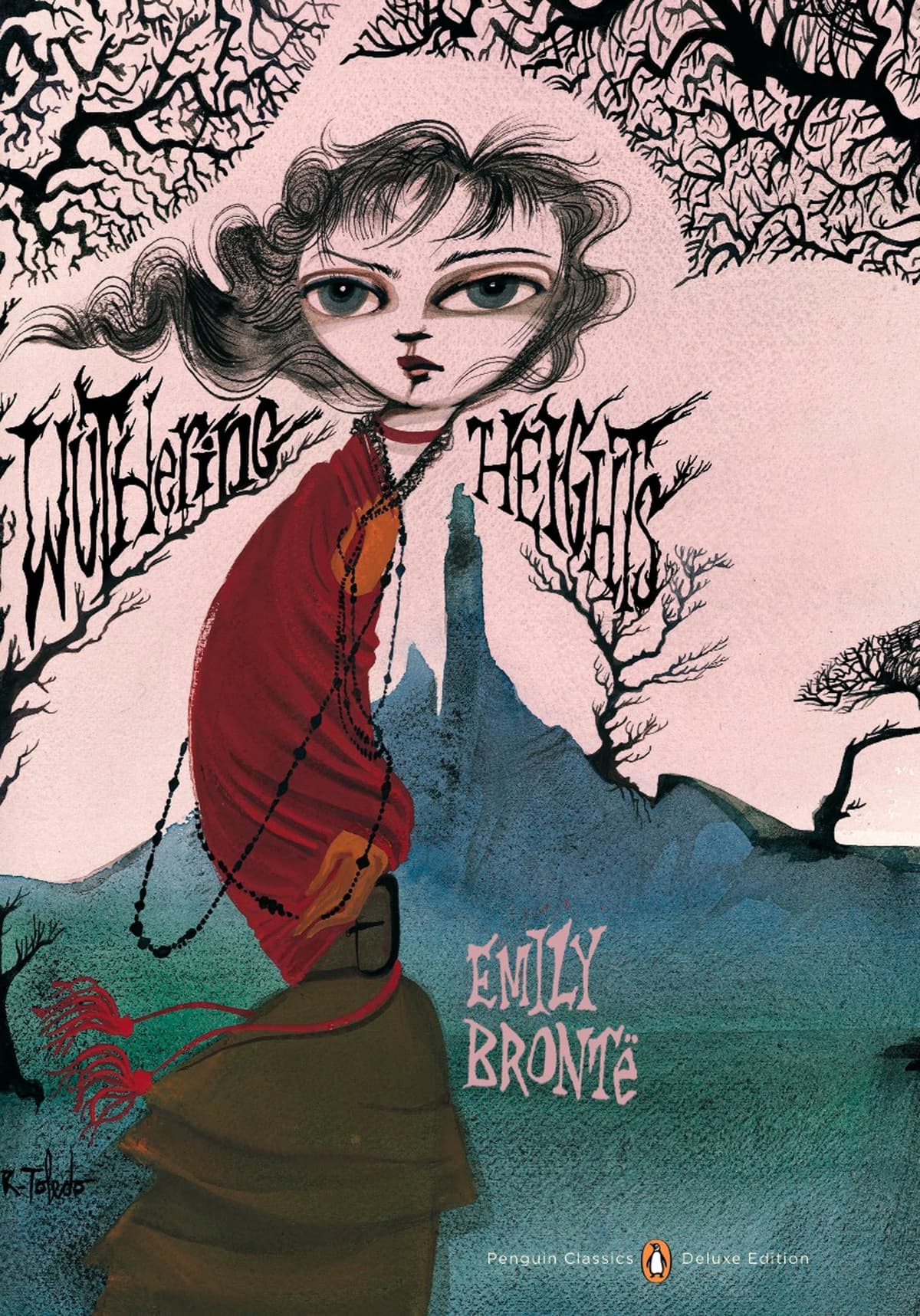 #15View Book
Wuthering Heights
Emily Brontë
Moderate•10-12 hours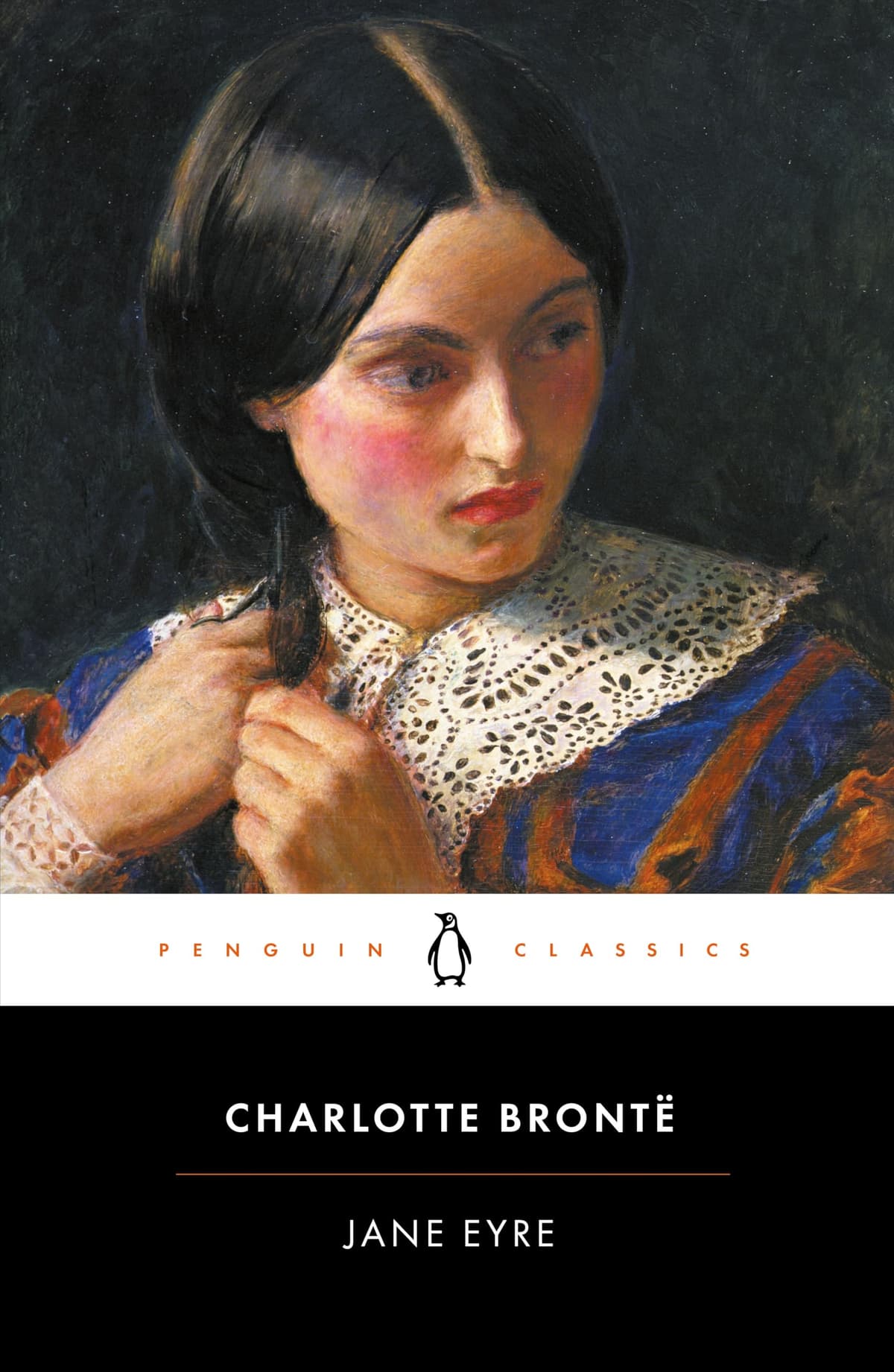 #29View Book
Jane Eyre
Charlotte Brontë
Accessible•15-20 hours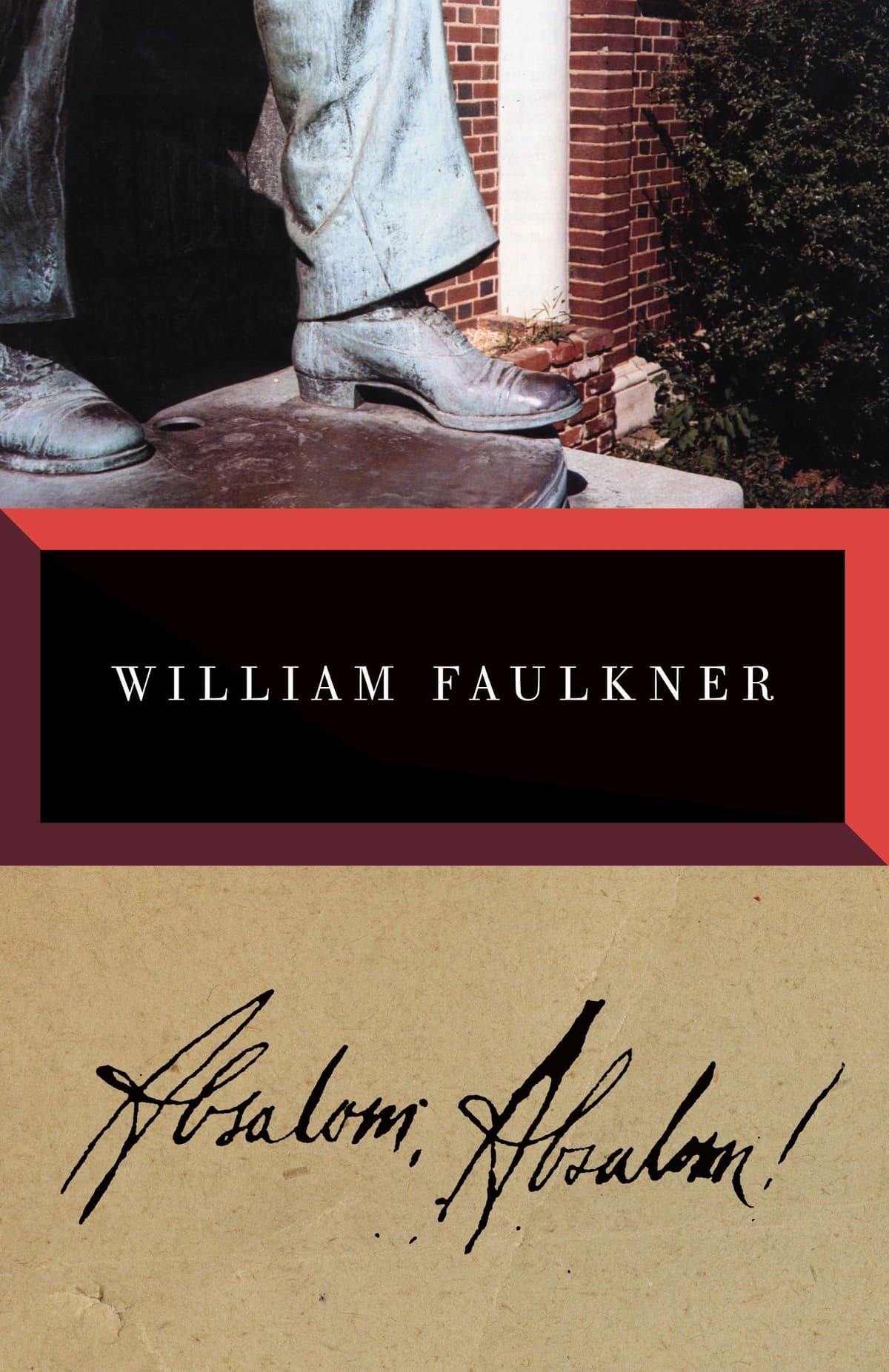 #44View Book
Absalom, Absalom!
William Faulkner
Very High•12-15 hours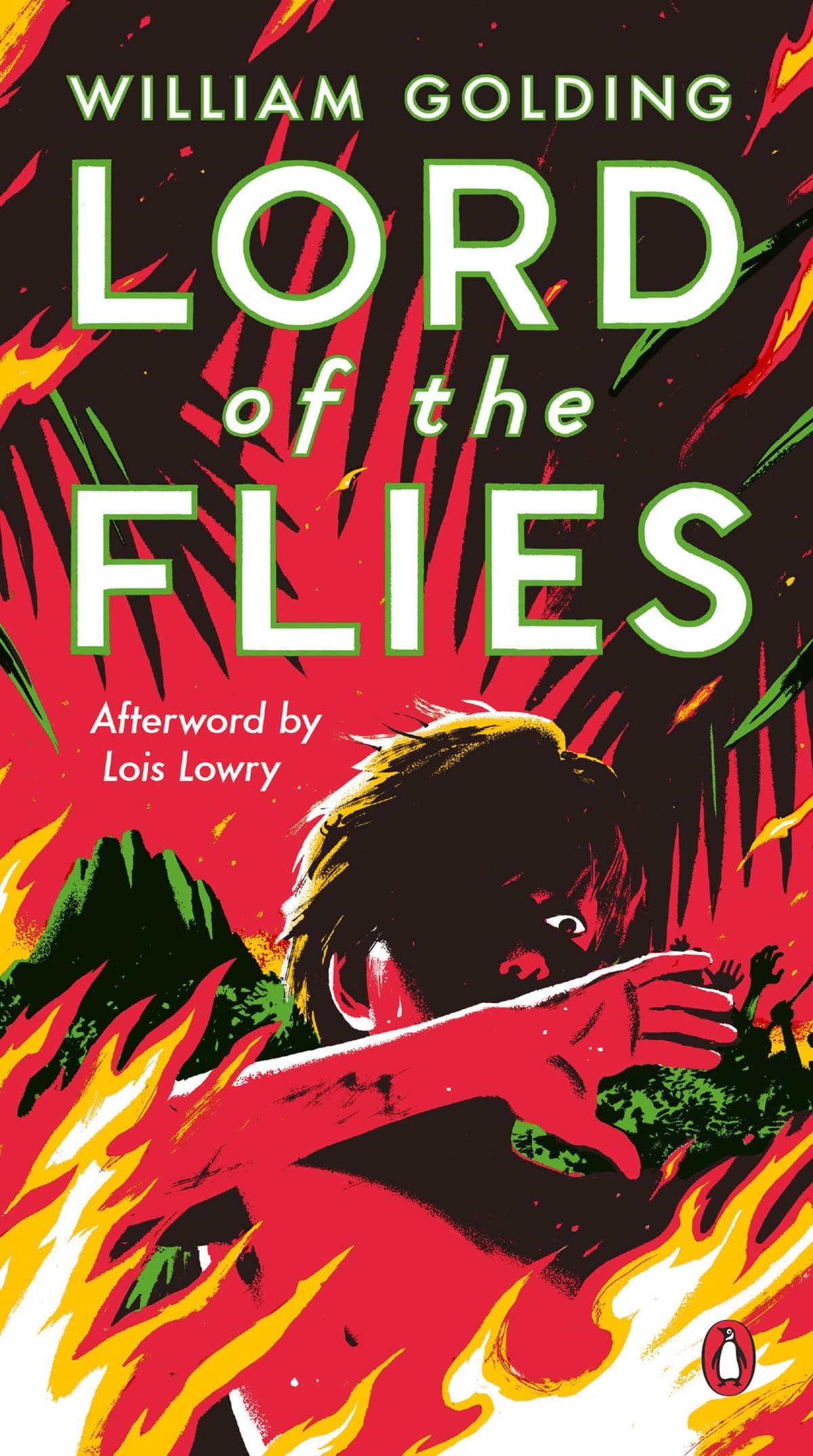 #50View Book
Lord of the Flies
William Golding
Accessible•5-6 hours
Browse more collections