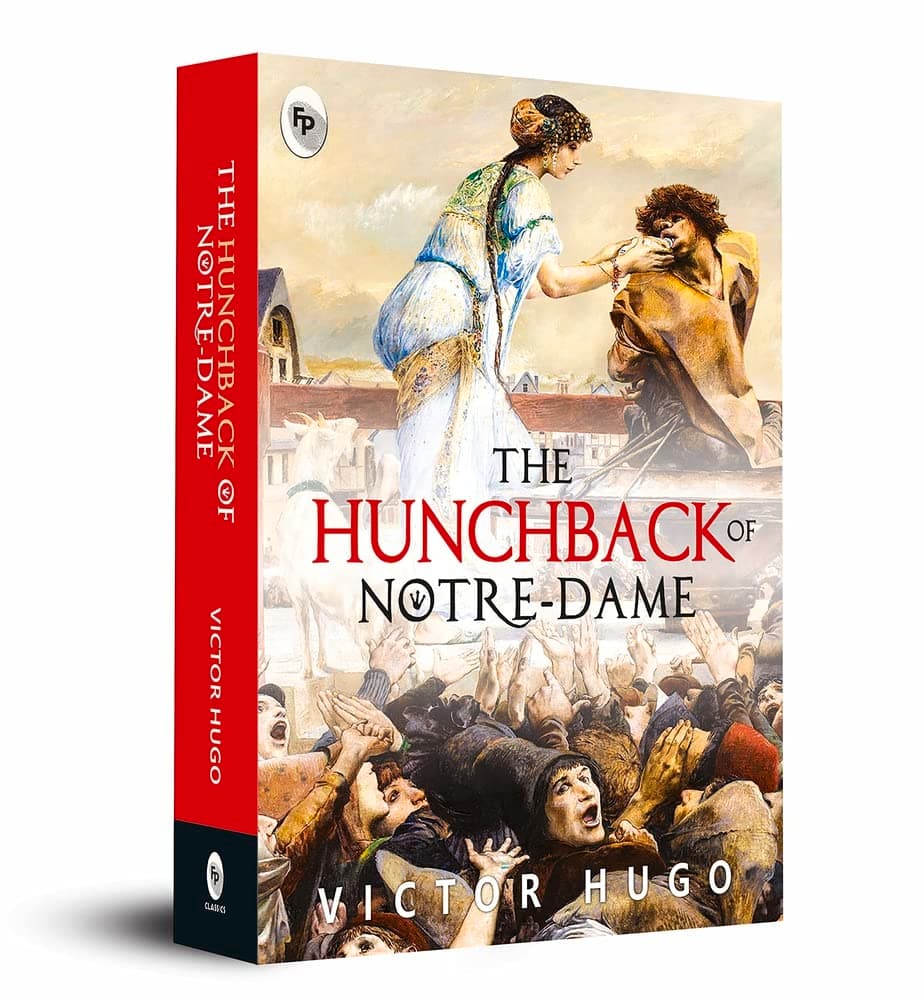
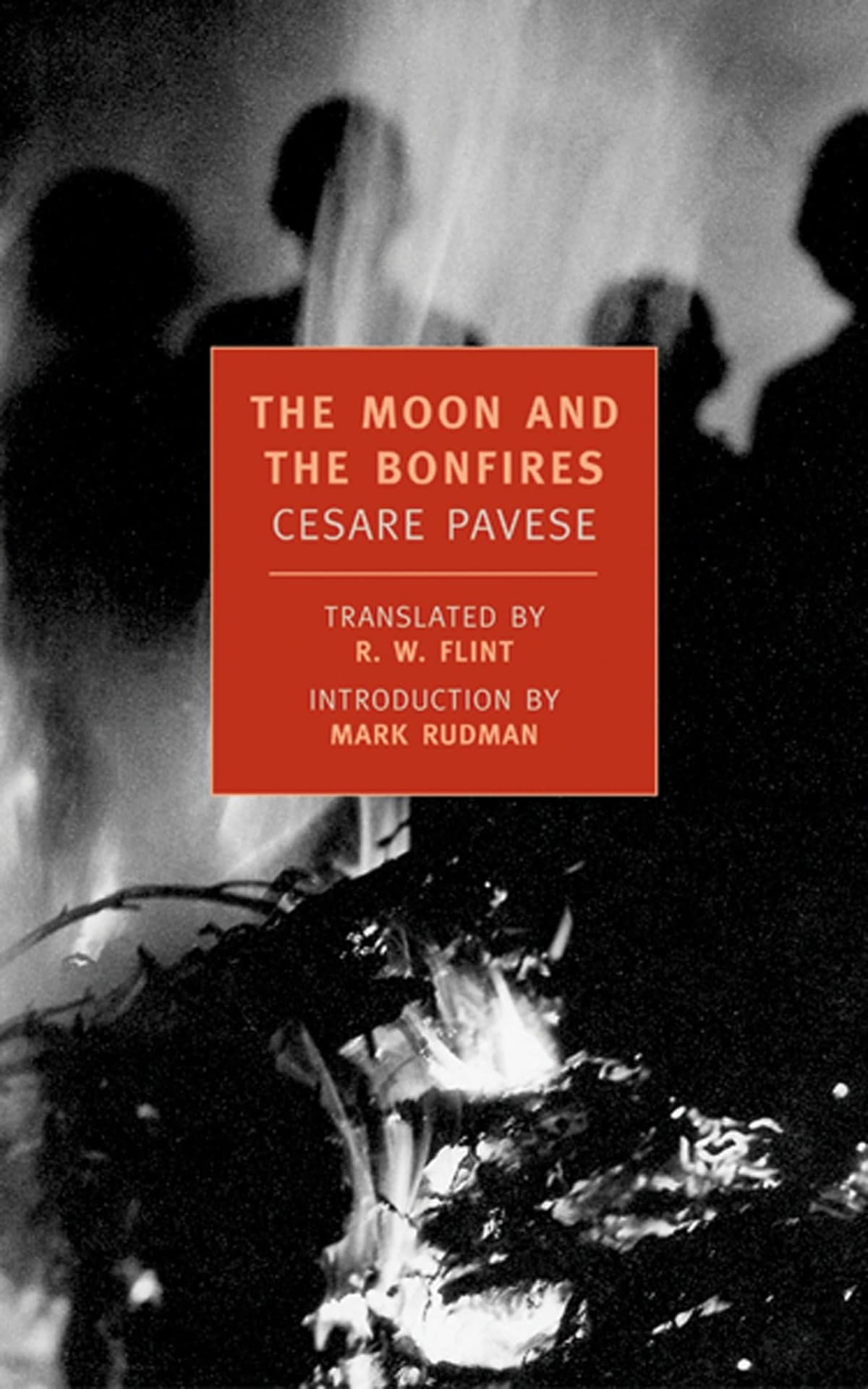
The Moon and the Bonfires
“A country means not being alone, knowing that in the people, the plants, the earth there is something of yours, that even when you are not there it waits for you.”
The Moon and the Bonfires Summary
An unnamed narrator returns to the Piedmontese hills of his childhood after making his fortune in America, seeking the village of Santo Stefano Belbo where he was raised as a foundling by tenant farmers. Walking the dusty roads between vineyards and bonfires, he reconnects with Nuto, his childhood friend who has stayed behind, a carpenter and clarinetist who believes in the old superstitions of the countryside even as he embraces communist politics. Through their conversations, the narrator reconstructs the landscape of his youth: the great estates where he worked as a farmhand, the three daughters of the landowner Sor Matteo whose fates trace the arc of rural Italy's destruction, and the partisan violence that swept through the hills during the Second World War. Memory and landscape become inseparable as each hillside, each grove of hazel trees, each bonfire lit on the summer solstice summons a past that is at once intensely personal and emblematic of a world that has been irretrievably lost.
Cesare Pavese's final novel is a work of haunting lyrical compression, a meditation on return, memory, and the impossibility of going home. The prose has the spare intensity of poetry, and Pavese's treatment of the rural Italian landscape, its rhythms of planting and harvest, its ancient rituals of fire and moon, achieves a mythic resonance that transcends regional fiction. The Moon and the Bonfires is shadowed by violence and loss, by the narrator's recognition that the world he loved exists now only in his memory, and by the novel's devastating final revelation about the fate of one of the women he once admired. Written months before Pavese's suicide in 1950, the novel carries an unmistakable sense of farewell.
Why Read The Moon and the Bonfires?
The Moon and the Bonfires is one of the most beautiful and heartbreaking short novels of the twentieth century. In barely two hundred pages, Pavese captures something that most writers need a thousand to approach: the ache of returning to a place that has changed beyond recognition while remaining exactly as you remember it. The Piedmontese hills are rendered with such sensory precision, the smell of grape must, the heat of summer bonfires, the sound of a clarinet drifting across a valley, that you feel you have walked those roads yourself. This is a novel that makes you homesick for a place you have never been.
But beneath its lyrical surface, The Moon and the Bonfires is a reckoning with history. The partisan war, the collapse of the old rural order, the violence that respectable people prefer to forget, all of it seeps through the narrator's memories like blood through soil. Pavese refuses nostalgia even as he mourns what has been lost, and his narrator's discovery about the past carries a shock that redefines everything that came before. Written just before the author took his own life, the novel has the quality of a testament. It is essential reading for anyone who has ever tried to go back and found that the past is a country with no borders and no passport home.
About Cesare Pavese
Cesare Pavese was born in 1908 in Santo Stefano Belbo, a village in the Piedmontese hills of northern Italy, the landscape that would haunt all of his writing. He studied literature at the University of Turin, where he wrote a thesis on Walt Whitman and began translating American novels, introducing Italian readers to Melville, Faulkner, Dos Passos, and Steinbeck. His anti-fascist sympathies led to his arrest and internal exile to Calabria in 1935, an experience that marked him deeply.
Pavese emerged after the war as one of Italy's most important literary figures, working as an editor at the prestigious Einaudi publishing house while producing a remarkable body of novels, poetry, and criticism in a compressed burst of creativity. His major works include The Beautiful Summer, The House on the Hill, Among Women Only, and The Moon and the Bonfires, his final and most celebrated novel. Pavese's fiction is distinguished by its fusion of American narrative directness with Italian lyrical tradition, and by its obsessive return to the themes of solitude, landscape, myth, and the impossibility of love. He was awarded the Strega Prize, Italy's most prestigious literary award, in June 1950. Two months later, at the age of forty-one, he took his own life in a Turin hotel room, leaving behind a body of work that ranks among the finest in twentieth-century Italian literature.
Reading Guide
Ranked #410 among the greatest books of all time, The Moon and the Bonfires by Cesare Pavese has earned its place in the literary canon. Originally written in Italian and published in 1950, this moderate read from Italy continues to resonate with readers today.
This book belongs to our Love & Loss collection, where you can discover more books that share its spirit and themes.
If you enjoy moderate reads like this one, you might also like One Hundred Years of Solitude, Nineteen Eighty-Four, or Wuthering Heights.
From the Love & Loss Collection
If you enjoyed The Moon and the Bonfires, discover more masterpieces that share its spirit.
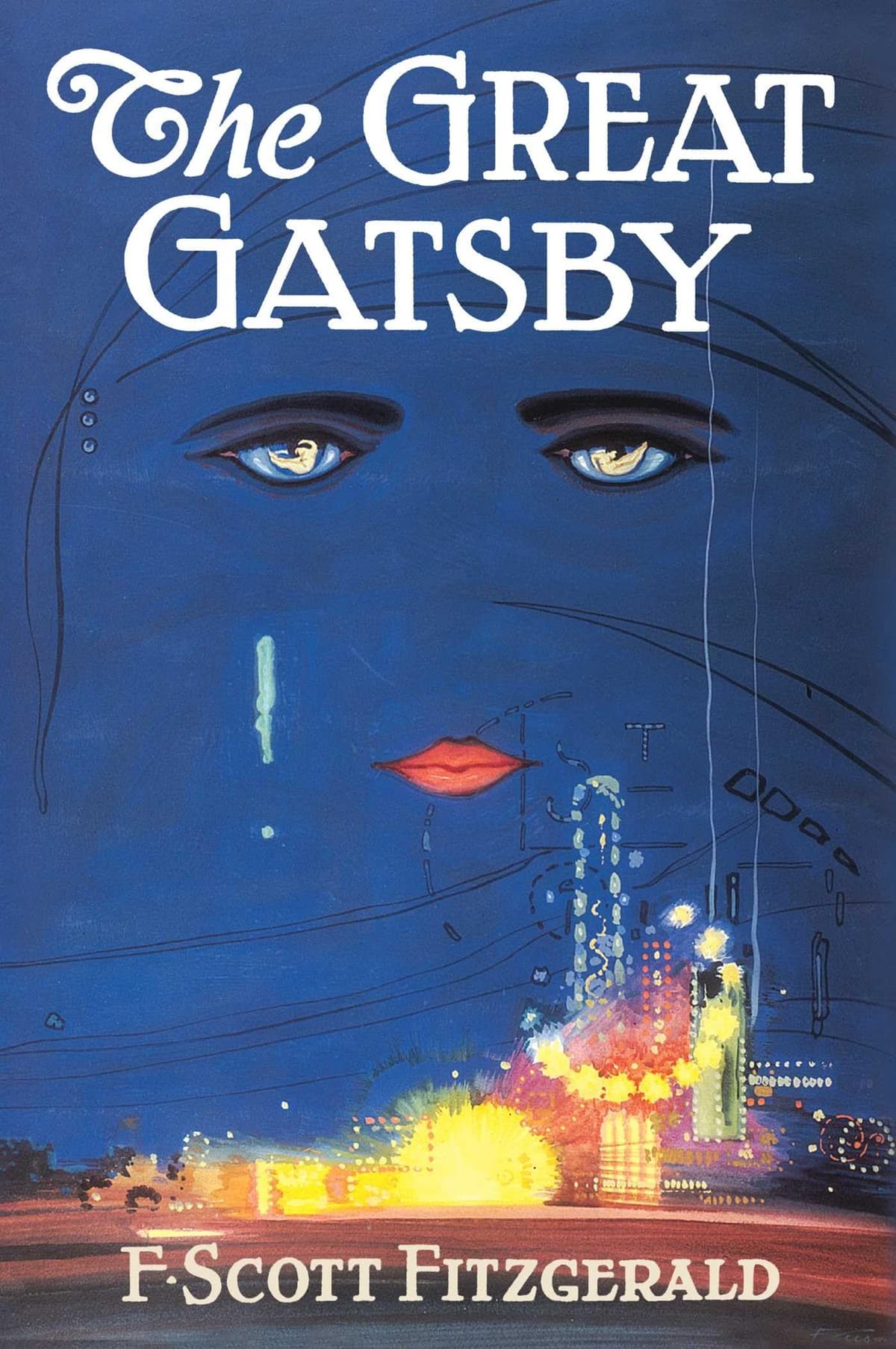 #3View Book
The Great Gatsby
F. Scott Fitzgerald
Accessible•5-6 hours #10View Book
Anna Karenina
Leo Tolstoy
High•30-35 hours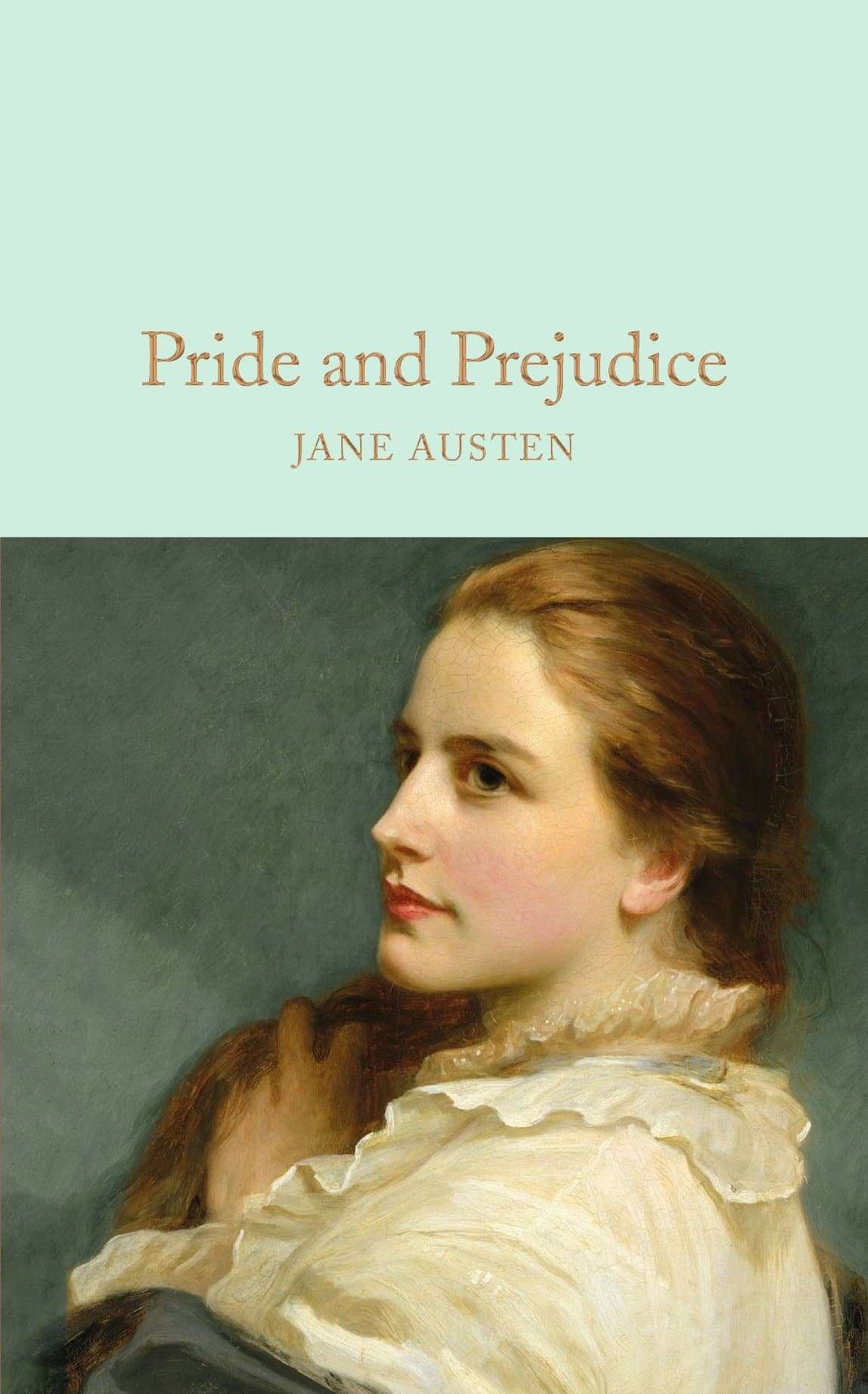 #12View Book
Pride and Prejudice
Jane Austen
Accessible•10-12 hours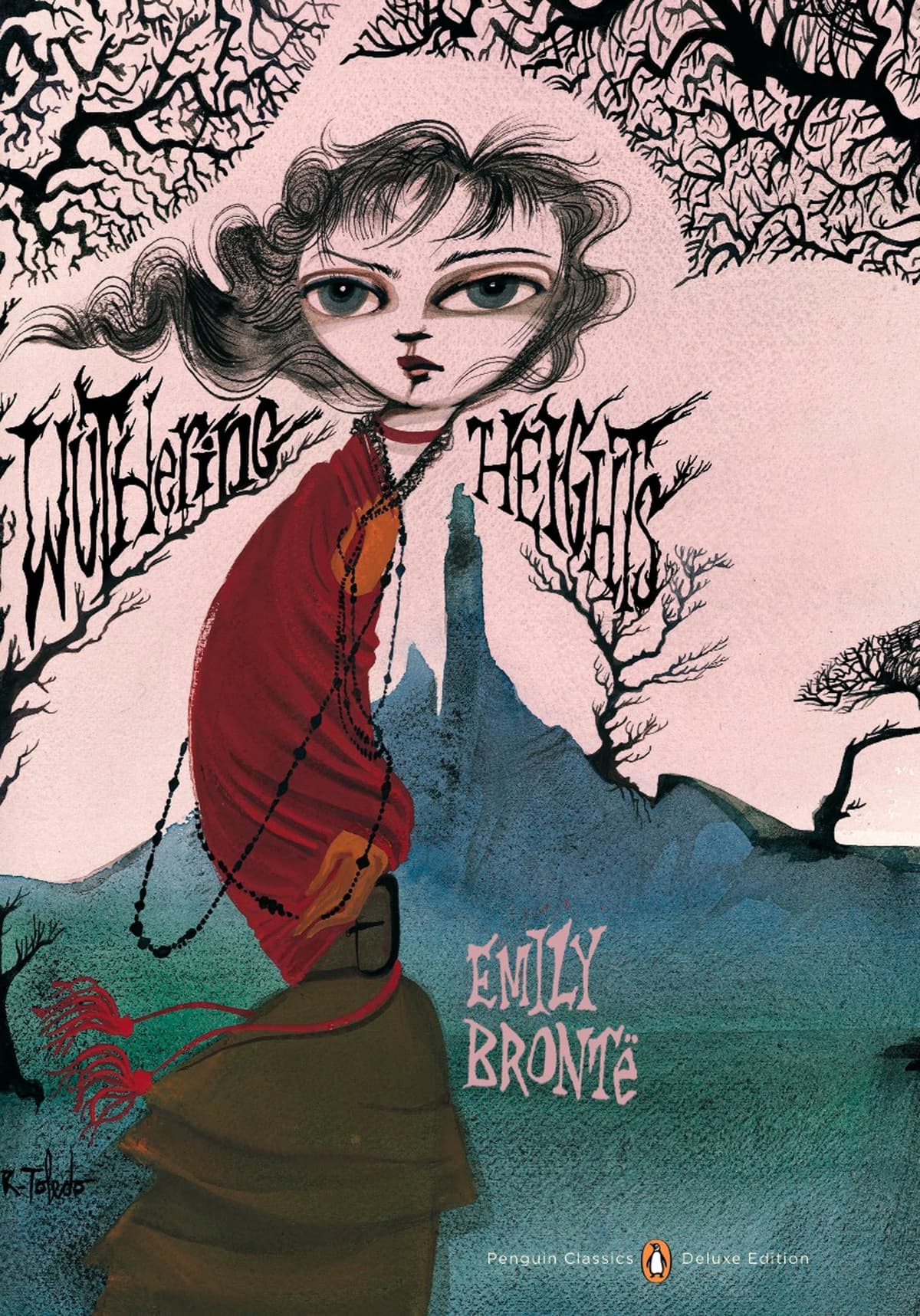 #15View Book
Wuthering Heights
Emily Brontë
Moderate•10-12 hours
Browse more collections