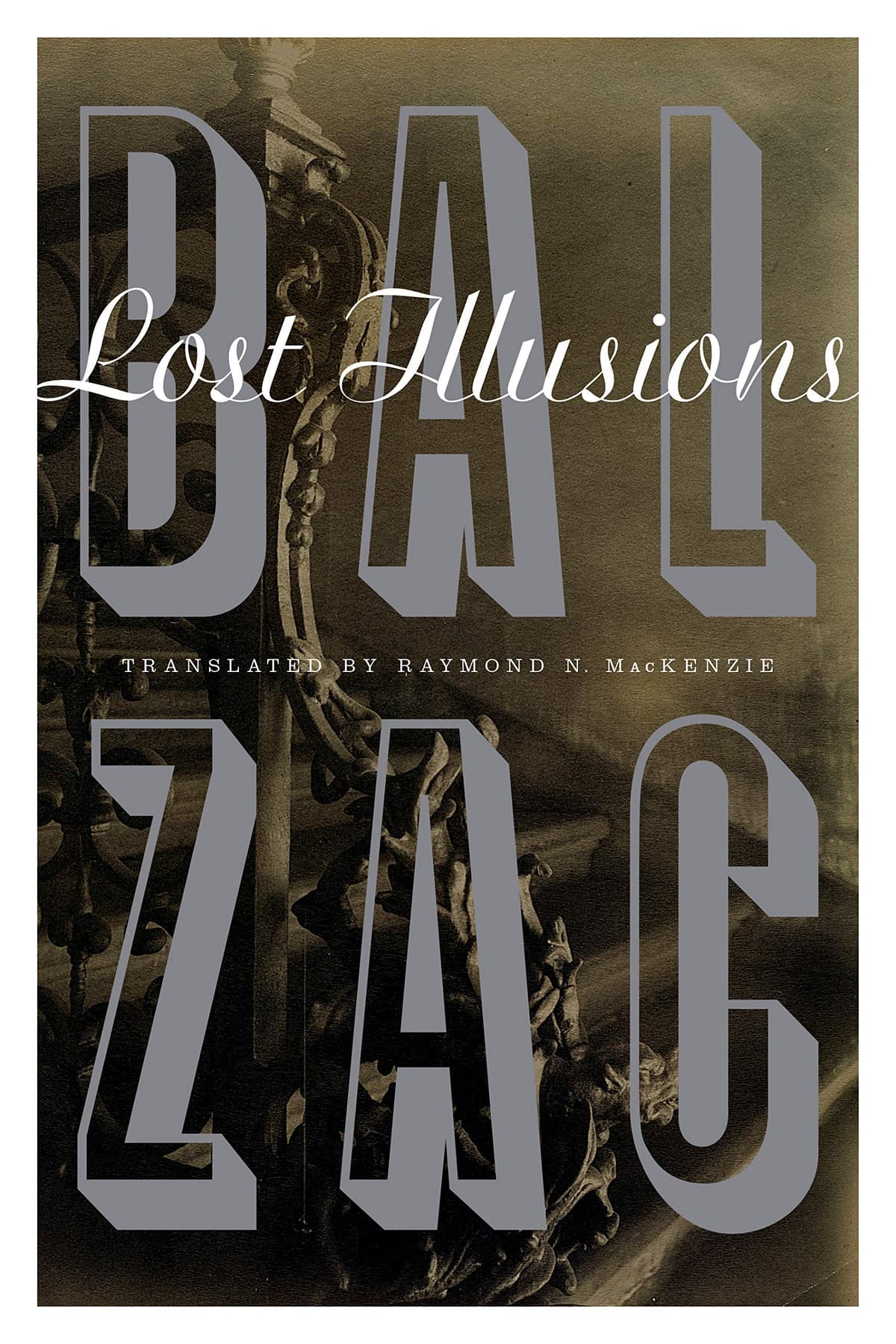
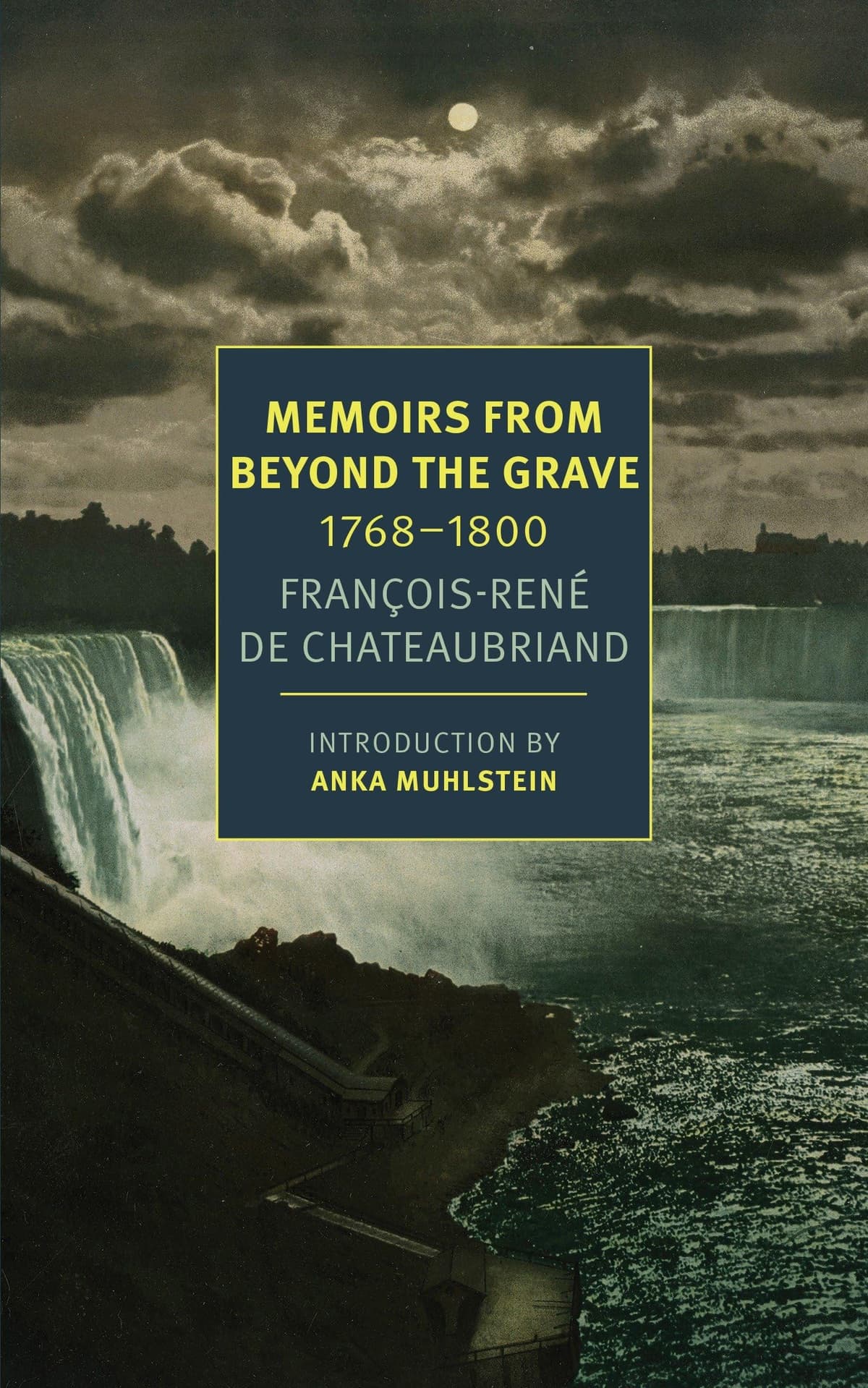
Memoirs From Beyond the Grave
“Forests precede civilizations; deserts follow them.”
Memoirs From Beyond the Grave Summary
Memoirs From Beyond the Grave is a vast autobiographical panorama stretching from the twilight of the ancien regime through the convulsions of the French Revolution, the Napoleonic wars, and the Bourbon Restoration, all filtered through the sensibility of one of France's most self-consciously magnificent prose stylists. Chateaubriand recounts his melancholy Breton childhood in the crumbling chateau of Combourg, where he wandered storm-swept forests and developed an intense, almost incestuous attachment to his sister Lucile. From there the narrative sweeps through his encounters with George Washington in America, his harrowing experiences during the Revolution, his exile in London, his literary triumphs, his diplomatic career, and his tumultuous love affairs, all rendered in prose of such orchestral grandeur that the memoirs become less a record of a life than a sustained meditation on time, glory, and the vanity of human ambition. The voice that emerges is at once proud and elegiac, a man writing from beyond the grave of his own relevance, determined to outlast the century that shaped him.
Chateaubriand's masterwork, published posthumously as he intended, is one of the foundational texts of French Romanticism and one of the greatest autobiographies ever written. Its influence on subsequent French literature is immeasurable, from Proust's meditations on memory to the confessional intensity of modern memoir. The prose achieves an almost musical quality, with passages describing nature, ruins, and the passage of time that rank among the finest in the French language. Yet the work is more than beautiful writing: it is a penetrating witness to an age of upheaval, a portrait of how one extraordinary ego navigated the collapse of one world and the uncertain birth of another. The tension between Chateaubriand's enormous vanity and his genuine capacity for wonder gives the memoirs their unique and inexhaustible vitality.
Why Read Memoirs From Beyond the Grave?
If you have never read Chateaubriand, you have missed one of the most intoxicating voices in all of Western literature. His Memoirs From Beyond the Grave is autobiography raised to the level of epic poetry, a work in which personal memory and historical cataclysm merge into prose of staggering beauty. You will encounter passages on moonlit forests, crumbling civilizations, and the ache of lost time that lodge in the mind like fragments of music. Chateaubriand's ego is enormous, but it is precisely this grandeur of self-regard that gives the memoirs their power: here is a man who genuinely believed he was writing for eternity, and the astonishing thing is that he may have been right.
Beyond its literary splendor, this is an indispensable eyewitness account of one of the most turbulent periods in European history. Chateaubriand knew Washington and Napoleon, survived the Terror, served as ambassador and foreign minister, and watched an entire social order dissolve and reconstitute itself. His memoirs give you history not as abstraction but as lived experience, suffused with the scent of gunpowder, the chill of exile, and the bittersweet pleasure of remembering what has been irrevocably lost. For anyone who loves magnificent prose or hungers to understand the birth of the modern world, this is essential reading.
About François-Auguste-René de Chateaubriand
Francois-Rene de Chateaubriand was born in 1768 in Saint-Malo, Brittany, the youngest son of a noble but impoverished family. He spent a brooding adolescence in the ancestral chateau of Combourg before traveling to America, where encounters with the wilderness would profoundly shape his literary imagination. Returning to France during the Revolution, he fought briefly for the royalist cause, was wounded, and fled to England, where he lived in poverty for seven years. His literary career began with Atala and Rene, short novels that made him the most celebrated writer in France, and The Genius of Christianity, which helped rehabilitate Catholicism in post-revolutionary society.
Chateaubriand's influence on French literature is difficult to overstate. He virtually invented French Romanticism, pioneering the lyrical treatment of landscape, the exploration of melancholy and ennui, and the confessional mode of autobiographical writing that would culminate in his Memoirs From Beyond the Grave, composed over decades and published posthumously in 1849-1850. He also pursued a distinguished political career as ambassador to London and Rome and briefly as foreign minister. Writers from Victor Hugo to Marcel Proust acknowledged their debt to his prose. He died in Paris in 1848, just as the revolution he had long predicted engulfed the monarchy once more, and was buried as he requested on the tidal island of Grand Be off his native Saint-Malo, facing the open sea.
Reading Guide
Ranked #416 among the greatest books of all time, Memoirs From Beyond the Grave by François-Auguste-René de Chateaubriand has earned its place in the literary canon. Originally written in French and published in 1849, this challenging read from France continues to resonate with readers today.
This book belongs to our Epics and Love & Loss collections, where you can discover more books that share its spirit and themes.
If you enjoy challenging reads like this one, you might also like Ulysses, Moby-Dick, or Lolita.
From the Epics Collection
If you enjoyed Memoirs From Beyond the Grave, discover more masterpieces that share its spirit.
 #1View Book
Ulysses
James Joyce
Challenging•35-40 hours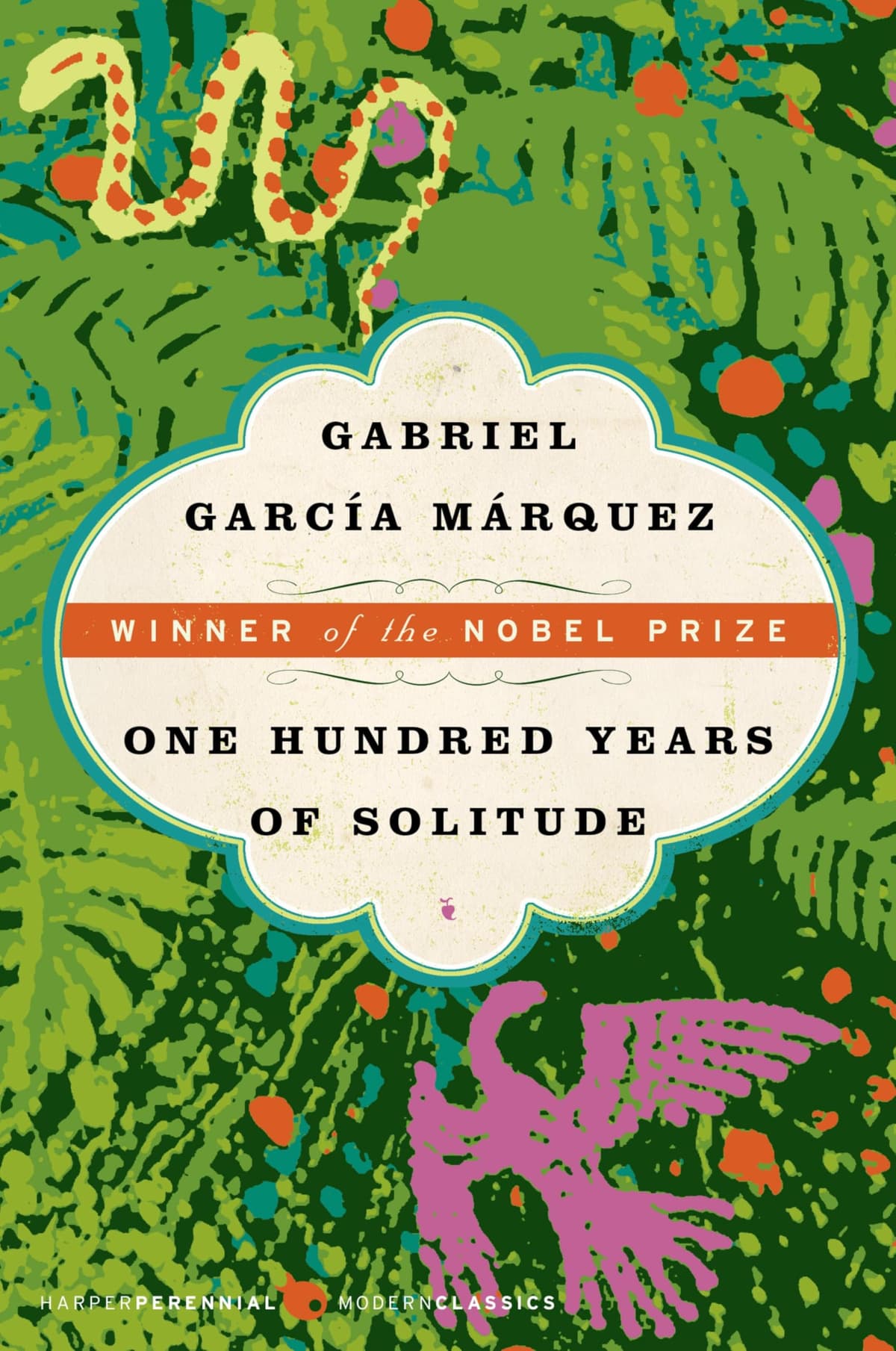 #5View Book
One Hundred Years of Solitude
Gabriel García Márquez
Moderate•15-20 hours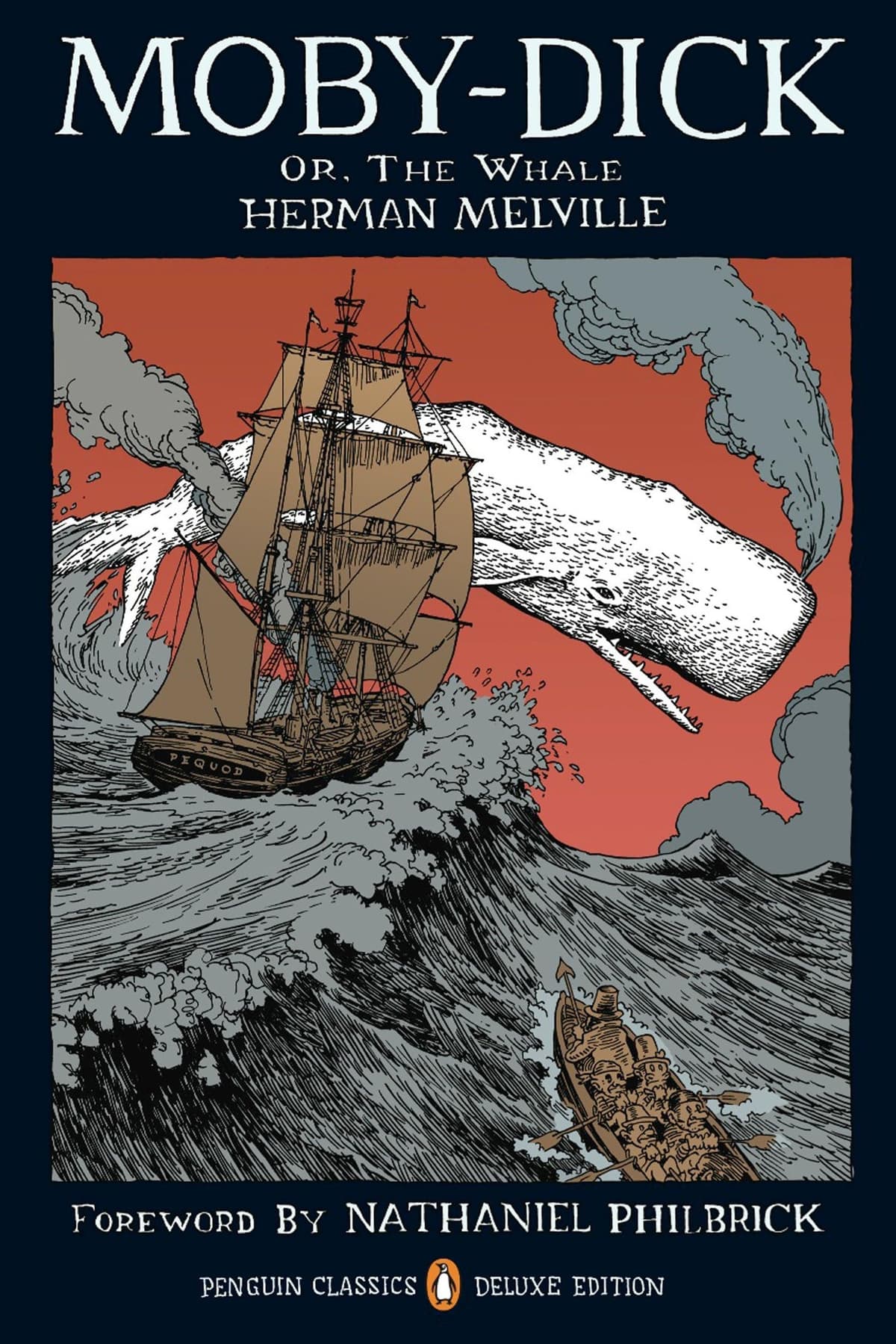 #7View Book
Moby-Dick
Herman Melville
Challenging•20-25 hours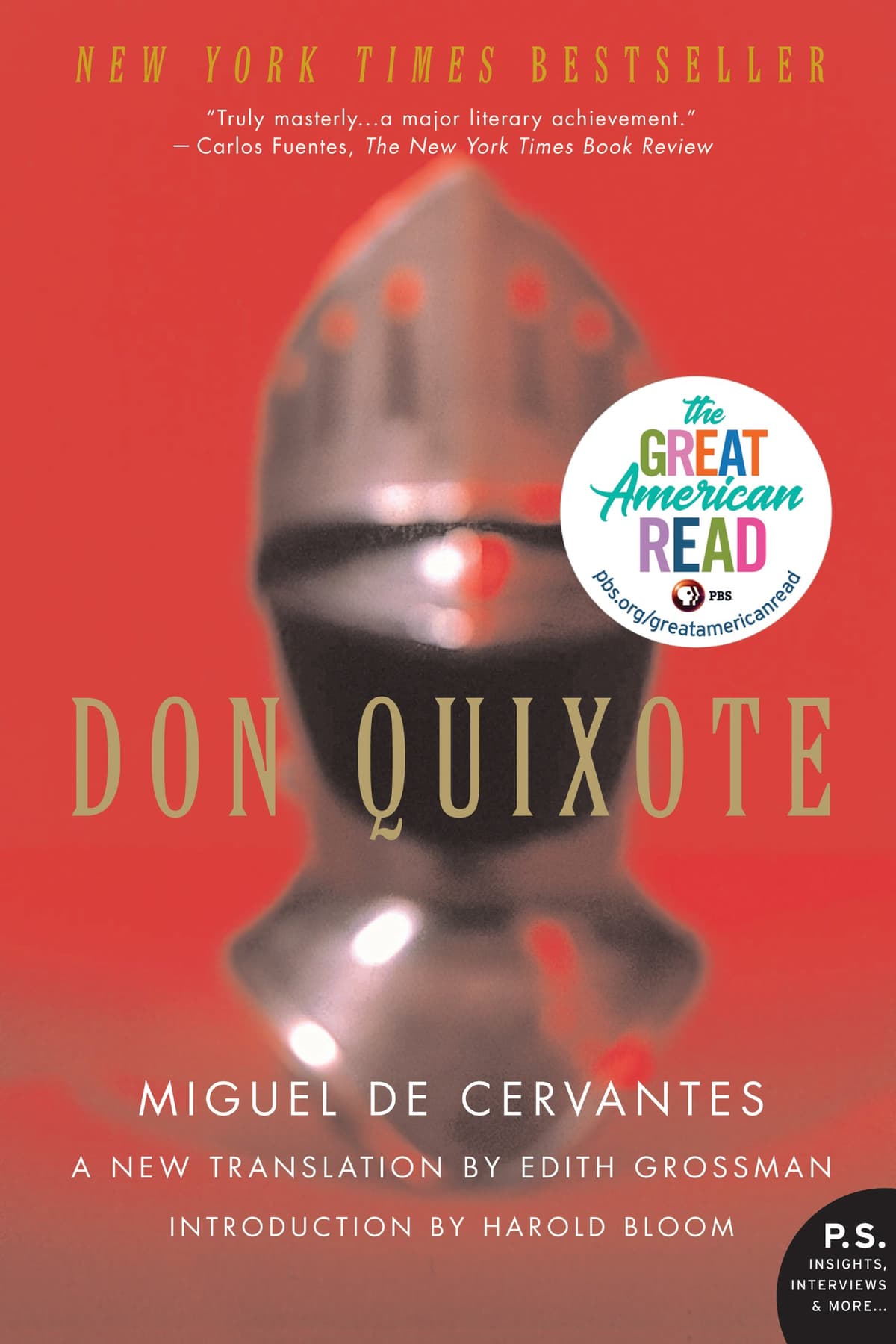 #9View Book
Don Quixote
Miguel de Cervantes
High•35-40 hours
Browse more collections