Little Women
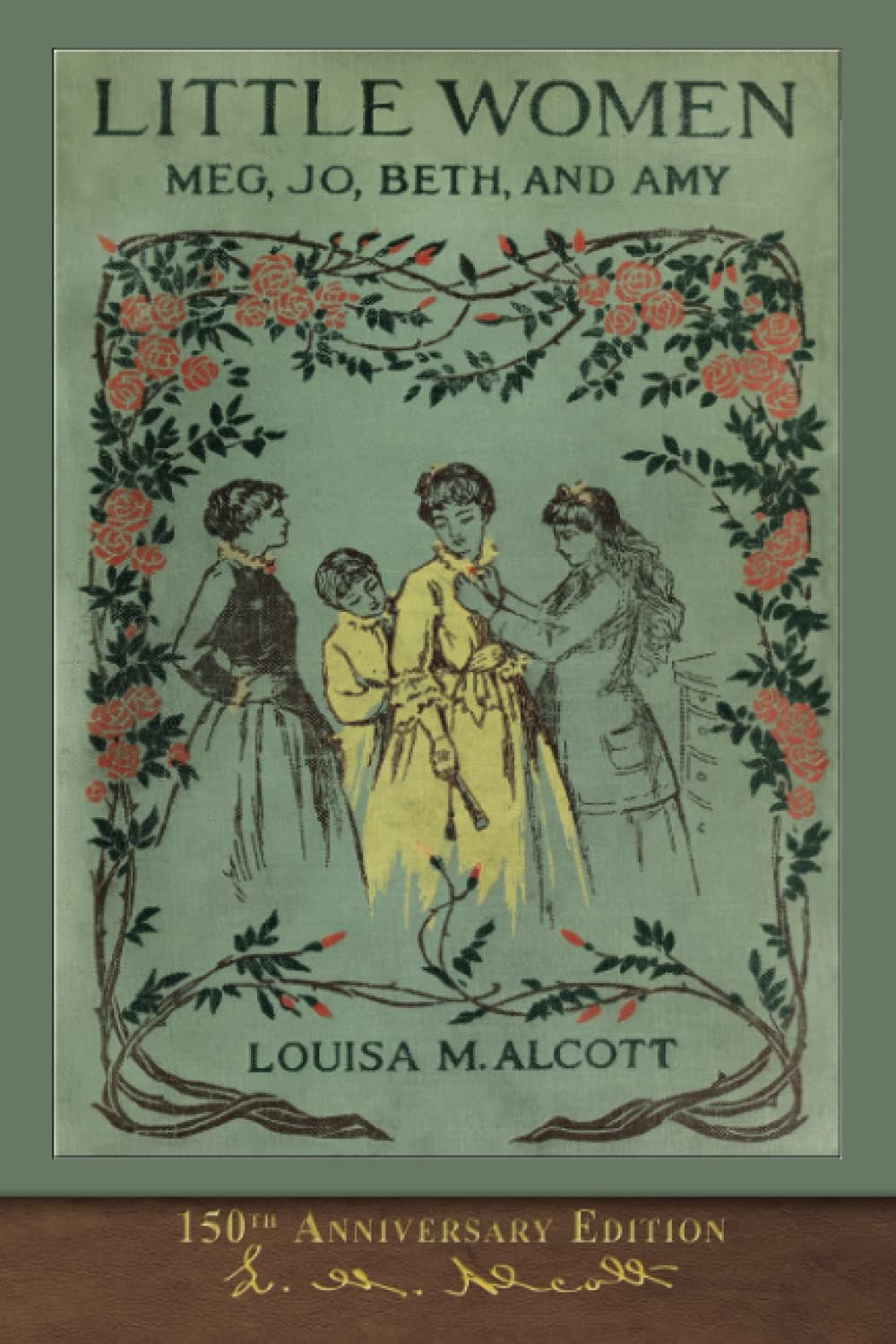
“I am not afraid of storms, for I am learning how to sail my ship.”
Little Women Summary
In a modest New England home during the Civil War, the four March sisters—responsible Meg, fierce Jo, gentle Beth, and vain Amy—grow from girls into women while their father serves as a Union chaplain. At the center is Jo March, a headstrong, ink-stained aspiring writer who refuses to be constrained by the narrow expectations her era places on women. She writes plays for the family to perform, befriends the wealthy boy next door, and dreams of a life larger than the parlor.
Alcott drew directly from her own family life to create a novel that is at once intimately domestic and quietly revolutionary. The March sisters quarrel, sacrifice, grieve, and love with a naturalness that was startling in its time. Little Women insists that the interior lives of girls and women—their ambitions, disappointments, and hard-won growth—are worthy of serious literature. Beth's illness, Jo's struggles with her temper and her art, Amy's transformation from brat to artist: these are rendered with a tenderness and honesty that have kept readers returning for over a century and a half.
Why Read Little Women?
Little Women is one of the most influential novels in American literature, and its power lies in its radical insistence on the significance of ordinary female experience. Before Alcott, novels about women tended toward melodrama and moral instruction. Alcott gave us something new: real girls with real flaws, real ambitions, and real heartbreak. Jo March—passionate, clumsy, furious at the injustice of being born female in a world that wants her to be quiet—became one of literature's first feminist heroines and a model for generations of women who refused to shrink.
What surprises modern readers is how fresh and emotionally honest the novel remains. The grief over Beth's decline is devastating. Jo's decision at the novel's end still provokes arguments. The warmth of the March family is not sentimentality but a portrait of love as daily practice—imperfect, demanding, and sustaining. It is a novel that shaped what American fiction could be, and it did so by taking women's lives seriously.
About Louisa May Alcott
Louisa May Alcott (1832–1888) grew up in a family of transcendentalist idealists in Concord, Massachusetts, where her neighbors included Ralph Waldo Emerson, Nathaniel Hawthorne, and Henry David Thoreau. Her father, the educator Bronson Alcott, was brilliant but impractical, and Louisa assumed the role of family breadwinner from an early age, working as a teacher, seamstress, and domestic servant before turning to writing.
She served as a nurse during the Civil War—an experience that nearly killed her—before writing Little Women at her publisher's request. It was an immediate and enormous success, making her one of the most famous women in America. Alcott wrote dozens of novels and stories, often under pseudonyms for the more sensational work, but Little Women remains her monument: the book that proved domestic fiction could be great literature.
Reading Guide
Ranked #90 among the greatest books of all time, Little Women by Louisa May Alcott has earned its place in the literary canon. Originally written in English and published in 1868, this accessible read from United States continues to resonate with readers today.
This book belongs to our Love & Loss and American Spirit collections, where you can discover more books that share its spirit and themes.
If you enjoy accessible reads like this one, you might also like The Great Gatsby, The Catcher in the Rye, or Pride and Prejudice.
From the Love & Loss Collection
If you enjoyed Little Women, discover more masterpieces that share its spirit.
 #3View Book
The Great Gatsby
F. Scott Fitzgerald
Accessible•5-6 hours #10View Book
Anna Karenina
Leo Tolstoy
High•30-35 hours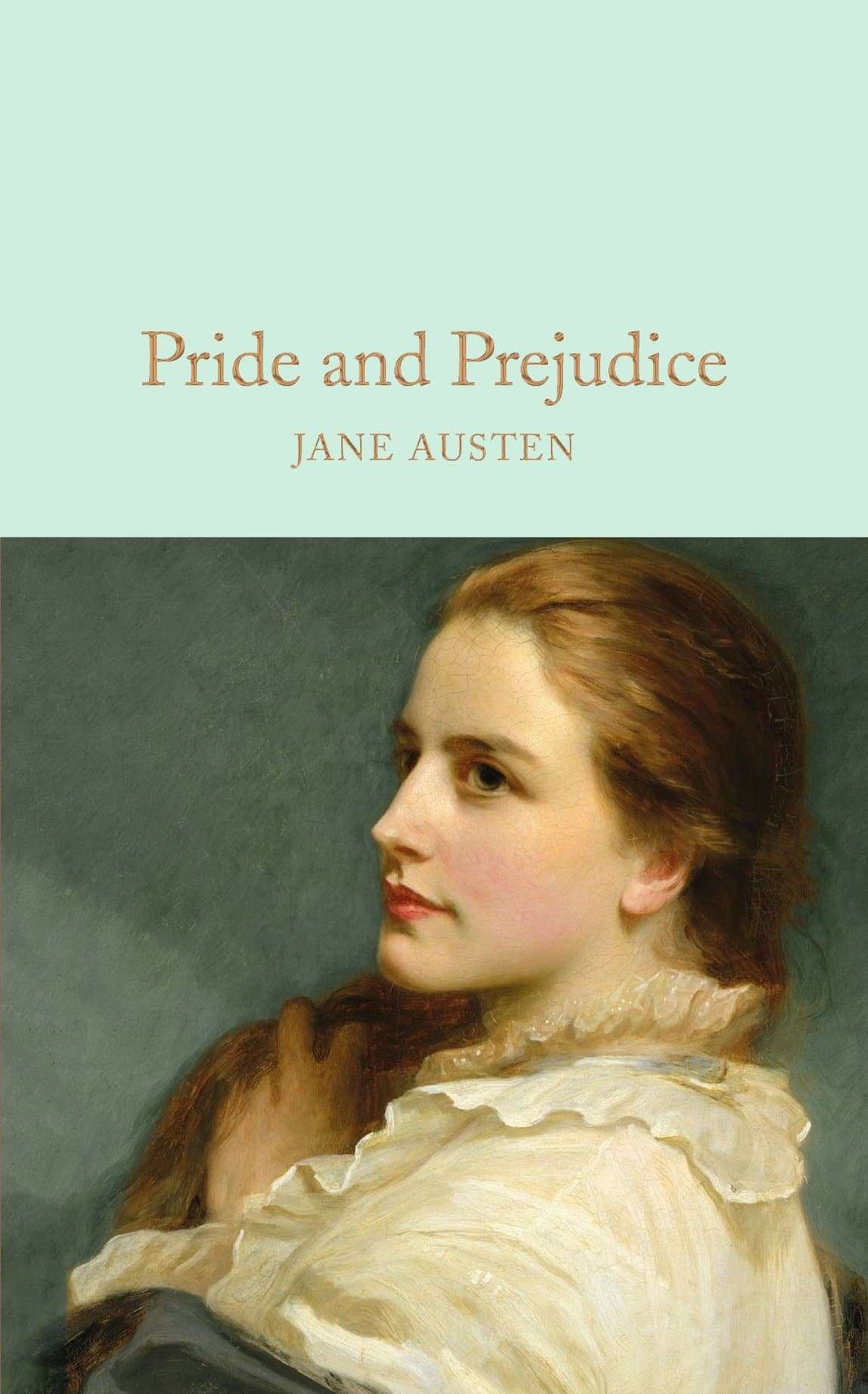 #12View Book
Pride and Prejudice
Jane Austen
Accessible•10-12 hours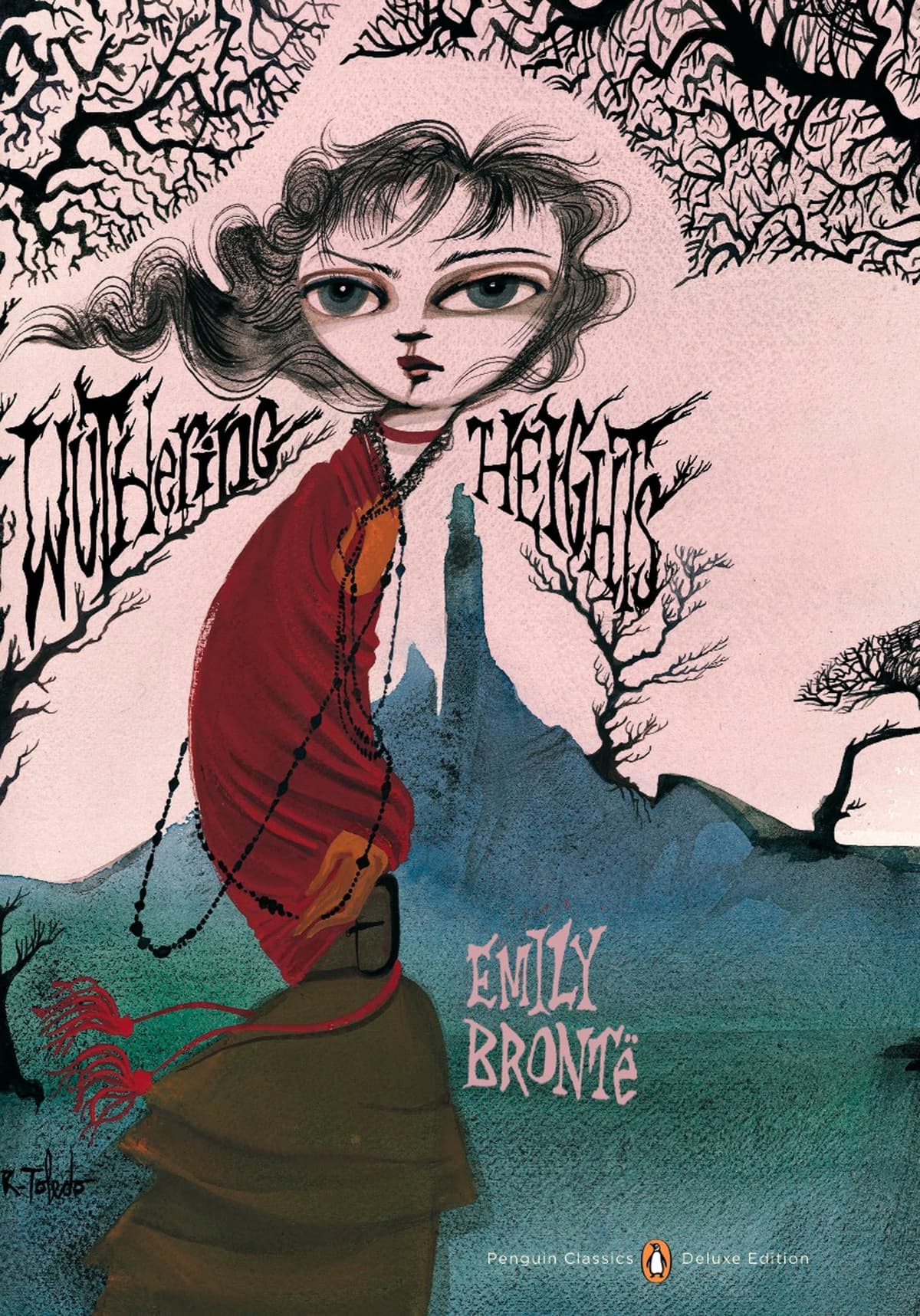 #15View Book
Wuthering Heights
Emily Brontë
Moderate•10-12 hours
Browse more collections