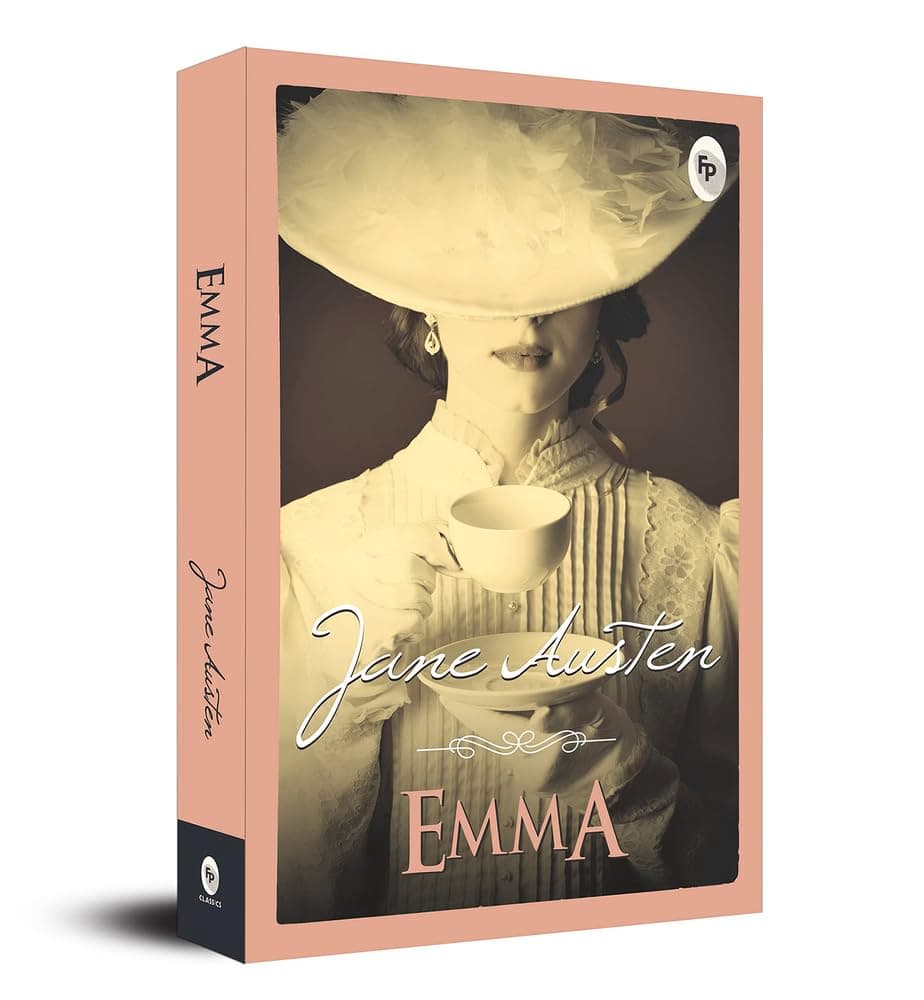
Emma
“Silly things do cease to be silly if they are done by sensible people in an impudent way.”
Emma Summary
Emma Woodhouse is handsome, clever, rich, and supremely confident in her ability to arrange other people's lives. Living in the small village of Highbury with her hypochondriac father, she has appointed herself matchmaker to the community—beginning with her new friend Harriet Smith, a naive young woman of uncertain parentage whom Emma is determined to elevate through an advantageous marriage. Every match Emma engineers goes spectacularly wrong.
Austen's most complex heroine is a woman who must learn that her intelligence, unchecked by self-awareness, can cause real harm. The novel unfolds with the precision of a Swiss watch: every conversation, every social call, every seemingly trivial detail is loaded with irony that the reader grasps before Emma does. It is a comedy of errors in which the greatest error is self-deception, and its resolution—when Emma finally sees what has been in front of her all along—is one of the most satisfying in all of fiction.
Why Read Emma?
Austen herself famously said she was creating 'a heroine whom no one but myself will much like,' and Emma Woodhouse remains one of literature's most brilliantly flawed protagonists. She is not a villain—she is generous, loyal, and genuinely well-intentioned—but her certainty that she knows best leads her into blunder after exquisite blunder. Watching Emma stumble toward self-knowledge is one of the great pleasures of English literature.
Emma is also Austen's most formally perfect novel. The narrative never leaves Emma's perspective, yet Austen constructs the story so that the reader is always one step ahead—seeing the truth that Emma misses, wincing at the disasters she is about to cause. It is a dazzling feat of dramatic irony, and it rewards rereading like no other novel. Every detail that seemed innocent on first reading reveals its true significance on the second. It is the novel as puzzle box, and the solution is self-knowledge.
About Jane Austen
Jane Austen (1775–1817) lived her entire life within the narrow world of the English rural gentry—and from that world produced six novels that are among the most perfect in the language. She never married, never traveled abroad, and published all her books anonymously, yet her understanding of human nature was so precise that her novels have never gone out of print.
Austen wrote with a miniaturist's precision and a satirist's blade. Her influence on the novel of manners, the marriage plot, and the technique of free indirect discourse is immeasurable. She died at forty-one, probably of Addison's disease, leaving behind a body of work that has inspired more adaptations, sequels, and scholarly devotion than that of almost any other English writer.
Reading Guide
Ranked #94 among the greatest books of all time, Emma by Jane Austen has earned its place in the literary canon. Originally written in English and published in 1815, this moderate read from United Kingdom continues to resonate with readers today.
This book belongs to our Society & Satire and Love & Loss collections, where you can discover more books that share its spirit and themes.
If you enjoy moderate reads like this one, you might also like One Hundred Years of Solitude, Nineteen Eighty-Four, or Wuthering Heights.
From the Society & Satire Collection
If you enjoyed Emma, discover more masterpieces that share its spirit.
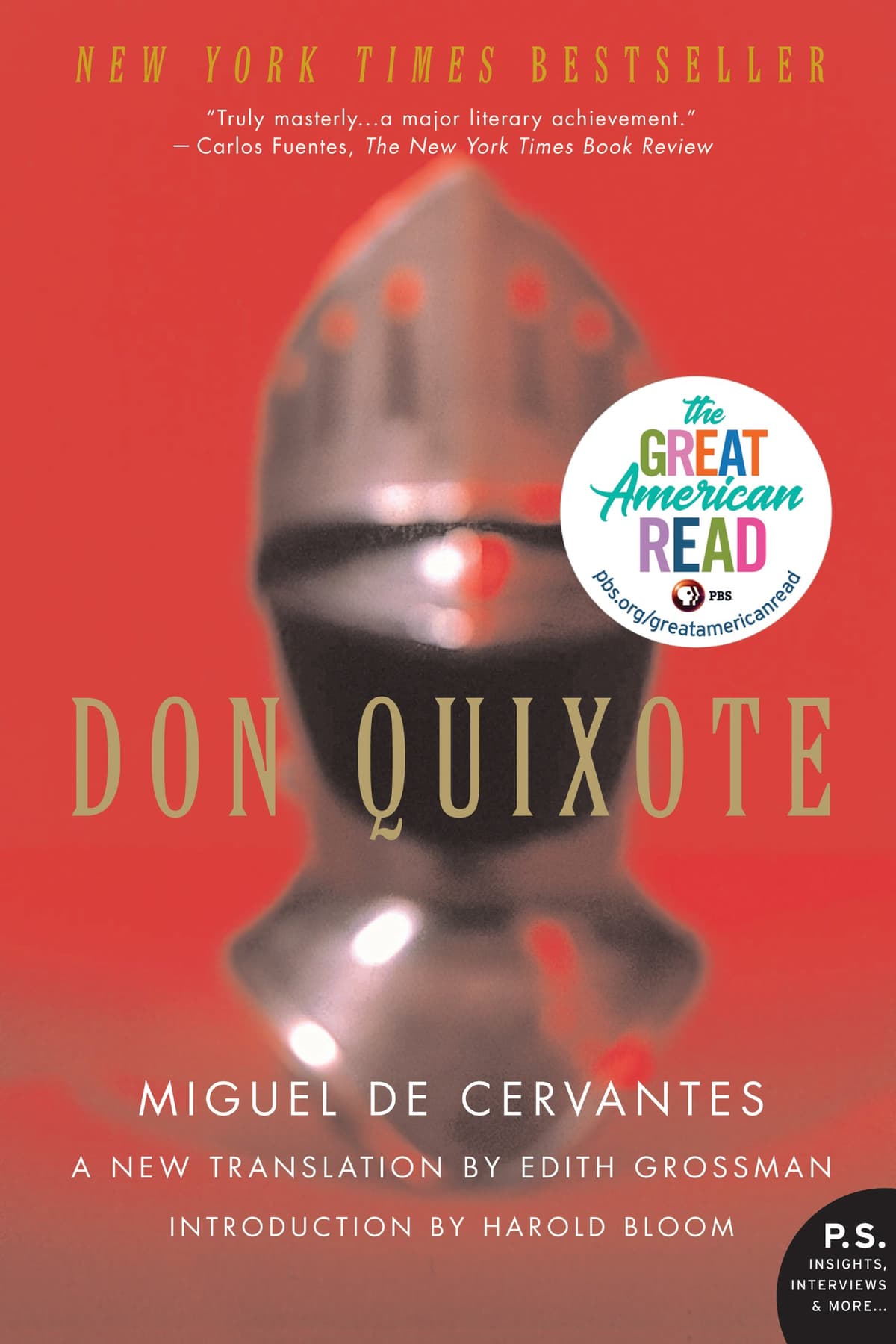 #9View Book
Don Quixote
Miguel de Cervantes
High•35-40 hours #12View Book
Pride and Prejudice
Jane Austen
Accessible•10-12 hours #22View Book
Madame Bovary
Gustave Flaubert
Moderate•12-15 hours #30View Book
Middlemarch
George Eliot
High•30-35 hours
Browse more collections