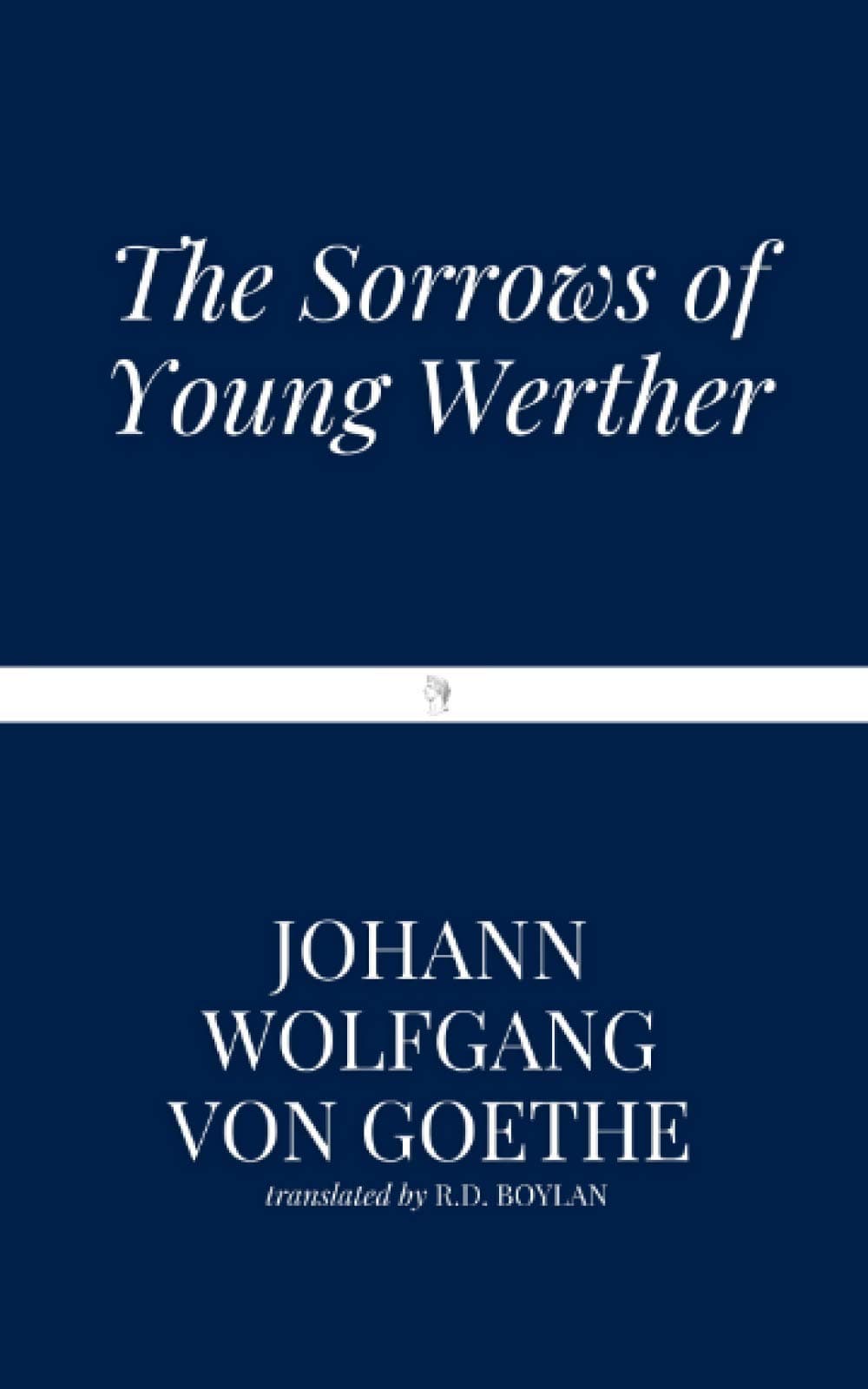
The Sorrows of Young Werther
“I treat my heart like a sick child, and gratify its every fancy.”
The Sorrows of Young Werther Summary
Told entirely through letters written by the young artist Werther to his friend Wilhelm, Goethe's epistolary novel traces the arc of a passionate soul's destruction. Werther arrives in the idyllic countryside town of Wahlheim, where he devotes himself to sketching, reading Homer, and reveling in the beauty of nature. At a country dance, he meets Charlotte (Lotte), a lovely, sensible young woman who cares for her many younger siblings after their mother's death. Werther falls instantly and hopelessly in love with her, despite knowing from the beginning that she is engaged to Albert, a capable and decent man. The three form an uneasy friendship, but Werther's passion intensifies beyond all reason. He tries to escape by taking a diplomatic post in a distant city, but the rigid class hierarchies and petty social conventions he encounters there only deepen his alienation. He returns to Wahlheim, where Lotte is now married to Albert, and his suffering becomes unbearable. Unable to possess Lotte and unable to renounce his love, Werther borrows Albert's pistols and takes his own life.
Published when Goethe was just twenty-four, The Sorrows of Young Werther was one of the most sensational literary events of the eighteenth century, making its author instantly famous across Europe. The novel gave voice to the Sturm und Drang movement's rebellion against Enlightenment rationalism, insisting on the primacy of feeling, subjective experience, and individual passion over social convention and reason. Its impact was extraordinary and sometimes alarming: young men across Europe adopted Werther's blue coat and yellow waistcoat, and the book was blamed for a wave of imitative suicides. The novel remains a founding text of Romanticism and a searingly honest portrait of the experience of unrequited love carried to its most extreme and tragic conclusion.
Why Read The Sorrows of Young Werther?
The Sorrows of Young Werther remains, after two and a half centuries, one of the most intense portrayals of unrequited love ever written. Goethe captures the experience of romantic obsession with a precision and emotional force that can still take your breath away: the ecstasy of proximity to the beloved, the torment of knowing your love can never be returned, the way passion can transform the entire world into either paradise or prison. Werther's letters are so immediate and vivid that reading them feels less like encountering a fictional character than overhearing a confession.
Beyond its emotional power, this short novel is a crucial turning point in Western literary history, the book that launched Romanticism and established the idea that literature's highest purpose might be to express the inner life of the individual. Its influence is immense, from the Romantic poets through the confessional tradition to the modern novel of consciousness. Reading Werther is to encounter the source of so much that we take for granted about literature's capacity to articulate feeling. It is also a cautionary tale about the dangers of unchecked passion, as relevant today as it was in 1774.
About Johann Wolfgang von Goethe
Johann Wolfgang von Goethe was born in 1749 in Frankfurt am Main to a prosperous and cultivated family. He studied law at Leipzig and Strasbourg, where he came under the influence of Johann Gottfried Herder and the emerging Sturm und Drang movement. The publication of The Sorrows of Young Werther in 1774, written in a burst of inspiration partly drawn from his own unrequited love for Charlotte Buff, made him the most famous writer in Europe virtually overnight. In 1775, he accepted an invitation to the court of Duke Karl August in Weimar, where he would spend the rest of his life, serving in various administrative roles while continuing to write.
Goethe is widely regarded as the greatest writer in the German language and one of the towering figures of world literature. His works span poetry, drama, fiction, autobiography, and scientific writing, with his two-part dramatic poem Faust standing as his supreme achievement. He was also a practicing scientist who made contributions to optics, botany, and morphology. His literary output includes Wilhelm Meister's Apprenticeship, Elective Affinities, the Italian Journey, and the West-Eastern Divan. Goethe died in 1832 at the age of eighty-two in Weimar, having shaped not only German literature but the entire trajectory of European Romanticism and modern intellectual life.
Reading Guide
Ranked #282 among the greatest books of all time, The Sorrows of Young Werther by Johann Wolfgang von Goethe has earned its place in the literary canon. Originally written in German and published in 1774, this moderate read from Germany continues to resonate with readers today.
This book belongs to our Love & Loss and Philosophy & Faith collections, where you can discover more books that share its spirit and themes.
If you enjoy moderate reads like this one, you might also like One Hundred Years of Solitude, Nineteen Eighty-Four, or Wuthering Heights.
From the Love & Loss Collection
If you enjoyed The Sorrows of Young Werther, discover more masterpieces that share its spirit.
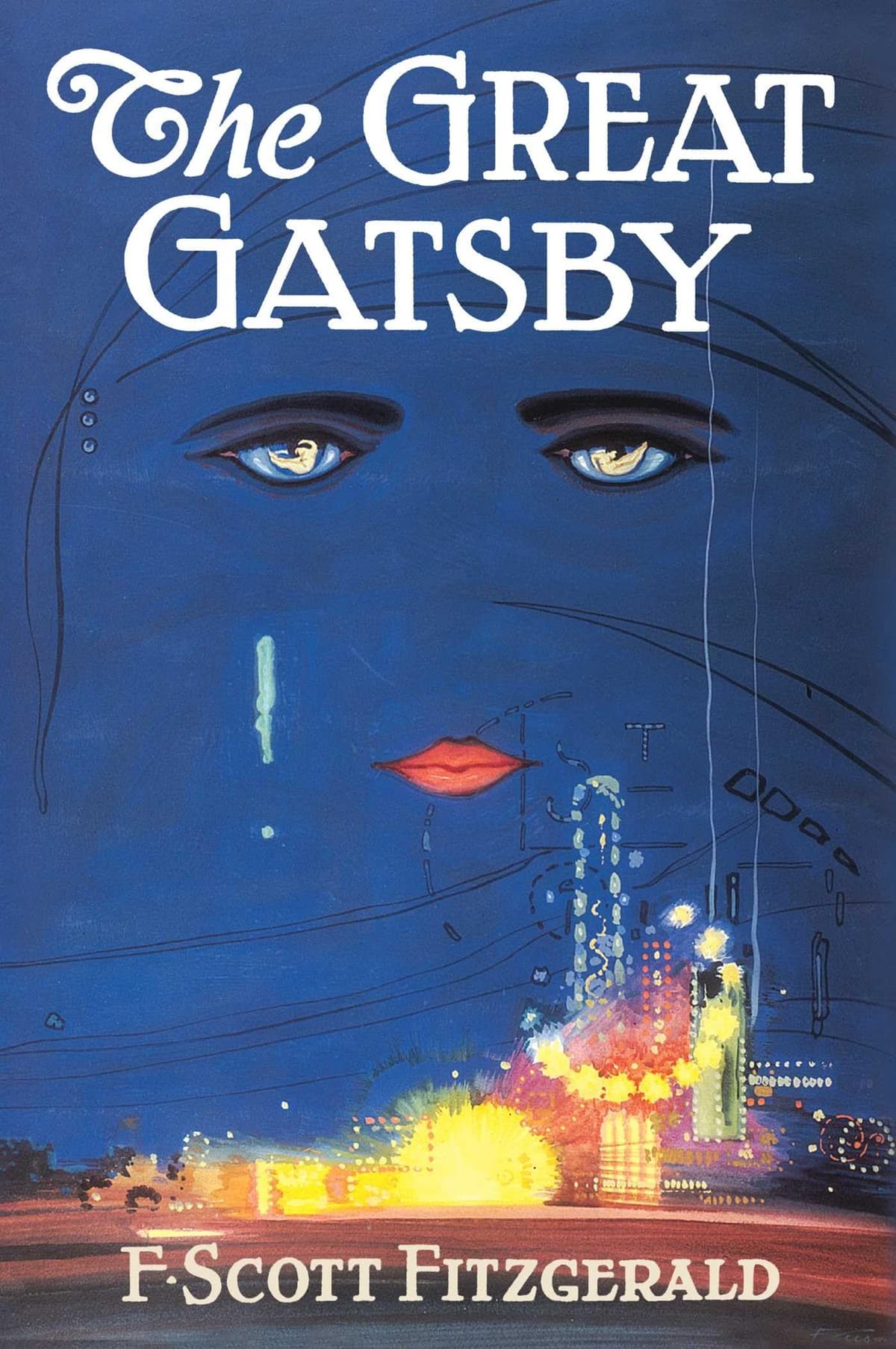 #3View Book
The Great Gatsby
F. Scott Fitzgerald
Accessible•5-6 hours #10View Book
Anna Karenina
Leo Tolstoy
High•30-35 hours #12View Book
Pride and Prejudice
Jane Austen
Accessible•10-12 hours #15View Book
Wuthering Heights
Emily Brontë
Moderate•10-12 hours
Browse more collections