The Adventures of Augie March
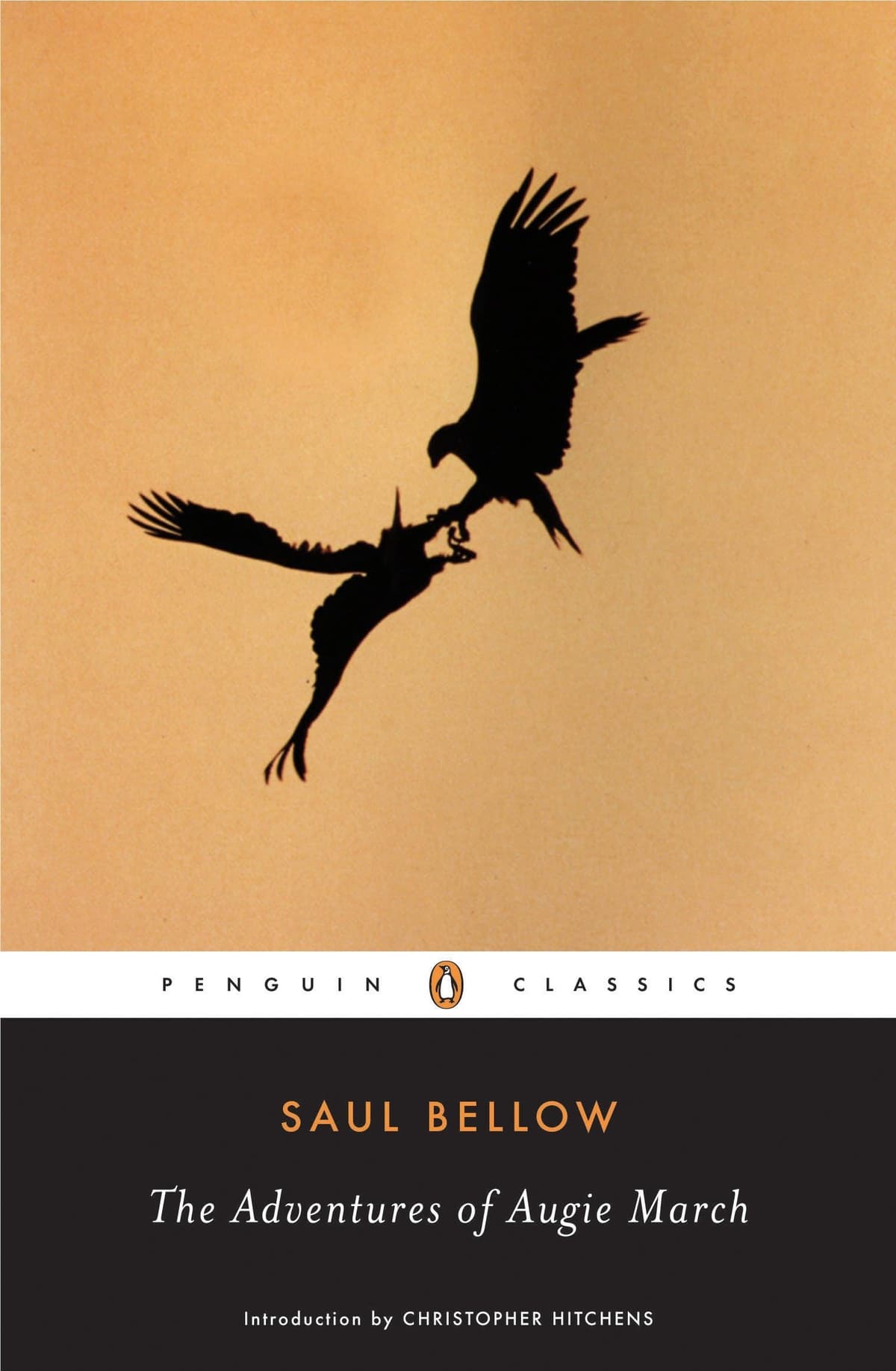
“I am an American, Chicago born — Chicago, that somber city — and go at things as I have taught myself, free-style, and will make the record in my own way: first to knock, first admitted; sometimes an innocent knock, sometimes a not so innocent.”
The Adventures of Augie March Summary
Augie March, a poor Jewish boy growing up in Depression-era Chicago, declares from the novel's famous opening line that he is an American and will go at things in his own free-style manner. Raised by his simple, loving mother and his shrewd, domineering Grandma Lausch in a cramped apartment on the Near West Side, Augie drifts through a series of adventures, occupations, and entanglements that span decades and continents. He works as a department store Santa's helper, a dog groomer, a book thief, a union organizer, a would-be smuggler, and a sailor, among other roles. He falls under the influence of a succession of powerful personalities who try to shape him to their purposes: the crippled real estate magnate William Einhorn, the wealthy Renlings who want to adopt him, the imperious Thea Fenchel who takes him to Mexico to train an eagle for iguana hunting, and the eccentric millionaire Mintouchian. Through it all, Augie maintains a stubborn, buoyant refusal to be recruited into anyone else's vision of who he should be, even as his quest for his own fate leads him through love affairs, misadventures, and the chaos of World War II.
Bellow's breakthrough novel is a picaresque epic of American selfhood, written in a prose style that announced a new voice in American fiction: exuberant, intellectual, streetwise, and philosophical all at once. The novel celebrates the democratic ideal of self-invention while honestly confronting its costs, as Augie's refusal to commit leaves him perpetually in motion, always approaching but never quite arriving at the life he seeks. Drawing on the traditions of Huckleberry Finn, the European picaresque, and the immigrant novel, The Adventures of Augie March captures the vitality, chaos, and promise of mid-century American life with an energy that remains unmatched.
Why Read The Adventures of Augie March?
From its legendary opening sentence onward, The Adventures of Augie March hits you with a force of personality and language that few novels can match. Bellow's prose is a thrilling mixture of high and low, weaving street slang with philosophical reflection, and Augie himself is one of the great characters in American fiction: warm, observant, stubbornly uncommitted, determined to find his own way even when he has no idea where that way leads. The novel is a love letter to Chicago and to the messy, magnificent promise of American life.
What makes this book endure is its honest engagement with the central American question: What does it mean to be free? Augie's picaresque journey through Depression-era Chicago, wartime Europe, and postwar uncertainty reveals that freedom is not just an ideal but a daily negotiation with the powerful forces, people, institutions, desires, that constantly try to define you. Bellow captures this tension with humor, compassion, and intellectual brilliance, creating a novel that feels as alive and unruly as the country it depicts. If you want to understand the American spirit at its most expansive, start here.
About Saul Bellow
Saul Bellow was born Solomon Bellows in 1915 in Lachine, Quebec, to Russian Jewish immigrant parents, and moved with his family to Chicago at the age of nine. The city became the great setting and subject of his fiction. He studied at the University of Chicago and Northwestern University, and briefly attended graduate school in anthropology at the University of Wisconsin before committing to writing. His first two novels, Dangling Man and The Victim, were accomplished but restrained works; with The Adventures of Augie March in 1953, he found the exuberant, intellectually omnivorous voice that would define his career.
Bellow went on to become the dominant figure in postwar American fiction, winning the National Book Award three times, the Pulitzer Prize for Humboldt's Gift in 1976, and the Nobel Prize in Literature in 1976 for what the committee called his combination of rich picaresque novels with a subtle analysis of contemporary culture. His other major works include Henderson the Rain King, Herzog, Mr. Sammler's Planet, and The Dean's December. A polemical public intellectual as well as a novelist, Bellow championed the life of the mind against what he saw as the anti-intellectualism of American culture. He taught for many years at the University of Chicago and Boston University, and died in 2005 at the age of eighty-nine.
Reading Guide
Ranked #281 among the greatest books of all time, The Adventures of Augie March by Saul Bellow has earned its place in the literary canon. Originally written in English and published in 1953, this challenging read from United States continues to resonate with readers today.
This book belongs to our American Spirit collection, where you can discover more books that share its spirit and themes.
If you enjoy challenging reads like this one, you might also like Ulysses, Moby-Dick, or Lolita.
From the American Spirit Collection
If you enjoyed The Adventures of Augie March, discover more masterpieces that share its spirit.
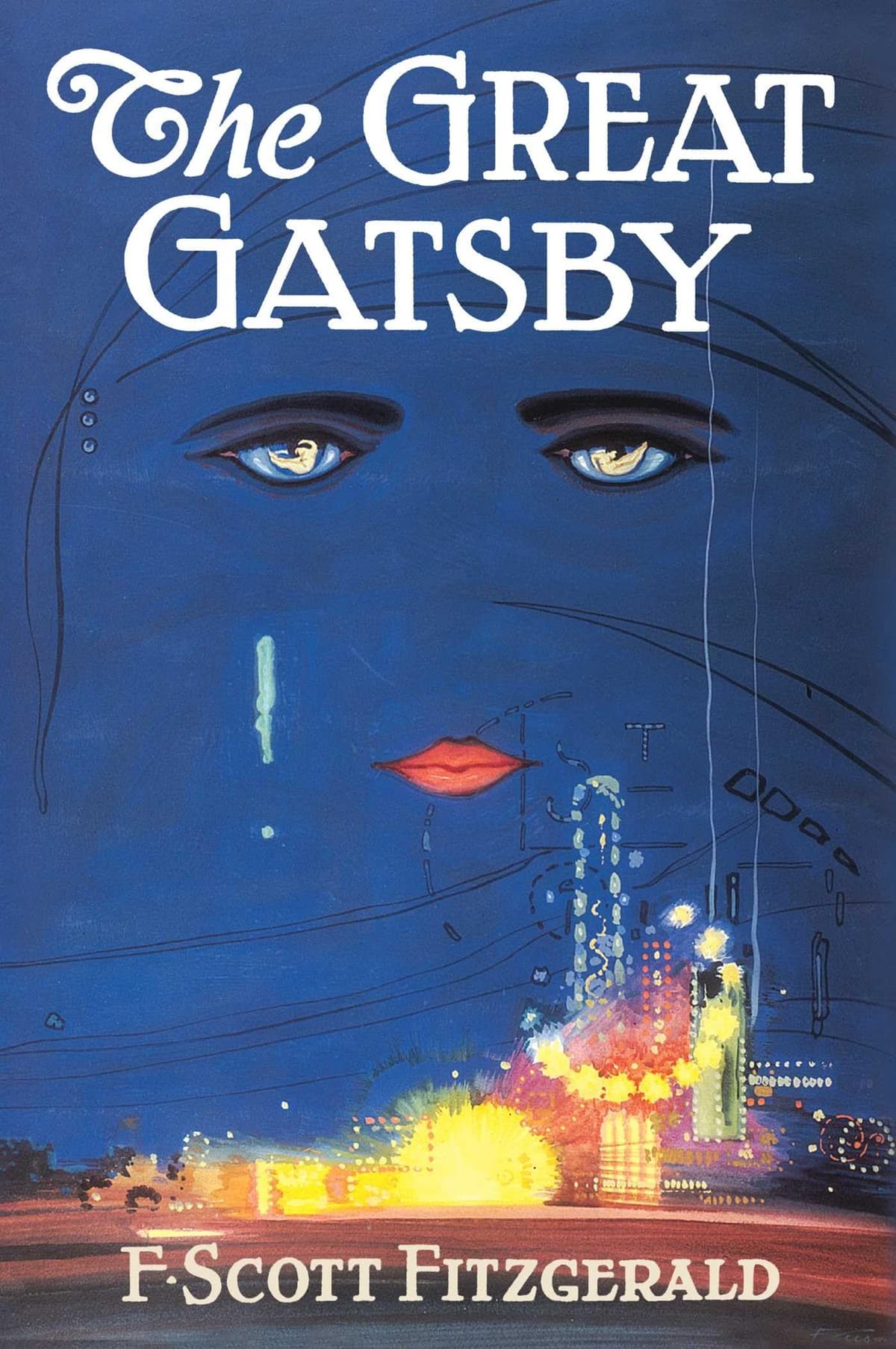 #3View Book
The Great Gatsby
F. Scott Fitzgerald
Accessible•5-6 hours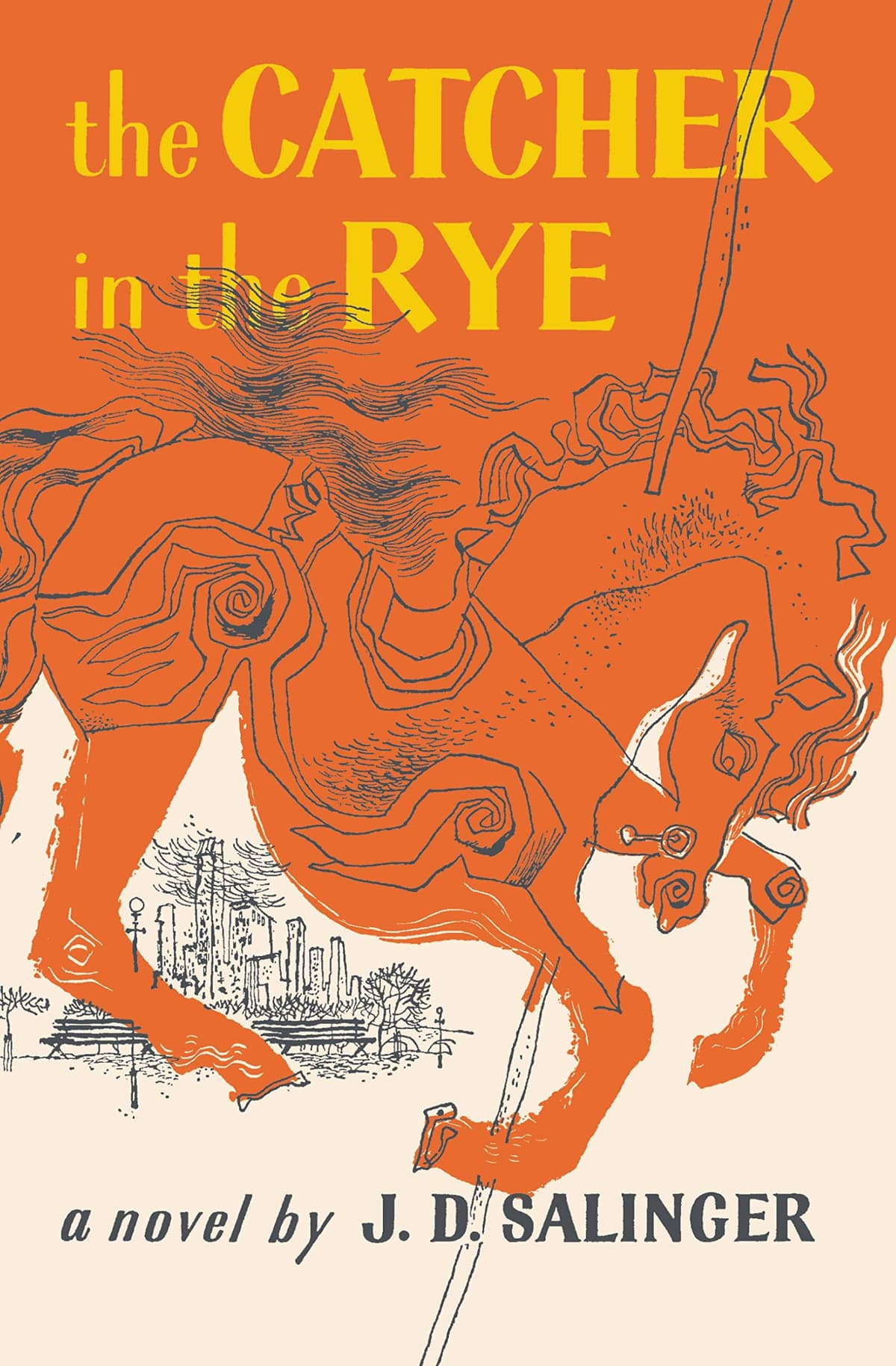 #4View Book
The Catcher in the Rye
J. D. Salinger
Accessible•6-8 hours #13View Book
Lolita
Vladimir Nabokov
Challenging•12-15 hours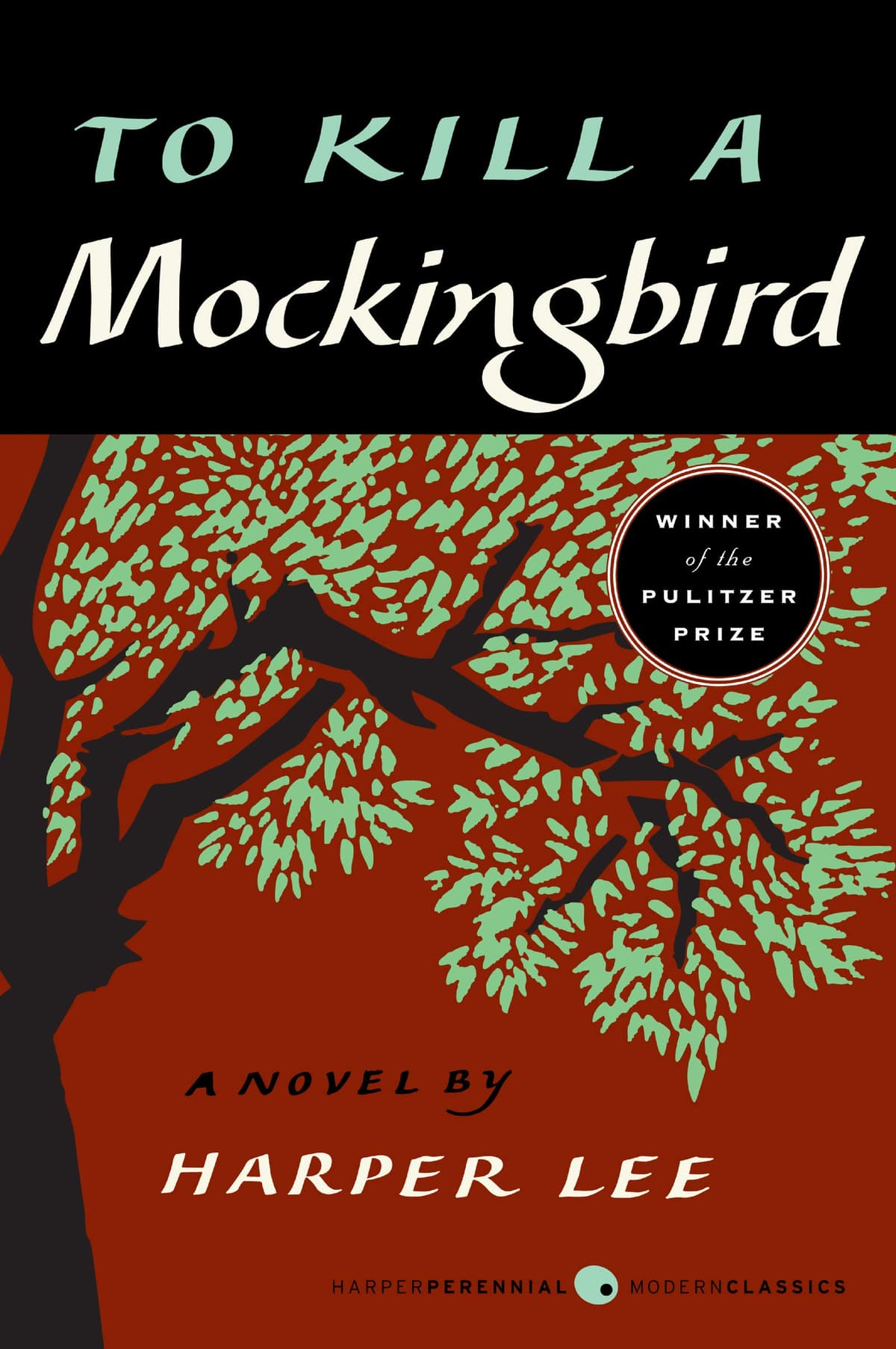 #17View Book
To Kill a Mockingbird
Harper Lee
Accessible•8-10 hours
Browse more collections