Of Human Bondage
“The mystic sees the ineffable, and the psychopathologist the unspeakable.”
Of Human Bondage Summary
Philip Carey, born with a clubfoot that marks him as different from childhood, grows up as an orphan raised by his emotionally distant uncle, a clergyman in the village of Blackstable. The novel follows Philip's restless journey through decades of searching for meaning and belonging: he suffers through a repressive English boarding school, abandons an attempt to become an accountant in London, spends a formative year studying art in Paris where he confronts his own mediocrity, and finally enrolls in medical school in London. It is there that he meets Mildred Rogers, a pale, sharp-tongued waitress who becomes the great destructive obsession of his life. Despite her repeated cruelty, manipulation, and indifference, Philip returns to Mildred again and again, bankrupting himself emotionally and financially. Meanwhile, he forms more nourishing relationships with figures like the steadfast Thorpe Athelny and his warm, generous family, who offer Philip a vision of simple happiness he has been unable to recognize. Through years of suffering, poverty, and humiliation, Philip gradually arrives at an understanding of life's pattern, or rather, its beautiful lack of one.
Maugham's semi-autobiographical masterpiece is a sprawling bildungsroman that examines the human need to find meaning in suffering and the painful process of freeing oneself from destructive passions. Philip's bondage is multiple: to his disability, to social convention, to romantic obsession, to the need for a grand philosophy that will explain his existence. The novel's great revelation, delivered through the metaphor of a Persian carpet, is that life has no inherent pattern or purpose beyond what each person chooses to weave from experience. Of Human Bondage stands as one of the most honest and psychologically penetrating studies of youth, desire, and the long education of the heart in the English language.
Why Read Of Human Bondage?
Of Human Bondage is one of the most painfully honest novels ever written about what it means to be young, confused, and desperate for something to believe in. Philip Carey's story will resonate with anyone who has ever been trapped in a relationship they knew was destructive, pursued a path they suspected was wrong, or searched for a grand meaning in life that stubbornly refused to appear. Maugham writes about obsessive love with a clinical precision that makes you cringe with recognition even as you marvel at his insight.
What elevates this novel beyond a simple tale of suffering is the hard-won wisdom Philip finally achieves. The book does not offer easy consolation or romantic redemption; instead, it proposes something more radical and more honest: that life's beauty lies in its very purposelessness, and that freedom comes not from finding the right answer but from accepting that there may be no answer at all. At over a hundred years old, Of Human Bondage remains startlingly modern in its psychology and utterly absorbing as a story of one person's long, difficult journey toward self-knowledge.
About W. Somerset Maugham
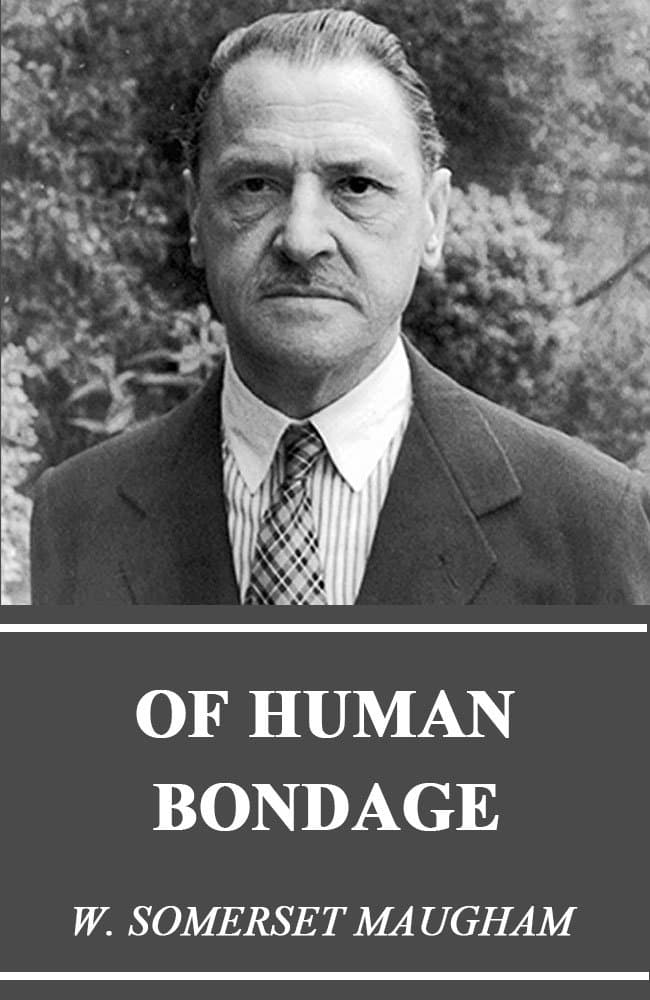
William Somerset Maugham was born in 1874 at the British Embassy in Paris, where his father worked as a solicitor. Orphaned by the age of ten, he was raised by an uncle in Kent, an experience that gave him firsthand knowledge of the loneliness and displacement that pervade his fiction. He trained as a physician at St. Thomas's Hospital in London, and his experiences in the Lambeth slums informed his first novel, Liza of Lambeth, published in 1897. Of Human Bondage, his semi-autobiographical masterpiece, drew heavily on his own struggles with a stammer (transformed into Philip Carey's clubfoot), his time as an art student in Paris, and his medical training.
Maugham became one of the most commercially successful authors of the twentieth century, excelling as a novelist, short story writer, and playwright. His other major works include The Moon and Sixpence, The Razor's Edge, Cakes and Ale, and the Ashenden spy stories. He traveled extensively throughout Asia and the Pacific, and his cosmopolitan settings distinguished his fiction from that of his more insular contemporaries. Though sometimes dismissed by critics as too popular or too readable, Maugham's psychological acuity, narrative craftsmanship, and unsentimental view of human nature have earned enduring admiration. He died in 1965 at the age of ninety-one at his villa on the French Riviera.
Reading Guide
Ranked #280 among the greatest books of all time, Of Human Bondage by W. Somerset Maugham has earned its place in the literary canon. Originally written in English and published in 1915, this moderate read from United Kingdom continues to resonate with readers today.
This book belongs to our Love & Loss and Society & Satire collections, where you can discover more books that share its spirit and themes.
If you enjoy moderate reads like this one, you might also like One Hundred Years of Solitude, Nineteen Eighty-Four, or Wuthering Heights.
From the Love & Loss Collection
If you enjoyed Of Human Bondage, discover more masterpieces that share its spirit.
 #3View Book
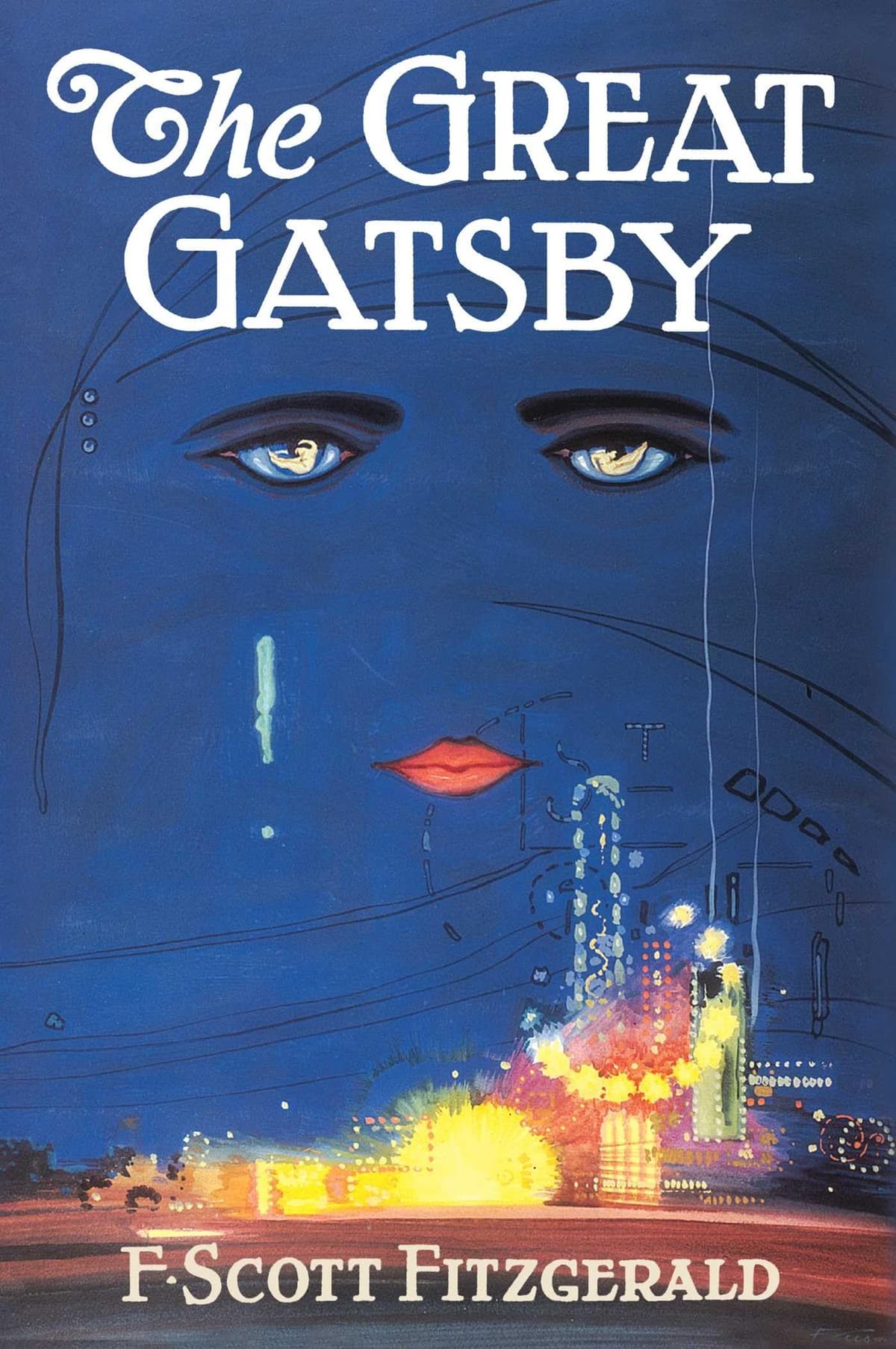
The Great Gatsby
F. Scott Fitzgerald
Accessible•5-6 hours #10View Book
Anna Karenina
Leo Tolstoy
High•30-35 hours #12View Book
Pride and Prejudice
Jane Austen
Accessible•10-12 hours #15View Book
Wuthering Heights
Emily Brontë
Moderate•10-12 hours
Browse more collections