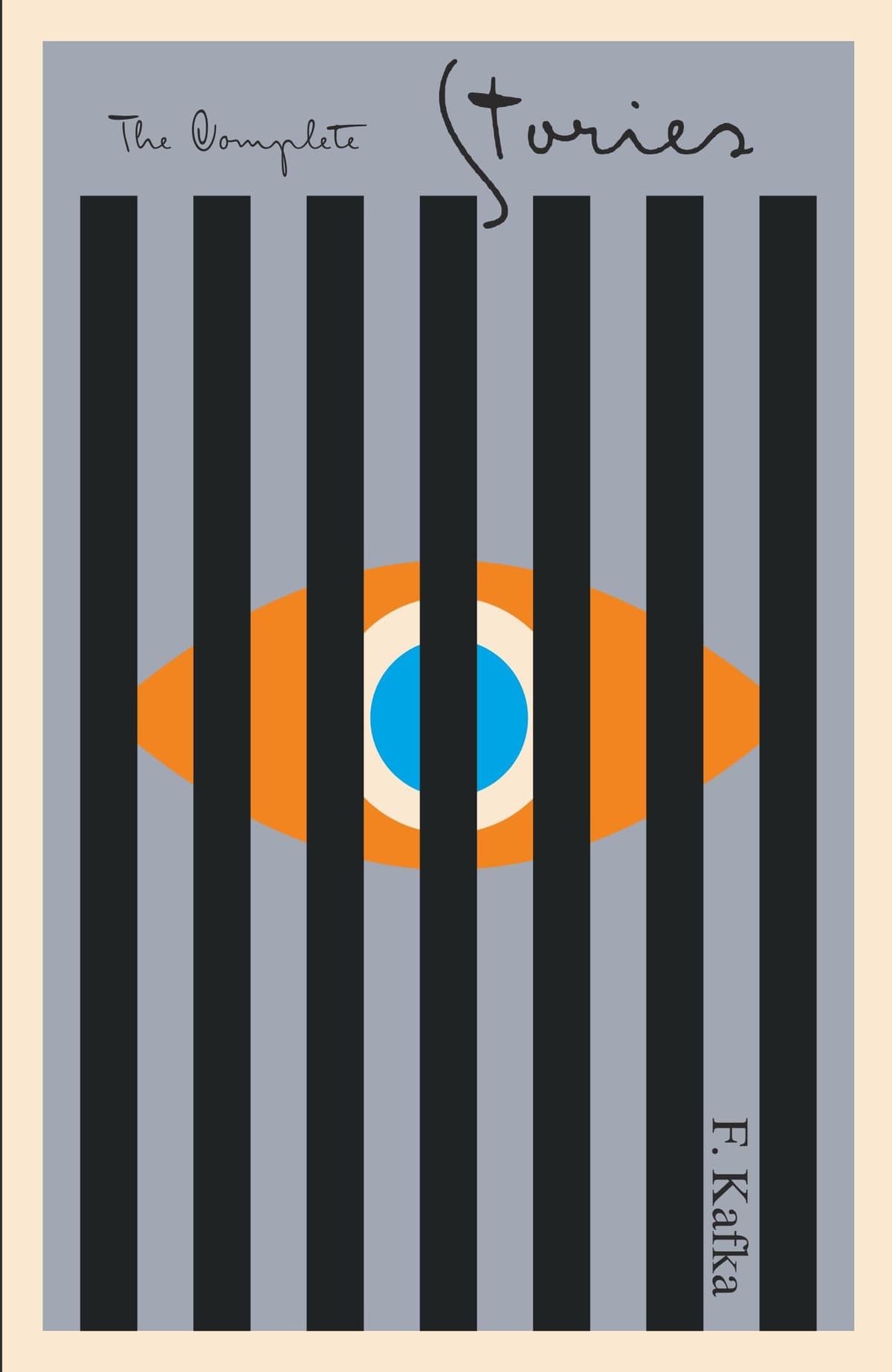
The Complete Stories
“One morning, when Gregor Samsa woke from troubled dreams, he found himself transformed in his bed into a horrible vermin.”
The Complete Stories Summary
The Complete Stories of Franz Kafka gathers the full range of his short fiction, from the briefest parables to the longer, more elaborate tales that rank among the most unsettling narratives in modern literature. In "The Metamorphosis," Gregor Samsa awakens one morning to find himself transformed into a monstrous insect, and the story traces his family's horrified, then increasingly callous response as they come to view him as a burden rather than a son. "In the Penal Colony" describes a visiting explorer who witnesses a grotesque execution machine that inscribes the condemned prisoner's sentence into his flesh over a period of twelve hours. "The Judgment" follows Georg Bendemann's conversation with his bedridden father, which escalates with dreamlike swiftness into a death sentence pronounced by the old man. "A Hunger Artist" chronicles a professional faster whose art of self-starvation is gradually forgotten by a public that has moved on to new entertainments. Throughout these stories, characters find themselves trapped in systems they cannot understand, judged by authorities whose logic remains impenetrable, and alienated from the very bodies and identities they inhabit.
Kafka's stories collectively form one of the most important bodies of work in twentieth-century literature, establishing a vision of modern existence so distinctive that it gave rise to the adjective "Kafkaesque." His fiction captures the anxiety of individuals confronting bureaucracies, patriarchal authority, and social expectations that are simultaneously absurd and terrifying. Written in precise, deceptively clear prose, these stories generate their uncanny power through the collision of mundane detail with nightmare logic. Kafka's influence extends far beyond literature into philosophy, psychology, film, and political thought, and his complete stories remain essential reading for anyone seeking to understand the modern condition.
Why Read The Complete Stories?
Reading Kafka is one of those irreversible literary experiences that permanently alters how you perceive the world. His stories take the feelings most people suppress, the sense that the rules governing your life are arbitrary, that authority operates by a logic you can never quite grasp, that your own identity might be more fragile than you imagine, and give them vivid, unforgettable form. Each story is a compressed masterpiece that can be read in a single sitting but will occupy your thoughts for years.
What makes Kafka indispensable is his uncanny ability to be simultaneously terrifying and darkly funny. The man who wakes up as an insect, the prisoner whose sentence is carved into his flesh, the artist who starves himself for an audience that no longer cares: these scenarios are horrifying, yet Kafka presents them with such deadpan precision that laughter becomes inseparable from dread. His complete stories offer the full range of this singular imagination, from the most famous tales to lesser-known gems that reward discovery. If you want to understand where modern literature found its strangest and most necessary voice, start here.
About Franz Kafka
Franz Kafka was born in 1883 in Prague, then part of the Austro-Hungarian Empire, to a middle-class German-speaking Jewish family. His relationship with his domineering father Hermann profoundly shaped his literary imagination, as did his position as a German-speaking Jew in a predominantly Czech city. He earned a law degree from Charles-Ferdinand University and spent most of his working life as an insurance clerk at the Workers' Accident Insurance Institute, writing fiction in the evenings and during bouts of insomnia. He published relatively little during his lifetime and instructed his friend and literary executor Max Brod to burn his manuscripts after his death.
Brod famously disobeyed this request, and the posthumous publication of Kafka's novels The Trial, The Castle, and Amerika, along with his complete stories, diaries, and letters, revealed one of the twentieth century's most original and influential literary minds. Kafka's vision of individuals trapped within incomprehensible systems has become a defining metaphor for modern existence, influencing writers from Borges and Camus to Murakami and Coetzee. He died of tuberculosis in 1924 at the age of forty, in a sanatorium near Vienna. Three of his sisters perished in the Holocaust. His works, once known only to a small circle, are now translated into virtually every language and recognized as cornerstones of world literature.
Reading Guide
Ranked #279 among the greatest books of all time, The Complete Stories by Franz Kafka has earned its place in the literary canon. Originally written in German and published in 1971, this moderate read from Czech Republic continues to resonate with readers today.
This book belongs to our Modern Mind and Gothic & Dark collections, where you can discover more books that share its spirit and themes.
If you enjoy moderate reads like this one, you might also like One Hundred Years of Solitude, Nineteen Eighty-Four, or Wuthering Heights.
From the Modern Mind Collection
If you enjoyed The Complete Stories, discover more masterpieces that share its spirit.
 #1View Book
Ulysses
James Joyce
Challenging•35-40 hours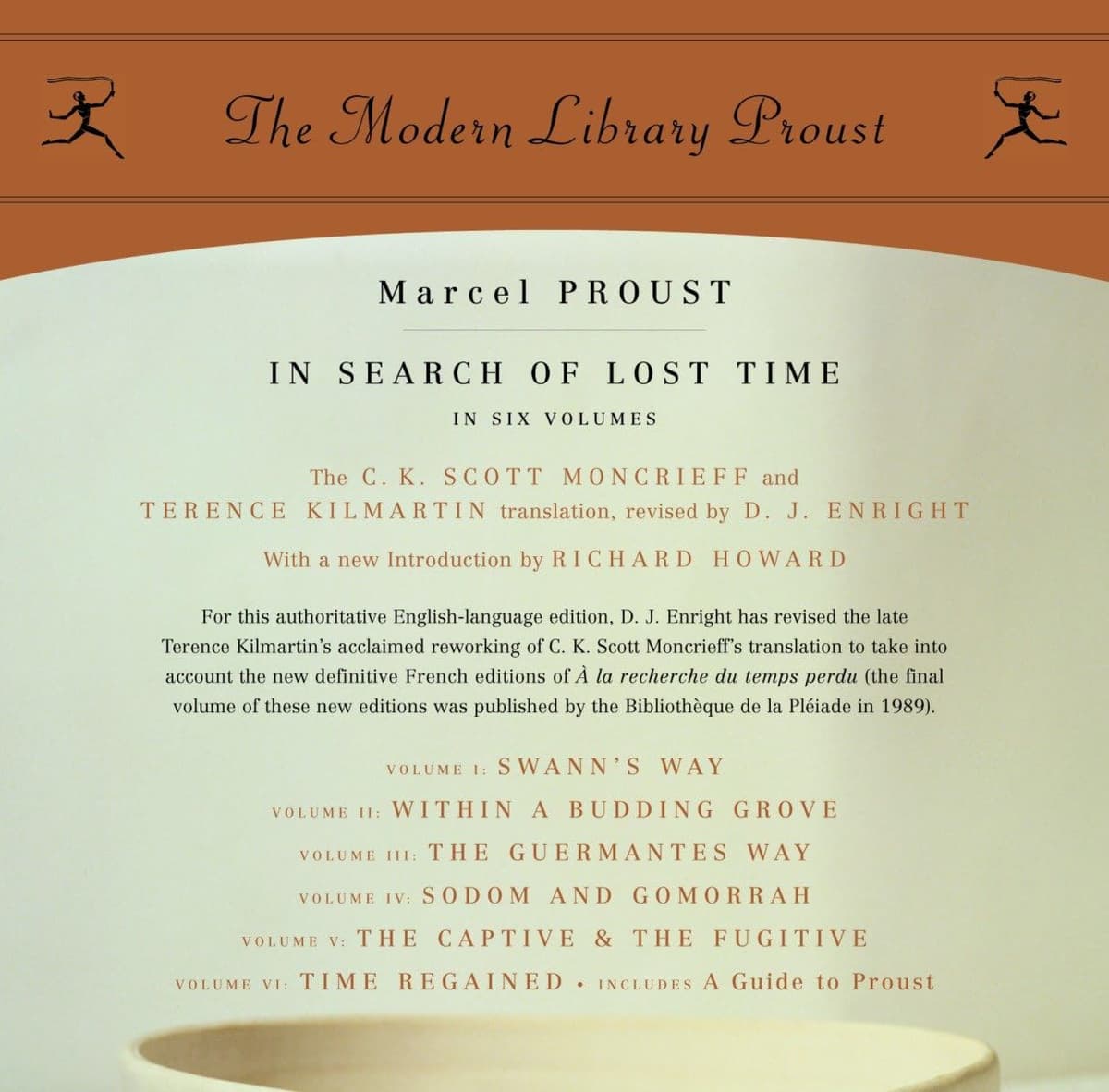 #2View Book
In Search of Lost Time
Marcel Proust
High•100+ hours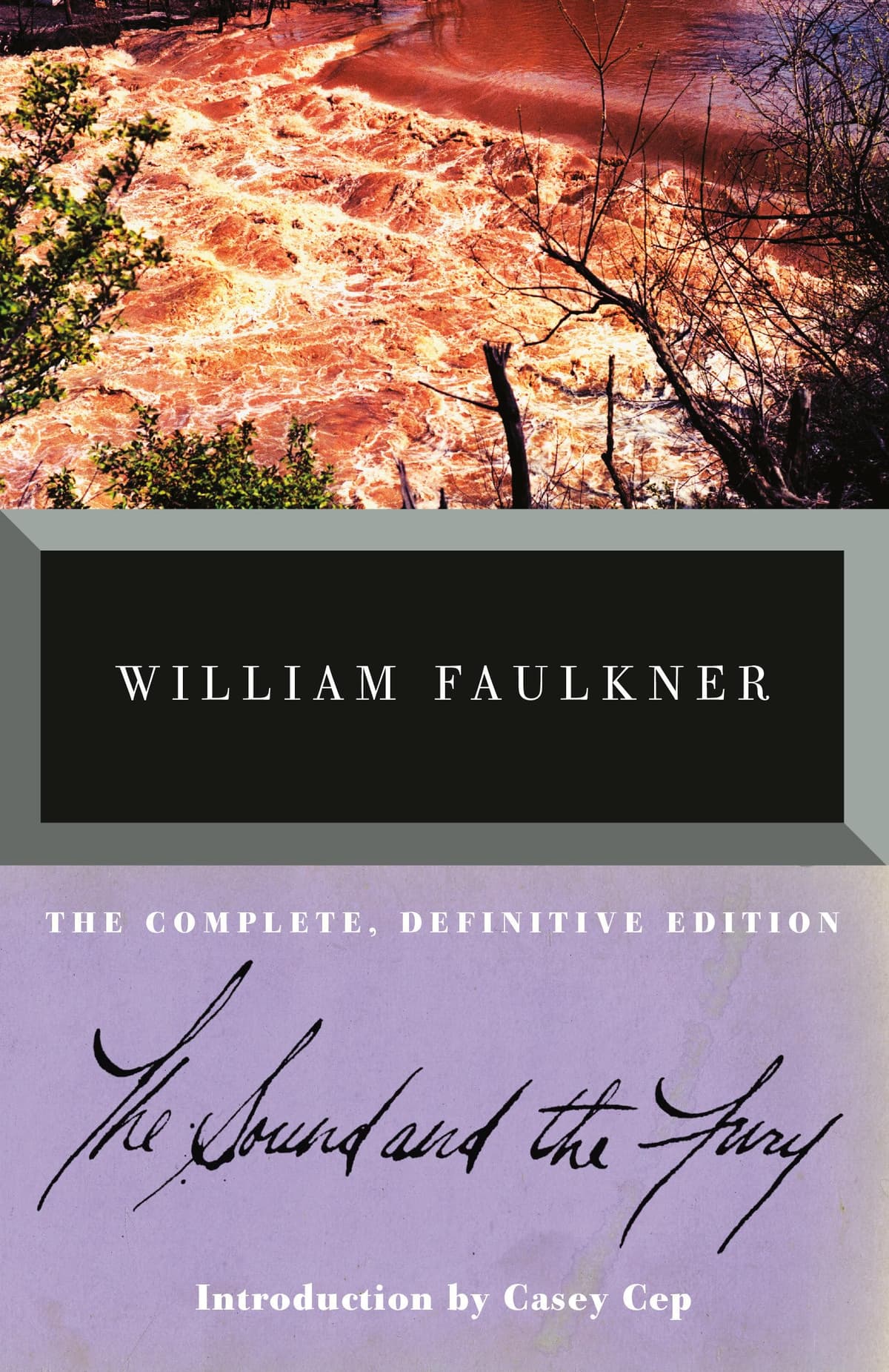 #8View Book
The Sound and the Fury
William Faulkner
Very High•12-15 hours #13View Book
Lolita
Vladimir Nabokov
Challenging•12-15 hours
Browse more collections