The Sonnets
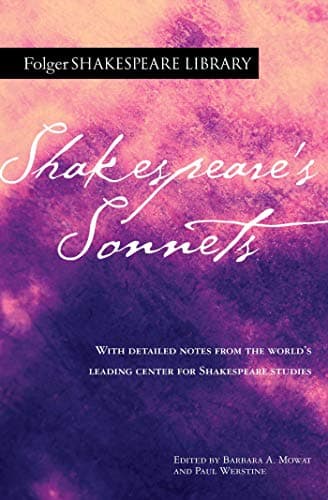
“Shall I compare thee to a summer's day? Thou art more lovely and more temperate.”
The Sonnets Summary
Shakespeare's 154 sonnets form a dramatic sequence that traces the speaker's passionate and turbulent relationships with two figures: a beautiful young man and a mysterious "Dark Lady." The first 126 sonnets address the young man, beginning with urgent appeals to him to marry and produce an heir so that his beauty might survive the ravages of time, then deepening into declarations of profound love, jealousy over a rival poet, anguished meditations on aging and mortality, and bitter reflections on absence and betrayal. The final 28 sonnets turn to the Dark Lady, a woman whose sexual allure ensnares the speaker despite his full awareness of her infidelity and moral failings. The relationship between all three figures becomes entangled when the young man and the Dark Lady apparently become lovers, leaving the speaker doubly betrayed.
The Sonnets represent some of the most extraordinary lyric poetry in any language, combining intellectual complexity with emotional immediacy in ways that continue to astonish readers four centuries after their publication. Shakespeare explores the power of art to defeat time, the anguish of unrequited or betrayed love, the terror of aging, and the complicated relationship between beauty and truth. Each fourteen-line poem is a self-contained work of art, yet together they compose a larger narrative of desire, devotion, and disillusionment. The identities of the young man and the Dark Lady have fueled centuries of scholarly debate, but the poems transcend their biographical mysteries to speak with universal force about love, time, and the human need to create something that outlasts mortality.
Why Read The Sonnets?
Shakespeare's Sonnets offer some of the most concentrated and powerful expressions of human emotion ever committed to language. Each poem is a jewel of compression, packing entire worlds of feeling into fourteen lines. Whether addressing the terrifying passage of time, the ecstasy and torment of love, or the desperate hope that art might preserve what life cannot, these poems speak with a directness and urgency that transcends their Elizabethan origins. Reading them aloud, you feel the language working on you physically, the rhythms and sounds doing something that mere paraphrase can never capture.
These poems are also endlessly rewarding to revisit, yielding new meanings with each reading. A sonnet you thought was simply about beauty reveals itself as a meditation on power; a poem about time becomes a statement about artistic ambition. The sequence as a whole tells a story as compelling as any novel, full of jealousy, betrayal, desire, and forgiveness. Whether you encounter them for the first time or return to them after years, the Sonnets confirm why Shakespeare remains the central figure of English literature: no one else has matched his ability to make language do so much in so little space.
About William Shakespeare
William Shakespeare was born in 1564 in Stratford-upon-Avon, England, the son of a successful glove maker and alderman. He married Anne Hathaway at eighteen and by the early 1590s had established himself in London as an actor and playwright. Over the next two decades, he wrote approximately thirty-seven plays and 154 sonnets, working primarily with the Lord Chamberlain's Men (later the King's Men) at the Globe Theatre. The Sonnets were published in 1609, possibly without his authorization, and their dedication to a mysterious "Mr. W.H." has sparked centuries of speculation.
Shakespeare's influence on English literature, the English language, and world culture is unparalleled. He invented thousands of words and phrases still in common use, and his plays have been translated into every major language and performed more often than those of any other playwright. He retired to Stratford around 1613 and died there in 1616. While his plays have always dominated his reputation, the Sonnets have been recognized since the Romantic era as among the supreme achievements of lyric poetry, admired by poets from Keats and Wordsworth to W.H. Auden and Seamus Heaney.
Reading Guide
Ranked #341 among the greatest books of all time, The Sonnets by William Shakespeare has earned its place in the literary canon. Originally written in English and published in 1609, this challenging read from United Kingdom continues to resonate with readers today.
This book belongs to our Love & Loss collection, where you can discover more books that share its spirit and themes.
If you enjoy challenging reads like this one, you might also like Ulysses, Moby-Dick, or Lolita.
From the Love & Loss Collection
If you enjoyed The Sonnets, discover more masterpieces that share its spirit.
 #3View Book
The Great Gatsby
F. Scott Fitzgerald
Accessible•5-6 hours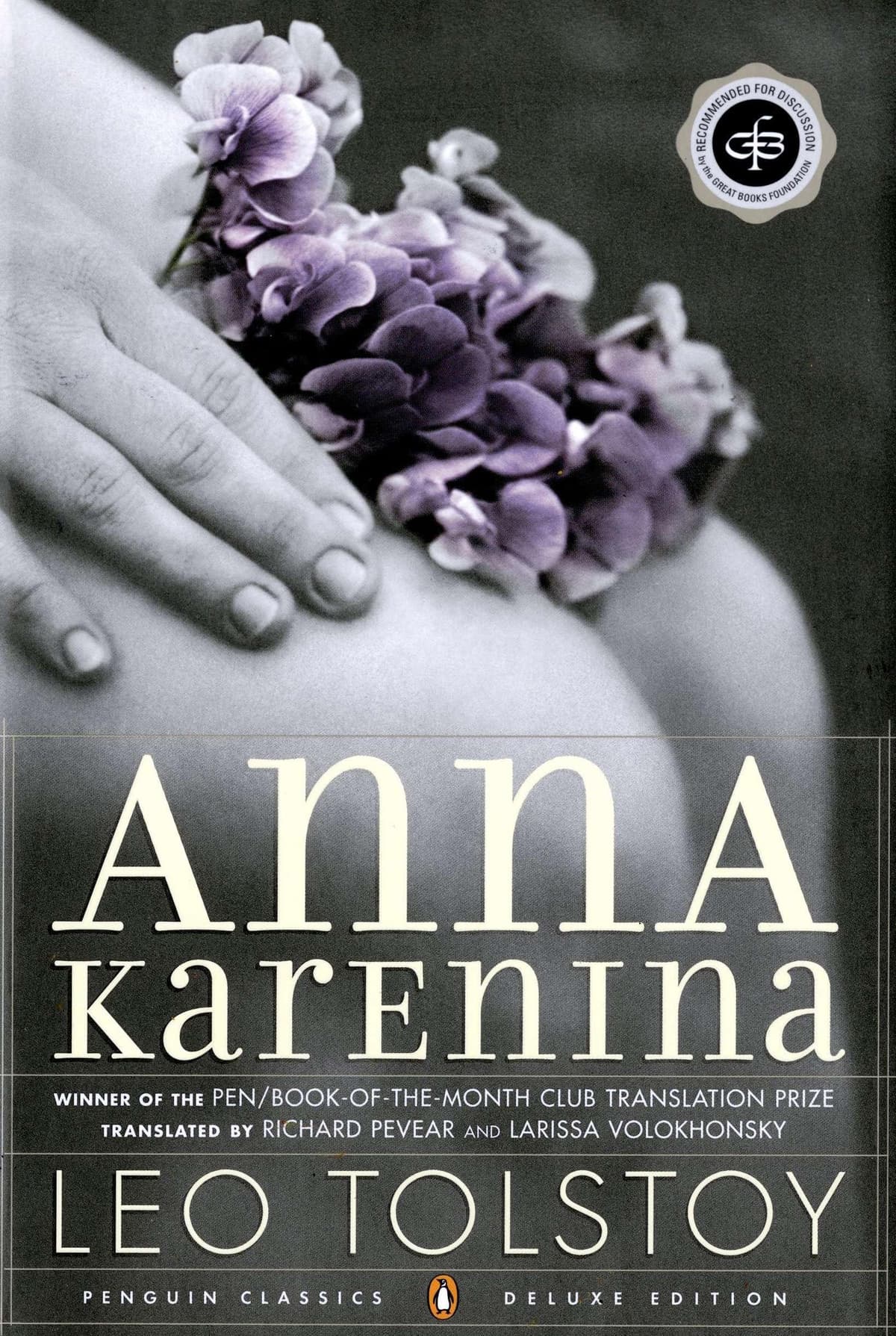 #10View Book
Anna Karenina
Leo Tolstoy
High•30-35 hours #12View Book
Pride and Prejudice
Jane Austen
Accessible•10-12 hours #15View Book
Wuthering Heights
Emily Brontë
Moderate•10-12 hours
Browse more collections