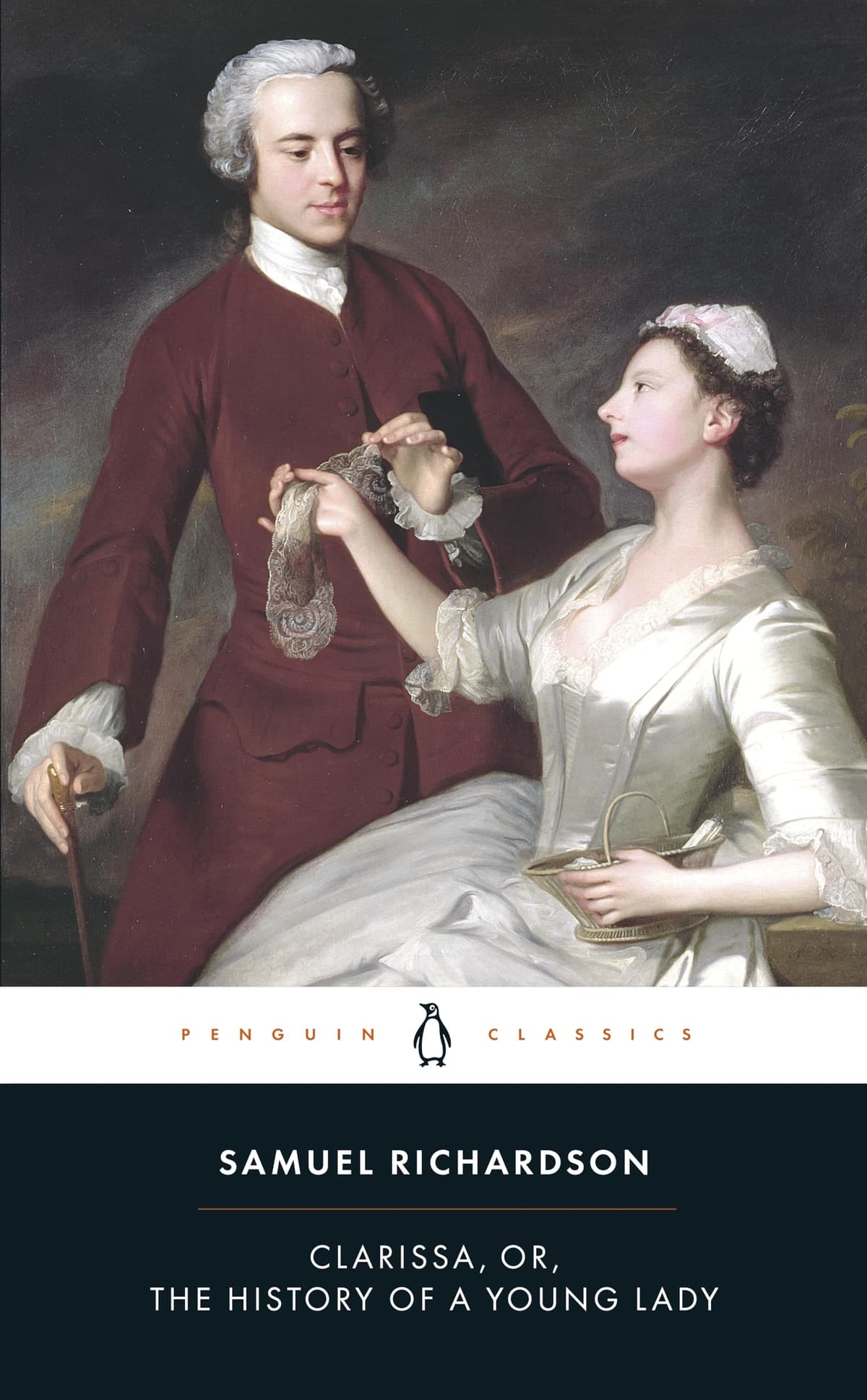
Clarissa
“The person who will bear much shall have much to bear.”
Clarissa Summary
Samuel Richardson's Clarissa unfolds through an elaborate exchange of letters between its central characters and their confidants, tracing the harrowing fate of Clarissa Harlowe, a young woman of virtue and intelligence caught between the mercenary ambitions of her family and the predatory designs of the libertine Robert Lovelace. When the Harlowes attempt to force Clarissa into a repugnant marriage with the wealthy Mr. Solmes, she reluctantly accepts the protection of the charming but dangerous Lovelace, who spirits her away from her family home. What follows is a prolonged and psychologically intricate battle of wills, as Lovelace schemes to seduce Clarissa while she attempts to preserve her autonomy and moral integrity. The novel's central catastrophe, Lovelace's assault on Clarissa, sets in motion a devastating sequence of consequences that leads to her slow decline and saintly death.
At nearly one million words, Clarissa is the longest novel in the English language and one of its most psychologically penetrating. Richardson's epistolary method allows for an unprecedented exploration of consciousness, as the same events are refracted through multiple perspectives with contradictory interpretations. The novel grapples with questions of consent, patriarchal authority, female autonomy, and the nature of virtue that remain urgently relevant. Lovelace is one of literature's most complex villains, simultaneously repellent and charismatic, and Clarissa herself emerges as a figure of extraordinary moral courage. The novel profoundly influenced the development of European fiction, shaping works by Rousseau, Laclos, and Austen, and its exploration of power, gender, and the interior life remains astonishing in its depth.
Why Read Clarissa?
Clarissa demands serious commitment, but it rewards that commitment with one of the most psychologically rich experiences in all of literature. Richardson's epistolary technique creates an almost unbearable intimacy with his characters, as you read their private thoughts, their self-deceptions, their strategies and fears in real time. The cat-and-mouse dynamic between Clarissa and Lovelace generates a tension that rivals any thriller, while the moral and emotional stakes could not be higher. No summary can convey the cumulative power of this novel, the way hundreds of letters build a world of extraordinary depth.
Beyond its narrative power, Clarissa is a foundational text for understanding the novel as a form. Its exploration of female consciousness, consent, and resistance to patriarchal authority speaks directly to contemporary concerns, making it feel less like a museum piece than a living work of art. The novel influenced virtually every major European writer of the eighteenth and nineteenth centuries, and reading it illuminates the entire tradition that follows. If you are willing to give yourself over to its expansive pace, Clarissa offers rewards that few other novels can match: a complete world, inhabited by characters of unforgettable complexity.
About Samuel Richardson
Samuel Richardson was born in 1689 in Derbyshire, England, the son of a joiner. He became a successful London printer before turning to fiction in his fifties, when he was commissioned to write a book of model letters for semi-literate readers. This project inspired him to write Pamela (1740), an epistolary novel about a servant girl's virtue, which became a sensation and effectively launched the modern English novel. Clarissa followed in 1747-48, published in seven volumes, and cemented his reputation as the age's preeminent novelist.
Richardson's influence on the development of the novel was enormous, rivaling that of his contemporary and rival Henry Fielding. His method of narrating through letters pioneered the exploration of subjective consciousness in fiction, anticipating the psychological novel by more than a century. Writers across Europe, including Rousseau, Goethe, and Diderot, acknowledged their debt to his work. He died in 1761, respected as both a prosperous businessman and a literary innovator. Clarissa remains his masterpiece, recognized as one of the great achievements of English fiction despite the challenge its length poses to modern readers.
Reading Guide
Ranked #340 among the greatest books of all time, Clarissa by Samuel Richardson has earned its place in the literary canon. Originally written in English and published in 1748, this very high read from United Kingdom continues to resonate with readers today.
This book belongs to our Love & Loss collection, where you can discover more books that share its spirit and themes.
If you enjoy very high reads like this one, you might also like The Sound and the Fury, War and Peace, or The Brothers Karamazov.
From the Love & Loss Collection
If you enjoyed Clarissa, discover more masterpieces that share its spirit.
 #3View Book
The Great Gatsby
F. Scott Fitzgerald
Accessible•5-6 hours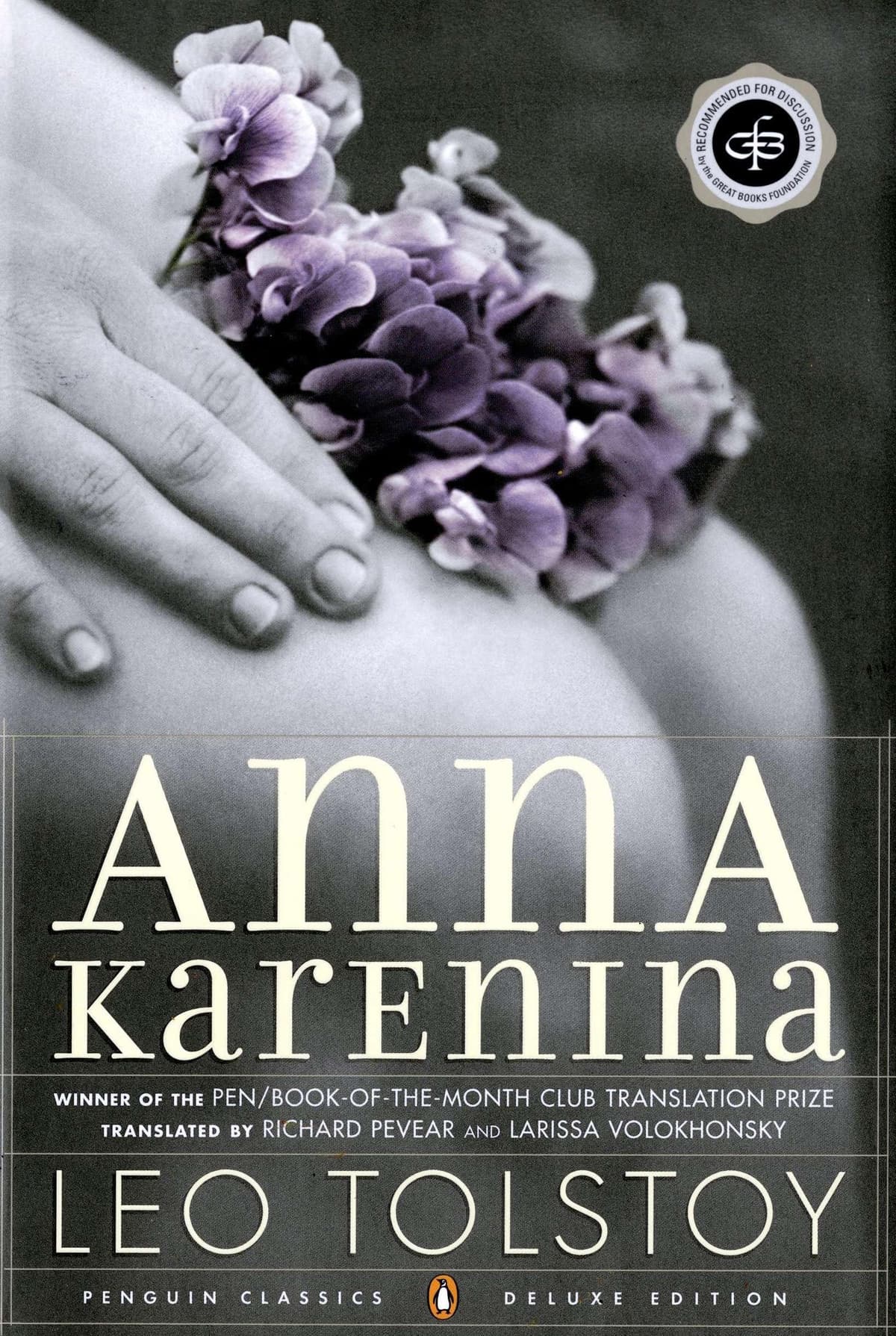 #10View Book
Anna Karenina
Leo Tolstoy
High•30-35 hours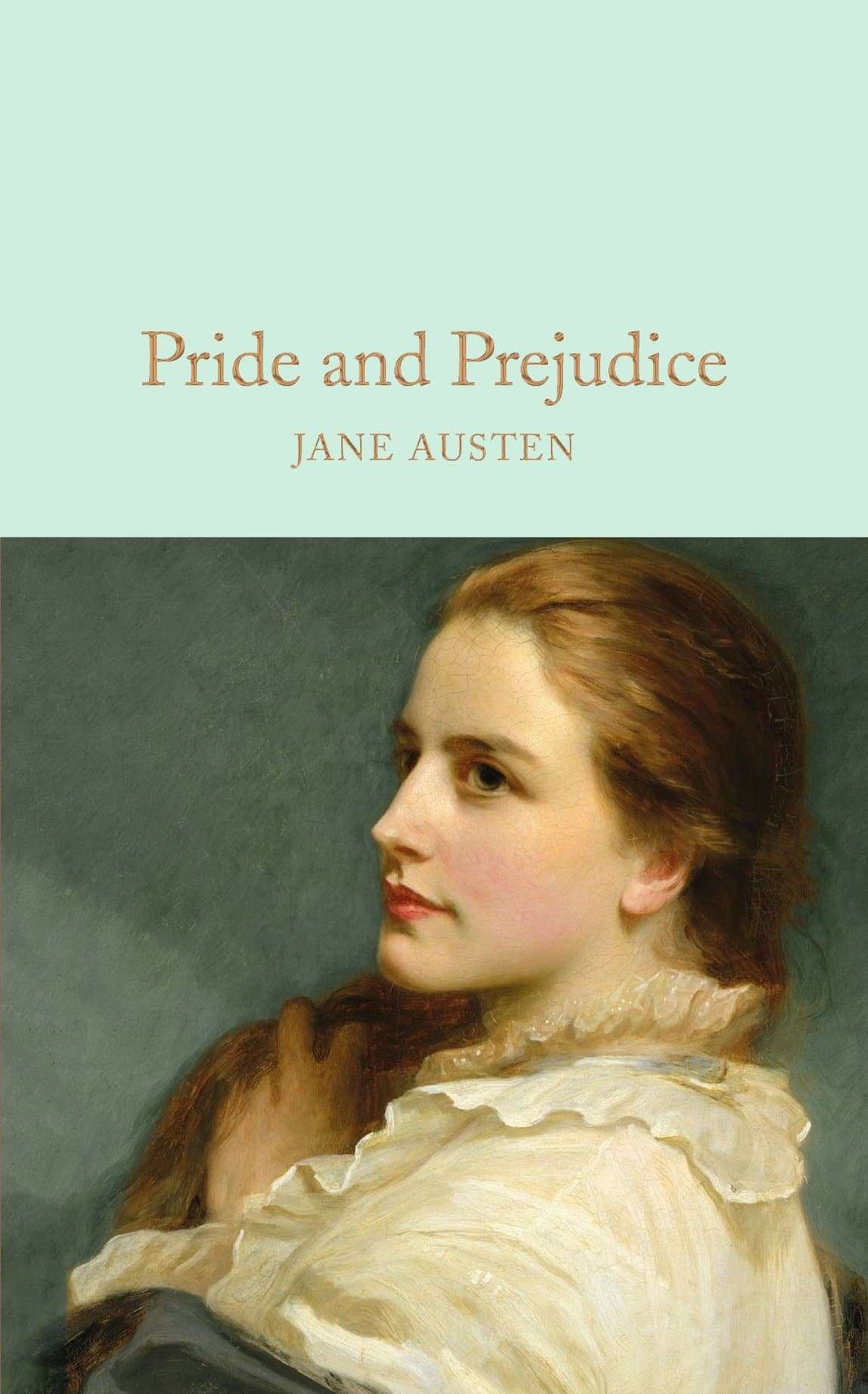 #12View Book
Pride and Prejudice
Jane Austen
Accessible•10-12 hours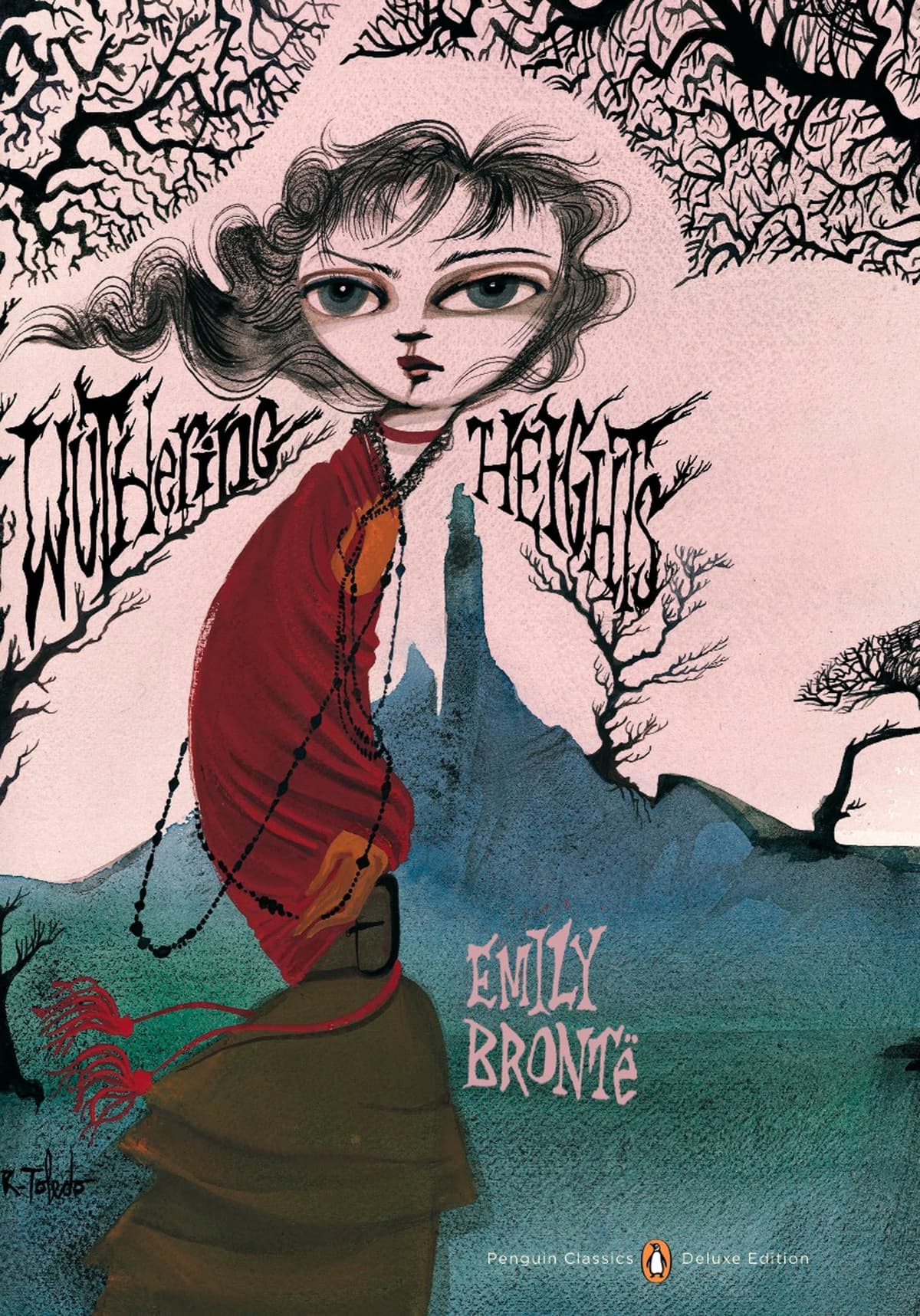 #15View Book
Wuthering Heights
Emily Brontë
Moderate•10-12 hours
Browse more collections