Collected Poems of W. B. Yeats
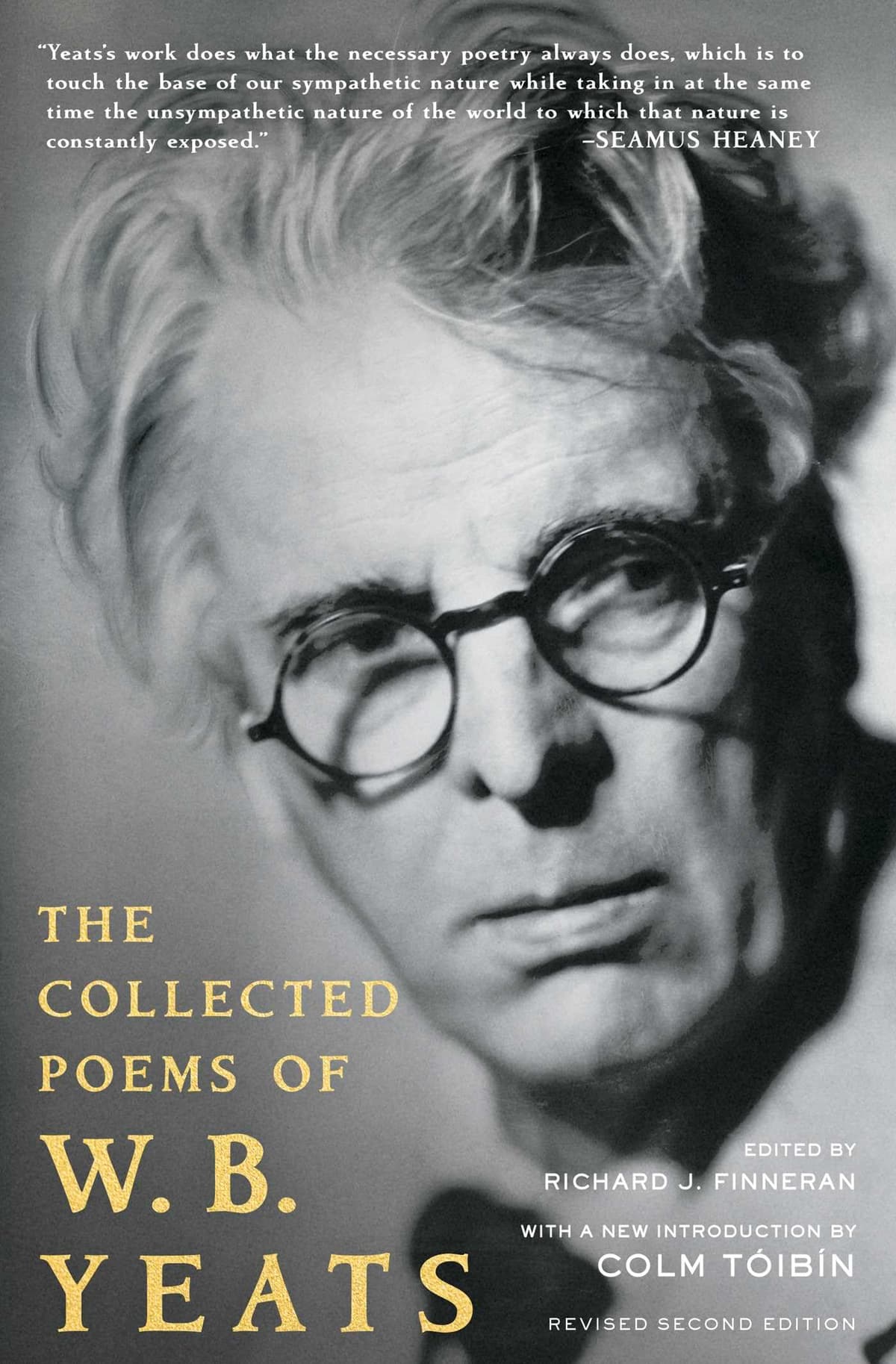
“Things fall apart; the centre cannot hold; mere anarchy is loosed upon the world.”
Collected Poems of W. B. Yeats Summary
The Collected Poems of W. B. Yeats encompasses the full arc of one of the English language's supreme poetic careers, from the Celtic twilight dreaminess of his earliest verse through the passionate engagement of his middle period to the fierce, unsparing wisdom of his final poems. The early work draws deeply on Irish mythology and folklore, conjuring a world of faeries, enchanted islands, and ancient heroes in poems suffused with longing and melancholy. The middle period, galvanized by Yeats's unrequited love for the revolutionary Maud Gonne, the Easter Rising of 1916, and the turbulent birth of the Irish Free State, produces poems of extraordinary political and personal intensity. The late poems, written by a man grappling with aging, desire, and the approach of death, achieve a stripped-down, almost brutal power, combining the occult symbolism of Yeats's private philosophical system with a directness that makes them among the most memorable verses of the twentieth century.
Yeats's collected poetry constitutes one of the great achievements of modern literature, a body of work that transforms the materials of Irish history, mythology, and personal experience into a universal vision of human aspiration and limitation. His technical mastery is extraordinary, ranging from the incantatory rhythms of early poems to the muscular, dramatic verse of his maturity. Yeats developed a complex system of symbols, including the gyre, the tower, Byzantium, and the mask, that give his poetry a mythic depth while remaining rooted in the concrete details of Irish landscape and life. The collection contains some of the most frequently quoted poems in the English language, works that have become touchstones for how we think about beauty, politics, aging, and the relationship between art and life.
Why Read Collected Poems of W. B. Yeats?
W. B. Yeats is one of those rare poets who achieved greatness not once but repeatedly across a career that spanned more than four decades, reinventing himself at each stage and producing masterpieces in his twenties, his fifties, and his seventies. His Collected Poems contains an astonishing concentration of essential works, from the haunting early lyrics to the political fire of his middle years to the savage, luminous poems of old age. No other modern poet offers such range, such sustained excellence, or such a compelling record of a single consciousness wrestling with the great questions of art, love, history, and mortality.
Reading Yeats, you will encounter a poet who speaks with equal authority about faeries and fascism, about unrequited love and the cyclical nature of civilization. You will find poems that are among the most beautiful in the English language alongside poems of ferocious intellectual ambition, and you will discover a body of work that, taken together, constitutes a complete philosophy of human experience. Whether you are drawn to the dreamy enchantment of his early Celtic verse or the hard-won wisdom of his final poems, Yeats will reward you with language of unforgettable power and images that will stay with you for the rest of your life.
About William Butler Yeats
William Butler Yeats (1865-1939) was born in Sandymount, Dublin, into a Protestant Anglo-Irish family with deep artistic roots; his father John Butler Yeats was a noted portrait painter, and his brother Jack would become one of Ireland's finest artists. Yeats was educated between Dublin and London, and his early immersion in Irish folklore, mythology, and the occult shaped the direction of his entire career. His lifelong, largely unrequited love for the revolutionary activist Maud Gonne provided the emotional fuel for some of the greatest love poetry in the English language.
Yeats was awarded the Nobel Prize in Literature in 1923, the first Irishman to receive the honor, and he served as a senator of the Irish Free State from 1922 to 1928. He was a co-founder of the Abbey Theatre and a central figure in the Irish Literary Revival, helping to create a distinctly Irish literary tradition rooted in the country's mythology and folk heritage. His influence on modern poetry is immeasurable, and his late work in particular, with its unflinching confrontation of age, desire, and death, continues to astonish readers with its vitality and daring. Yeats died in Menton, France, in January 1939, and his body was reinterred at Drumcliff churchyard in County Sligo in 1948, beneath the epitaph he composed himself.
Reading Guide
Ranked #255 among the greatest books of all time, Collected Poems of W. B. Yeats by William Butler Yeats has earned its place in the literary canon. Originally written in English and published in 1933, this variable read from Ireland continues to resonate with readers today.
This book belongs to our Love & Loss and Philosophy & Faith collections, where you can discover more books that share its spirit and themes.
If you enjoy variable reads like this one, you might also like The Bible, One Thousand and One Nights, or The Complete Tales and Poems of Edgar Allan Poe.
From the Love & Loss Collection
If you enjoyed Collected Poems of W. B. Yeats, discover more masterpieces that share its spirit.
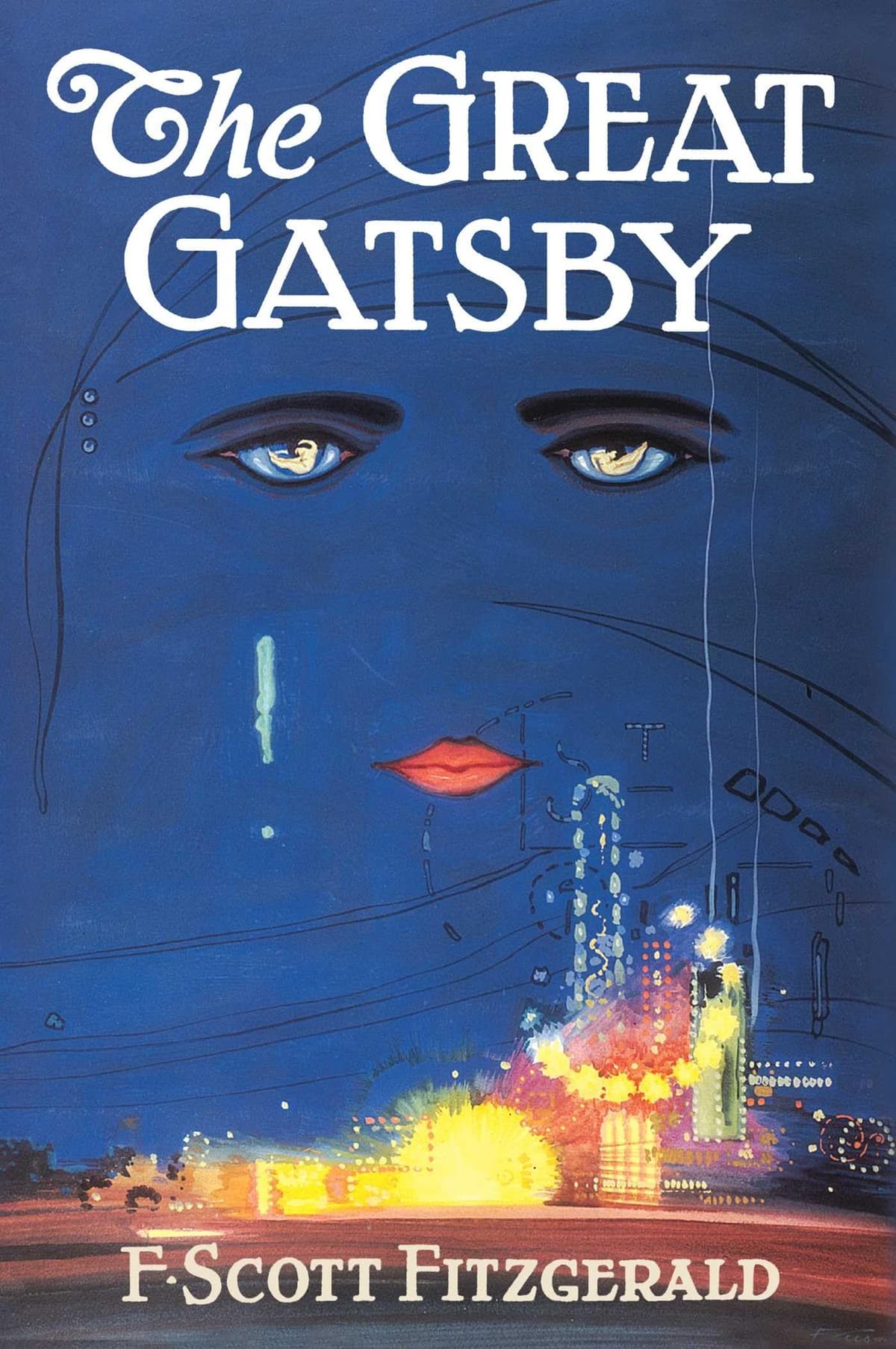 #3View Book
The Great Gatsby
F. Scott Fitzgerald
Accessible•5-6 hours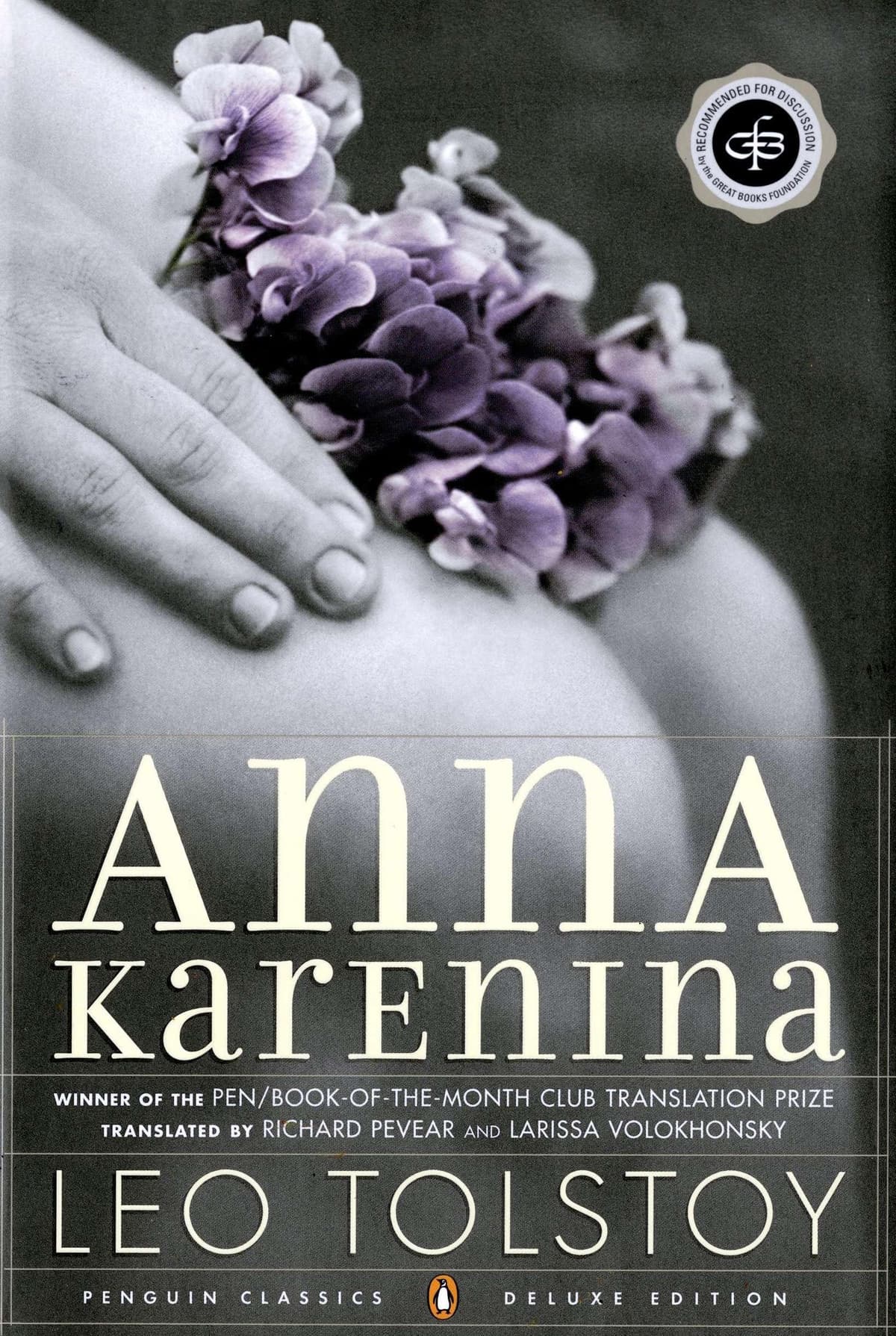 #10View Book
Anna Karenina
Leo Tolstoy
High•30-35 hours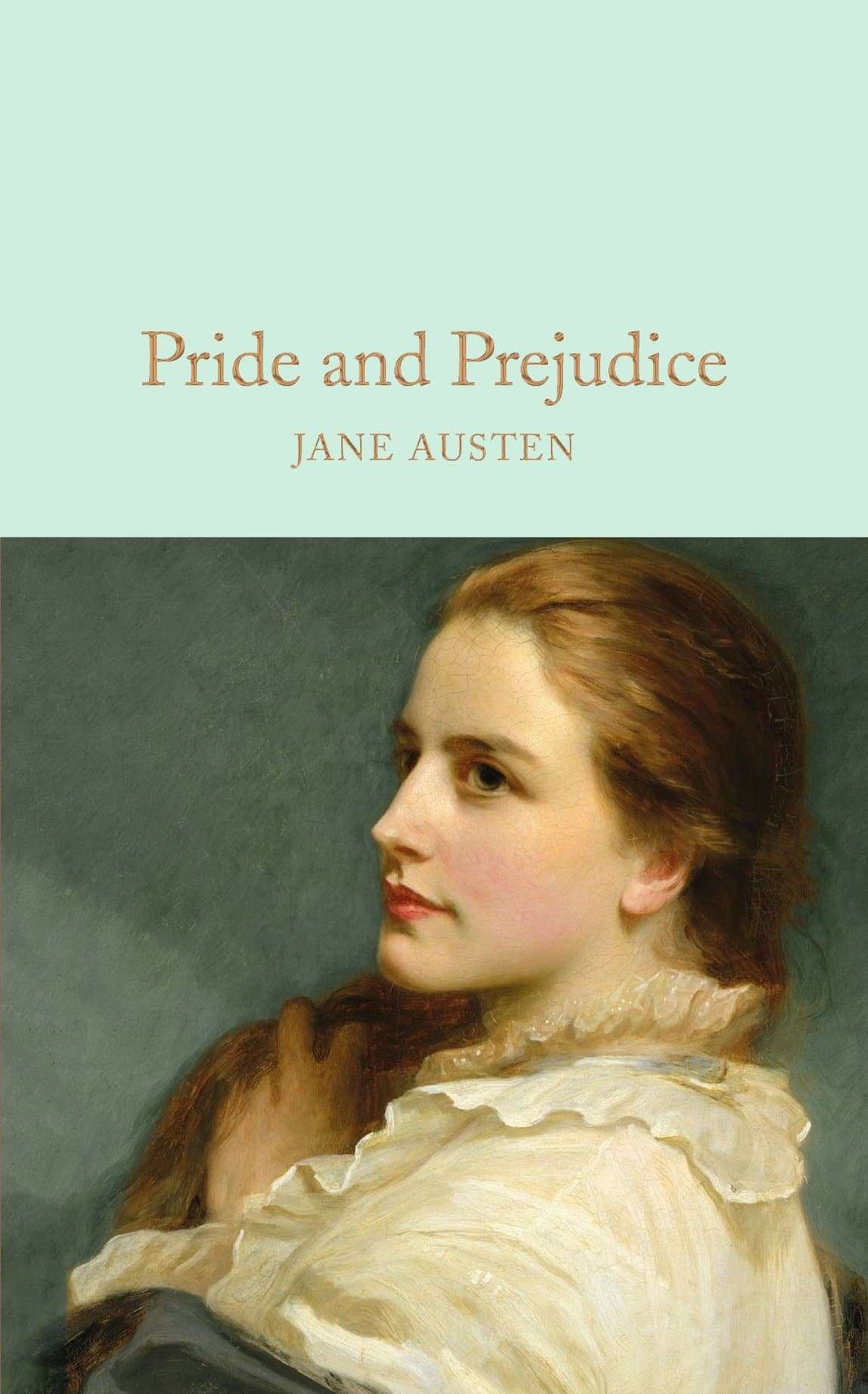 #12View Book
Pride and Prejudice
Jane Austen
Accessible•10-12 hours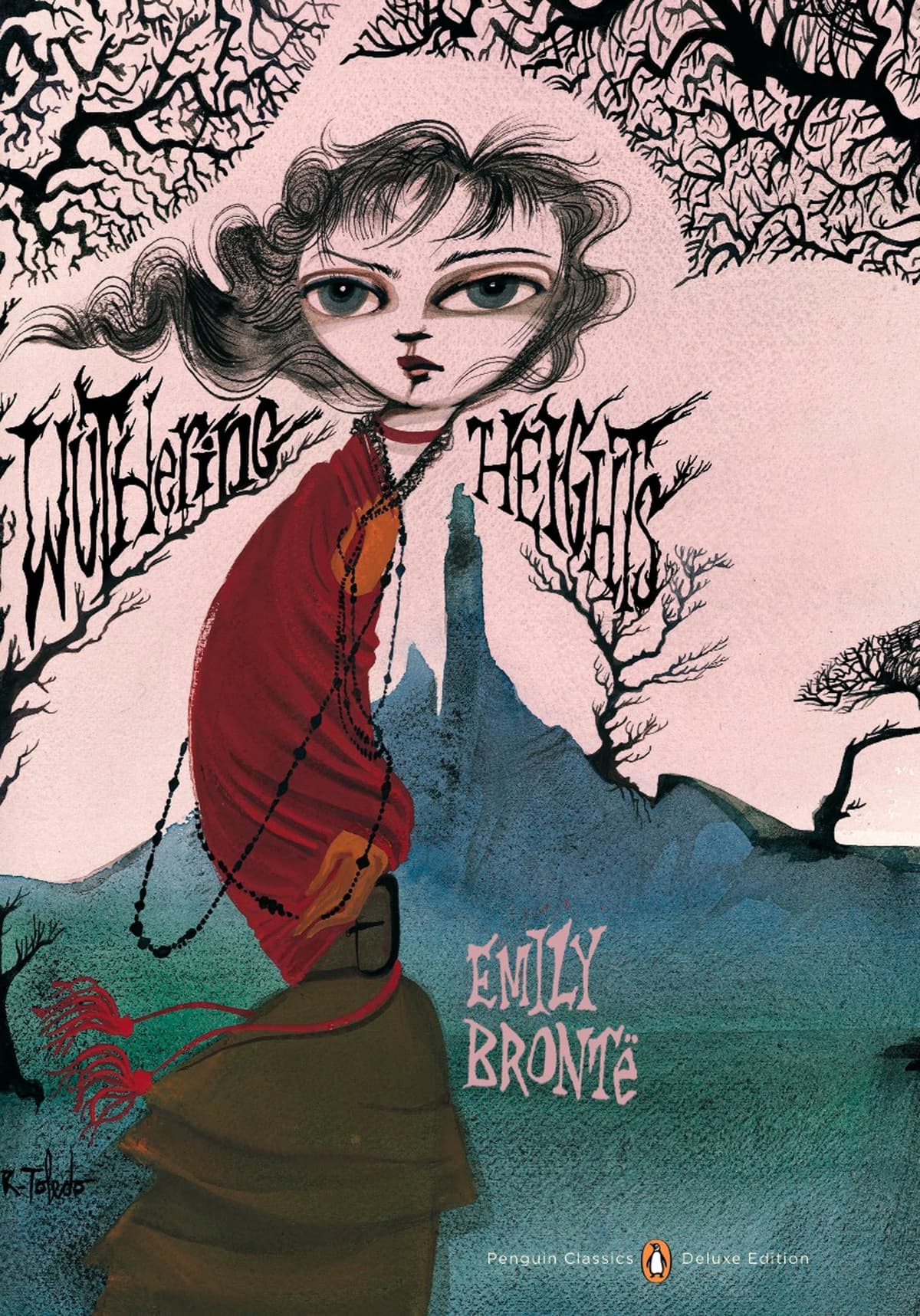 #15View Book
Wuthering Heights
Emily Brontë
Moderate•10-12 hours
Browse more collections