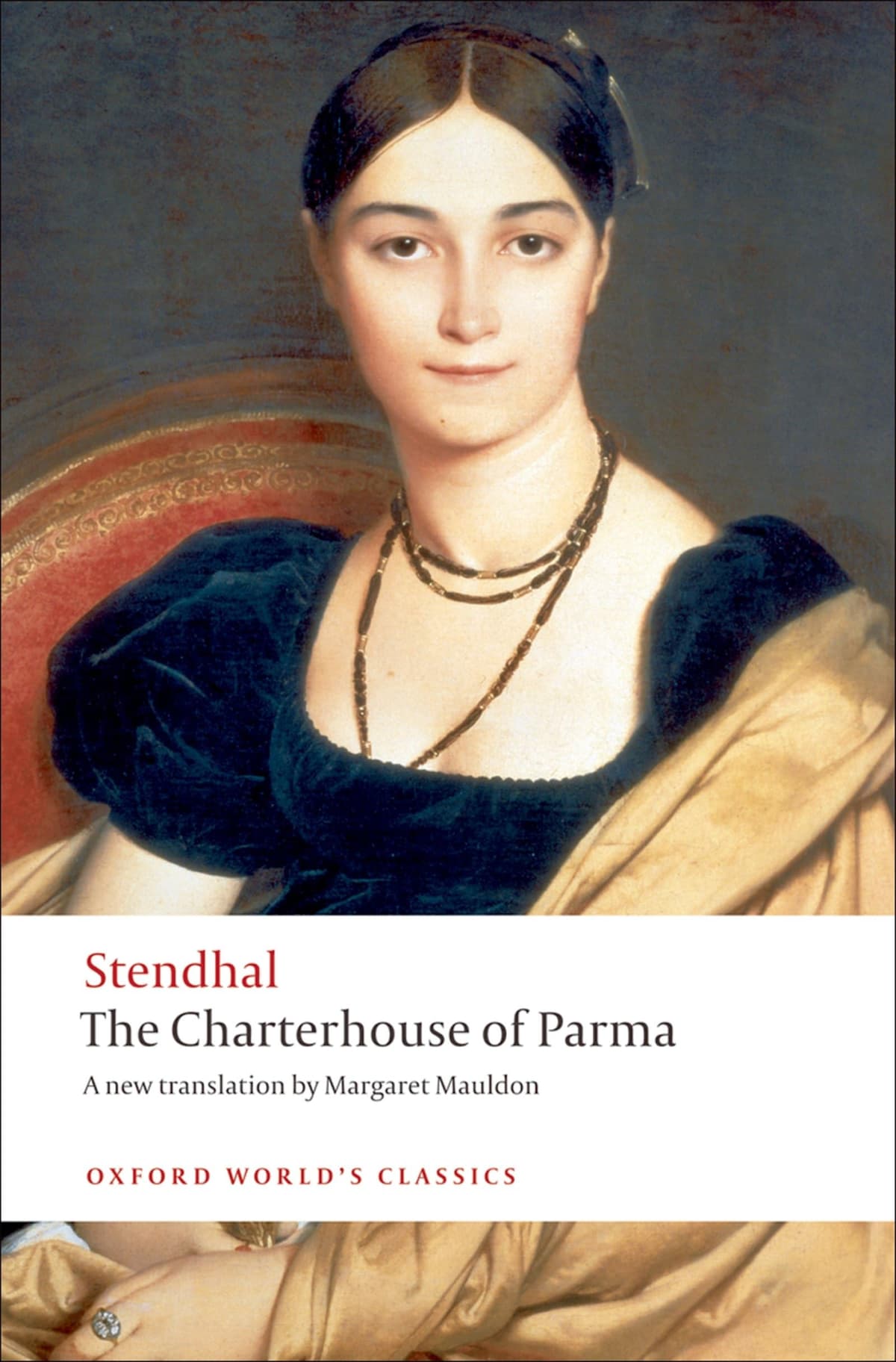
The Charterhouse of Parma
“One can acquire everything in solitude except character.”
The Charterhouse of Parma Summary
Young Fabrizio del Dongo, an ardent Italian nobleman intoxicated by Napoleon, rides off to fight at Waterloo—only to wander through the battle in a bewildered daze, never quite sure whether he has participated in a great historical event or merely stumbled across a muddy field. This opening episode sets the tone for Stendhal's most exhilarating novel: a headlong rush through love, politics, and intrigue in the petty courts of post-Napoleonic Italy, where passion is the only thing that matters and hypocrisy is the air everyone breathes.
At the center of this dazzling carousel are three unforgettable figures: Fabrizio, the charming, reckless young idealist; his aunt Gina, the Duchess of Sanseverina, whose fierce love for him drives the plot with the force of a natural disaster; and Count Mosca, the brilliant prime minister who sacrifices his dignity for Gina's sake. Stendhal wrote the novel in fifty-two days, and it reads as if it were composed in a single breath—racing, digressive, alive with the joy of storytelling.
Why Read The Charterhouse of Parma?
Balzac called it the greatest novel ever written, and while literary rankings are always debatable, the Charterhouse of Parma makes a formidable case. Written at white heat in less than two months, it possesses a narrative energy that is almost without parallel in fiction. The famous Waterloo sequence alone—in which the fog of war is rendered with unprecedented realism—changed the way novelists wrote about battle forever, influencing Tolstoy, Crane, and Hemingway.
But the novel's true glory is its celebration of passion in all its forms—romantic, political, familial. Gina Sanseverina is one of the most magnificent women in all of fiction: brilliant, reckless, capable of flooding an entire city to save the man she loves. Stendhal writes about desire with a frankness and psychological acuity that make most modern novels seem timid by comparison. The Charterhouse of Parma is a novel drunk on life, and its intoxication is contagious.
About Stendhal
Stendhal was the pen name of Marie-Henri Beyle (1783–1842), a French writer who served in Napoleon's army and witnessed the burning of Moscow. His experiences as a soldier and diplomat gave him a keen eye for power, hypocrisy, and the gap between public performance and private desire.
Largely unappreciated in his own time, Stendhal famously predicted that he would be understood only after 1880—and he was right. His two major novels, The Red and the Black and The Charterhouse of Parma, are now recognized as masterpieces that anticipated the psychological novel by half a century. Balzac praised the Charterhouse as a work of genius, and Stendhal remains one of the most modern-feeling writers of the nineteenth century.
Reading Guide
Ranked #130 among the greatest books of all time, The Charterhouse of Parma by Stendhal has earned its place in the literary canon. Originally written in French and published in 1839, this moderate read from France continues to resonate with readers today.
This book belongs to our Society & Satire and Love & Loss collections, where you can discover more books that share its spirit and themes.
If you enjoy moderate reads like this one, you might also like One Hundred Years of Solitude, Nineteen Eighty-Four, or Wuthering Heights.
From the Society & Satire Collection
If you enjoyed The Charterhouse of Parma, discover more masterpieces that share its spirit.
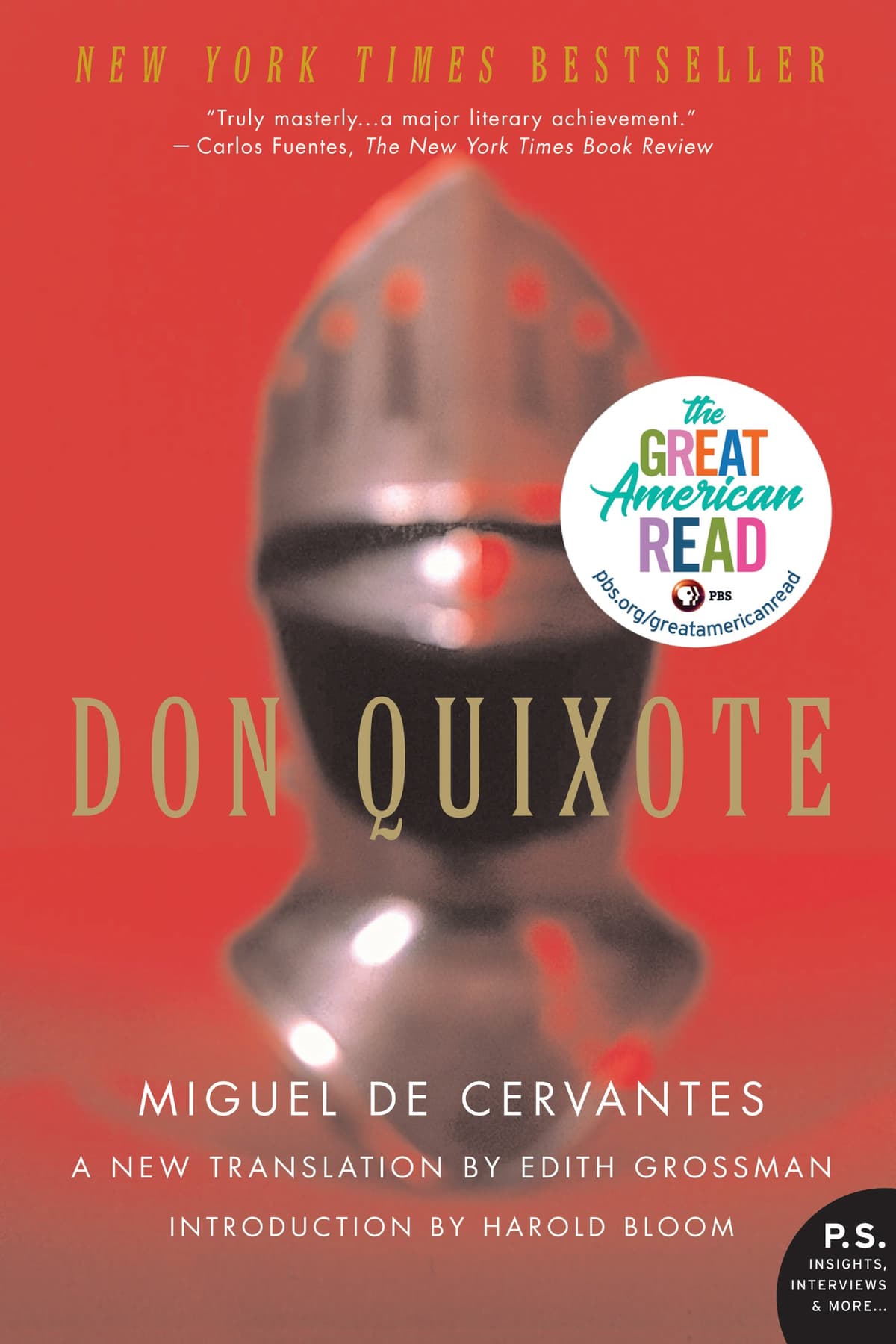 #9View Book
Don Quixote
Miguel de Cervantes
High•35-40 hours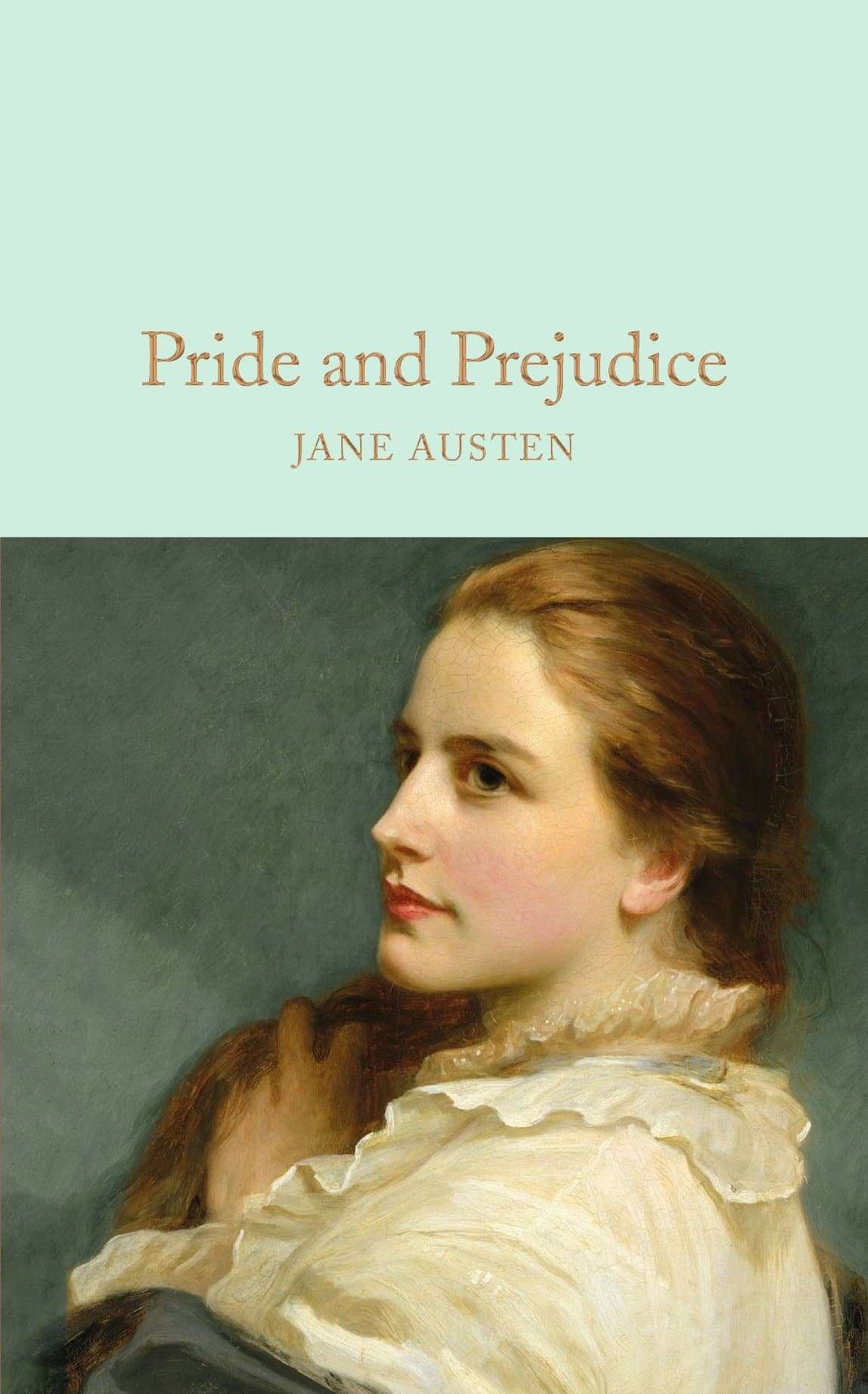 #12View Book
Pride and Prejudice
Jane Austen
Accessible•10-12 hours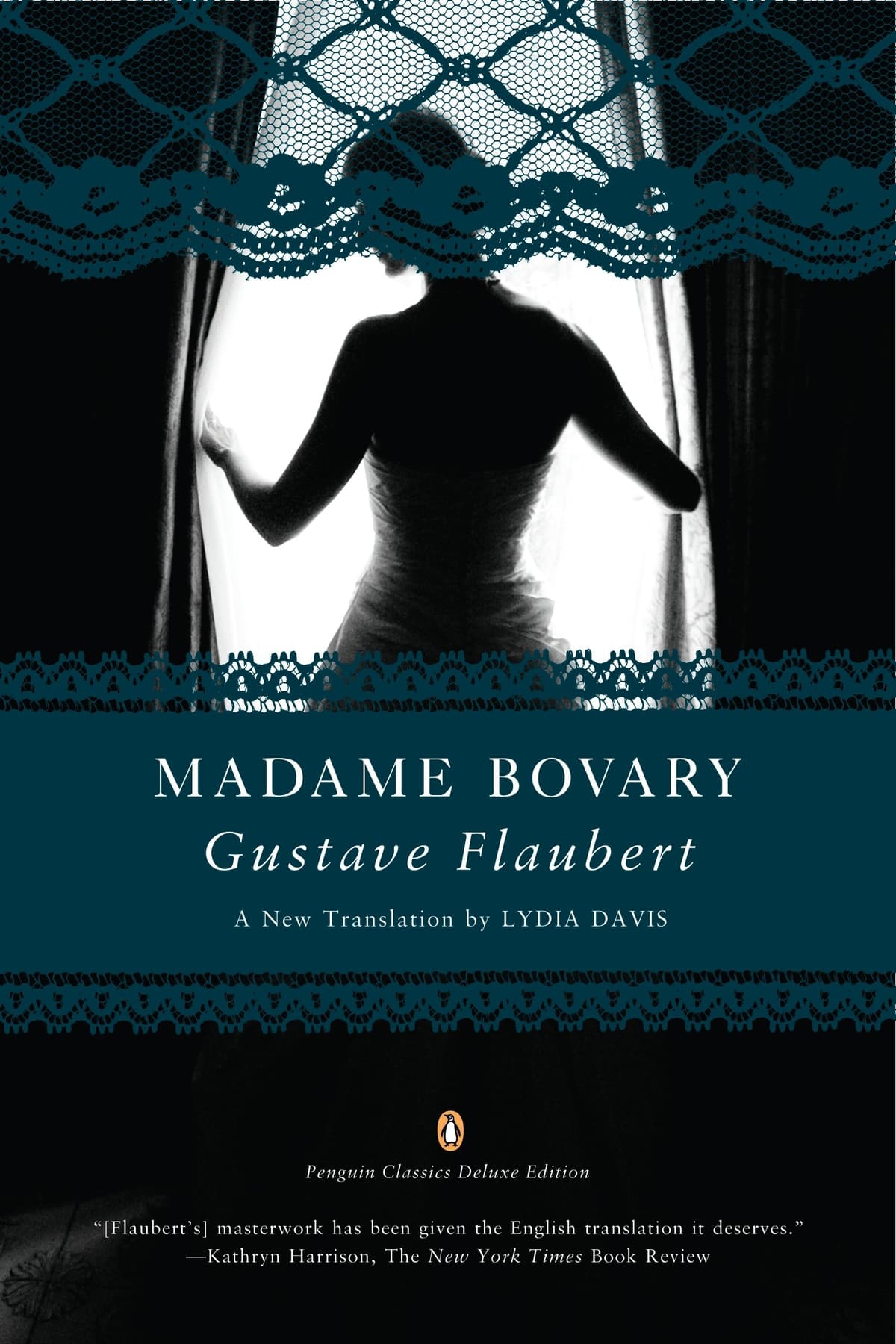 #22View Book
Madame Bovary
Gustave Flaubert
Moderate•12-15 hours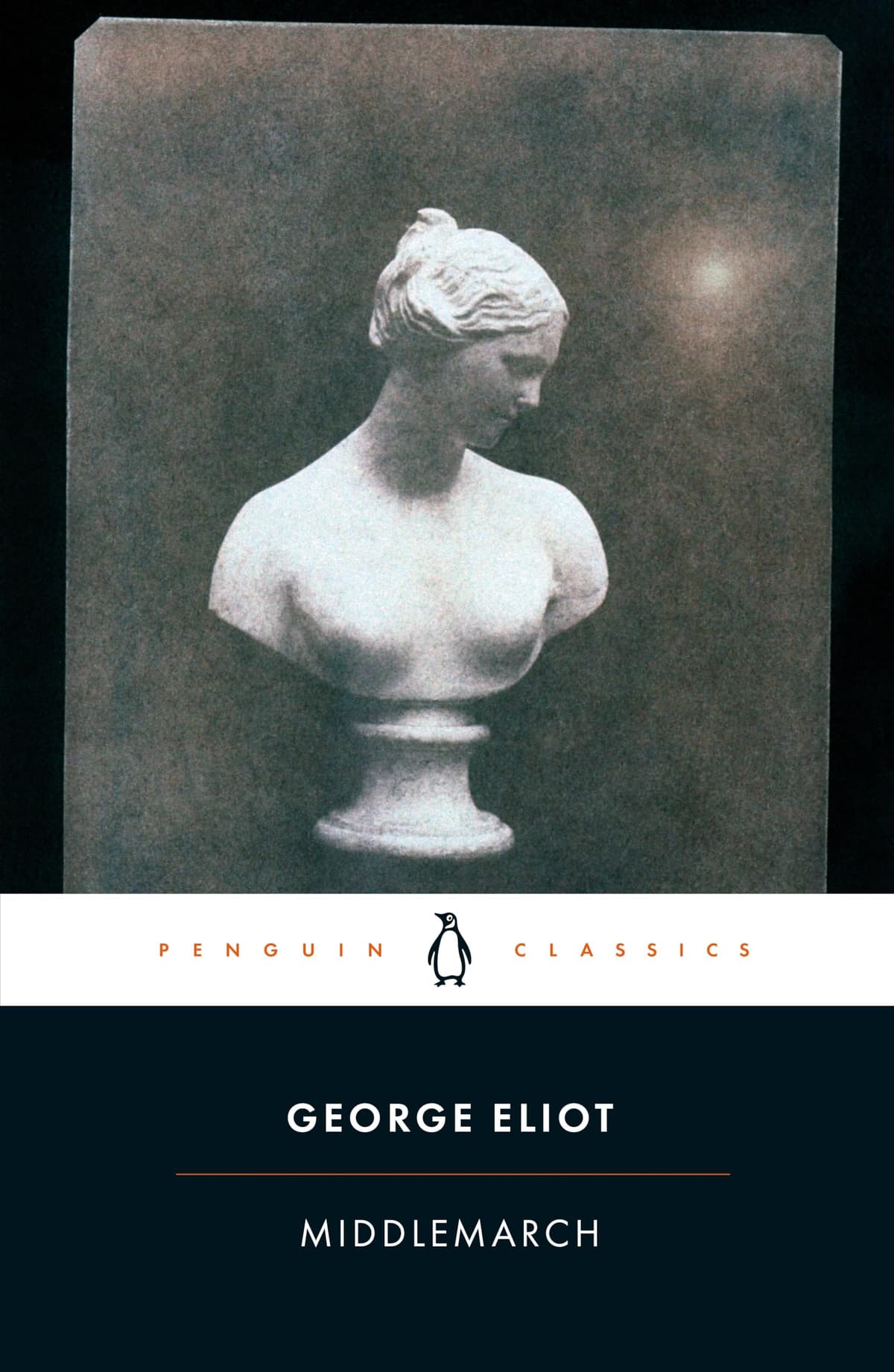 #30View Book
Middlemarch
George Eliot
High•30-35 hours
Browse more collections